Home/Curriculum resources/Exploring local Country: Places of importance/Case Study 9: Contemporary murals and public art by Aboriginal and Torres Strait Islander artists
Learning Areas:
Humanities and Social Sciences, English, Mathematics
Year levels:
Foundation, Level 1, Level 2
Case Study 9: Contemporary murals and public art by Aboriginal and Torres Strait Islander artists
This case study is a part of the Exploring local Country: Places of importance resource.
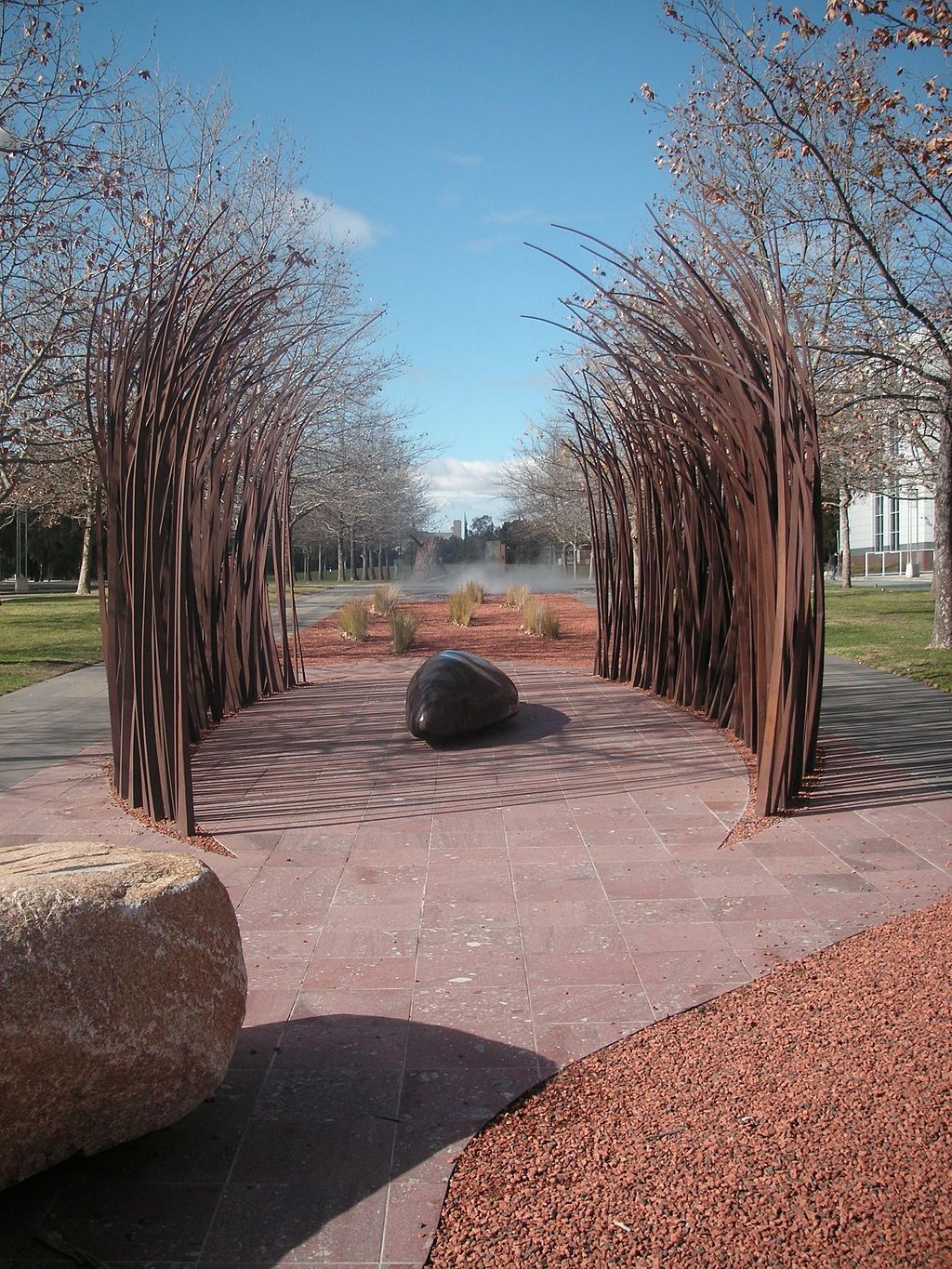
Fire and Water. Location: Reconciliation Place, Canberra. Photographer: Fiona Henderson. Source: Wikimedia Commons. Used under licence: CC BY 2.0.

Case Study 9: Contemporary murals and public art by Aboriginal and Torres Strait Islander artists
Public artworks and murals can be powerful ways for communities to share stories in public places. They might celebrate local language and history, welcome visitors, mark important meeting places, or invite people to care for land and water. When exploring public art with students, follow local guidance, credit artists and communities, and model respectful viewing and photography.
Table 1: Examples from across the country
Name & Location | Custodians | Details |
|---|---|---|
‘shell wall 2015’, Barangaroo, Sydney, NSW | Gadigal People of the Eora Nation | Large-scale public artwork by Bidjigal/Eora Elder Esme Timbery and Wiradjuri/Kamilaroi artist Jonathan Jones; celebrates La Perouse shellwork traditions on the waterfront walk. 0 |
Reconciliation Place, Parliamentary Triangle, Canberra, ACT | Ngunnawal People | Outdoor public art precinct featuring works by leading Aboriginal and Torres Strait Islander artists; self-guided walks focus on shared histories and connection to land and water. 0 |
City public art walk with Aboriginal guides, Brisbane/Meanjin, QLD | Turrbal and Jagera Peoples | Guided walks along the river highlight contemporary Aboriginal public artworks and stories in the CBD and parklands. 0 |
Power and Water murals, Darwin / Garramilla, NT | Larrakia People | Recent large-scale murals across infrastructure sites celebrate Larrakia culture and are part of a broader Top End public art movement. 0 0 |
Reconciliation Plaza artwork, Tarntanyangga / Victoria Square, Adelaide, SA | Kaurna People | Footpath artwork created with Kaurna community involvement marks the square as a traditional meeting place. 0 |
‘Convergence’ mural, Fitzroy North, VIC | Wurundjeri Woi-wurrung People | 22-metre mural by artist Lisa Waup; a prominent recent example of Aboriginal-led public art in inner-north Melbourne. 0 |
‘The Celebration Dreaming’ mural, Gertrude St, Fitzroy, VIC | Wurundjeri Woi-wurrung People | Community-focused mural project led by Gunnai / Waradgerie / Yorta Yorta artist Robert Young, referencing Kulin stories and local Aboriginal history. 0 |
Gab Titui Cultural Centre, Thursday Island, Torres Strait, QLD | Kaurareg People (Kaiwalagal region) | Cultural centre that commissions and presents Torres Strait Islander public art and exhibitions; a local hub for artists and visiting school groups. 0 |
Related case studies within this resources:
Case Study 1: Rock art
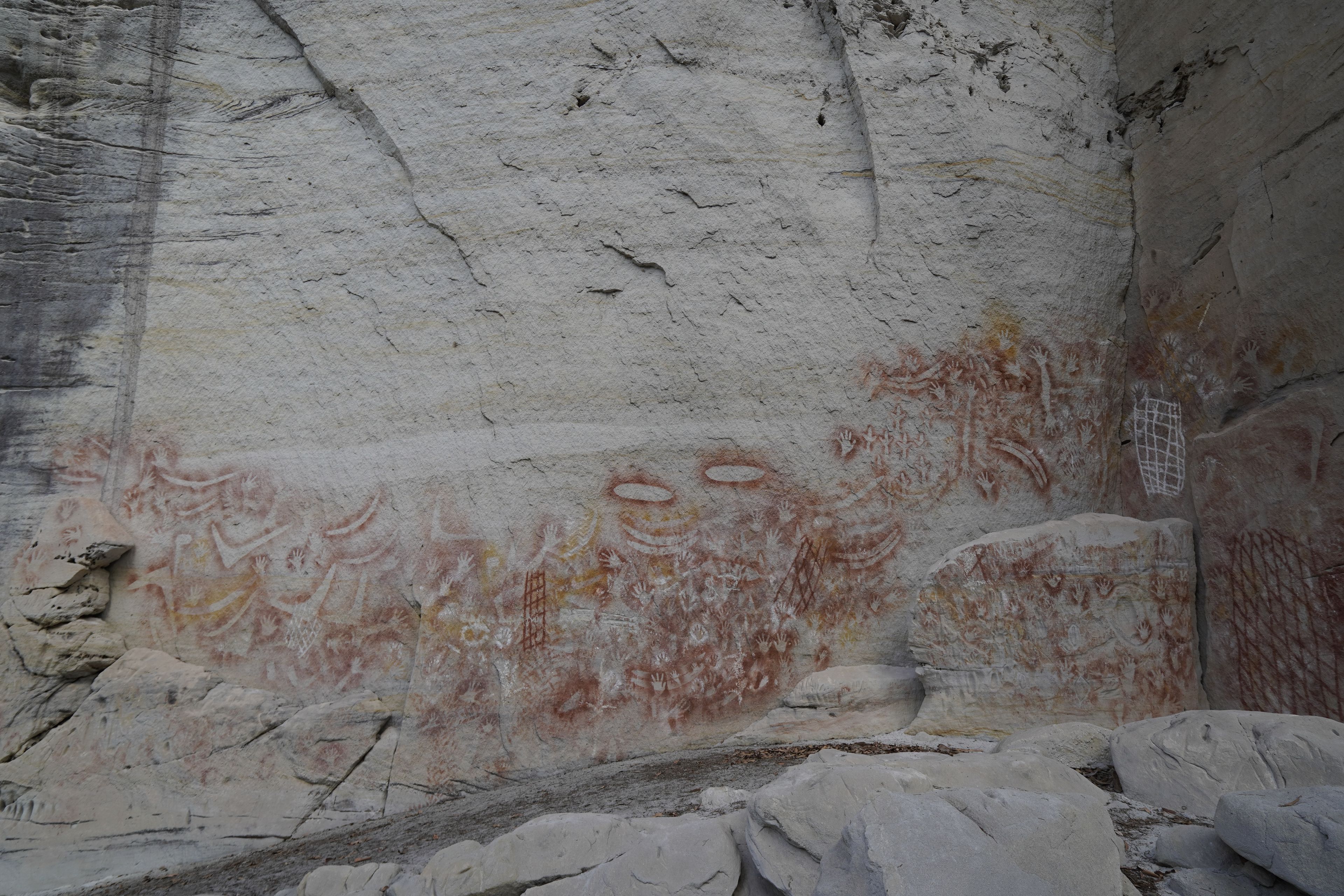
Aboriginal rock art, painted or engraved in sheltered rock places, marks living and ceremonial sites and, as some of the oldest art on Earth, needs ongoing care and respect.
Case Study 2: Stone arrangements
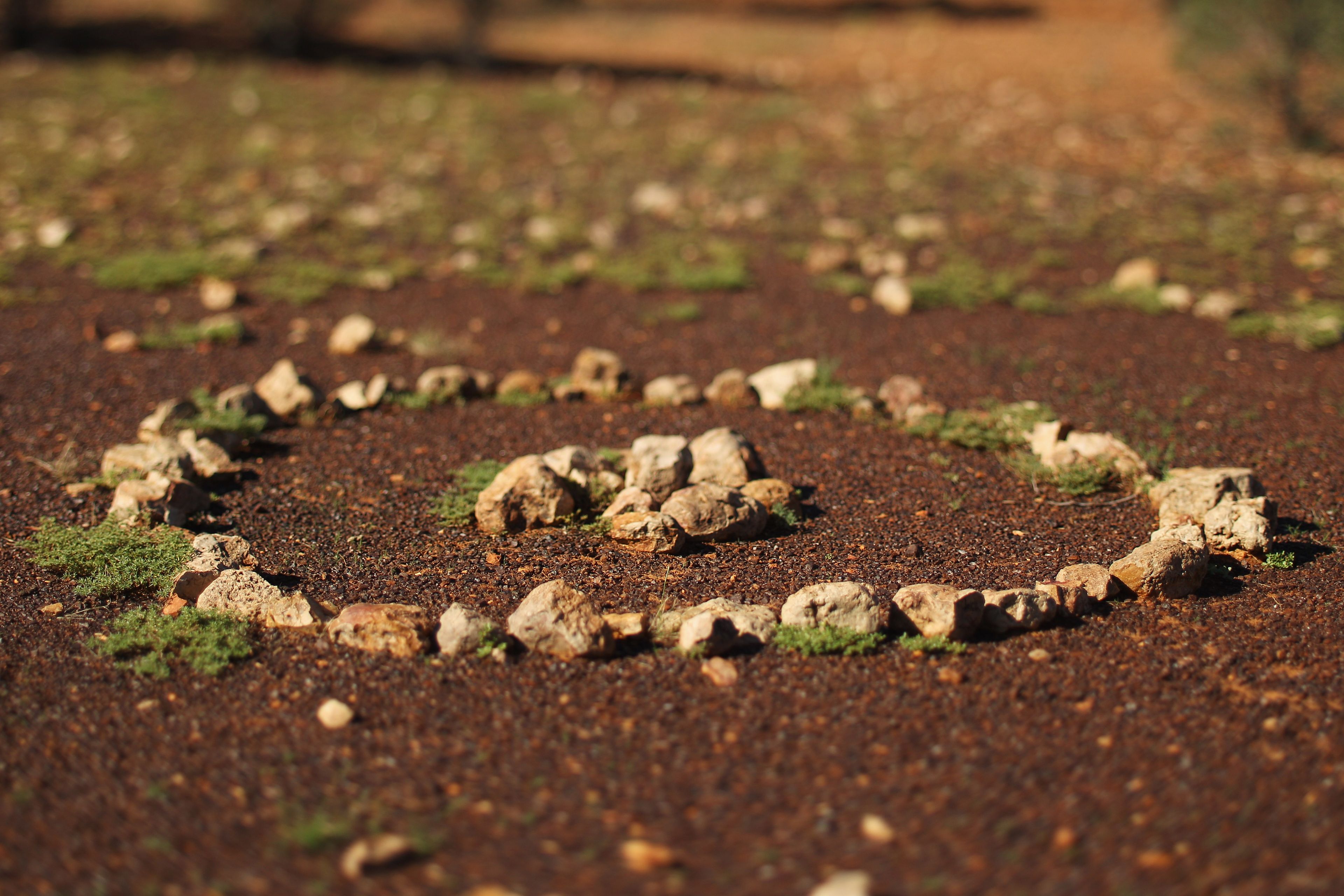
Aboriginal stone arrangements, carefully placed rocks for cultural, ceremonial or navigational purposes, are deeply significant; many meanings are not public, and most sites (often on private land) require protection and discretion.
Case Study 3: Middens
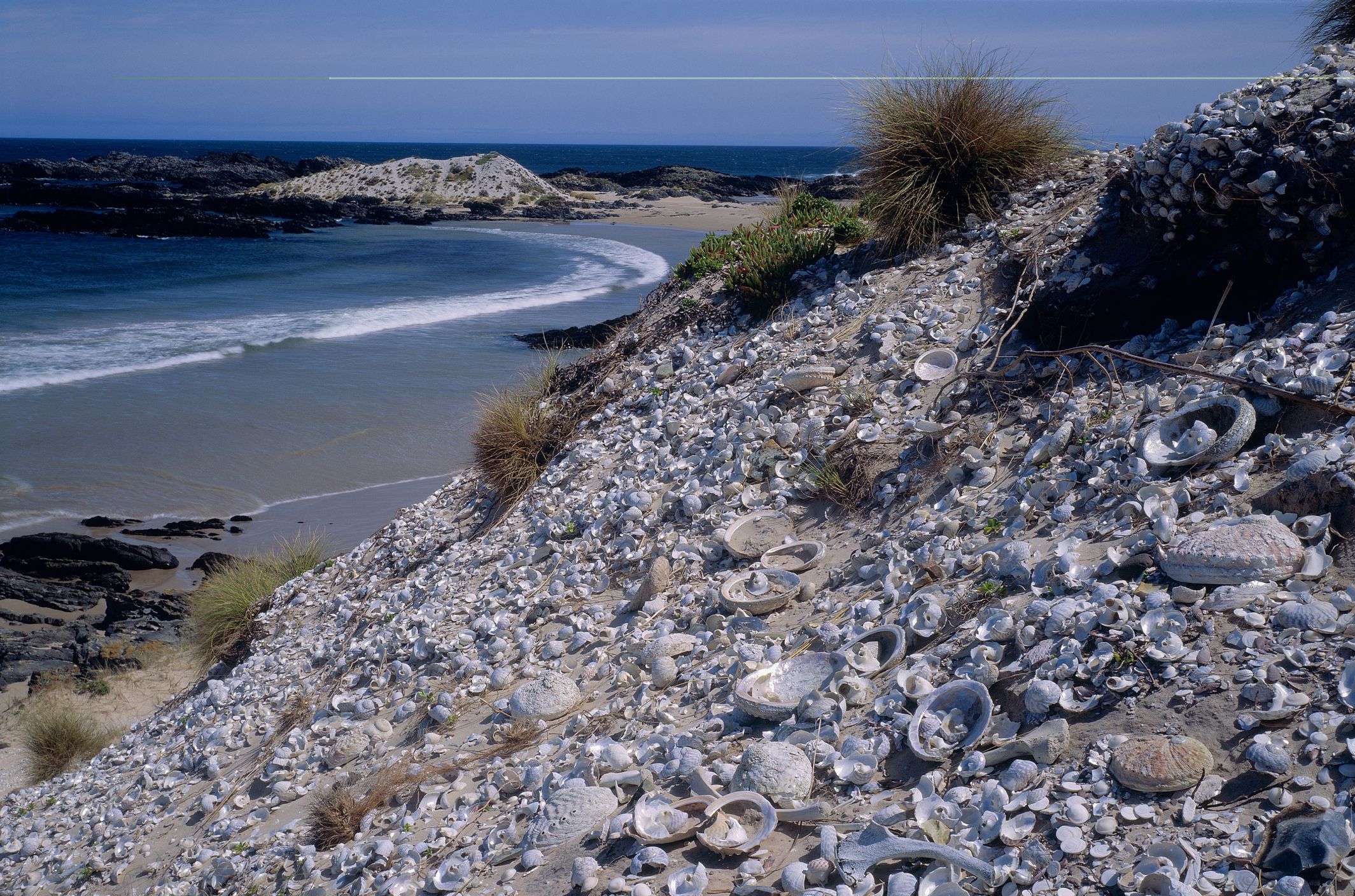
Middens are time capsules of everyday life; archaeologists study them to learn how Aboriginal and Torres Strait Islander Peoples lived and ate before and after colonisation.
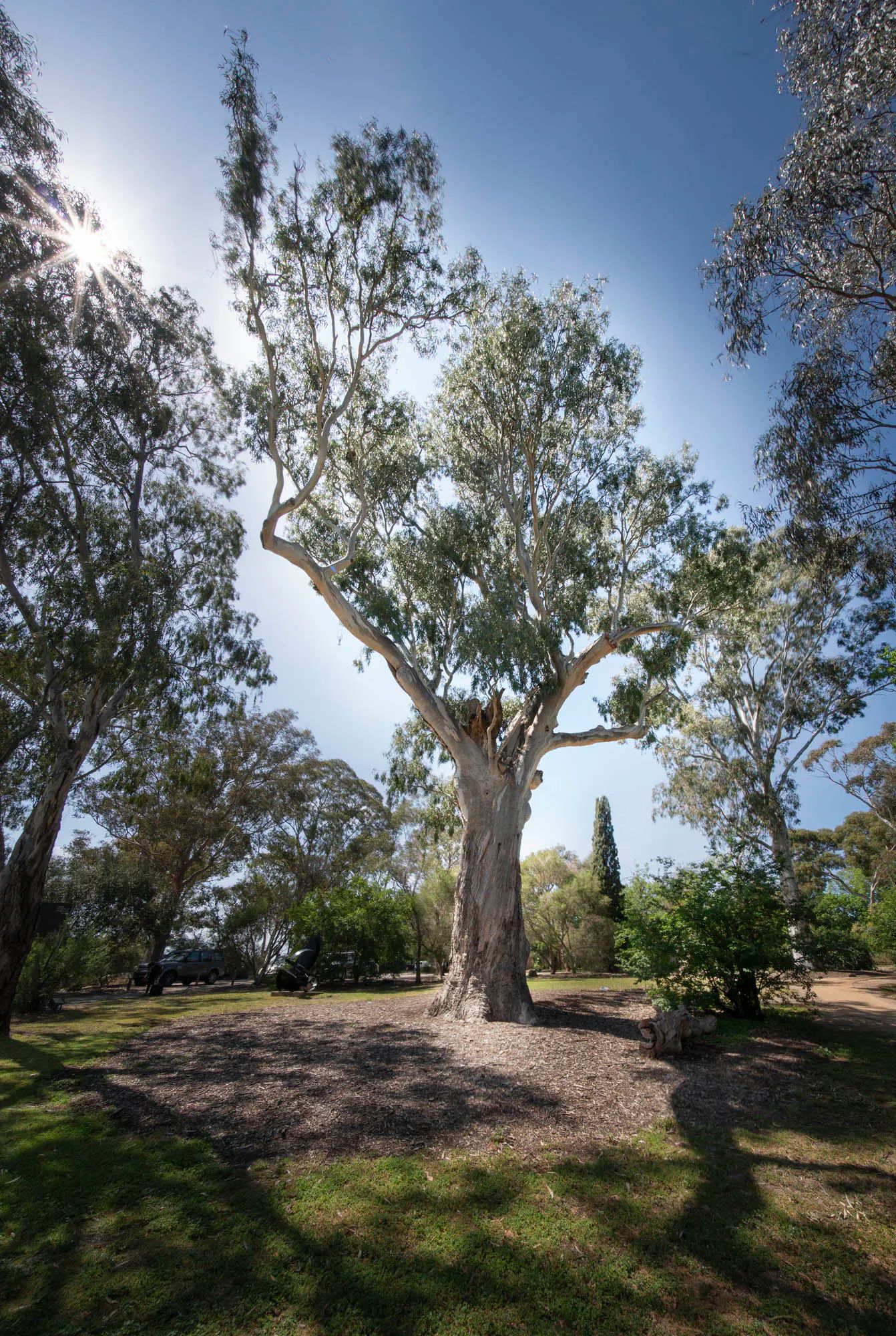
Case Study 4: Scarred trees
Scarred trees are living records where bark was carefully taken to make canoes, shields, coolamons and other items; they reveal deep knowledge and need careful identification and protection.
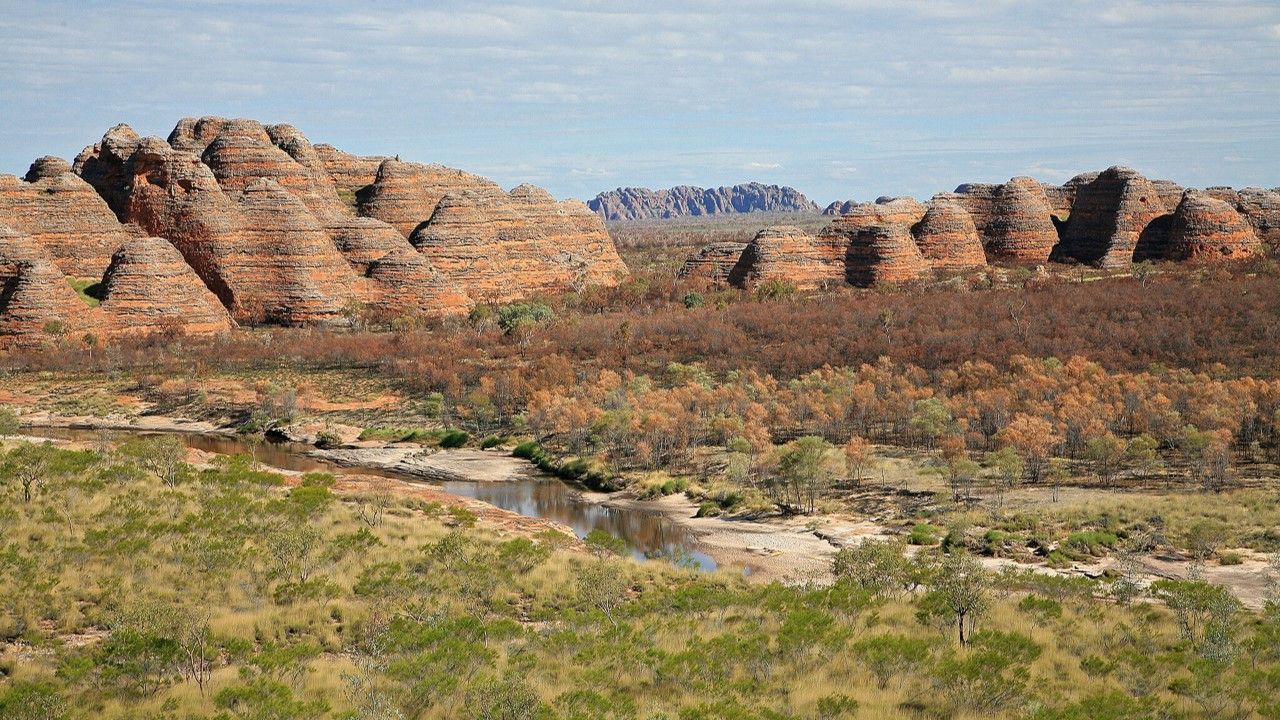
Case Study 5: National parks and named landforms
National parks and named landforms are public places to learn about and enjoy Country, supporting culture, nature and community.
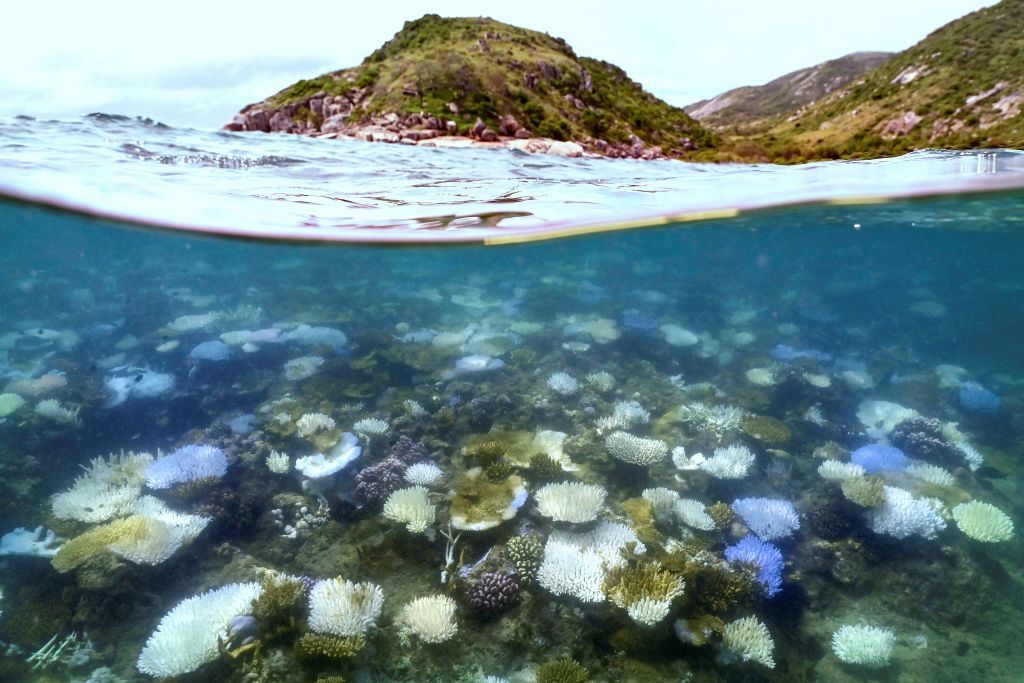
Case Study 6: Reefs and Sea Country
Reefs, islands and coastal places support rich life and long custodianship.
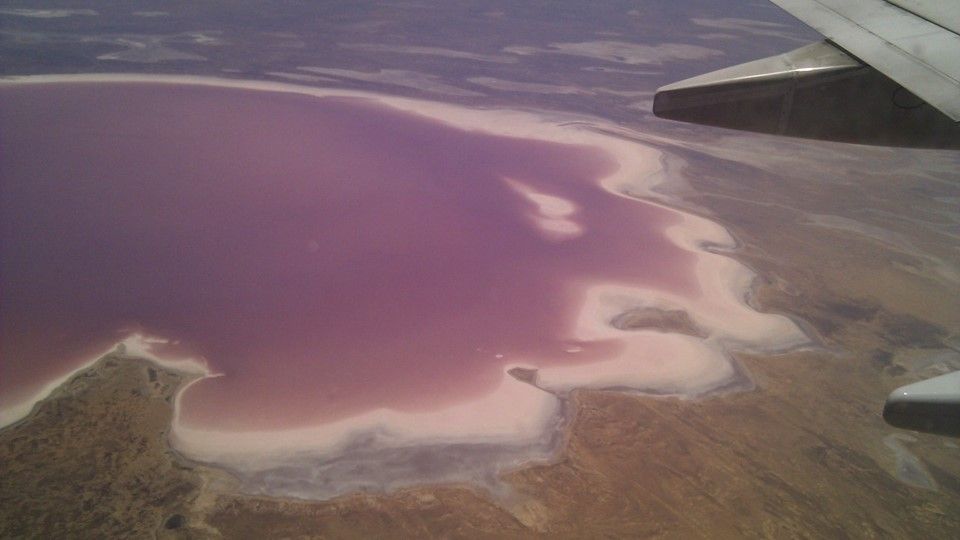
Case Study 7: Rivers, lakes and wetlands
Rivers, lakes and wetlands provide water, habitat and teaching places.
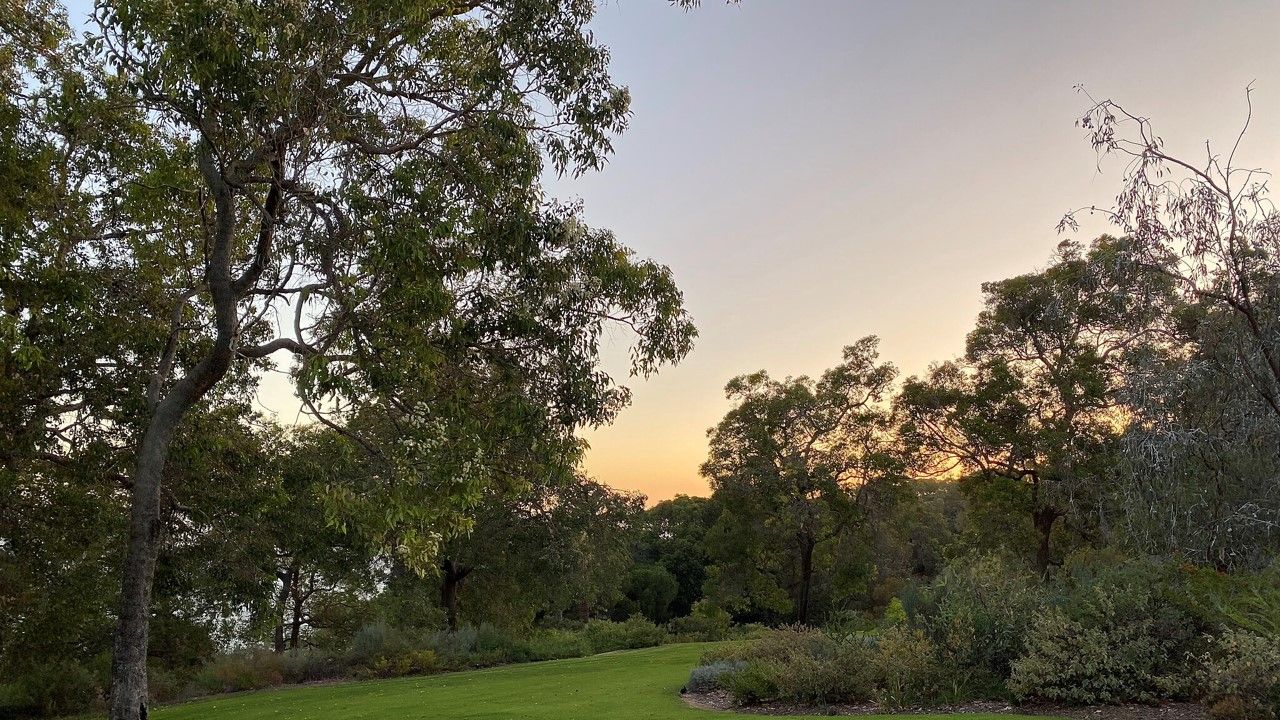
Case Study 8: Urban parks, gardens and native gardens
Urban parks and native gardens are everyday places to connect with Country in the city.
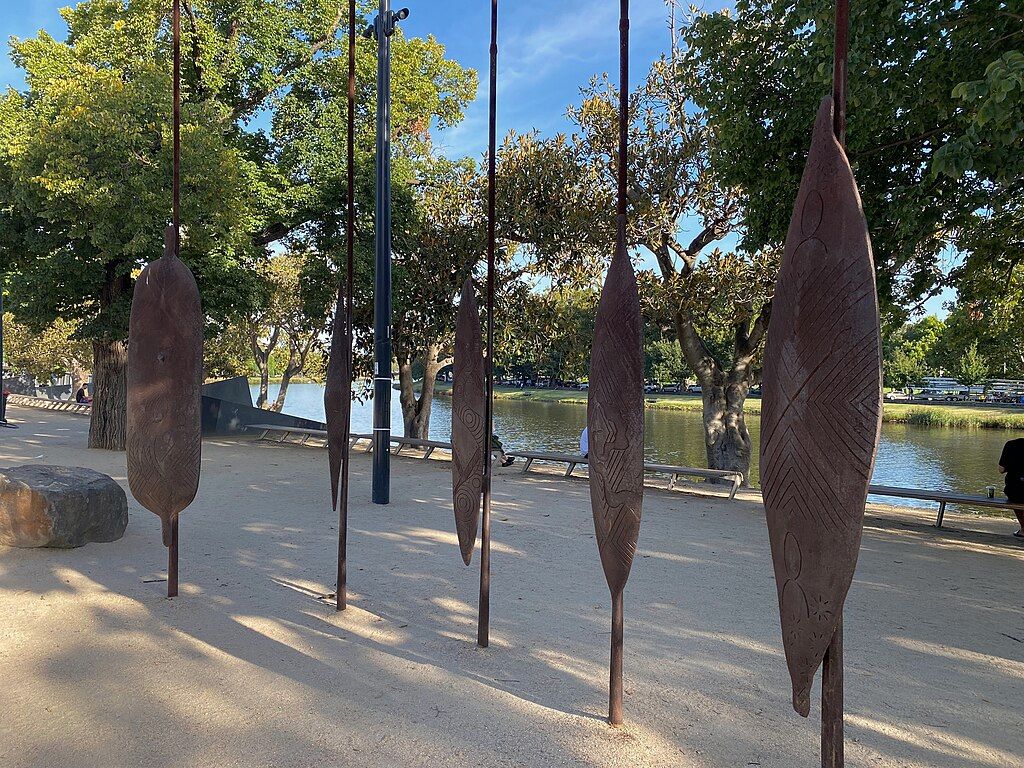
Case Study 10: Meeting places and community spaces
Meeting and community places support gathering, celebration and learning.
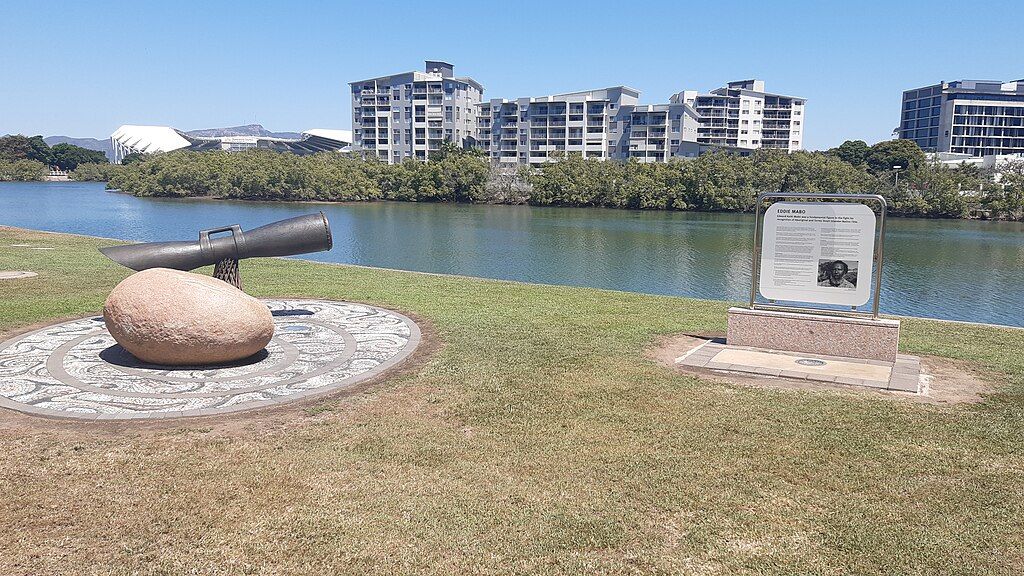
Case Study 11: Monuments and memorials
Monuments and memorials remember people, events and stories.
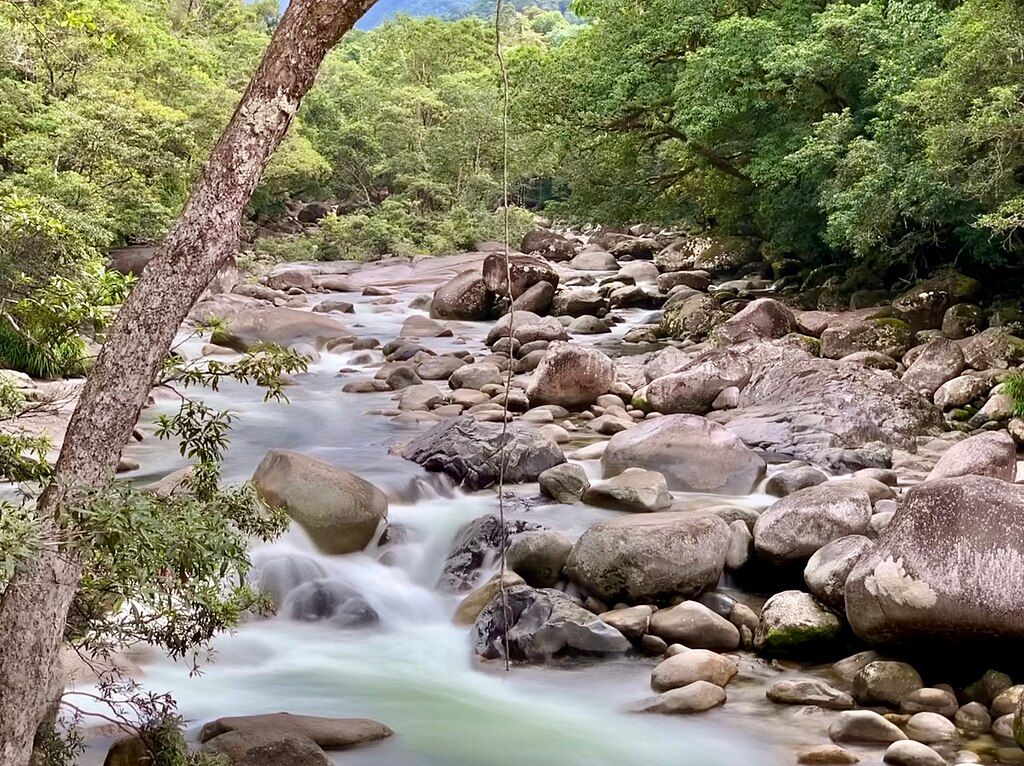
Case Study 12: Trails and cultural walks
Signed trails and cultural walks help people explore Country step by step.
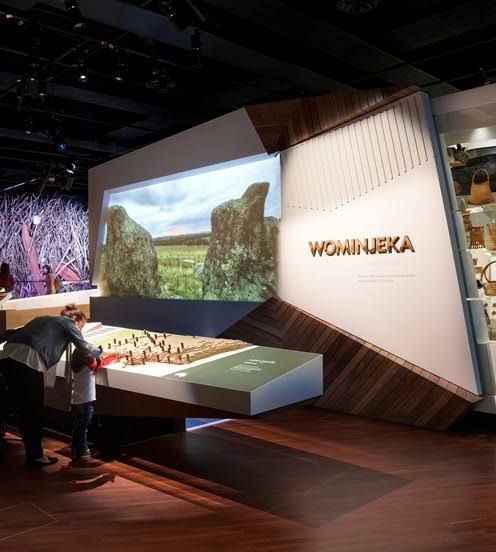
Case Study 13: Museums, galleries and cultural centres
Museums, galleries and cultural centres share publicly available knowledge and exhibits.
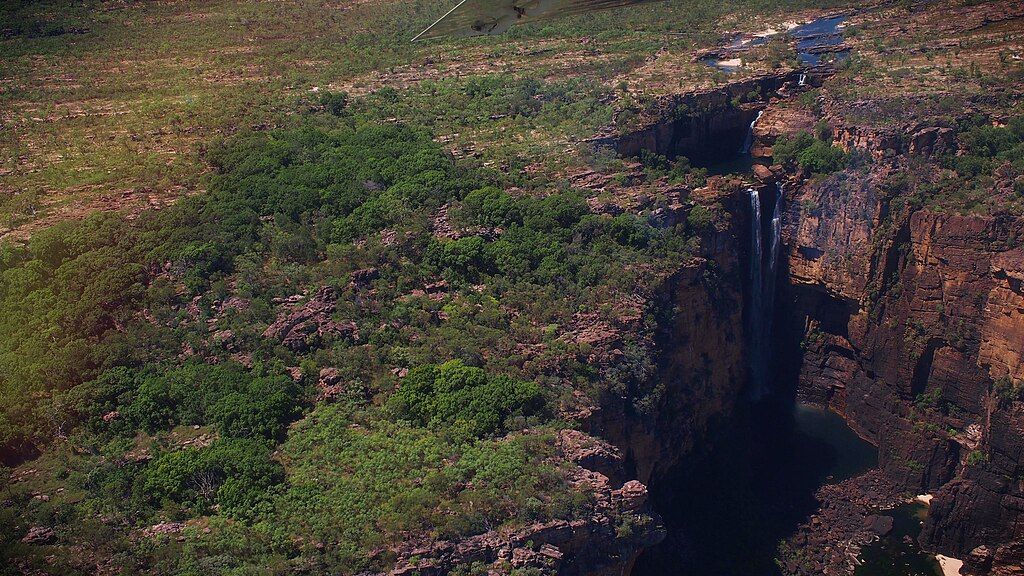
Case Study 14: The Rainbow Serpent
Across Australia, many Aboriginal communities share Rainbow Serpent stories, known by different names and sometimes described as female or male, that connect to water places and other important landscapes.