Home/Curriculum resources/Exploring local Country: Places of importance/Case Study 4: Scarred trees
Learning Areas:
Humanities and Social Sciences, English, Mathematics
Year levels:
Foundation, Level 1, Level 2
Case Study 4: Scarred trees
This case study is a part of the Exploring local Country: Places of importance resource.
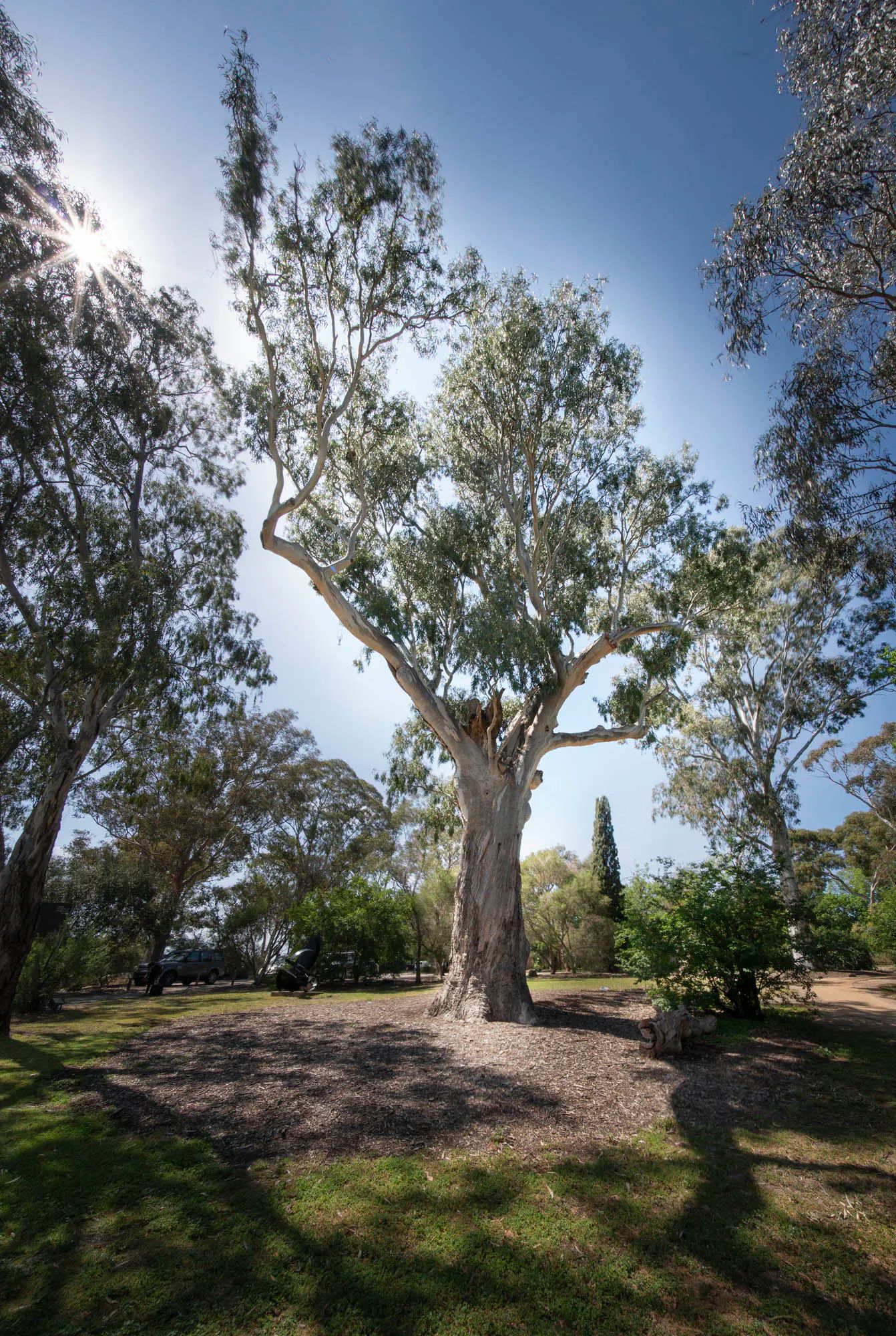
Yingabeal. Heide-Gardens (Heide Museum of Modern Art), Wurundjeri Woi-wurrung Country. Photographer: John Gollings. Source: Heide Museum of Modern Art. Used with permission.

Case Study 4: Scarred trees
Scarred trees, often referred to as “scar trees”, are living historical records of Aboriginal ingenuity, marked by the deliberate removal of bark to create tools, vessels like coolamons (oval-shaped wooden carrying dishes), shields, canoes, or to build shelters and footholds. These scars are typically well-defined, sometimes paralleling rectangular or oval shapes, usually stopping above ground level, and appear on mature native species such as red gum and box trees that are often over 200 years old.
While bark removal was done using stone or steel tools, natural and settler-related damage such as fire or logging may leave similar marks, so careful identification is important. Scarred trees offer invaluable insights into traditional material usage and cultural practices, and serve as living links to Aboriginal heritage that survive in the landscape today. 0
Table 1: Examples from across the country
Name & Location | Custodians | Details | Websites for classroom use |
|---|---|---|---|
Yingabeal scarred tree, Birrarung, Bulleen, VIC | Wurundjeri Woi‑wurrung People | Well-known scarred tree with bark removed for canoes or coolamons, located along the Birrarung (Yarra River). 0 | Yingabeal: Indigenous Geography at Heide – Victorian Collections. |
Chowilla floodplain scarred trees, Murray-Darling Basin, SA | River Murray and Mallee Peoples | Scarred and sacred trees recorded along the Chowilla floodplain, monitored for conservation; some bark removal scars are part of ceremonial or site markers. 0 | Monitoring the sacred trees of Chowilla - River Murray and Mallee Aboriginal Corporation |
Yellow Box Canoe Tree, Tharwa (near Lanyon Homestead), ACT | Ngunnawal People | Heritage listed yellow box tree near Lanyon Homestead with a canoe-shaped bark scar measuring approximately 2.5 m × 0.4 m, clearly visible and interpretable. Restricted access. 0 | |
Scarred Tree, Albany (Great Southern Region), WA | Menang / Noongar Peoples | Identified by the local Aboriginal community in 2002 in public open space near a seasonal swamp, this Melaleuca (swamp paperbark) was one of the few recorded scarred trees in the Great Southern Region. Notable as the species is uncommon for scar trees, the scarring measured about 700 mm × 700 mm, with axe marks visible at both the top and bottom. Steps had been cut into the eastern face, and the scar was on the south side of the tree. Located about 800 m north of the Oyster Harbour fishtraps, it reflects the broader Aboriginal use of the Kalgan area. At the time of recording it was well preserved, but by 2005 the tree had collapsed into the river, with water damage and species type limiting its lifespan. 0 | Scarred Tree – Government of Western Australia, State Heritage Office. |
Scarred Trees, Parramatta Park, Sydney, NSW | Baramadagal / Dharug Peoples | A number of scarred trees have been identified at Parramatta Park. The bark was removed to make canoes, food and water carriers and bark shelters. 0 0 |
Related case studies within this resources:
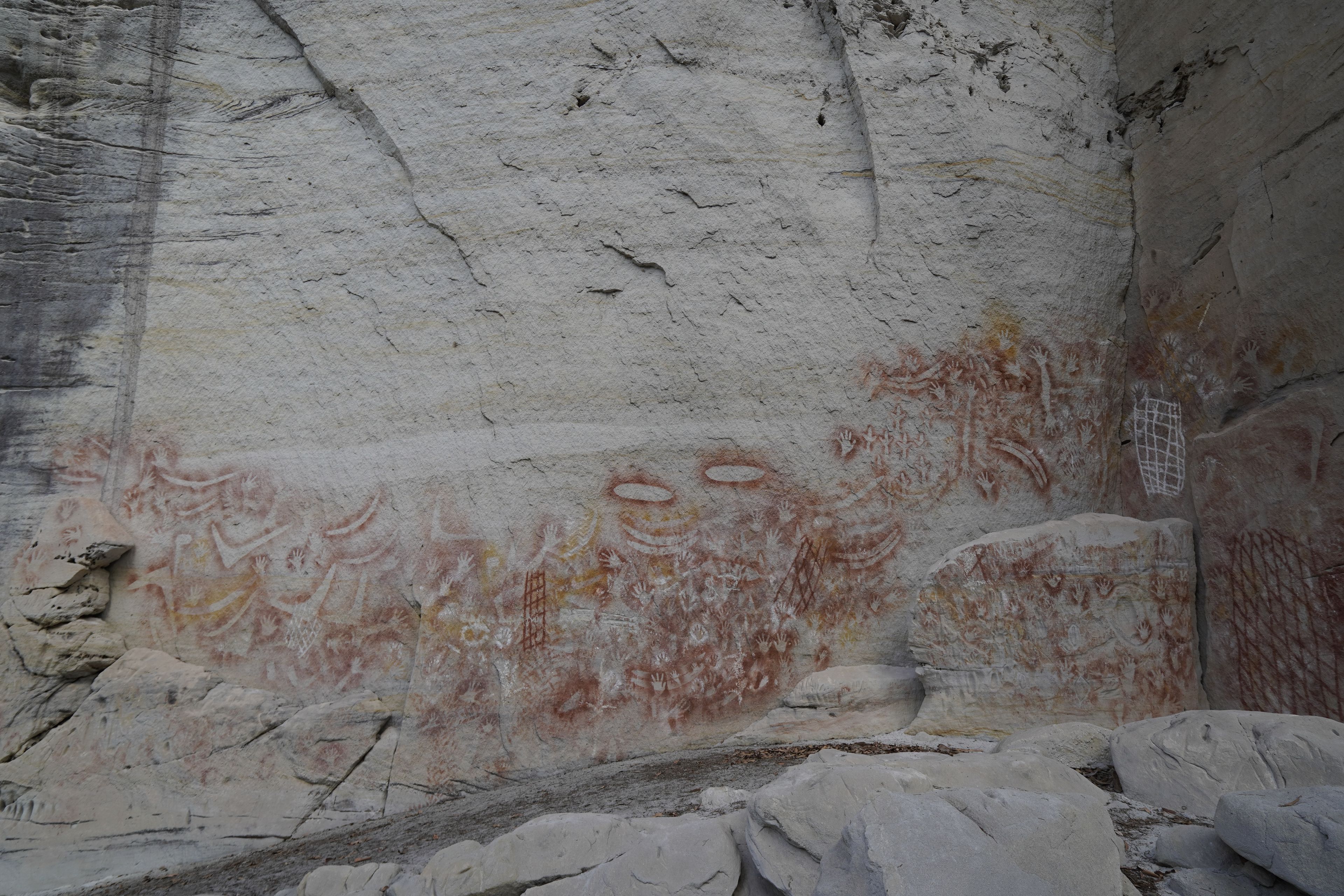
Case Study 1: Rock art
Aboriginal rock art, painted or engraved in sheltered rock places, marks living and ceremonial sites and, as some of the oldest art on Earth, needs ongoing care and respect.
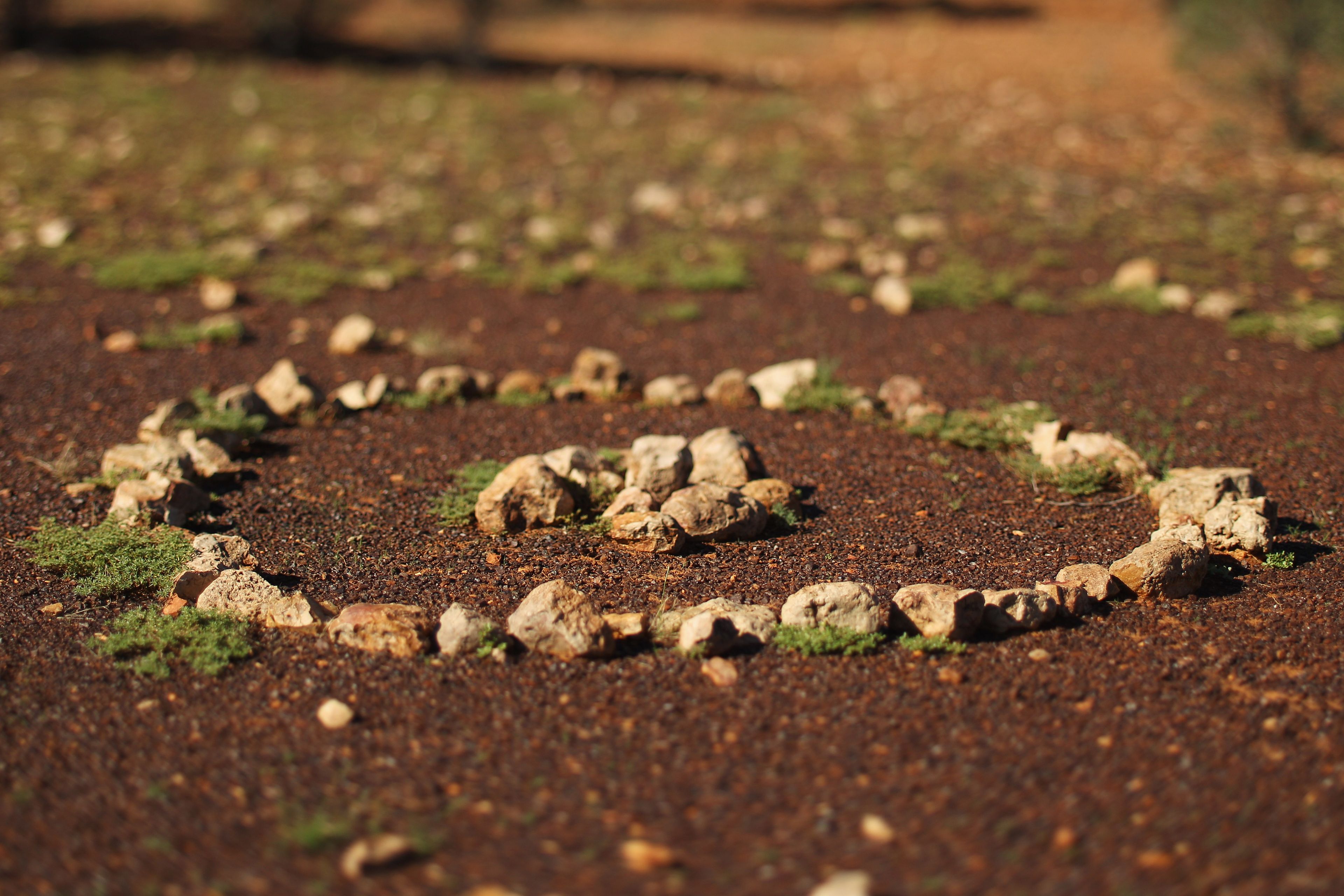
Case Study 2: Stone arrangements
Aboriginal stone arrangements, carefully placed rocks for cultural, ceremonial or navigational purposes, are deeply significant; many meanings are not public, and most sites (often on private land) require protection and discretion.
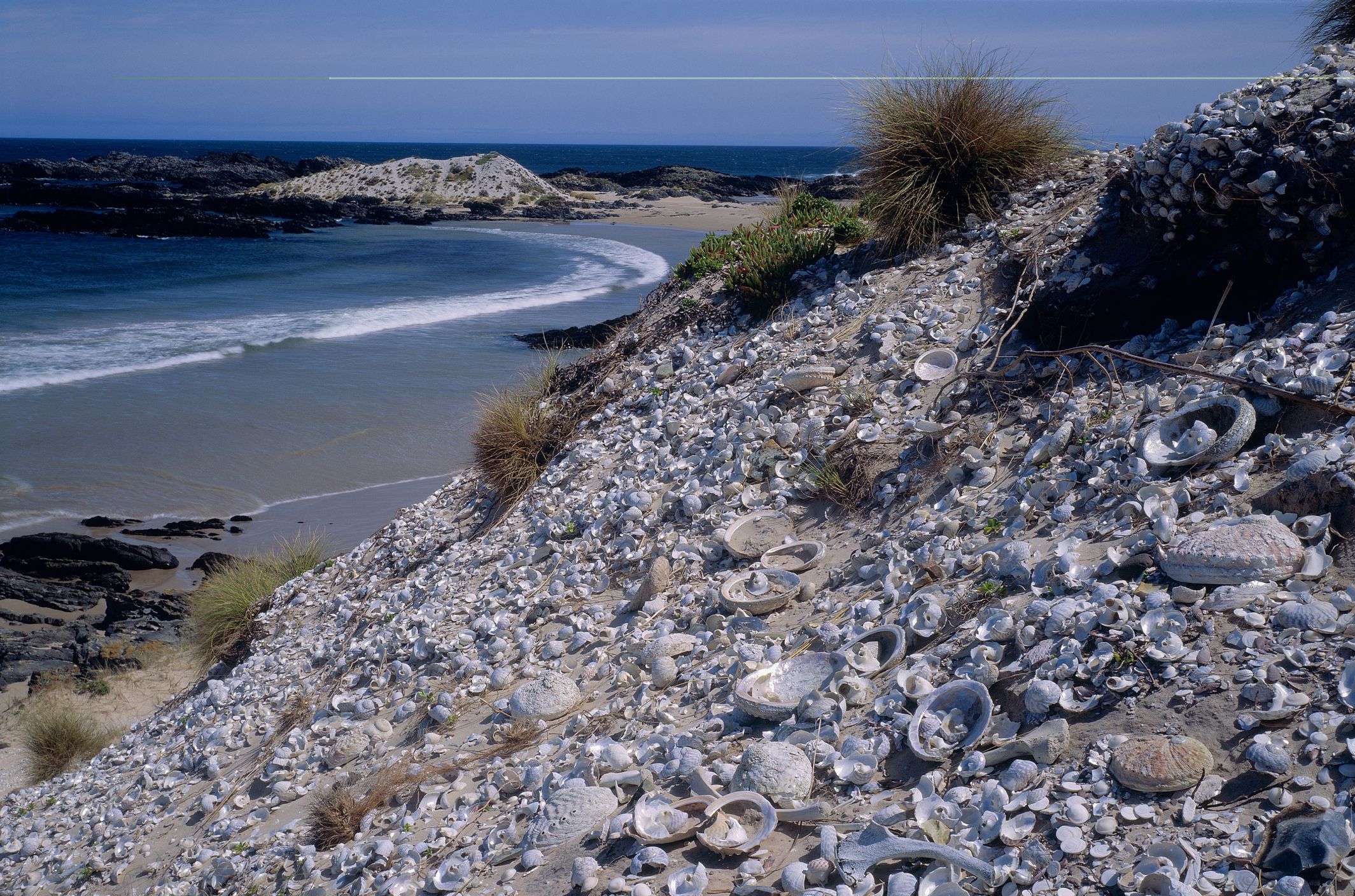
Case Study 3: Middens
Middens are time capsules of everyday life; archaeologists study them to learn how Aboriginal and Torres Strait Islander Peoples lived and ate before and after colonisation.
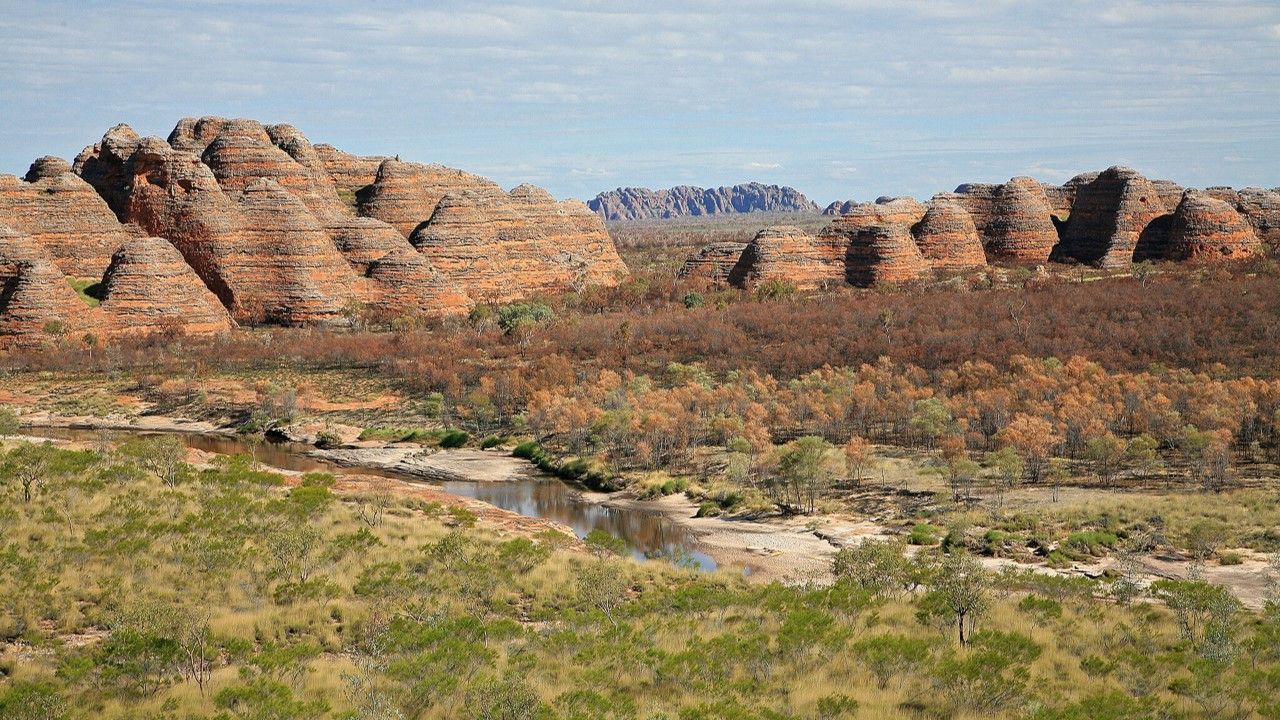
Case Study 5: National parks and named landforms
National parks and named landforms are public places to learn about and enjoy Country, supporting culture, nature and community.
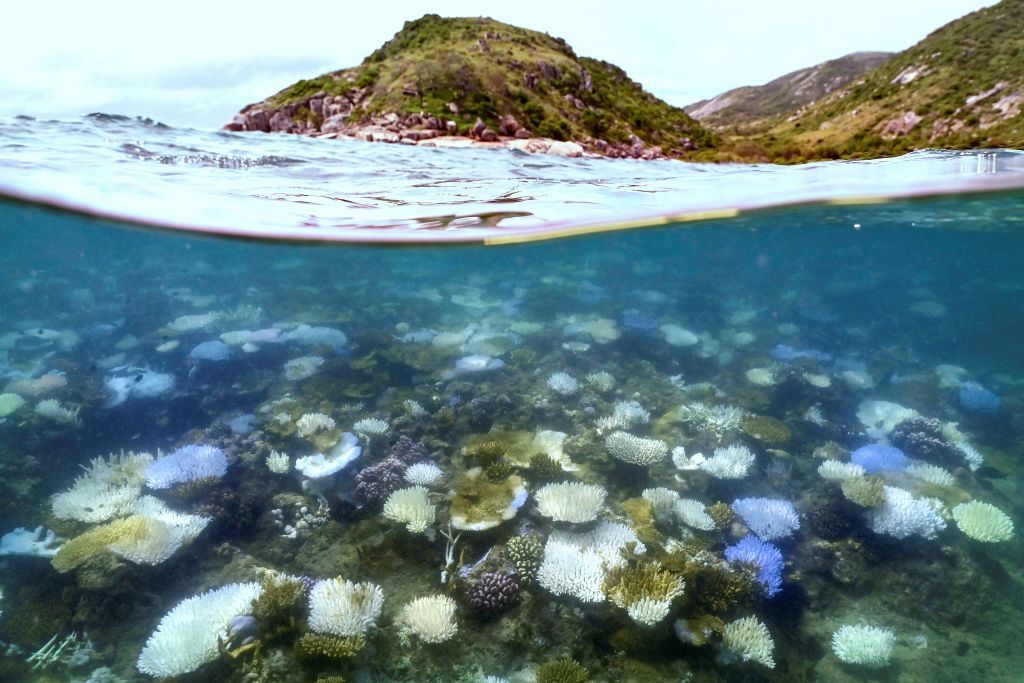
Case Study 6: Reefs and Sea Country
Reefs, islands and coastal places support rich life and long custodianship.
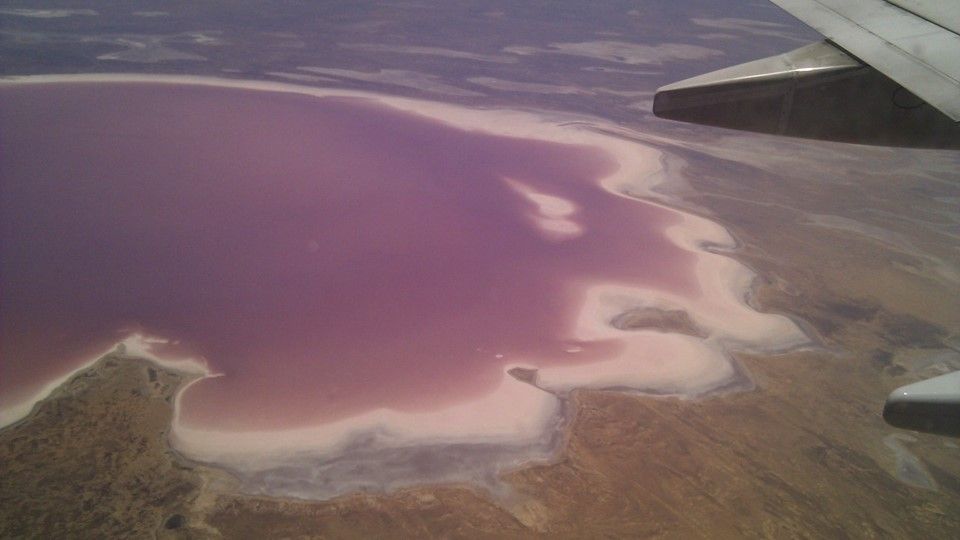
Case Study 7: Rivers, lakes and wetlands
Rivers, lakes and wetlands provide water, habitat and teaching places.
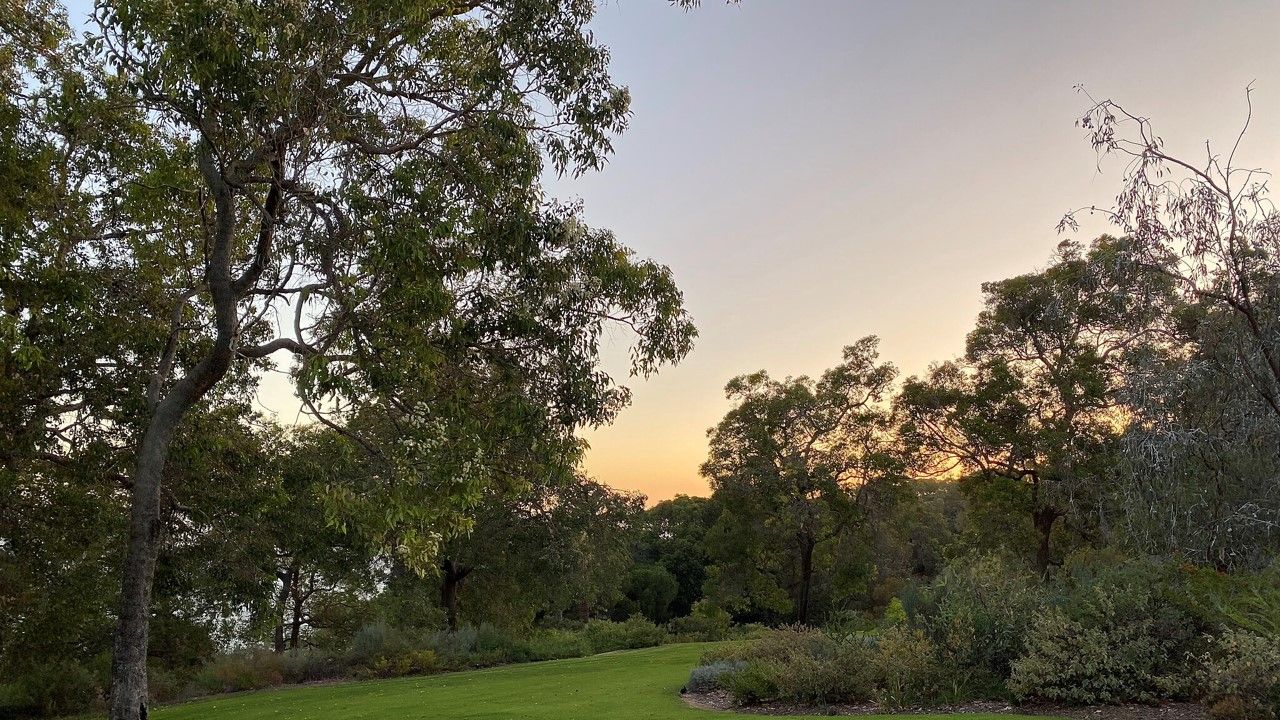
Case Study 8: Urban parks, gardens and native gardens
Urban parks and native gardens are everyday places to connect with Country in the city.
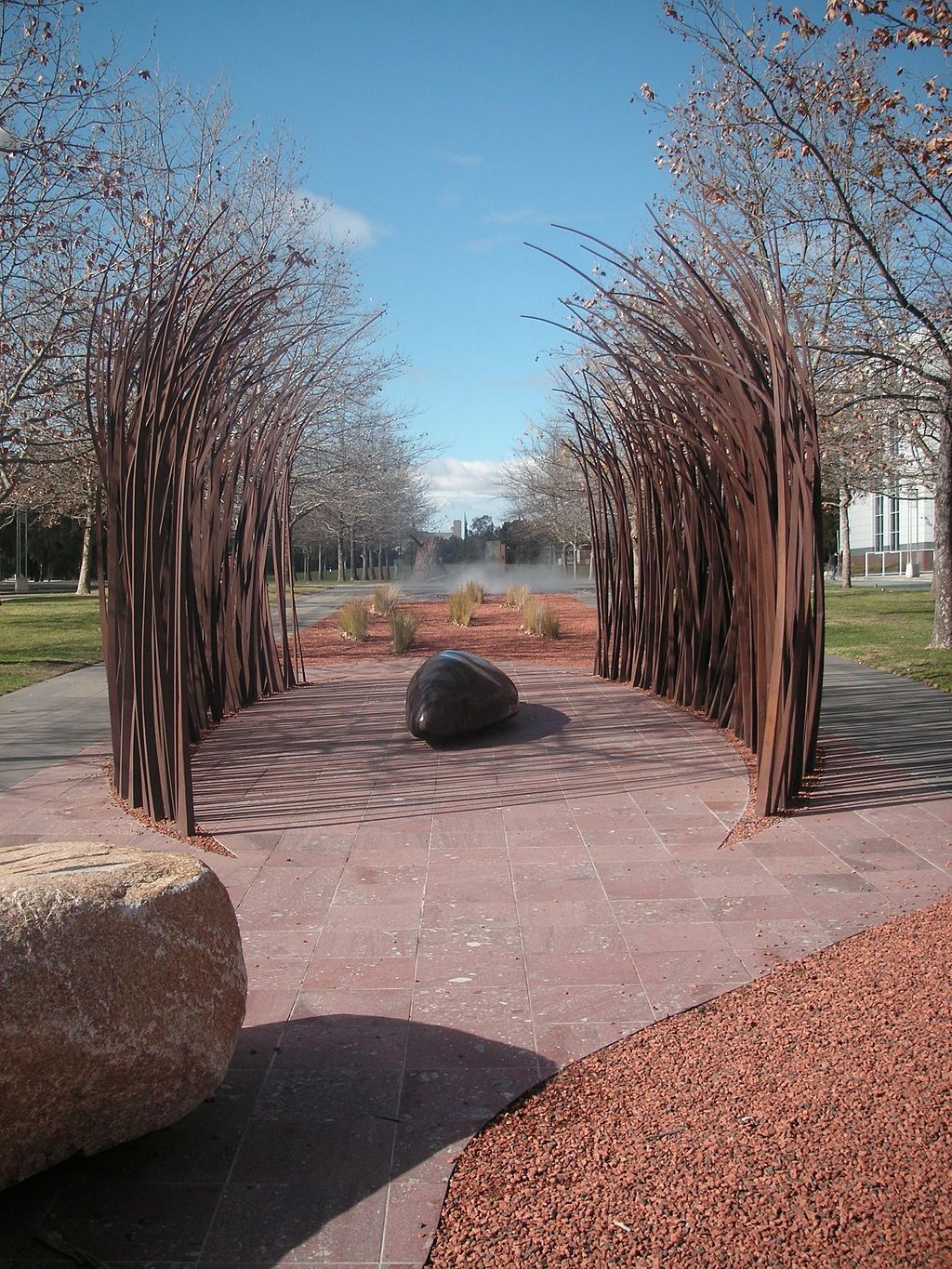
Case Study 9: Contemporary murals and public art by Aboriginal and Torres Strait Islander artists
Contemporary murals and public artworks share language, stories and community identity.
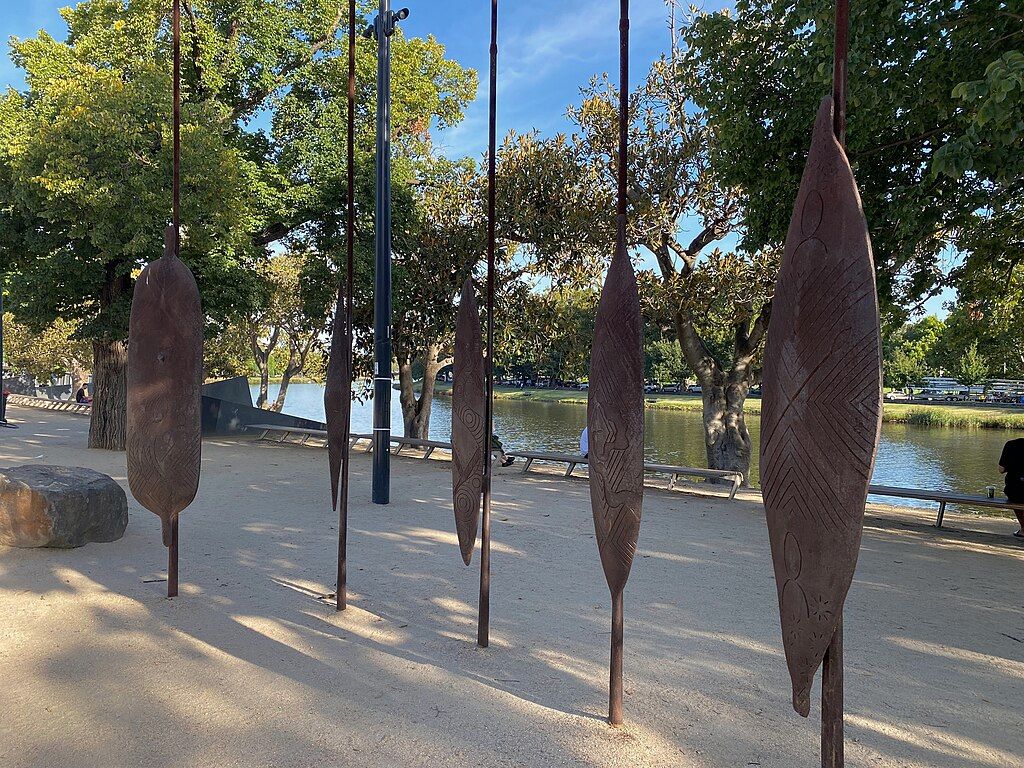
Case Study 10: Meeting places and community spaces
Meeting and community places support gathering, celebration and learning.
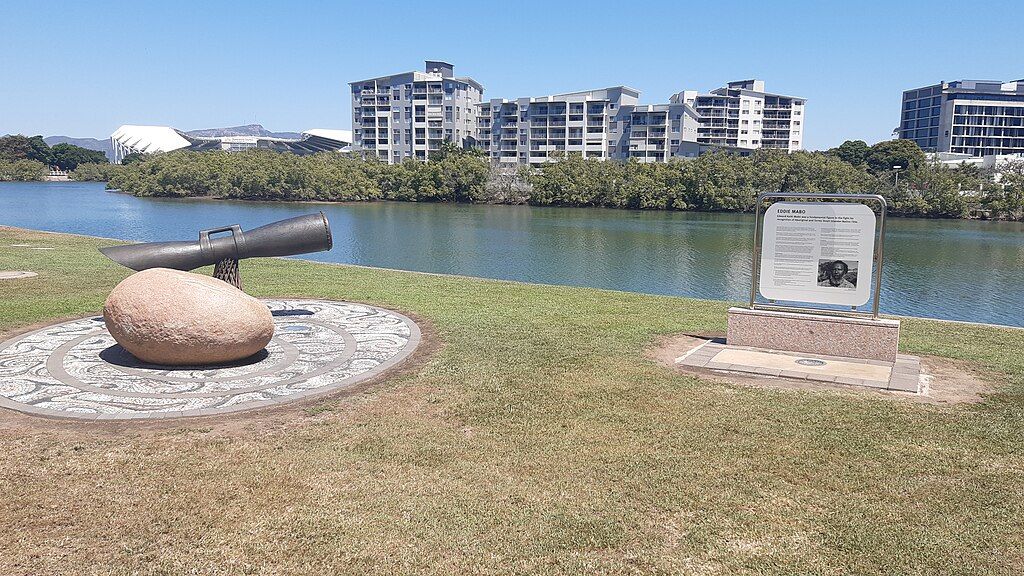
Case Study 11: Monuments and memorials
Monuments and memorials remember people, events and stories.
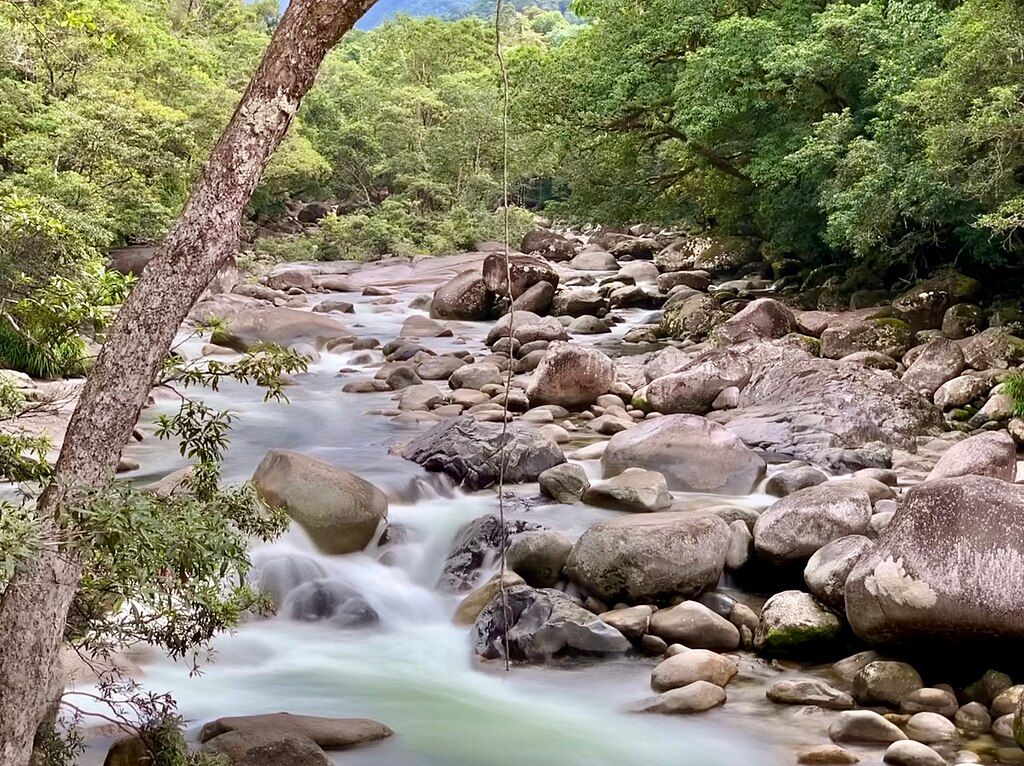
Case Study 12: Trails and cultural walks
Signed trails and cultural walks help people explore Country step by step.
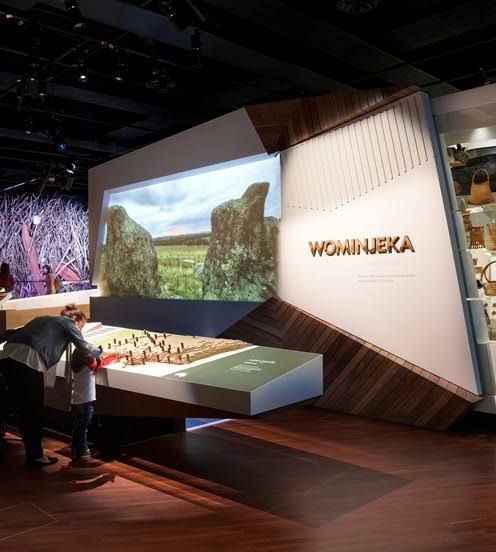
Case Study 13: Museums, galleries and cultural centres
Museums, galleries and cultural centres share publicly available knowledge and exhibits.
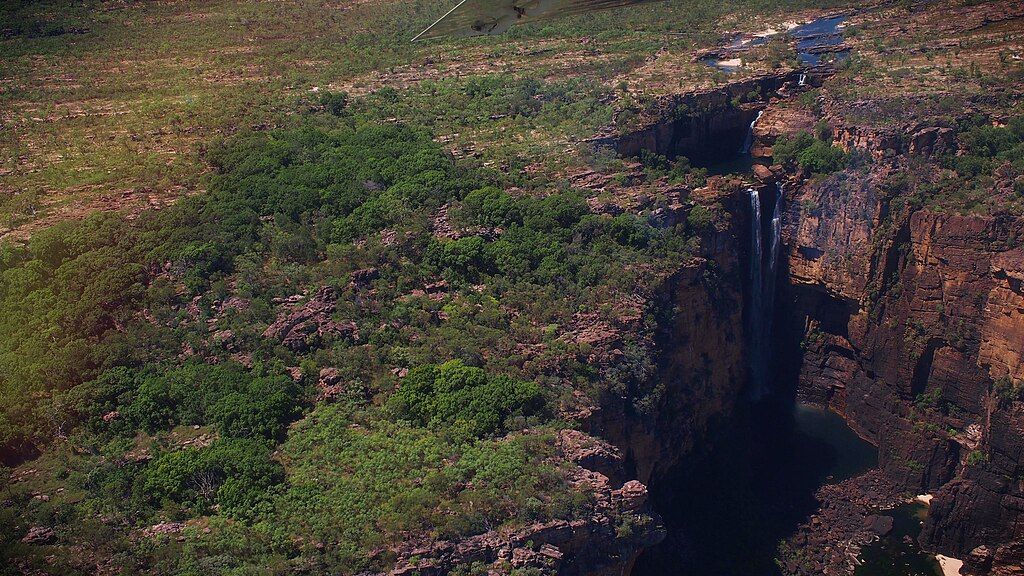
Case Study 14: The Rainbow Serpent
Across Australia, many Aboriginal communities share Rainbow Serpent stories, known by different names and sometimes described as female or male, that connect to water places and other important landscapes.