Home/Curriculum resources/Exploring local Country: Places of importance/Case Study 6: Reefs and Sea Country
Learning Areas:
Humanities and Social Sciences, English, Mathematics
Year levels:
Foundation, Level 1, Level 2
Case Study 6: Reefs and Sea Country
This case study is a part of the Exploring local Country: Places of importance resource.
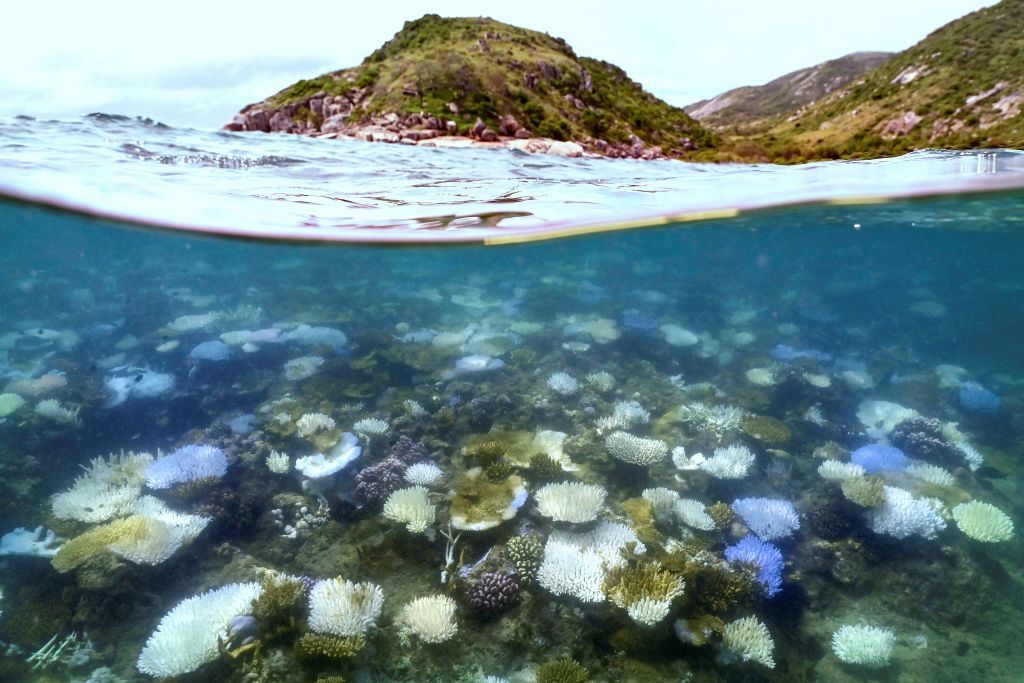
Topshot – Australia – Environment - Reef. Location: Great Barrier Reef, Queensland & The Torres Strait. Photographer: David Gray. Source: Getty Images. Used under licence.

Case Study 6: Reefs and Sea Country
Reefs and Sea Country, including coasts, reefs, rock platforms, mangroves and seagrass meadows, are public places to learn about and enjoy Country. They may be important for culture, food, navigation, ceremony and healthy marine habitats and, where appropriate, are used for education and community activities.
Visitors are encouraged to follow local guidance from Elders, Traditional Owners, Rangers and Aboriginal and Torres Strait Islander-led tour groups, check tides and access conditions, walk lightly on reef flats and boardwalks, and practise caring for Country by leaving things where they belong and keeping water places clean.
Table 1: Examples from across the country
Name & Location | Custodians | Details |
|---|---|---|
Great Barrier Reef, QLD | The land and sea Country of more than 70 Aboriginal and Torres Strait Islander Traditional Owner groups | Coral reefs, seagrass meadows and islands cared for by more than 70 Aboriginal and Torres Strait Islander Traditional Owner groups; management partnerships such as Traditional Use of Marine Resources Agreements (TUMRAs) and the Reef Joint Field Management Program support locally led monitoring, cultural access and visitor guidance. Recent summers brought widespread heat stress and mass bleaching across parts of the Reef, with AIMS reporting substantial impacts in 2024–25. 0 0 0 0 0 |
Ningaloo Coast (Nyinggulu), WA | Yinggarda, Baiyungu, and Thalanyji Peoples | Fringing reef with turtle and whale seasons; guided experiences emphasise careful visiting and tide awareness. 0 0 |
Torres Strait Seascape, QLD | Torres Strait Islander Peoples | Reefs, channels and seagrass meadows linked to deep cultural responsibilities; local centres share publicly available knowledge. 0 0 |
Booderee National Park and Jervis Bay Marine Park, NSW/ACT | The Wreck Bay Aboriginal Community | Coastal waters, beaches and rocky shores with visitor guidance and school programs. 0 |
Mandingalbay Yidinji Indigenous Protected Area, near Cairns, QLD | Mandingalbay Yidinji People | Coastal and mangrove Country with locally led tours that teach safe conduct and care. 0 |
Bunurong Marine National Park, VIC | Bunurong People | Rock platforms, kelp forests and marine life; public viewpoints and safety signage, tide checks encouraged. 0 |
Bruny Island coasts, TAS | Nuenonne People | Temperate shoreline, headlands and bays. 0 |
Garig Gunak Barlu National Park, Cobourg Peninsula, NT | Arrarrkbi People | Remote beaches, reefs and marine life within a large park area; permits, safety and cultural protocols apply. 0 0 |
Dhilba Guuranda-Innes National Park and Southern Spencer Gulf Marine Park, SA | Narungga People | Coastal dunes, reefs and rock shelves; care codes for fishing and safe access to rock platforms. 0 |
Moreton Bay Marine Park, QLD | Quandamooka People | Bays, islands and seagrass areas with strong caretaking; visitor advice supports respectful boating and shore visits. 0 |
Related case studies within this resources:
Case Study 1: Rock art
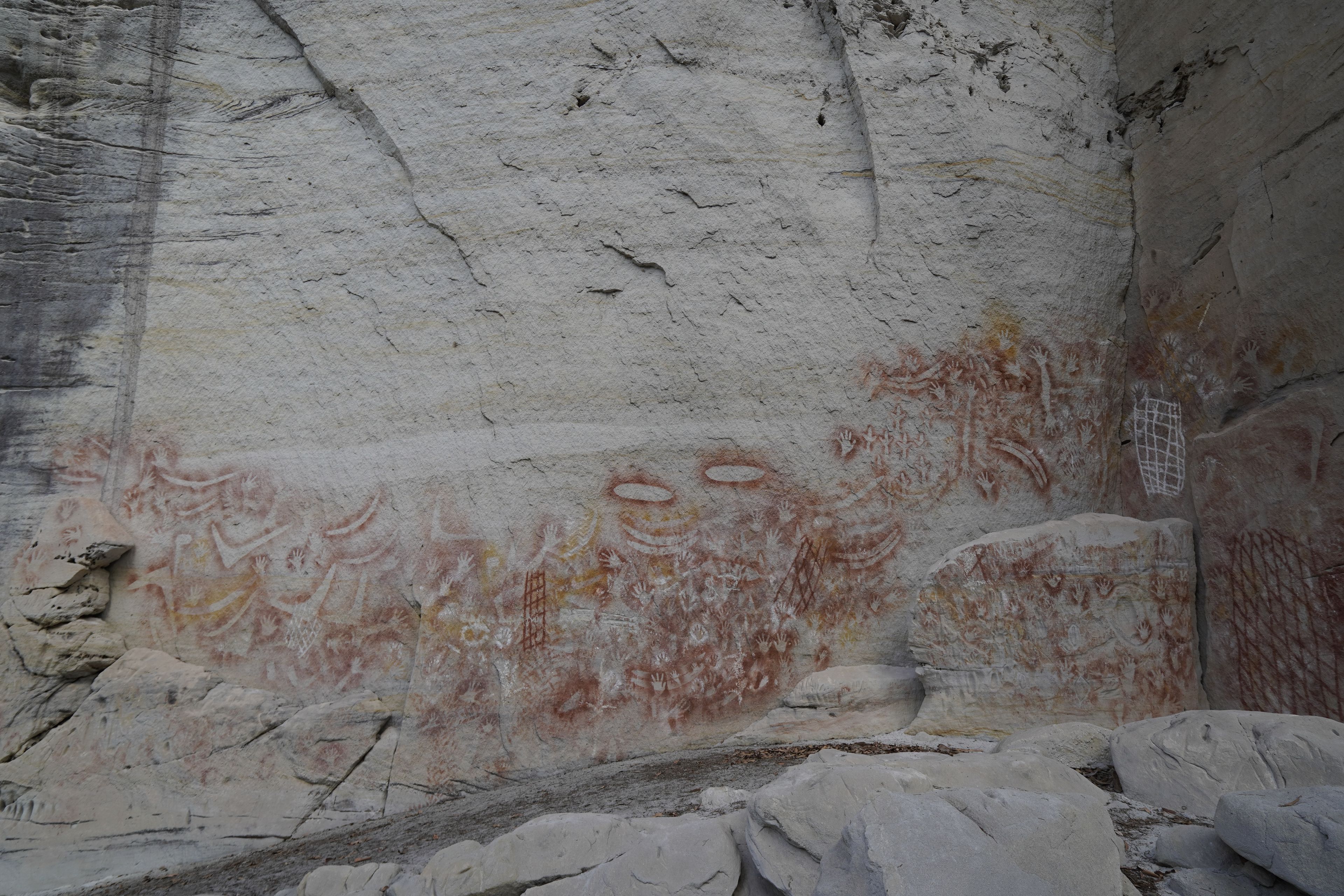
Aboriginal rock art, painted or engraved in sheltered rock places, marks living and ceremonial sites and, as some of the oldest art on Earth, needs ongoing care and respect.
Case Study 2: Stone arrangements
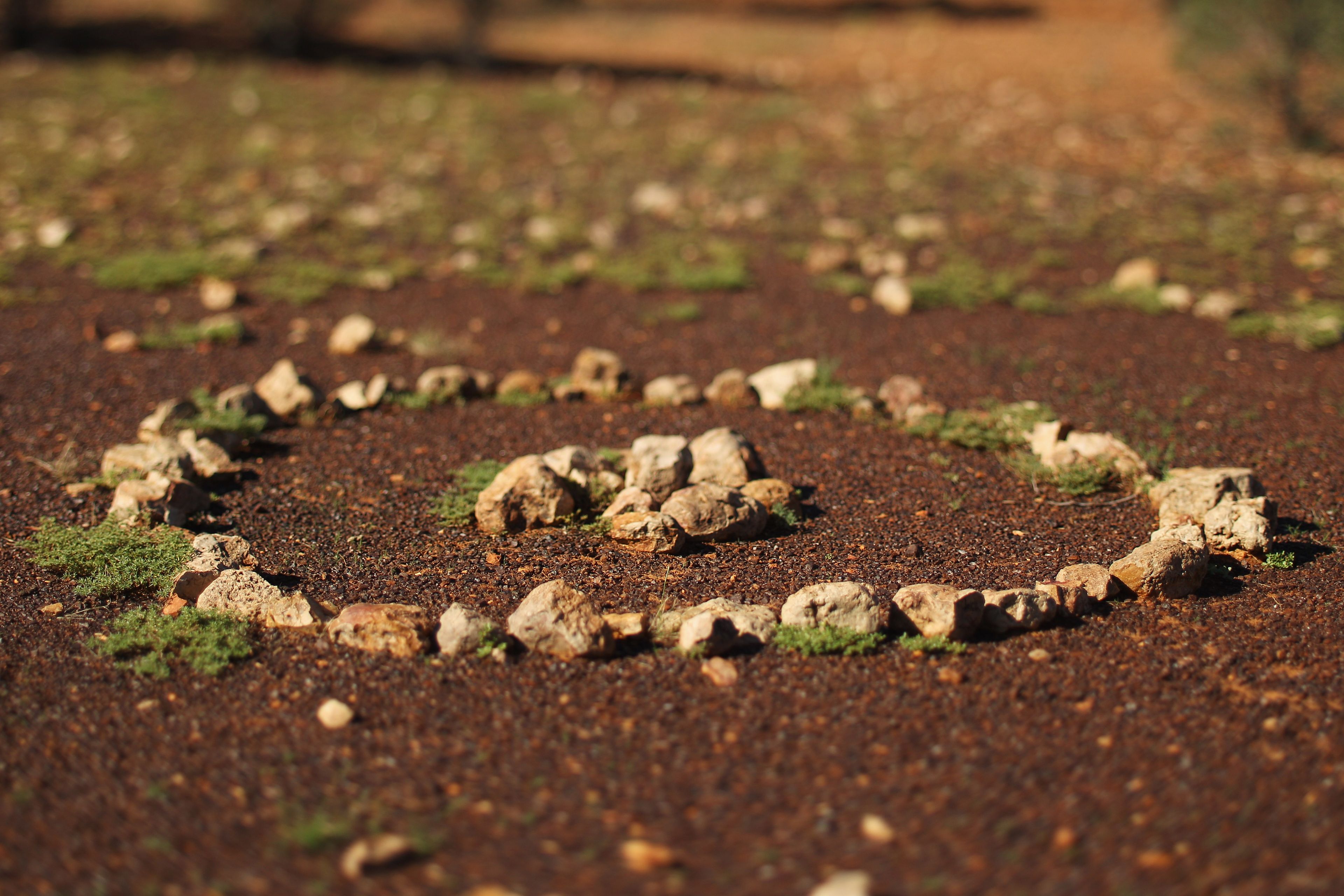
Aboriginal stone arrangements, carefully placed rocks for cultural, ceremonial or navigational purposes, are deeply significant; many meanings are not public, and most sites (often on private land) require protection and discretion.
Case Study 3: Middens
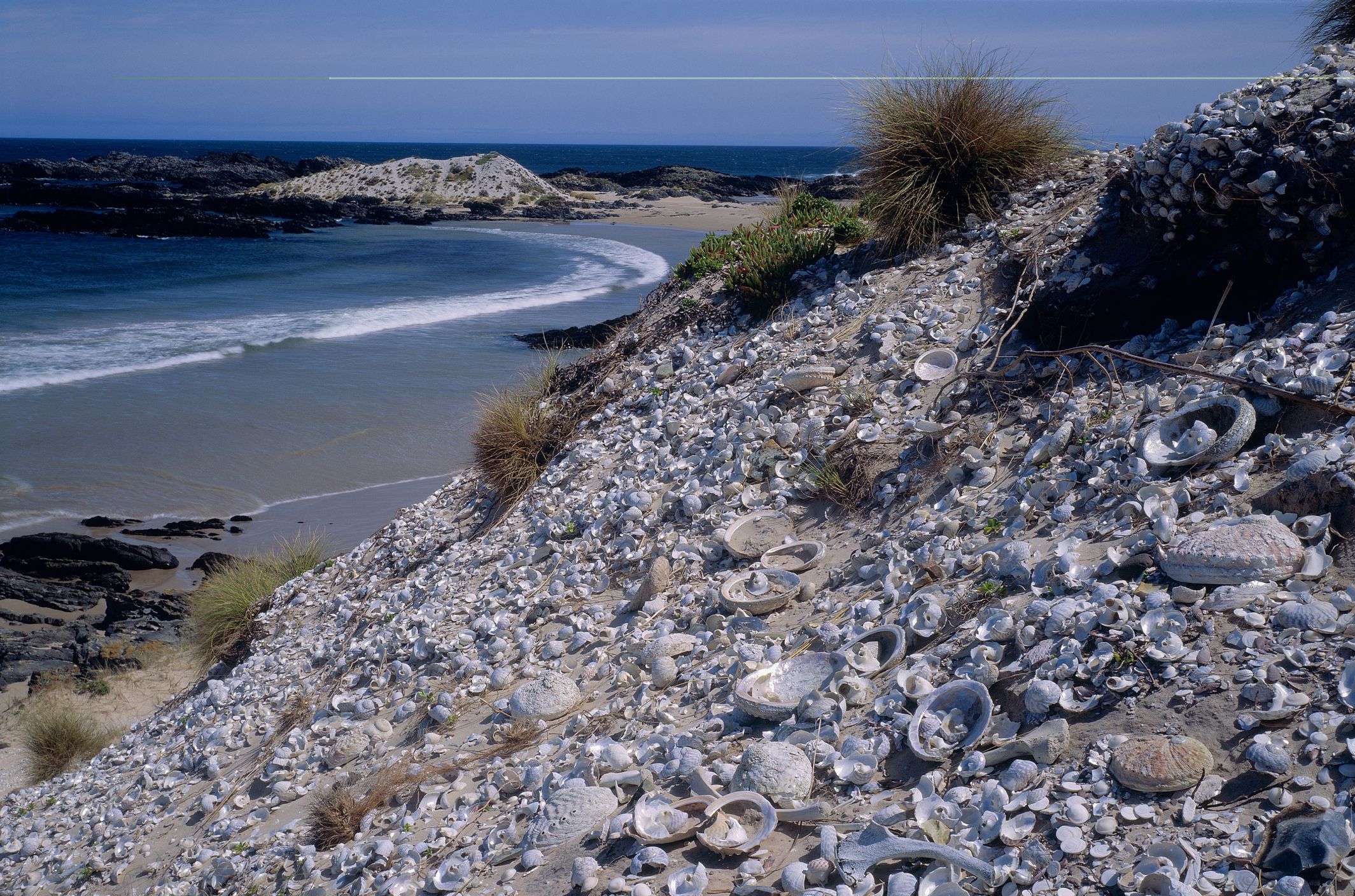
Middens are time capsules of everyday life; archaeologists study them to learn how Aboriginal and Torres Strait Islander Peoples lived and ate before and after colonisation.
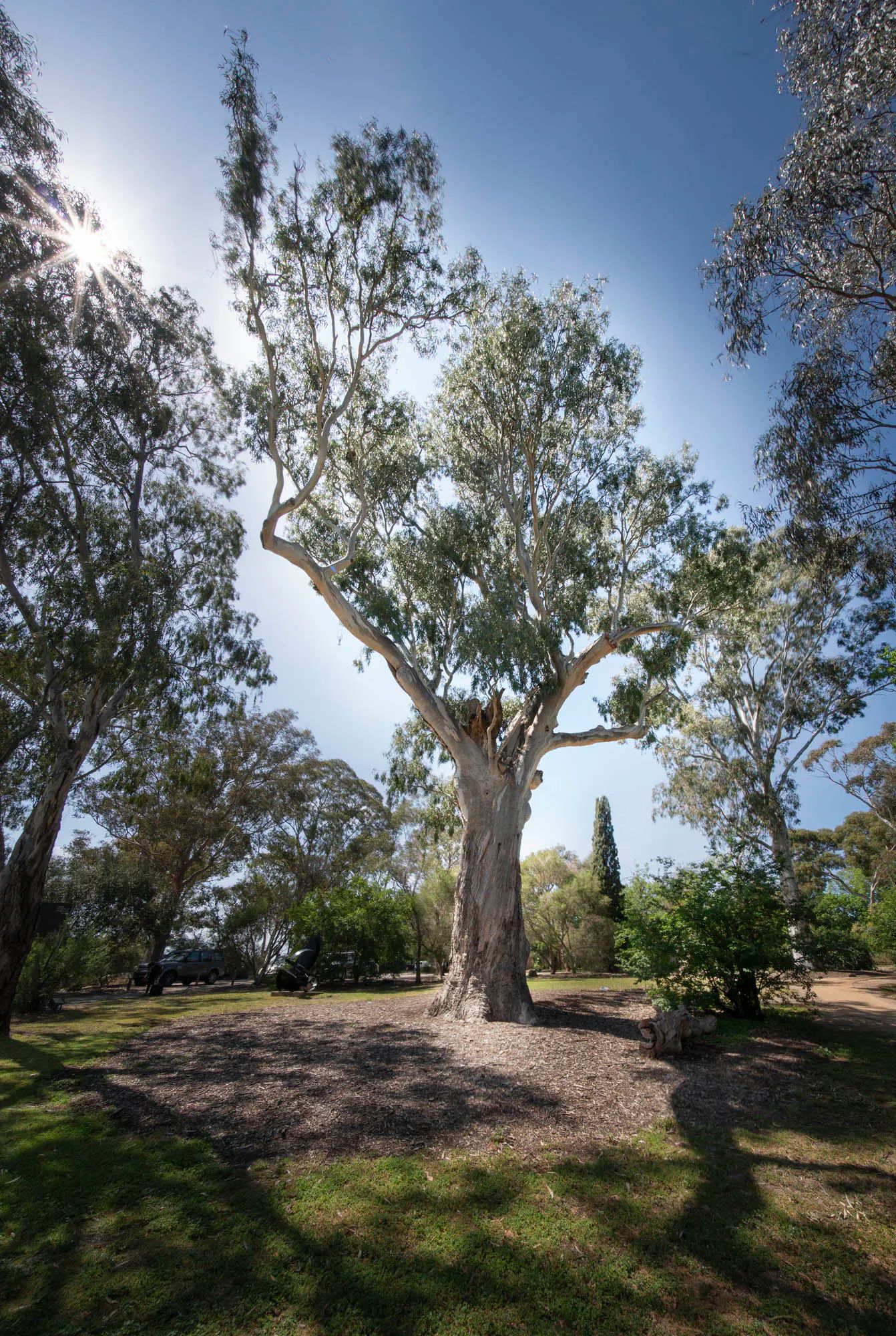
Case Study 4: Scarred trees
Scarred trees are living records where bark was carefully taken to make canoes, shields, coolamons and other items; they reveal deep knowledge and need careful identification and protection.
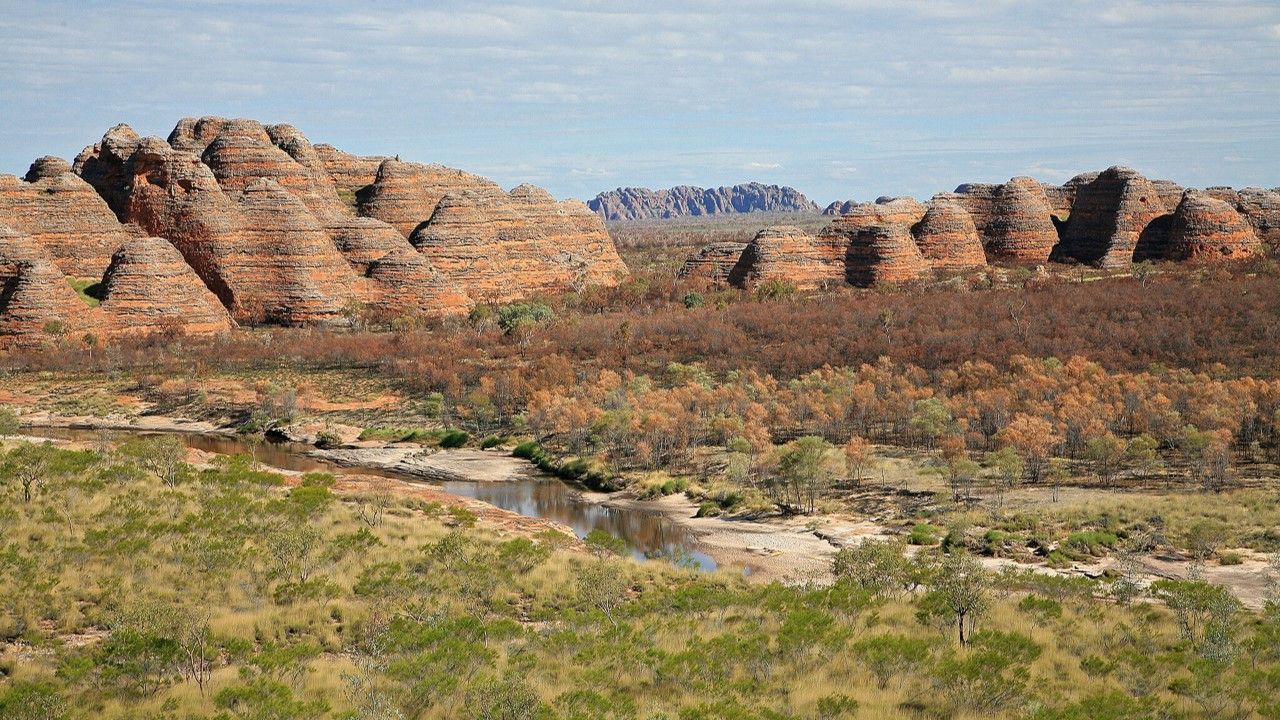
Case Study 5: National parks and named landforms
National parks and named landforms are public places to learn about and enjoy Country, supporting culture, nature and community.
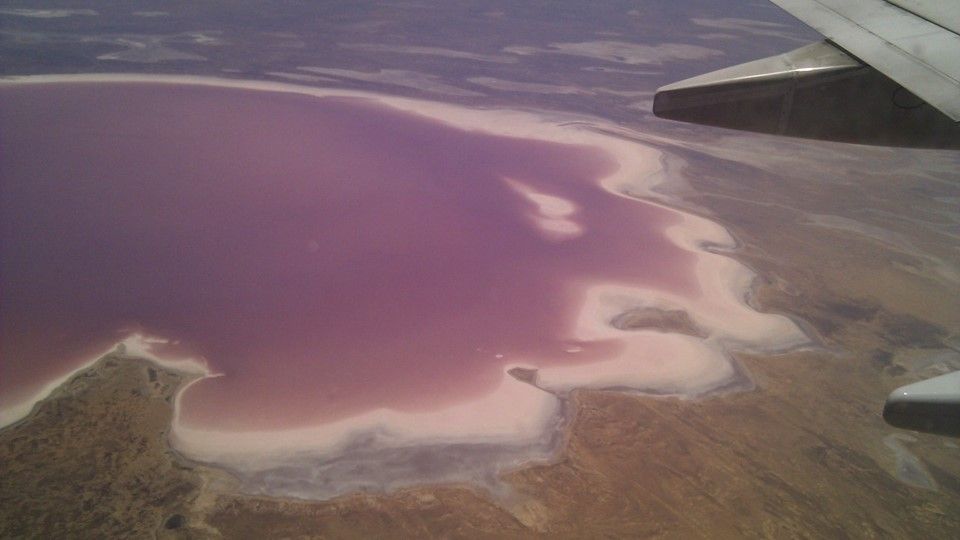
Case Study 7: Rivers, lakes and wetlands
Rivers, lakes and wetlands provide water, habitat and teaching places.
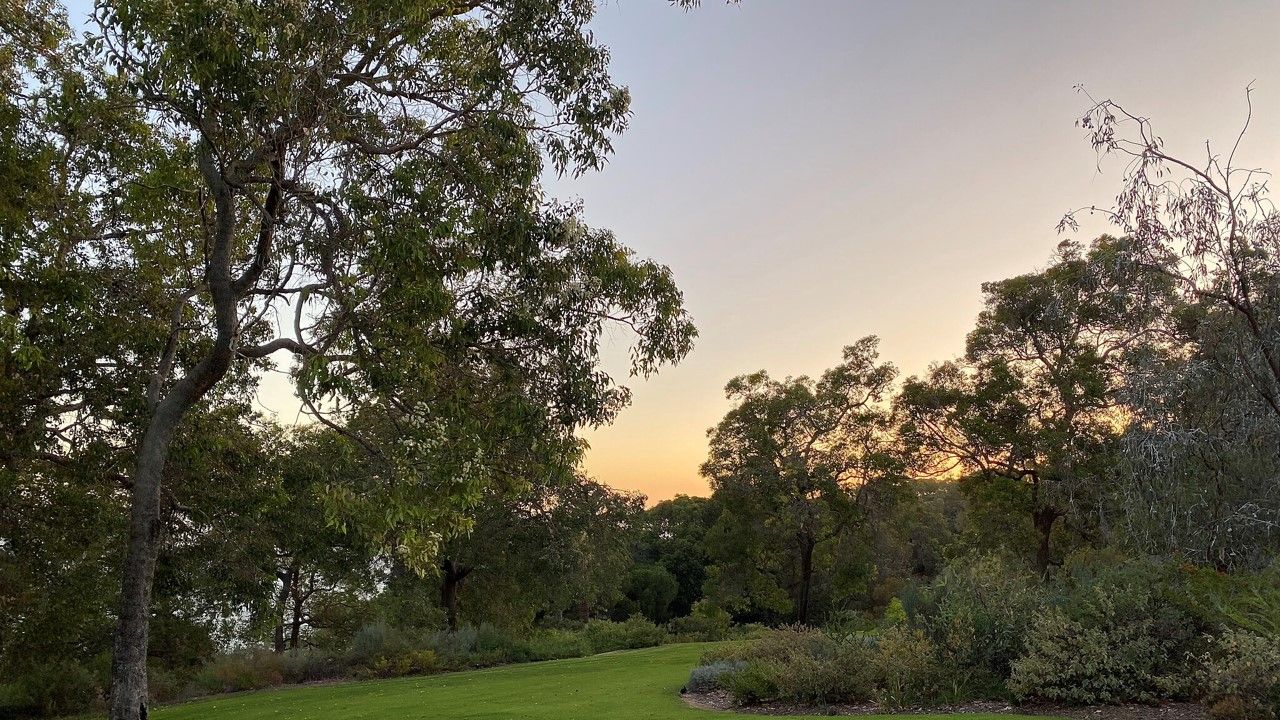
Case Study 8: Urban parks, gardens and native gardens
Urban parks and native gardens are everyday places to connect with Country in the city.
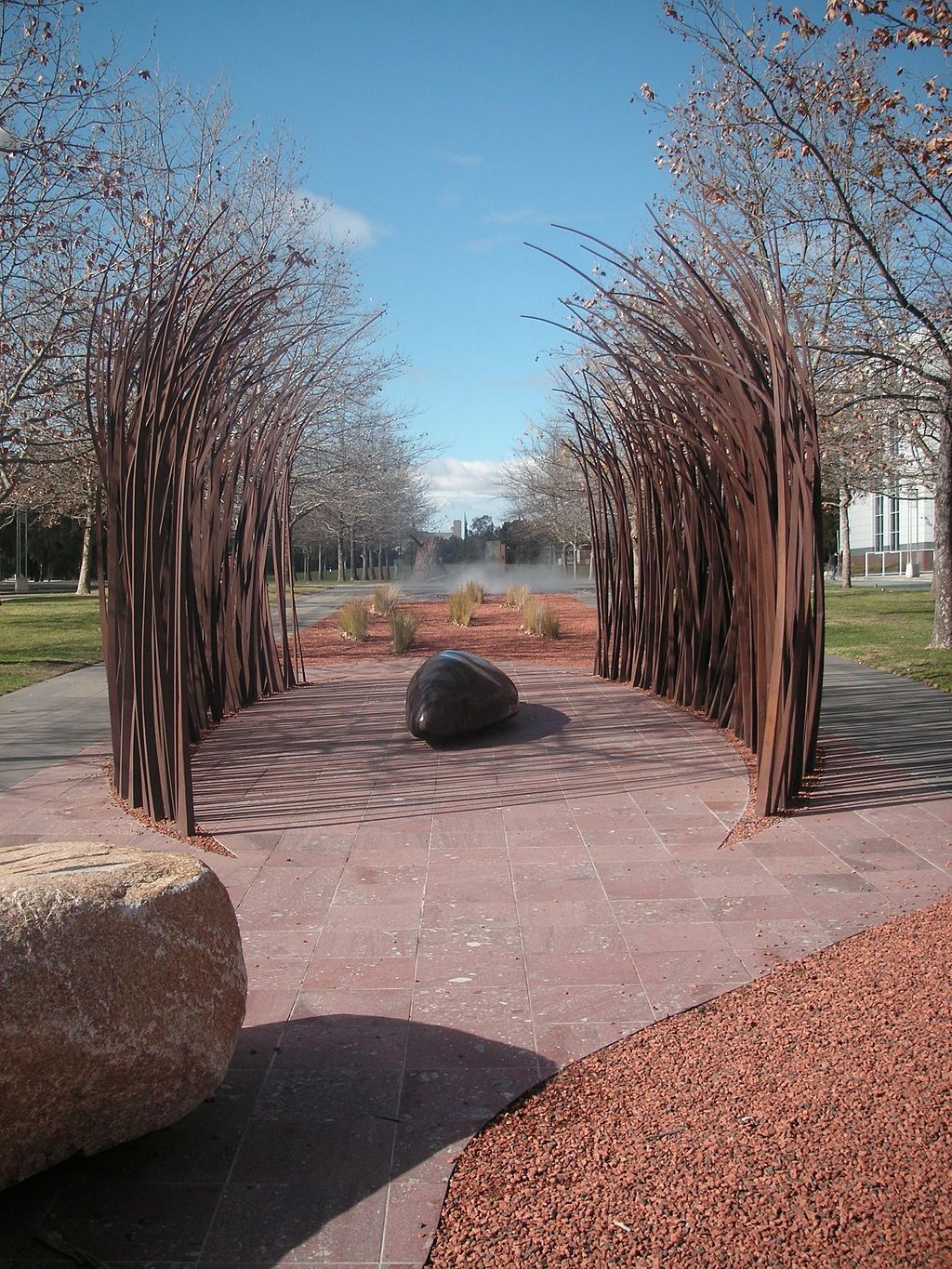
Case Study 9: Contemporary murals and public art by Aboriginal and Torres Strait Islander artists
Contemporary murals and public artworks share language, stories and community identity.
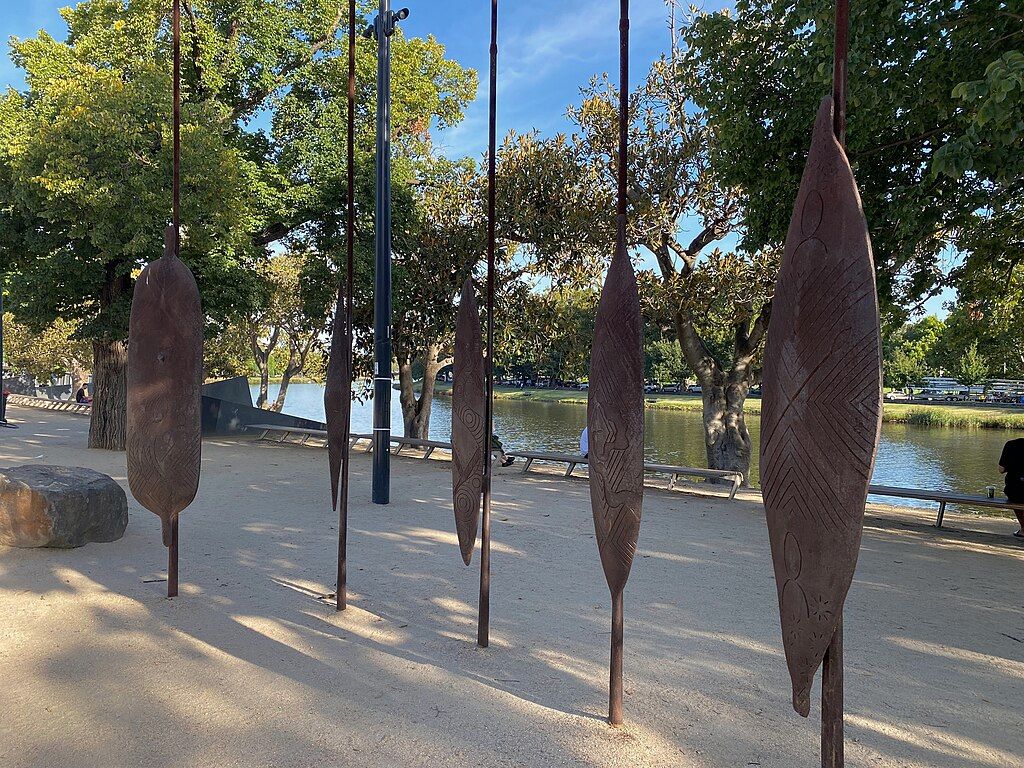
Case Study 10: Meeting places and community spaces
Meeting and community places support gathering, celebration and learning.
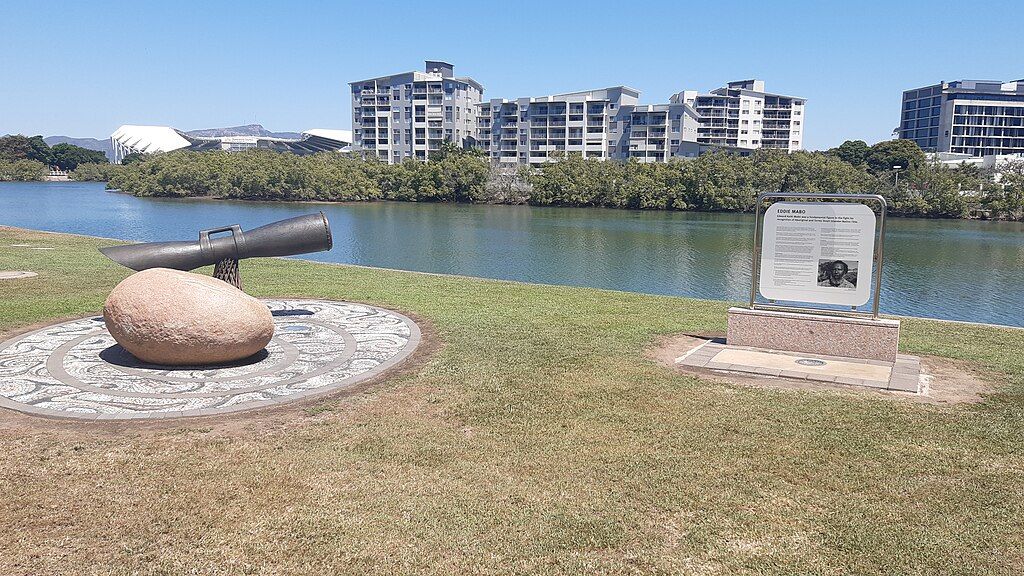
Case Study 11: Monuments and memorials
Monuments and memorials remember people, events and stories.
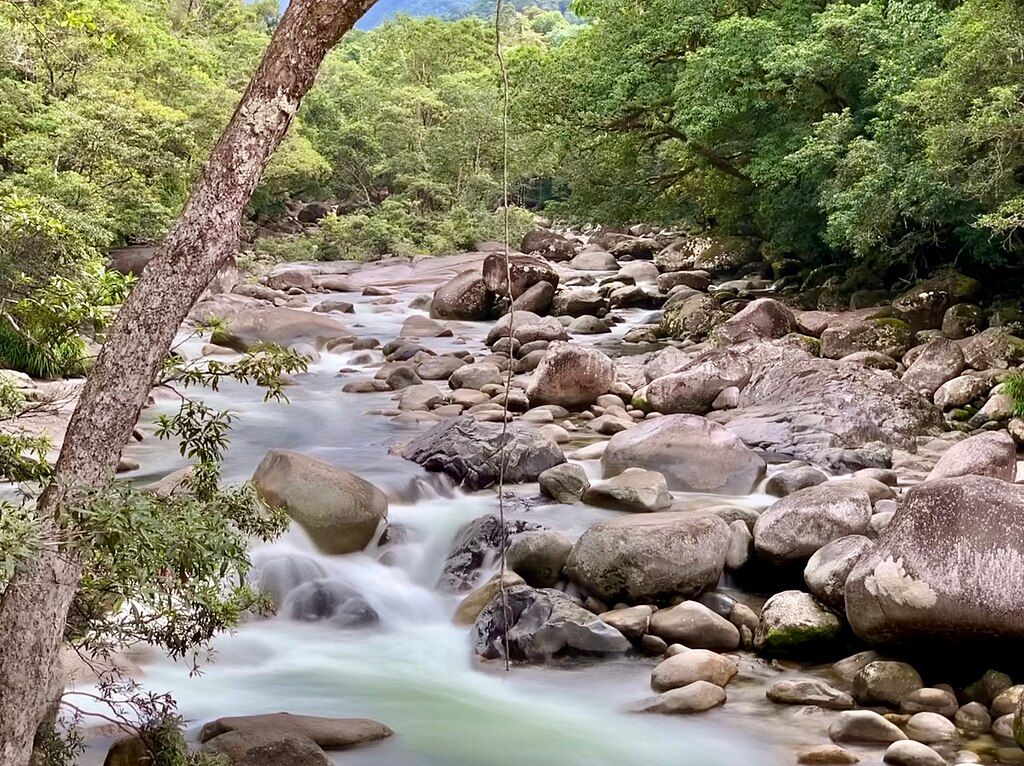
Case Study 12: Trails and cultural walks
Signed trails and cultural walks help people explore Country step by step.
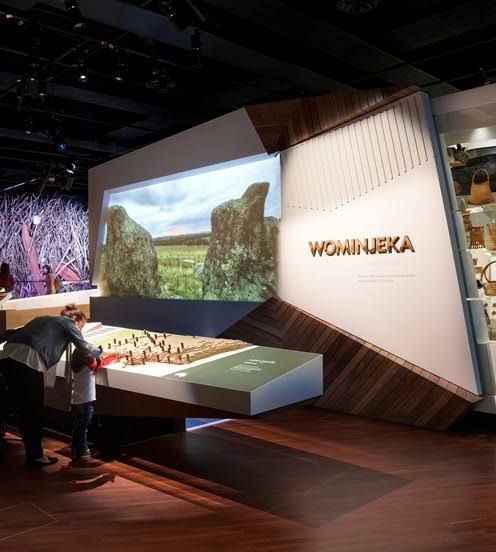
Case Study 13: Museums, galleries and cultural centres
Museums, galleries and cultural centres share publicly available knowledge and exhibits.
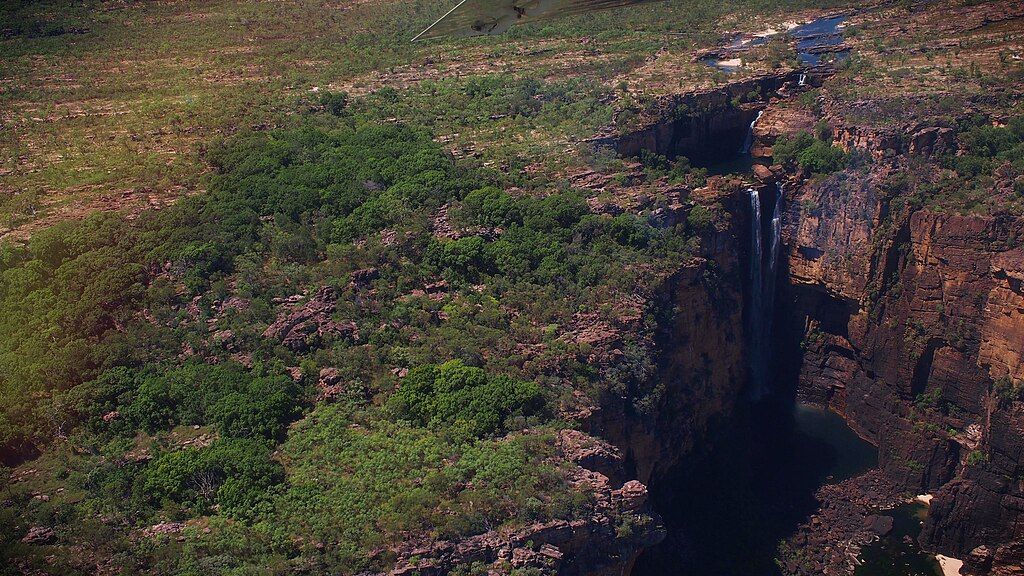
Case Study 14: The Rainbow Serpent
Across Australia, many Aboriginal communities share Rainbow Serpent stories, known by different names and sometimes described as female or male, that connect to water places and other important landscapes.