Home/Curriculum resources/Exploring local Country: Places of importance/Case Study 10: Meeting places and community spaces
Learning Areas:
Humanities and Social Sciences, English, Mathematics
Year levels:
Foundation, Level 1, Level 2
Case Study 10: Meeting places and community spaces
This case study is a part of the Exploring local Country: Places of importance resource.
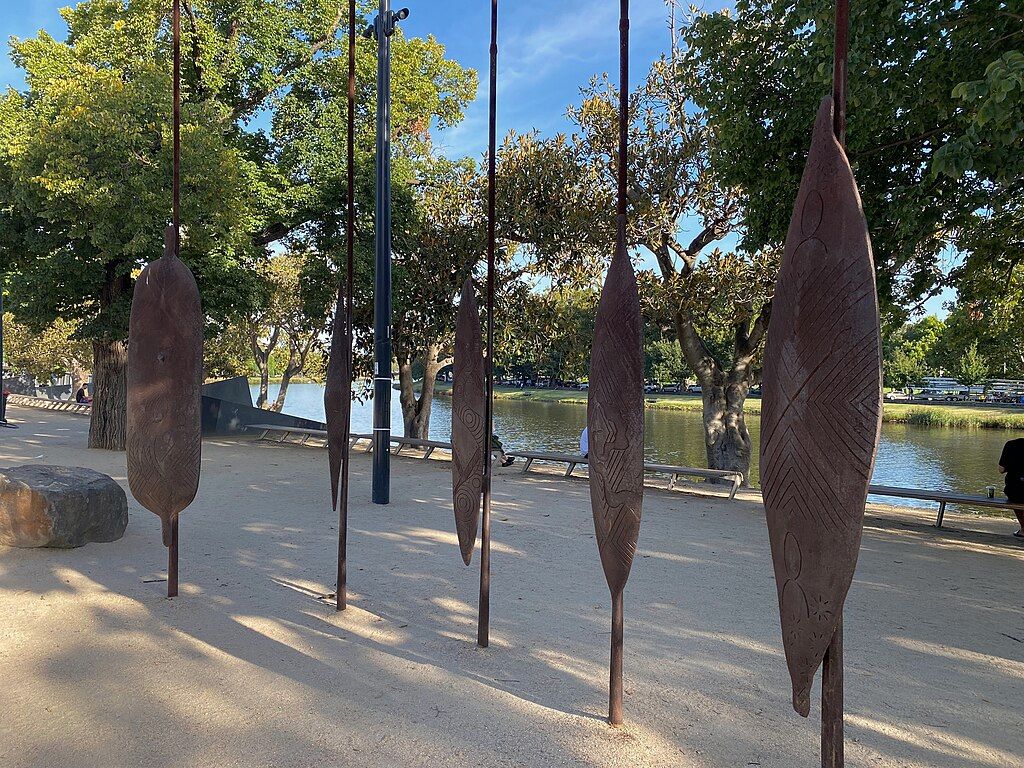
Birrarung Marr, Melbourne, Victoria. Photographer: Wuppertaler. Source: Wikimedia Commons. Used under licence: CC BY 4.0.

Case Study 10: Meeting places and community spaces
Meeting places and community spaces are public places to connect with Country, gather, celebrate and learn. They may be important for culture, language, ceremony and community life and, where appropriate, are used for education and public events.
Table 1: Examples from across the country
Name & Location | Custodians | Details |
|---|---|---|
Tarntanyangga / Victoria Square, Adelaide, SA | Kaurna People | Central city square whose Kaurna name means “red kangaroo dreaming place.” The square hosts civic gatherings, cultural events and seasonal programs and includes markers and artworks that speak to Kaurna language and stories in the heart of the city. 0 |
Barangaroo Reserve and waterfront lawns, Sydney, NSW | Gadigal People | Re-created headland with native plantings, tiered sandstone and a harbourside promenade. The area is named for Barangaroo, a prominent Cammeraygal woman, and includes public art, interpretation and spaces used for festivals and community walks. 0 |
Federation Square and Birrarung Marr, Melbourne / Naarm, VIC | Wurundjeri Woi -wurrung and Bunurong Peoples | Urban park on the north bank of the Birrarung (Yarra) beside Federation Square, opened in 2002 as a place for community activities, major events and festivals. The name comes from Wurundjeri Woi-wurrung language: birrarung “river of mists” and marr “side.” Features include the Birrarung Wilam installation celebrating the diversity of Victoria’s Aboriginal cultures, a winding pathway that acknowledges eel as a traditional food, a semicircle of metal shields representing the five Kulin Nation groups, Deborah Halpern’s Two-headed Angel sculpture, the Federation Bells (39 upturned bells ringing daily), and the William Barak Bridge linking directly to the MCG. 0 |
kuril dhagun, State Library of Queensland, Brisbane / Meanjin, QLD | Turrbal and Yuggera Peoples | A dedicated cultural and multi-purpose space on Level 1 of the State Library (est. 2006) that welcomes Aboriginal and Torres Strait Islander communities to gather, share knowledge and celebrate culture. It hosts showcases, events and activities; supports access to collections and family history research; and is led by Aboriginal and Torres Strait Islander staff. The name comes from Yuggera: kuril (a native marsupial near Kurilpa Point) and dhagun (earth/place/Country), together meaning “kuril’s place.” 0 |
Yagan Square and Forrest Place, Perth / Boorloo, WA | Whadjuk Noongar People | Linked civic spaces in the city centre with a distinctive tower, meeting areas and public art named for the Noongar leader Yagan. Seasonal programs, markets and performances make the square a hub for community life and storytelling. 0 |
Reconciliation Place and Patrick White Lawns, Canberra, ACT | Ngunnawal People | An outdoor art and interpretation precinct within the Parliamentary Triangle. Sculptural works and text panels explore shared histories, connections to Country and national conversations about reconciliation, set beside open lawns used for public programs. 0 |
Darwin Waterfront and Bicentennial Park, Darwin / Garramilla, NT | Larrakia People | Harbour-edge parklands that include shaded lawns, memorial points and long views over Darwin Harbour. The broader waterfront and Esplanade area brings together commemorative sites, open-air events and pathways that connect city, sea and green space. 0 |
Related case studies within this resources:
Case Study 1: Rock art
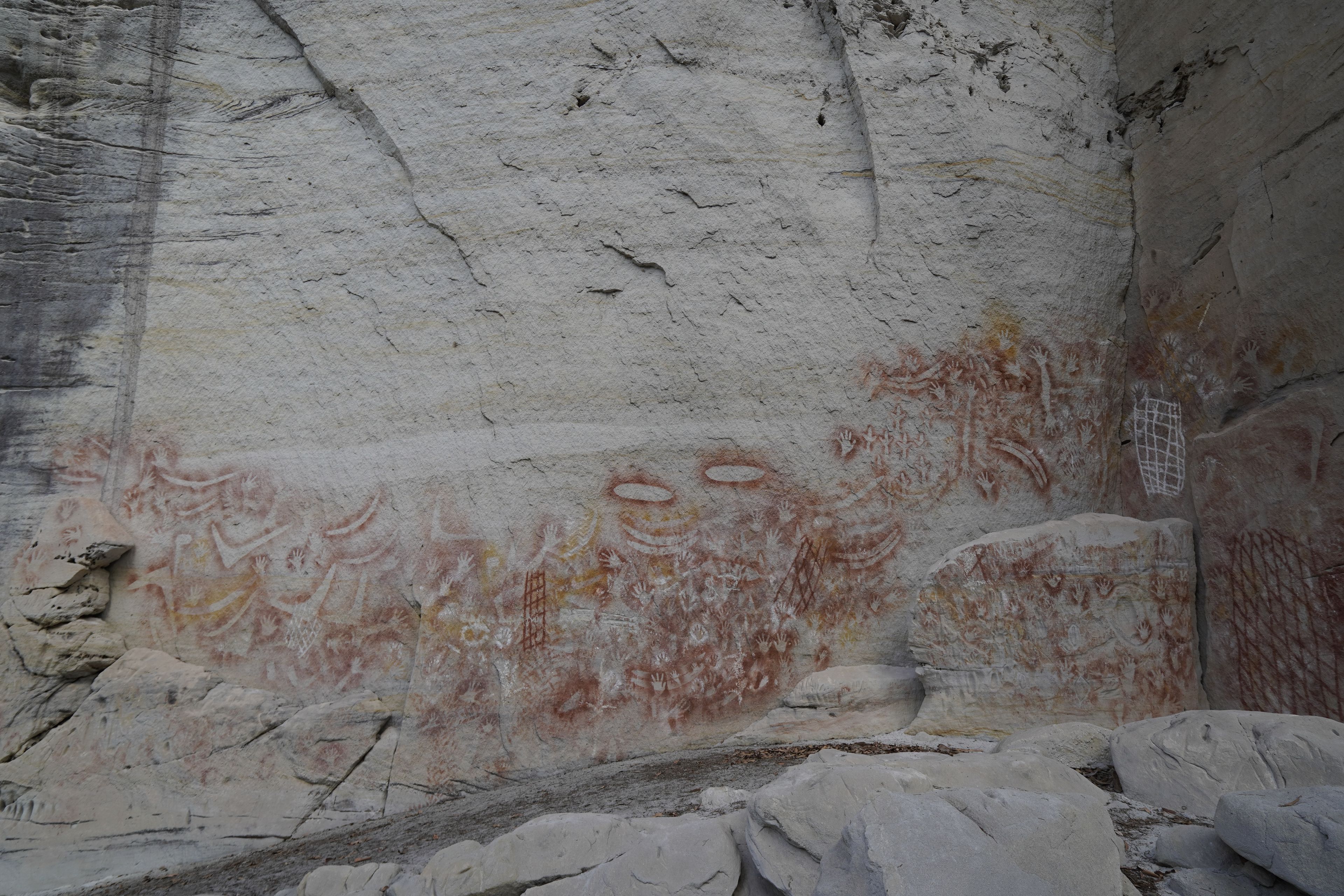
Aboriginal rock art, painted or engraved in sheltered rock places, marks living and ceremonial sites and, as some of the oldest art on Earth, needs ongoing care and respect.
Case Study 2: Stone arrangements
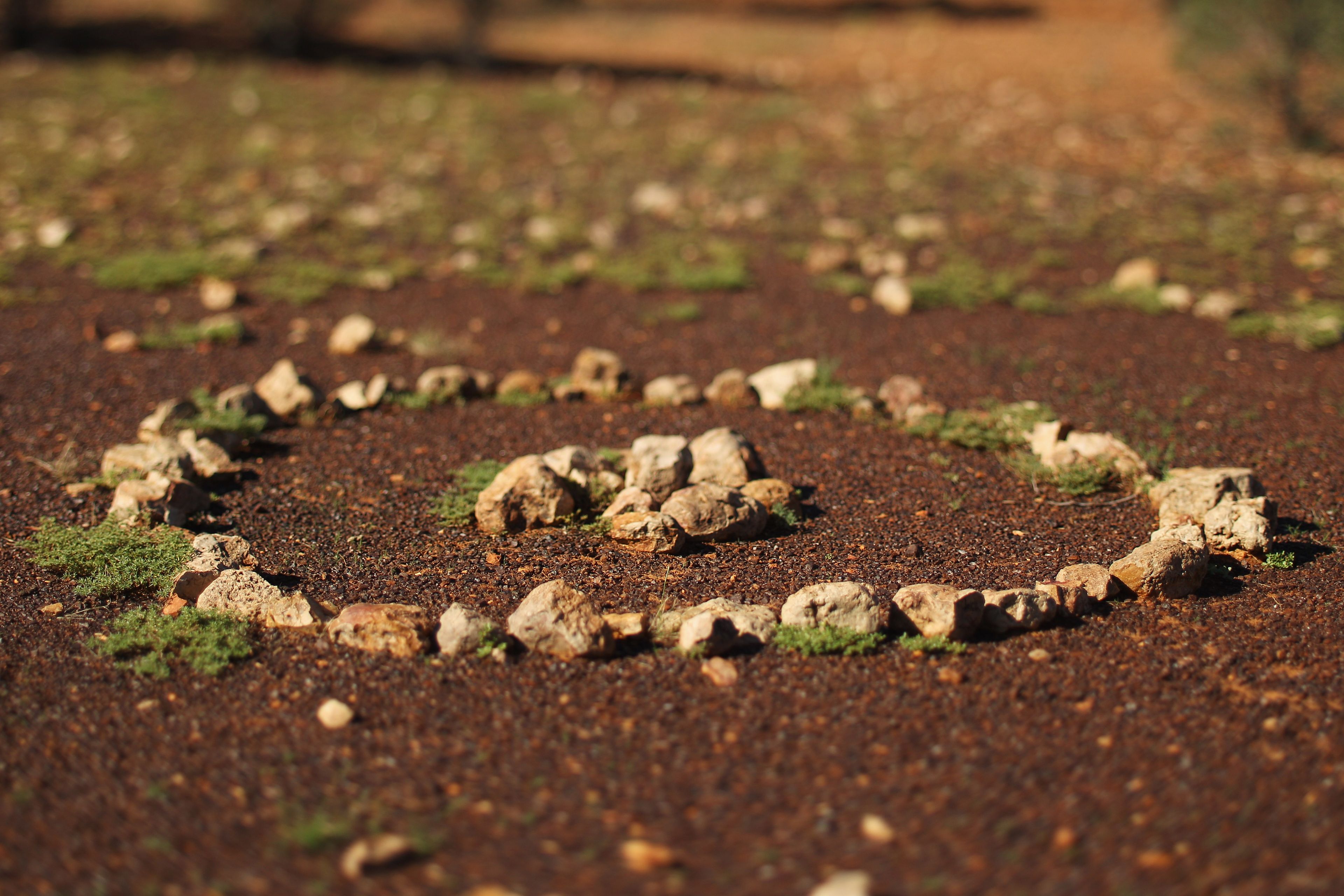
Aboriginal stone arrangements, carefully placed rocks for cultural, ceremonial or navigational purposes, are deeply significant; many meanings are not public, and most sites (often on private land) require protection and discretion.
Case Study 3: Middens
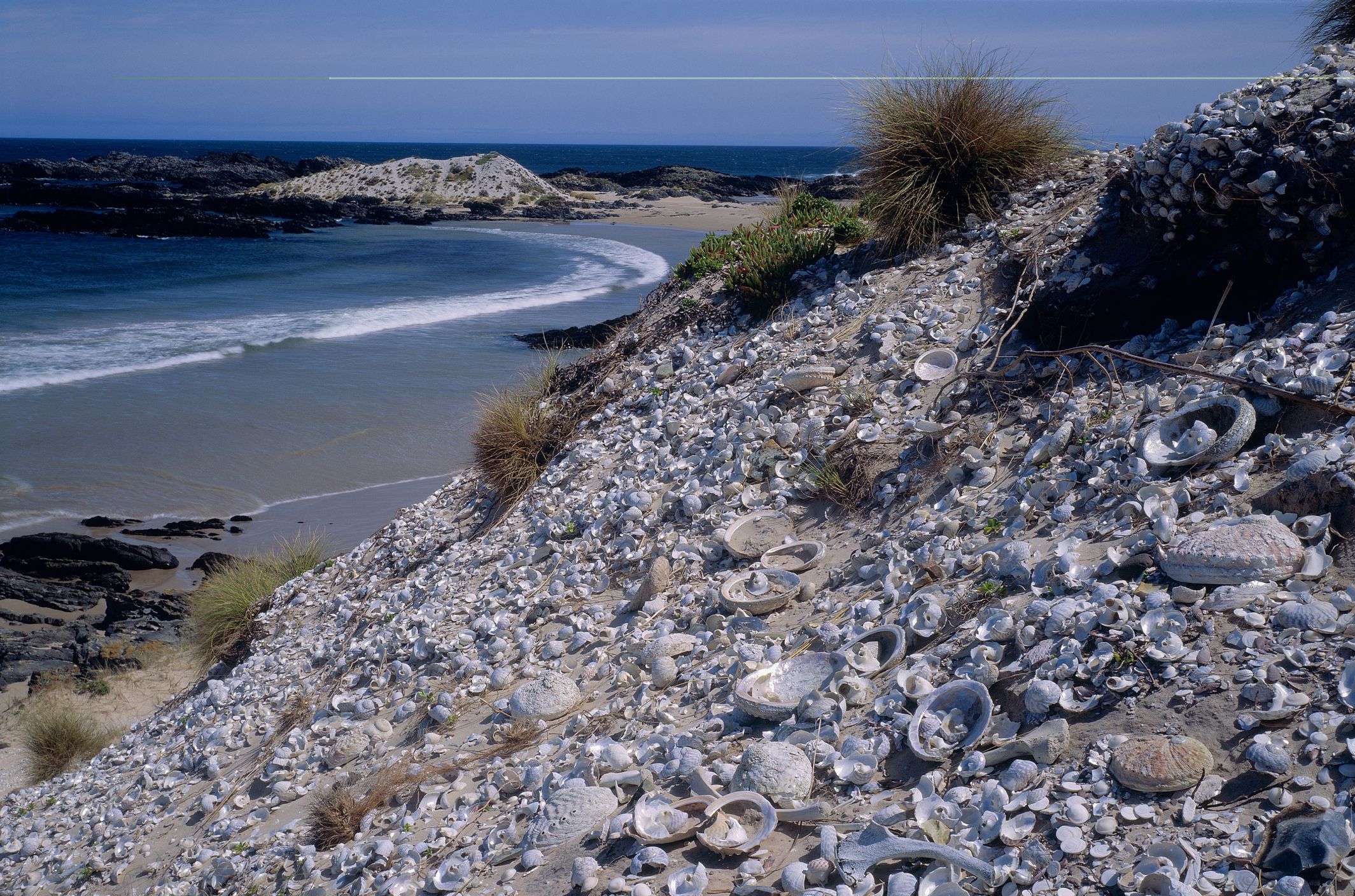
Middens are time capsules of everyday life; archaeologists study them to learn how Aboriginal and Torres Strait Islander Peoples lived and ate before and after colonisation.
Case Study 4: Scarred trees
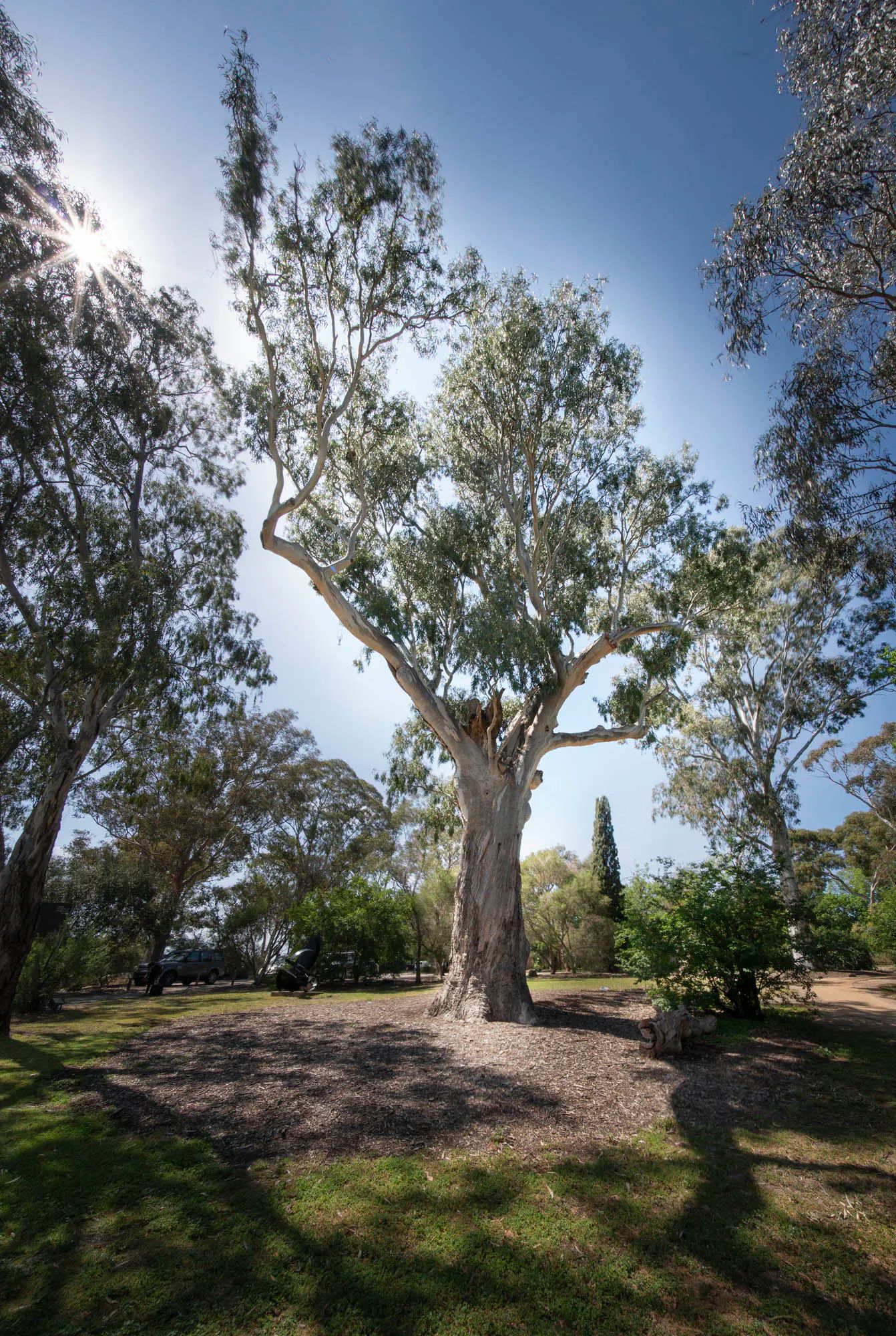
Scarred trees are living records where bark was carefully taken to make canoes, shields, coolamons and other items; they reveal deep knowledge and need careful identification and protection.
Case Study 5: National parks and named landforms
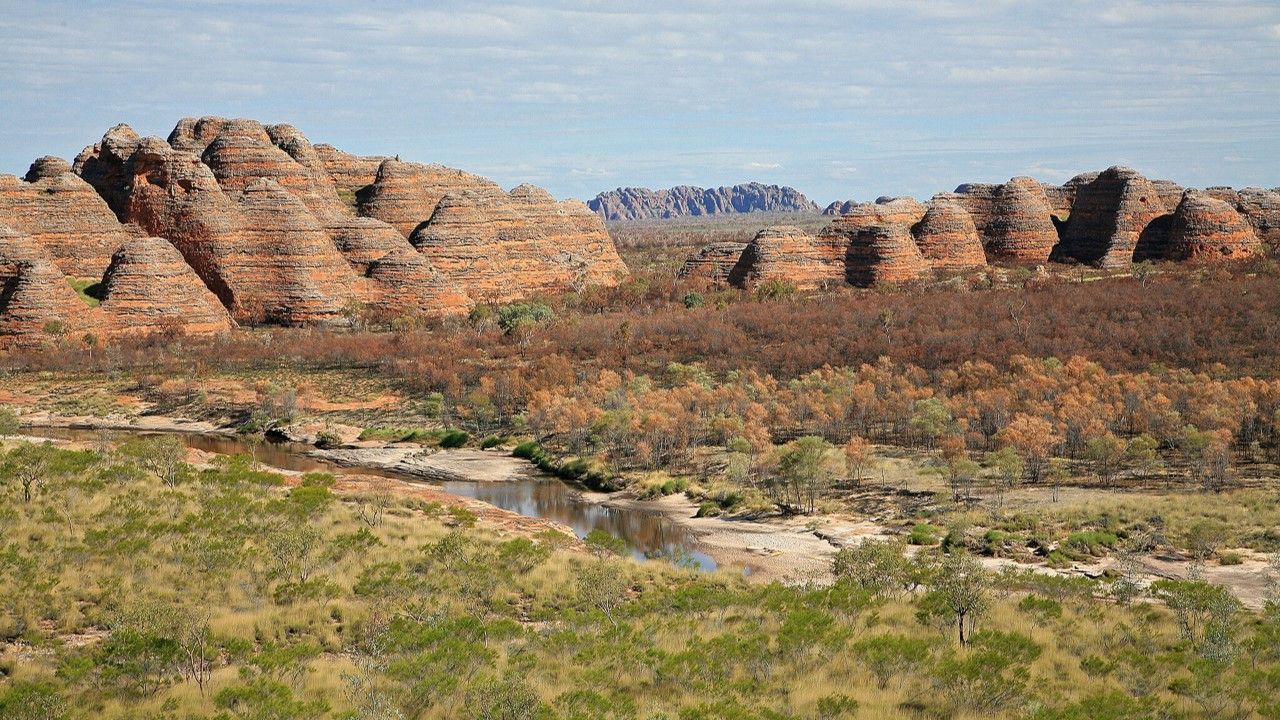
National parks and named landforms are public places to learn about and enjoy Country, supporting culture, nature and community.
Case Study 6: Reefs and Sea Country
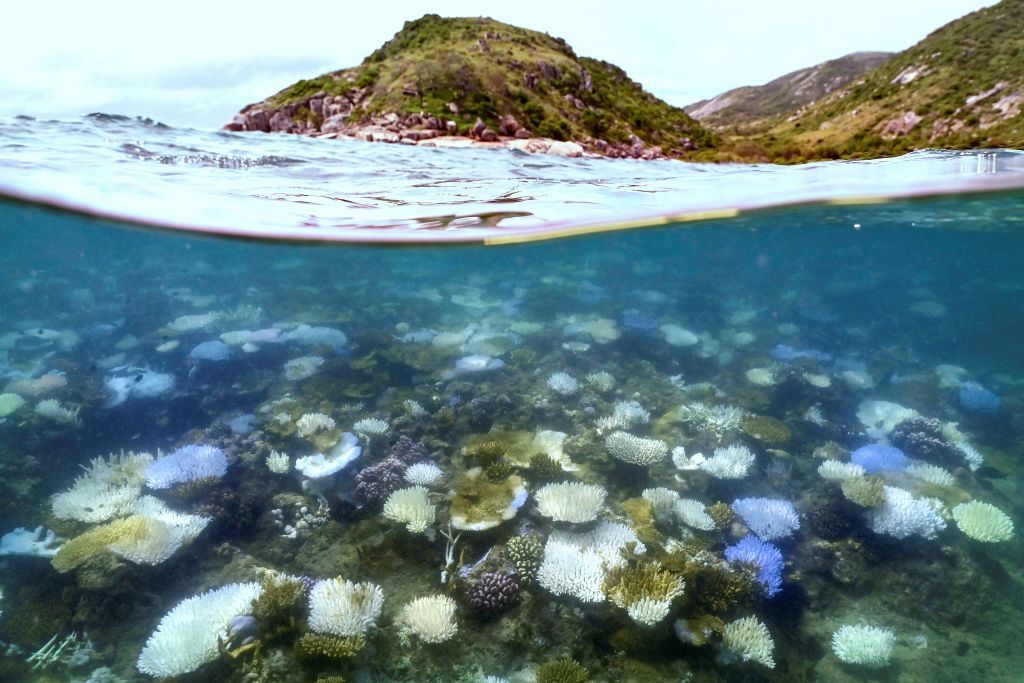
Reefs, islands and coastal places support rich life and long custodianship.
Case Study 7: Rivers, lakes and wetlands
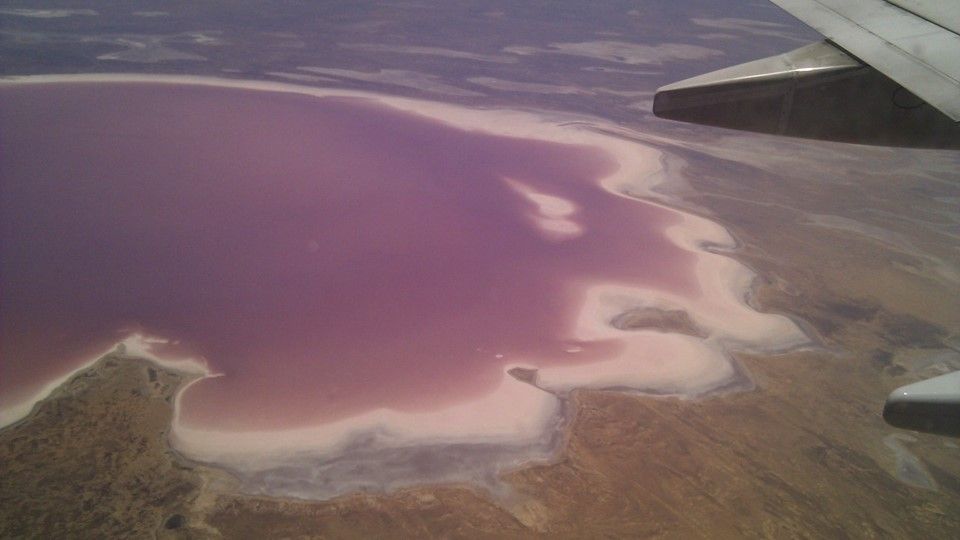
Rivers, lakes and wetlands provide water, habitat and teaching places.
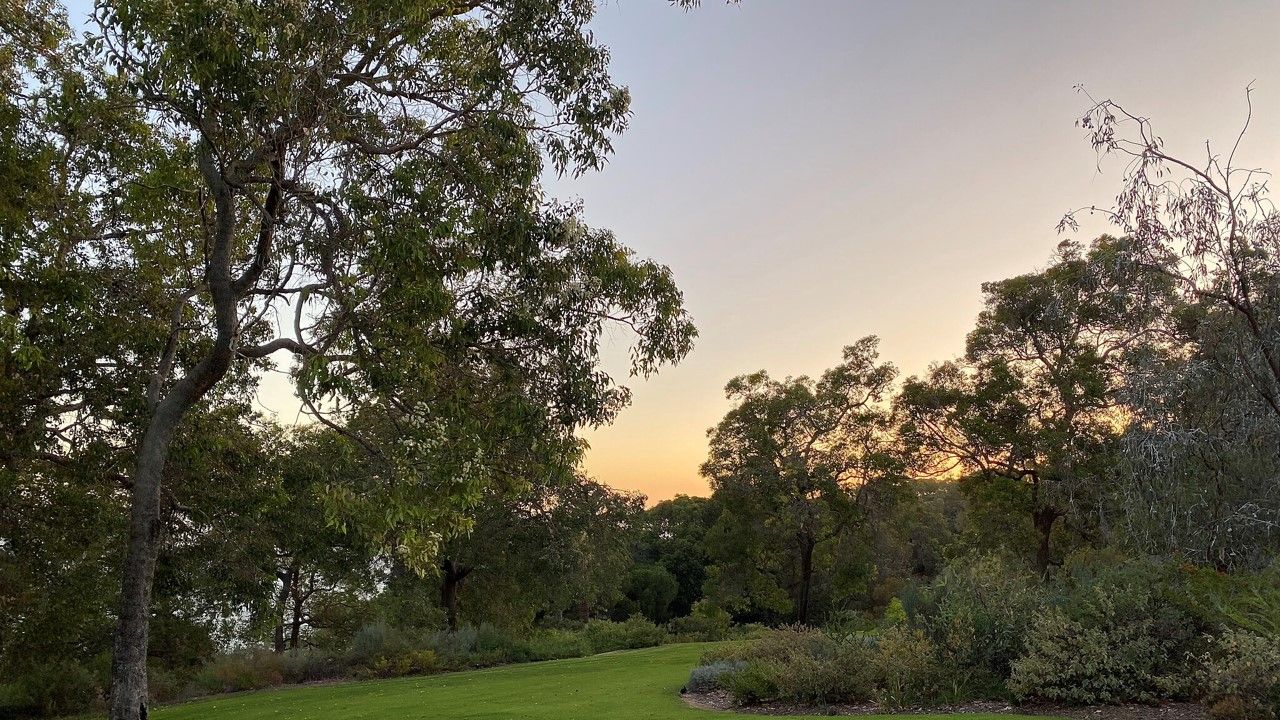
Case Study 8: Urban parks, gardens and native gardens
Urban parks and native gardens are everyday places to connect with Country in the city.
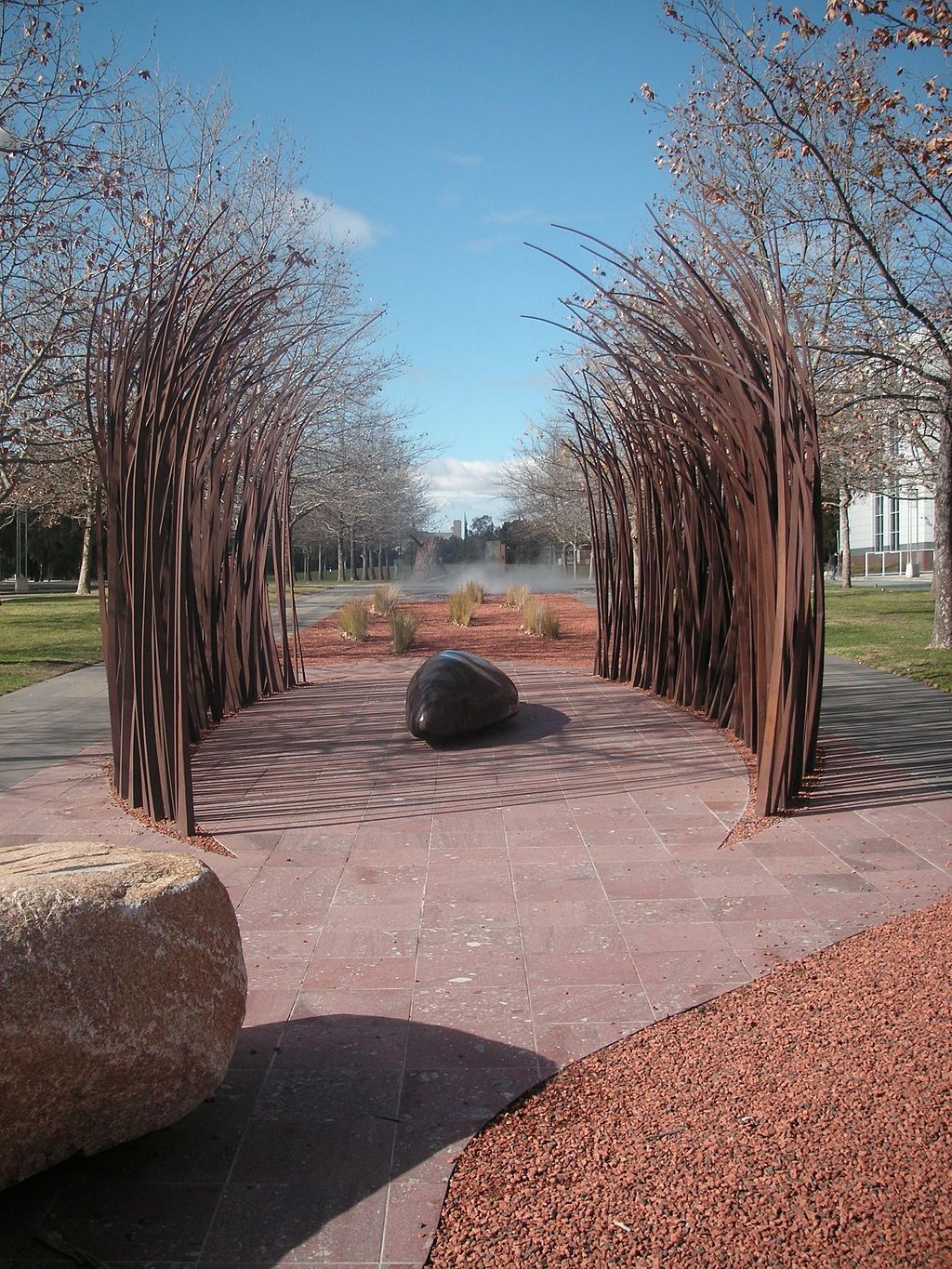
Case Study 9: Contemporary murals and public art by Aboriginal and Torres Strait Islander artists
Contemporary murals and public artworks share language, stories and community identity.
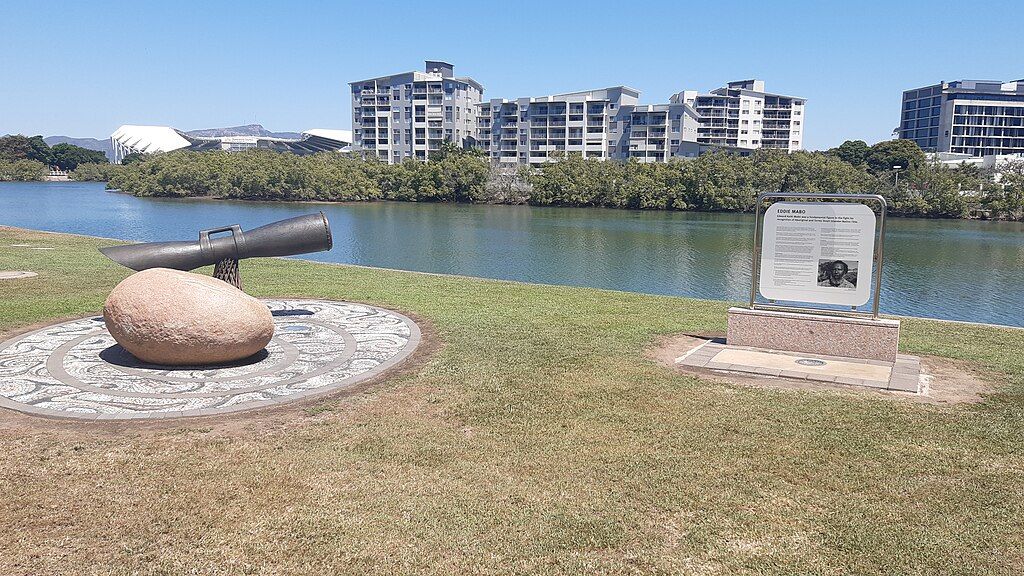
Case Study 11: Monuments and memorials
Monuments and memorials remember people, events and stories.
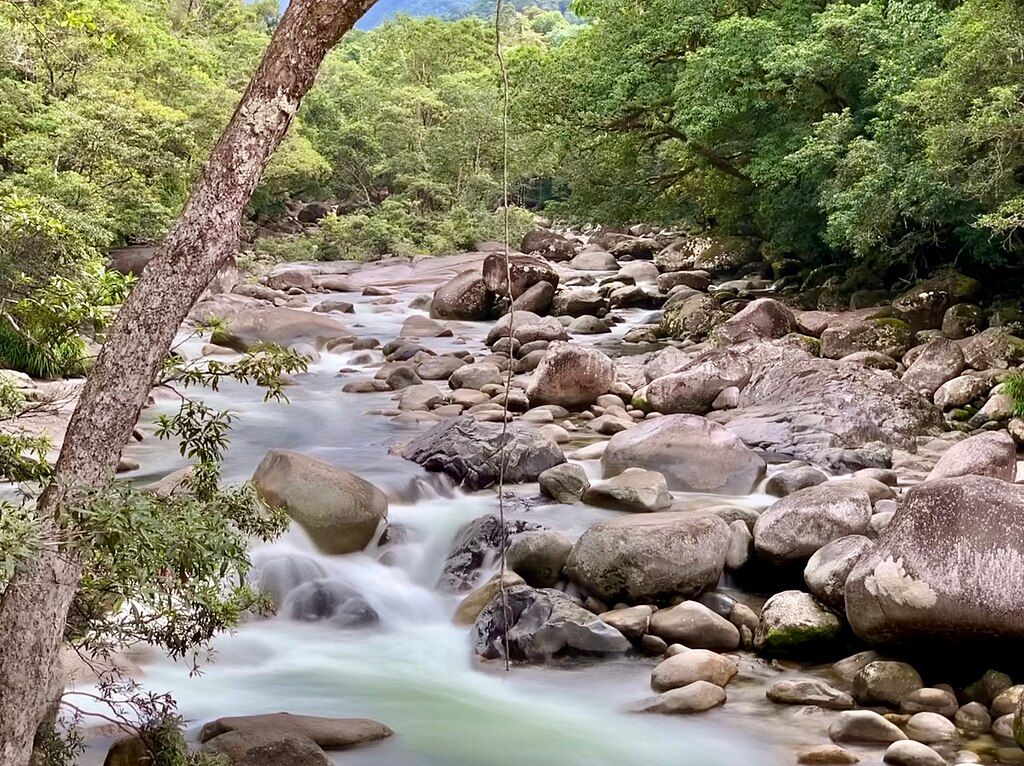
Case Study 12: Trails and cultural walks
Signed trails and cultural walks help people explore Country step by step.
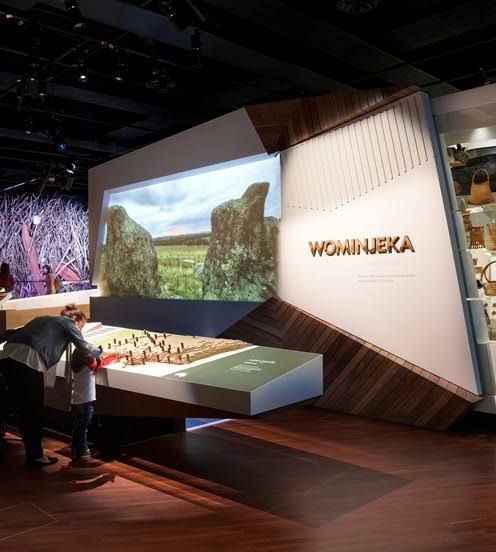
Case Study 13: Museums, galleries and cultural centres
Museums, galleries and cultural centres share publicly available knowledge and exhibits.
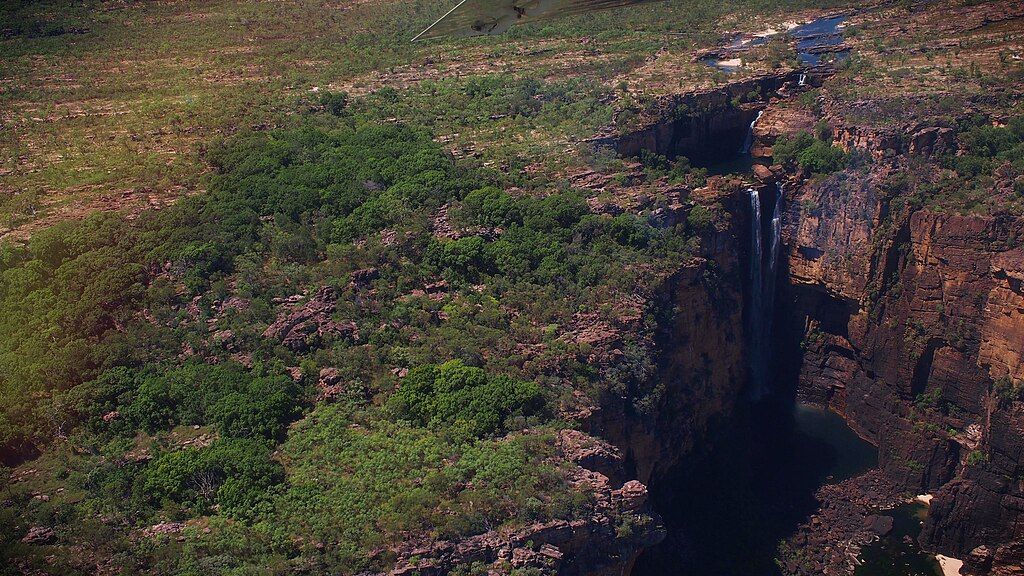
Case Study 14: The Rainbow Serpent
Across Australia, many Aboriginal communities share Rainbow Serpent stories, known by different names and sometimes described as female or male, that connect to water places and other important landscapes.