Home/Curriculum resources/Exploring local Country: Places of importance/Case Study 3: Middens
Learning Areas:
Humanities and Social Sciences, English, Mathematics
Year levels:
Foundation, Level 1, Level 2
Case Study 3: Middens
This case study is a part of the Exploring local Country: Places of importance resource.
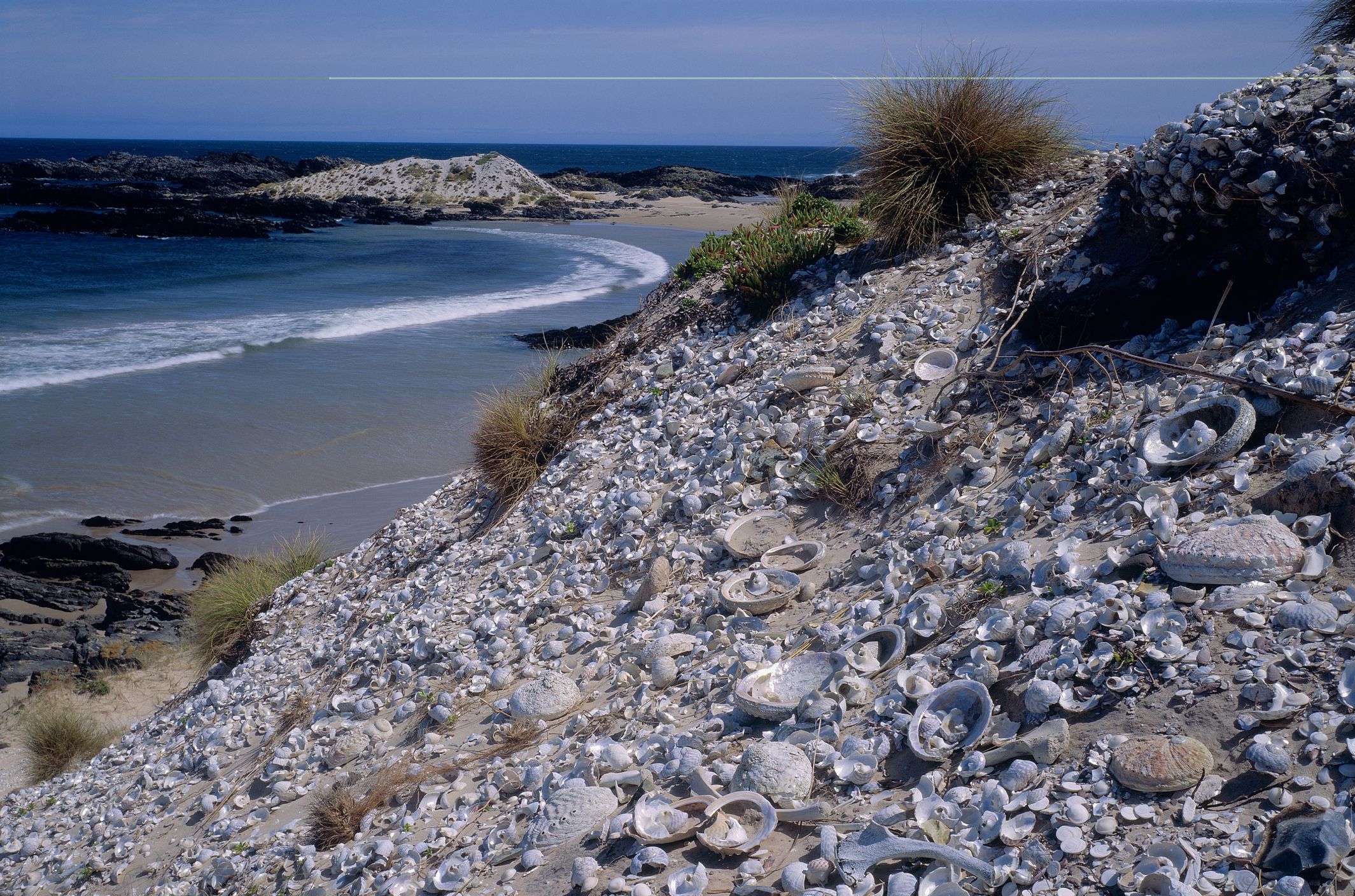
Aboriginal shell middens. Location: Ordinance point, Tarkine Wilderness, Tasmania. Photographer: Ted Mead Source: Getty Images. Used under licence.

Case Study 3: Middens
Middens are unintentional time capsules preserving the remnants of everyday life. Archaeologists study these collections of past human activity to gain insights into the lives and diets of Aboriginal and Torres Strait Islander Peoples' settlements pre- and post- colonisation. 0
Table 1: Examples from across the country
Name & Location | Custodians | Details | Websites for classroom use |
|---|---|---|---|
Bass Point Reserve, Illawarra, NSW | Dharawal People | 13 sites of coastal middens at Bass Point reveal over 20,000 years of occupation, coastal harvesting, and tool use. 0 | |
Moyjil / Point Ritchie, Warrnambool, VIC | Gunditjmara People | A coastal headland site containing extensive shell middens, hearths, and stone artefacts, interpreted as evidence of long-term occupation and shellfish harvesting. The Moyjil Project, a collaboration between Gunditjmara Traditional Owners, Deakin University, Federation University, University of Wollongong, and the Royal Society of Victoria, has investigated the site’s stratigraphy (the study of layered deposits and their sequence), dating, and cultural significance. Findings suggest human use possibly extending back tens of thousands of years, making it one of the most significant coastal Aboriginal heritage sites in Victoria. 0 0 | |
Weipa Midden Sites, north west coast of Cape York, QLD | Thaynakwith People | Contains around 600 shell middens, some up to 16 metres high and 70 metres long, at least 2,700 years old. Composed mainly of Anadara granosa (cockle) shells, along with charcoal, bone points, teeth tools and stone artefacts, these mounds reflect long-term, organised shellfish harvesting and coastal living. They are among the largest and best-preserved midden complexes in Australia, providing important evidence of the deep cultural and economic connections between people and sea Country. 0 | |
Wukalina / Mount William Coastline Middens, north eastern TAS | Palawa People | The Wukalina/Mount William coastline, is home to over 90 recorded shell middens, along with nearly 60 other artefact-bearing sites. These middens illustrate thousands of years of coastal life and provide tangible links to the Palawa People, Tasmania's Indigenous custodians who have occupied the landscape for more than 65,000 years. 0 0 | Mount William National Park – Parks and Wildlife Service Tasmania |
Charles Darwin National Park | Larrakia People | “Ancient Aboriginal middens, piled high with the skeletal remains of shellfish and other marine life, attest to the long occupation of Indigenous Peoples”. 0 |
Related case studies within this resources:
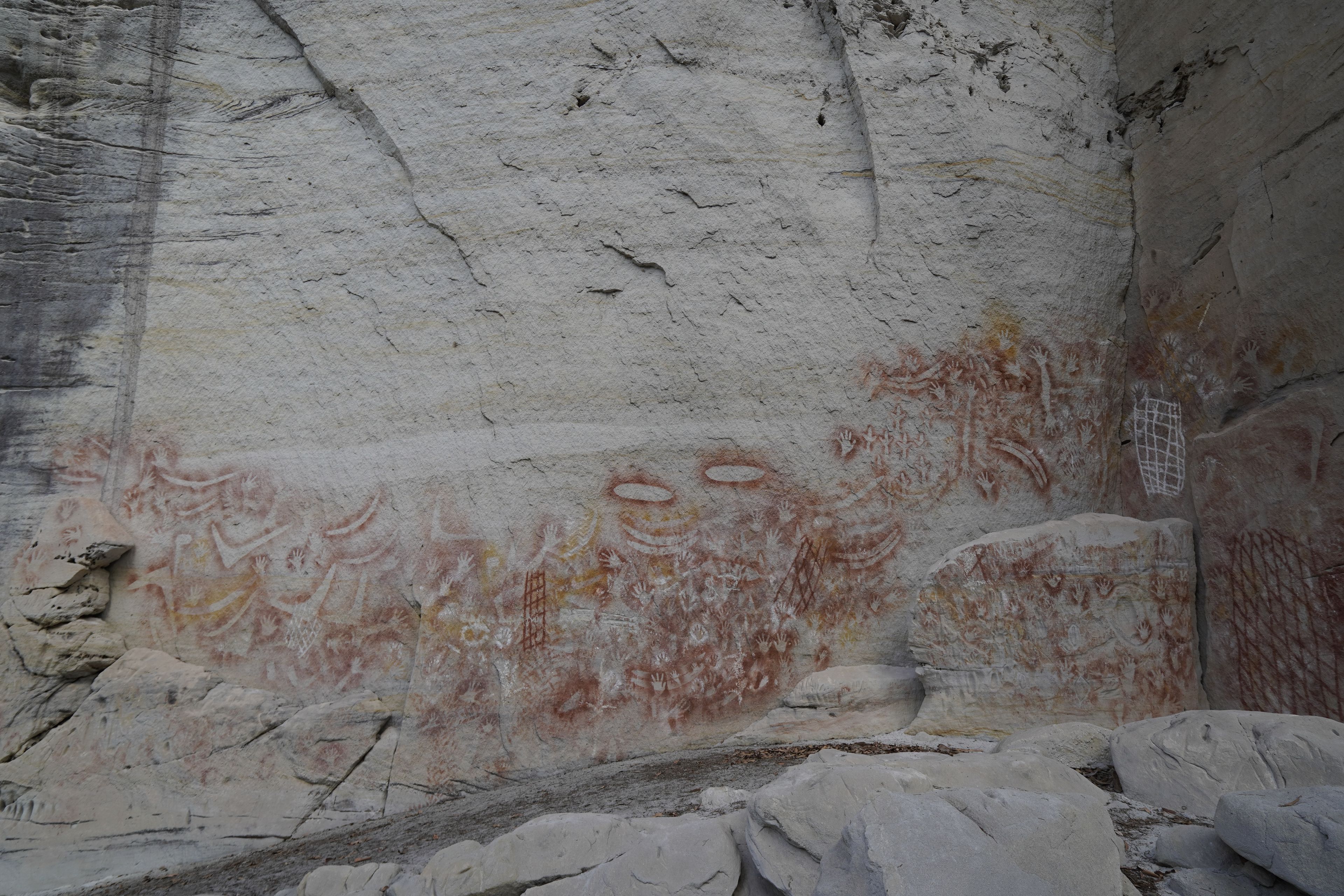
Case Study 1: Rock art
Aboriginal rock art, painted or engraved in sheltered rock places, marks living and ceremonial sites and, as some of the oldest art on Earth, needs ongoing care and respect.
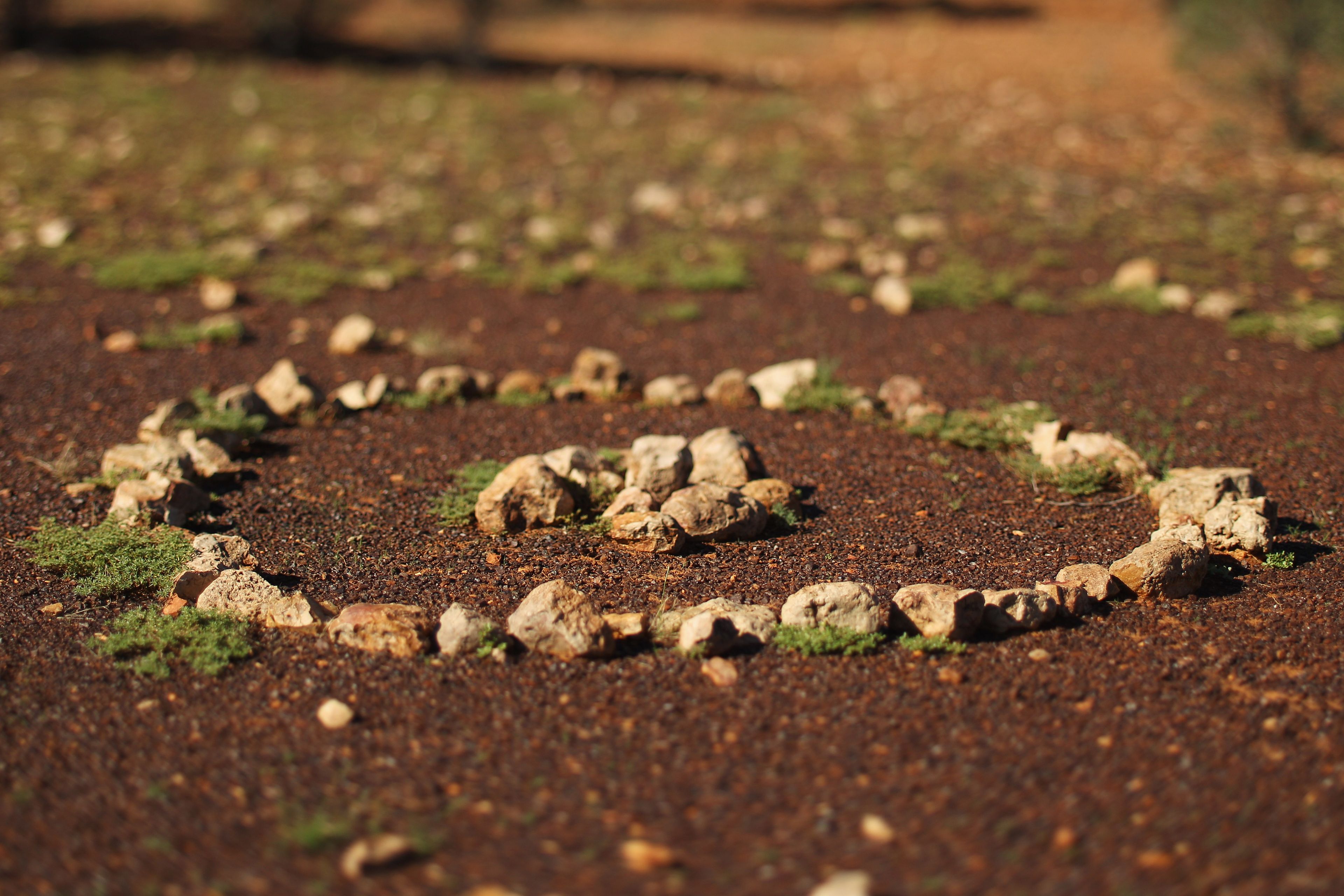
Case Study 2: Stone arrangements
Aboriginal stone arrangements, carefully placed rocks for cultural, ceremonial or navigational purposes, are deeply significant; many meanings are not public, and most sites (often on private land) require protection and discretion.
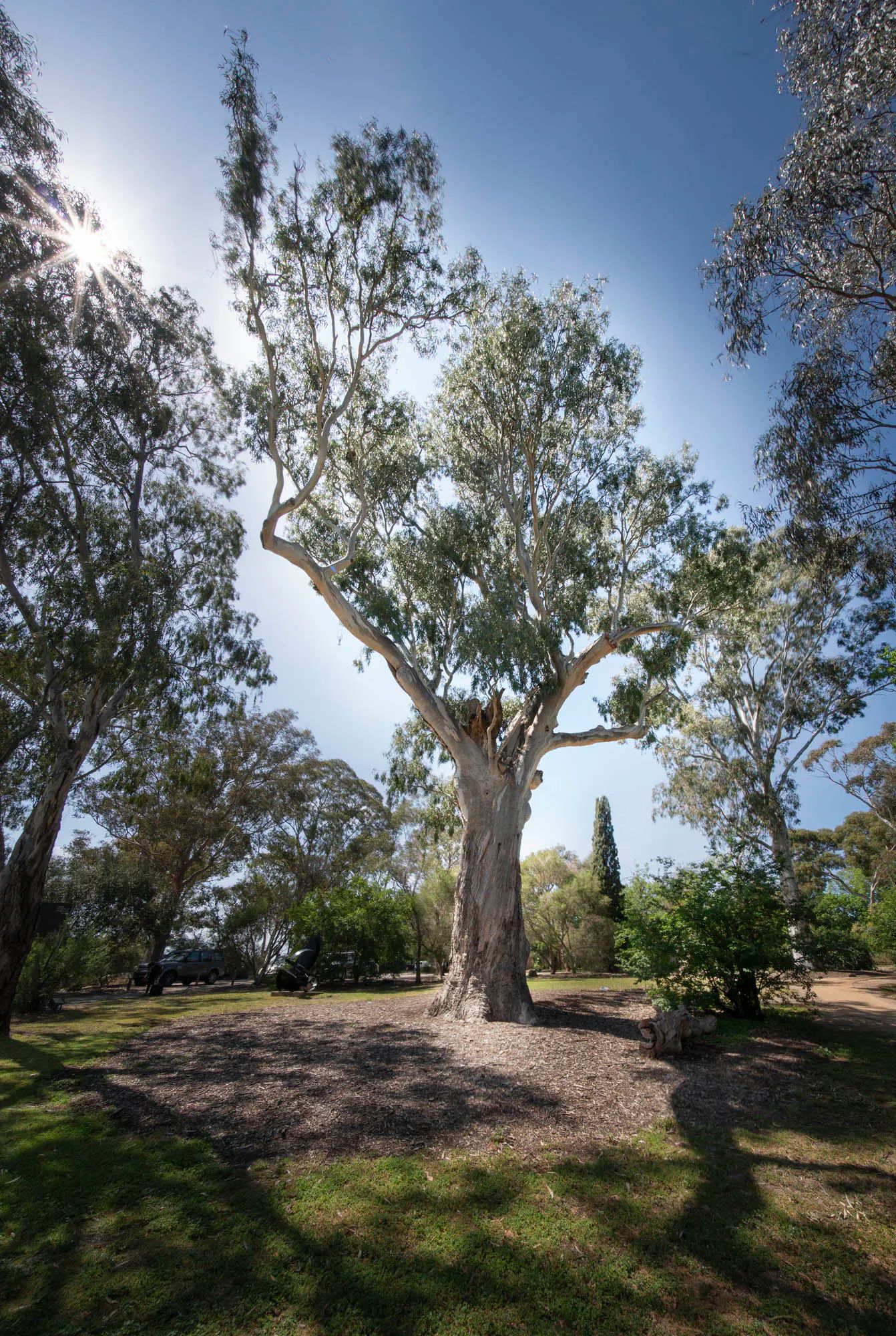
Case Study 4: Scarred trees
Scarred trees are living records where bark was carefully taken to make canoes, shields, coolamons and other items; they reveal deep knowledge and need careful identification and protection.
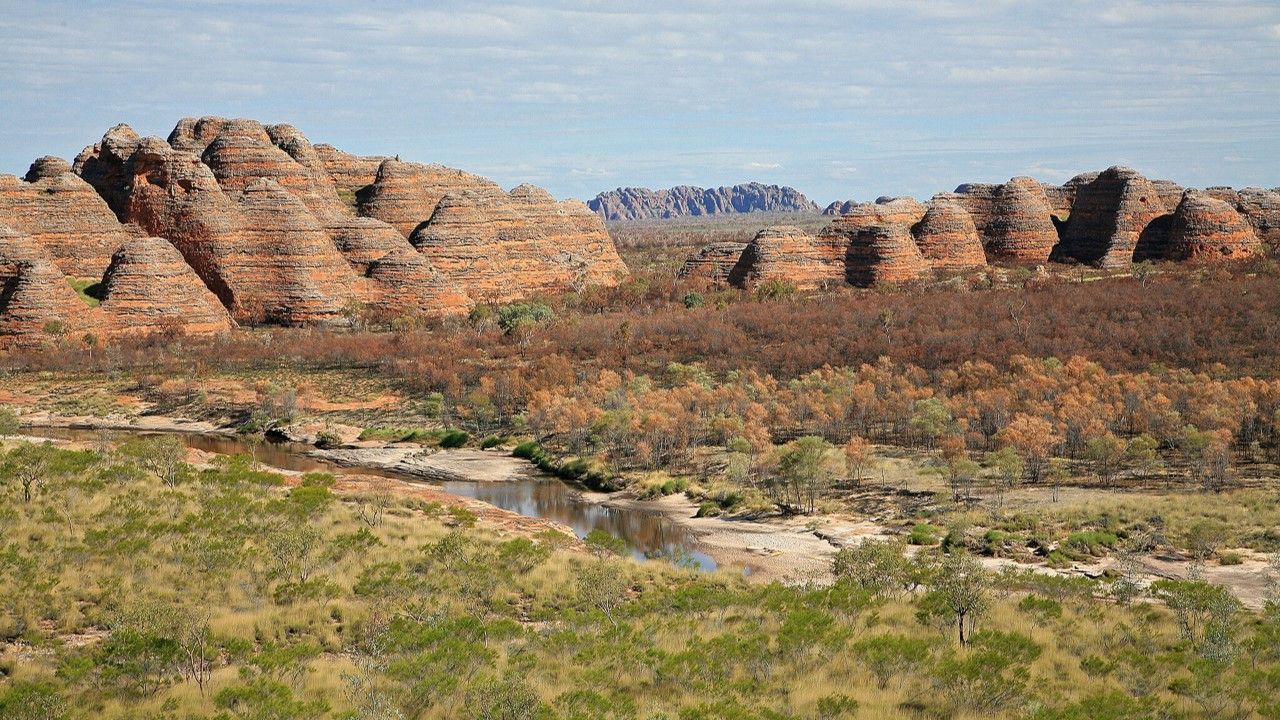
Case Study 5: National parks and named landforms
National parks and named landforms are public places to learn about and enjoy Country, supporting culture, nature and community.
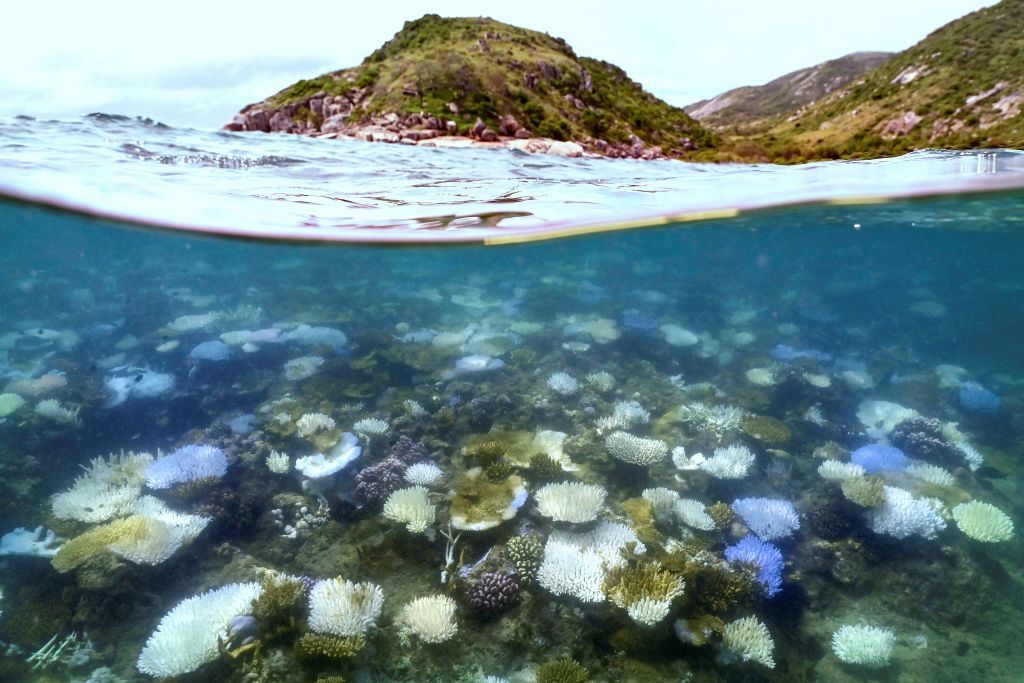
Case Study 6: Reefs and Sea Country
Reefs, islands and coastal places support rich life and long custodianship.
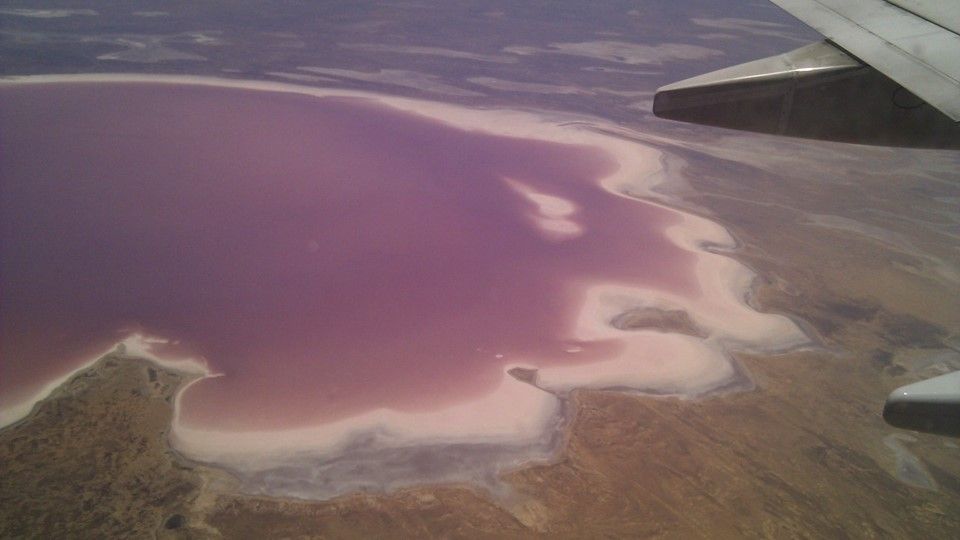
Case Study 7: Rivers, lakes and wetlands
Rivers, lakes and wetlands provide water, habitat and teaching places.
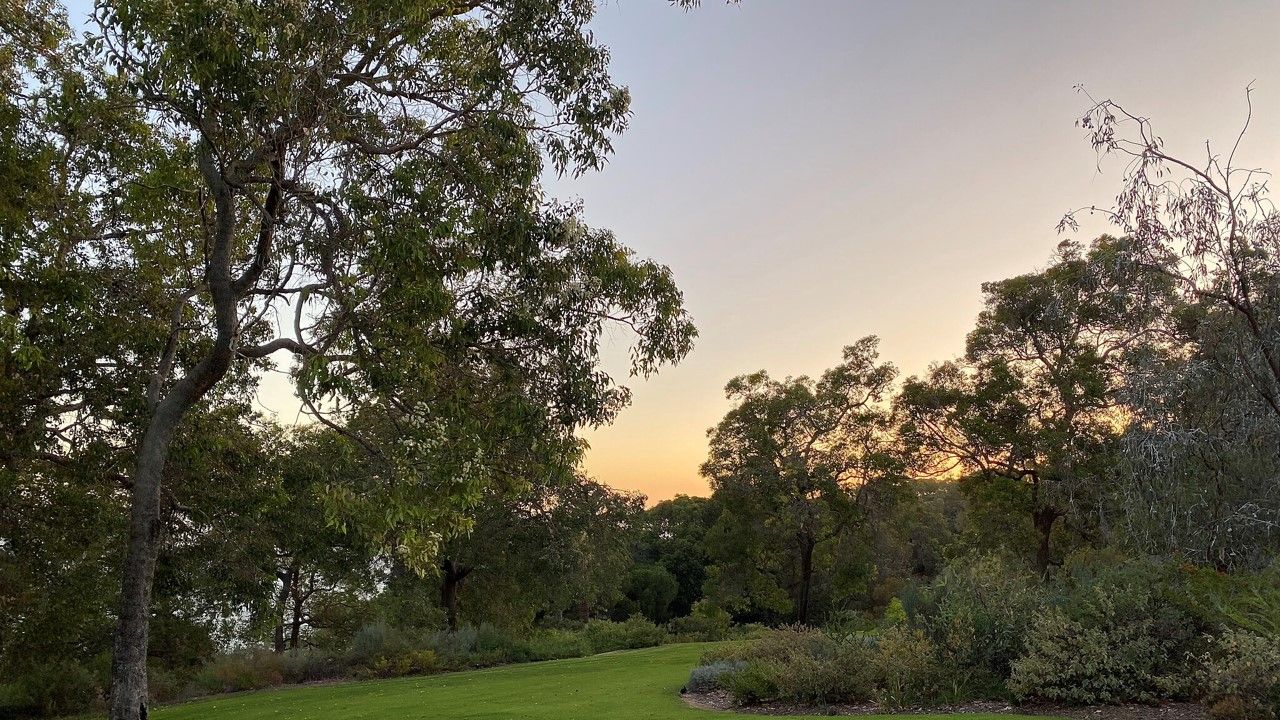
Case Study 8: Urban parks, gardens and native gardens
Urban parks and native gardens are everyday places to connect with Country in the city.
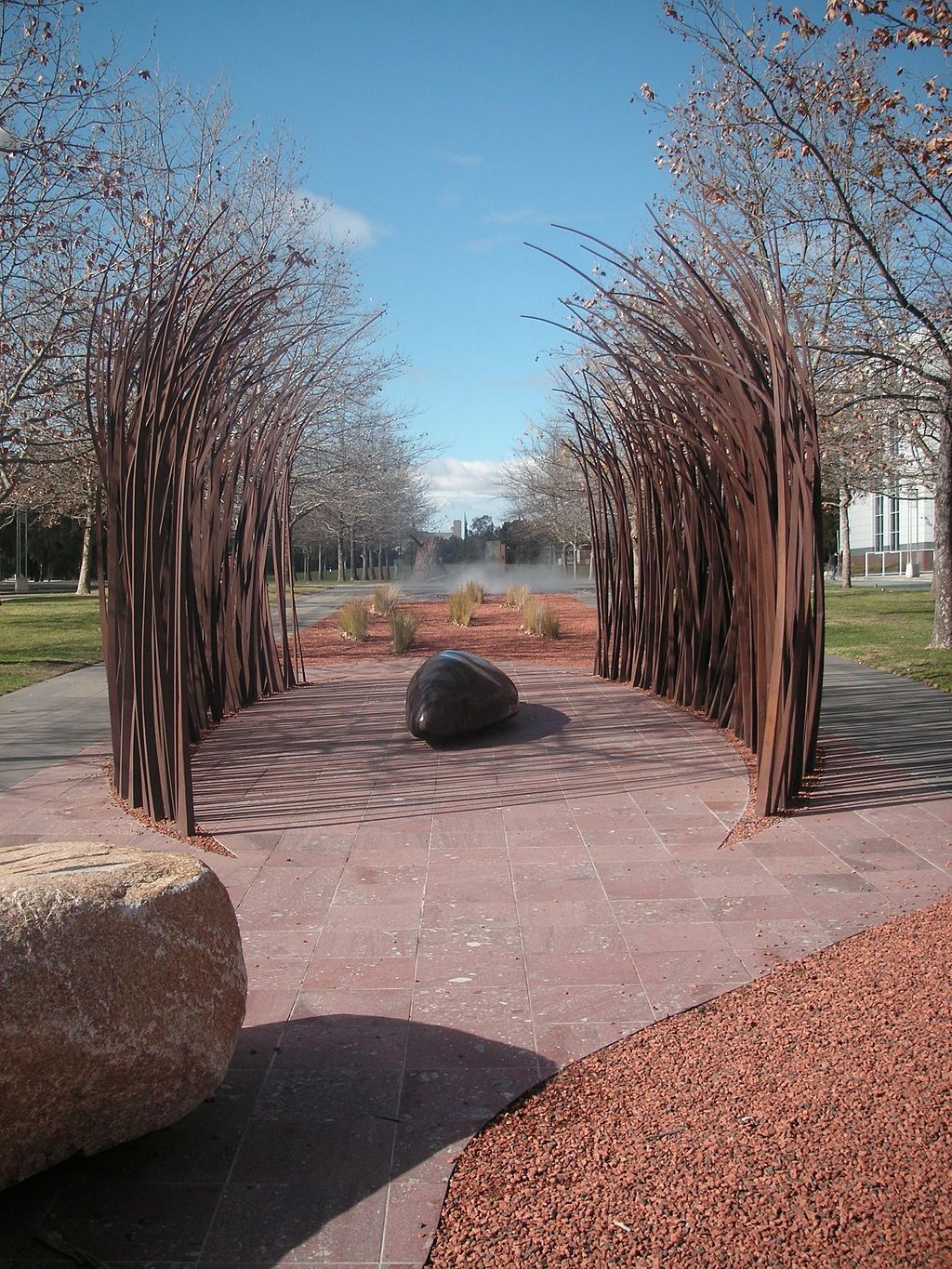
Case Study 9: Contemporary murals and public art by Aboriginal and Torres Strait Islander artists
Contemporary murals and public artworks share language, stories and community identity.
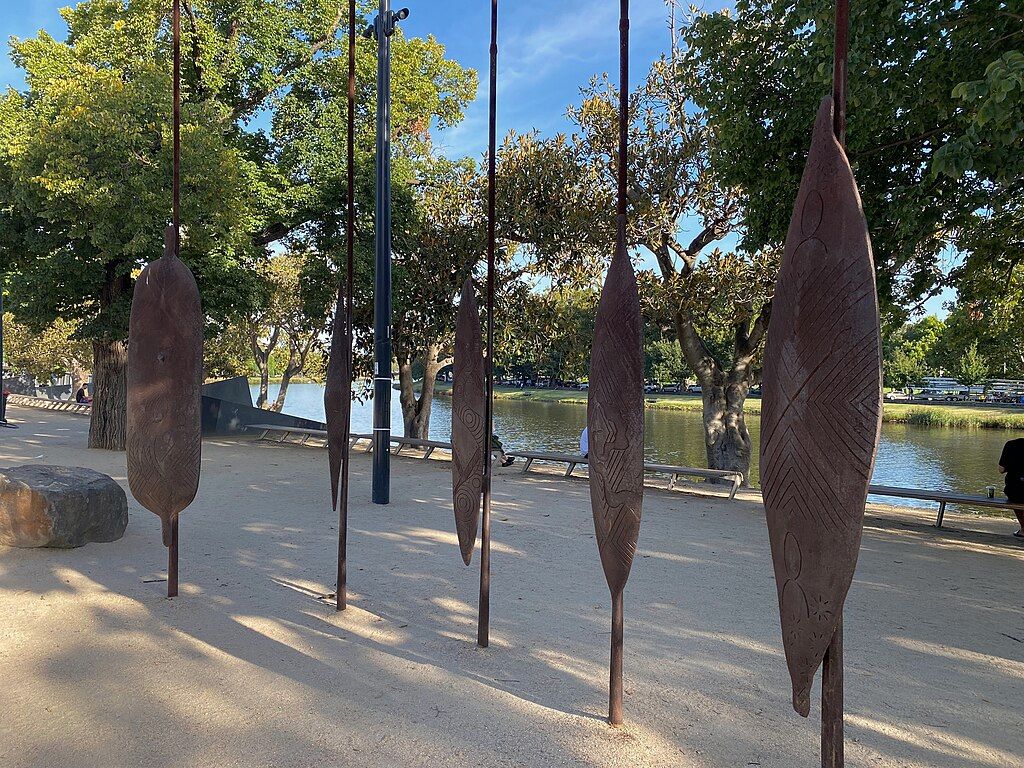
Case Study 10: Meeting places and community spaces
Meeting and community places support gathering, celebration and learning.
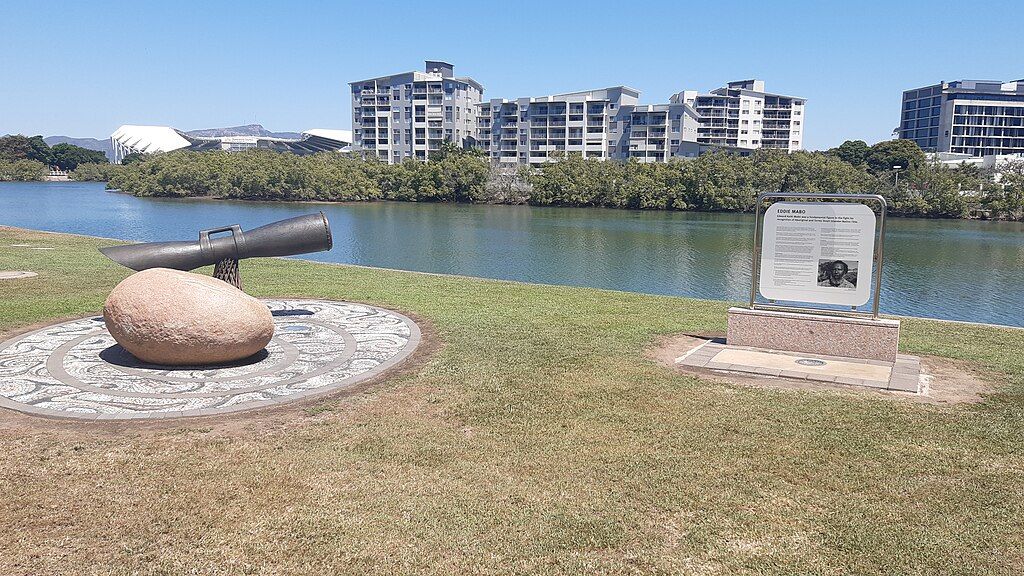
Case Study 11: Monuments and memorials
Monuments and memorials remember people, events and stories.
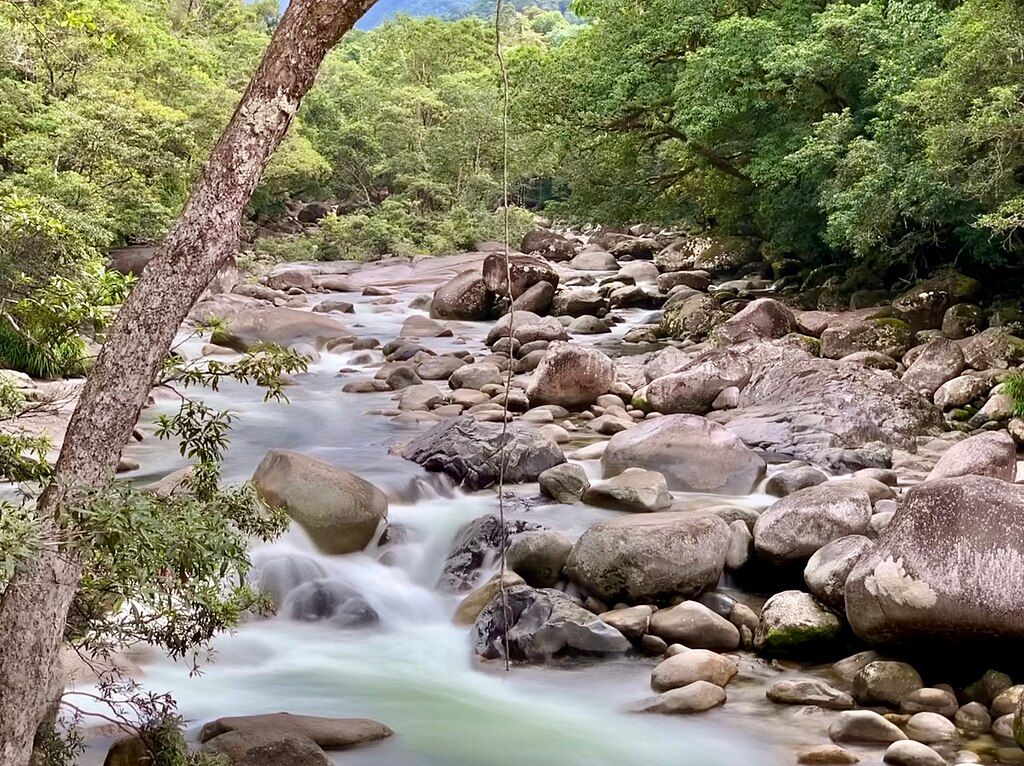
Case Study 12: Trails and cultural walks
Signed trails and cultural walks help people explore Country step by step.
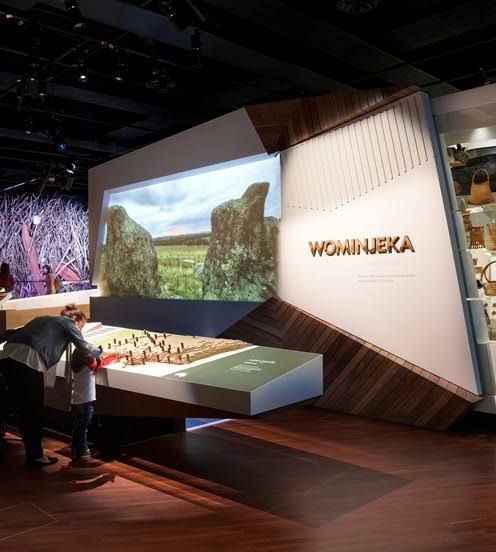
Case Study 13: Museums, galleries and cultural centres
Museums, galleries and cultural centres share publicly available knowledge and exhibits.
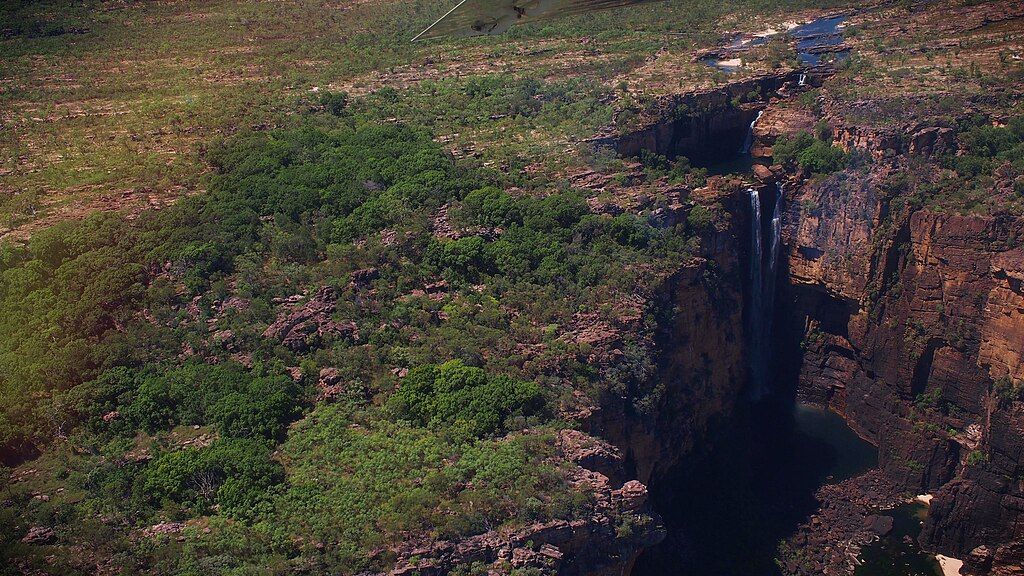
Case Study 14: The Rainbow Serpent
Across Australia, many Aboriginal communities share Rainbow Serpent stories, known by different names and sometimes described as female or male, that connect to water places and other important landscapes.