Home/Curriculum resources/Exploring local Country: Places of importance/Case Study 8: Urban parks, gardens and native gardens
Learning Areas:
Humanities and Social Sciences, English, Mathematics
Year levels:
Foundation, Level 1, Level 2
Case Study 8: Urban parks, gardens and native gardens
This case study is a part of the Exploring local Country: Places of importance resource.
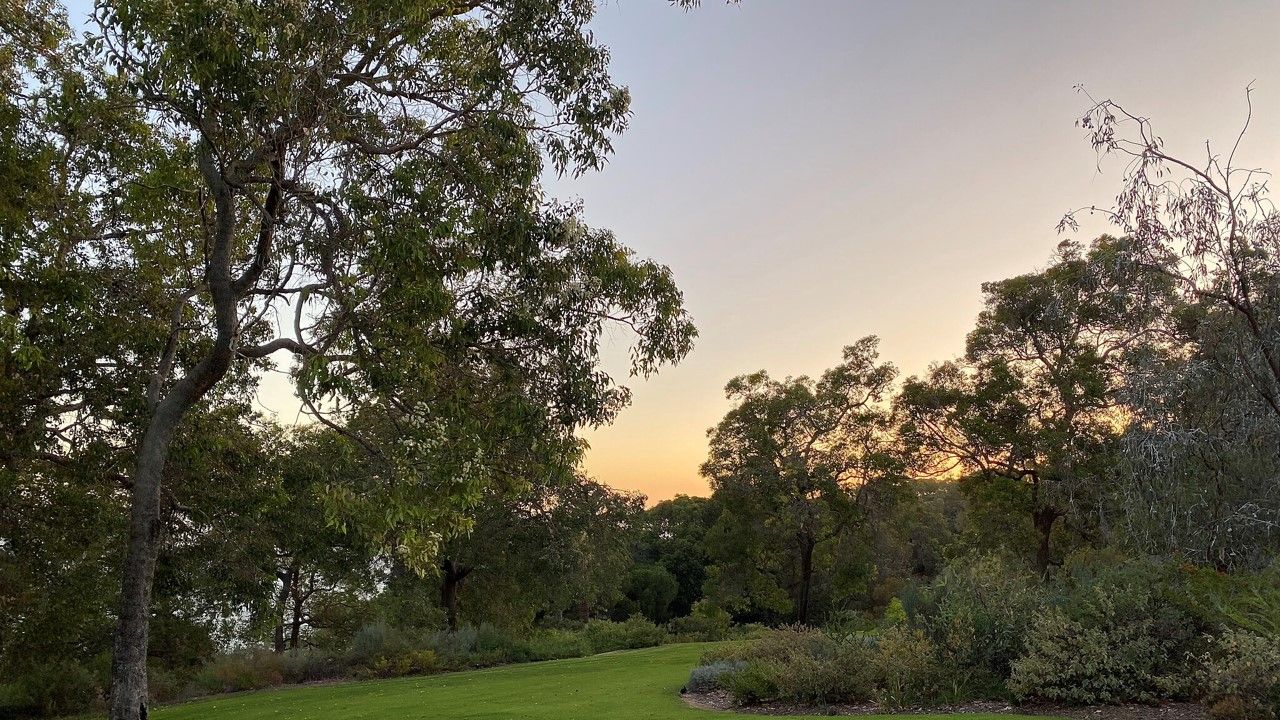
Kaarta Koomba (King’s Park). Location: Perth, Western Australia. Photographer: wuppertaler. Source: Wikimedia Commons. Used under licence: CC BY 4.0.

Case Study 8: Urban parks, gardens and native gardens
Urban parks, botanic gardens and native gardens are public places to learn about and enjoy Country in the city. They may be important for culture, plants, language and community, and, where appropriate, are used for education and community activities.
Visitors are encouraged to follow local guidance from Elders, Traditional Owners, Rangers and Aboriginal and Torres Strait Islander-led tour groups, keep to paths, leave plants and natural materials where they belong, and use quiet, respectful behaviour.
Table 1: Examples from across the country
Name & Location | Custodians | Details |
|---|---|---|
Kaarta Koomba - Kings Park, Perth, WA | Whadjuk Noongar People | Botanic garden and high ground known for plant knowledge and city views; named places, seasonal messages and guided walks support respectful visiting. 0 |
Royal Botanic Gardens Melbourne, VIC | Wurundjeri Woi-wurrung People | Inner-city gardens with lakes, living collections and learning spaces that support school programs and respectful visiting. Indigenous plant trails and guided experiences invite careful noticing of plants, language and place. 0 |
Royal Botanic Gardens Cranbourne, VIC | Bunurong People | Surrounding bushland protects more than 450 indigenous plant species with over 10 km of walking tracks and seasonal programs. 0 |
Royal Botanic Garden Sydney, NSW | Gadigal People | Harbour-side gardens with long-standing plant collections and interpretation linking plants to culture and science. 0 |
City Botanic Gardens, Brisbane, QLD | Turrbal and Yuggera Peoples | River-edge gardens with shade trees, fig avenues and boardwalks that support everyday use and school learning. Seasonal signage and ranger notes encourage keeping to paths, caring for garden wildlife and respecting shared spaces during community events. 0 |
Adelaide Botanic Garden, SA | Kaurna People | A mix of native and global plantings with interpretation that links plants, seasons and local stories. Visitors follow simple care actions such as staying on paths, leaving plant material in place and using quiet, respectful behaviour in learning spaces and glasshouses. 0 |
Australian National Botanic Gardens, Canberra, ACT | Ngunnawal People | National collection of Australian plants nestled against Black Mountain, with bushland tracks and outdoor classrooms. Programs model caring for Country in urban nature, and visitors are encouraged to keep to signed routes, protect habitats and follow ranger or guide instructions. 0 |
George Brown Darwin Botanic Gardens, NT | Larrakia People | Tropical and coastal plantings that reflect the region’s monsoon climate, with shaded paths and interpretation about local plants and uses. 0 |
Royal Tasmanian Botanical Gardens, Hobart, TAS | Palawa People | Cool-climate collections and native plant areas that invite careful observation of Tasmanian species. 0 |
Olive Pink Botanic Garden, Alice Springs, NT | Arrernte People | Arid-zone native garden with hill tracks and lookouts, highlighting desert flora and local stories. 0 |
Cairns Botanic Gardens, QLD | Yidinji and Yirrganydji Peoples | Tropical collections with boardwalks through shaded plantings that connect coastal and rainforest species. 0 |
Thursday Island foreshore parklands, Torres Strait, QLD | Kaurareg People | Shaded waterfront parks used for community gatherings and everyday recreation.12 |
Related case studies within this resources:
Case Study 1: Rock art
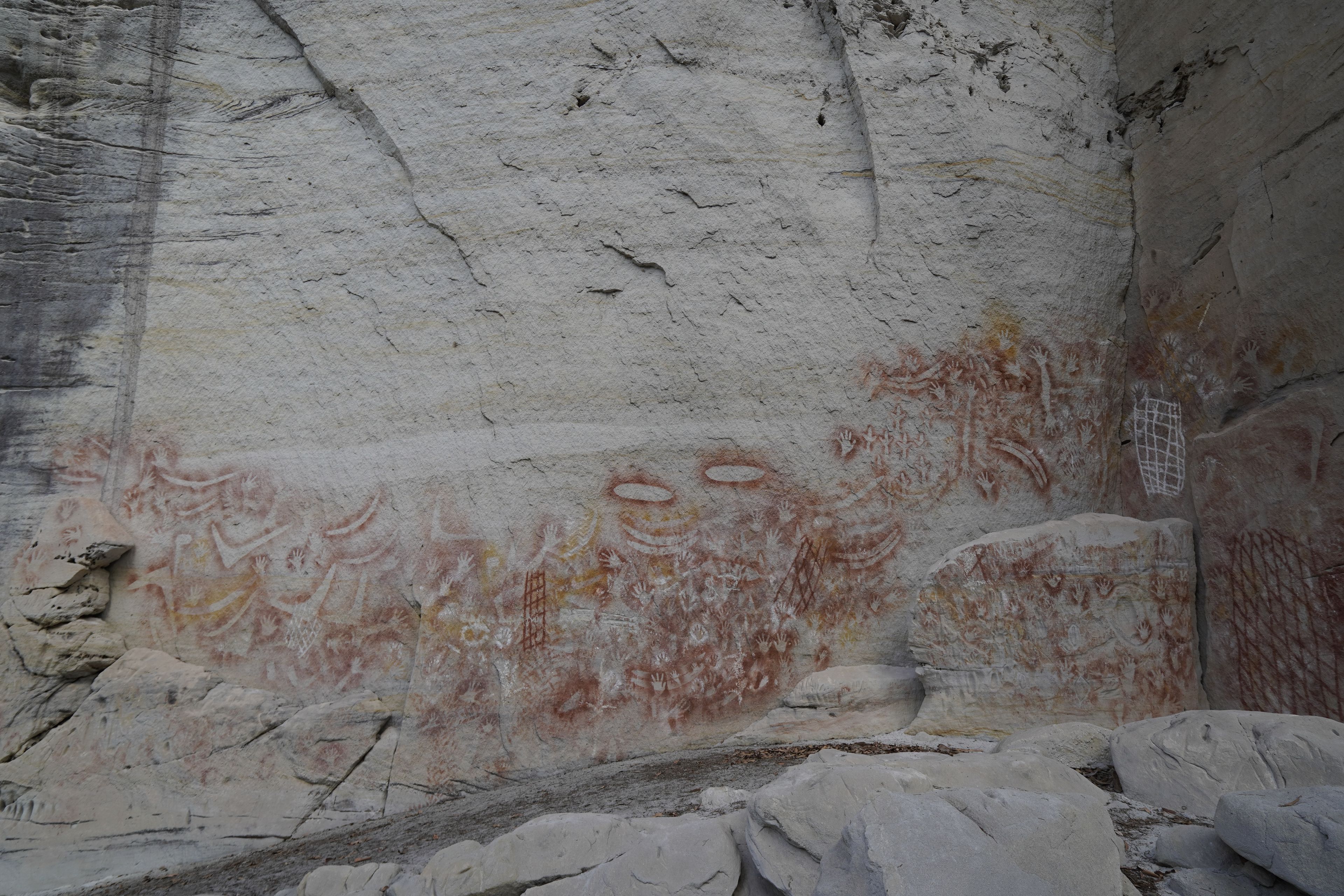
Aboriginal rock art, painted or engraved in sheltered rock places, marks living and ceremonial sites and, as some of the oldest art on Earth, needs ongoing care and respect.
Case Study 2: Stone arrangements
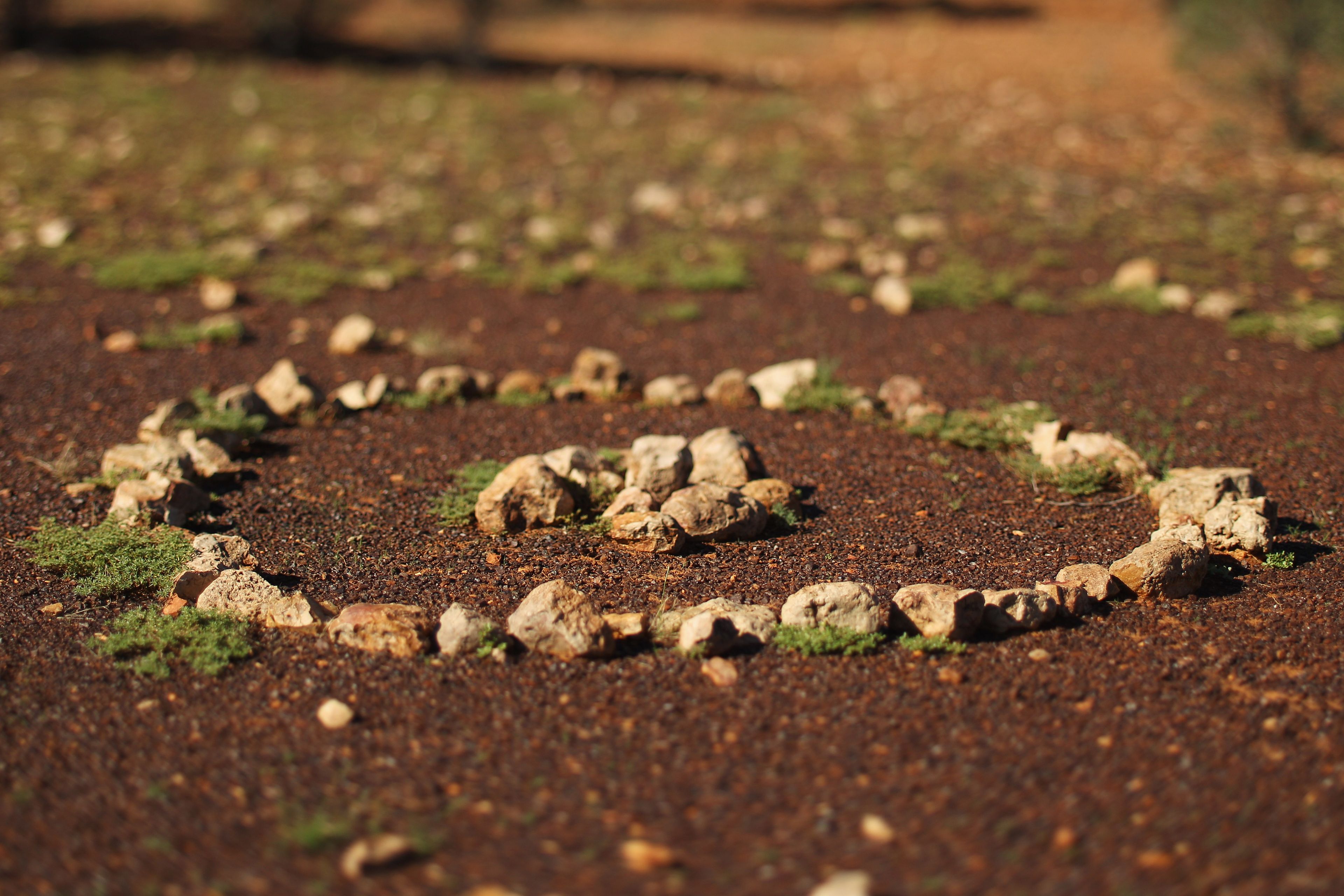
Aboriginal stone arrangements, carefully placed rocks for cultural, ceremonial or navigational purposes, are deeply significant; many meanings are not public, and most sites (often on private land) require protection and discretion.
Case Study 3: Middens
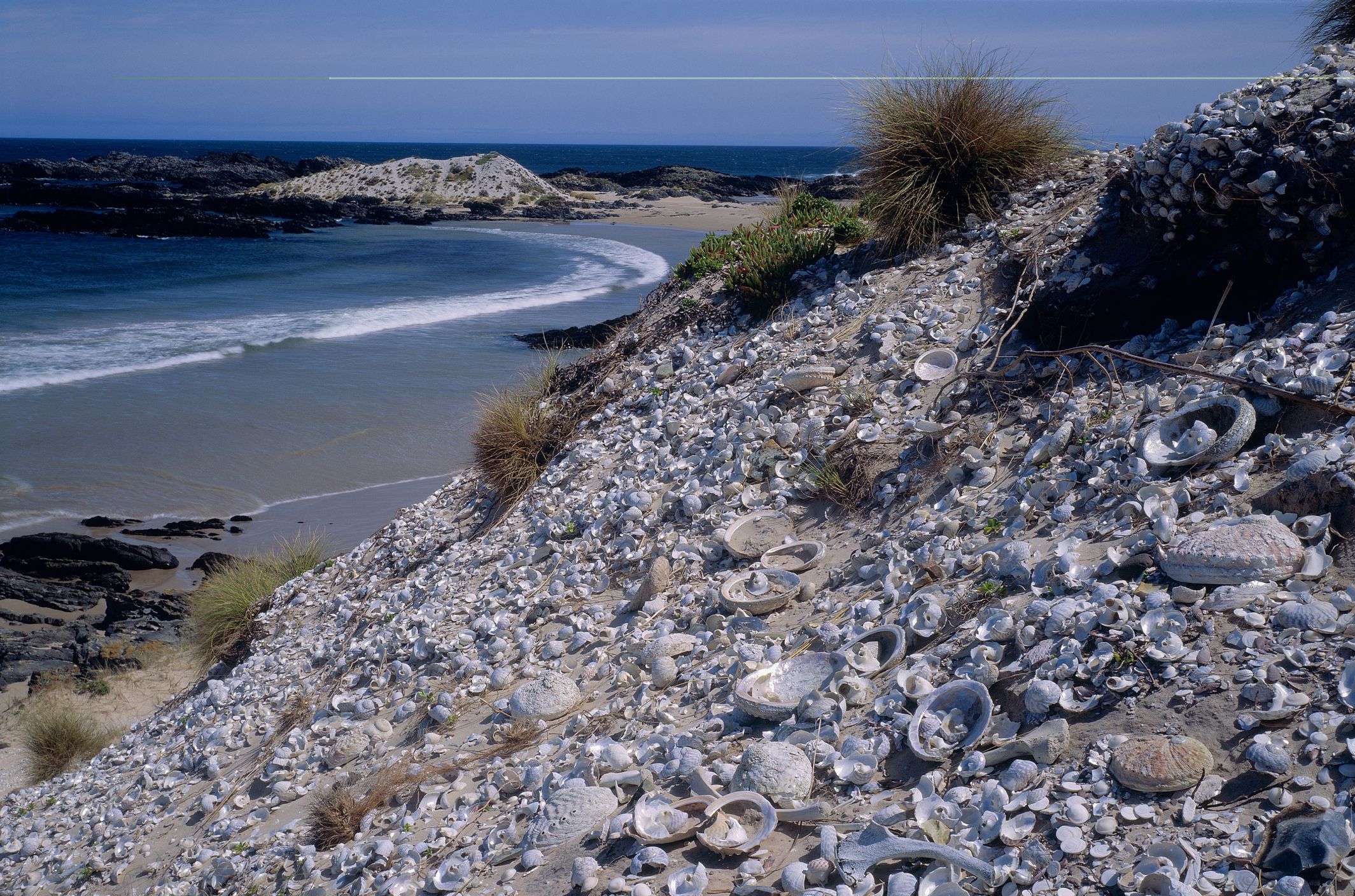
Middens are time capsules of everyday life; archaeologists study them to learn how Aboriginal and Torres Strait Islander Peoples lived and ate before and after colonisation.
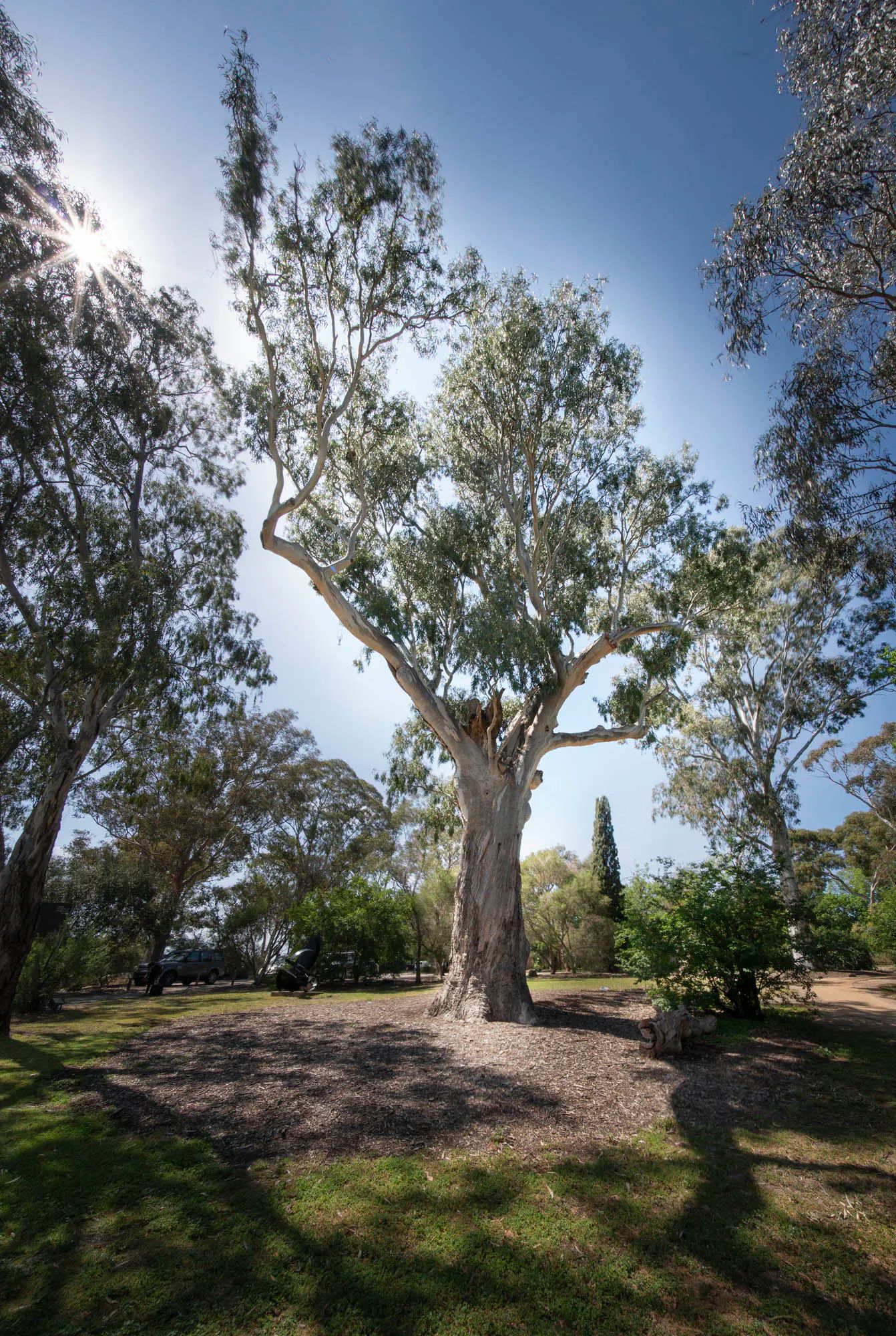
Case Study 4: Scarred trees
Scarred trees are living records where bark was carefully taken to make canoes, shields, coolamons and other items; they reveal deep knowledge and need careful identification and protection.
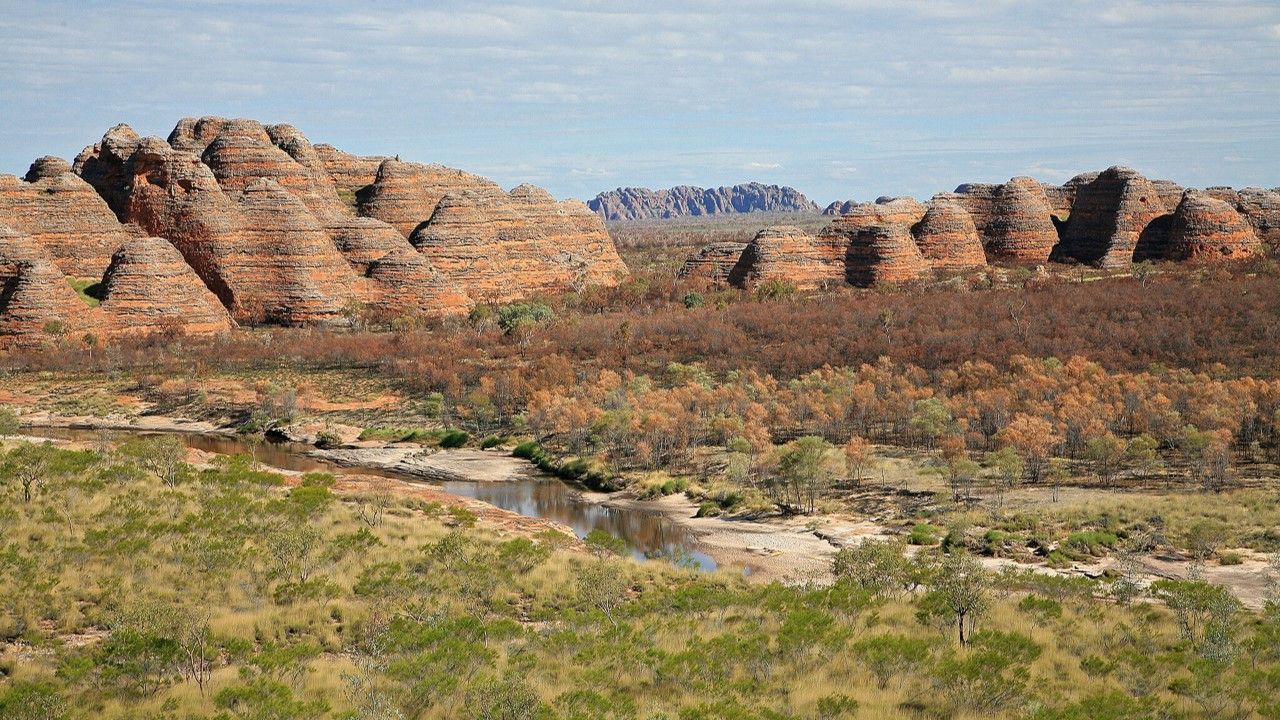
Case Study 5: National parks and named landforms
National parks and named landforms are public places to learn about and enjoy Country, supporting culture, nature and community.
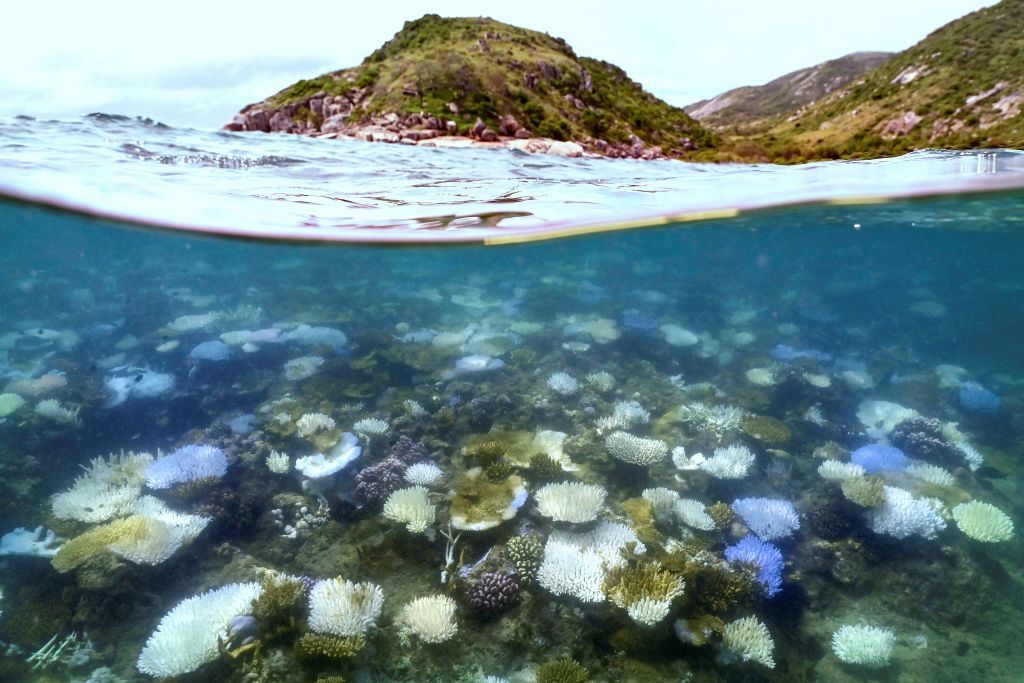
Case Study 6: Reefs and Sea Country
Reefs, islands and coastal places support rich life and long custodianship.
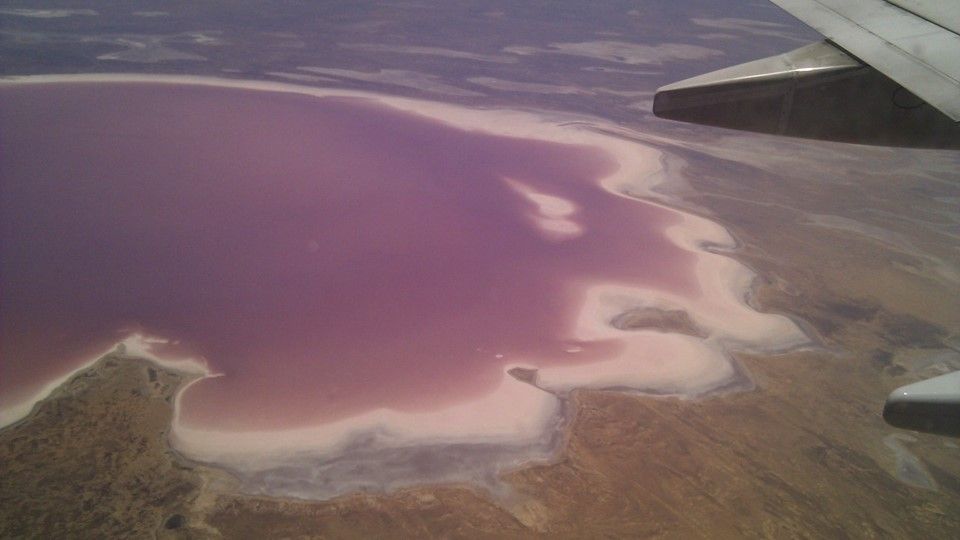
Case Study 7: Rivers, lakes and wetlands
Rivers, lakes and wetlands provide water, habitat and teaching places.
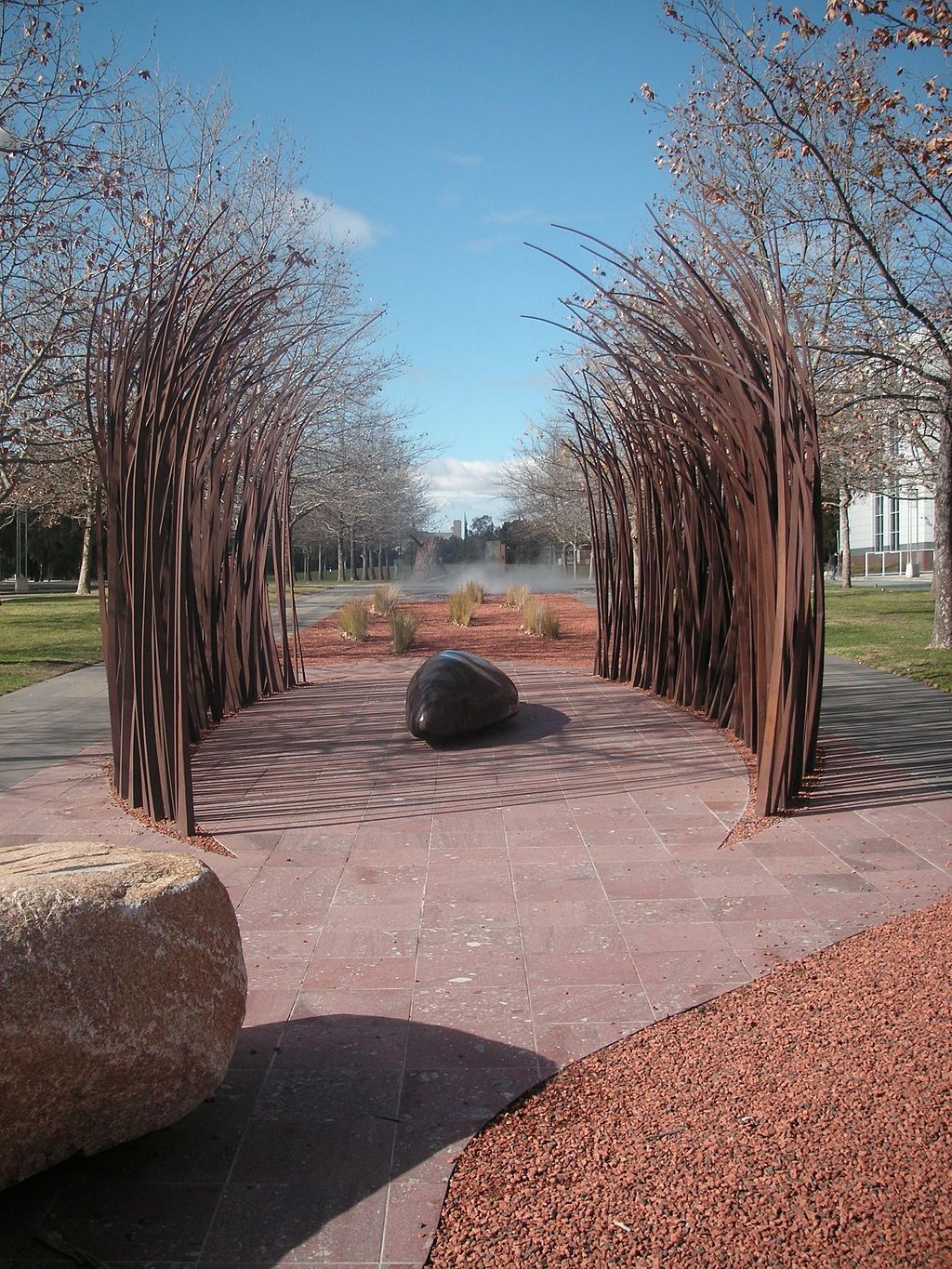
Case Study 9: Contemporary murals and public art by Aboriginal and Torres Strait Islander artists
Contemporary murals and public artworks share language, stories and community identity.
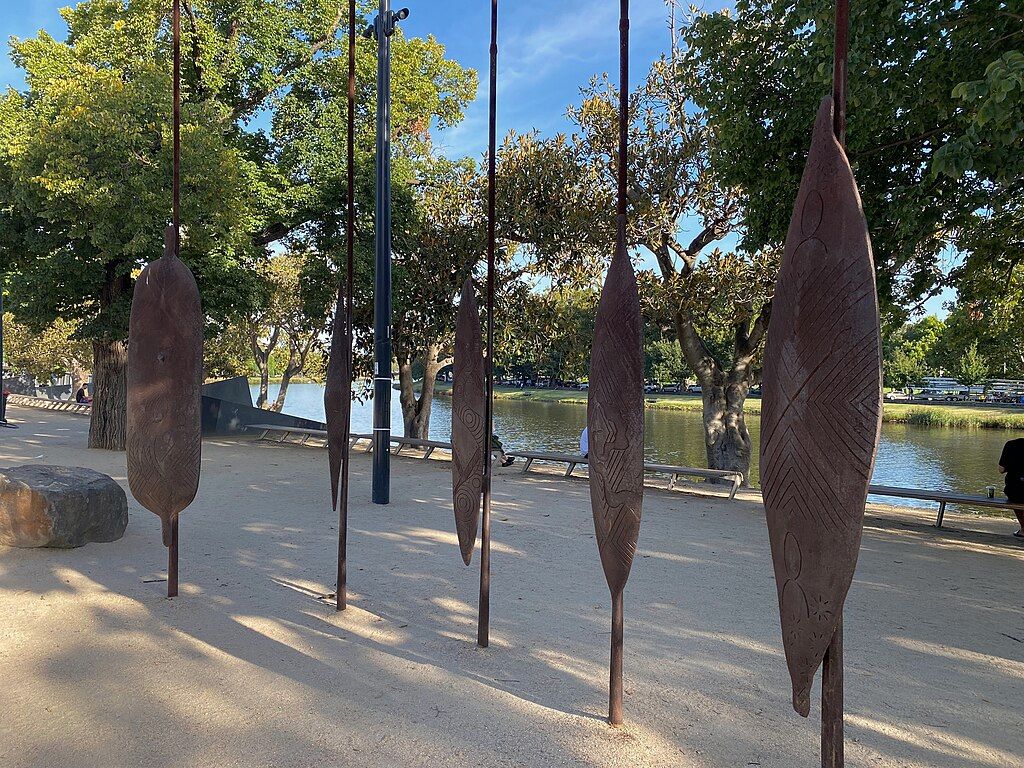
Case Study 10: Meeting places and community spaces
Meeting and community places support gathering, celebration and learning.
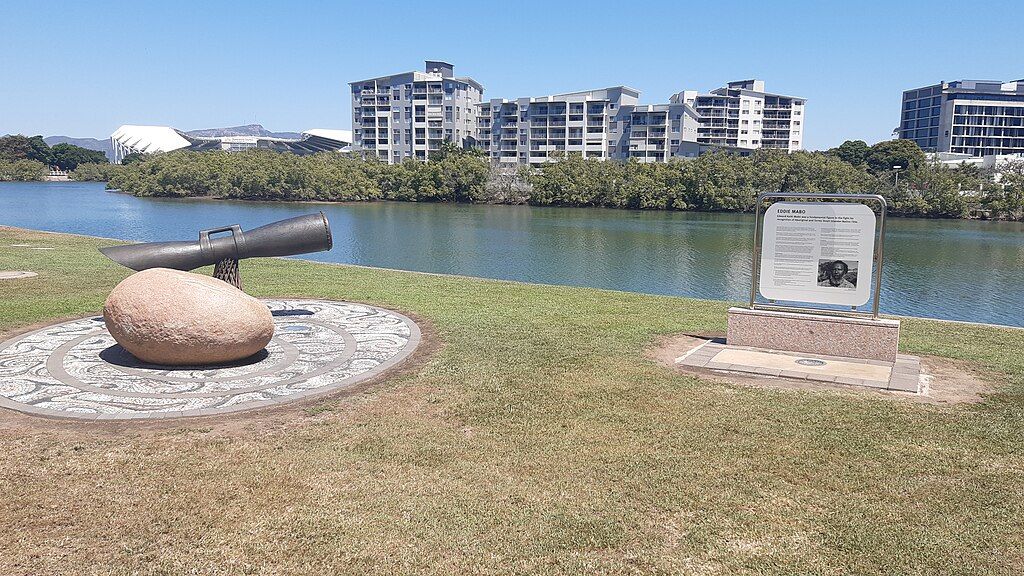
Case Study 11: Monuments and memorials
Monuments and memorials remember people, events and stories.
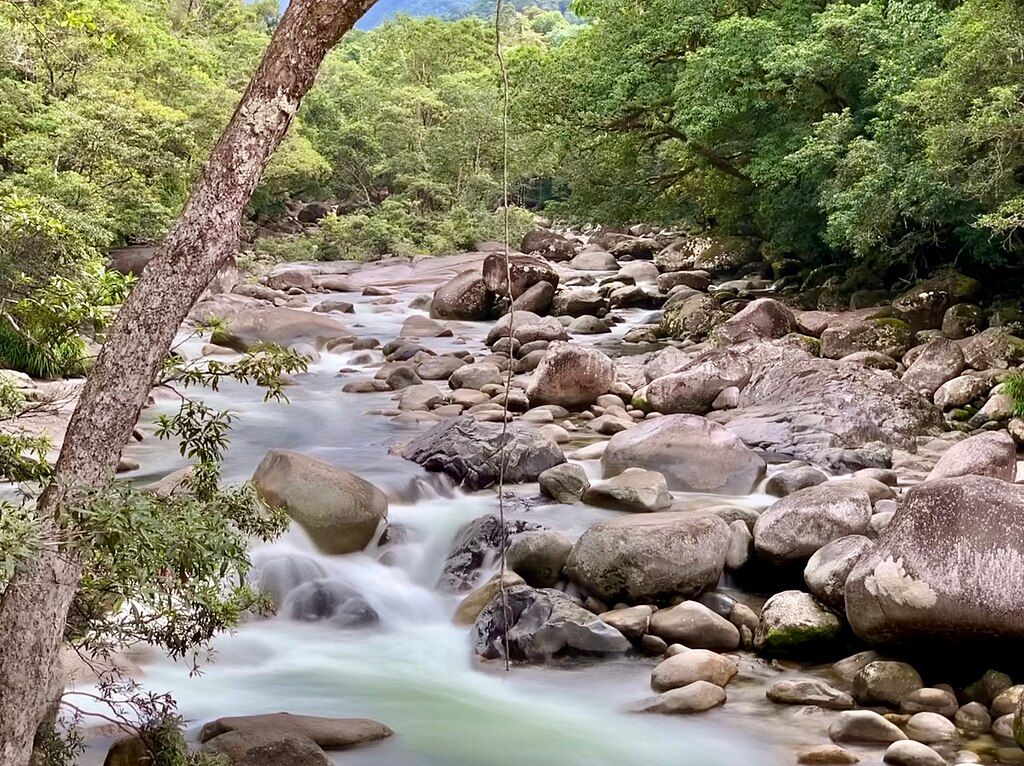
Case Study 12: Trails and cultural walks
Signed trails and cultural walks help people explore Country step by step.
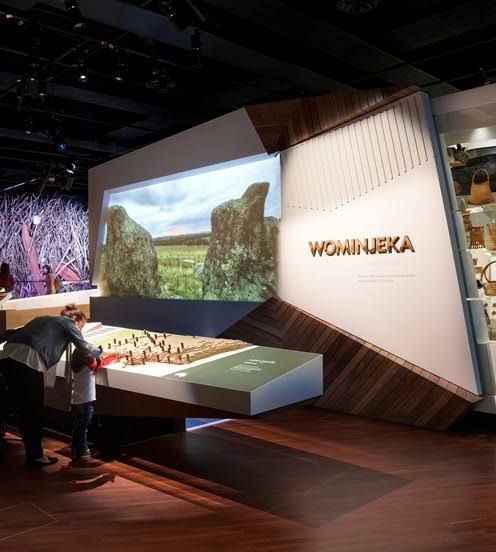
Case Study 13: Museums, galleries and cultural centres
Museums, galleries and cultural centres share publicly available knowledge and exhibits.
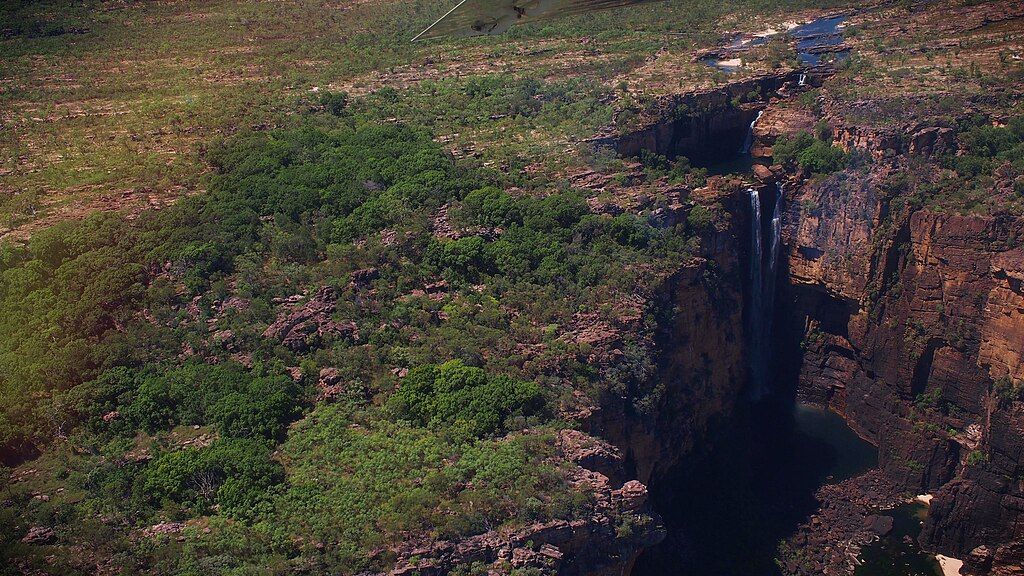
Case Study 14: The Rainbow Serpent
Across Australia, many Aboriginal communities share Rainbow Serpent stories, known by different names and sometimes described as female or male, that connect to water places and other important landscapes.