Home/Curriculum resources/Exploring local Country: Places of importance/Case Study 13: Museums, galleries and cultural centres
Learning Areas:
Humanities and Social Sciences, English, Mathematics
Year levels:
Foundation, Level 1, Level 2
Case Study 13: Museums, galleries and cultural centres
This case study is a part of the Exploring local Country: Places of importance resource.
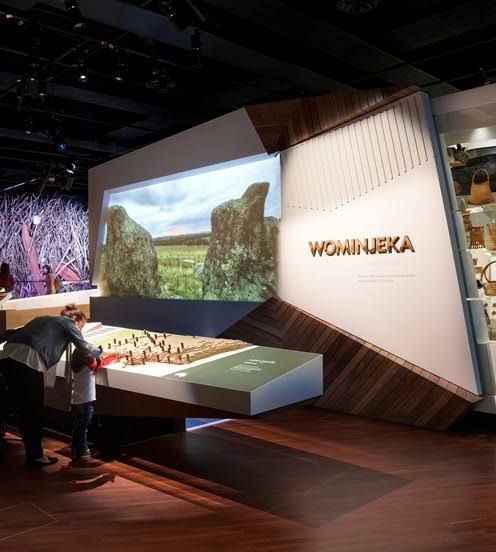
Bunjilaka Aboriginal Cultural Centre. Location: Melbourne Museum, Wurundjeri Woi-wurrung Country. Photographer: Hell0umi. Source: Wikimedia Commons. Used under licence: CC BY-SA 4.0.

Case Study 13: Museums, galleries and cultural centres
Museums, galleries and cultural centres provide public spaces to learn about Aboriginal and Torres Strait Islander histories, cultures and creative practice. Many include permanent exhibitions, community programs, language resources and education services. Some are Aboriginal and Torres Strait Islander–led or co-curated, and many work in partnership with local custodians to share stories, protect collections and guide respectful learning for visitors and schools.
Table 1: Examples from across the country
Name & Location | Custodians | Details |
|---|---|---|
Koorie Heritage Trust, Federation Square, Melbourne, VIC | On Wurundjeri Woi-wurrung and Bunurong Country | Dedicated centre for Koorie art and culture with exhibitions, workshops and educational programs; a meeting place for community and schools. 0 |
Bunjilaka Aboriginal Cultural Centre, Melbourne Museum, VIC | Wurundjeri Woi-wurrung Country | A dedicated centre for learning about Aboriginal culture through performances, exhibitions, storytelling and artwork. Visitors encounter Aboriginal histories, stories of survival and connections to land, and celebrate Victoria’s vibrant Aboriginal cultures. Planned in collaboration with many Aboriginal Peoples, including the Traditional Owners of Melbourne, the Boonwurrung and the Woi wurrung, the centre’s name means “the place of Bunjil,” evoking ongoing creation. 0 |
WA Museum Boola Bardip, Perth, WA | Whadjuk Noongar Country | Permanent gallery Ngalang Koort Boodja Wirn (“Our heart, Country, spirit”) and tours highlighting Aboriginal histories and creativity. 0 |
National Museum of Australia, First Australians, Canberra, ACT | Ngunnawal and Ngambri Country | The Museum’s largest gallery journeys from ancient to contemporary culture; guided “First Australians” tours available daily. 0 |
AIATSIS, Acton Peninsula, Canberra, ACT | Ngunnawal and Ngambri Country | National institute with exhibitions, a reading room and an annual Indigenous Art Market that supports ethical purchase from art centres. 0 |
Uluru-Kata Tjuta Cultural Centre, NT | Anangu Country | Visitor hub within the park sharing Anangu Tjukurpa (The Dreaming), art centres and ranger information for learning on Country. 0 |
Gab Titui Cultural Centre, Thursday Island, Torres Strait, QLD | Kaurareg People (Kaiwalagal region) | Cultural centre that commissions and presents Torres Strait Islander public art and exhibitions; a local hub for artists and visiting school groups. 0 |
Godinymayin Yijard Rivers Arts & Culture Centre, Katherine, NT | Dagoman, Jawoyn and Wardaman Country | Regional cultural hub presenting exhibitions, performances and community programs connecting Big Rivers Region arts and stories. 0 |
Related case studies within this resources:
Case Study 1: Rock art
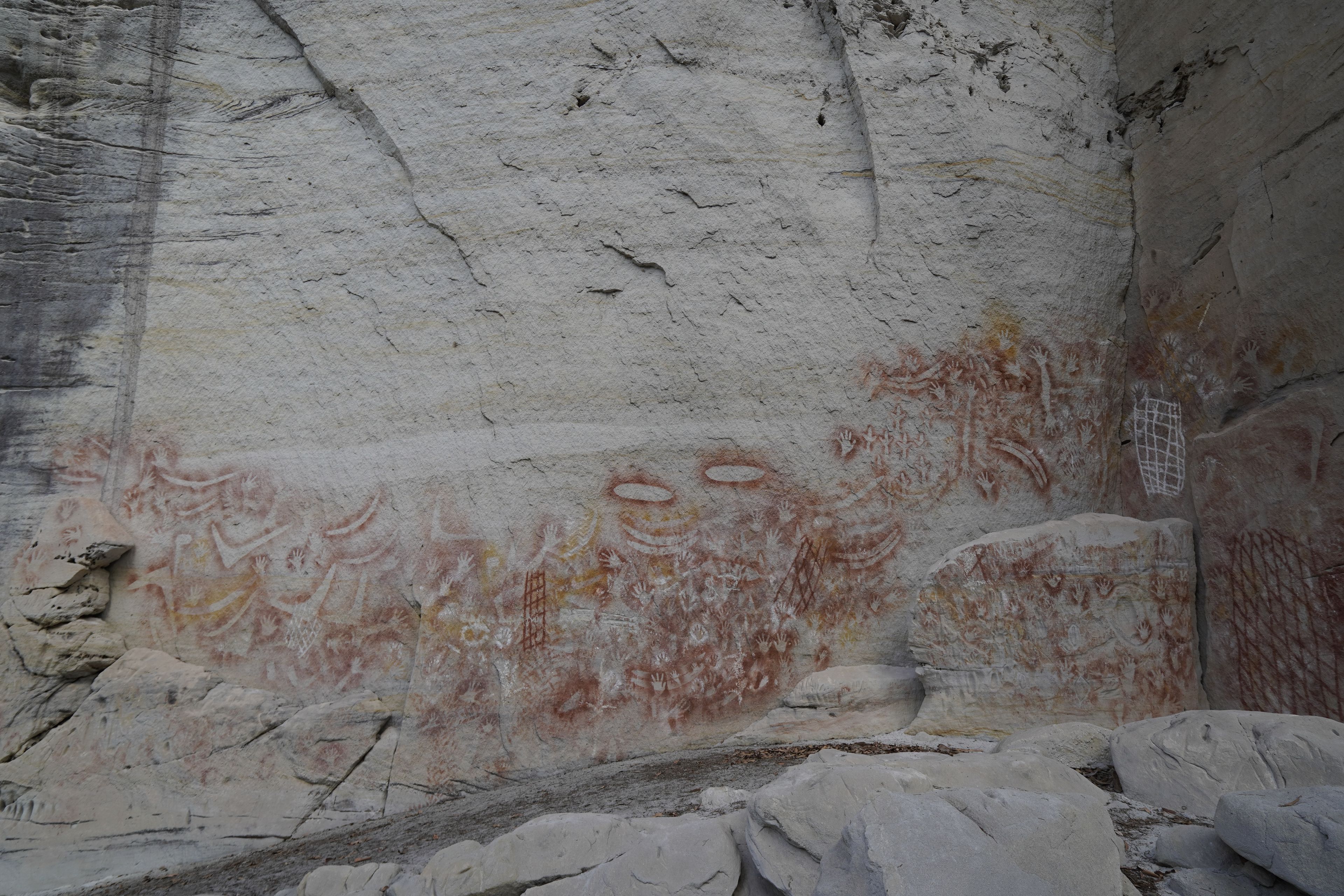
Aboriginal rock art, painted or engraved in sheltered rock places, marks living and ceremonial sites and, as some of the oldest art on Earth, needs ongoing care and respect.
Case Study 2: Stone arrangements
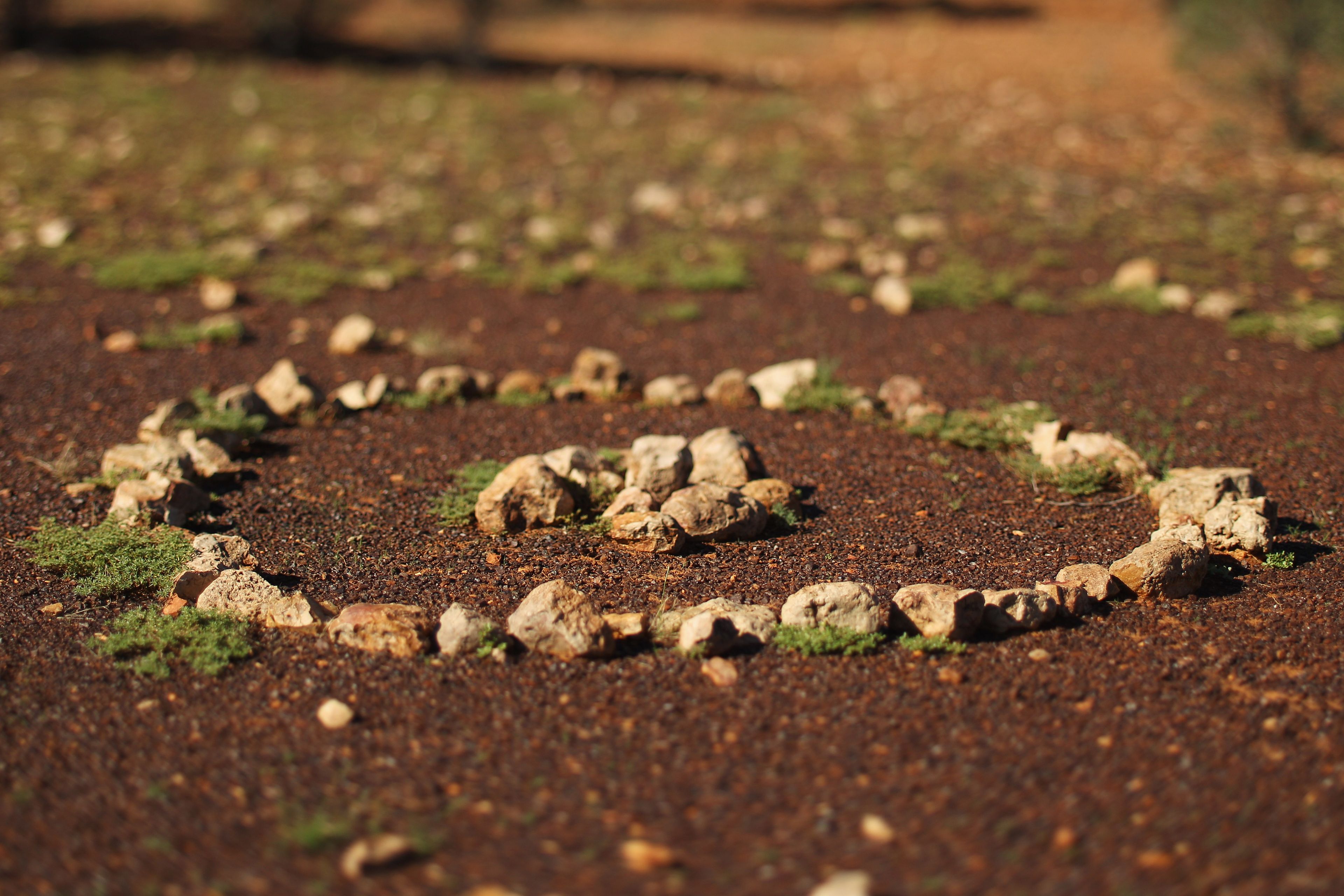
Aboriginal stone arrangements, carefully placed rocks for cultural, ceremonial or navigational purposes, are deeply significant; many meanings are not public, and most sites (often on private land) require protection and discretion.
Case Study 3: Middens
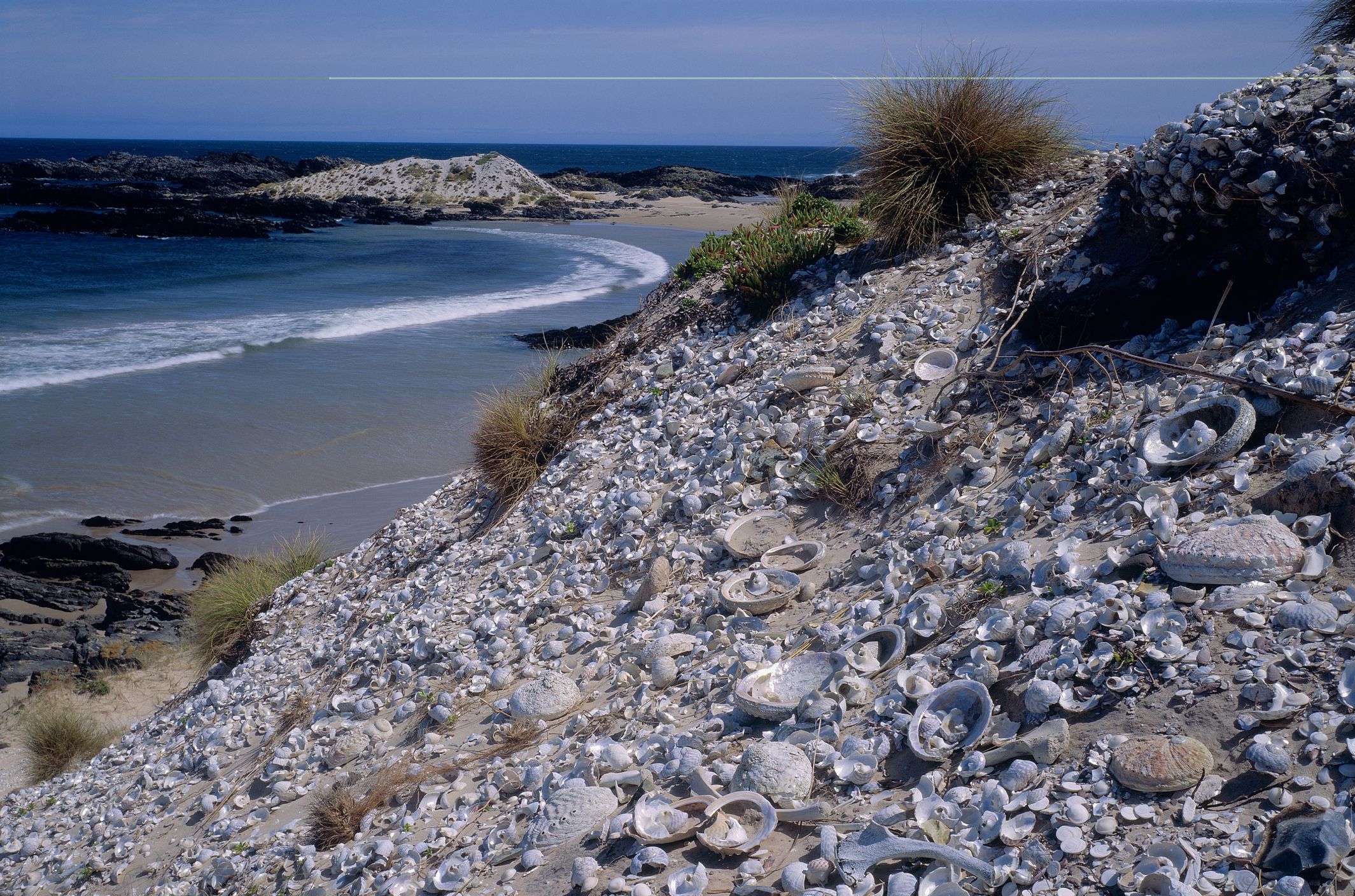
Middens are time capsules of everyday life; archaeologists study them to learn how Aboriginal and Torres Strait Islander Peoples lived and ate before and after colonisation.
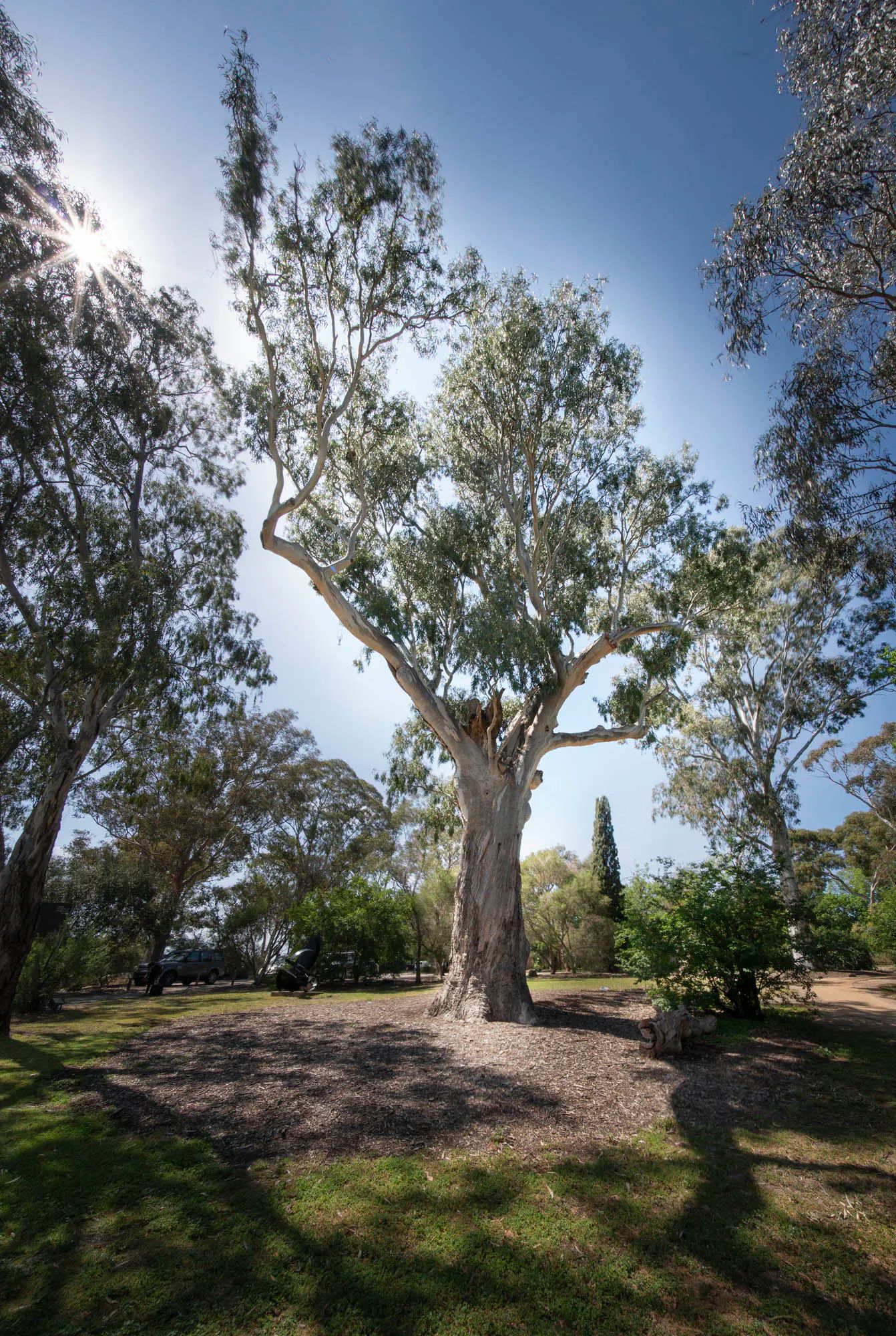
Case Study 4: Scarred trees
Scarred trees are living records where bark was carefully taken to make canoes, shields, coolamons and other items; they reveal deep knowledge and need careful identification and protection.
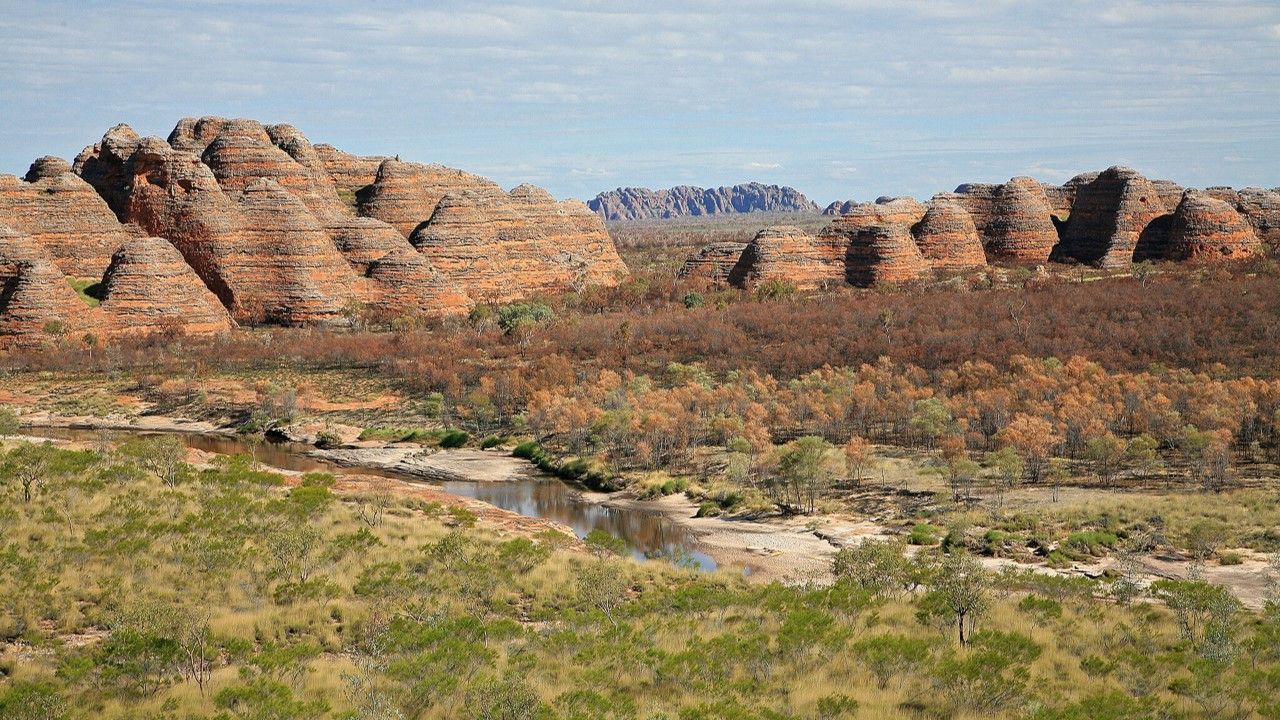
Case Study 5: National parks and named landforms
National parks and named landforms are public places to learn about and enjoy Country, supporting culture, nature and community.
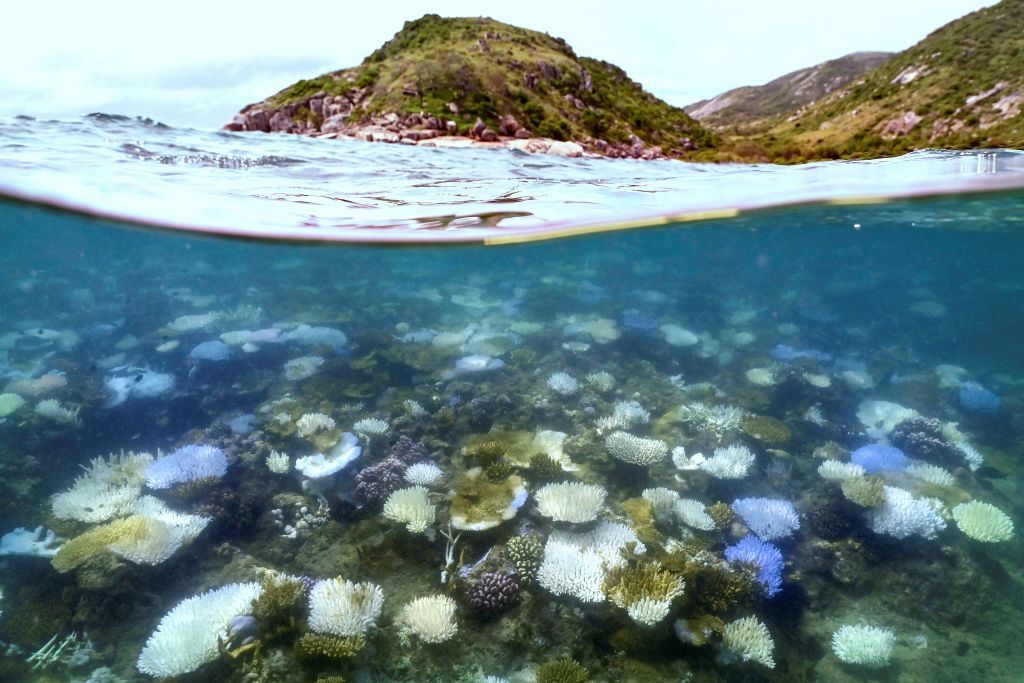
Case Study 6: Reefs and Sea Country
Reefs, islands and coastal places support rich life and long custodianship.
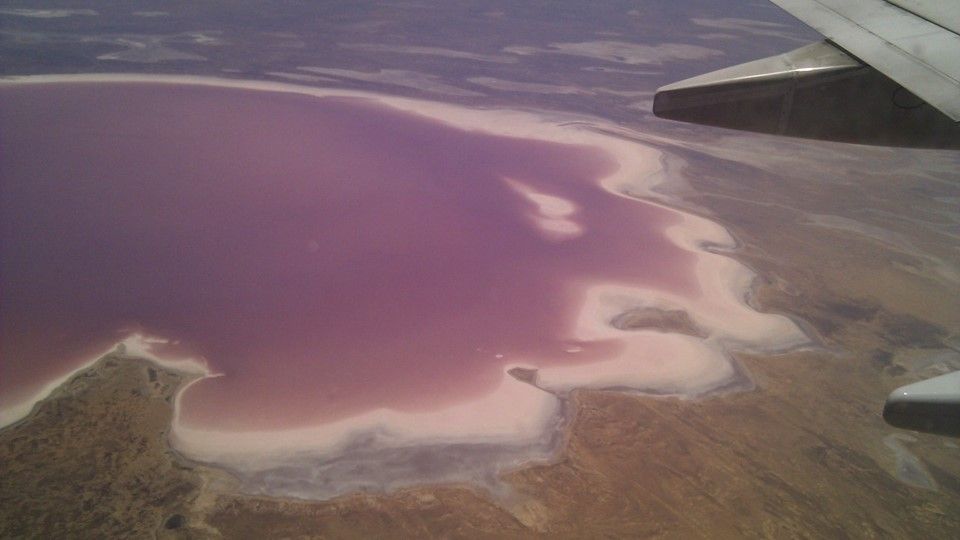
Case Study 7: Rivers, lakes and wetlands
Rivers, lakes and wetlands provide water, habitat and teaching places.
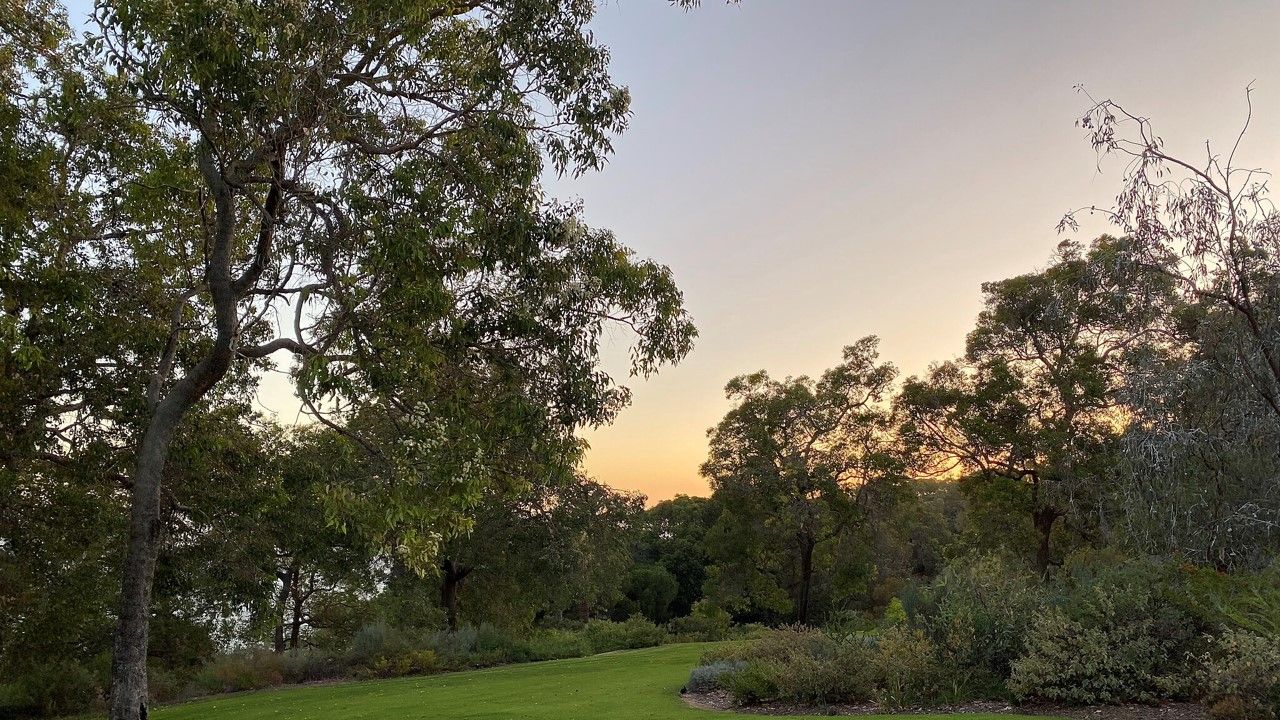
Case Study 8: Urban parks, gardens and native gardens
Urban parks and native gardens are everyday places to connect with Country in the city.
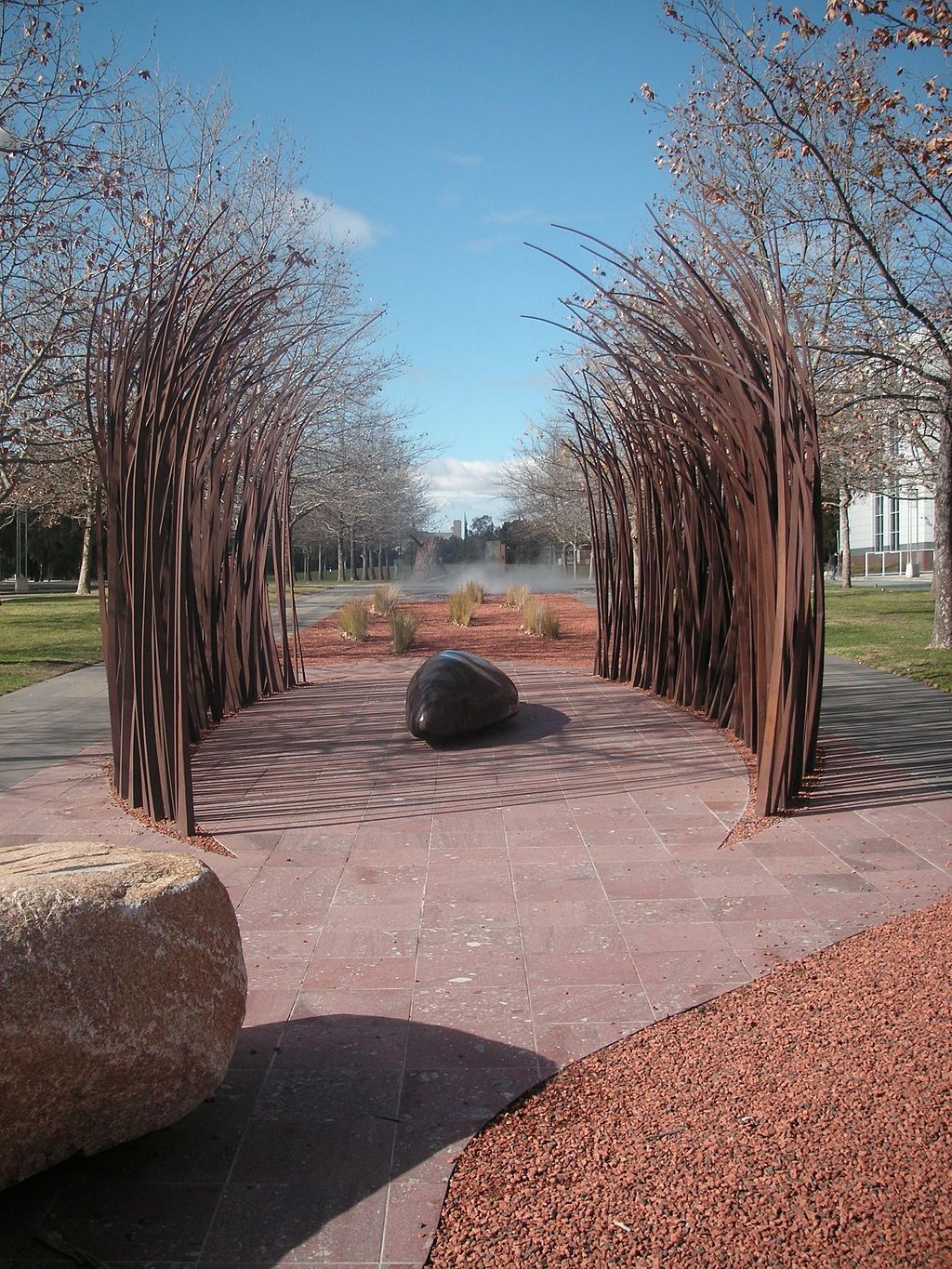
Case Study 9: Contemporary murals and public art by Aboriginal and Torres Strait Islander artists
Contemporary murals and public artworks share language, stories and community identity.
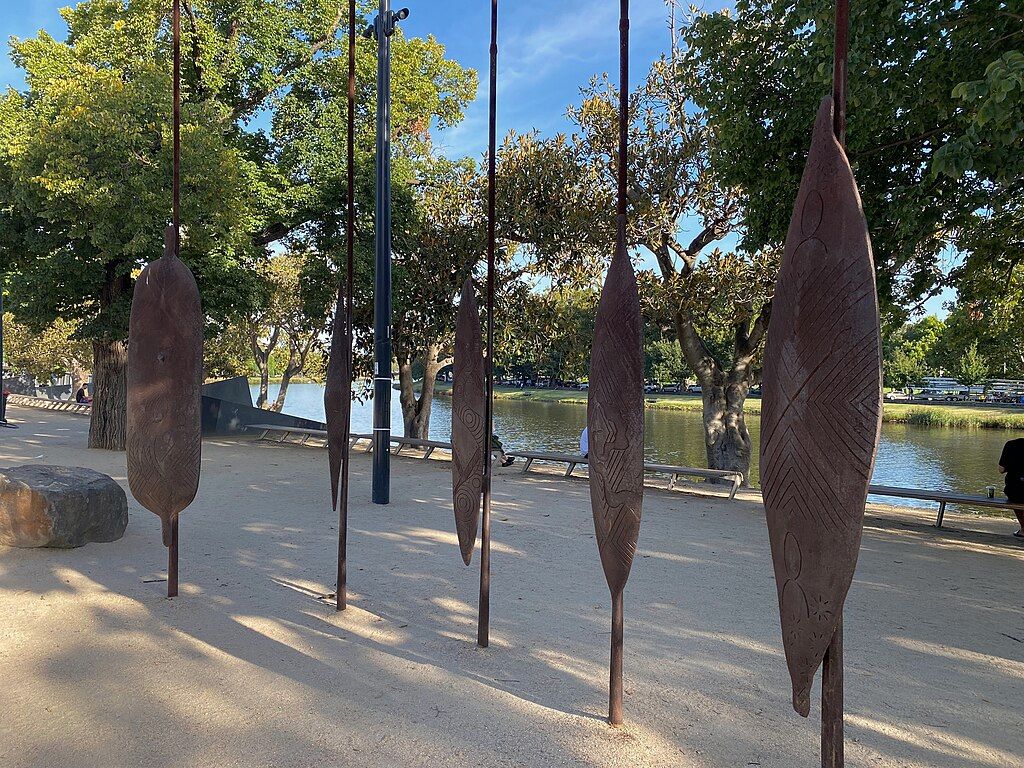
Case Study 10: Meeting places and community spaces
Meeting and community places support gathering, celebration and learning.
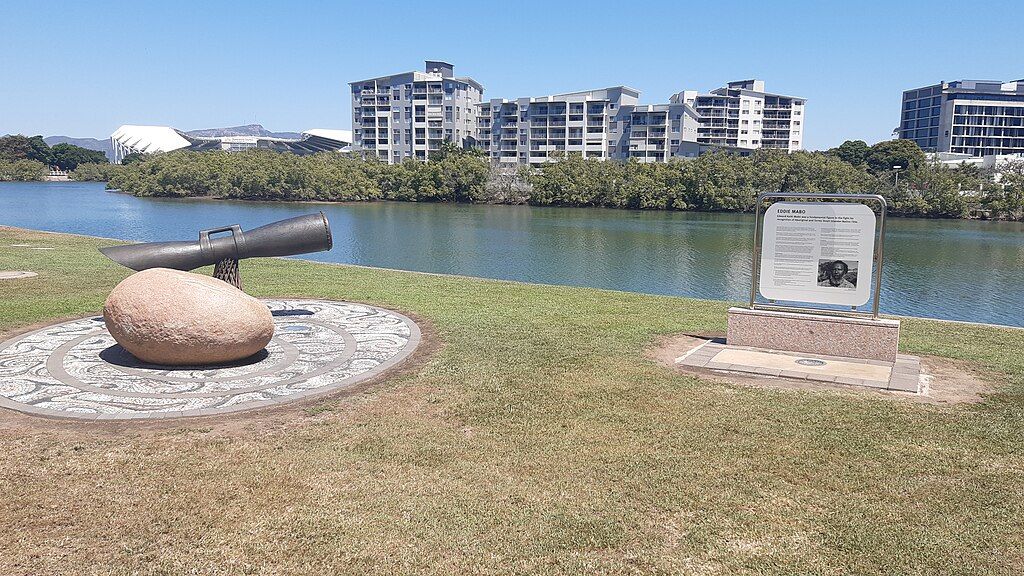
Case Study 11: Monuments and memorials
Monuments and memorials remember people, events and stories.
Case Study 12: Trails and cultural walks
Signed trails and cultural walks help people explore Country step by step.
Case Study 14: The Rainbow Serpent
Across Australia, many Aboriginal communities share Rainbow Serpent stories, known by different names and sometimes described as female or male, that connect to water places and other important landscapes.