Home/Curriculum resources/Exploring local Country: Places of importance/Case Study 2: Stone arrangements
Learning Areas:
Humanities and Social Sciences, English, Mathematics
Year levels:
Foundation, Level 1, Level 2
Case Study 2: Stone arrangements
This case study is a part of the Exploring local Country: Places of importance resource.
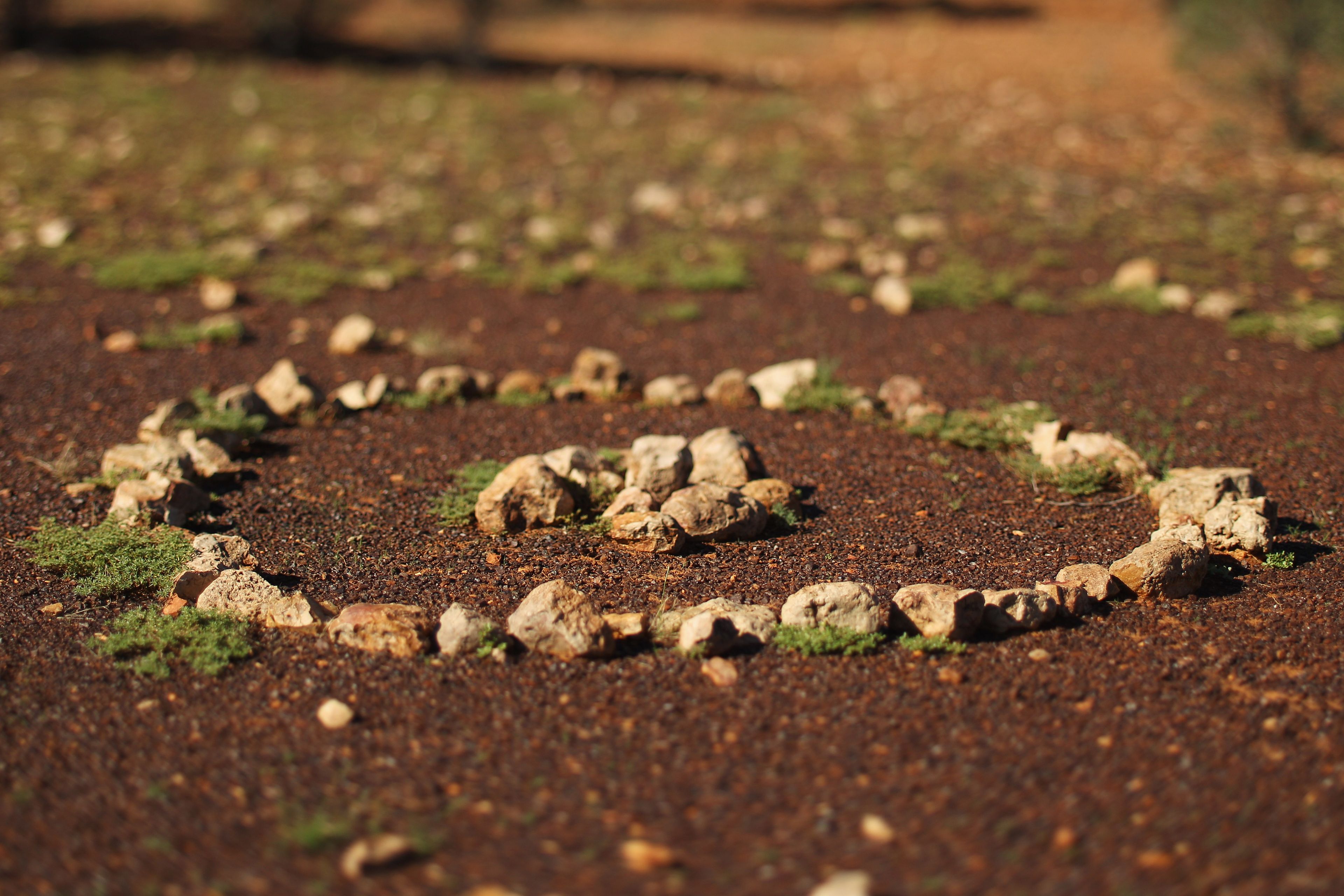
An Aboriginal bora ring. Location: Carisbrooke Station, Winton, Queensland. Photographer: Mark Kolbe. Source: Getty Images. Used under licence.

Case Study 2: Stone arrangements
Aboriginal stone arrangements are carefully placed stones with cultural, ceremonial, and navigational purposes. While the specific meanings of many arrangements may not always be known, their cultural significance remains deeply important. Protecting these sites is essential, particularly as it is estimated that around 90% are located on private land. To safeguard them from damage or disturbance, archaeologists often avoid sharing the exact locations of these sites, especially when they may be sacred or secret. 0 0
It is important to note that due to the ongoing impacts of colonisation and the disruption caused by it, the specific oral histories of specific sites are not often known. Archaeologists can piece together possible theories and stories, but we cannot always know for sure the meaning of many of these formations.
Table 1: Examples from across the country
Name & Location | Custodians | Details | Websites for classroom use |
|---|---|---|---|
Wurdi Youang Stone Arrangement, Gunditjmara Country, VIC | Wathaurong People | Egg‑shaped stone arrangement aligned to equinox and solstice sunset positions, evidence of astronomical knowledge. 0 0 0 | |
Wurrwurrwuy Stone Arrangements, Yirrkala (north east Arnhem Land), NT | Yolngu People | Comprises 47 ‘stone pictures’ depicting historical rather than ceremonial or sacred imagery. These stone arrangements record details of early trade relationships between the Yolngu People and the Macassans of Sulawesi (Indonesia), including depictions of Macassan praus (a double-hulled canoe), drying racks for trepang (sea cucumber), sharpening stones, and coastal camps. 0 | Wurrwurrwuy images - Australian Heritage Photographic Library |
Gummingurru Aboriginal historical site, Gowrie Junction, 25 km north west of Toowoomba, QLD | Jarowair People | The site is estimated to be around 4,000 years old. This site served as a ceremonial space for men’s initiation until around 1890. It was also a key meeting place for different Aboriginal groups travelling to the Bunya Nut Festival. In 2008, the land was returned to the Gummingurru Aboriginal Corporation, and today, Traditional Custodians are actively caring for the site. They are reviving cultural knowledge and uncovering stone arrangements that were buried over time. More than 9,000 basalt stones have been deliberately positioned to form symbolic motifs including an emu, turtle and footprints, bunya nut, carpet snake, catfish, and various initiation rings and pathways. 0 0 |
Related case studies within this resources:
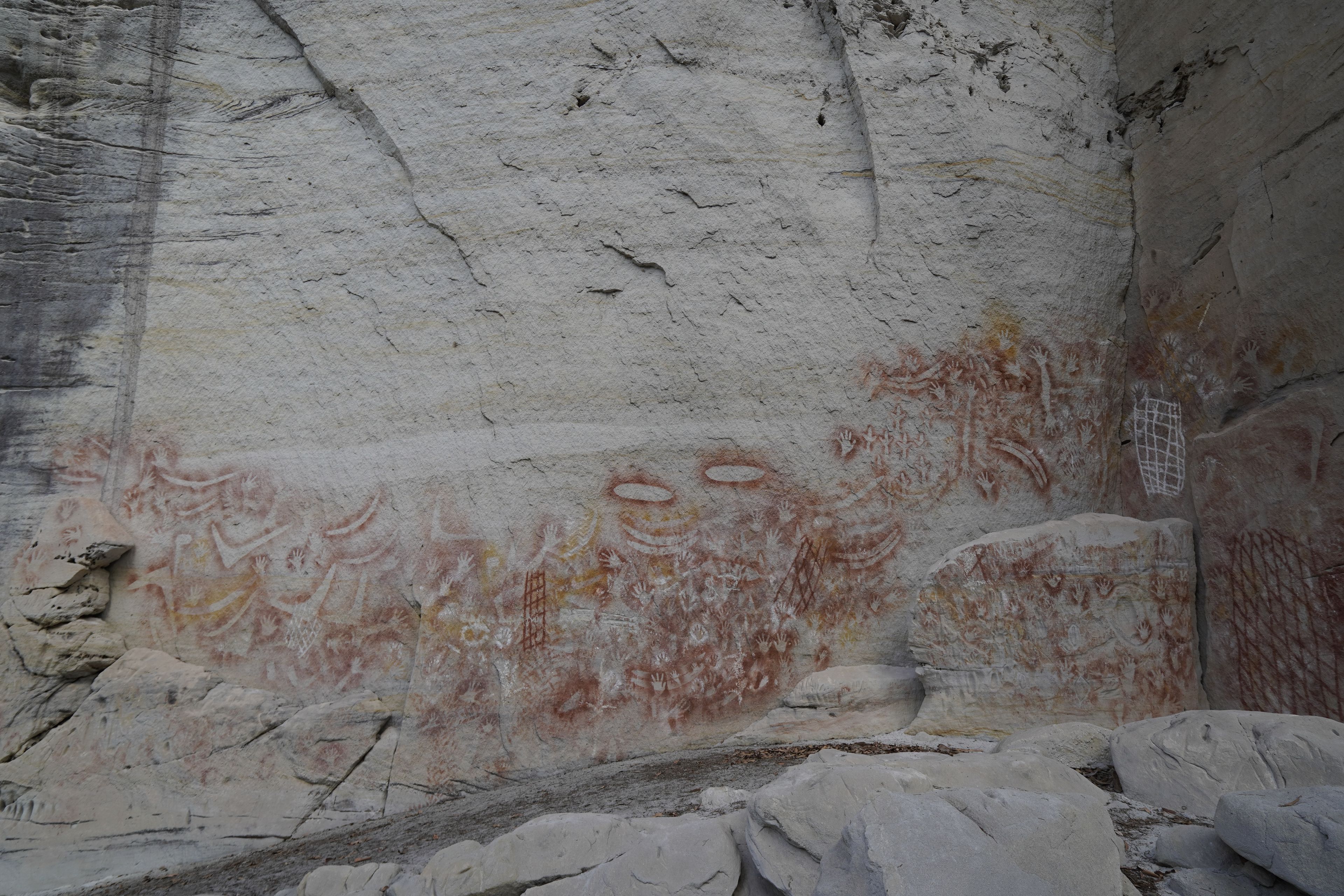
Case Study 1: Rock art
Aboriginal rock art, painted or engraved in sheltered rock places, marks living and ceremonial sites and, as some of the oldest art on Earth, needs ongoing care and respect.
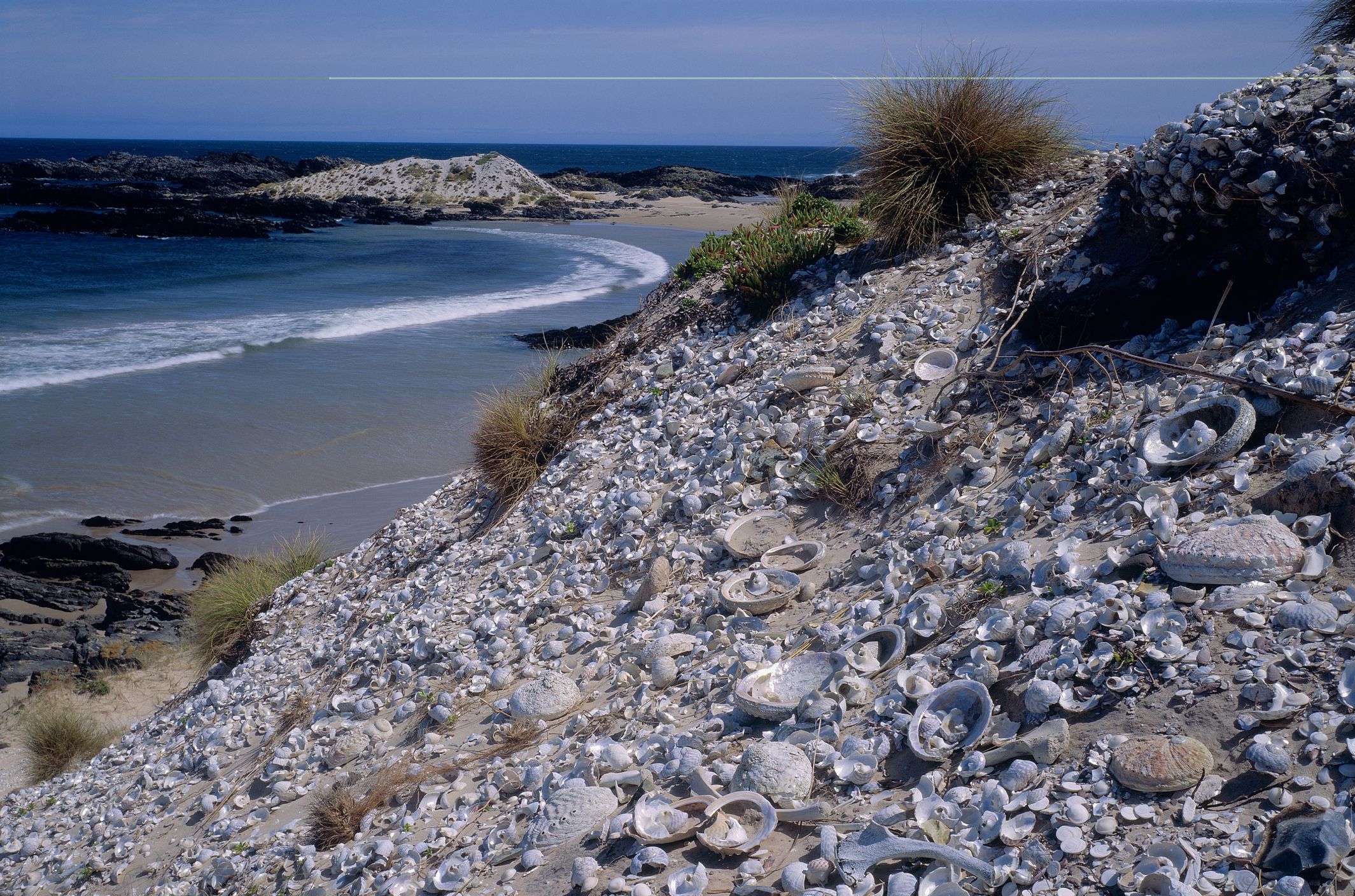
Case Study 3: Middens
Middens are time capsules of everyday life; archaeologists study them to learn how Aboriginal and Torres Strait Islander Peoples lived and ate before and after colonisation.
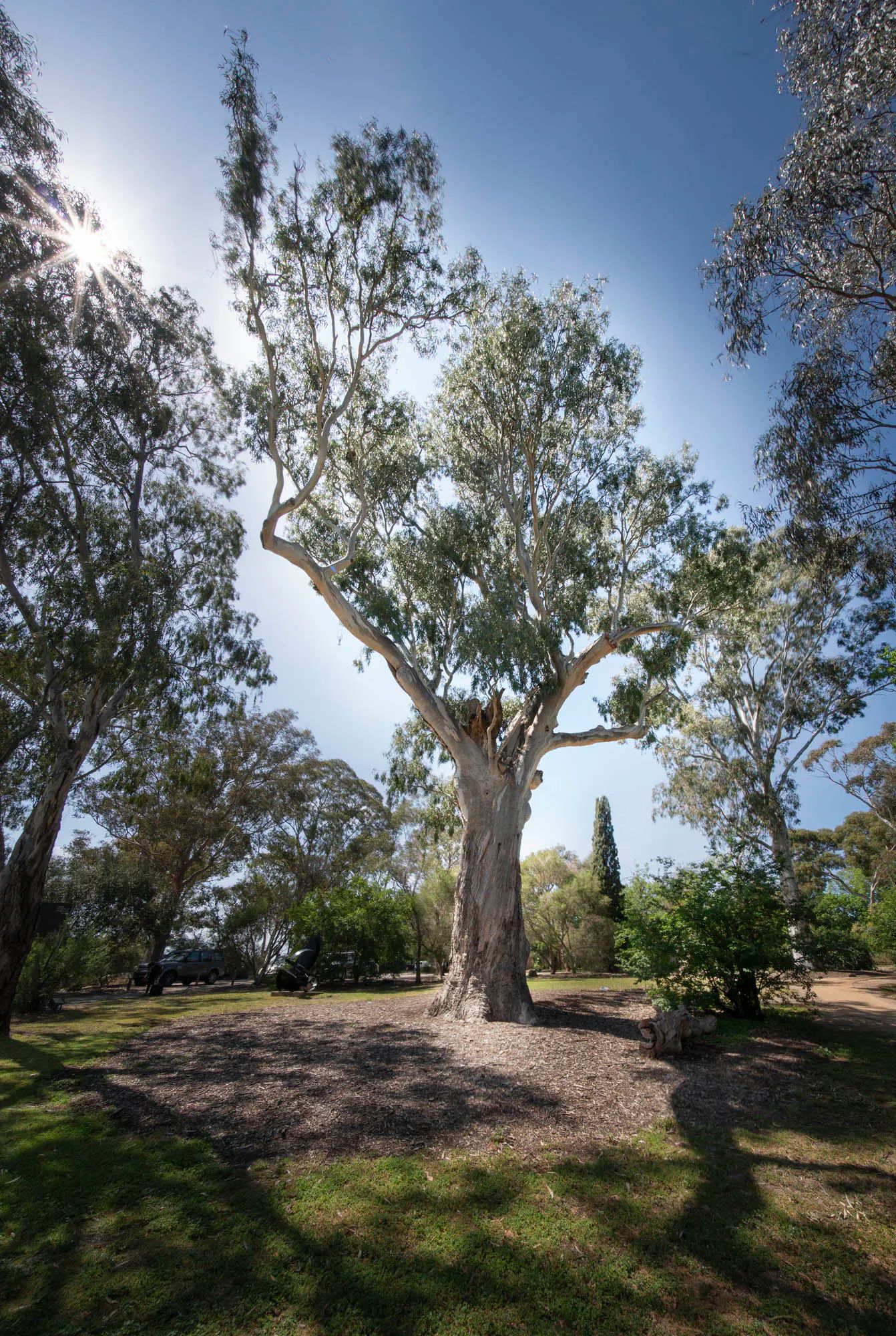
Case Study 4: Scarred trees
Scarred trees are living records where bark was carefully taken to make canoes, shields, coolamons and other items; they reveal deep knowledge and need careful identification and protection.
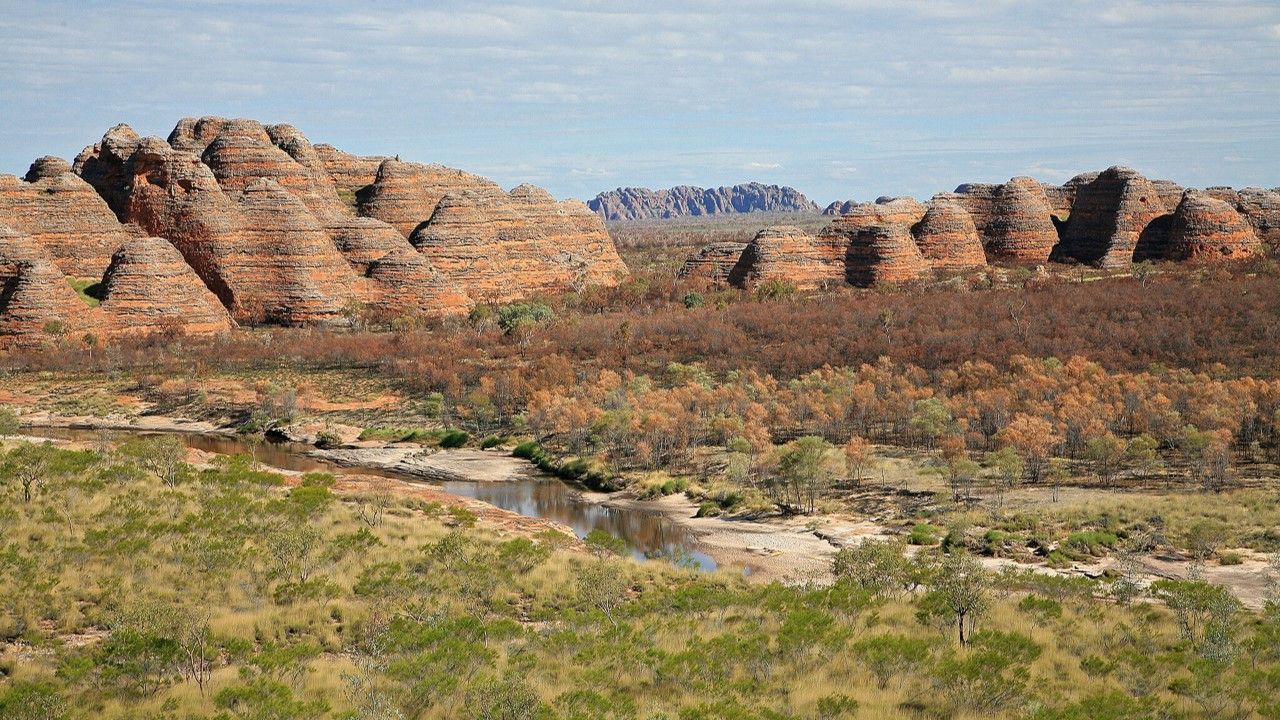
Case Study 5: National parks and named landforms
National parks and named landforms are public places to learn about and enjoy Country, supporting culture, nature and community.
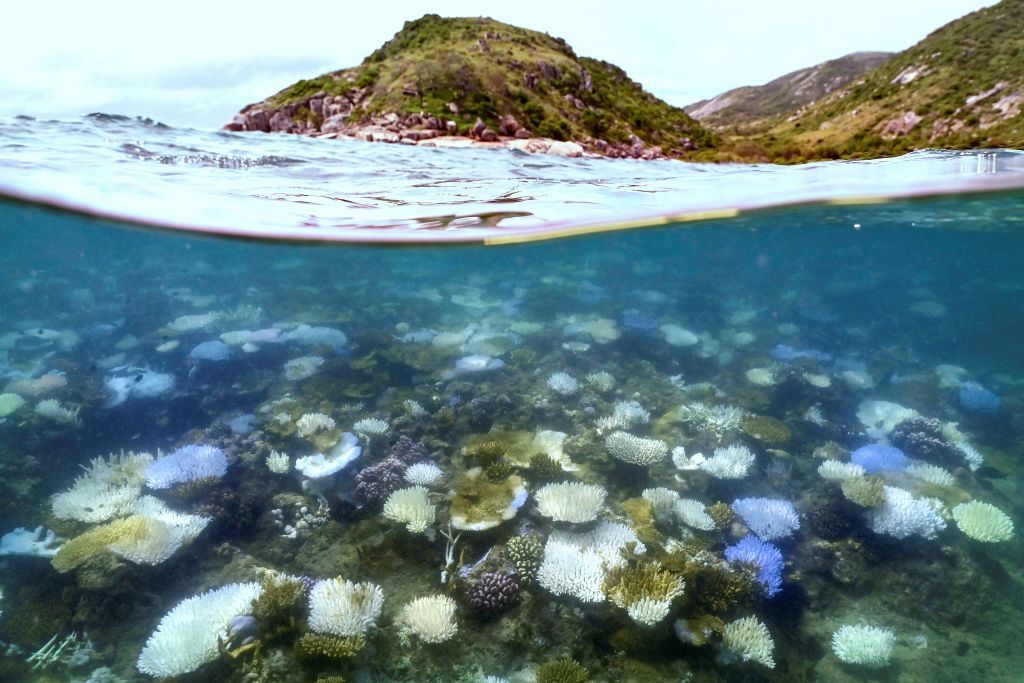
Case Study 6: Reefs and Sea Country
Reefs, islands and coastal places support rich life and long custodianship.
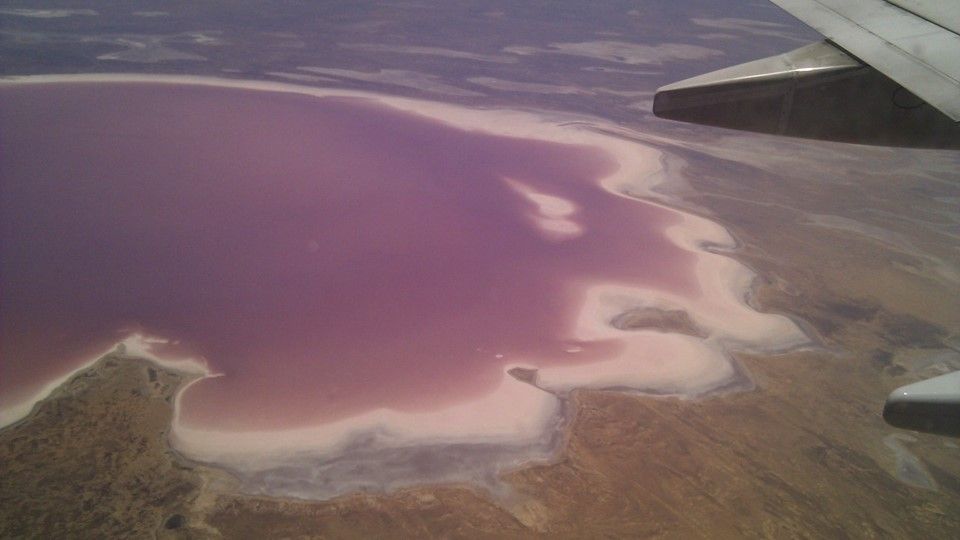
Case Study 7: Rivers, lakes and wetlands
Rivers, lakes and wetlands provide water, habitat and teaching places.
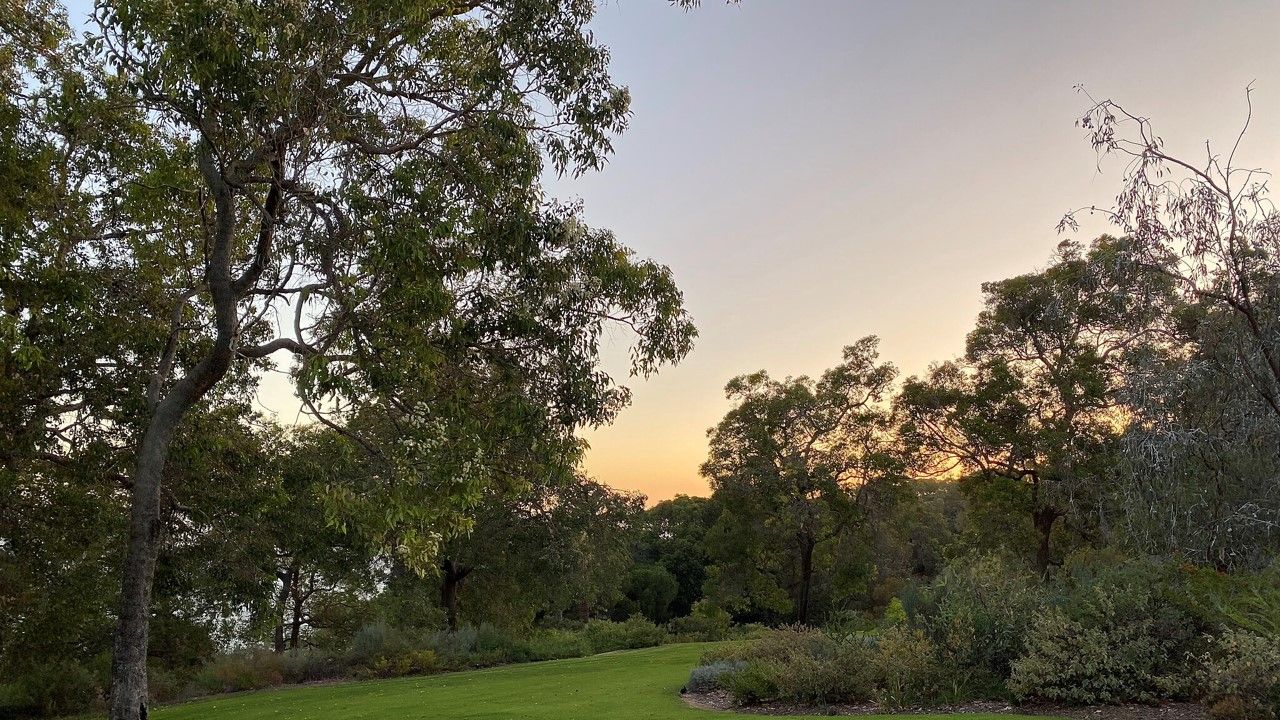
Case Study 8: Urban parks, gardens and native gardens
Urban parks and native gardens are everyday places to connect with Country in the city.
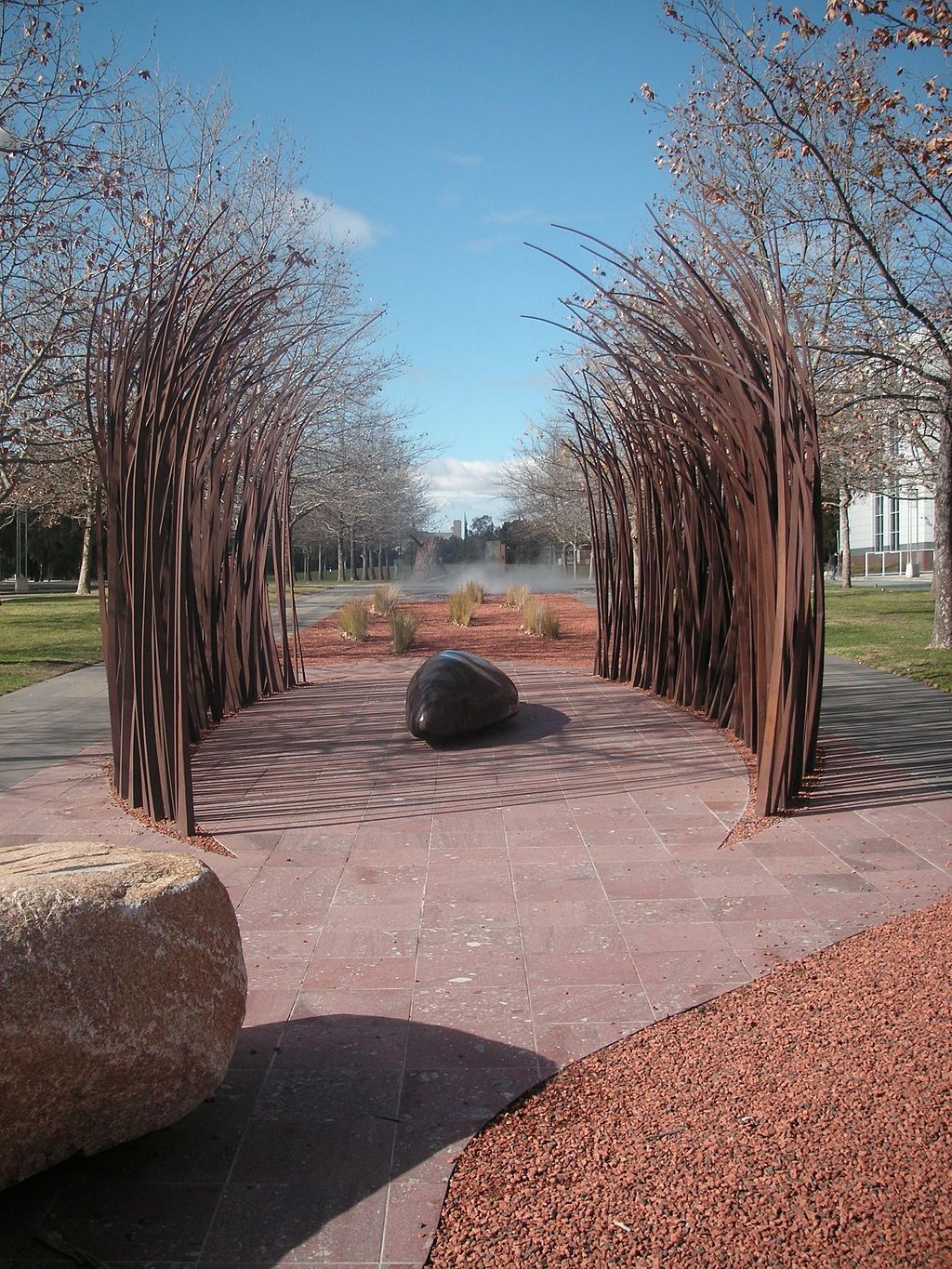
Case Study 9: Contemporary murals and public art by Aboriginal and Torres Strait Islander artists
Contemporary murals and public artworks share language, stories and community identity.
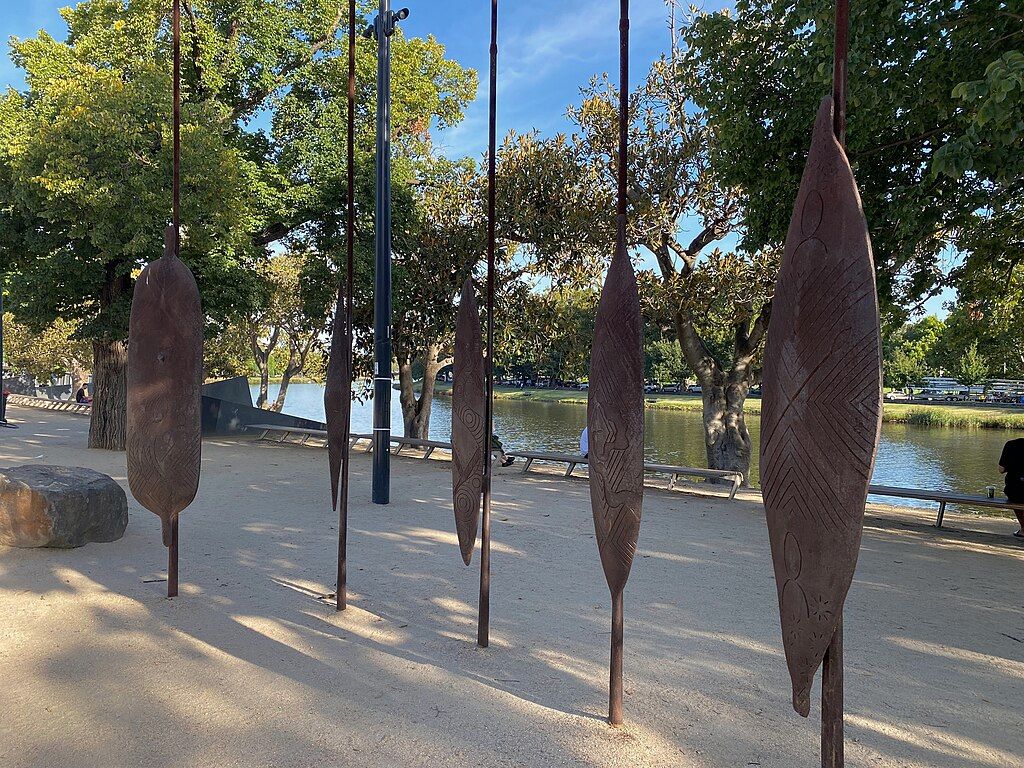
Case Study 10: Meeting places and community spaces
Meeting and community places support gathering, celebration and learning.
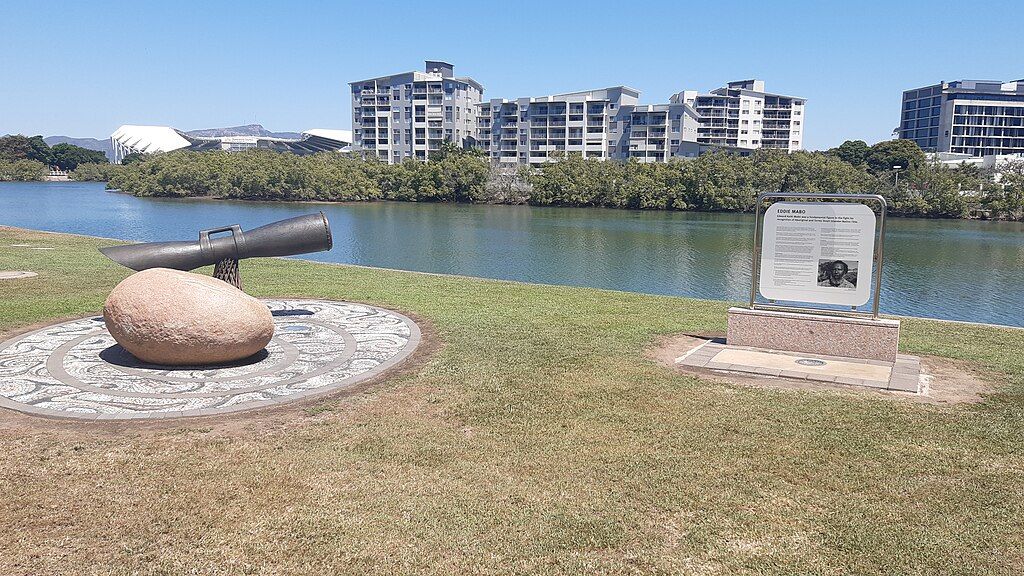
Case Study 11: Monuments and memorials
Monuments and memorials remember people, events and stories.
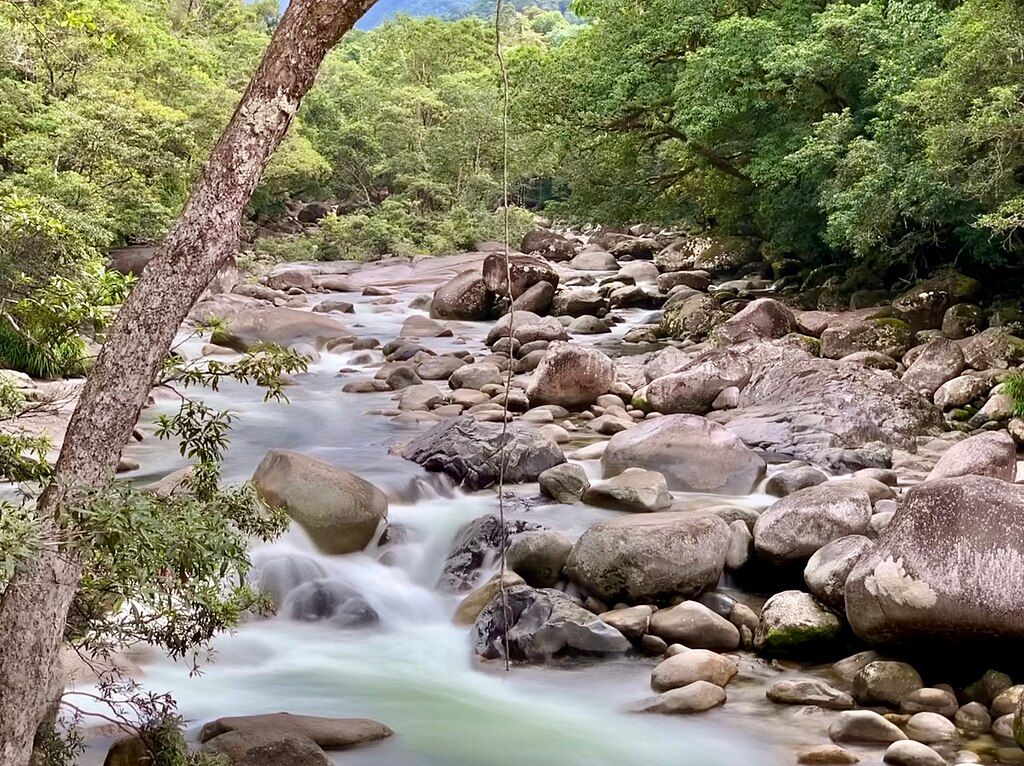
Case Study 12: Trails and cultural walks
Signed trails and cultural walks help people explore Country step by step.
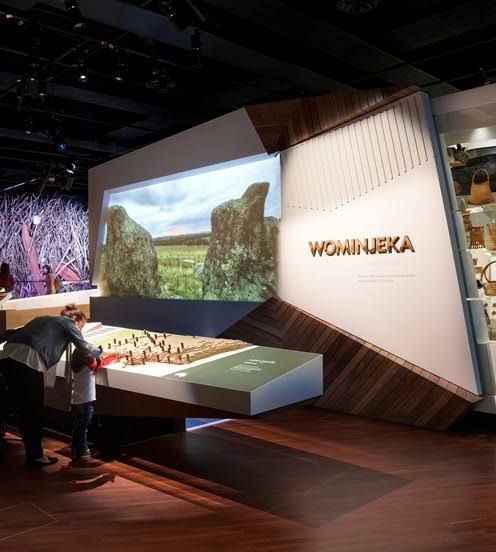
Case Study 13: Museums, galleries and cultural centres
Museums, galleries and cultural centres share publicly available knowledge and exhibits.
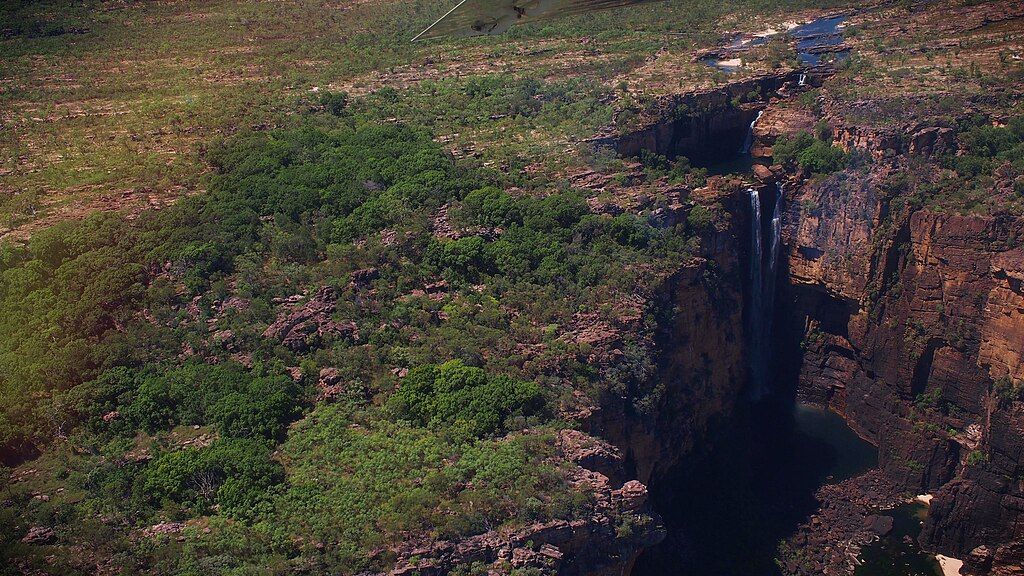
Case Study 14: The Rainbow Serpent
Across Australia, many Aboriginal communities share Rainbow Serpent stories, known by different names and sometimes described as female or male, that connect to water places and other important landscapes.