Home/Curriculum resources/Exploring local Country: Places of importance/Case Study 14: The Rainbow Serpent
Learning Areas:
Humanities and Social Sciences, English, Mathematics
Year levels:
Foundation, Level 1, Level 2
Case Study 14: The Rainbow Serpent
This case study is a part of the Exploring local Country: Places of importance resource.
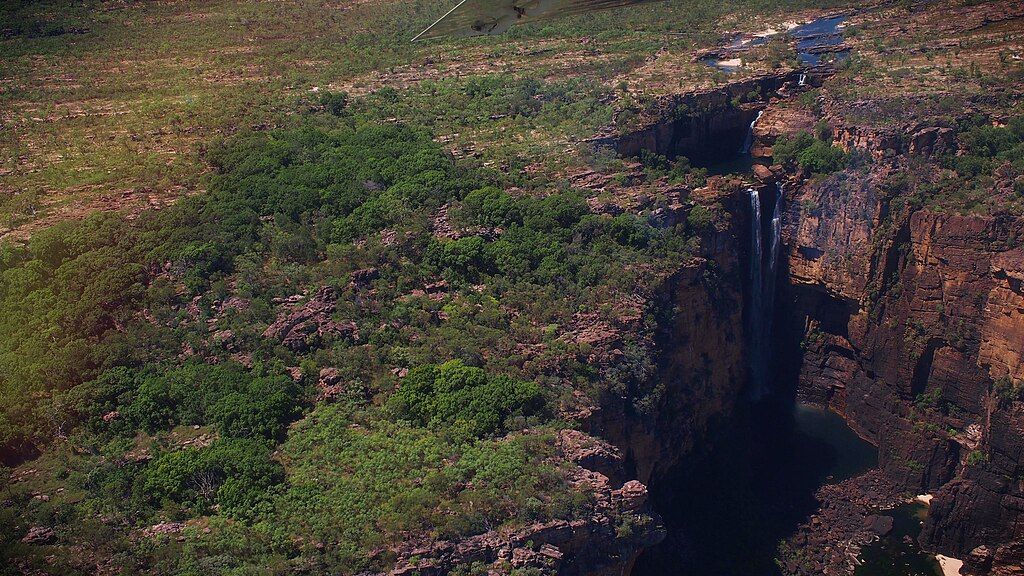
Jim Jim falls by light aircraft. Location: Kakadu National Park. Photographer: Reesa sc. Source: Wikimedia Commons. Used under licence: CC BY-SA 4.0.

Case Study 14: The Rainbow Serpent
The Rainbow Serpent is a shared ancestor for many Aboriginal groups in different regions of Australia. It is an ancestor with multiple names and can be both a great father and a great mother; it can give life and take it. If angered, it can be heard in thunder, lightning, and cyclones. It is important, too, that peace is maintained with the Rainbow Serpent to avoid water scarcity and the drying out of the earth 0 .
The Rainbow Serpent’s identity varies across Australia. In some places the ancestor is described as female, in others male, and in many communities the stories emphasise life-giving power rather than a fixed gender.
These cultural narratives link to places of importance, especially water places, and guide how people care for Country. The table below shares publicly available examples to support background learning. Local meanings vary, and some knowledge is restricted; always follow local guidance from Elders and Traditional Owners and use careful language such as might and could when discussing stories and places.
Table 1: Interpretations of the Rainbow Serpent
Rainbow Serpent Name | Custodians & Location | Details |
|---|---|---|
Waugal | Noongar People, south west WA | A powerful ancestor serpent made river paths and waterholes, shaping the Swan and Canning Rivers. People care for water places and follow rules there. 0 |
Almudj | Kundjeyhmi People, north of Kakadu National Park, NT | Associated with waterholes, rock passages and pathways she created; water places mark her presence. Part of seasonal cycles; a reminder of responsibilities to respect places and care for Country. 0 |
Bolung | Jawoyn People, south of Kakadu National Park, NT | Stories link Bolung to creeks, springs and waterholes, formed as she moved across Country. Her image and story signal power, continued presence and the need for respectful behaviour at important places. 0 0 |
Wititj | Yolngu People, north east Arnhem Land, NT | Lightning/freshwater serpents bring storms and rains that fill billabongs and creeks, teaching why freshwater places are cared for. 0 |
Ngalyod | West Arnhem Land. Stone Country & billabongs around Gunbalanya / Oenpelli, NT | A freshwater serpent shapes Country and is linked to waterfalls, billabongs and floodplains; people respect these places and their rules. 0 |
Gurangatch | Gandangara / Dharawal Peoples, Southern Highlands / Blue Mountains, NSW | A great being’s journeys and actions shaped the valleys, caves and river bends, helping explain how the land took shape and why those places matter. 0 |
Akurra | Adnyamathanha People, Ikara-Flinders Ranges, SA | Akurra, the Adnyamathanha creation serpents, shaped the Ikara-Flinders Ranges and made springs, creeks and waterholes like Arkaroola Creek. Their Dreaming story teaches people to care for and respect these water places, because the Akurra are still part of Country. 0 |
Boodjamulla (Rainbow Serpent) | Waanyi People, Boodjamulla National Park (Lawn Hill Gorge area), north west QLD | Occupation dates back at least 17,000 years (and may extend beyond 30,000 years). Waanyi knowledge says Boodjamulla formed Lawn Hill Gorge and created the permanent spring water. The gorge is a sacred place used for ceremony and celebration; if people tamper with or pollute the water, the Rainbow Serpent will leave and take the water. 0 0 |
Waawii | Wiradjuri Country, NSW | Waawii, an ancestral being who shaped the land during balanda (the beginning). As he moved through Country, his twisting and turning created rivers, creeks and waterholes, as well as the mountains and ranges. When his work was done, Waawii lay down to rest, and his body forms the Great Dividing Range. 0 |
Related case studies within this resources:
Case Study 1: Rock art
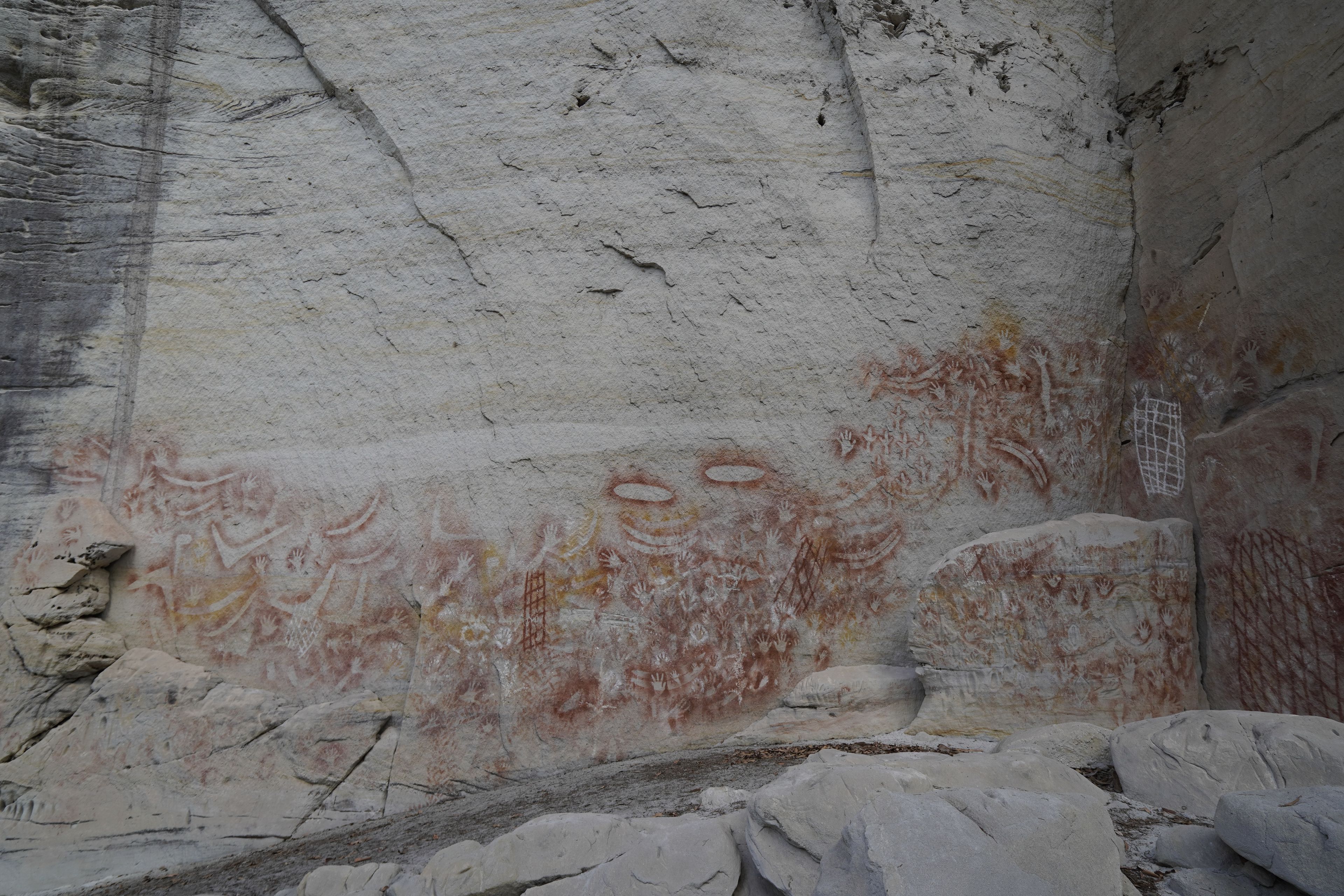
Aboriginal rock art, painted or engraved in sheltered rock places, marks living and ceremonial sites and, as some of the oldest art on Earth, needs ongoing care and respect.
Case Study 2: Stone arrangements
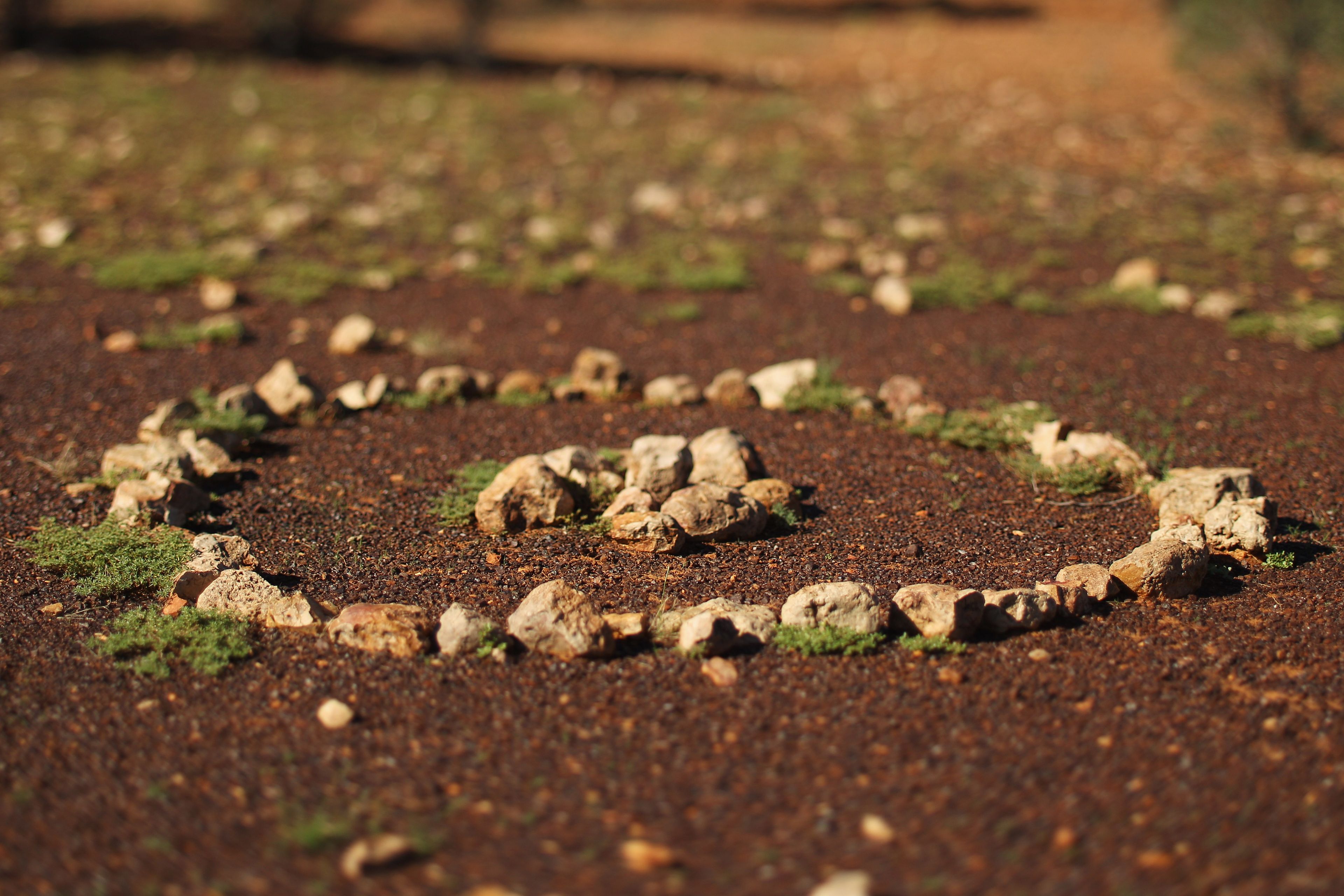
Aboriginal stone arrangements, carefully placed rocks for cultural, ceremonial or navigational purposes, are deeply significant; many meanings are not public, and most sites (often on private land) require protection and discretion.
Case Study 3: Middens
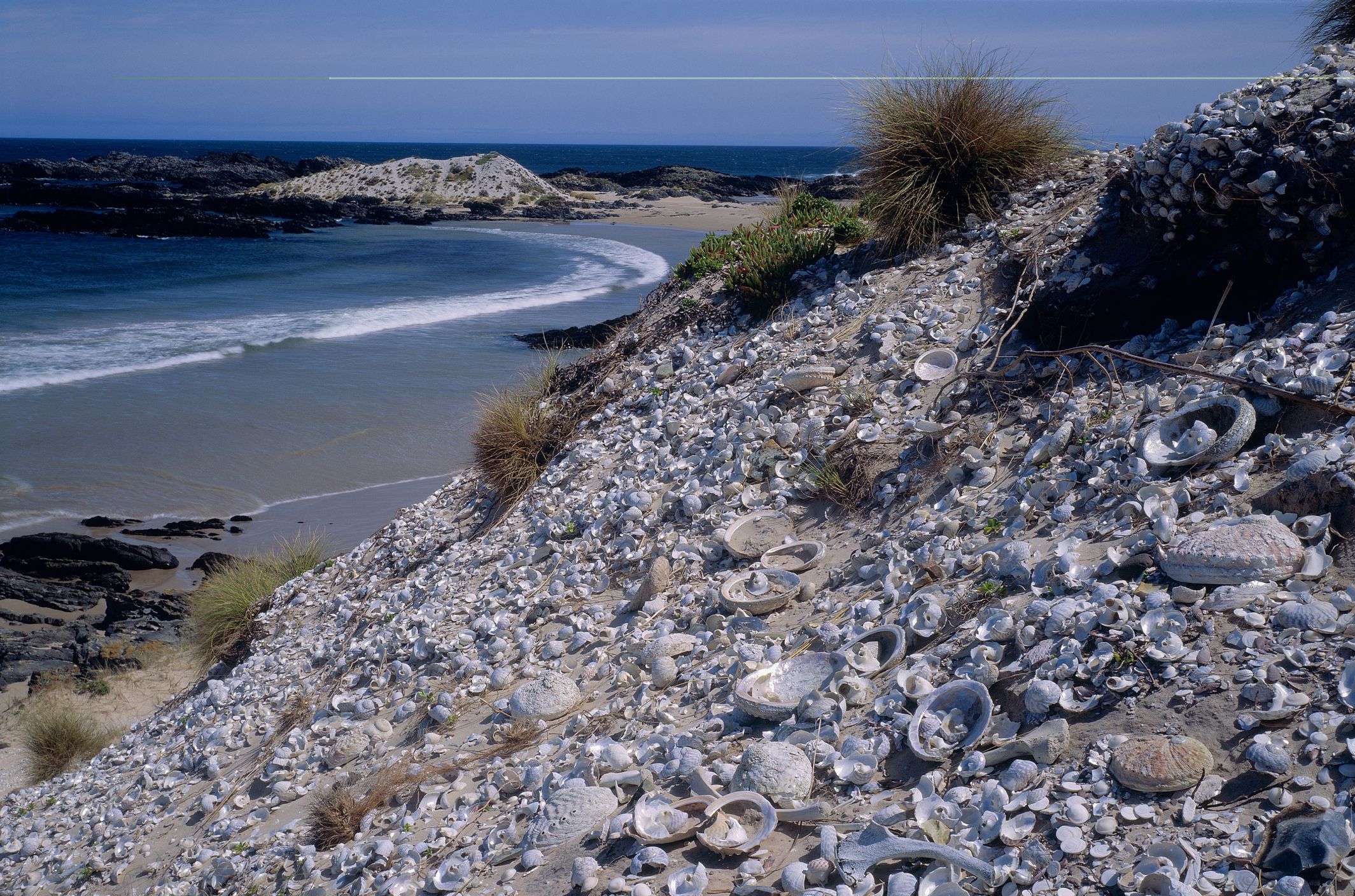
Middens are time capsules of everyday life; archaeologists study them to learn how Aboriginal and Torres Strait Islander Peoples lived and ate before and after colonisation.
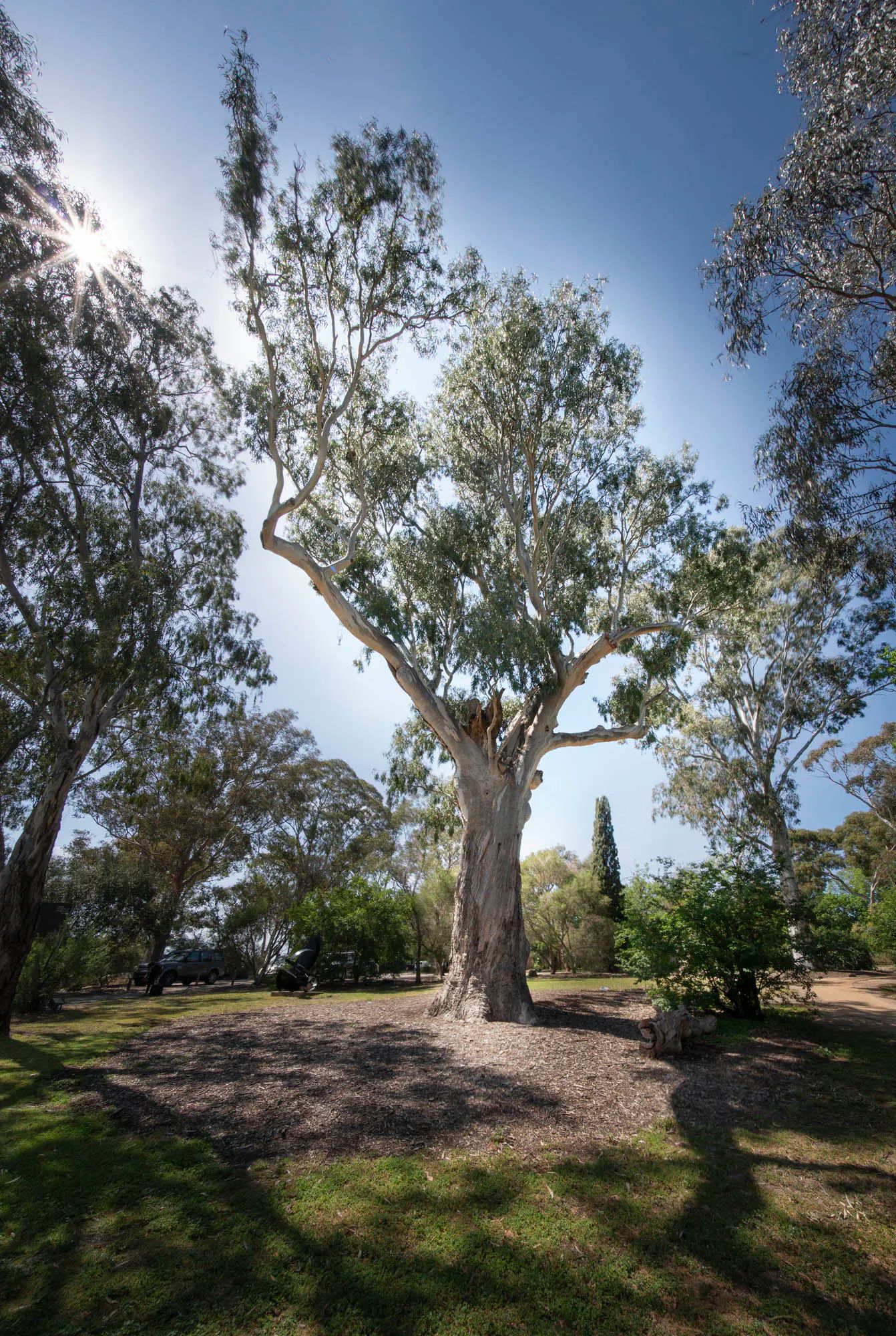
Case Study 4: Scarred trees
Scarred trees are living records where bark was carefully taken to make canoes, shields, coolamons and other items; they reveal deep knowledge and need careful identification and protection.
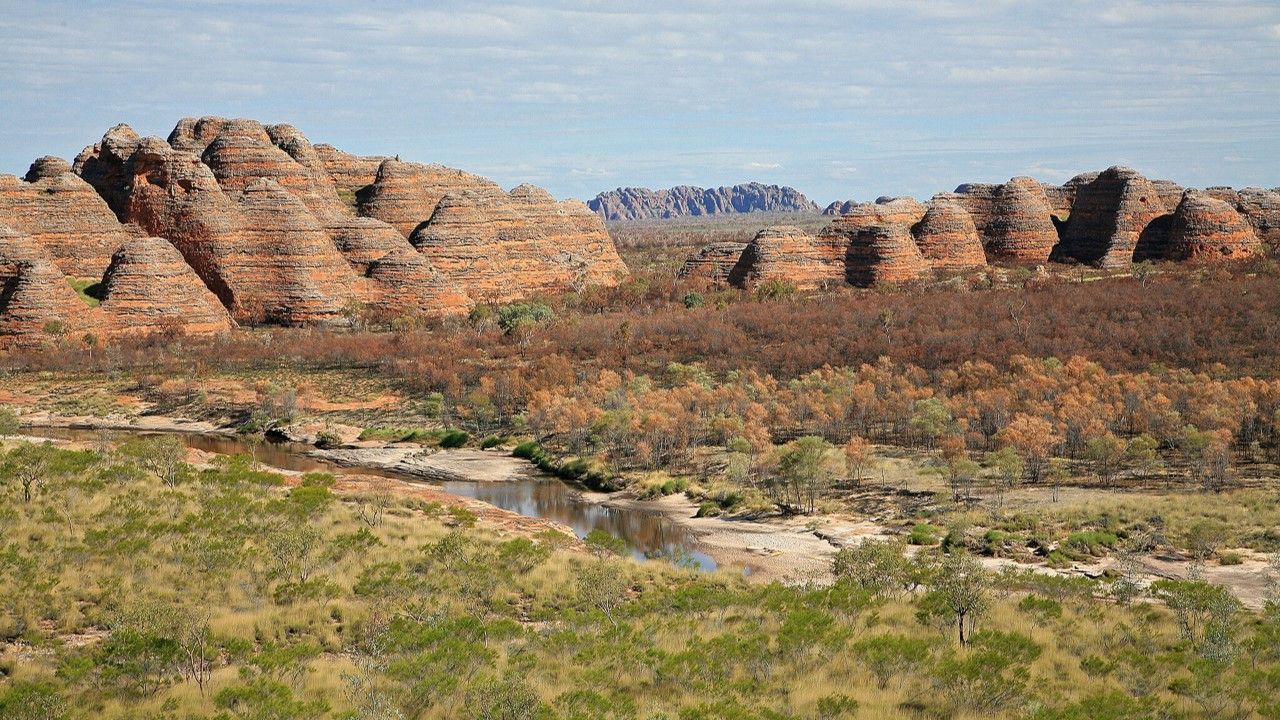
Case Study 5: National parks and named landforms
National parks and named landforms are public places to learn about and enjoy Country, supporting culture, nature and community.
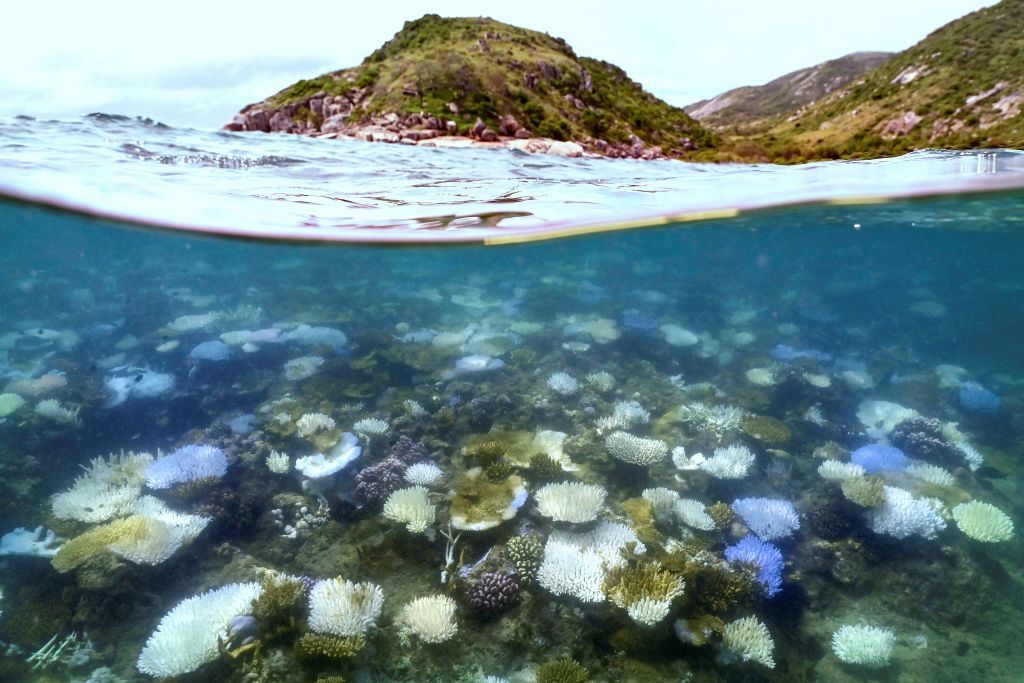
Case Study 6: Reefs and Sea Country
Reefs, islands and coastal places support rich life and long custodianship.
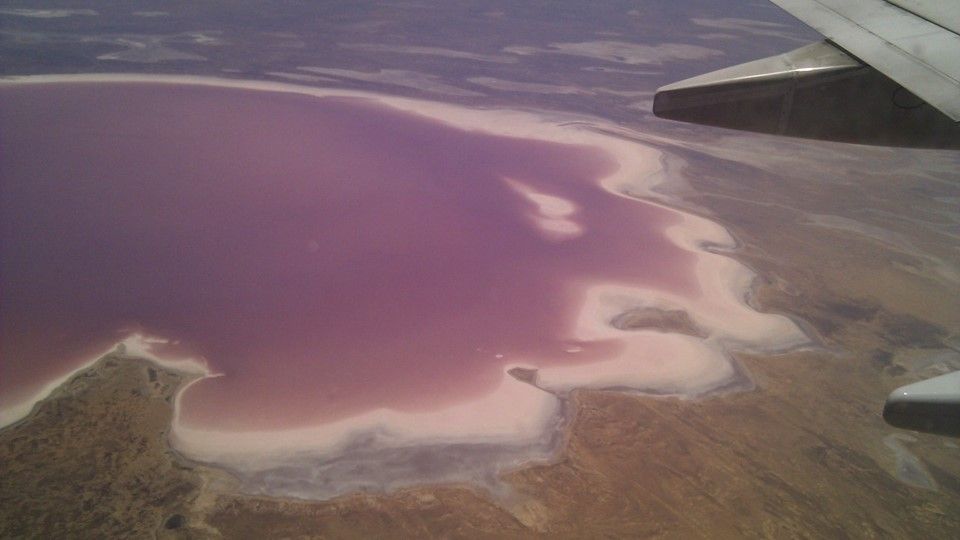
Case Study 7: Rivers, lakes and wetlands
Rivers, lakes and wetlands provide water, habitat and teaching places.
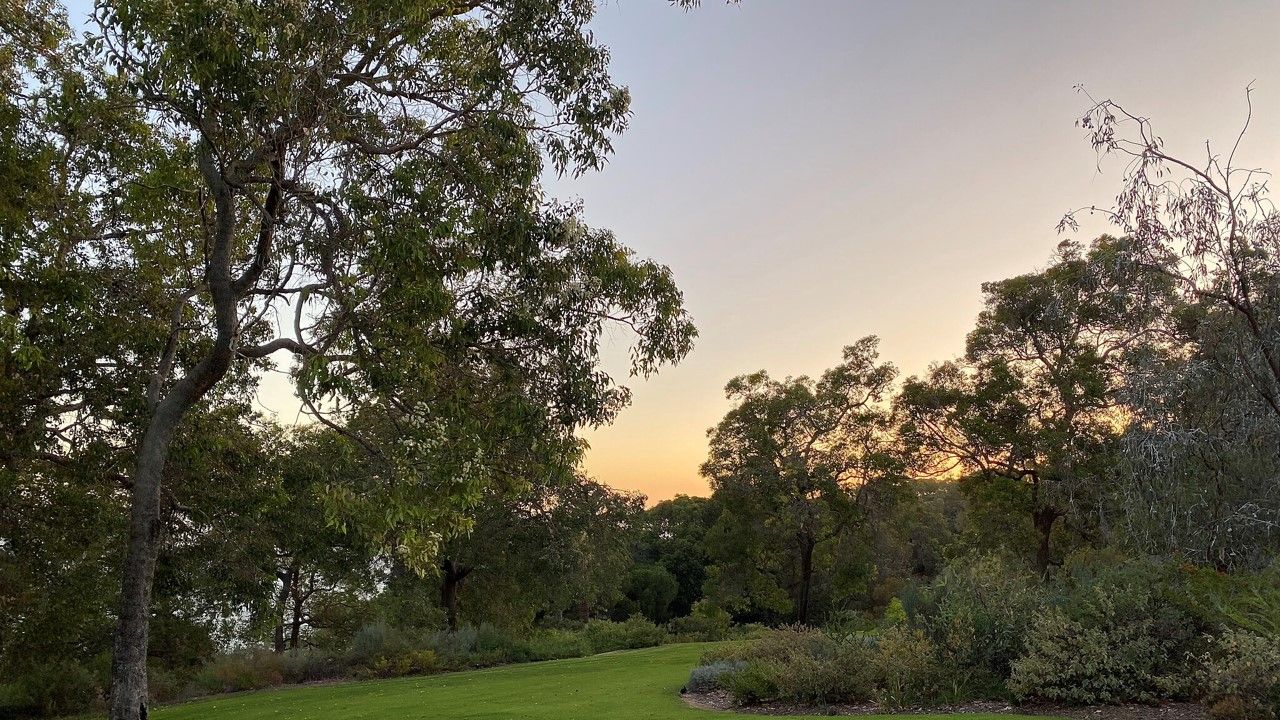
Case Study 8: Urban parks, gardens and native gardens
Urban parks and native gardens are everyday places to connect with Country in the city.
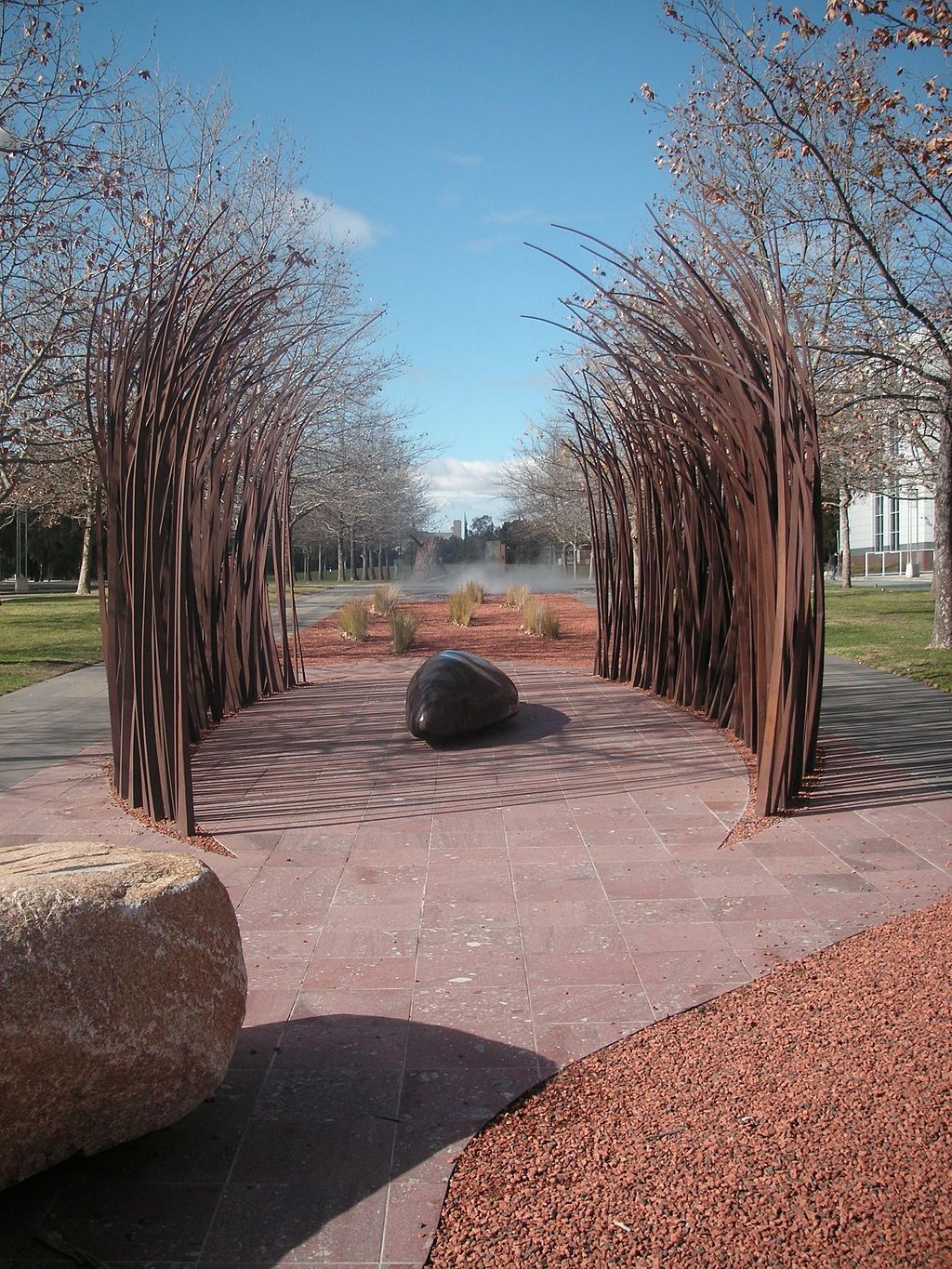
Case Study 9: Contemporary murals and public art by Aboriginal and Torres Strait Islander artists
Contemporary murals and public artworks share language, stories and community identity.
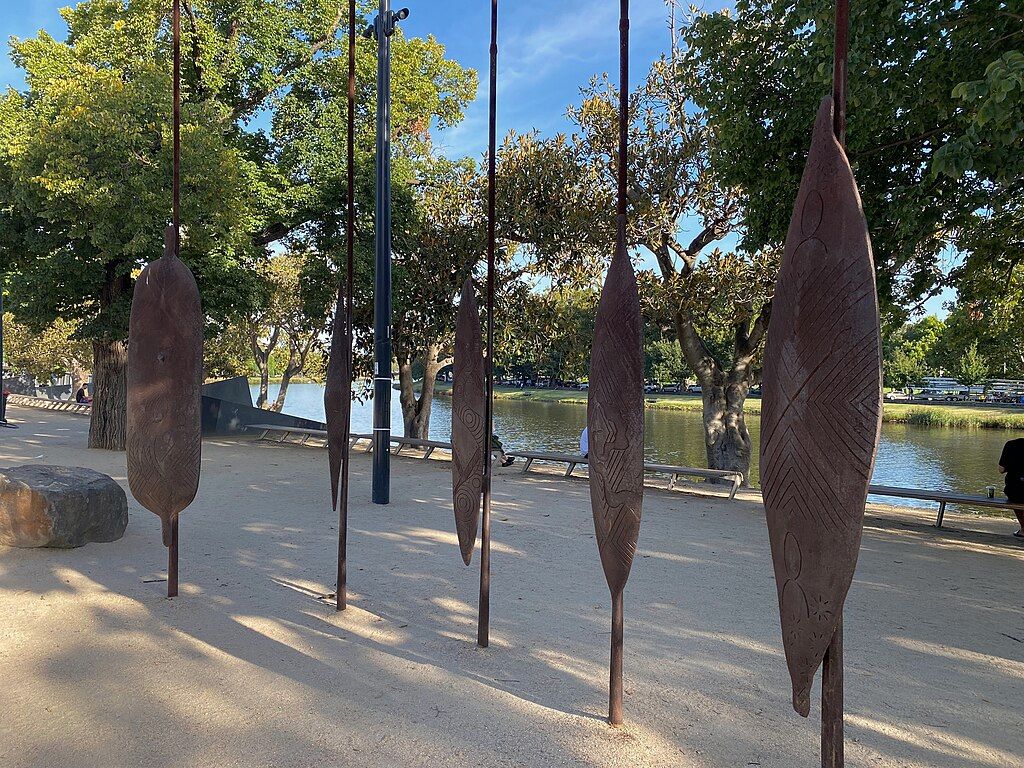
Case Study 10: Meeting places and community spaces
Meeting and community places support gathering, celebration and learning.
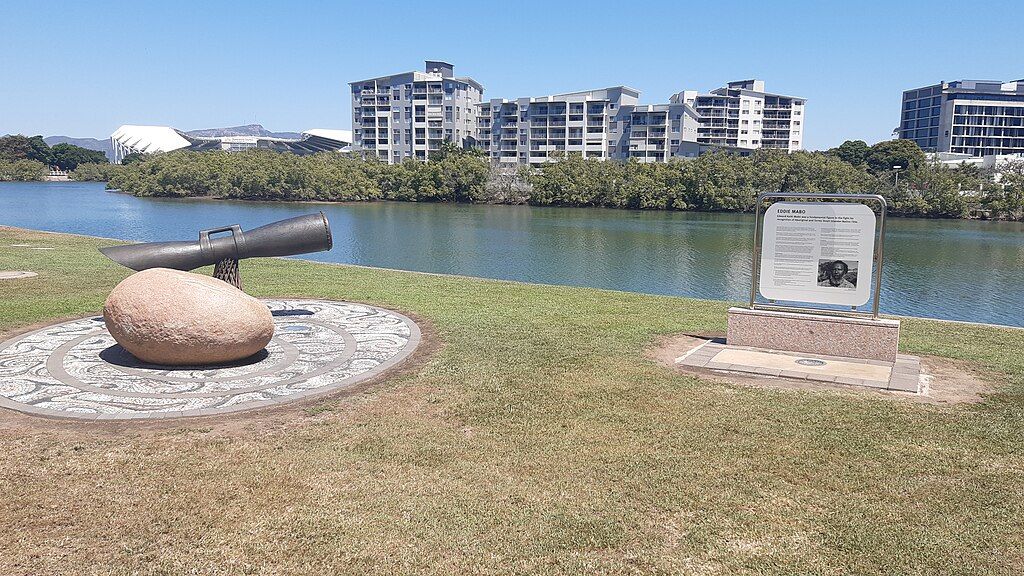
Case Study 11: Monuments and memorials
Monuments and memorials remember people, events and stories.
Case Study 12: Trails and cultural walks
Signed trails and cultural walks help people explore Country step by step.
Case Study 13: Museums, galleries and cultural centres
Museums, galleries and cultural centres share publicly available knowledge and exhibits.