Home/Curriculum resources/Exploring local Country: Places of importance/Case Study 1: Rock art
Learning Areas:
Humanities and Social Sciences, English, Mathematics
Year levels:
Foundation, Level 1, Level 2
Case Study 1: Rock art
This case study is a part of the Exploring local Country: Places of importance resource.
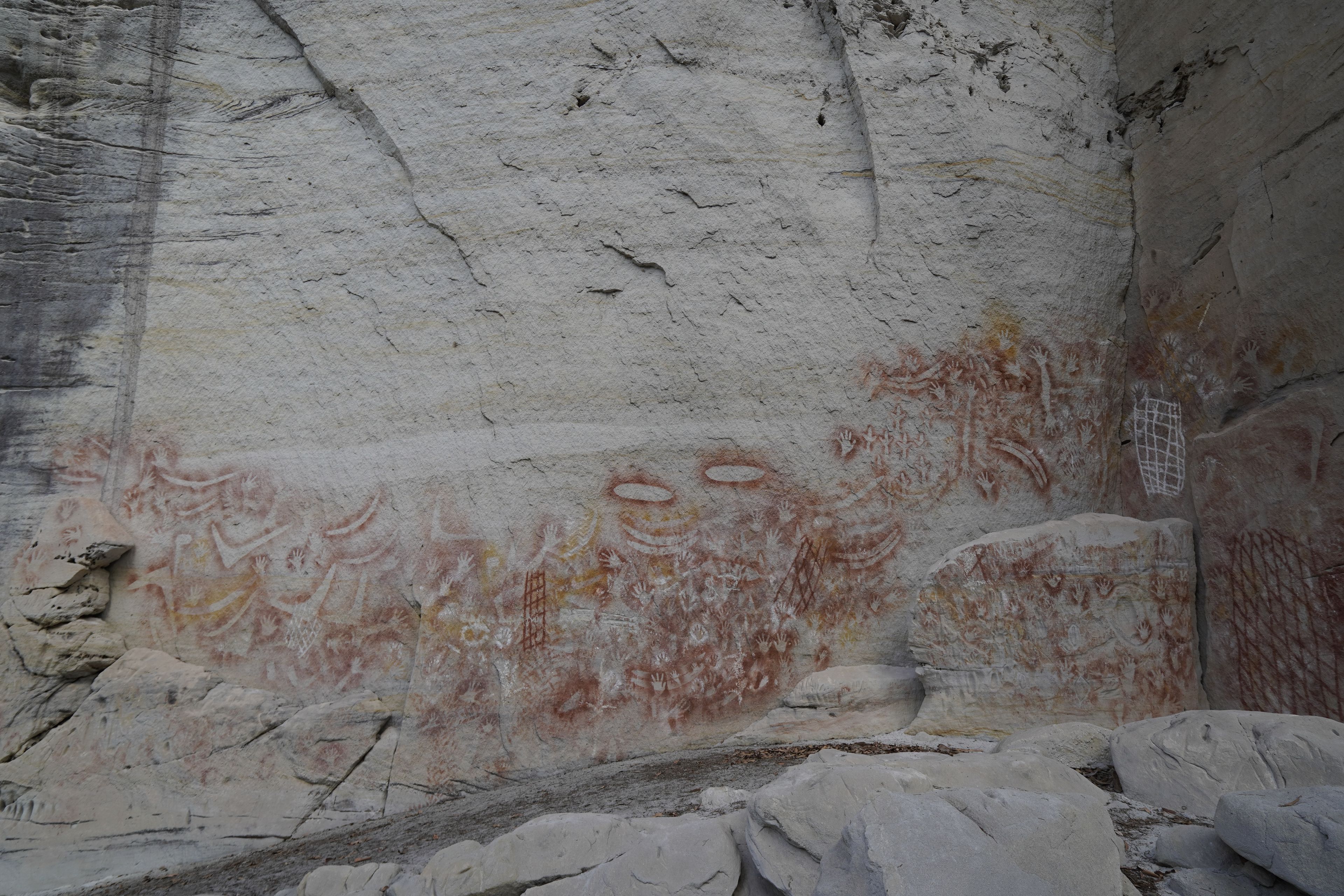
The Art Gallery. Location: Carnarvon Gorge, Queensland. 22 March 2022. Photographer: Amy Way. Used with permission.

Case Study 1: Rock art
Aboriginal rock art, made with ochres and other mineral pigments ground into paint, or engraved directly into the stone, adorns cave walls, rock shelters and other rocky outcrops where natural overhangs help shield the images from weathering. Some of these places may have served as shelter, while others may have been visited only for ceremony, yet all were chosen with care to protect the art. As the oldest known art on the planet, this cultural artefact deserves our ongoing custodianship and respect. 0
Table 1: Examples from across the country
Name & Location | Custodians | Details | Websites for classroom use |
|---|---|---|---|
Bulgandry Art Site, Brisbane Water National Park, Central Coast, NSW | Guringai and Darkinjung Peoples | Sandstone engravings that are more than 200 years old including Bulgandry ancestral hero, wallabies, fish, a dolphin and what is thought to be a canoe and a bird. 0 0 0 | Bulgandry Aboriginal Art Site - This Place by the ABC and First Languages Australia Bulgandry Art Site Aboriginal Place NSW Government |
Gariwerd (Grampians) Rock Art Trail, VIC: - Billimina Art Site - Gulgurn Manja Shelter - Bunjil Shelter - Manja Shelter | Djab Wurrung and Jardwadjali Peoples | The region holds the highest concentration of Aboriginal rock art in Victoria, containing around 200 recorded sites (over 80% of the state’s total). Many of these artworks, some more than 20,000 years old, are located beneath rock overhangs that offer shelter and sweeping views of the surrounding Country. 0 0 | |
Ubirr and Burrungkuy (Nourlangie), NT | Bininj/Mungguy is the term used to describe the Aboriginal Peoples who are the Traditional Owners of Kakadu National Park. Bininj is used in the north of the park and Mungguy in the south. | The park features one of the world’s most extensive collections of rock art, with some paintings dating back 20,000 years. These artworks document thousands of years of Aboriginal life, depicting animals, x-ray art, and early European contact, and reflect a deep cultural and spiritual connection to Country. 0 0 | |
Marra Wonga (Turraburra), QLD | Iningai People | Rock art site with over 15,000 petroglyphs, stencils, and cultural symbols including the Seven Sisters. 0 0 0 | Indigenous story wall restored, open to visitors in outback Queensland – ABC News |
Ngaut Ngaut Rock Shelter, SA | Nganguraku People | Rock engravings and occupation evidence along the Murray River. Guided tours offered by Traditional Custodians. 0 0 | Ngaut Ngaut Conservation Park. National Parks and Wildlife Service South Australia. |
Nirmena Nala, Petroglyph, TAS | Palawa People | Ochre hand stencils preserved in cave shelters estimated to be 8,000 years old. 0 0 | |
Kabadul Kula rock art site, Dauan Island, Torres Strait | Kalakawal Islanders (Dauan) | Painted panels under rock overhang dated to 1,200–1,400 years ago. Includes ochre figures and pigment analysis. 0 | |
The Gwion Gwion (also known as Bradshaw) rock art site located in the Kimberley region, WA | Balanggarra People | Known for its distinctive and ancient paintings. These paintings, primarily consisting of human figures with elaborate accessories, are found in inaccessible rock shelters across the north Kimberley, particularly around the Roe River. Dating the art is challenging, but studies suggest it could be as old as 65,000 years, with some estimations placing it around 12,000 years old based on wasp nests found over the paintings. 0 |
The National Museum of Australia: Defining moments – First rock art site is a great resource to support learning about rock art sites.
Related case studies within this resources:
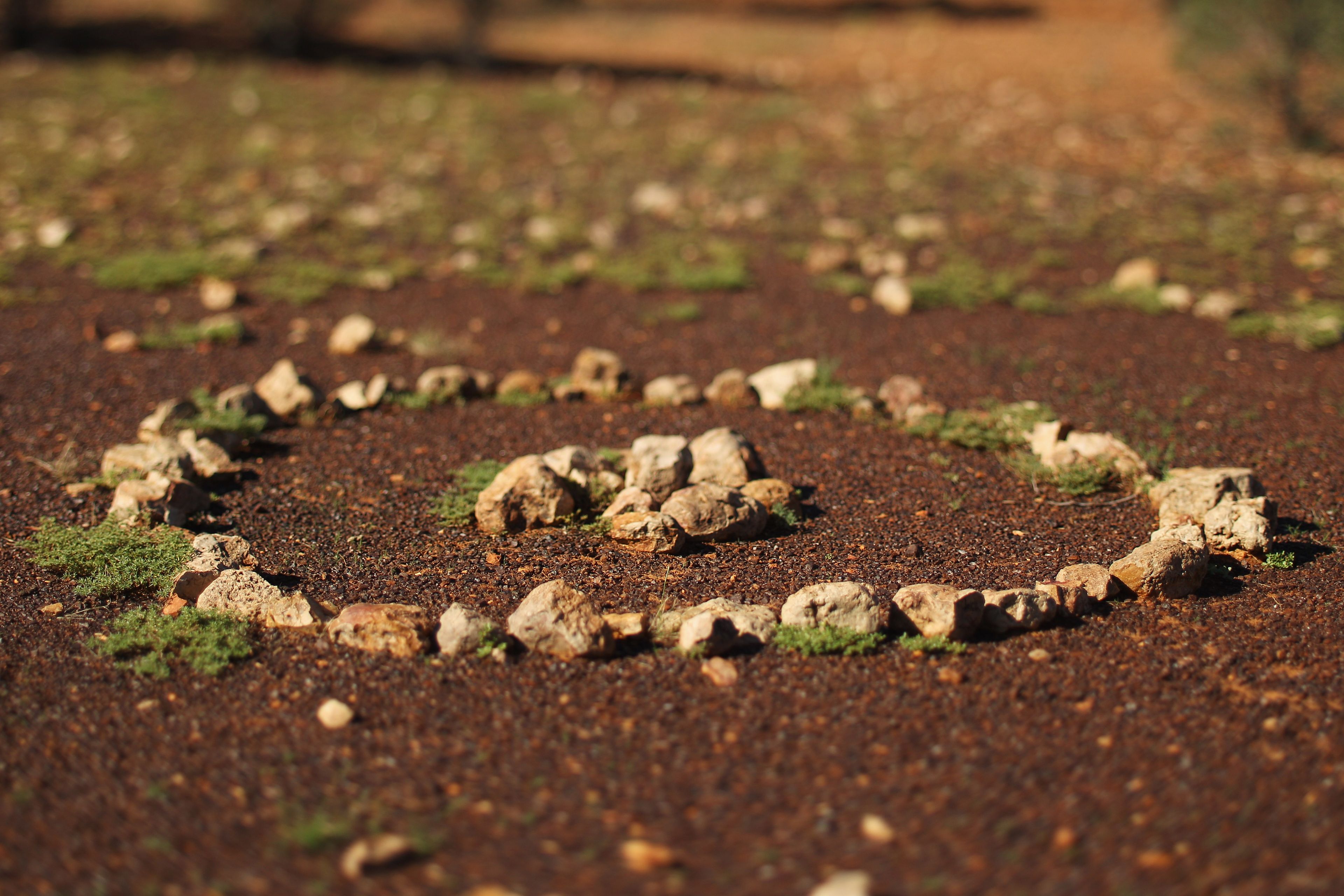
Case Study 2: Stone arrangements
Aboriginal stone arrangements, carefully placed rocks for cultural, ceremonial or navigational purposes, are deeply significant; many meanings are not public, and most sites (often on private land) require protection and discretion.
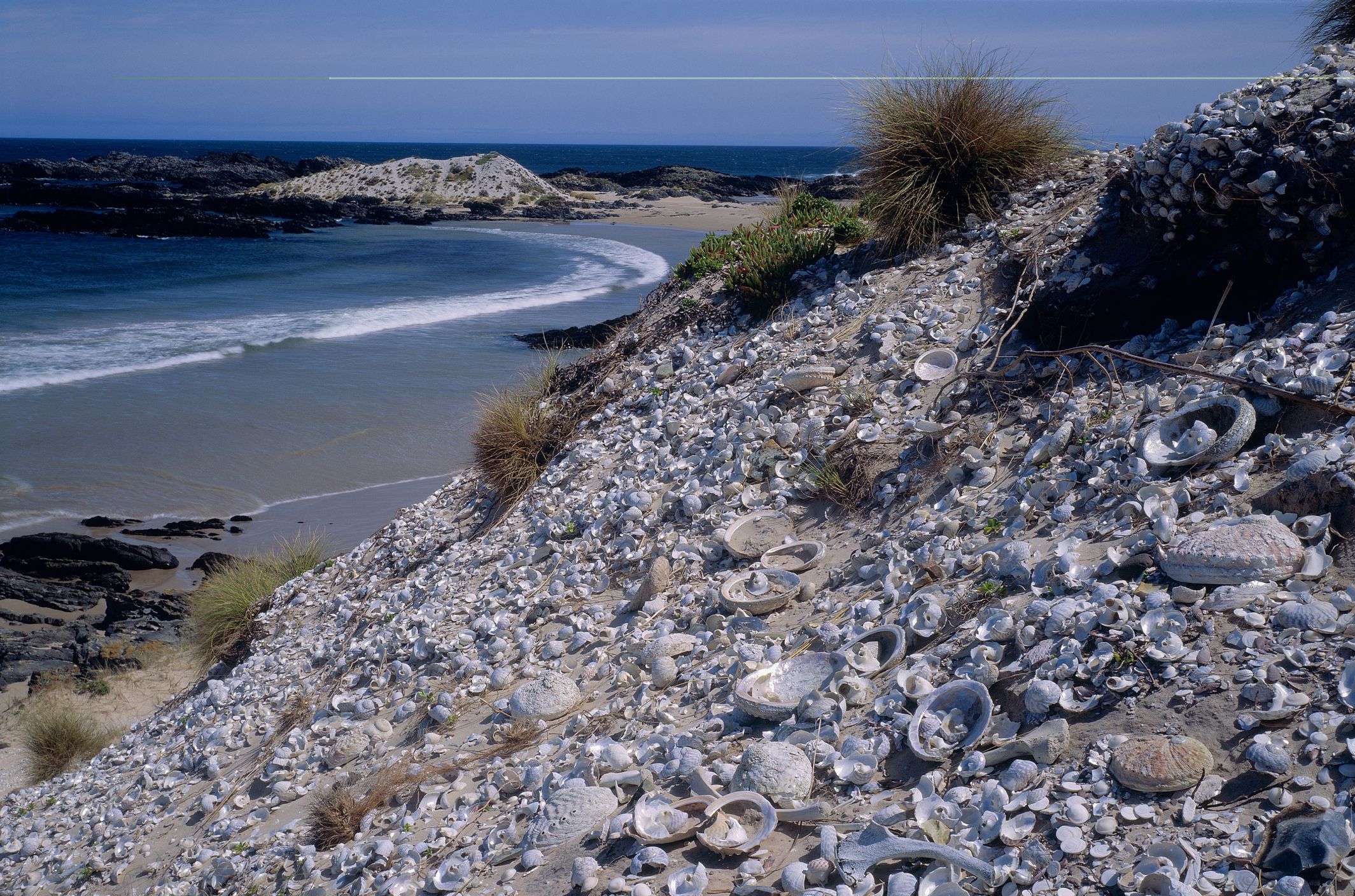
Case Study 3: Middens
Middens are time capsules of everyday life; archaeologists study them to learn how Aboriginal and Torres Strait Islander Peoples lived and ate before and after colonisation.
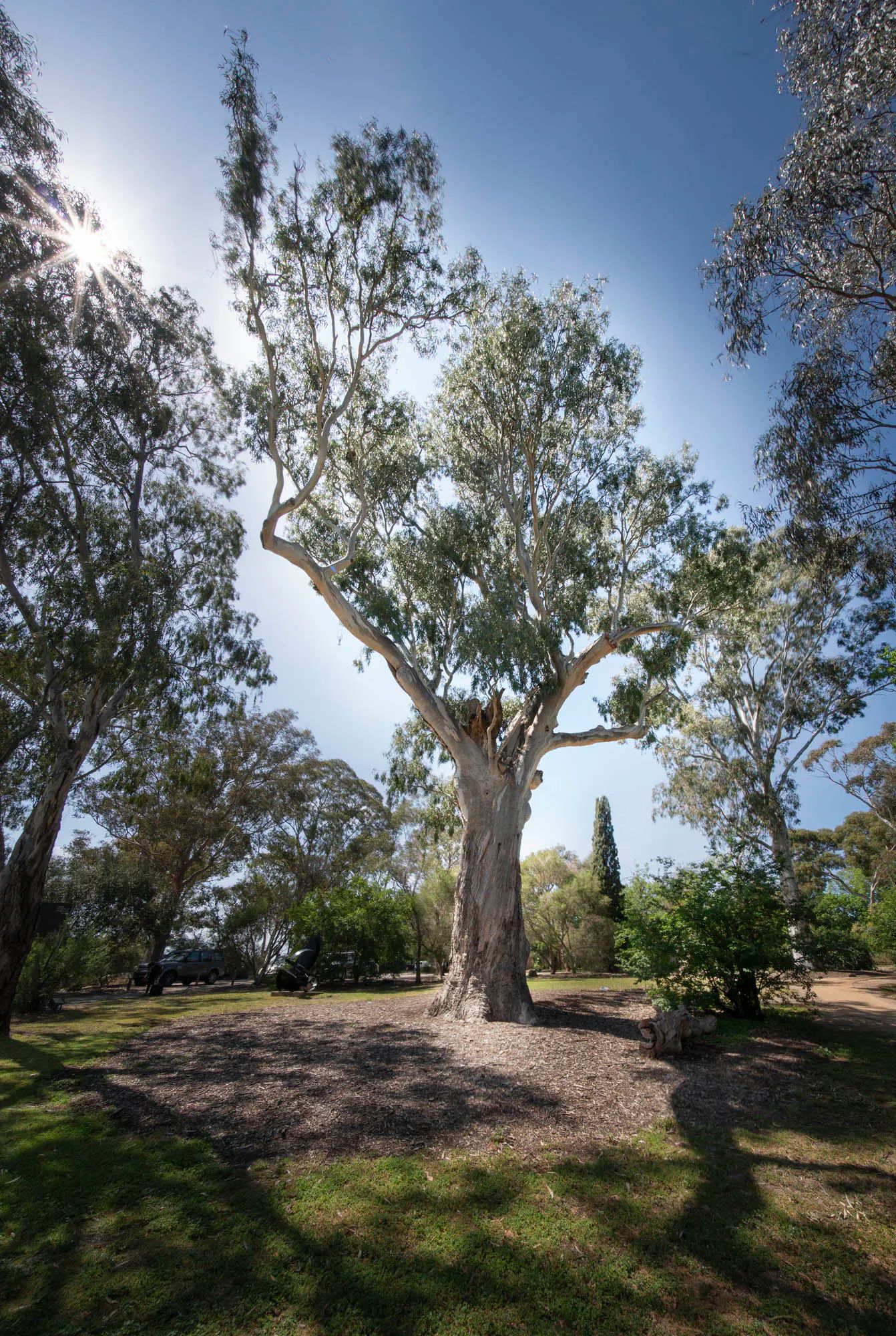
Case Study 4: Scarred trees
Scarred trees are living records where bark was carefully taken to make canoes, shields, coolamons and other items; they reveal deep knowledge and need careful identification and protection.
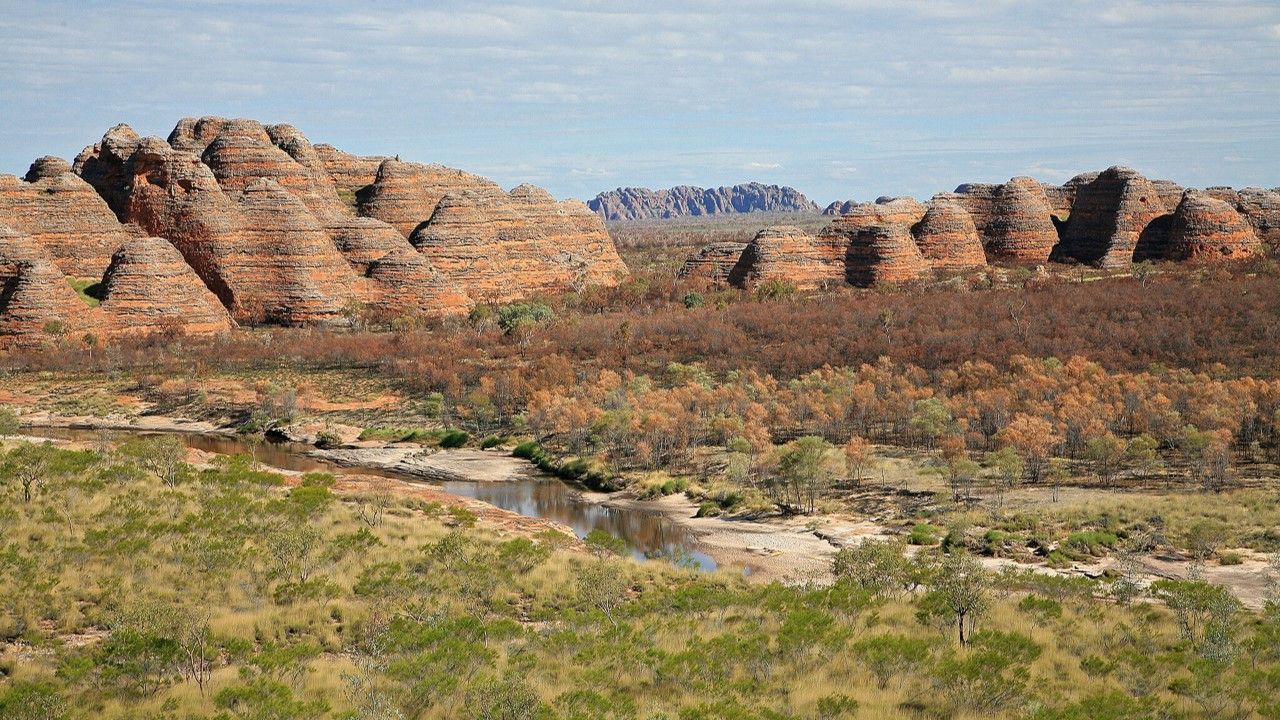
Case Study 5: National parks and named landforms
National parks and named landforms are public places to learn about and enjoy Country, supporting culture, nature and community.
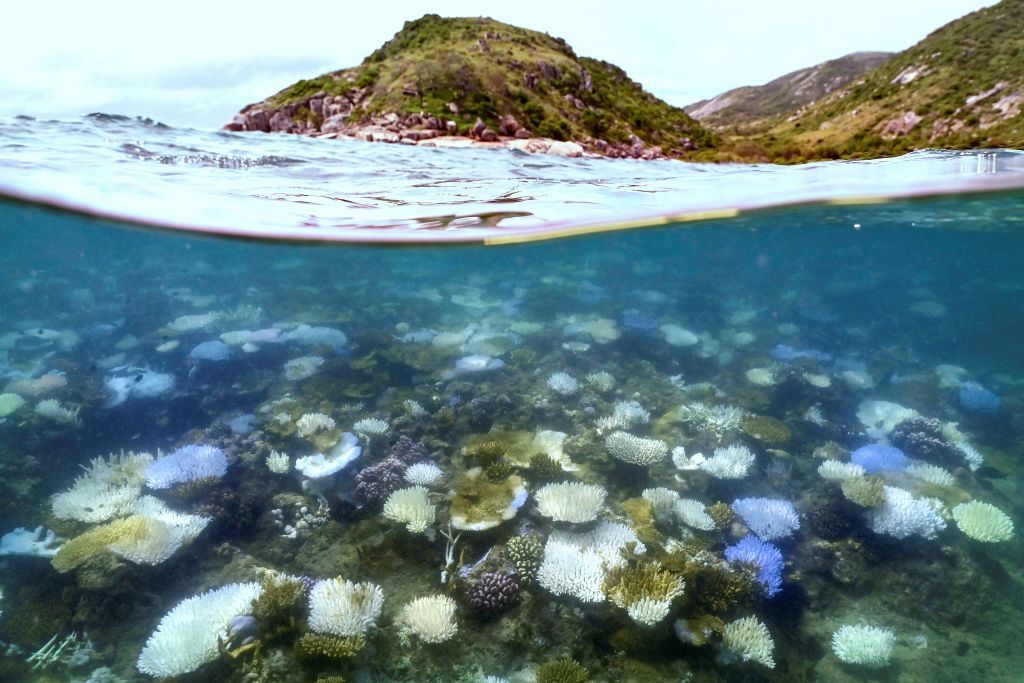
Case Study 6: Reefs and Sea Country
Reefs, islands and coastal places support rich life and long custodianship.
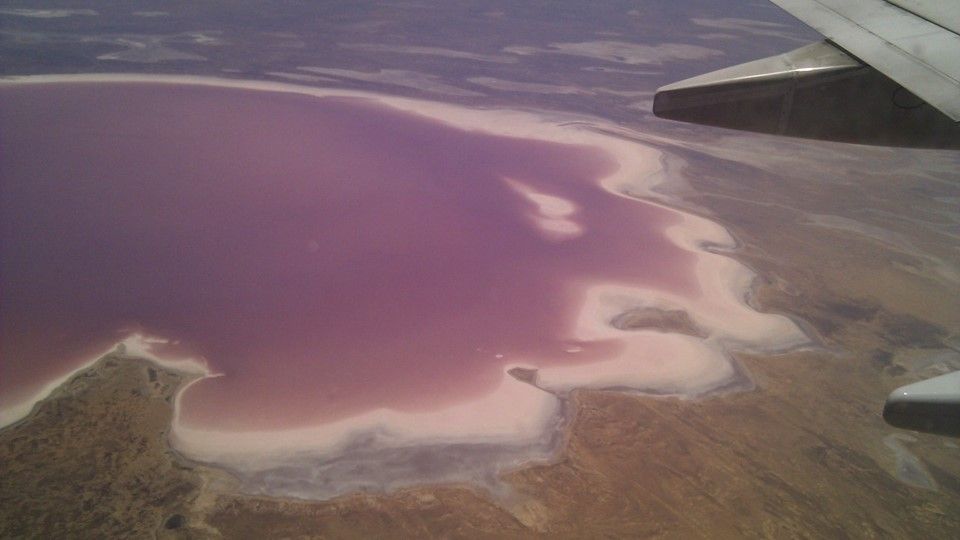
Case Study 7: Rivers, lakes and wetlands
Rivers, lakes and wetlands provide water, habitat and teaching places.
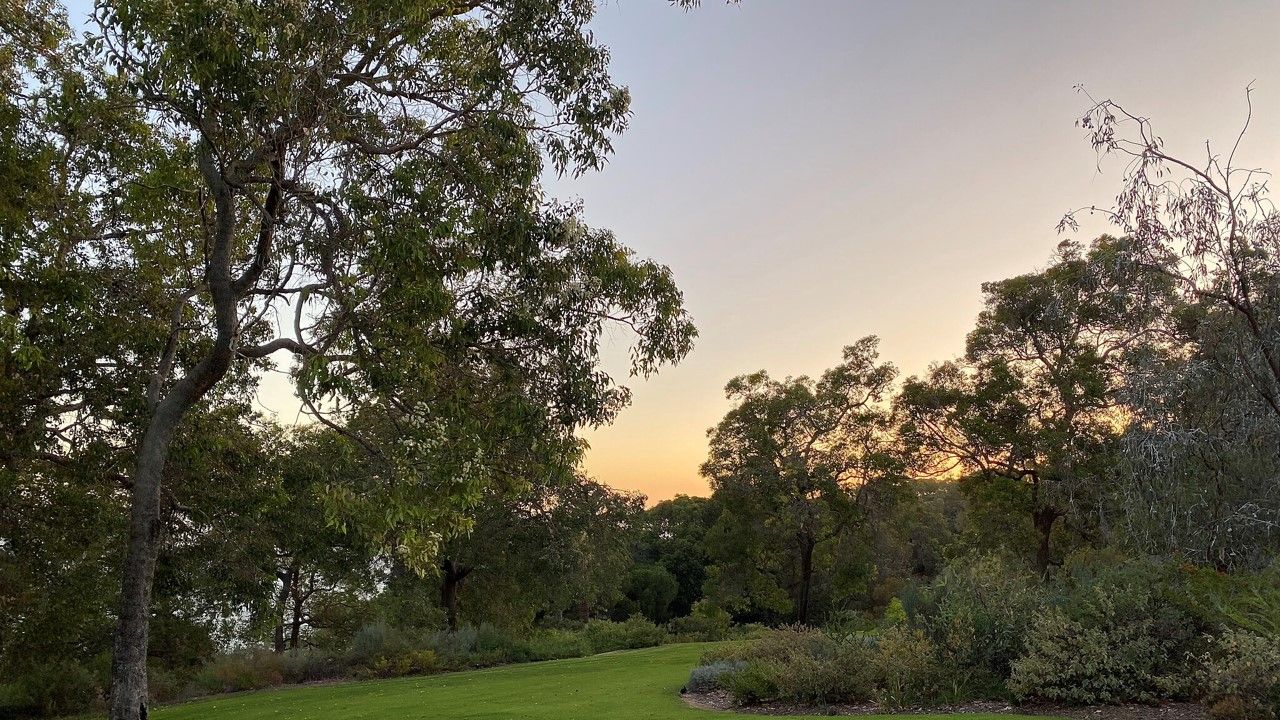
Case Study 8: Urban parks, gardens and native gardens
Urban parks and native gardens are everyday places to connect with Country in the city.
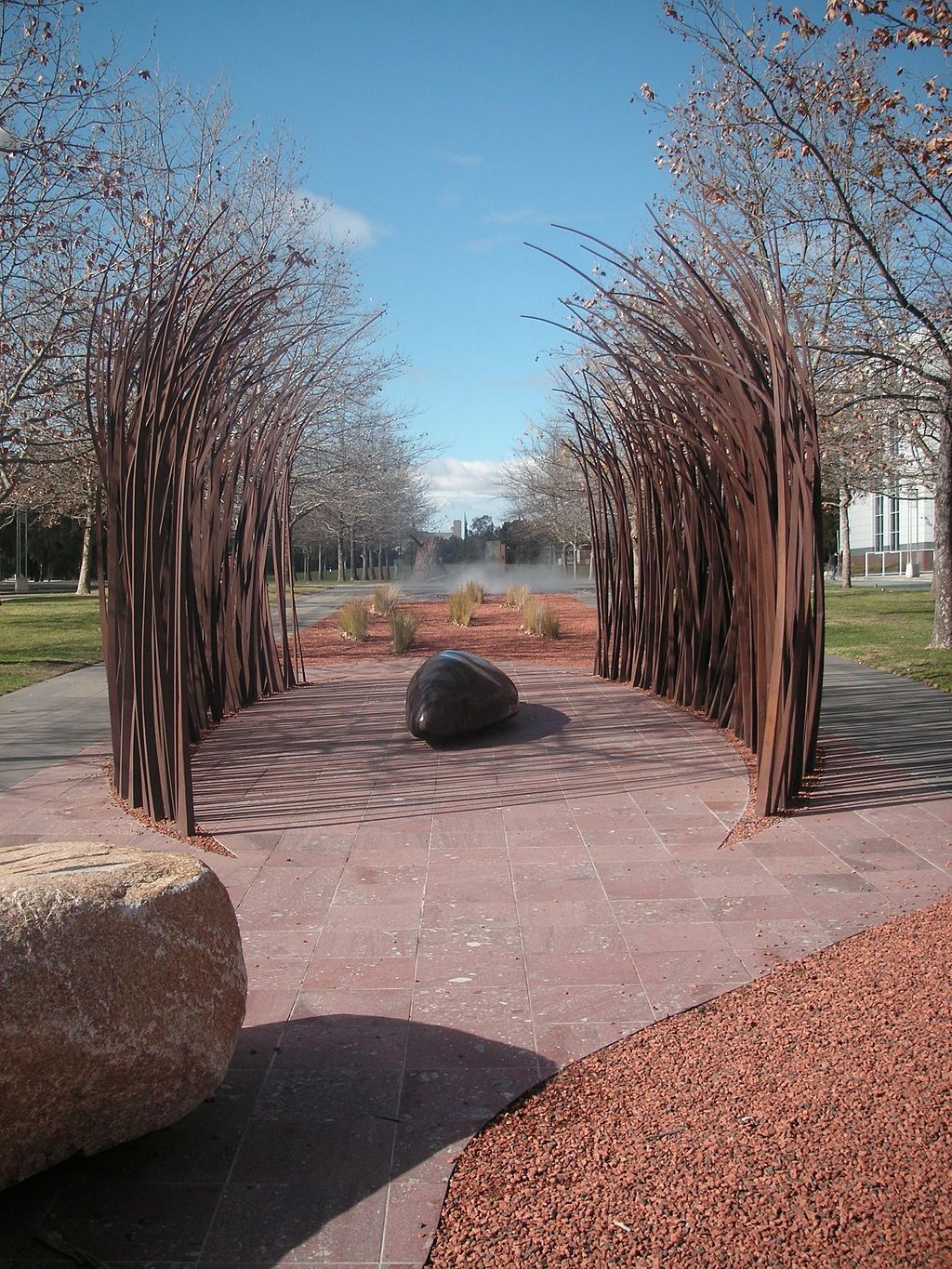
Case Study 9: Contemporary murals and public art by Aboriginal and Torres Strait Islander artists
Contemporary murals and public artworks share language, stories and community identity.
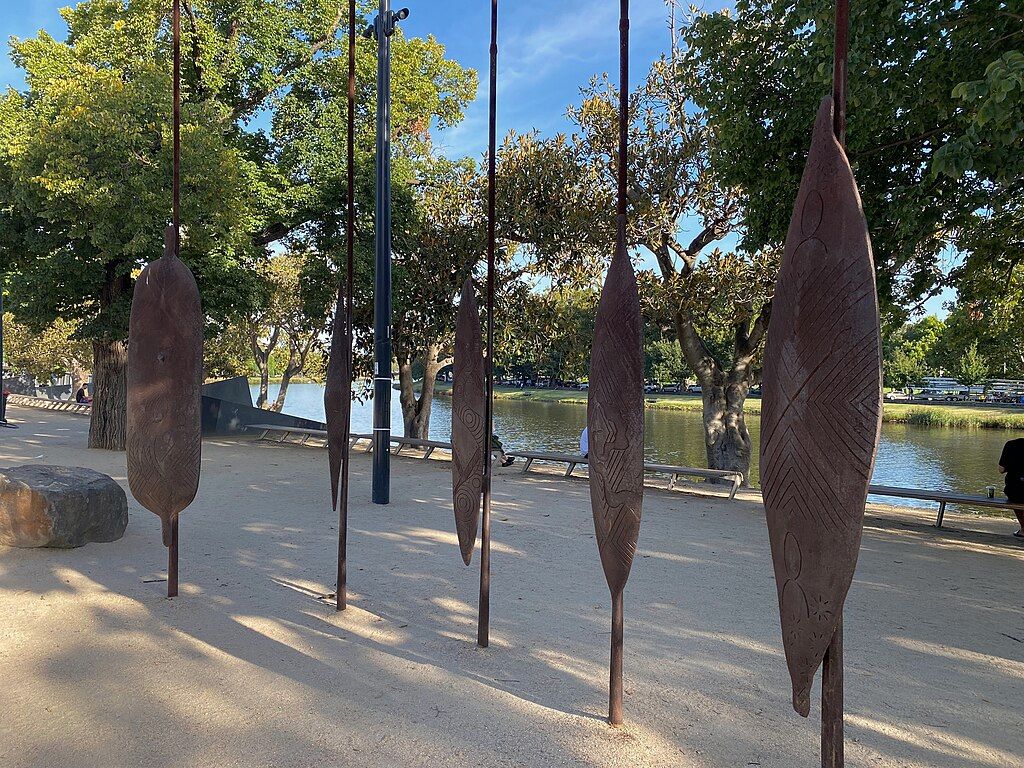
Case Study 10: Meeting places and community spaces
Meeting and community places support gathering, celebration and learning.
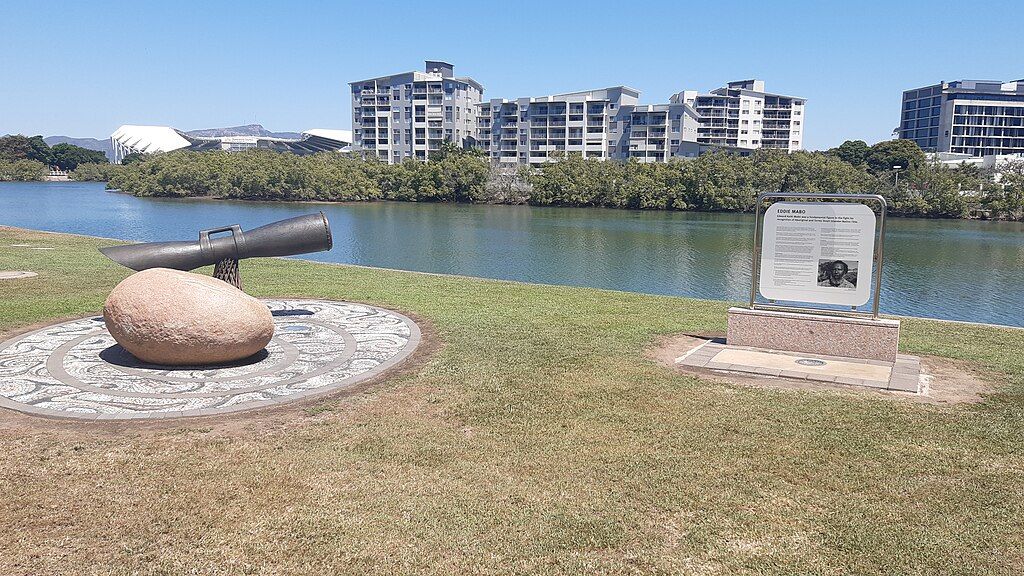
Case Study 11: Monuments and memorials
Monuments and memorials remember people, events and stories.
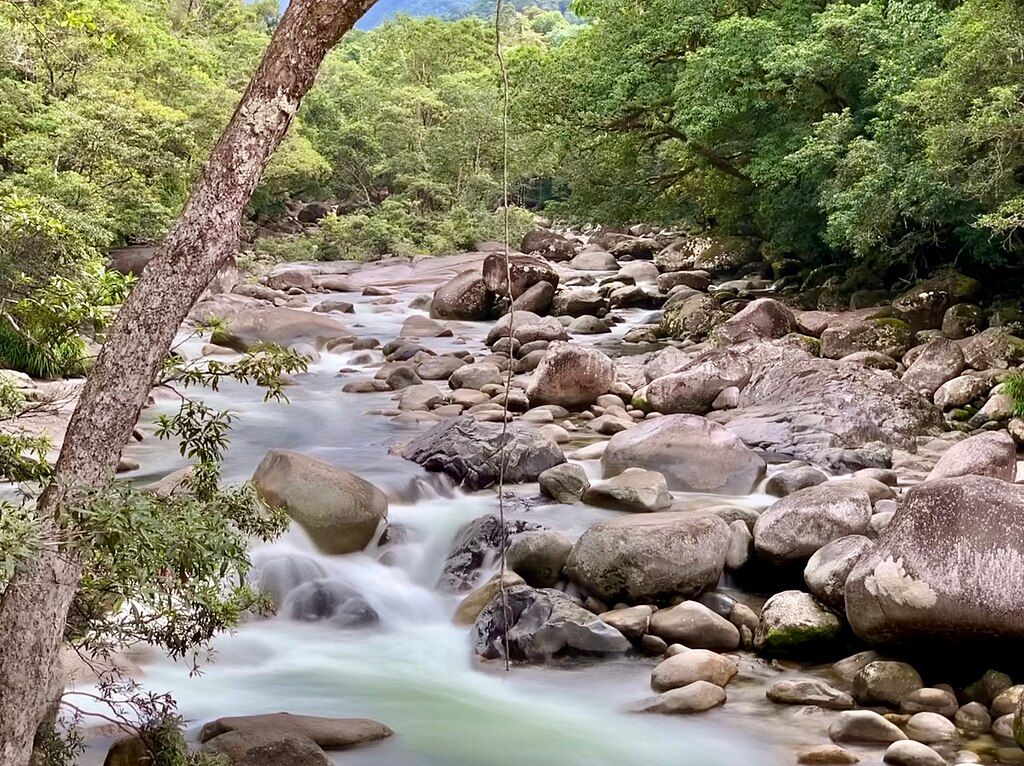
Case Study 12: Trails and cultural walks
Signed trails and cultural walks help people explore Country step by step.
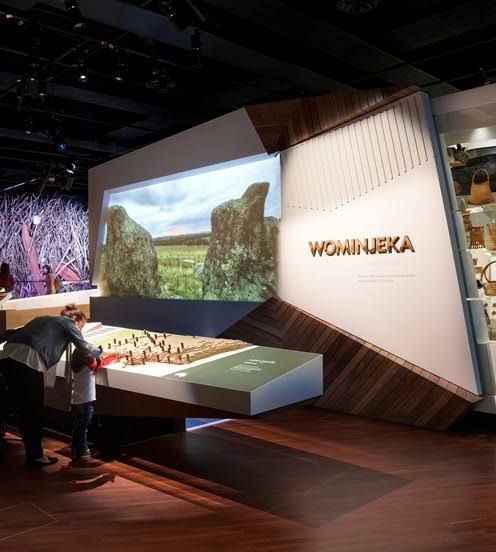
Case Study 13: Museums, galleries and cultural centres
Museums, galleries and cultural centres share publicly available knowledge and exhibits.
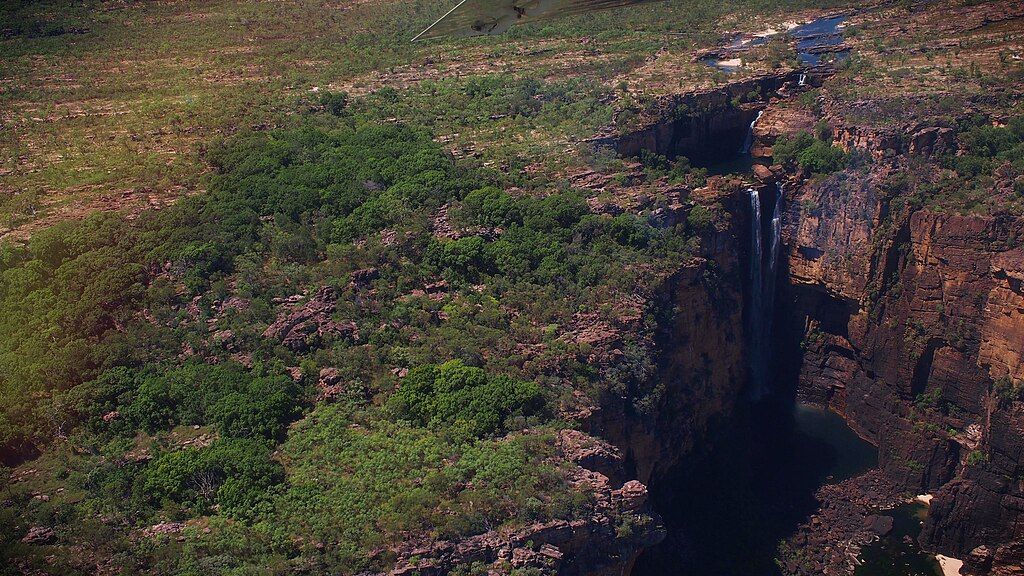
Case Study 14: The Rainbow Serpent
Across Australia, many Aboriginal communities share Rainbow Serpent stories, known by different names and sometimes described as female or male, that connect to water places and other important landscapes.