Home/Curriculum resources/Protecting sites of significance/Case Study 2: Tidbinbilla Nature Reserve, Australian Capital Territory
Learning Area:
Humanities and Social Sciences
Year levels:
Level 7, Level 8
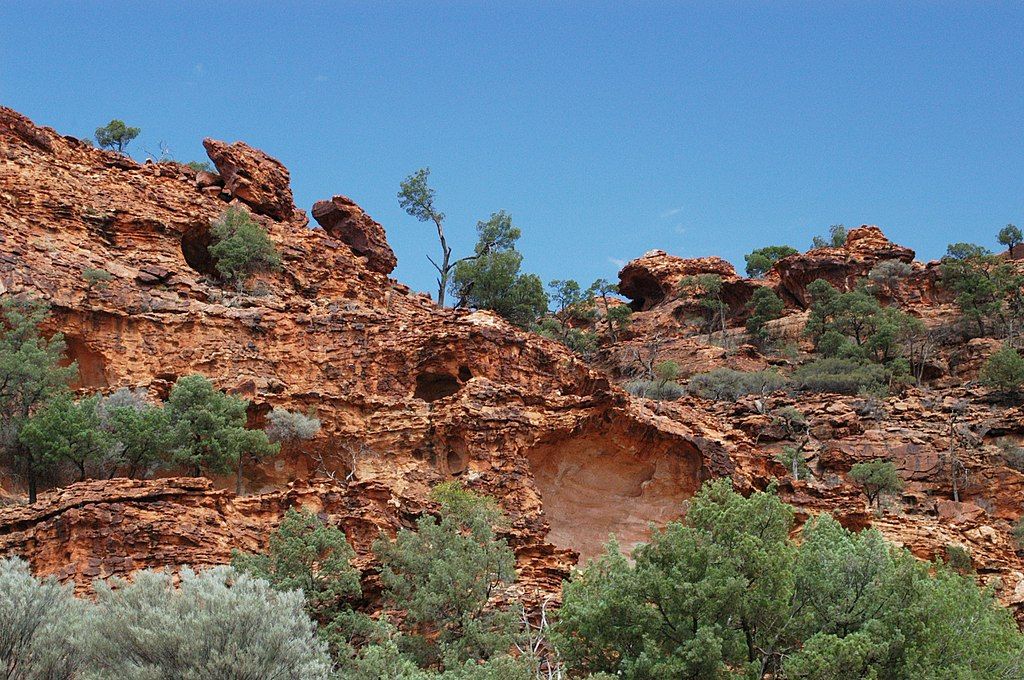
Case Study 2: Tidbinbilla Nature Reserve, Australian Capital Territory
This case study is a part of the Protecting sites of significance resource.
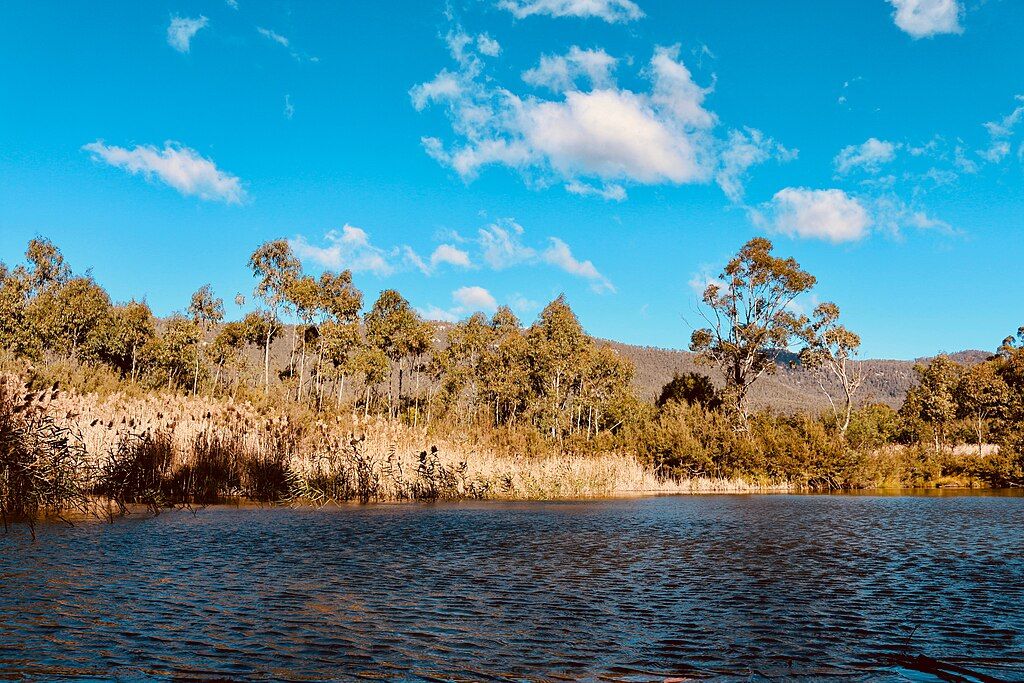
Tidbinbilla Nature Reserve. Location: Australian Capital Territory (ACT). Photographer: Natalie Maguire. Source: Wikimedia Commons. Used under licence: CC BY 2.0.

Case Study 2: Tidbinbilla Nature Reserve, Australian Capital Territory
Tidbinbilla Nature Reserve is located in the Australian Capital Territory (ACT), about 40 kilometres southwest of Canberra. Nestled between the Tidbinbilla and Gibraltar mountain ranges, the reserve spans rugged landscapes, eucalyptus forests, and rich wetlands, offering stunning views and diverse ecosystems.
A site of significance
Tidbinbilla holds historical and ongoing significance for the Traditional Owners Ngunnawal people, who maintain a lasting cultural, spiritual, and historical connection to the land. For the Ngunnawal people, history is not only preserved through archaeological discoveries but also woven into the landscape through oral traditions, storytelling, dance, memory, ceremony, and artistic expressions found at rock art sites. Cultural landscapes include mountains, waterholes, rivers, caves, rock formations, flora and fauna as well as wind and air.
Tidbinbilla geographical formations hold deep significance, reflecting the Dreaming stories of the valley and its enduring connection to the people who have lived and thrived there for thousands of years. For example, the contours of the western slopes resemble the shape of a pregnant woman, while at the heart of the Tidbinbilla Valley, a rock formation appears as a perched eagle (Maliyan), the creator spirit of the Tidbinbilla Dreaming story 1.
A place for ceremony and gathering
Tidbinbilla was a key place for Ngunnawal ceremonies, with groups from nearby areas entering through Gibraltar Peak, where an Elder would light a fire to guide people into the valley. Neighbouring language groups travelled to Ngunnawal Country for the purpose of ceremony, law, marriage arrangements, trade, exchange of seasonal foods and cultural knowledge.
Geological formations within Tidbinbilla are sacred places of cultural law and places special to either Men or Women’s business. The name "Tidbinbilla" originates from the Ngunnawal word "Jedbinbilla," meaning "where boys become men" 0 . This reflects the valley's significance as a place for ceremonies and the transmission of traditional men’s law within Ngunnawal culture. Men’s sites were typically located in the higher peaks of the valley. One rock shelter, along the path to Gibraltar Rock peak contains ancient rock art and is a significant men’s site. The mountains of Tidbinbilla also hold cultural importance for Ngunnawal women, these sites were often situated closer to the river that wound through the valley. In some of these areas, grinding grooves can still be seen along the river’s edge. Grinding grooves are oval-shaped indentations in sandstone used to give stone axe heads a sharp cutting edge 0 .
Management
Tidbinbilla Nature Reserve is managed through a collaborative partnership between several groups, including:
Aboriginal Natural Resource Management (Aboriginal NRM)
Ngunnawal Traditional Custodians
ACT Heritage
ACT Parks and Conservation Service (ACT PCS)
This partnership ensures that land management practices respect and integrate Ngunnawal cultural values, utilising traditional knowledge and practices. Projects and programs that guide stewardship of the land are designed by Ngunnawal community members and prioritise the preservation of Aboriginal cultural heritage 0 .
Ngunnawal Traditional Custodians are engaged in practices to protect cultural sites and advice to Environment, Heritage and ACT PCS to conserve and protect tangible and intangible values within the cultural landscape of the ACT. This includes fire and waterways management.
Conservation
Tidbinbilla Nature Reserve integrates traditional knowledge into its conservation efforts. This is evident in the development of interpretation programs for Aboriginal cultural heritage which are designed and promoted by Aboriginal people to educate visitors about the rich cultural significance of the area 0 . Tidbinbilla is recognised as a leader in conservation research, with key contributions to the recovery of species such as the Southern Brush-tailed Rock-wallaby, Northern Corroboree Frog, and Grassland Earless Dragon.
Ranger guides
Tidbinbilla’s ranger-guided activities offer immersive learning experiences that deepen visitors' understanding of the area’s rich cultural heritage and diverse ecosystems. Participants can explore the reserve’s landscapes and gain insights into local wildlife, conservation efforts, and the significance of the land to the Ngunnawal people. The aim of these sessions is to foster an appreciation for the ongoing preservation of this unique environment.
Related case studies within this resources:
Case Study 1: Carnarvon Gorge, Queensland
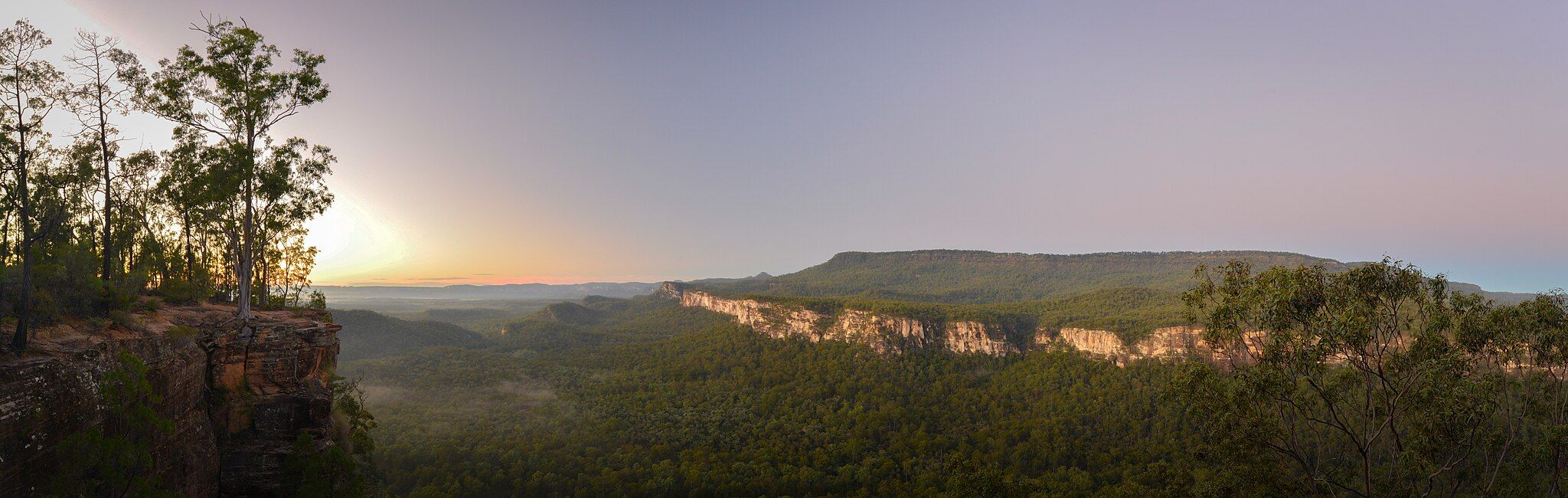
This case study highlights Carnarvon Gorge as a place of deep cultural significance, where rock art, enduring custodianship, and contemporary conservation challenges reveal the importance of Traditional Owner knowledge in caring for Country.
Case Study 3: Arthur-Pieman Conservation Area, Tasmania
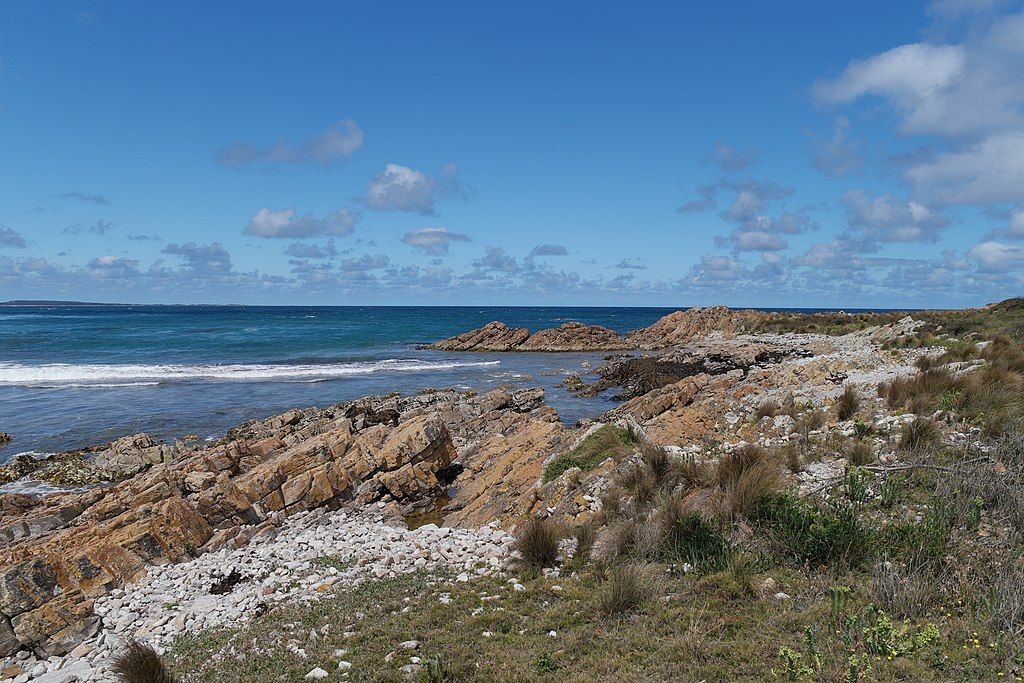
This case study highlights the Arthur-Pieman Conservation Area as a culturally significant landscape under threat, where ongoing tensions between recreational use and heritage protection highlight the urgent need for stronger custodianship and conservation of Aboriginal sites.
Case Study 4: Gariwerd (Grampians National Park), Victoria
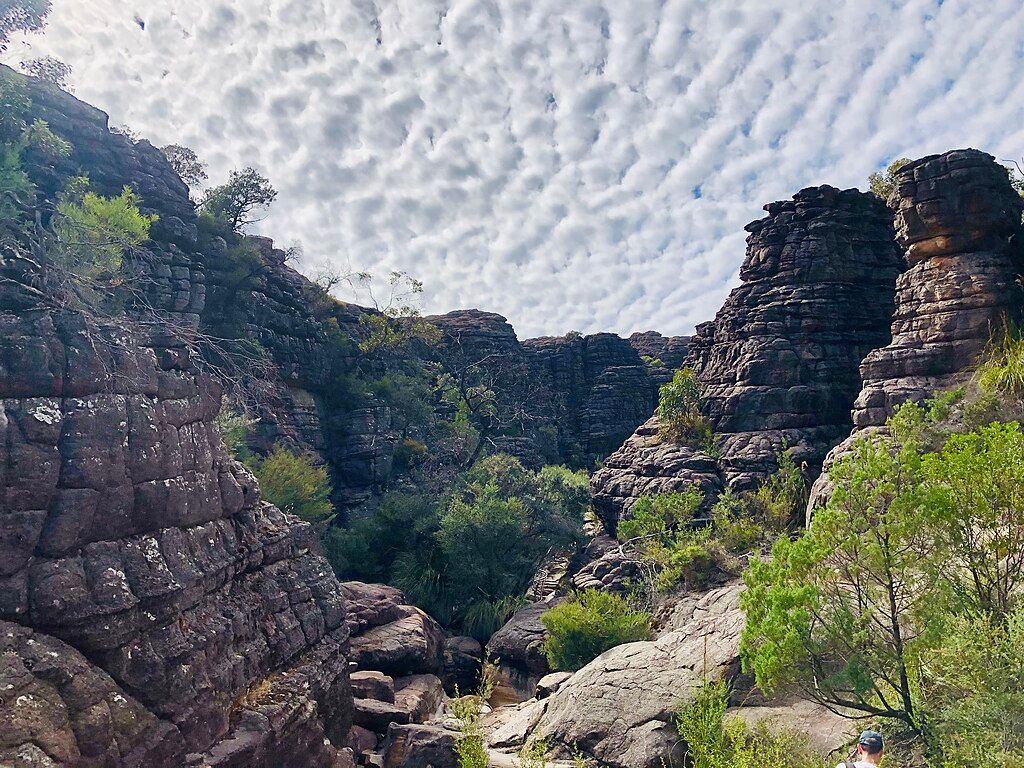
This case study highlights Gariwerd as a significant cultural landscape where Traditional Owners, conservationists, and climbers navigate tensions between cultural heritage protection and recreational use, emphasising the importance of Indigenous-led stewardship and respectful visitor engagement.
Case Study 5: Mutawintji National Park, New South Wales
This case study highlights Mutawintji National Park as a sacred cultural landscape where Traditional Owner-led management strengthens cultural continuity, conservation efforts, and community engagement on Country.
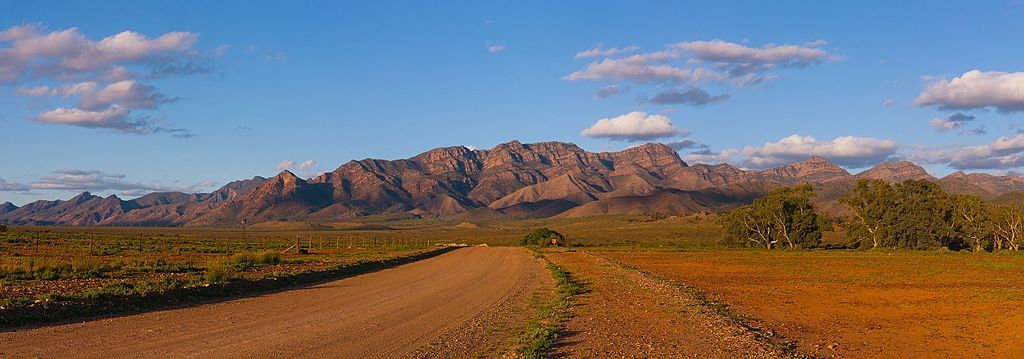
Case Study 6: Ikara-Flinders Ranges National Park, South Australia
This case study highlights Ikara–Flinders Ranges National Park as a place where deep cultural significance, co-management leadership, and large-scale conservation efforts reflect the enduring relationship between the Adnyamathanha people and their Country.
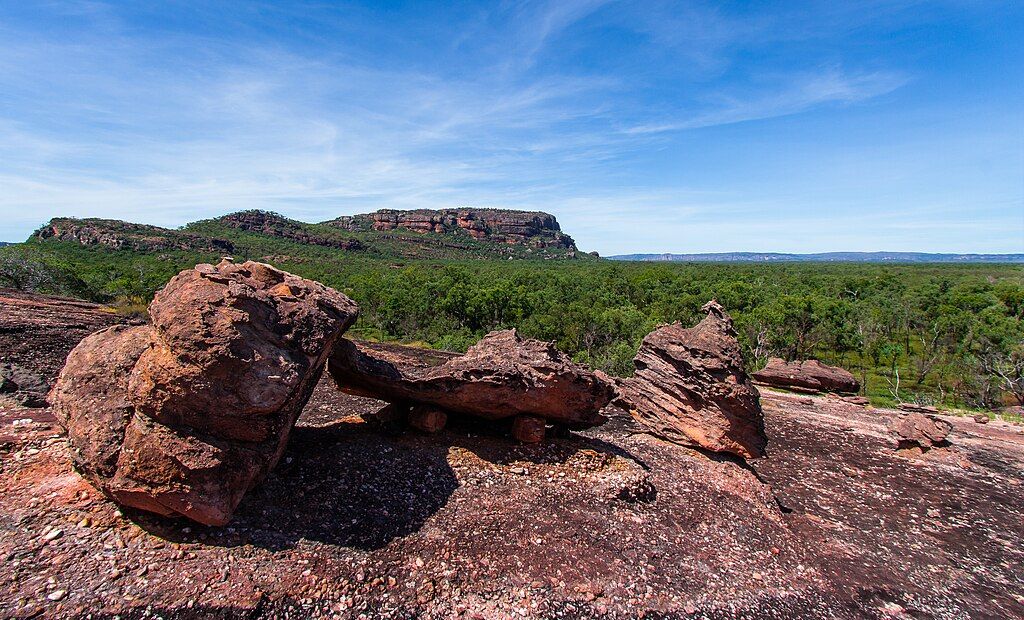
Case Study 7: Warddeken Indigenous Protected Area, Northern Territory
This case study highlights the Warddeken Indigenous Protected Area as a globally significant cultural and ecological landscape where Traditional Owner–led land management revitalises cultural knowledge, protects biodiversity, and supports community wellbeing on Country.
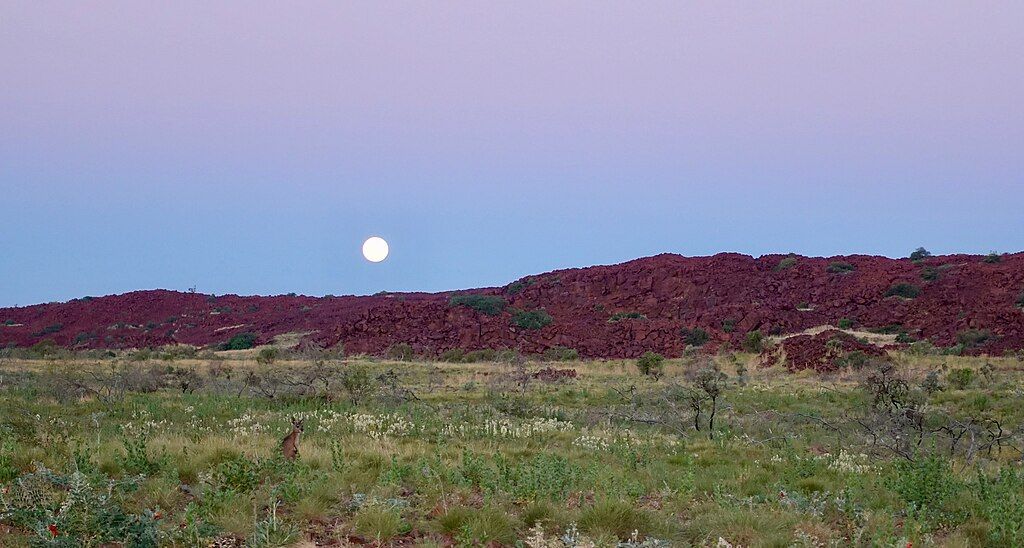
Case Study 8: Murujuga (Burrup Peninsula), Western Australia
This case study highlights Murujuga as one of the world’s most significant rock art landscapes, where ancient cultural heritage is safeguarded by Traditional Owners amid escalating threats from industrial development and pollution.

Case Study 9: Ancient Trackways of Mer, Murray Islands, Torres Strait, Qld
This case study highlights the ancient Waiet trackways of the Murray Islands as sacred ceremonial paths linking land, sea, and ancestral stories, now being revitalised through community-led cultural renewal in the face of colonisation and climate change.