Home/Curriculum resources/Protecting sites of significance/Case Study 1: Carnarvon Gorge, Queensland
Learning Area:
Humanities and Social Sciences
Year levels:
Level 7, Level 8
Case Study 1: Carnarvon Gorge, Queensland
This case study is a part of the Protecting sites of significance resource.
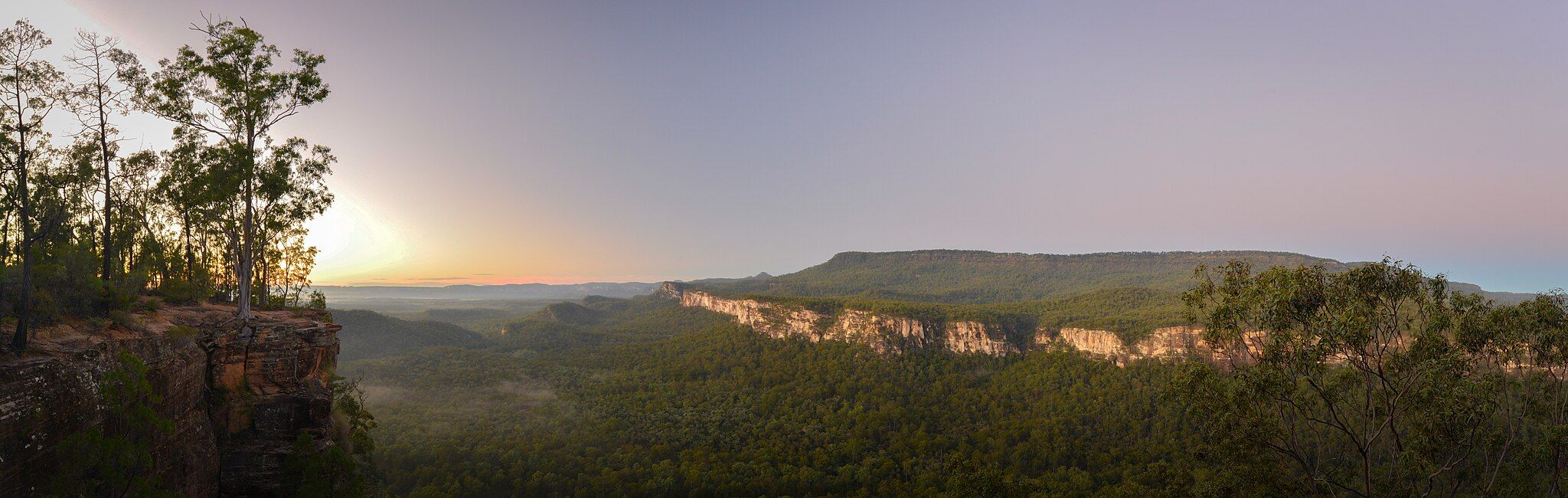
Carnarvon Gorge, Boolinda Bluff. Location: Queensland. Photographer: Will Brown. Source: Wikimedia Commons. Used under licence: CC BY-SA 2.0.

Case Study 1: Carnarvon Gorge
Carnarvon Gorge is located in a remote area of the Southern Central Highlands of Queensland and home to rock art that showcases complex cultural and spiritual systems. Then, as now, Carnarvon Gorge is a meeting place, where four surrounding Aboriginal groups came together: Kara Kara to the north, Karingbal to the east, Nguri to the south, and Bidjara to the west. A place central to cultural exchange and the middle point to a spiderweb of complex trade networks, Carnarvon Gorge has a great deal to teach us. As a result of this cultural exchange, the Brown River People, the ‘Kairi, Nuri, Longabulla, Wadja and the Yiman’ identify with the gorge as well. The Dreaming states that Mundagurra carved out the sandstone of Carnarvon Gorge, dipping in and out of the water, producing the many different elevations at the Gorge. The Gorge is a place of learning, with known sites for men’s and women’s business.
Carnarvon National Park in central Queensland is a major natural attraction, drawing visitors to its captivating geography. As a gorge, it is a narrow valley between two large mountains, created throughout a long period of erosion. The park contains towering white sandstone cliffs, deep gorges, and picturesque creeks lined with greenery as a result of the variety of elevations within the park, the site is also home to multiple microclimates. Established and named as Carnarvon National Park in 1932, the National Park is in place to secure scenic landscapes, important Aboriginal sites of significance and key geological sites. The park features ancient rock art, engravings, and free-hand paintings, that include Ceremonial sites as well as regular living places.
What sites of significance are located within Carnarvon Gorge National Park
The gorge is home to numerous culturally significant sites, including Baloon Cave and a wealth of ancient rock art and artefacts, which depict Dreaming stories, ceremonial practices, and daily life over thousands of years. It is a vital place for cultural storytelling and connection to Country, linking past generations with the present. Ecologically, Carnarvon Gorge supports a diverse range of habitats and species, some of which are unique to the region.
Important sites within the National Park include:
the Art Gallery (The Art Gallery can be viewed closely within the Marking Country website)
Moss Garden
Amphitheatre, and
Boowinda Gorge walk.
It’s important to note that the entire landscape is itself important, and a site of significance, not just these locations alone.
Carnarvon’s Custodian
Bidjara Elder, Uncle Fred 'Cotto' Conway OAM, is known for his lifelong commitment to Carnarvon Gorge and communicator of Aboriginal knowledge. Under the Nature Conservation Act, he was named as an honorary protector of Carnarvon National Park. He was awarded an Order of Australia medal for his work on the ‘seasonal ranger program’, a system where Aboriginal youth could be mentored by Uncle Fred. As a senior knowledge holder, he is entrusted to carrying knowledge for the Bidjara community and has devoted his life to sharing this knowledge with others and caring for Carnarvon Gorge.
Uncle Fred’s contributions extend beyond mentorship, playing a vital role in cultural preservation and environmental conservation at Carnarvon Gorge. His deep knowledge of the area’s sacred sites and ecological systems informs land management practices that balance Traditional Ecological Knowledge with contemporary conservation efforts. By leading guided tours, he educates the wider community on Bidjara heritage, fostering awareness and respect for Indigenous perspectives on Country. His work reinforces the importance of Aboriginal custodianship in maintaining cultural landscapes, ensuring that future generations inherit both the knowledge and responsibility to protect them.
National Park mismanagement
To accommodate the many visitors to the National Park and make their walking and viewing more accessible, a number of structures have been erected to mixed effect.
The viewing platform at Baloon Cave (2014)
A platform was constructed at Baloon Cave to protect the rock art from tourist impact, but it was built without the consent of the Traditional Owners, causing significant discontent and reflecting a lack of meaningful engagement with them.
Bidjara rock archive fire (2018)
A catastrophic fire destroyed significant rock art within the gorge, the fire was aided by a flammable recycled plastic viewing platform that contributed to the fire. Traditional Owners expressed concern that their exclusion from fire management practices contributed to inadequate protection of culturally significant sites.
The Queensland Parks and Wildlife Service (QPWS) oversees the management of Carnarvon National Park. However, collaboration with all Traditional Owners has historically been limited. Efforts have been made in recent years to involve the Bidjara people and other Traditional Owners in advisory roles, though a formal co-management structure has yet to be implemented.
As a result of the 2014 and 2018 incidents, infrastructure such as pathways and platforms have been constructed to minimise tourist impact on culturally sensitive areas, though not always with proper consultation.
Challenges and missed opportunities
The lack of meaningful collaboration has led to decisions that do not fully respect or prioritise Traditional Owner knowledge and cultural heritage. Events like the fire in 2018 highlight the need for Traditional Ecological Knowledge to play a central role in land and fire management within the National Park
Possible future directions
Formal co-management: Establishing a formal co-management agreement between Traditional Owners and QPWS would ensure Traditional Custodians have greater authority in decisions regarding cultural and environmental preservation.
Incorporation of Traditional Ecological Knowledge: Integrating Traditional Ecological Knowledge into conservation practices would enhance the protection of cultural and natural values.
Education and awareness: Increased efforts to educate visitors about the significance of the site and the stories tied to the land would promote respect and understanding.
Related case studies within this resources:
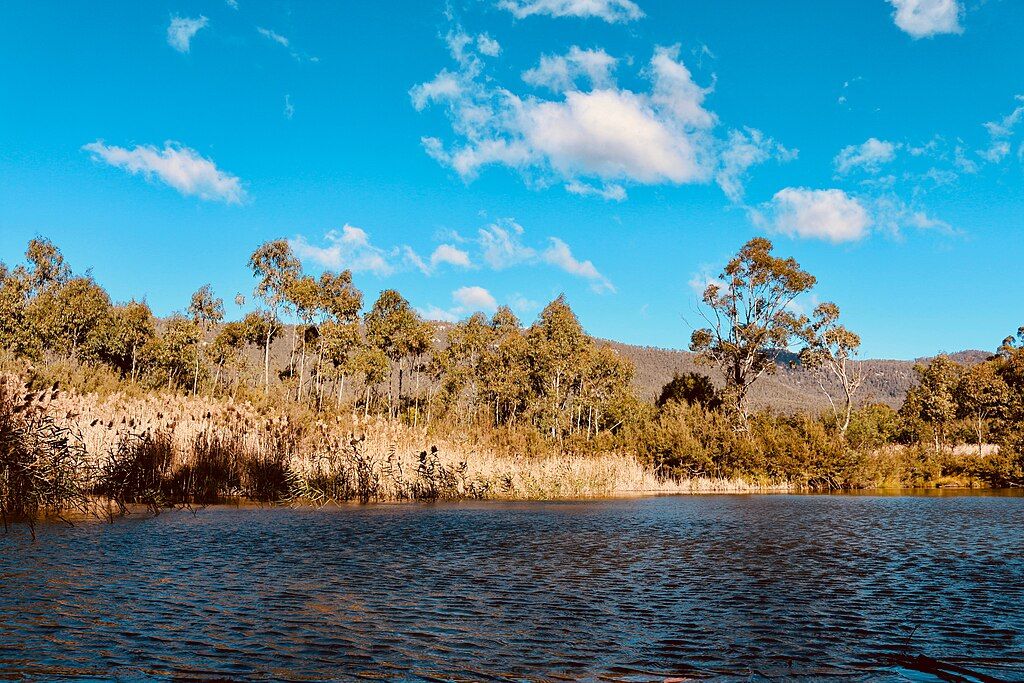
Case Study 2: Tidbinbilla Nature Reserve, Australian Capital Territory
This case study highlights how Tidbinbilla Nature Reserve embodies the deep cultural, spiritual, and ecological significance of Ngunnawal Country through collaborative land stewardship, conservation, and ongoing cultural practices.
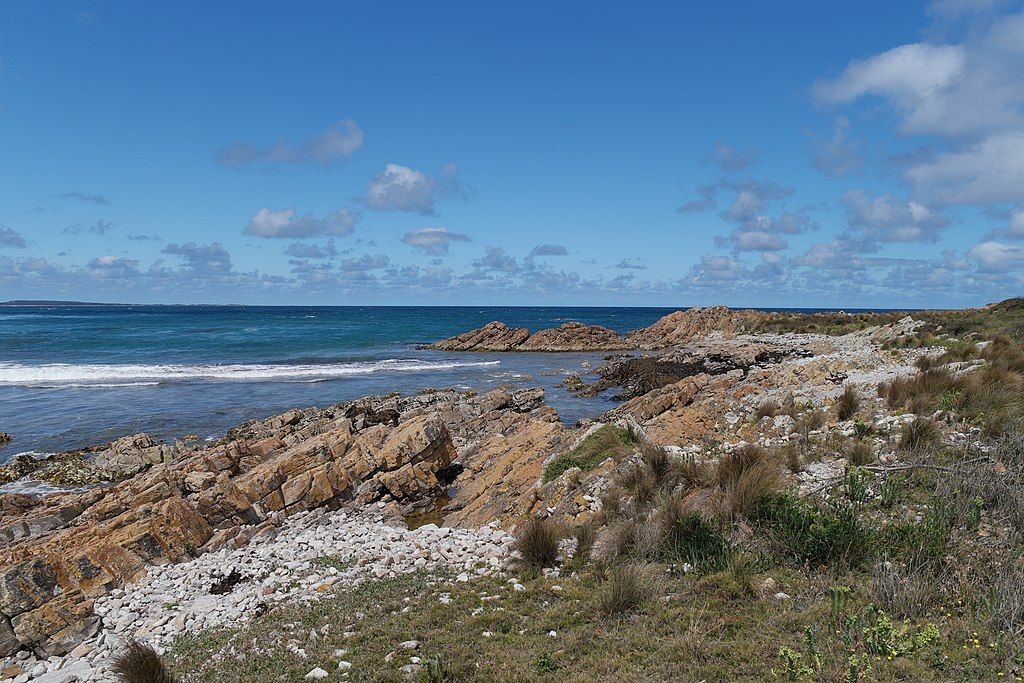
Case Study 3: Arthur-Pieman Conservation Area, Tasmania
This case study highlights the Arthur-Pieman Conservation Area as a culturally significant landscape under threat, where ongoing tensions between recreational use and heritage protection highlight the urgent need for stronger custodianship and conservation of Aboriginal sites.
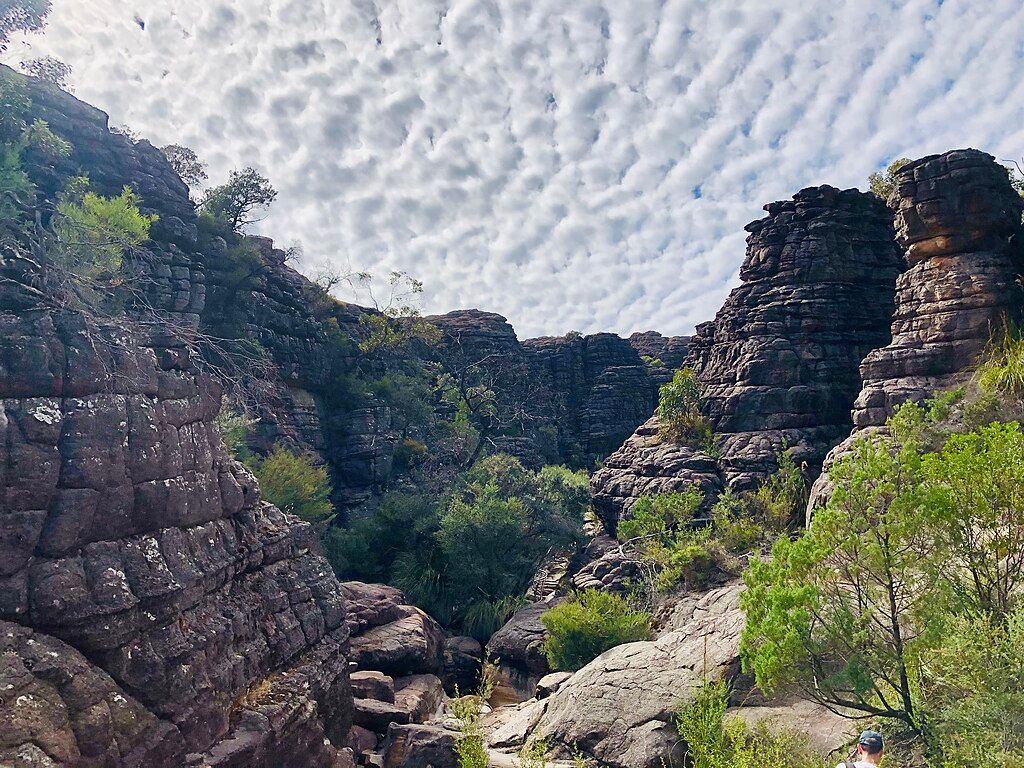
Case Study 4: Gariwerd (Grampians National Park), Victoria
This case study highlights Gariwerd as a significant cultural landscape where Traditional Owners, conservationists, and climbers navigate tensions between cultural heritage protection and recreational use, emphasising the importance of Indigenous-led stewardship and respectful visitor engagement.
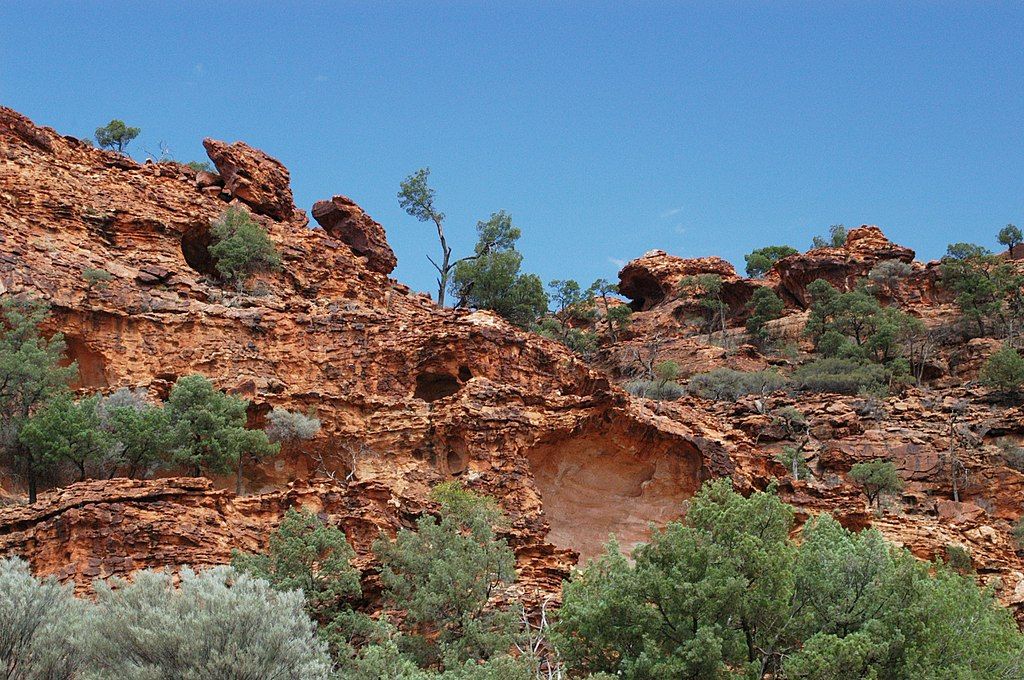
Case Study 5: Mutawintji National Park, New South Wales
This case study highlights Mutawintji National Park as a sacred cultural landscape where Traditional Owner-led management strengthens cultural continuity, conservation efforts, and community engagement on Country.
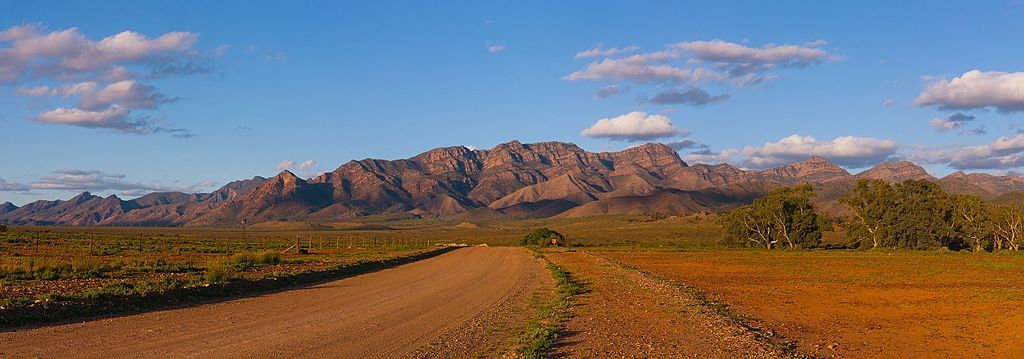
Case Study 6: Ikara-Flinders Ranges National Park, South Australia
This case study highlights Ikara–Flinders Ranges National Park as a place where deep cultural significance, co-management leadership, and large-scale conservation efforts reflect the enduring relationship between the Adnyamathanha people and their Country.
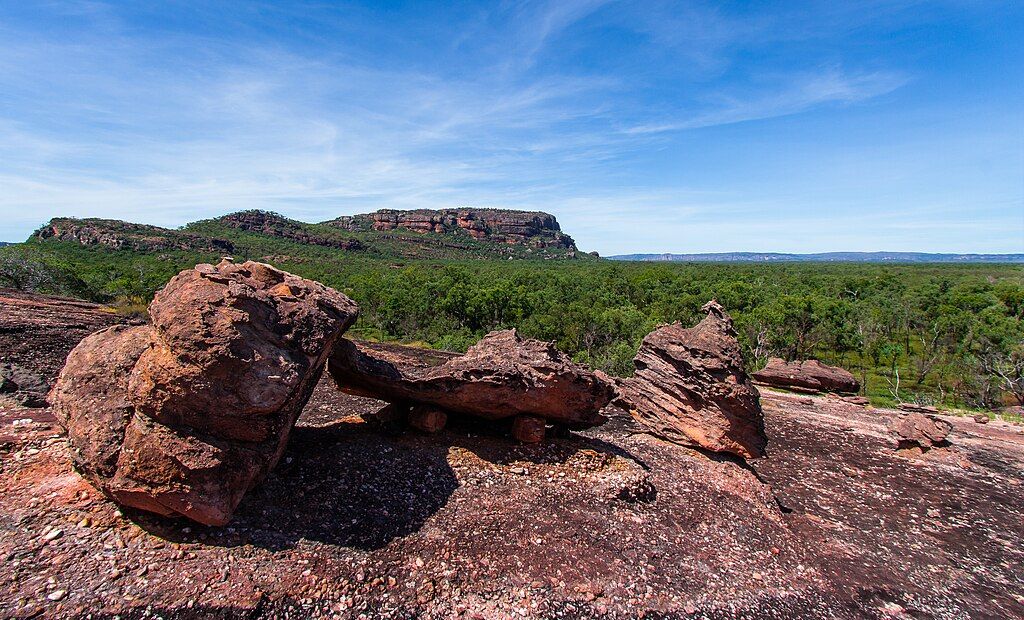
Case Study 7: Warddeken Indigenous Protected Area, Northern Territory
This case study highlights the Warddeken Indigenous Protected Area as a globally significant cultural and ecological landscape where Traditional Owner–led land management revitalises cultural knowledge, protects biodiversity, and supports community wellbeing on Country.
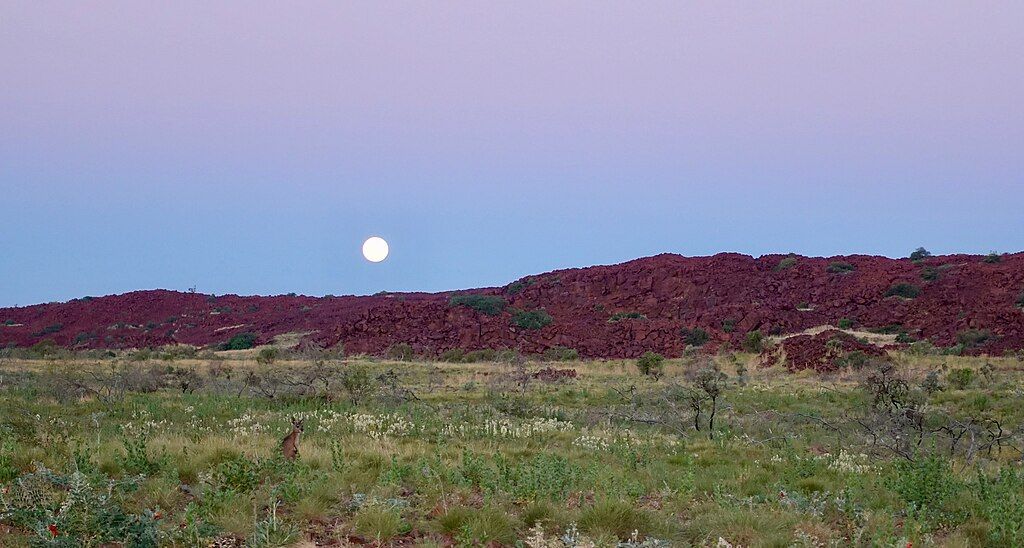
Case Study 8: Murujuga (Burrup Peninsula), Western Australia
This case study highlights Murujuga as one of the world’s most significant rock art landscapes, where ancient cultural heritage is safeguarded by Traditional Owners amid escalating threats from industrial development and pollution.
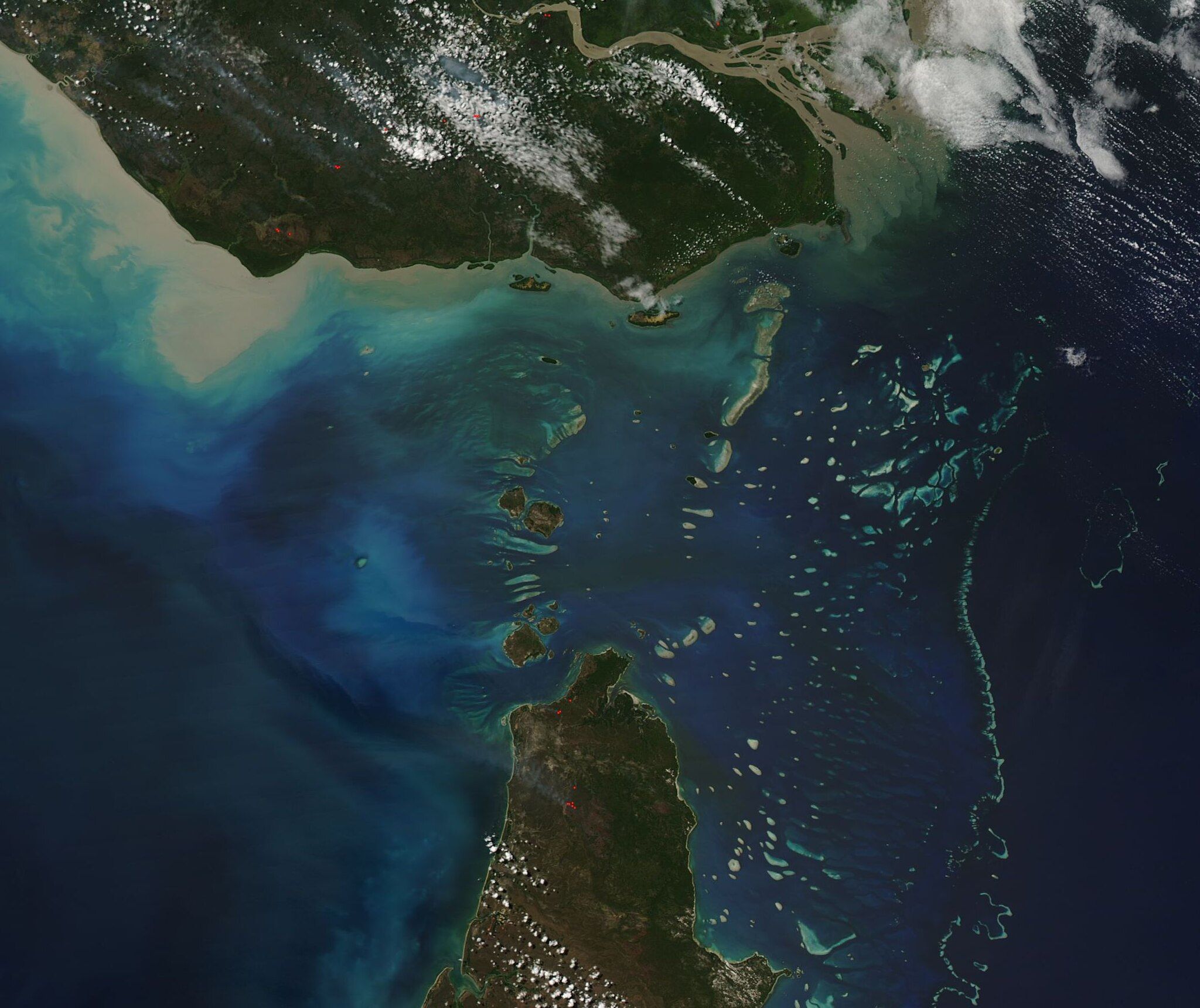
Case Study 9: Ancient Trackways of Mer, Murray Islands, Torres Strait, Qld
This case study highlights the ancient Waiet trackways of the Murray Islands as sacred ceremonial paths linking land, sea, and ancestral stories, now being revitalised through community-led cultural renewal in the face of colonisation and climate change.