Home/Curriculum resources/Protecting sites of significance/Case Study 7: Warddeken Indigenous Protected Area, Northern Territory
Learning Area:
Humanities and Social Sciences
Year levels:
Level 7, Level 8
Case Study 7: Warddeken Indigenous Protected Area, Northern Territory
This case study is a part of the Protecting sites of significance resource.
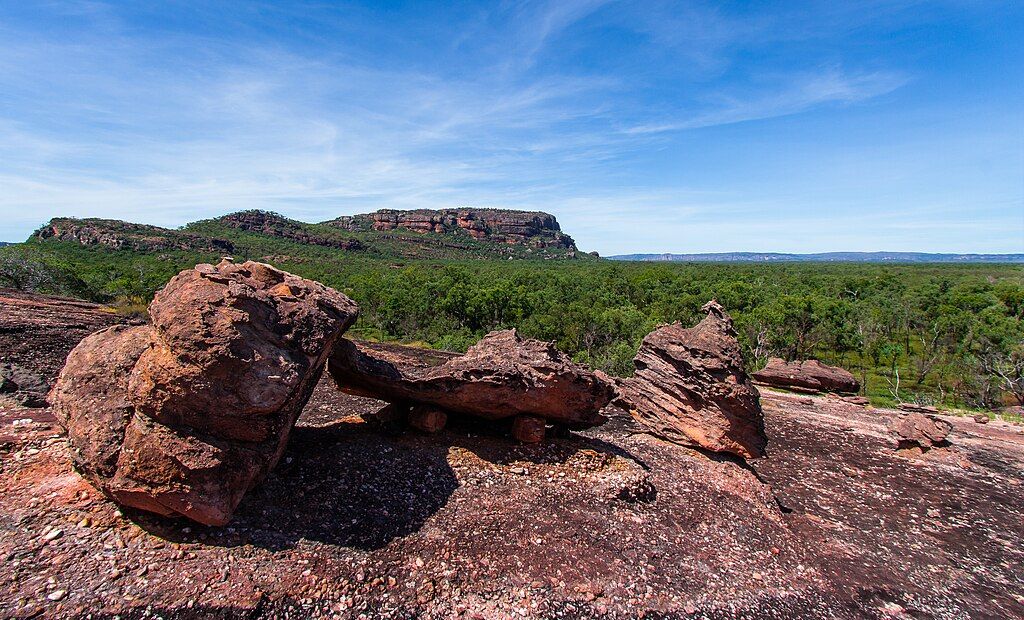
Nourlangie Rock from Nawurlandja Lookout. Location: Northern Territory. Photographer: Ahmad Zulfa. Source: Wikimedia Commons. Used under licence: CC BY-SA 4.0.

Case Study 7: Warddeken Indigenous Protected Area, Northern Territory
A site of significance
The Warddeken Indigenous Protected Area (IPA) is a sanctuary for biodiversity, home to dozens of endemic plant species and numerous threatened animals, including the bustard, northern quoll, black wallaroo, Arnhem Land rock-rat, and the Oenpelli python 0 . Additionally, it protects the federally listed Arnhem Plateau Sandstone Shrubland Complex and serves as the headwaters for major river systems, including the Katherine, East Alligator, South Alligator, Goomadeer, Mann, Liverpool, and Cadell rivers, making it critical for regional water health 0 .
Beyond its ecological importance, the Warddeken IPA is an unparalleled cultural landscape, with tens of thousands of rock art and occupation sites that provide evidence of Aboriginal habitation stretching back tens of thousands of years. These ancient rock paintings depict creation stories, daily life, and even early encounters with European settlers.
Management of the IPA
IPAs are areas of land and sea managed by First Nations groups to protect and conserve biodiversity and cultural values, in line with Traditional Owner objectives 0 . The Warddeken IPA consists of approximately 1.4 million hectares of stone and gorge country in West Arnhem Land, Northern Territory (NT) and was declared in September 2009 0 .
The land belongs to Nawarddeken, who are Traditional Owners from at least 30 groups of the Bininj Kunwok language group 0 . Traditional owners of the Warddeken IPA established Warddeken Land Management Ltd. in 2007. As an Aboriginal-owned, not-for-profit organisation, it integrates traditional ecological knowledge with western science to safeguard one of Australia’s most ecologically and culturally significant landscapes.
Operating from ranger bases in the remote communities of Kabulwarnamyo, Mamardawerre, and Manmoyi in western Arnhem Land, the organisation employs around 150 Indigenous rangers annually on a casual basis. These rangers lead a range of initiatives, including fire management and carbon abatement, weed and feral animal control, rock art conservation, education, and cultural heritage management, ensuring the continued protection of both the environment and cultural traditions.
Fire management (Manwurrk)
Warddeken Land Management helps reduce wildfires and cut greenhouse gas emissions by using a mix of traditional and modern fire practices. Through the West Arnhem Land Fire Abatement (WALFA) project, they work with businesses and the government to offset 100,000 tonnes of emissions each year, with profits going back into Indigenous ranger programs. Led by Traditional Owners, over 50 rangers carry out controlled burns to protect the land and share cultural fire knowledge.
Animals and diversity management (Mayh)
The Warddeken IPA covers most of the West Arnhem Plateau, which is home to many unique plants, animals, and ecosystems. Rangers combine traditional knowledge with modern science to protect wildlife, including the endangered Arnhem Plateau Sandstone Shrublands Complex, which they manage through strategic fire practices. Long-term monitoring projects, including a large-scale mammal survey in 2017, help track biodiversity and guide conservation efforts in this ecologically and culturally significant region.
Feral animal management
Feral Asian water buffalo are the biggest threat to the delicate wetlands of the Arnhem Plateau, causing serious ecological and cultural damage. Since complete eradication isn’t feasible, Warddeken rangers use targeted feral animal control, removing over 2,000 buffalo each year through aerial and ground culling. The buffalo meat is then distributed to landowners, following customary practices and ensuring strong community support for ongoing management.
Rock art documentation and conservation (Kunwarddebim)
The Warddeken IPA contains some of Australia's most valuable rock art. To protect these sites, rangers survey and document them, often traveling by foot or helicopter, and install exclusion fences to prevent damage from feral animals like buffalo and pigs.
Benefits of the Warddeken IPA
There are several significant social, economic, cultural, and environmental benefits generated by the Warddeken IPA for Nawarddeken Rangers, community members, government, and other stakeholders 0 .
The positive outcomes are largely driven by the time spent living and working on Country and the remoteness of the IPA. For rangers, key benefits include enhanced land stewardship, increased pride, and a stronger sense of identity. Community members benefit from having rangers and their families on Country and the revitalisation of cultural burning practices.
Related case studies within this resources:
Case Study 1: Carnarvon Gorge, Queensland
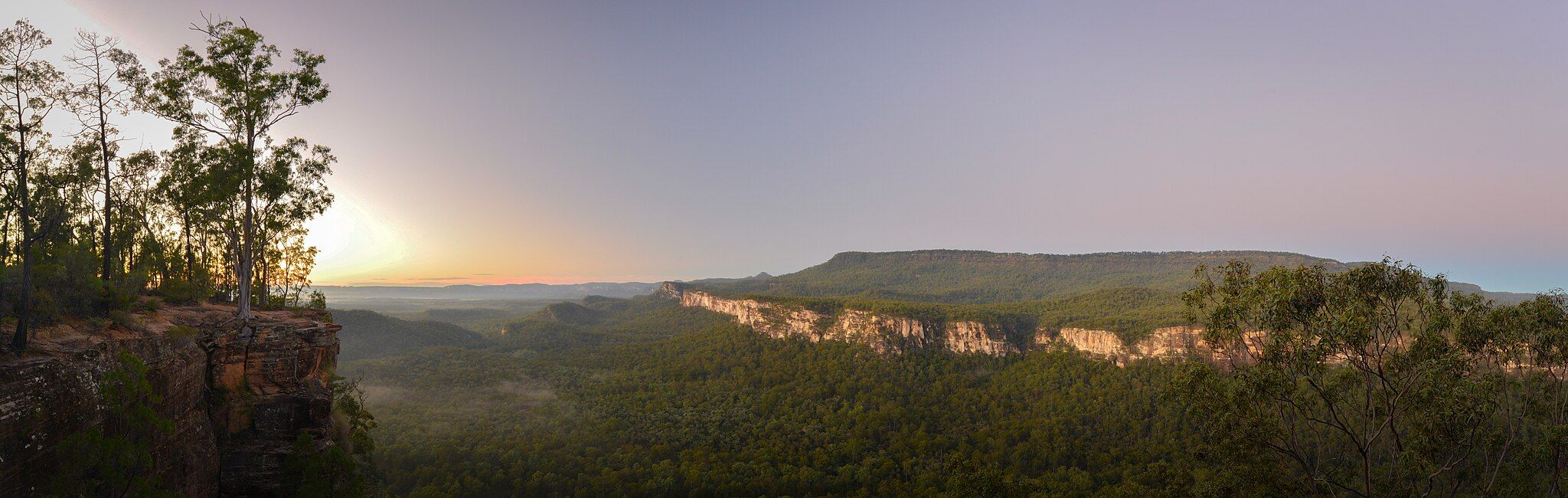
This case study highlights Carnarvon Gorge as a place of deep cultural significance, where rock art, enduring custodianship, and contemporary conservation challenges reveal the importance of Traditional Owner knowledge in caring for Country.
Case Study 2: Tidbinbilla Nature Reserve, Australian Capital Territory
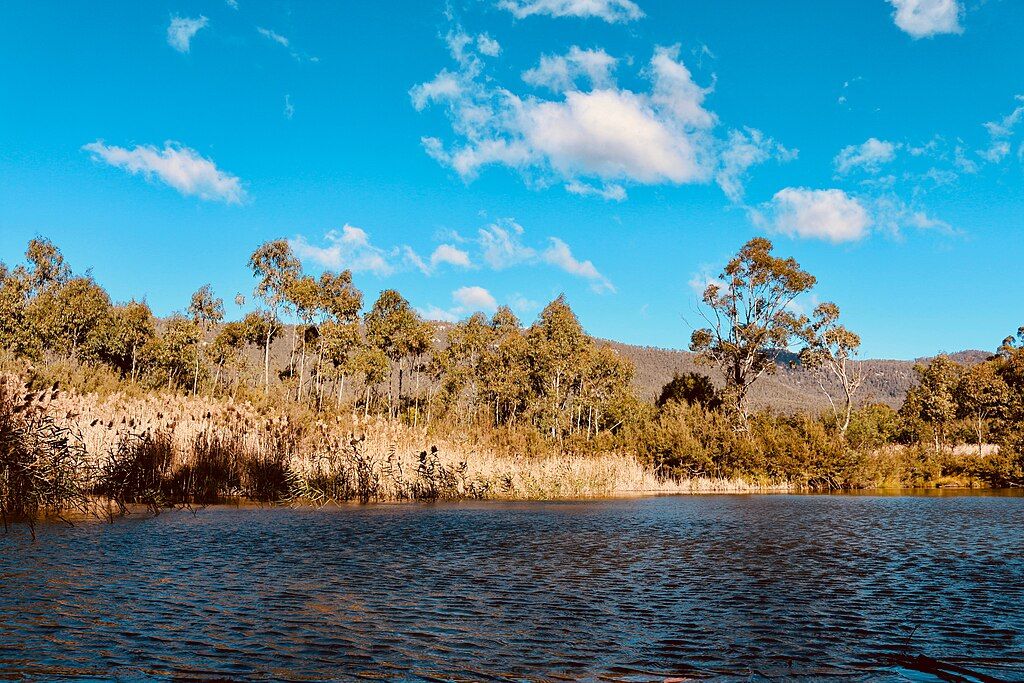
This case study highlights how Tidbinbilla Nature Reserve embodies the deep cultural, spiritual, and ecological significance of Ngunnawal Country through collaborative land stewardship, conservation, and ongoing cultural practices.
Case Study 3: Arthur-Pieman Conservation Area, Tasmania
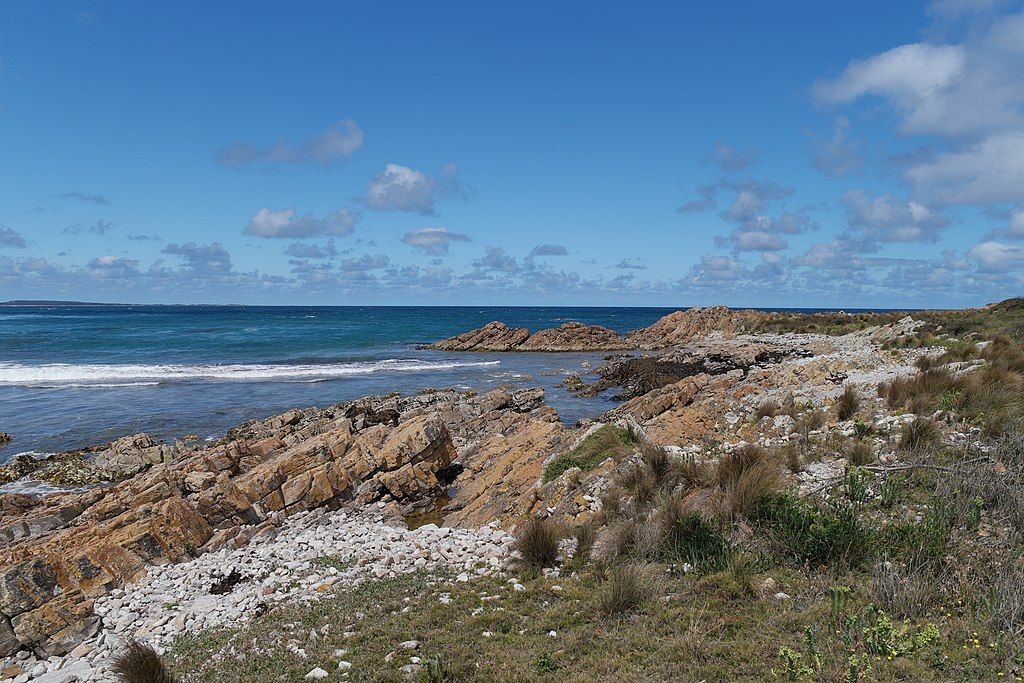
This case study highlights the Arthur-Pieman Conservation Area as a culturally significant landscape under threat, where ongoing tensions between recreational use and heritage protection highlight the urgent need for stronger custodianship and conservation of Aboriginal sites.
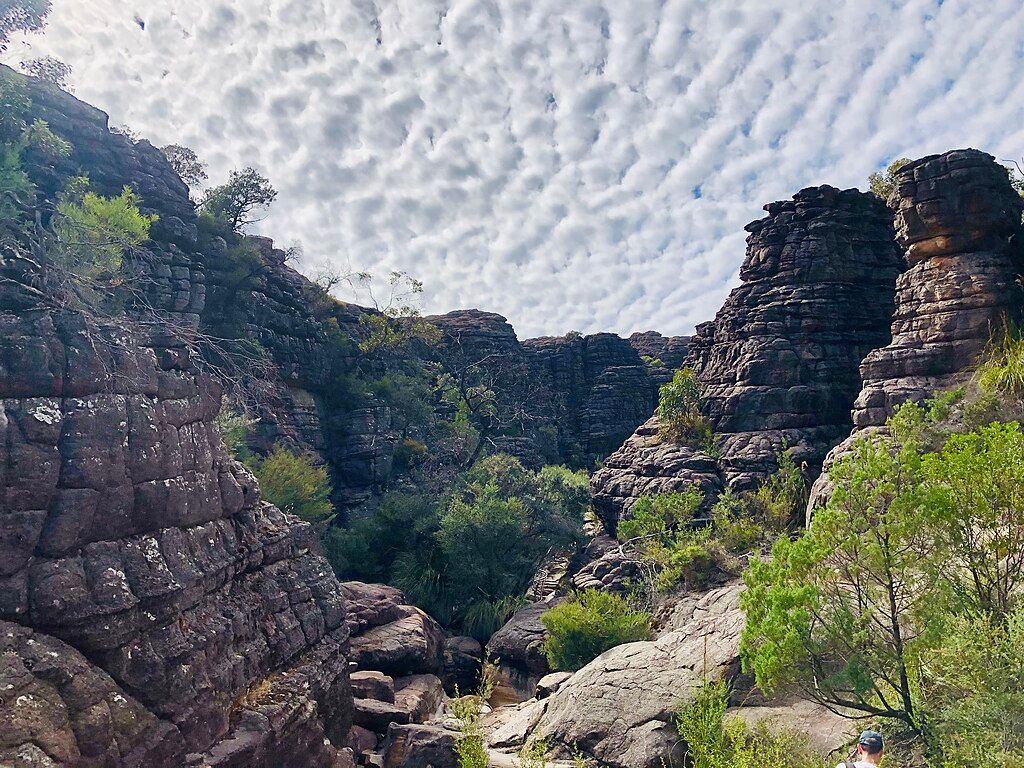
Case Study 4: Gariwerd (Grampians National Park), Victoria
This case study highlights Gariwerd as a significant cultural landscape where Traditional Owners, conservationists, and climbers navigate tensions between cultural heritage protection and recreational use, emphasising the importance of Indigenous-led stewardship and respectful visitor engagement.
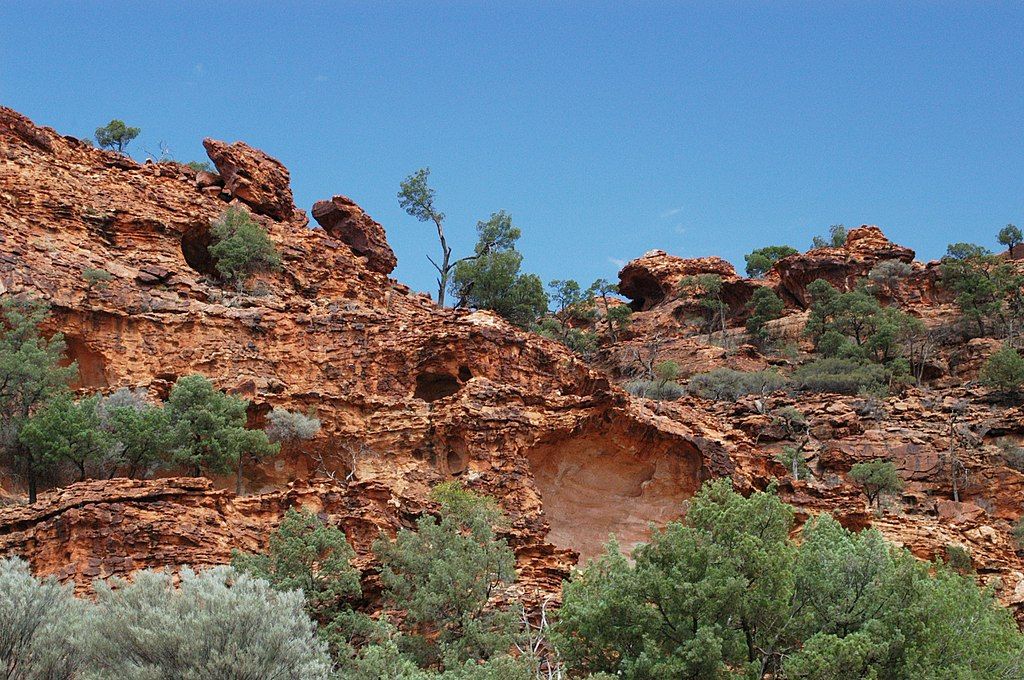
Case Study 5: Mutawintji National Park, New South Wales
This case study highlights Mutawintji National Park as a sacred cultural landscape where Traditional Owner-led management strengthens cultural continuity, conservation efforts, and community engagement on Country.
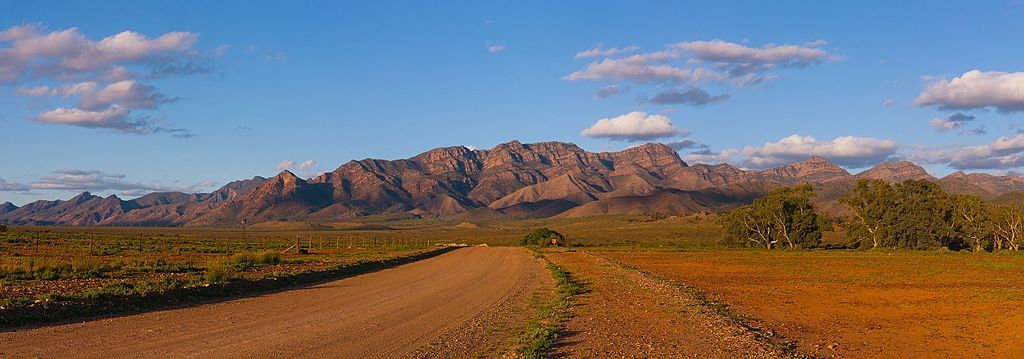
Case Study 6: Ikara-Flinders Ranges National Park, South Australia
This case study highlights Ikara–Flinders Ranges National Park as a place where deep cultural significance, co-management leadership, and large-scale conservation efforts reflect the enduring relationship between the Adnyamathanha people and their Country.
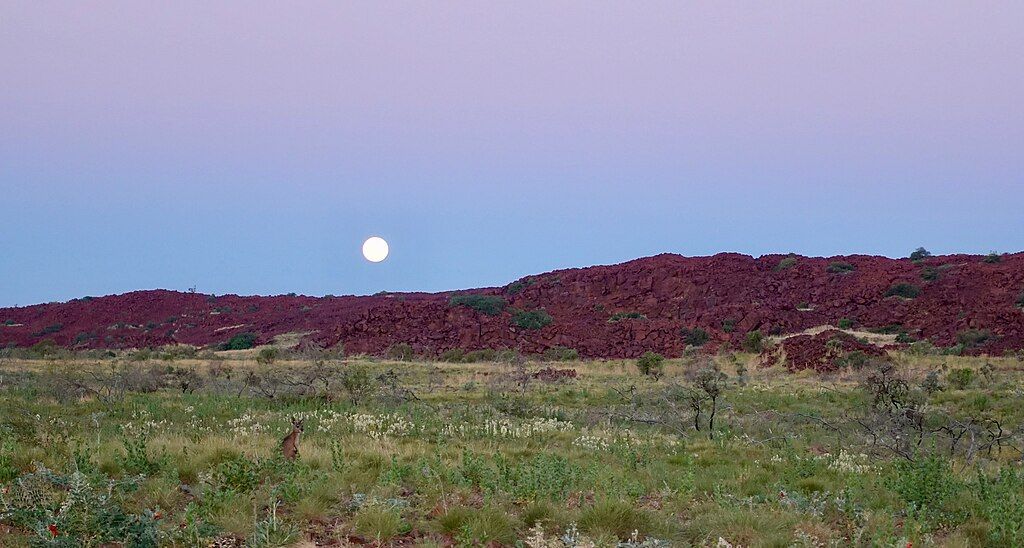
Case Study 8: Murujuga (Burrup Peninsula), Western Australia
This case study highlights Murujuga as one of the world’s most significant rock art landscapes, where ancient cultural heritage is safeguarded by Traditional Owners amid escalating threats from industrial development and pollution.
Case Study 9: Ancient Trackways of Mer, Murray Islands, Torres Strait, Qld
This case study highlights the ancient Waiet trackways of the Murray Islands as sacred ceremonial paths linking land, sea, and ancestral stories, now being revitalised through community-led cultural renewal in the face of colonisation and climate change.