Home/Curriculum resources/Protecting sites of significance/Case Study 4: Gariwerd (Grampians National Park), Victoria
Learning Area:
Humanities and Social Sciences
Year levels:
Level 7, Level 8
Case Study 4: Gariwerd (Grampians National Park), Victoria
This case study is a part of the Protecting sites of significance resource.
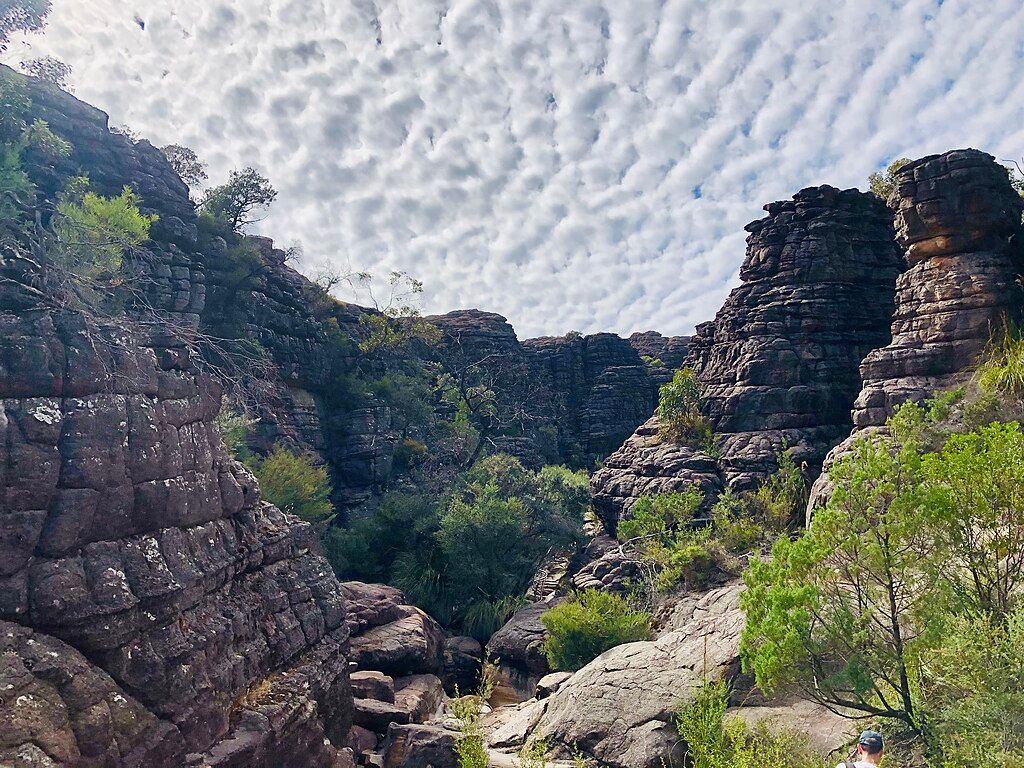
Grampians. Location: Victoria. Photographer: IDK Ramen. Source: Wikimedia Commons. Used under licence: Public Domain.

Case Study 4: Gariwerd (Grampians National Park), Victoria
Known as Gariwerd in Djab Wurrung and Jardwadjali languages, the Grampians have around 200 rock art sites, nearly 90% of all such sites in Victoria. The Victoria Range, with 77 identified rock art shelters so far, contains the highest concentration of these sites within Gariwerd. For Traditional Owners, the rock art, along with other archaeological and mythological places, represents a tangible and irreplaceable connection to an enduring aspect of their culture 0 .
Damage caused
Since the 1960s, Gariwerd has become well-known for its wide variety of rock climbs. The escalation of bouldering and bolting in the sandstone ranges of western Victoria, Australia, has caused noticeable damage to Aboriginal rock art sites in the Grampians National Park 0 . Climbers have caused environmental and cultural damage, including cutting their own paths to rock art sites, drilling climbing bolts into rock walls, squashing native plants and leaving chalk in sacred areas 0 .
Indigenous ranger Jake Goodes said seeing the damage was devastating. "To see there's fire rings, there's bolts, there's chalk all over the rock, vegetation's been cut, it's really heart-wrenching," he said 0 . John Clarke, one of the Eastern Marr traditional owners, stated "our heritage, our stories, our identity is just not up for debate, the value of these places is just not up for debate, and we need to protect these places" 0 .
Dylan Clarke, chairman of the Barengi Gadjin Land Council, which represents the Traditional Owners, in April shared that “there are things like graffiti and racist drawings on sacred colours. That just makes a mockery of our culture and heritage. When you see that stuff in our sacred areas, it really impacts you – that's heartbreaking." 0 .
Action
All Aboriginal places in Victoria are protected under the Aboriginal Heritage Act. According to the Act, an Aboriginal place is any area in Victoria or its coastal waters that holds cultural heritage significance to Aboriginal Peoples. It is illegal to harm or engage in activities likely to harm Aboriginal cultural heritage, regardless of whether its significance is known, except in exceptional circumstances.
In March 2023, more than 150 Aboriginal and Torres Strait Islander rangers and Elders from across Australia gathered on the lands of the Djab Wurrung, Jadawadajali people of the Wotjobaluk Nations and Gunditjmara people to share knowledge and experiences of Rock Art in the Gariwerd Cultural Landscape. The forum provided a platform for Aboriginal and Torres Strait Islander land managers to share challenges and explore opportunities related to the care of Rock Art and cultural heritage sites. A key outcome of the forum was the development of a "Practical Guide for Indigenous Rangers in Managing Rock Art Cultural Landscapes," addressing both the physical and intangible cultural values of these sites 0 . The guide emphasises the importance of Indigenous leadership in Rock Art management, a crucial and overdue shift.
As part of a conservation project in 2023, Gariwerd Traditional Owners and Parks Victoria worked with rock-climbers to remove more than 50 bolts and climbing chalk in one of the rock art shelters. Troy Lovett, Gariwerd Project Officer with the Gunditj Mirring Traditional Owners Aboriginal Cooporation (GMTOAC) said
“it was important having the three Traditional Owner groups coming and working together for this significant healing work. We held a smoking ceremony at the site each morning acknowledging the place, the people, and the Country, as well as a closing smoking at the completion of the works” 0 .
Debate
In March 2023, when Parks Victoria announced a climbing ban covering about a third of the park, some members of the climbing community have hit back, saying the number of climbers using the area and the damage they have been accused of causing have been overstated 0 . Other climbers acknowledge invaluable rock art may not have been properly cared for in the past, and want to work with Traditional Owners to protect the area 0 .
Gariwerd today
Today, the Aboriginal Cultural Heritage of Gariwerd is collaboratively managed by Parks Victoria, Aboriginal Victoria, and the individual Traditional Owner parties (Barengi Gadjin Land Council Aboriginal Corporation, Eastern Maar Aboriginal Corporation, Martang Pty Ltd and Gunditj Mirring Traditional Owners Aboriginal Corporation).
Currently, there are some rock-climbing bans in place to protect the rock art; however, rock climbing still takes place in Gariwerd. There are more than 100 designated rock-climbing areas in the landscape including 13 bouldering areas. Most of these areas have multiple climbs within them. A plan to increase knowledge of Aboriginal traditional land management and learning to heal Country is in place. It includes establishing protections for environmental habitats by reducing visitor impact.
Eastern Marr Traditional Owner John Clarke said Aboriginal people were happy to share the Grampians with climbers and tourists, but only if they treated them with respect 0 .
Related case studies within this resources:
Case Study 1: Carnarvon Gorge, Queensland
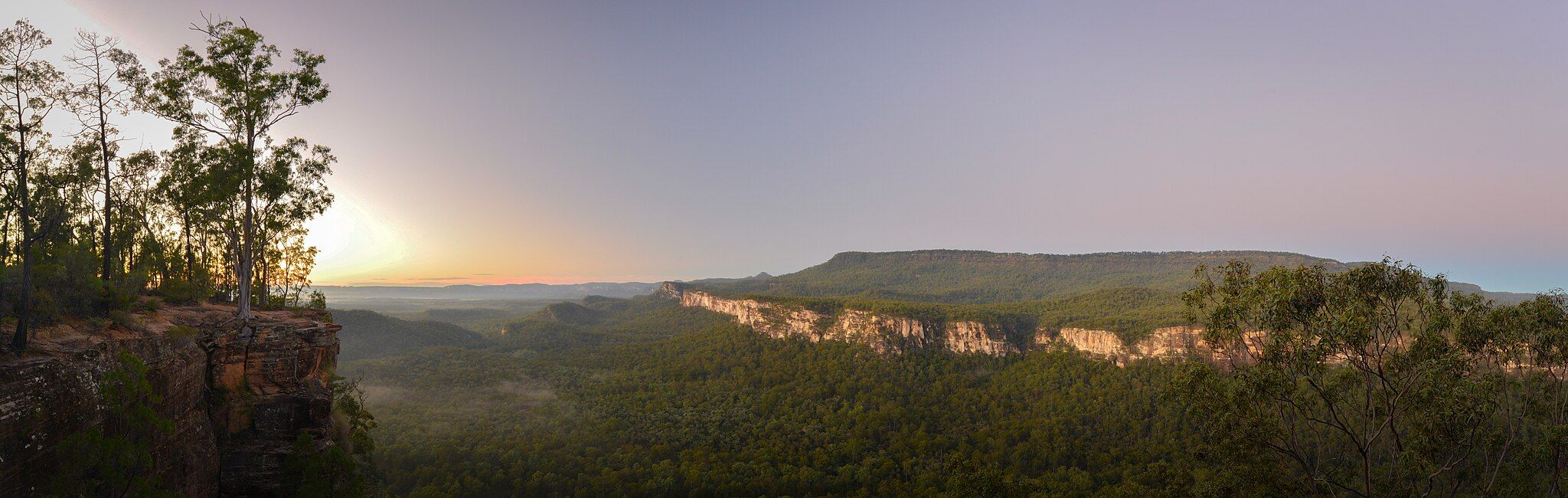
This case study highlights Carnarvon Gorge as a place of deep cultural significance, where rock art, enduring custodianship, and contemporary conservation challenges reveal the importance of Traditional Owner knowledge in caring for Country.
Case Study 2: Tidbinbilla Nature Reserve, Australian Capital Territory
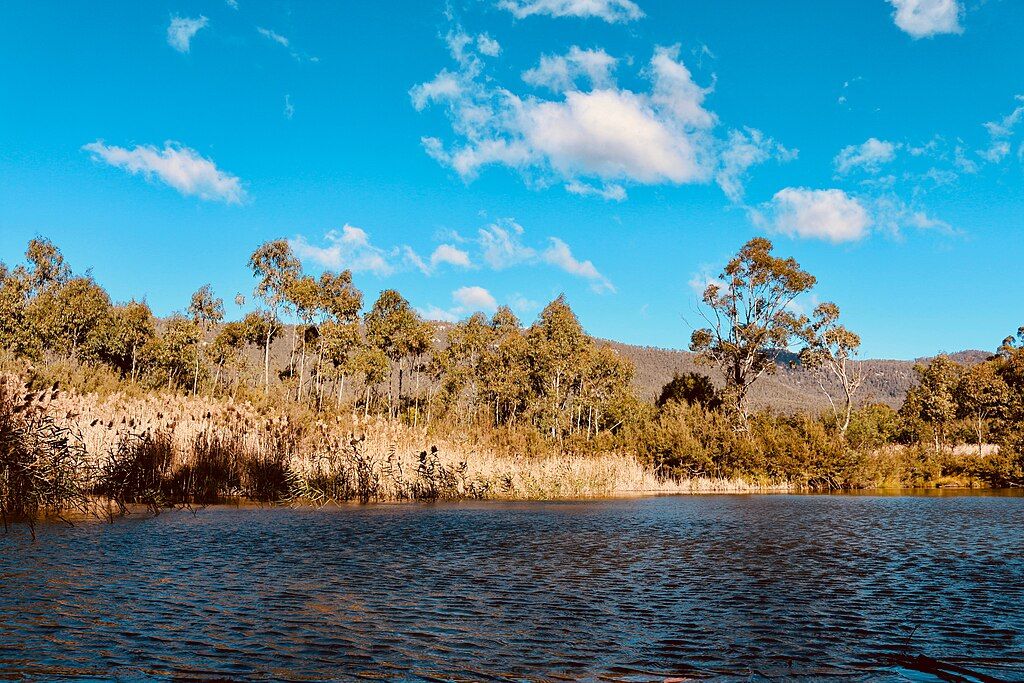
This case study highlights how Tidbinbilla Nature Reserve embodies the deep cultural, spiritual, and ecological significance of Ngunnawal Country through collaborative land stewardship, conservation, and ongoing cultural practices.
Case Study 3: Arthur-Pieman Conservation Area, Tasmania
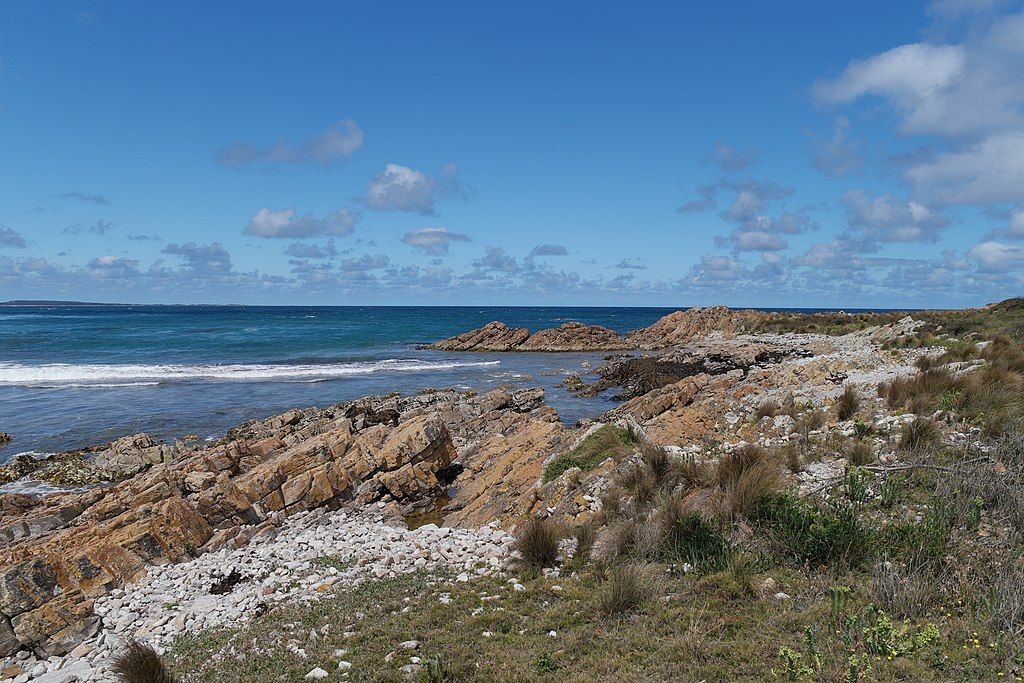
This case study highlights the Arthur-Pieman Conservation Area as a culturally significant landscape under threat, where ongoing tensions between recreational use and heritage protection highlight the urgent need for stronger custodianship and conservation of Aboriginal sites.
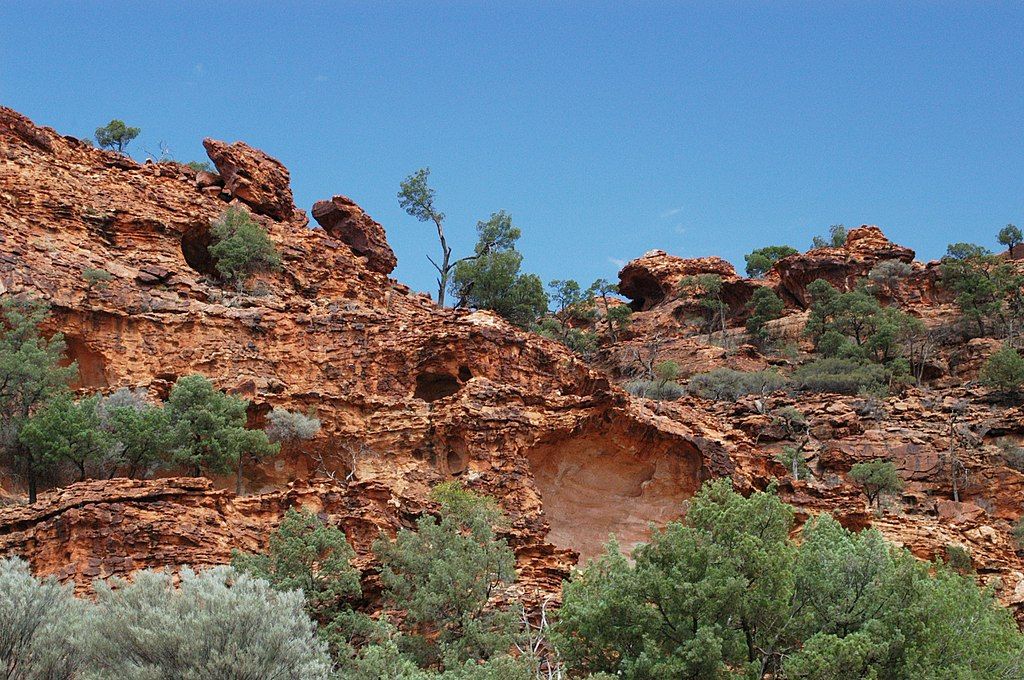
Case Study 5: Mutawintji National Park, New South Wales
This case study highlights Mutawintji National Park as a sacred cultural landscape where Traditional Owner-led management strengthens cultural continuity, conservation efforts, and community engagement on Country.
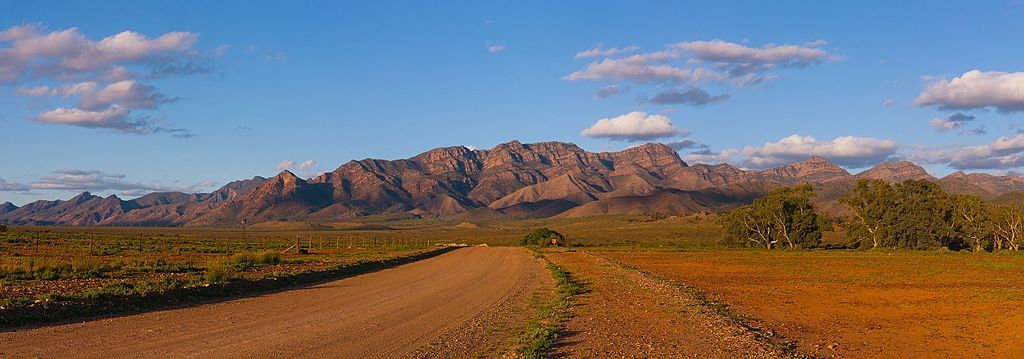
Case Study 6: Ikara-Flinders Ranges National Park, South Australia
This case study highlights Ikara–Flinders Ranges National Park as a place where deep cultural significance, co-management leadership, and large-scale conservation efforts reflect the enduring relationship between the Adnyamathanha people and their Country.
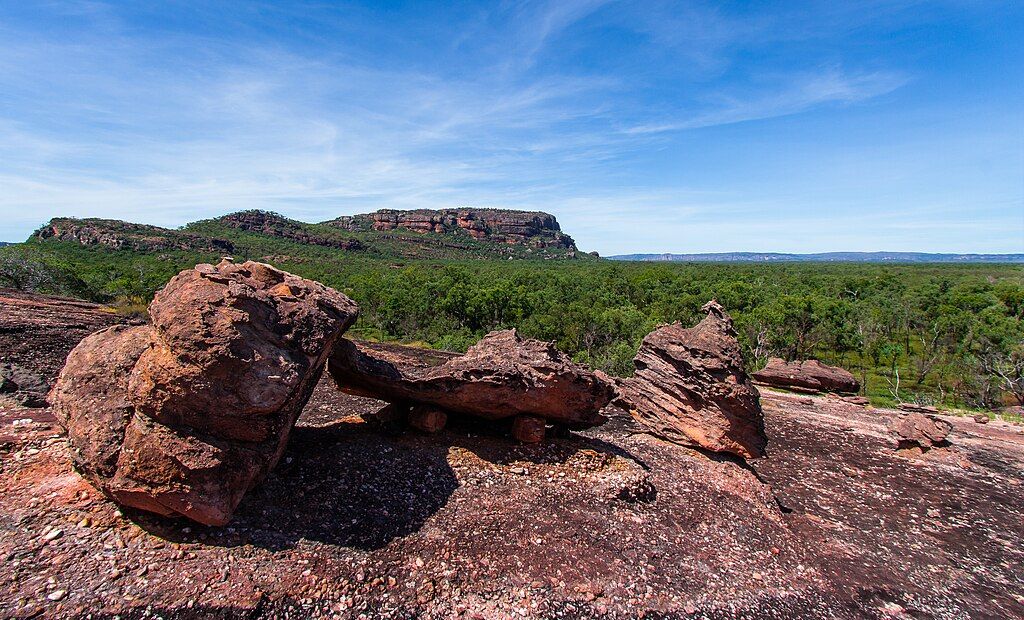
Case Study 7: Warddeken Indigenous Protected Area, Northern Territory
This case study highlights the Warddeken Indigenous Protected Area as a globally significant cultural and ecological landscape where Traditional Owner–led land management revitalises cultural knowledge, protects biodiversity, and supports community wellbeing on Country.
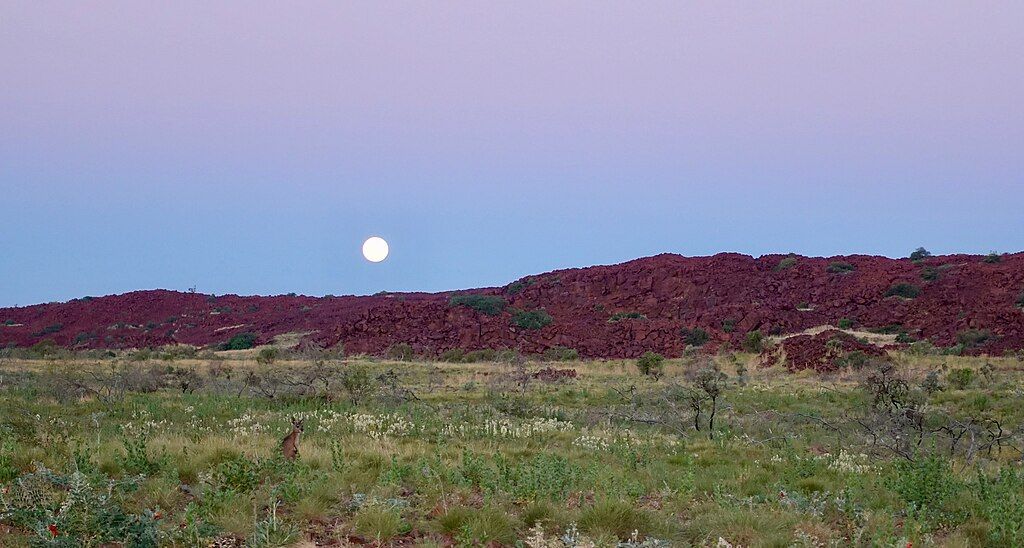
Case Study 8: Murujuga (Burrup Peninsula), Western Australia
This case study highlights Murujuga as one of the world’s most significant rock art landscapes, where ancient cultural heritage is safeguarded by Traditional Owners amid escalating threats from industrial development and pollution.
Case Study 9: Ancient Trackways of Mer, Murray Islands, Torres Strait, Qld
This case study highlights the ancient Waiet trackways of the Murray Islands as sacred ceremonial paths linking land, sea, and ancestral stories, now being revitalised through community-led cultural renewal in the face of colonisation and climate change.