Home/Curriculum resources/Protecting sites of significance/Case Study 3: Arthur-Pieman Conservation Area, Tasmania
Learning Area:
Humanities and Social Sciences
Year levels:
Level 7, Level 8
Case Study 3: Arthur-Pieman Conservation Area, Tasmania
This case study is a part of the Protecting sites of significance resource.
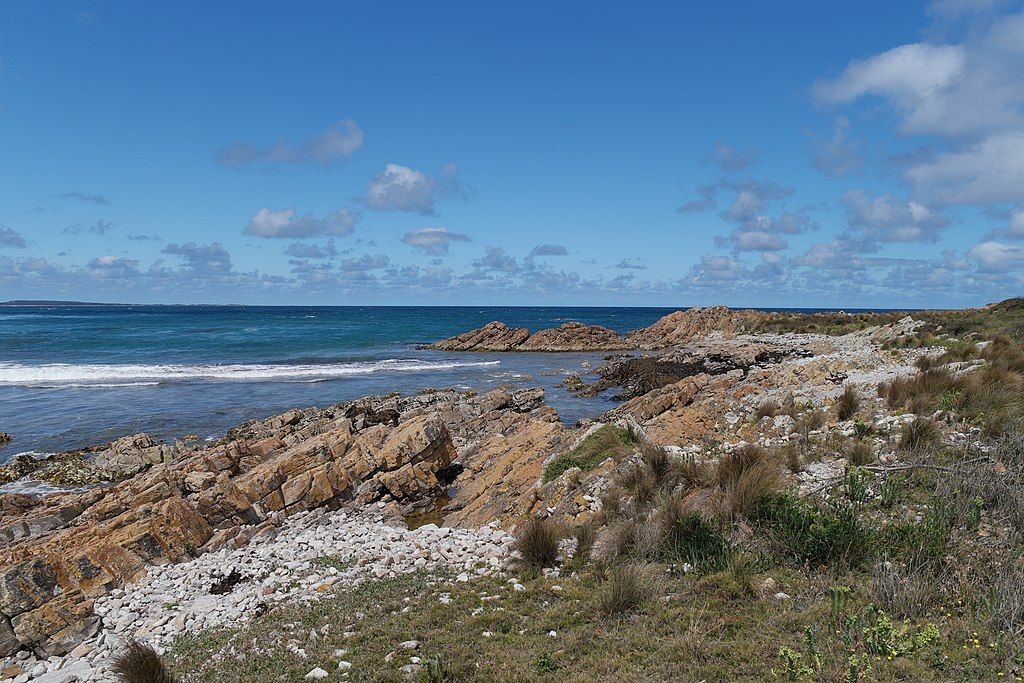
Arthur-Pieman Conservation Area. Location: Tasmania. Photographer: DHx1. Source: Wikimedia Commons. Used under licence: Public Domain.

Case Study 3: Arthur-Pieman Conservation Area, Tasmania
A site of significance
Stretching from the Arthur River in the north to the Pieman River in the south, the Arthur-Pieman Conservation Area (APCA) forms the western section of the larger takayna/Tarkine area. Vast middens, hut depressions, burial grounds and rock art are part of this powerful, cultural landscape. For Traditional Owners, the middens found in APCA represent a physical and spiritual link between past, present and future. They were formed as family groups gathered to eat around a campfire. Over time, the sand became layered with the spent meals of hundreds of generations of families. Shells are the most common component of these coastal middens, but they also contain stone artefacts and tools, animal bones, bone implements, ochre, charcoal and ash.
The APCA also provides an important corridor for migratory bird species and breeding habitat for native shorebirds, and comprises significant and diverse vegetation communities, including buttongrass moorland, rainforest and Sphagnum communities 0 .
APCA has been identified as ‘one of the world’s greatest archaeological regions’ in terms of Aboriginal heritage and numerous sites throughout the APCA are identified in the Register of the National Estate and protected under the Aboriginal Relics Act 1975.
Damaged caused
The APCA has been a popular recreational destination for many years, with a strong local culture of off-road vehicle use. 4WD permits allow access to the track network identified in the map of APCA attached to the permit. Many of these tracks are controversial due to their proximity to Aboriginal sites of significance. As enforcement is difficult, many permit-holders have been driving outside the designated areas, largely without penalty 0 . This activity can significantly impact threatened vegetation communities, alter coastal morphology, affect both resident and migratory shorebird populations, and result in the destruction of sites of Aboriginal cultural heritage significance. There has been a great deal of permanent damage done to middens by vehicles and cattle.
Sundown Point Petroglyph Sites
In 1999 vandals damaged the Aboriginal petroglyph (ancient rock carvings) sites at Sundown Point in the Arthur Pieman Conservation Area with spray paint. In 2022, more damage was reported2 despite the two sites being protected under the Aboriginal Heritage Act 1975. The Natural Resources and Environment Department launched an investigation and found that "The damage at the petroglyph site is consistent with the rock breaking along a natural fracture line as a result of natural weathering effects and storm waves, which are common in the area. Large driftwood logs battering the rock during storm activity may also be a contributing factor" 0 . Advocates reject the official statement of ‘natural forces’. Rebecca Digney from the Aboriginal Land Council of Tasmania said she was "absolutely devastated", with initial information suggesting they had been vandalised. "The petroglyphs appear to have been vandalised using a chisel or some sort of stone-working tool, we don't know much more except to say that it's significant," she said 0 .
Concern for these sites continues, Rodney Dillon from the Tasmanian Aboriginal Heritage Council said the state's Aboriginal Heritage Act needed to be strengthened to better protect the sites 0 . Installing cameras has been discussed; however, Dillon stated that "better education is needed to explain the importance and the significance of these sites.They are reflections of who we are. They are our museum. It's part of our history gone each time they are damaged. We can't get that back" 0 .
Arthur Pieman Conservation Area Management Plan
The 2002 Arthur Pieman Conservation Area Management Plan provides some protection for Aboriginal sites and acknowledges issues related to four-wheel-drive (4WD) use and cattle grazing 0 . However, the zoning system in the plan is inadequate for protecting cultural landscapes, as it prioritises recreation and visitor services over conservation 0 . Increased 4WD activity in the ‘Natural Zone’ is endangering Aboriginal sites.
In 2012, the Giddings government closed 37.2km of tracks within the nationally heritage-listed area in the Arthur-Pieman Conservation Area, on the coastline between Sandy Cape and the Pieman River. There are 144 individual registered Aboriginal Heritage sites within 500m of these tracks. An extensive network of tracks to the north of Sandy Cape remains open.
Despite research showing the risks of 4WD use, the Tasmanian government is suggesting the reopening of coastal 4WD access for tourism, undermining existing restrictions. The Commonwealth Environmental Protection and Biodiversity Conservation Act 1999 (EPBC Act 1999) remains the only legal safeguard, but its authority is being challenged by the Tasmanian Government, leaving the issue unresolved.
Arthur-Pieman Conservation Area Today
In 2021 the Tasmanian Government made the decision to not proceed with the submission of a Public Environment Report to the Australian Government under the Commonwealth Environment Protection and Biodiversity Conservation Act 1999 (EPBC Act) to reopen three tracks south of Sandy Cape in the Arthur-Pieman Conservation Area (APCA).
The recreational use of off-road vehicles in conservation areas, particularly coastal areas, remains a controversial issue throughout Tasmania. Balancing the local community’s strong desire for continued access for recreational driving with conservation objectives remains one of the most significant management issues for the APCA 0 .
Some education about the cultural significance of this site has been provided through Recreational Driving Guides, which include photos of midden sites to raise driver awareness. While a few midden sites have been fenced off, many 4WD tracks that pass through culturally significant areas continue to be used regularly.
Related case studies within this resources:
Case Study 1: Carnarvon Gorge, Queensland
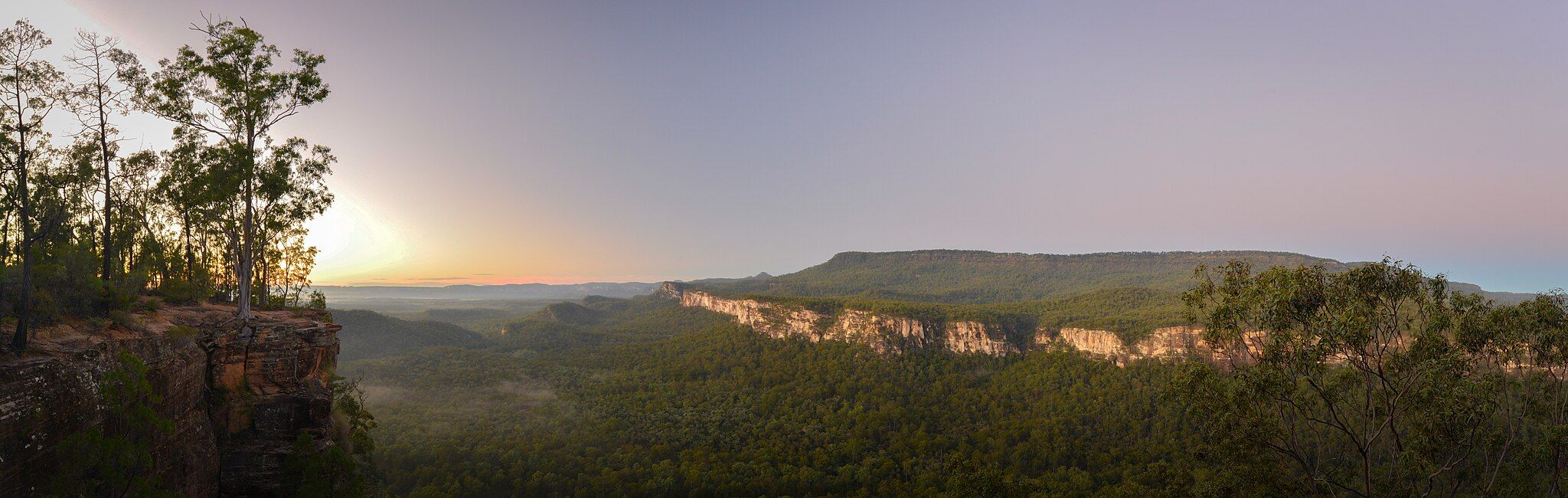
This case study highlights Carnarvon Gorge as a place of deep cultural significance, where rock art, enduring custodianship, and contemporary conservation challenges reveal the importance of Traditional Owner knowledge in caring for Country.
Case Study 2: Tidbinbilla Nature Reserve, Australian Capital Territory
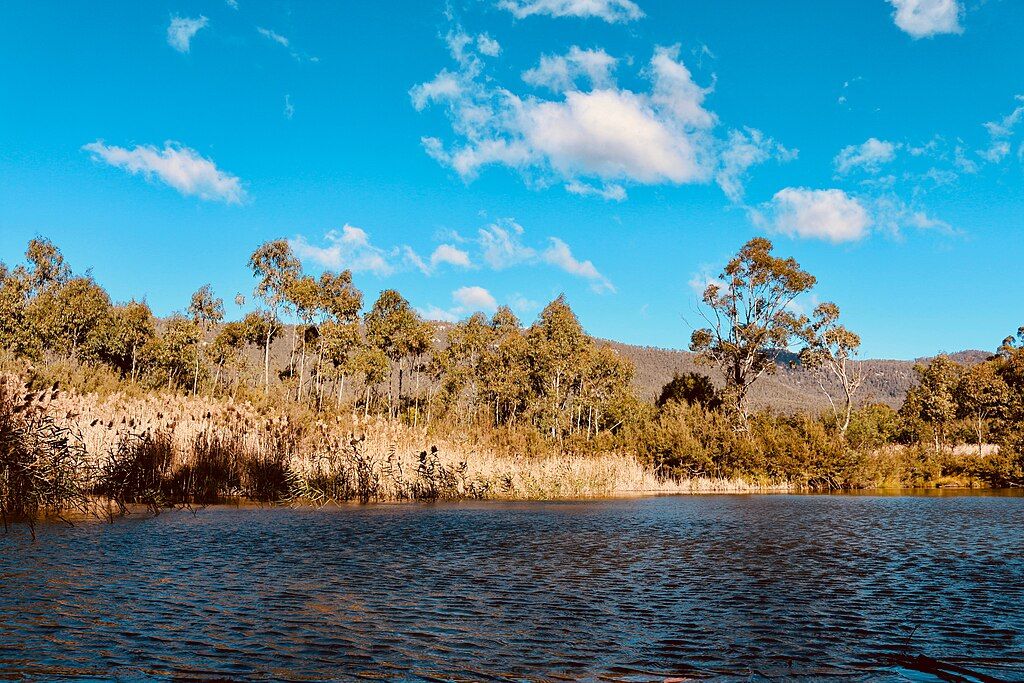
This case study highlights how Tidbinbilla Nature Reserve embodies the deep cultural, spiritual, and ecological significance of Ngunnawal Country through collaborative land stewardship, conservation, and ongoing cultural practices.
Case Study 4: Gariwerd (Grampians National Park), Victoria
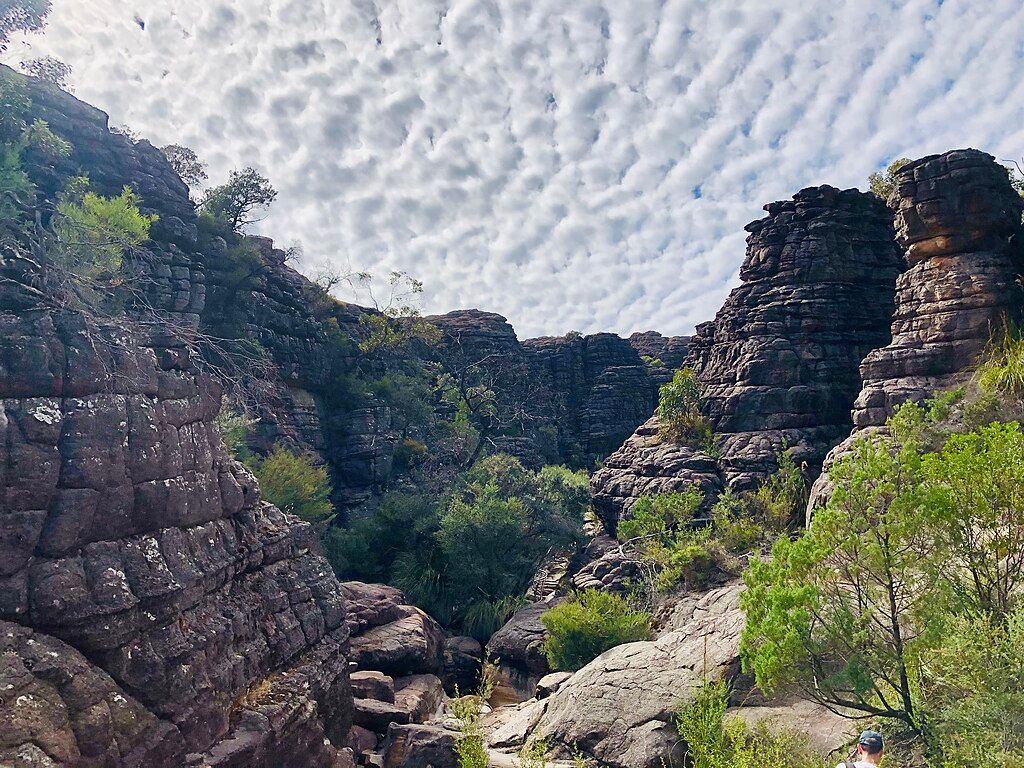
This case study highlights Gariwerd as a significant cultural landscape where Traditional Owners, conservationists, and climbers navigate tensions between cultural heritage protection and recreational use, emphasising the importance of Indigenous-led stewardship and respectful visitor engagement.
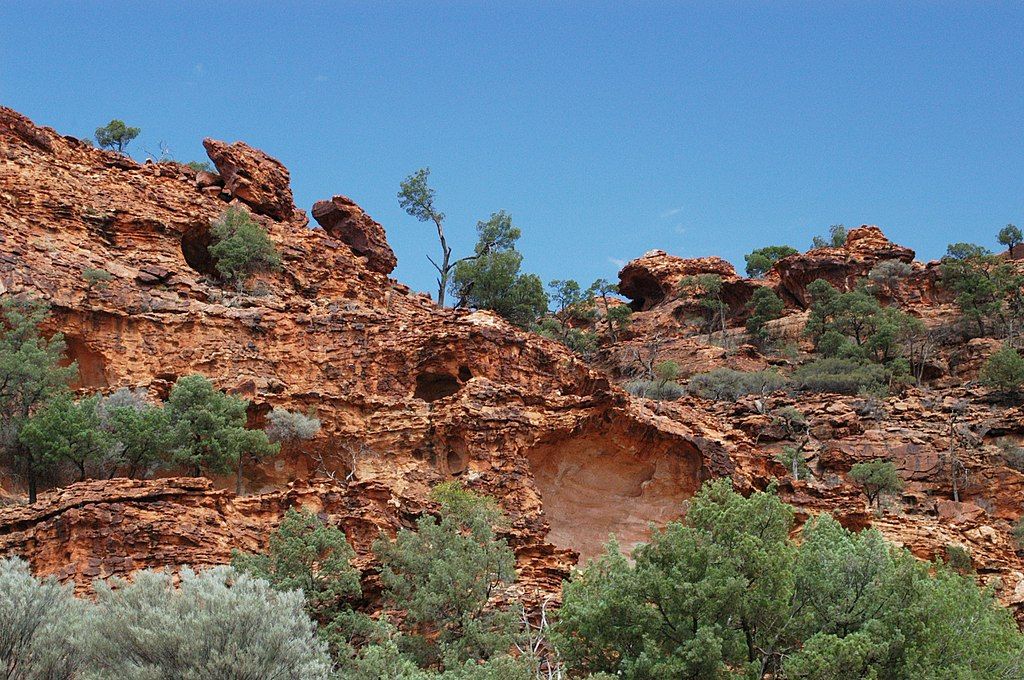
Case Study 5: Mutawintji National Park, New South Wales
This case study highlights Mutawintji National Park as a sacred cultural landscape where Traditional Owner-led management strengthens cultural continuity, conservation efforts, and community engagement on Country.
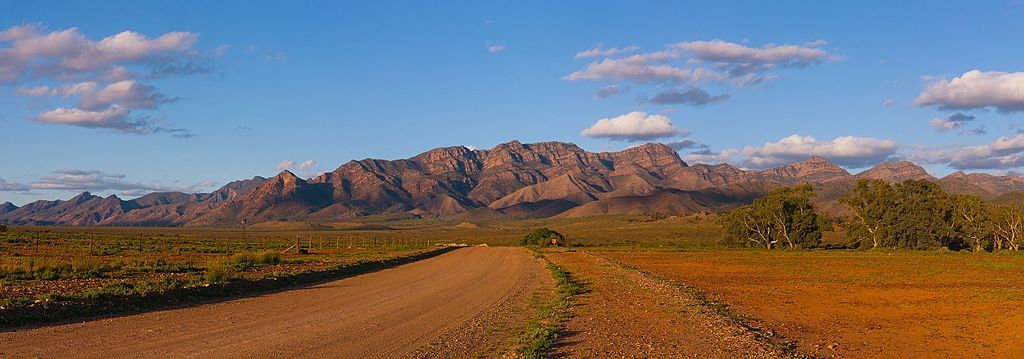
Case Study 6: Ikara-Flinders Ranges National Park, South Australia
This case study highlights Ikara–Flinders Ranges National Park as a place where deep cultural significance, co-management leadership, and large-scale conservation efforts reflect the enduring relationship between the Adnyamathanha people and their Country.
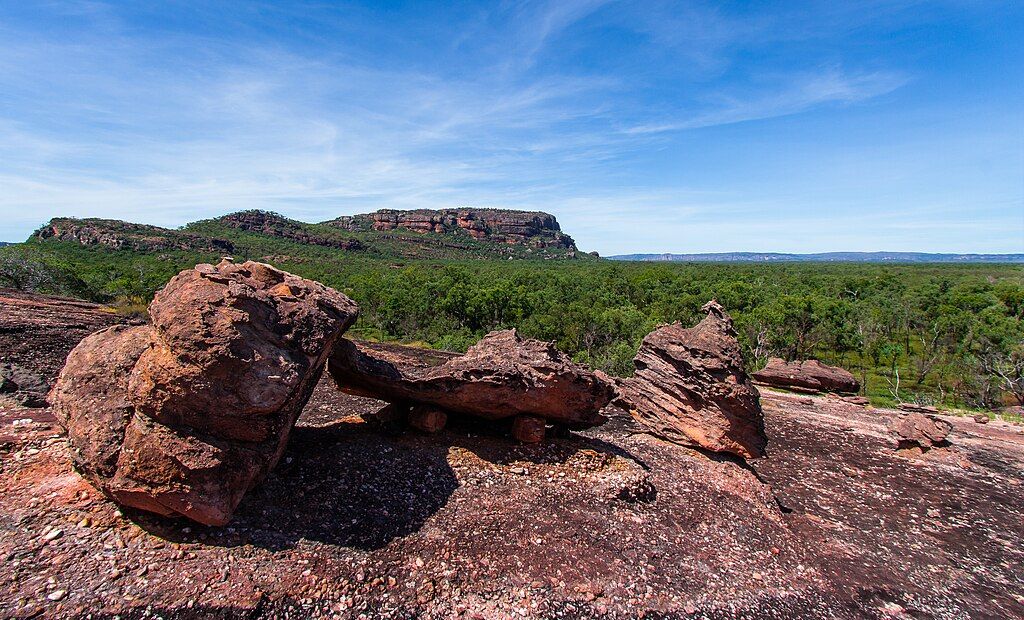
Case Study 7: Warddeken Indigenous Protected Area, Northern Territory
This case study highlights the Warddeken Indigenous Protected Area as a globally significant cultural and ecological landscape where Traditional Owner–led land management revitalises cultural knowledge, protects biodiversity, and supports community wellbeing on Country.
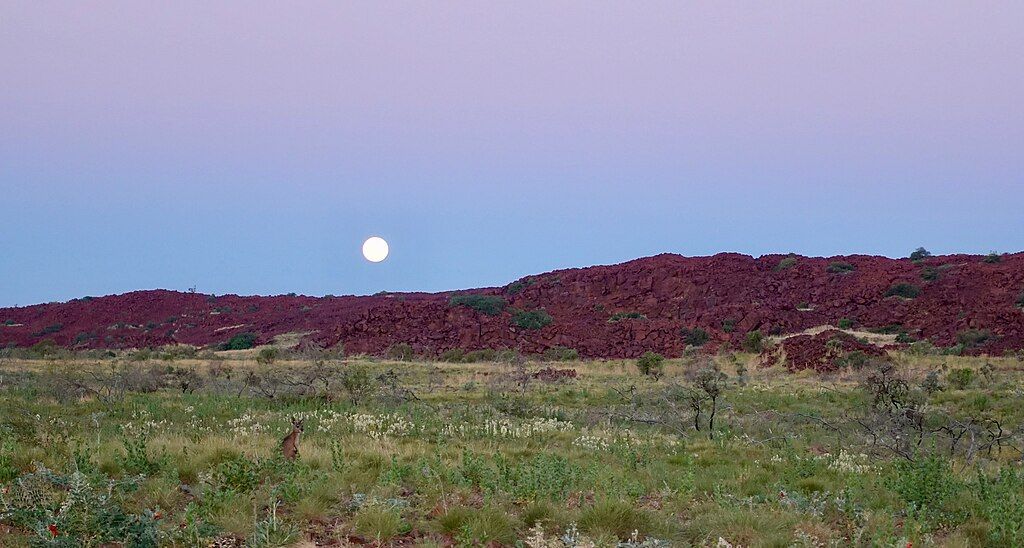
Case Study 8: Murujuga (Burrup Peninsula), Western Australia
This case study highlights Murujuga as one of the world’s most significant rock art landscapes, where ancient cultural heritage is safeguarded by Traditional Owners amid escalating threats from industrial development and pollution.
Case Study 9: Ancient Trackways of Mer, Murray Islands, Torres Strait, Qld
This case study highlights the ancient Waiet trackways of the Murray Islands as sacred ceremonial paths linking land, sea, and ancestral stories, now being revitalised through community-led cultural renewal in the face of colonisation and climate change.