Home/Curriculum resources/Protecting sites of significance/Case Study 5: Mutawintji National Park, New South Wales
Learning Area:
Humanities and Social Sciences
Year levels:
Level 7, Level 8
Case Study 5: Mutawintji National Park, New South Wales
This case study is a part of the Protecting sites of significance resource.
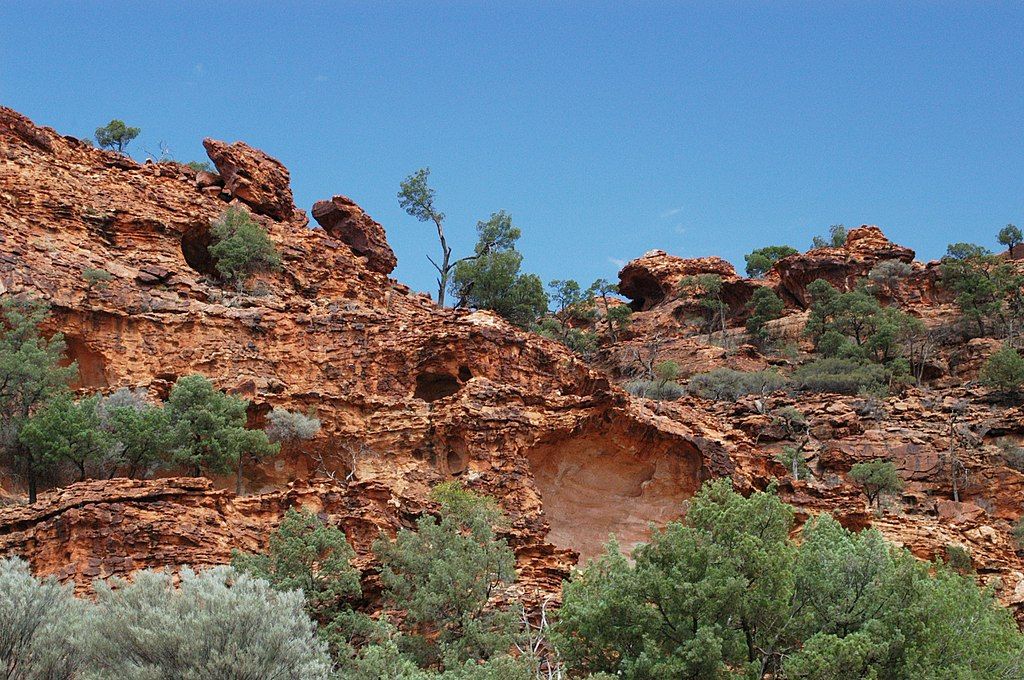
Mutawintji National Park. Location: New South Wales. Photographer: Doug Beckers. Source: Wikimedia Commons. Used under licence: CC BY 2.0.

Case Study 5: Mutawintji National Park, New South Wales
Located in semi-arid lands near Broken Hill, New South Wales, Mutawintji is on the country of the Pantyikali people. Beautiful gorges, rock art, engravings, rockpools and dry creek beds lined with river red gums can be witnessed around the park.
A site of significance
Mutawintji is highly important in relation to ongoing themes of Aboriginal culture, including land, spirituality, kinship, economy, communication, history, environment, and survival 0 . It is one of the most significant sacred places in the far west of New South Wales. Communities have performed initiations, rainmaking and other ceremonies here in gatherings of up to 1000 people 0 . Ceremonial connections are often based on the creation of the landscape; creators travelled and left behind waterholes, creeks, rivers, hills and other features1. The Aboriginal history and cultural values of Mutawintji National Park, Mutawintji Historic Site and Mutawintji Nature Reserve are significant. It is home to renowned art sites and many other important cultural sites.
Management
In 1998, ownership of Mutawintji National Park, Mutawintji Historic Site and Mutawintji Nature Reserve was transferred to the Mutawintji Aboriginal Land Council to be held on behalf of the Aboriginal owners. The land was then leased back to NSW National Parks. NSW National Parks and the Mutawintji Board of Management are working together to ensure Mutawintji National Park is managed in a way that prioritises Traditional Owner input in all decisions.
Conservation initiatives
Restoration projects in Mutawintji National Park include the Yellow-Footed Rock-Wallaby recovery plan and protection of ancient rock art from environmental and human threats. To preserve the cultural and natural values of the park, access to some areas is restricted, and visitors are encouraged to take guided tours led by local Aboriginal guides who provide valuable cultural insights. These tours offer a deeper understanding of the significance of the land and the traditions of the Mutawintji people.
Yellow-Footed Rock-Wallaby recovery plan
The Mutawintji National Park Board of Management is working on a relocation project to translocate a population of South Australian Yellow-Footed Rock Wallabies to the national park to breed with the existing Mutawintji Yellow-Footed Rock Wallabies 0 . This approach increases genetic variation and strengthens the species’ long-term survival. Yellow-footed Rock Wallabies contribute to the ecological balance of the park as they play a role in seed dispersal and vegetation management.
Other conservation strategies involve feral predator control, habitat restoration, and continuous monitoring to assess population health. Fencing and baiting programs mitigate threats from invasive species like foxes and feral goats, which compete for resources and degrade the wallabies' rocky habitats 0 .
Community engagement is integral to the success of the recovery plan. The collaboration between Indigenous rangers, local conservation groups, and government agencies ensures that the project aligns with traditional land management practices and supports cultural heritage conservation.
Mutawintji future plans
Mutawintji's future plans are centred on enhancing cultural preservation, environmental conservation, and community engagement 0 . A significant focus is on fostering youth involvement through educational programs and mentorship initiatives, enabling younger generations to connect with and uphold the traditions of the Traditional Owners. This approach is in line with the Mutawintji Plan of Management, which emphasises the importance of the area for Aboriginal people to connect with their Country 0 .
Expanding cultural tourism is another key objective 0 . Efforts include developing immersive cultural experiences and guided tours that showcase the region's rich history and rock art. The Mutawintji Board of Management has been proactive in upgrading infrastructure, constructing viewing platforms to protect art sites, and providing cultural tours to enhance visitor engagement.
Related case studies within this resources:
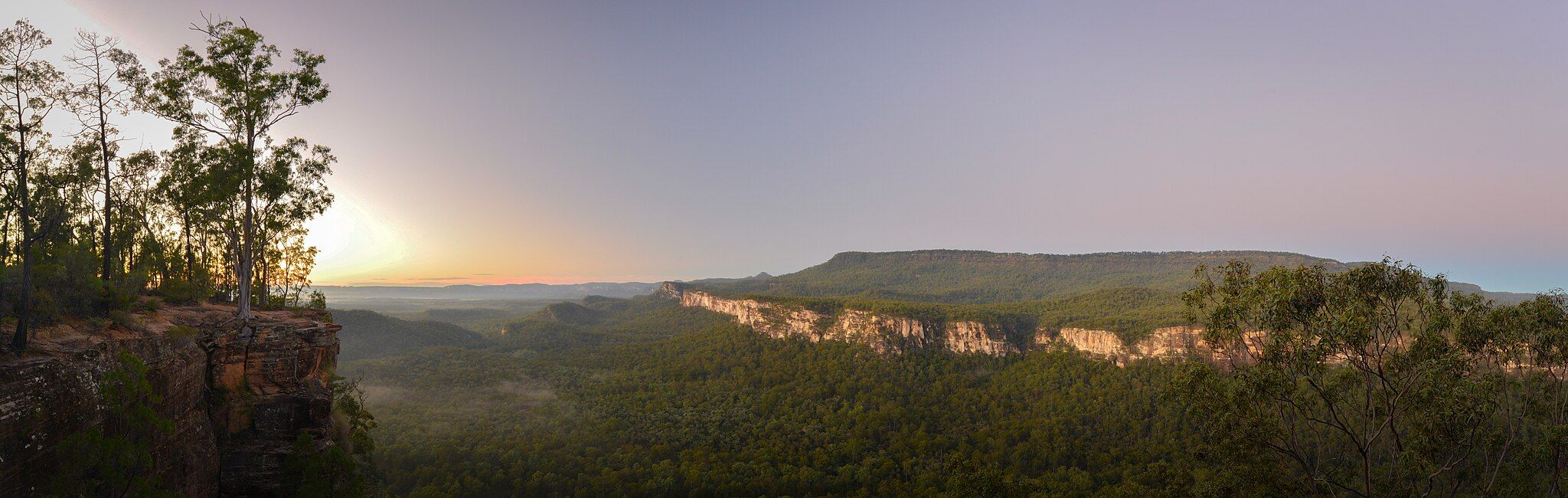
Case Study 1: Carnarvon Gorge, Queensland
This case study highlights Carnarvon Gorge as a place of deep cultural significance, where rock art, enduring custodianship, and contemporary conservation challenges reveal the importance of Traditional Owner knowledge in caring for Country.
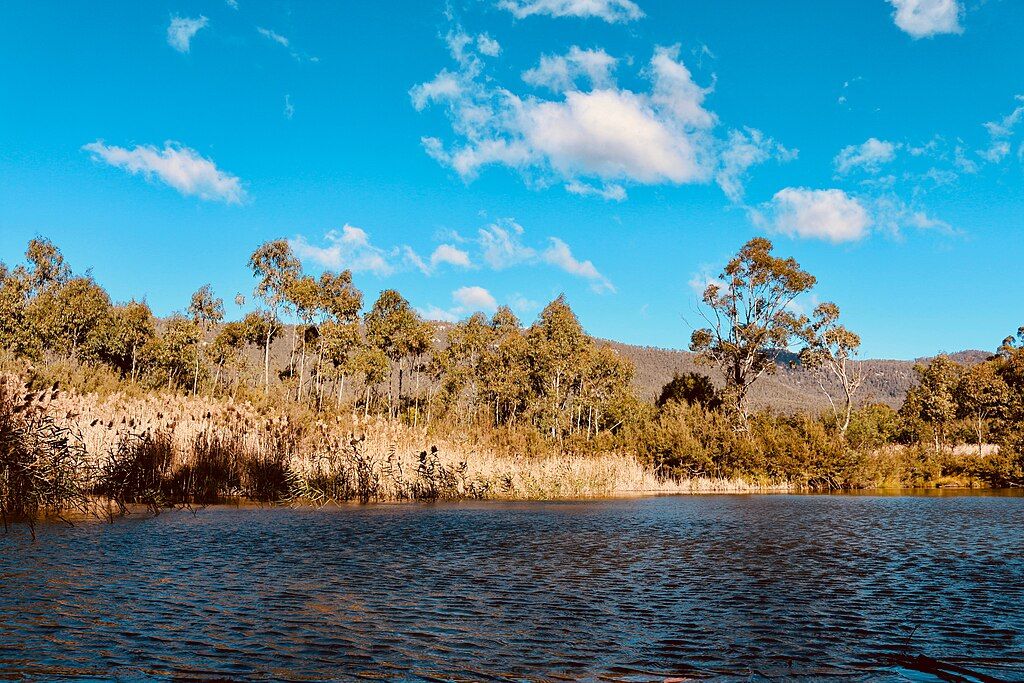
Case Study 2: Tidbinbilla Nature Reserve, Australian Capital Territory
This case study highlights how Tidbinbilla Nature Reserve embodies the deep cultural, spiritual, and ecological significance of Ngunnawal Country through collaborative land stewardship, conservation, and ongoing cultural practices.
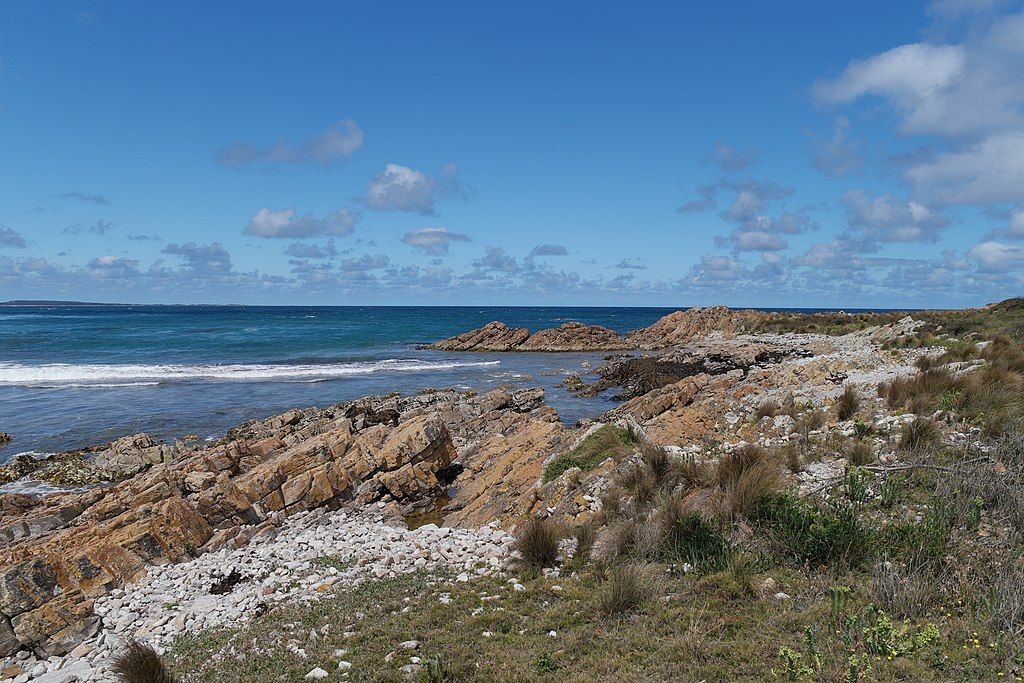
Case Study 3: Arthur-Pieman Conservation Area, Tasmania
This case study highlights the Arthur-Pieman Conservation Area as a culturally significant landscape under threat, where ongoing tensions between recreational use and heritage protection highlight the urgent need for stronger custodianship and conservation of Aboriginal sites.
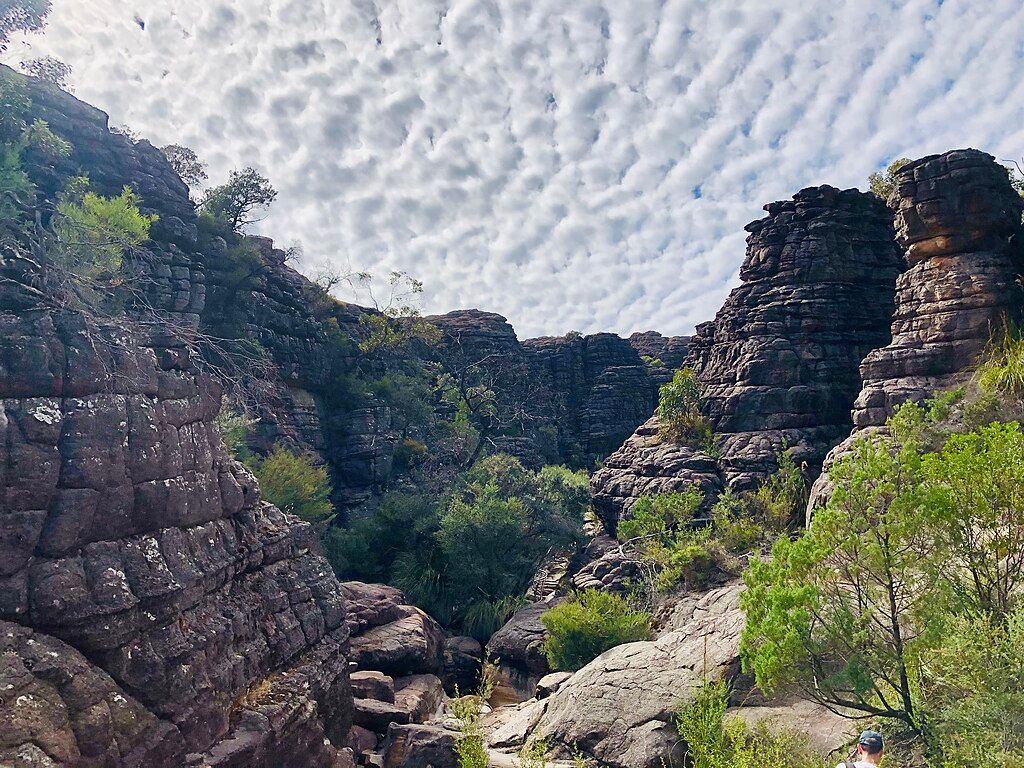
Case Study 4: Gariwerd (Grampians National Park), Victoria
This case study highlights Gariwerd as a significant cultural landscape where Traditional Owners, conservationists, and climbers navigate tensions between cultural heritage protection and recreational use, emphasising the importance of Indigenous-led stewardship and respectful visitor engagement.
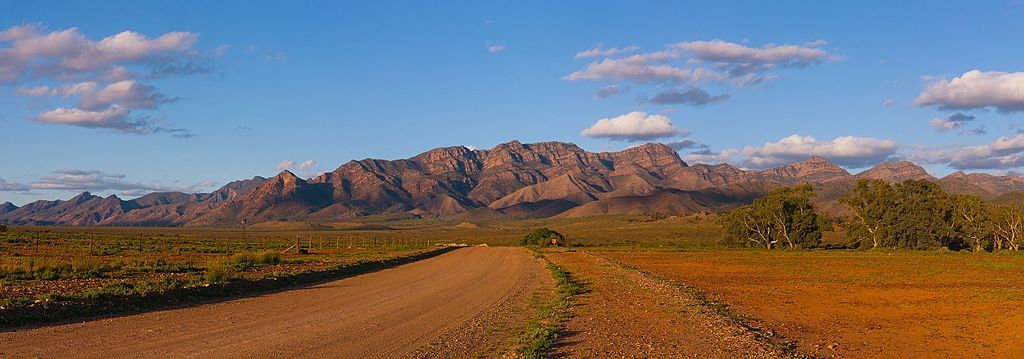
Case Study 6: Ikara-Flinders Ranges National Park, South Australia
This case study highlights Ikara–Flinders Ranges National Park as a place where deep cultural significance, co-management leadership, and large-scale conservation efforts reflect the enduring relationship between the Adnyamathanha people and their Country.
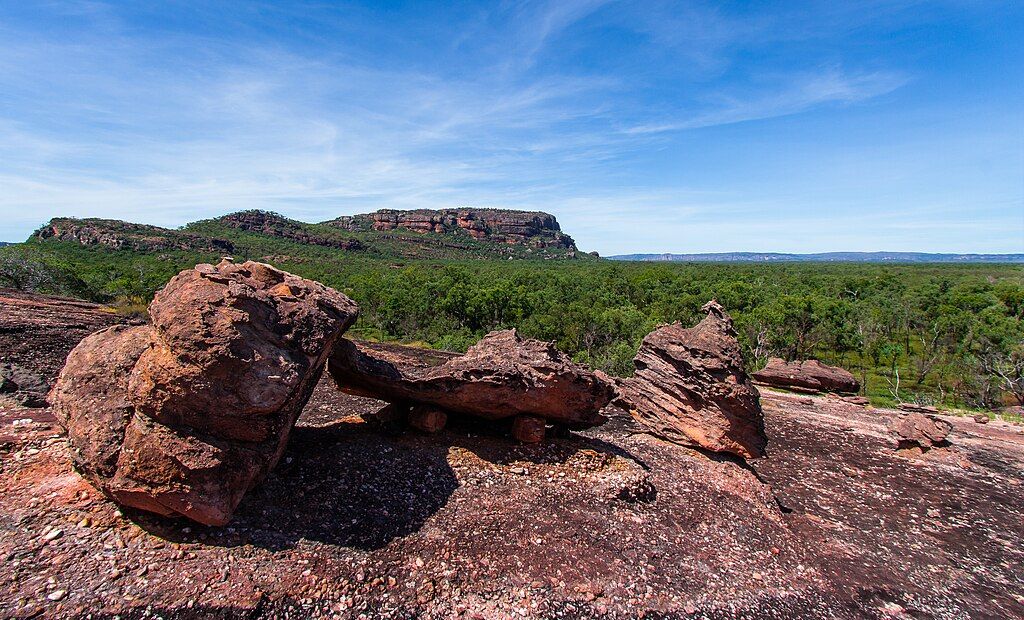
Case Study 7: Warddeken Indigenous Protected Area, Northern Territory
This case study highlights the Warddeken Indigenous Protected Area as a globally significant cultural and ecological landscape where Traditional Owner–led land management revitalises cultural knowledge, protects biodiversity, and supports community wellbeing on Country.
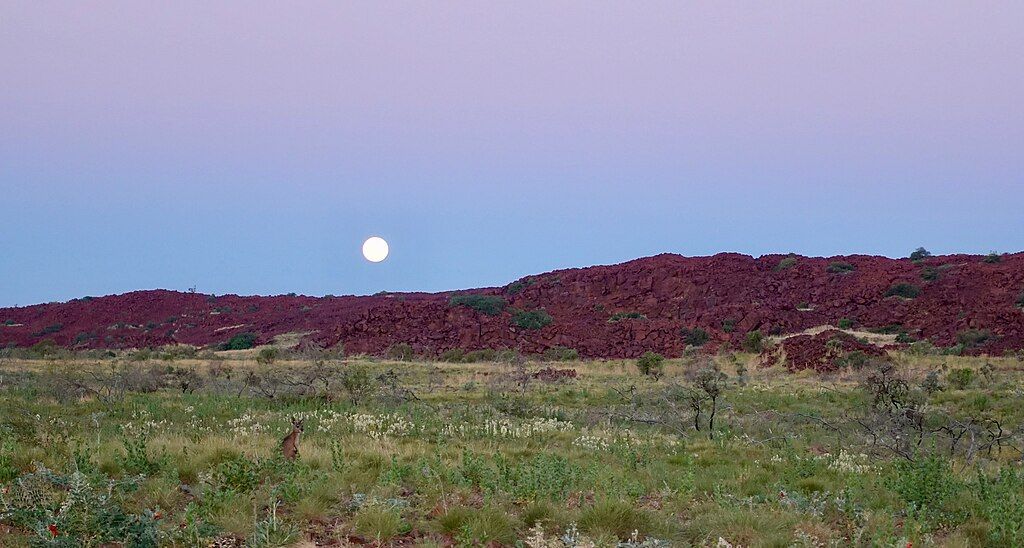
Case Study 8: Murujuga (Burrup Peninsula), Western Australia
This case study highlights Murujuga as one of the world’s most significant rock art landscapes, where ancient cultural heritage is safeguarded by Traditional Owners amid escalating threats from industrial development and pollution.
Case Study 9: Ancient Trackways of Mer, Murray Islands, Torres Strait, Qld
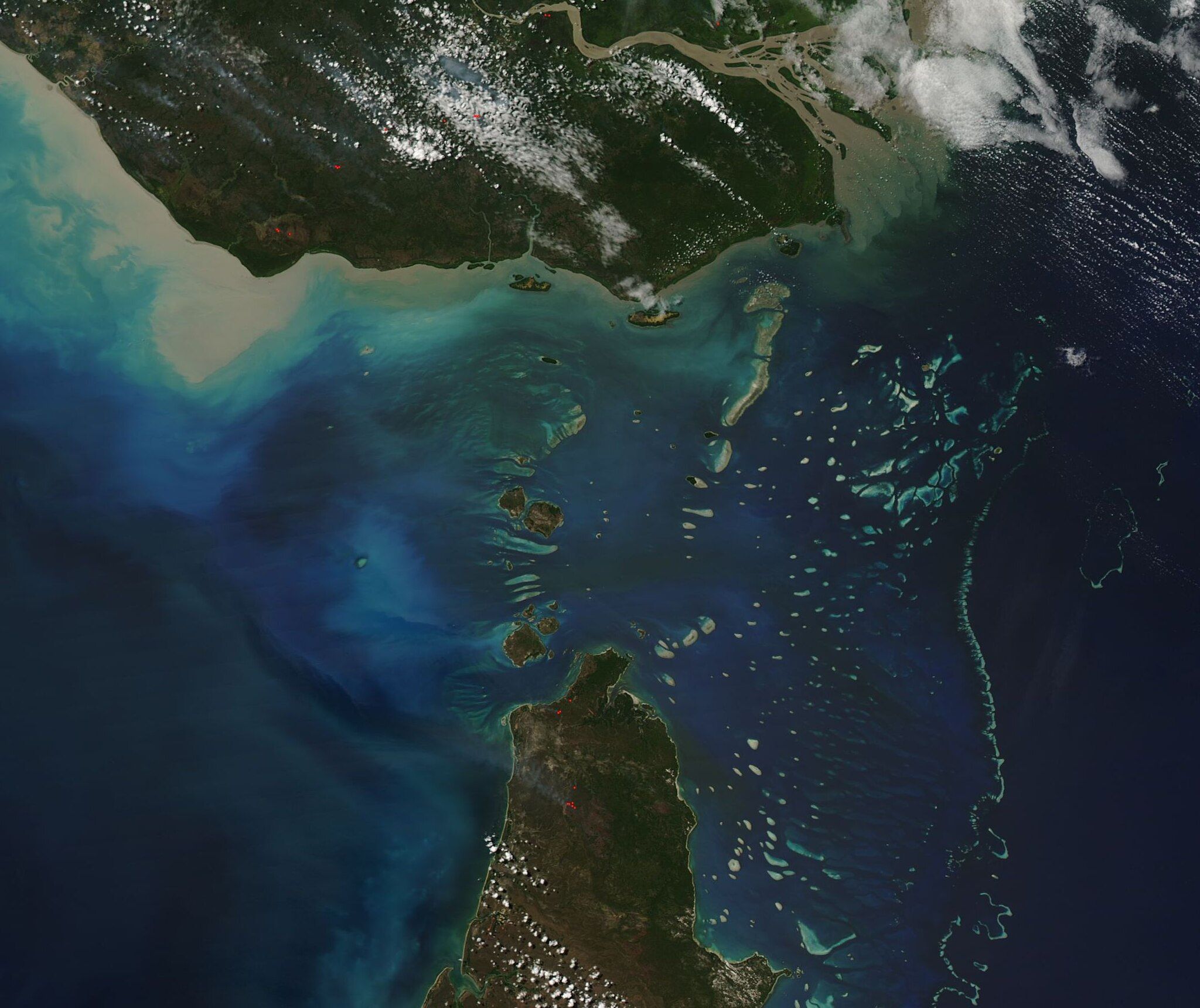
This case study highlights the ancient Waiet trackways of the Murray Islands as sacred ceremonial paths linking land, sea, and ancestral stories, now being revitalised through community-led cultural renewal in the face of colonisation and climate change.