Home/Curriculum resources/Protecting sites of significance/Case Study 9: Ancient Trackways of Mer, Murray Islands, Torres Strait, Qld
Learning Area:
Humanities and Social Sciences
Year levels:
Level 7, Level 8
Case Study 9: Ancient Trackways of Mer, Murray Islands, Torres Strait, Qld
This case study is a part of the Protecting sites of significance resource.
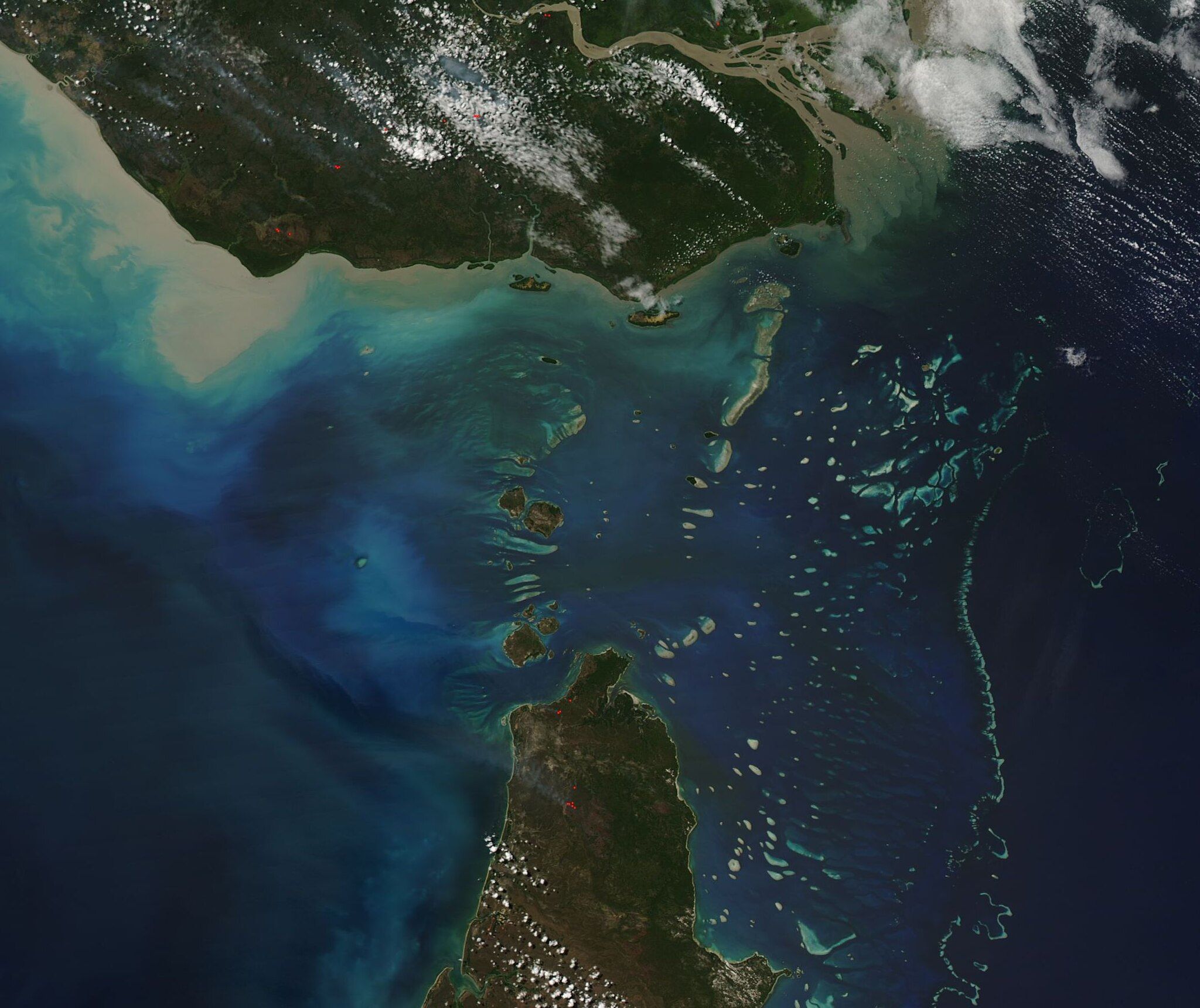
Torres Strait (MODIS 2018-08-23). Author: MODIS Land Rapid Response Team, NASA GSFC; Source: Wikimedia Commons. Used under licence: Public Domain

Case Study 9: Ancient Trackways of Mer, Murray Islands, Torres Strait, Qld.
The Murray Island group consists of three islands. The main community lives on Mer. The nearby islets of Dauar and Waier (located about 4 km away) are uninhabited; however, they continue to hold strong cultural and spiritual significance and are used for traditional activities like hunting and fishing 0 .
A network of sacred paths
For centuries, the Meriam and Dauareb peoples of Mer (Murray), Dauer and Waier Islands in the Eastern Torres Strait used a system of sacred trackways known as Waiet markai or Waiet zogo to link initiation and ceremonial sites across their islands 0 . These trackways formed ritual songlines that wove through land and sea, connecting Mer, Dauar, Waier, mainland Australia, and Papua New Guinea in deeply symbolic and practical journeys 0 .
Ritual mobility has long been an important way for people to connect with the land. Such practices were once widespread across Australia and the Pacific, but many routes have disappeared due to colonisation and the influence of Christianity 0 . Today, Indigenous communities such as the Dauareb and Meriam are working to revive knowledge of these ancient trackways, which once linked the Torres Strait islands with both Papua New Guinea and mainland Australia.
Waiet and the sacred legacy of Waier Island
Waier Island is a crescent-shaped islet made from the remains of a volcanic crater. It is the home of Waiet (named ‘Wayath’, ‘Uiat’ or ‘Naga’ in Central Torres Strait and Western Torres Strait and ‘Waiet’ in Eastern Torres Strait), a significant cultural hero in the Torres Strait believed to have lived around 300 years ago. In Torres Strait oral histories, Waiet is remembered for travelling between islands, carrying distinctive rocks used to mark sacred places 0 . These locations, known as zogo sites, are connected to important cultural practices such as initiation, feasting, dancing, and life-stage ceremonies 0 . Shell shrines and stones found at these sites are deeply symbolic, often linked to ancestral figures, myths, and spiritual presence. In Torres Strait belief systems, stones are more than markers, they may embody the spirit of powerful ancestors 0 . While the full details of the ritual systems Waiet established are not fully known, related practices in the western islands date back 700–800 years 0 . On the Murray Islands, initiation rituals connected to these traditions have been traced back at least 300 years, particularly at a site long used by the Dauareb people as a burial ground 0 .
Threats and risk
Sacred trackways in the Torres Strait face two major threats: the loss of cultural knowledge due to colonisation, and damage from rising seas and climate change. Together, these pressures risk erasing both the stories and the physical signs of ancient ritual pathways.
The arrival of European missionaries in the late 19th century had wide reaching impacts on traditional culture. As Christian beliefs became dominant, many traditional songs, ceremonies, and trackway-related rituals were discouraged or abandoned, leading to gaps in generational knowledge around sacred paths and ritual movement 0 . Without ongoing maintenance and cultural practices, the stones, shrines, and other landmarks that once guided ritual travel are increasingly forgotten. Ritual circuits called "Waiet markai" are still known in oral tradition but are no longer actively used as before 0 .
Sea levels in the Torres Strait are rising faster than the global average, about 6–7 mm per year 0 . Many trackway markers and ritual sites are located near coastlines or on islets just a metre or two above sea level. Ongoing erosion and tidal flooding increasingly threaten these areas. Rising waters not only endanger physical markers but also the cultural and spiritual connections between people and Place as inundation affects burial grounds, freshwater sources, and ancestral landscapes 0 .
Protecting this site of significance
Efforts to protect the ancient trackways of the Murray Islands are being led by Meriam and Dauareb communities in partnership with researchers and cultural institutions. These actions aim not only to document and preserve the physical remains of sacred paths, but also to restore the cultural knowledge and practices that give them meaning. Through archaeology, storytelling, and community leadership, this work is helping to reconnect people with place and pass on traditions to future generations.
An Australian Research Council project led by Australian National University (ANU) and Torres Strait Elders is mapping the trackways and documenting their stories, rituals and material remaining using archeology, museum studies and ethnography 0 . By working directly with Elders and Traditional Owners, the project ensures Indigenous leadership shapes research priorities, methodologies, and outcomes. Field investigations that involved evacuations on Waier have also unearthed artefacts, charcoal pottery, and bones, offering tangible evidence of ritual travel and site usage over time 0 . This has helped with understanding ritual movement connected with ancestral figures like Waiet. Radiocarbon dating showed that the items found were used over 2,000 ago, confirming that trackways and ancient rituals existed for centuries, which reaffirms the long-standing cultural importance of these paths 0 .
Working closely with Elders ad Traditional Owners on community-led projects has helped in reviving ceremonial knowledge, reconnecting songlines and mapping sacred paths to ensure their transmission to younger generations 0 . By reactivating these traditions, Meriam and Dauareb peoples are reinforcing identity and cultural strength in the present.
Future considerations
The collaborative work on the revitalisation of the ancient trackways is helping to restore cultural knowledge and also shaping strategies for long-term protection. By combining archaeological research with community-led cultural renewal, this work is creating a foundation for long term preservation and future heritage recognition 0 . The project supports advocacy for stronger protection of cultural sites threatened by sea-level rise, erosion, and development. These efforts contribute to future inclusion in state, national, and potentially World Heritage frameworks, ensuring formal recognition and safeguarding of these landscapes.
Future stages of the project focus on expanding cultural mapping, developing community-led education programs, and creating digital and physical archives to preserve and share knowledge. Researchers and custodians aim to engage more young people in cultural learning and build stronger partnerships with schools and museums. Long-term, the project will seek formal heritage protections for key trackway sites and continue advocating for Indigenous leadership in land and heritage management across the Torres Strait. 0
Related case studies within this resources:
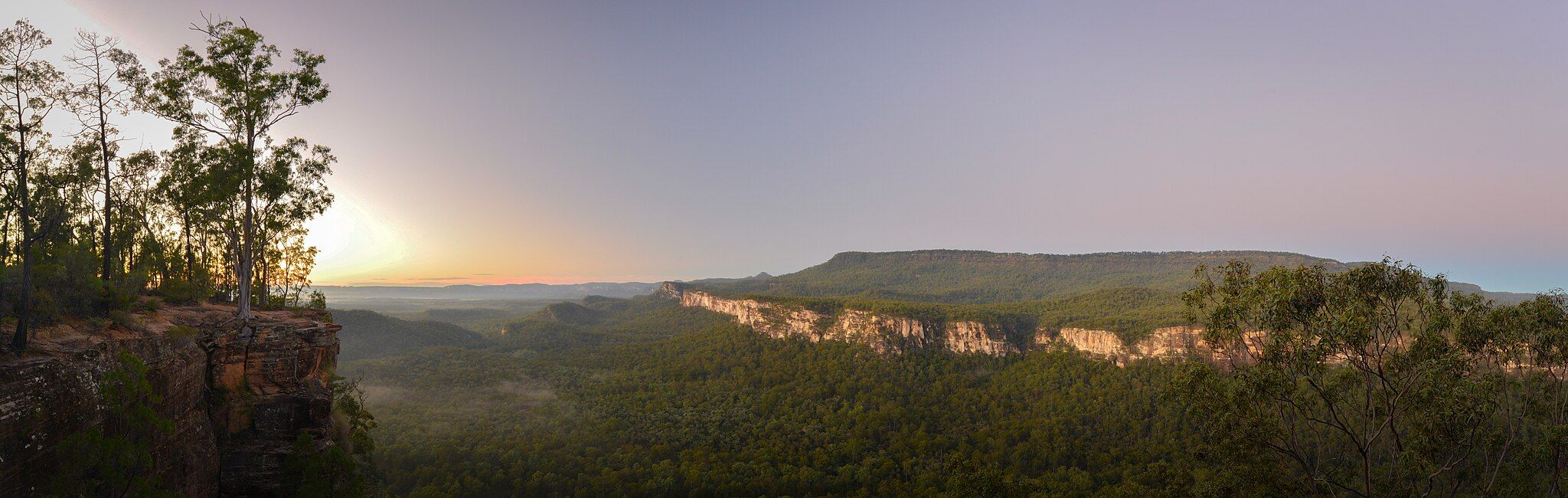
Case Study 1: Carnarvon Gorge, Queensland
This case study highlights Carnarvon Gorge as a place of deep cultural significance, where rock art, enduring custodianship, and contemporary conservation challenges reveal the importance of Traditional Owner knowledge in caring for Country.
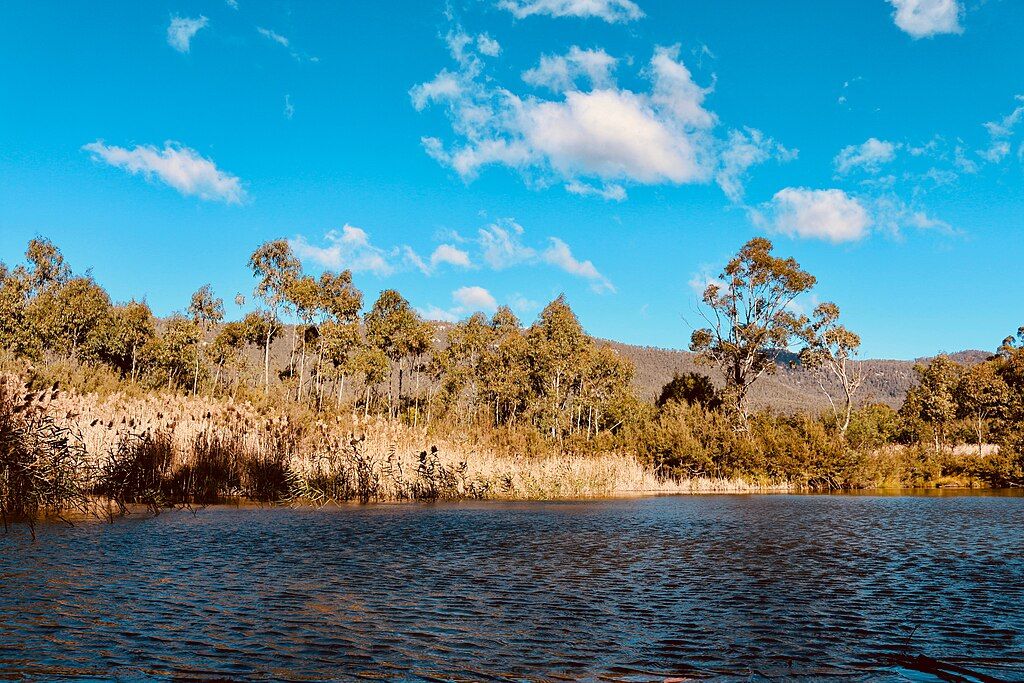
Case Study 2: Tidbinbilla Nature Reserve, Australian Capital Territory
This case study highlights how Tidbinbilla Nature Reserve embodies the deep cultural, spiritual, and ecological significance of Ngunnawal Country through collaborative land stewardship, conservation, and ongoing cultural practices.
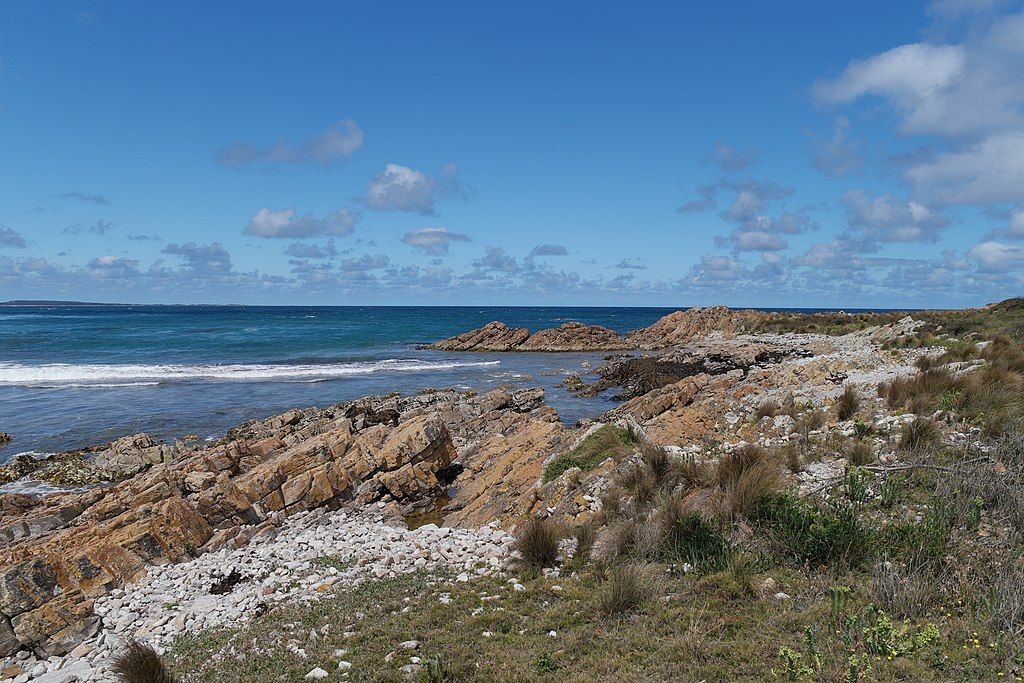
Case Study 3: Arthur-Pieman Conservation Area, Tasmania
This case study highlights the Arthur-Pieman Conservation Area as a culturally significant landscape under threat, where ongoing tensions between recreational use and heritage protection highlight the urgent need for stronger custodianship and conservation of Aboriginal sites.
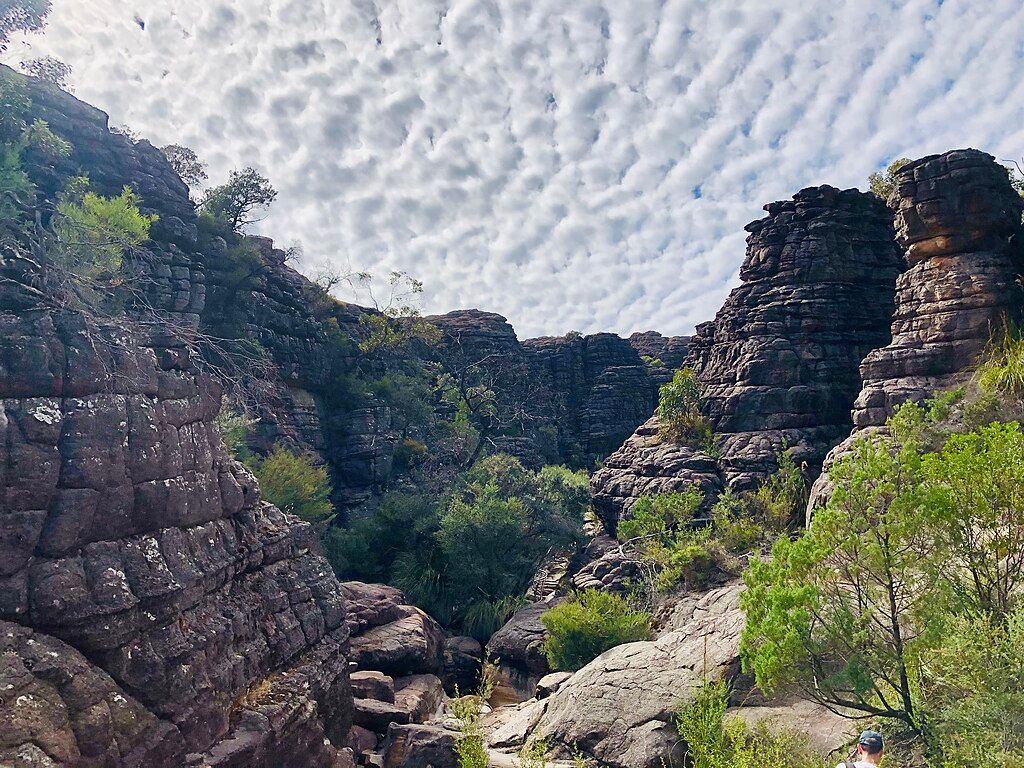
Case Study 4: Gariwerd (Grampians National Park), Victoria
This case study highlights Gariwerd as a significant cultural landscape where Traditional Owners, conservationists, and climbers navigate tensions between cultural heritage protection and recreational use, emphasising the importance of Indigenous-led stewardship and respectful visitor engagement.
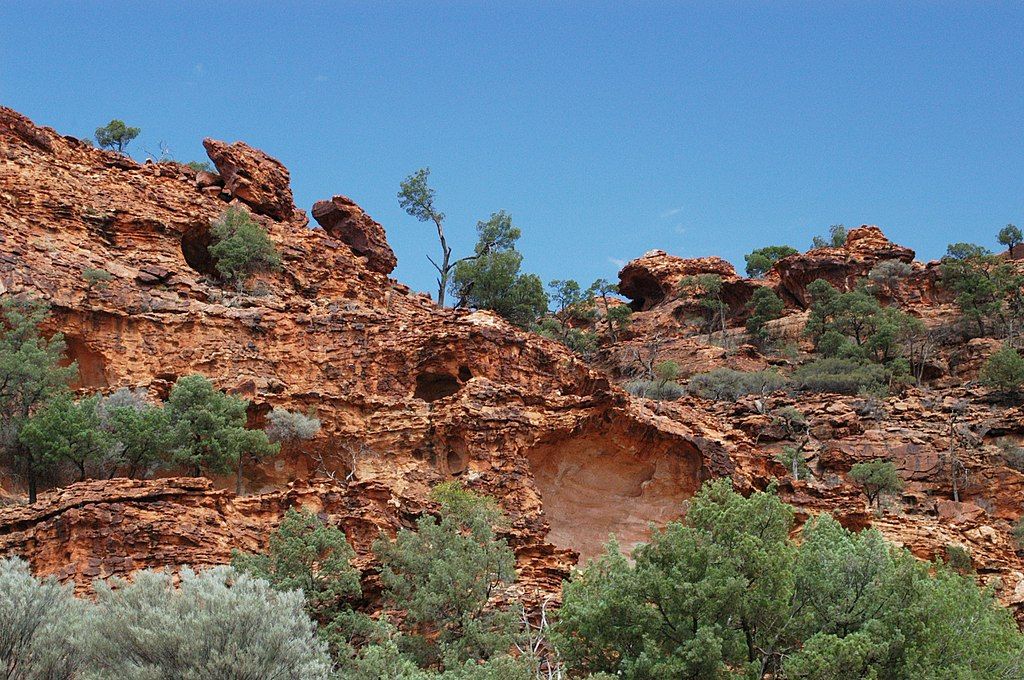
Case Study 5: Mutawintji National Park, New South Wales
This case study highlights Mutawintji National Park as a sacred cultural landscape where Traditional Owner-led management strengthens cultural continuity, conservation efforts, and community engagement on Country.
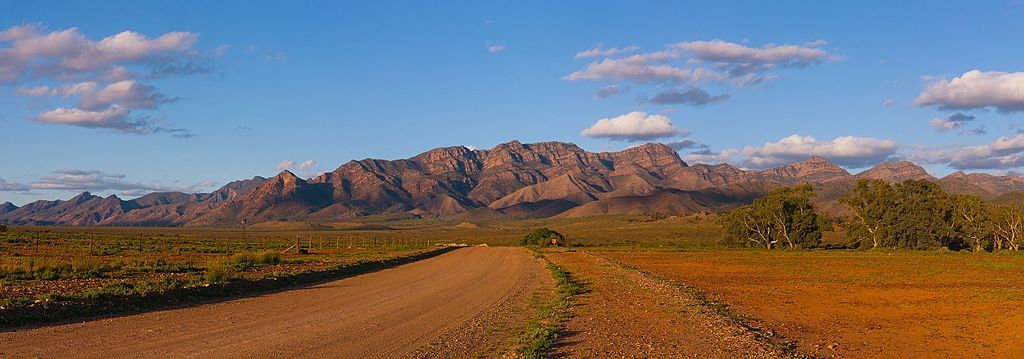
Case Study 6: Ikara-Flinders Ranges National Park, South Australia
This case study highlights Ikara–Flinders Ranges National Park as a place where deep cultural significance, co-management leadership, and large-scale conservation efforts reflect the enduring relationship between the Adnyamathanha people and their Country.
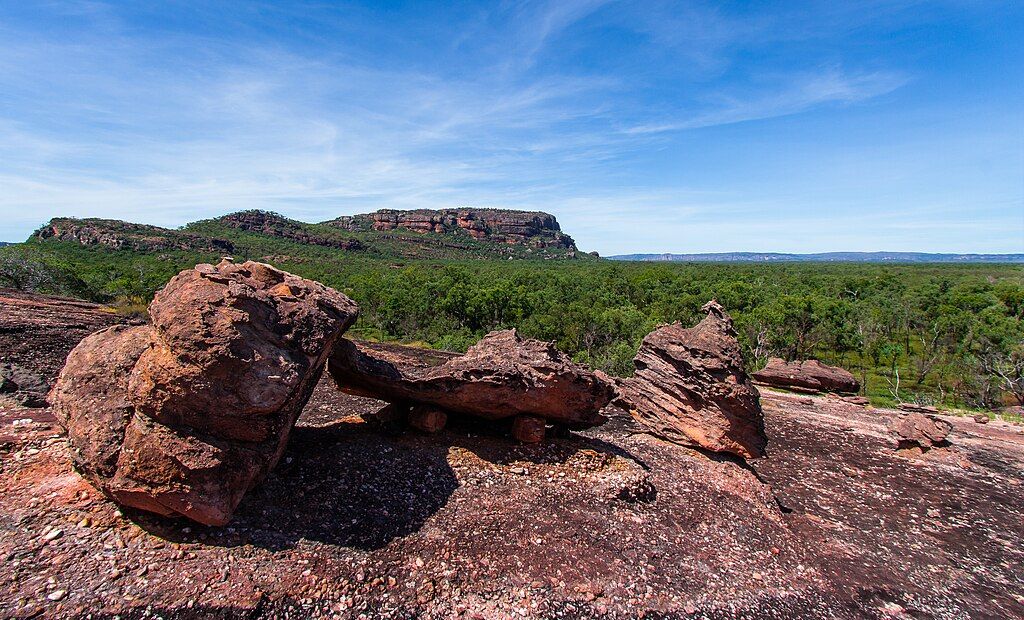
Case Study 7: Warddeken Indigenous Protected Area, Northern Territory
This case study highlights the Warddeken Indigenous Protected Area as a globally significant cultural and ecological landscape where Traditional Owner–led land management revitalises cultural knowledge, protects biodiversity, and supports community wellbeing on Country.
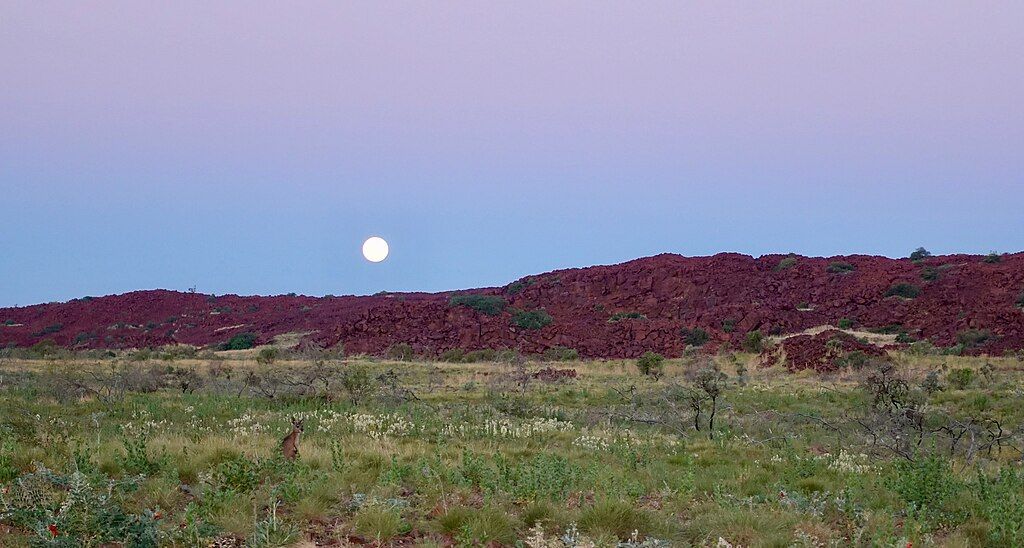
Case Study 8: Murujuga (Burrup Peninsula), Western Australia
This case study highlights Murujuga as one of the world’s most significant rock art landscapes, where ancient cultural heritage is safeguarded by Traditional Owners amid escalating threats from industrial development and pollution.