Home/Curriculum resources/Protecting sites of significance/Case Study 6: Ikara-Flinders Ranges National Park, South Australia
Learning Area:
Humanities and Social Sciences
Year levels:
Level 7, Level 8
Case Study 6: Ikara-Flinders Ranges National Park, South Australia
This case study is a part of the Protecting sites of significance resource.
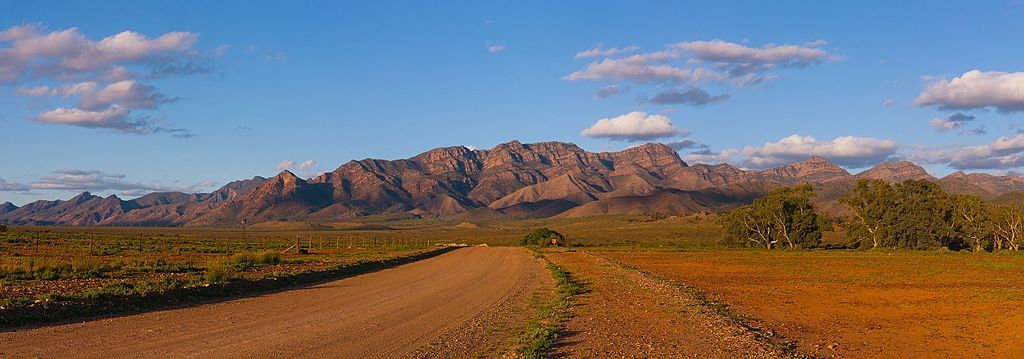
Ikara-Flinders Ranges National Park. Location: South Australia. Photographer: Faj2323. Source: Wikimedia Commons. Used under licence: CC BY 4.0

Case Study 6: Ikara-Flinders Ranges National Park, South Australia
The ancient landscape of the Ikara–Flinders Ranges National Park is part of the traditional Yarta (lands) of the Adnyamathanha people. It is located in South Australia, approximately 450 kilometres north of Adelaide.
A site of significance
The park's landscape is rich with sacred sites, ancient rock art, ochre paintings and engravings that document Adnyamathanha history, law, and the creation of unique geological formations.
Ikara (Wilpena Pound)
The name "Ikara," means "meeting place" in the language of the Adnyamathanha people, referring to Wilpena Pound, a natural amphitheatre central to the Adnyamathanha people’s creation stories and a traditional site for cultural ceremonies and initiations.
Akurra Adnya (Arkaroo Rock)
Akurra Adnya is located off the main Wilpena Road and is a significant Adnyamathanha painting site that depicts aspects of the Yura Muda (stories) connected to Ikara/Wilpena Pound. According to Yura Muda, powerful Dreaming serpents known as Akurra shaped many features of the Ikara–Flinders Ranges landscape. The bodies of two Akurra form the walls of Ikara–Wilpena Pound. Akurra Adnya remains a significant cultural site for the Adnyamathanha People of the Flinders Ranges 0 .
Yura Mulka (Sacred Canyon – restricted access)
Yura Mulka is a small chasm where ancient Aboriginal rock engravings representing animal tracks, people, waterholes and other symbols are found on sandstone walls 0 .
Management
“Our land cannot survive without its people; and the people cannot survive without the land. Co-management recognises the connection between Aboriginal people and country.” ~ Glenise Coulthard, Ikara-Flinders National Park board member 0 .
Ikara-Flinders Ranges National Park is co-managed through a partnership between the Adnyamathanha people and the South Australian Government. The Ikara-Flinders Ranges National Park co-management Board, established under a 2011 agreement, comprises representatives from both the Adnyamathanha community and the Department for Environment and Water 0 . This board is responsible for setting strategic directions, protecting cultural heritage, promoting Adnyamathanha culture, and managing public access to the park. Additionally, the Adnyamathanha Traditional Lands Association (ATLA) owns and operates the Wilpena Pound Resort within the park, providing employment opportunities for Adnyamathanha People and enhancing visitor engagement with their culture 0 . The co-management agreement requires that preference be given to Adnyamathanha people to work in the park and currently over half of the park employees are Adnyamathanha people.
Conservation
Bounceback is a conservation program run by National Parks and Wildlife Service SA. The decline of the yellow-footed rock-wallaby in South Australia led to efforts to protect its populations in Ikara-Flinders Ranges National Park during the early 1990s 0 . The Bounceback program introduced science-backed integrated pest management to better understand and address threats to the species.
What started as a program focused on protecting a threatened species gradually grew into a large-scale landscape conservation initiative. With increased resources, investment, and a broader vision, Bounceback expanded beyond park boundaries into the Flinders, Gawler, and Olary ranges, working in collaboration with landholders, the SA Arid Lands and Northern and Yorke natural resources management boards, conservation organisations, and volunteer groups 0 .
Related case studies within this resources:
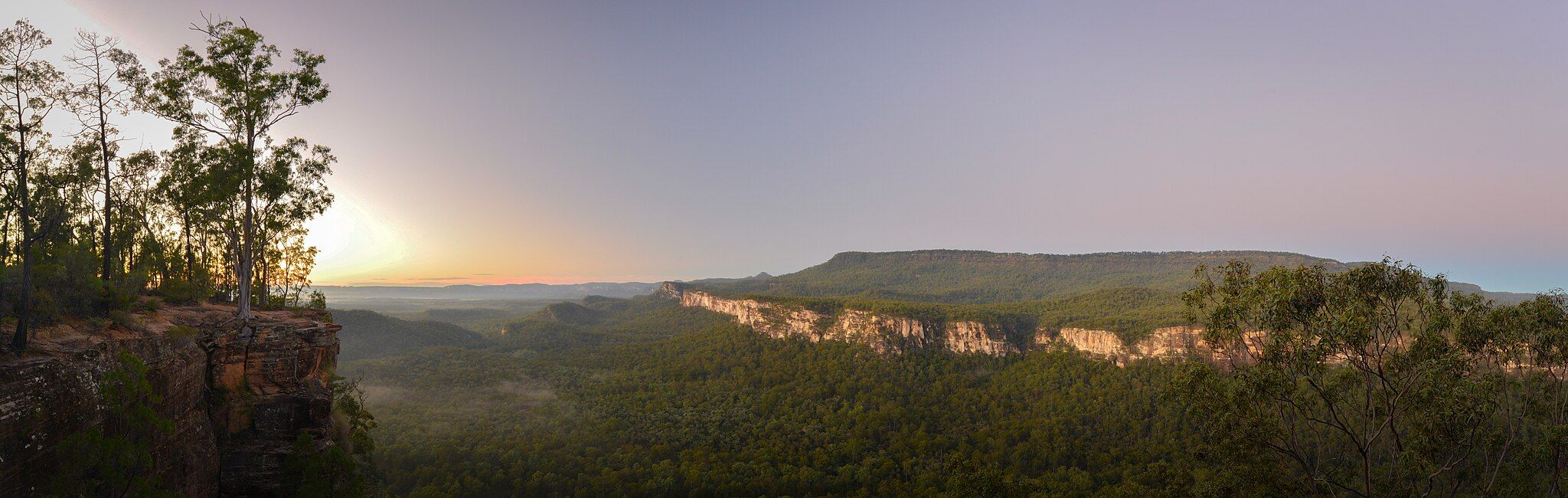
Case Study 1: Carnarvon Gorge, Queensland
This case study highlights Carnarvon Gorge as a place of deep cultural significance, where rock art, enduring custodianship, and contemporary conservation challenges reveal the importance of Traditional Owner knowledge in caring for Country.
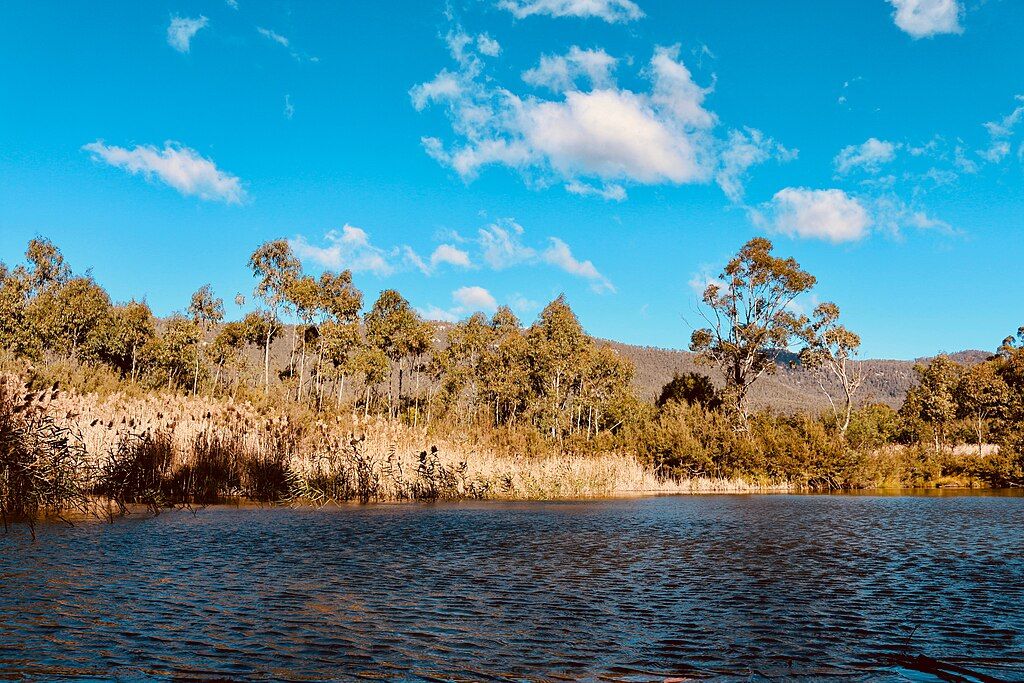
Case Study 2: Tidbinbilla Nature Reserve, Australian Capital Territory
This case study highlights how Tidbinbilla Nature Reserve embodies the deep cultural, spiritual, and ecological significance of Ngunnawal Country through collaborative land stewardship, conservation, and ongoing cultural practices.
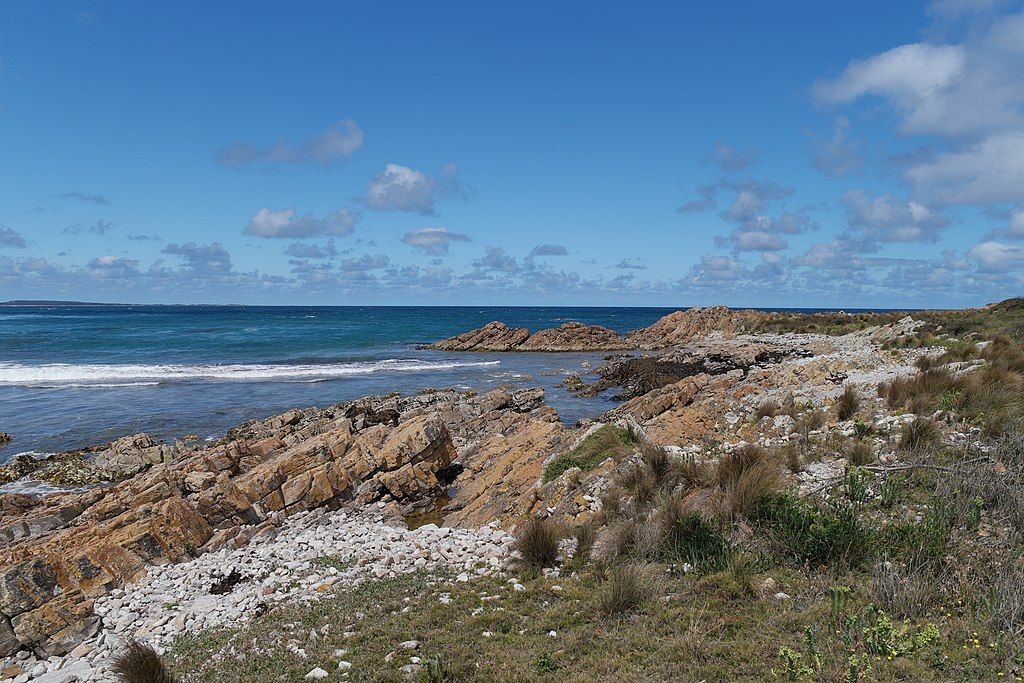
Case Study 3: Arthur-Pieman Conservation Area, Tasmania
This case study highlights the Arthur-Pieman Conservation Area as a culturally significant landscape under threat, where ongoing tensions between recreational use and heritage protection highlight the urgent need for stronger custodianship and conservation of Aboriginal sites.
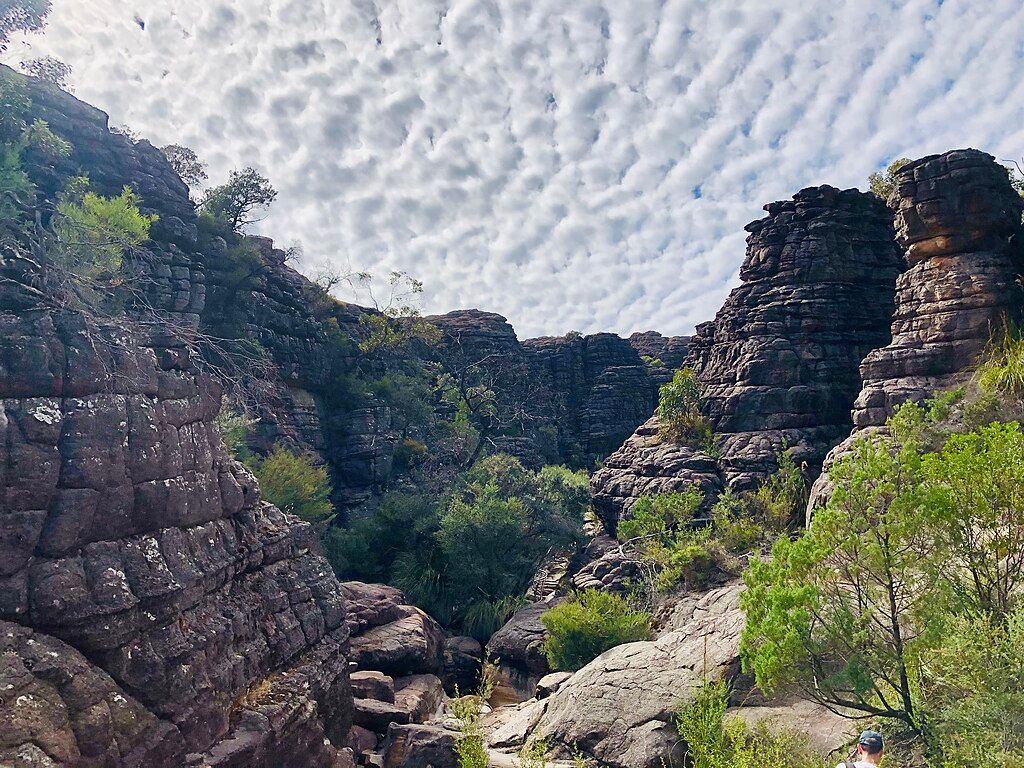
Case Study 4: Gariwerd (Grampians National Park), Victoria
This case study highlights Gariwerd as a significant cultural landscape where Traditional Owners, conservationists, and climbers navigate tensions between cultural heritage protection and recreational use, emphasising the importance of Indigenous-led stewardship and respectful visitor engagement.
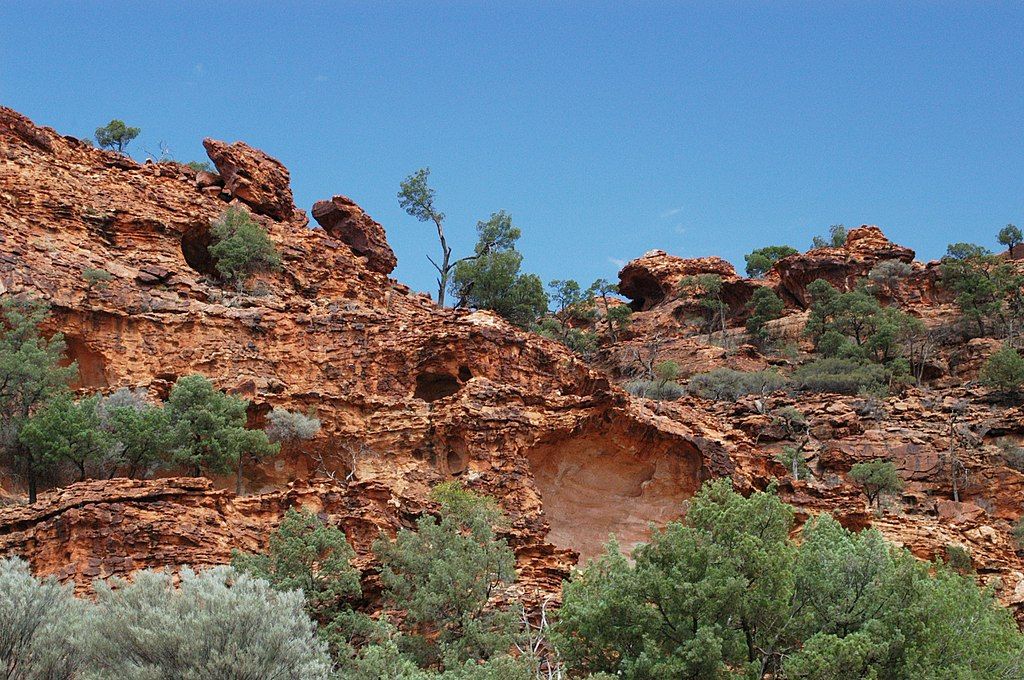
Case Study 5: Mutawintji National Park, New South Wales
This case study highlights Mutawintji National Park as a sacred cultural landscape where Traditional Owner-led management strengthens cultural continuity, conservation efforts, and community engagement on Country.
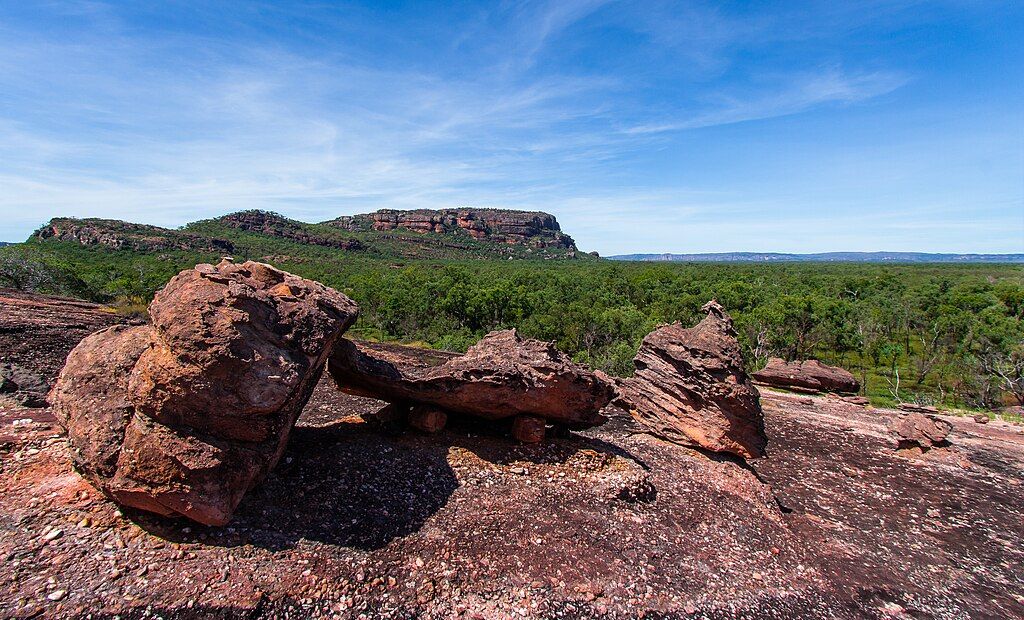
Case Study 7: Warddeken Indigenous Protected Area, Northern Territory
This case study highlights the Warddeken Indigenous Protected Area as a globally significant cultural and ecological landscape where Traditional Owner–led land management revitalises cultural knowledge, protects biodiversity, and supports community wellbeing on Country.
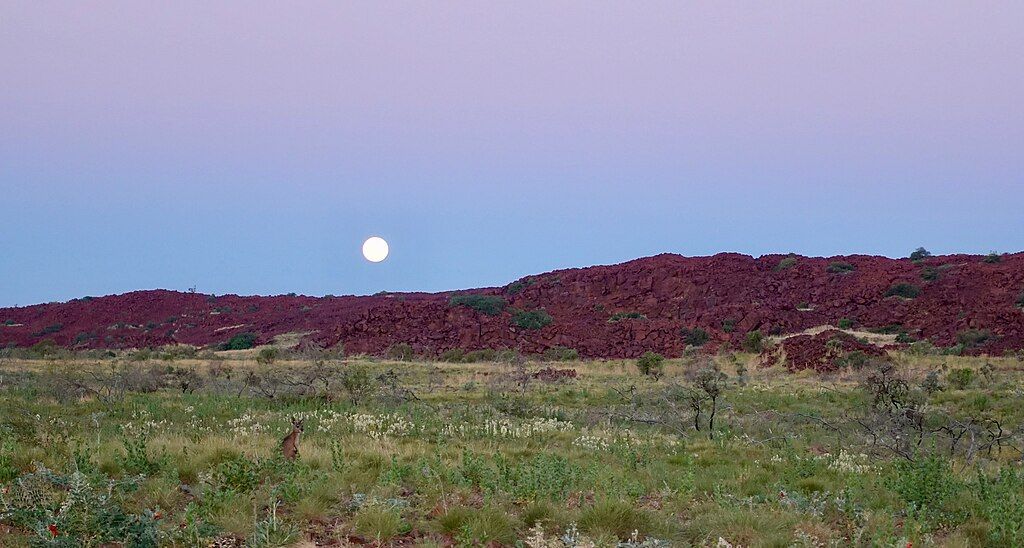
Case Study 8: Murujuga (Burrup Peninsula), Western Australia
This case study highlights Murujuga as one of the world’s most significant rock art landscapes, where ancient cultural heritage is safeguarded by Traditional Owners amid escalating threats from industrial development and pollution.
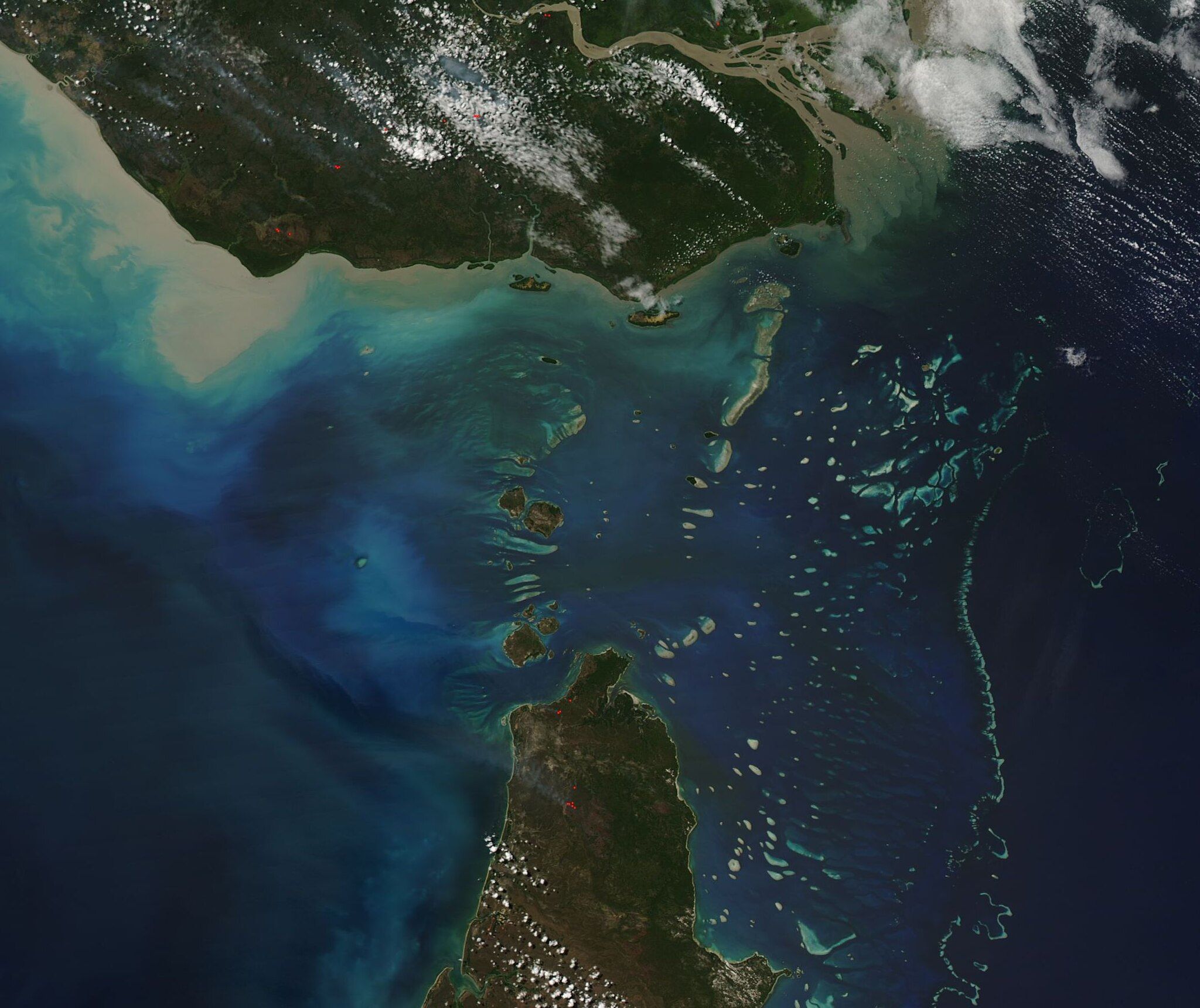
Case Study 9: Ancient Trackways of Mer, Murray Islands, Torres Strait, Qld
This case study highlights the ancient Waiet trackways of the Murray Islands as sacred ceremonial paths linking land, sea, and ancestral stories, now being revitalised through community-led cultural renewal in the face of colonisation and climate change.