Home/Curriculum resources/Protecting sites of significance/Case Study 8: Murujuga (Burrup Peninsula), Western Australia
Learning Area:
Humanities and Social Sciences
Year levels:
Level 7, Level 8
Case Study 8: Murujuga (Burrup Peninsula), Western Australia
This case study is a part of the Protecting sites of significance resource.
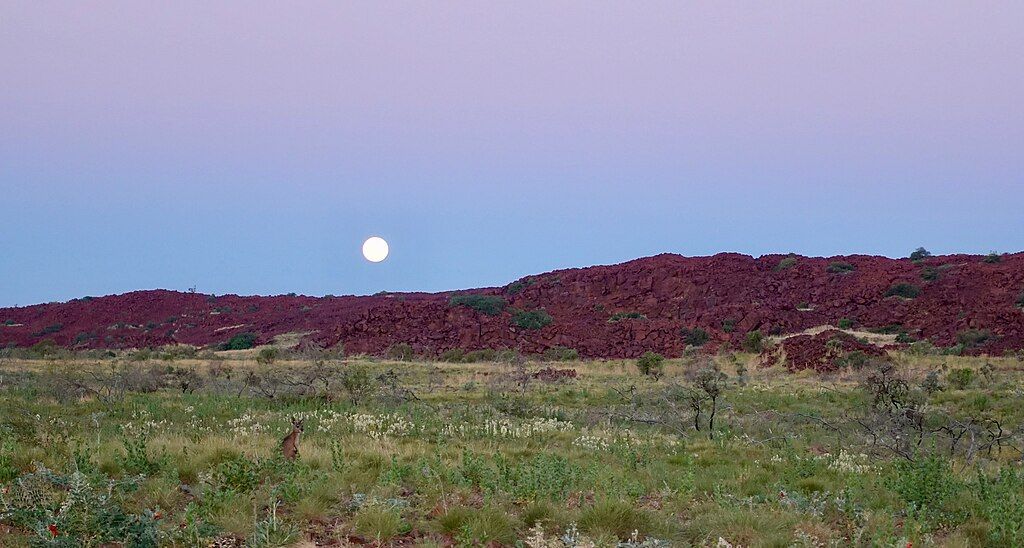
Pilbara Kangaroo. Location: Murujuga (Burrup Peninsula), Western Australia Photographer: Marius Fenger. Source: Wikimedia Commons. Used under licence: Public Domain.

Case Study 8: Murujuga (Burrup Peninsula), Western Australia
Murujuga, also known as the Burrup Peninsula, is located in the Pilbara region of Western Australia, near the town of Dampier and the city of Karratha. It sits on the northwest coast, extending into the Indian Ocean, and is home to the world’s largest collection of Aboriginal rock art. Traditional Owners of Murujuga are the Ngarluma, Yindjibarndi, Yaburara, Mardudhunera and the Woon-goo-tt-oo peoples, the collective term “Ngarda-Ngarli” people is sometimes used.
A site of significance
This site is sacred to Aboriginal Peoples and is home to one of the largest collections of ancient rock art in the world, some of which dates back over 40,000 years. These artefacts are ten times older than the pyramids of Egypt. Carved into rocks are images of changing landscapes, tribal customs, and now-extinct species such as the Tasmanian tiger and fat-tailed kangaroo.
Ngarda-Ngarli stories describe how Murujuga’s rock art was shaped by the Marrga ancestral creator beings. These spirits helped to shape the natural world. Cut into Murujuga’s rocks are Dreaming stories thousands of years old that remain deeply relevant to Aboriginal Peoples, saysMarduthenera custodian, Raelene Cooper: “The rock art tells the stories of evolution and are a biblical archive of our sacred ancient history. They carry and hold a deep connection to Mother Earth” 0 .
As well as being works of art, these carvings provide remarkable scientific insights. “Murujuga has some of the oldest known images of the human face and a series of extinct animals”, Benjamin Smith, Professor of World Rock Art at University of Western Australia says. “The changing fauna within the art shows massive climatic and environmental changes over time. The site was once more than 60 miles inland. Now it is a peninsula surrounded by sea” 0 .
Damage to Murujuga
The Burrup Peninsula is home to Australia’s largest fossil fuel project. Pollution generated by huge and expanding industrial complexes threaten the ancient site 0 . Marduthenera custodian Raelene Cooper shares that toxic emissions from the Scarborough gas field development would damage Murujuga: “We can physically see the destructive consequences from chemical pollution and greenhouse emissions (from existing projects)” 0 .
Professor Ben Mullins’ work involves determining whether there is anything humans are doing that is causing the rock art to degrade or have accelerated weathering. "The dominant theory up until now has been an acid rain kind of hypothesis - that you have these chemicals that are released that can form acids and they can then accelerate the weathering" he says 0 . Many people believe that gases from industry such as nitrogen dioxide, sulphur dioxide and ammonia are impacting rock art, Professor Mullins says the latest research project aims to provide a "definitive answer" 0 .
Murujuga Aboriginal Corporation
Murujuga Aboriginal Corporation (MAC) is made up of members from five Traditional Owner groups: the Ngarluma, Mardudhunera, Yaburara, Yindjibarndi, and Wong-Goo-Tt-Oo peoples. MAC’s mission is to preserve and protect the land, heritage and culture while bringing together the five groups to pave the way for future generations and work together for Country, while respecting law, heritage and traditions3. MAC leads the following projects:
Rock Art Monitoring Program (MRAMP)
Described as the largest and most comprehensive rock art monitoring program ever implemented in the world, the research will be used to set new emissions standards 0 . Yingibarndi man Glen Aubrey, a local ranger being trained in rock art monitoring as part of the Murujuga MRAMP, wants to know what impact major gas and fertiliser plants are having on ancient rock art: “I don’t want to see any rock art getting destroyed through emissions or anything like that. I'd just like to protect it" 0 .
Murujuga Rangers
The Murujuga Rangers, established in 2012, co-manage Murujuga National Park and the surrounding National Heritage-listed areas in partnership with the Department of Biodiversity, Conservation, and Attractions. Ngarda-Ngarli custodians conduct regular patrols, utilise advanced data collection tools, and uphold cultural protocols to preserve the region's natural ecosystems and cultural heritage. Their responsibilities also encompass visitor education, enforcement of national park regulations, and pest and weed management to protect Murujuga's biodiversity 0 .
Cultural tourism
The Murujuga Tourism Program aims to develop a Tourism Precinct at Conzinc Bay, featuring the Murujuga Living Knowledge Centre. This initiative seeks to protect and promote the cultural and natural values of the Murujuga area.
Edible Oyster Project
The Edible Oyster Project, led by the MAC in collaboration with the Pilbara Development Commission and Maxima Pearling Company, aims to establish a sustainable rock oyster industry in the Pilbara region. In 2015, over 120,000 juvenile oysters were introduced to assess optimal growth conditions 0 . This initiative not only seeks to boost local aquaculture but also offers employment and training opportunities for Ngarda-Ngarli custodians, while enhancing regional tourism 0 .
Future Considerations
In July 2025, Murujuga was formally inscribed on the UNESCO World Heritage List as the “Murujuga Cultural Landscape,” recognising it as one of the world’s most significant continuous records of human cultural expression, with petroglyphs dating back more than 40,000 years. The listing brings strengthened international expectations for the protection of cultural and environmental values, requiring future development, tourism, and industrial activity to align with the site’s Outstanding Universal Value. While the inscription marks a historic achievement for Ngarda-Ngarli custodians, concerns remain about the impact of surrounding industrial emissions, making long-term cultural monitoring programs, Traditional Owner–led management, and stronger heritage protections essential to ensuring the rock art endures for future generations 0 .
Related case studies within this resources:
Case Study 1: Carnarvon Gorge, Queensland
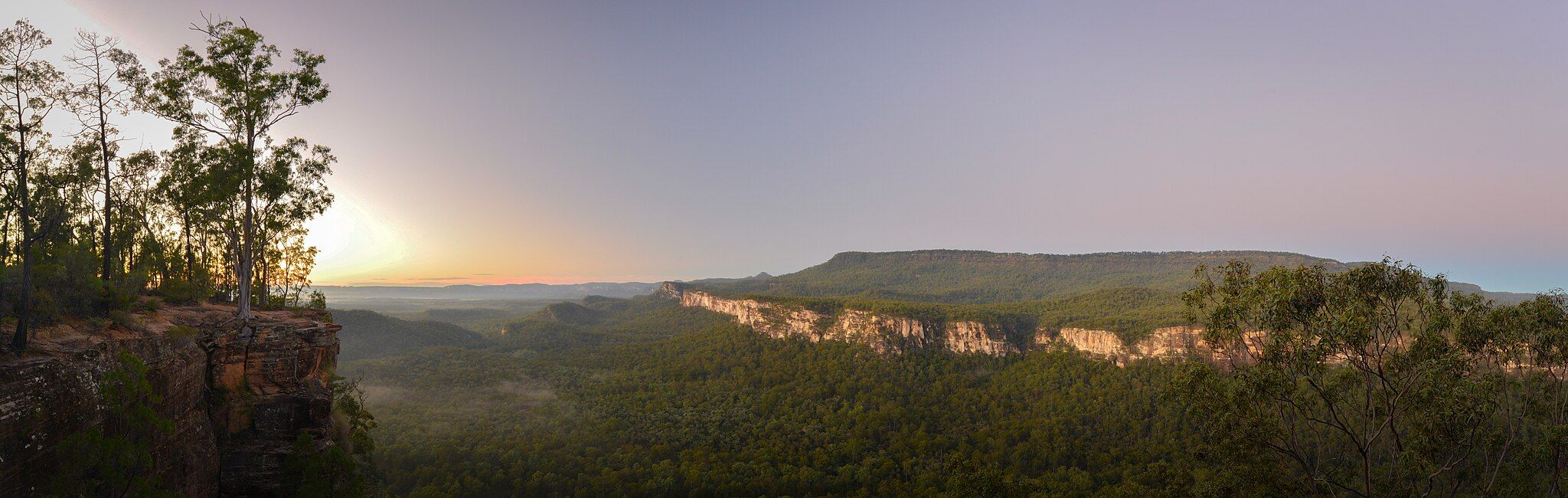
This case study highlights Carnarvon Gorge as a place of deep cultural significance, where rock art, enduring custodianship, and contemporary conservation challenges reveal the importance of Traditional Owner knowledge in caring for Country.
Case Study 2: Tidbinbilla Nature Reserve, Australian Capital Territory
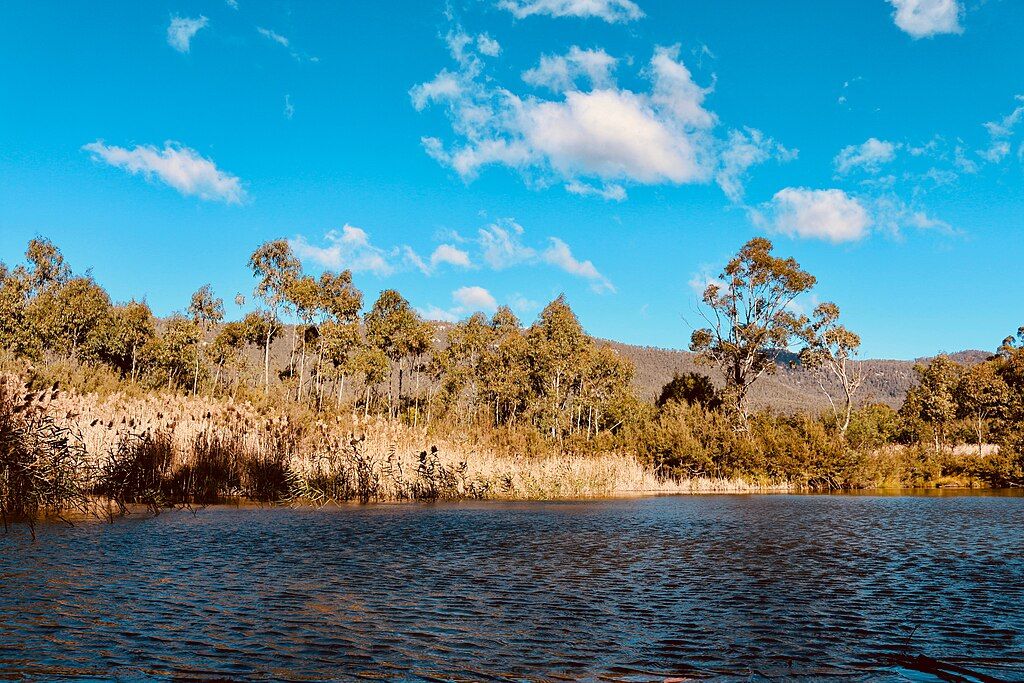
This case study highlights how Tidbinbilla Nature Reserve embodies the deep cultural, spiritual, and ecological significance of Ngunnawal Country through collaborative land stewardship, conservation, and ongoing cultural practices.
Case Study 3: Arthur-Pieman Conservation Area, Tasmania
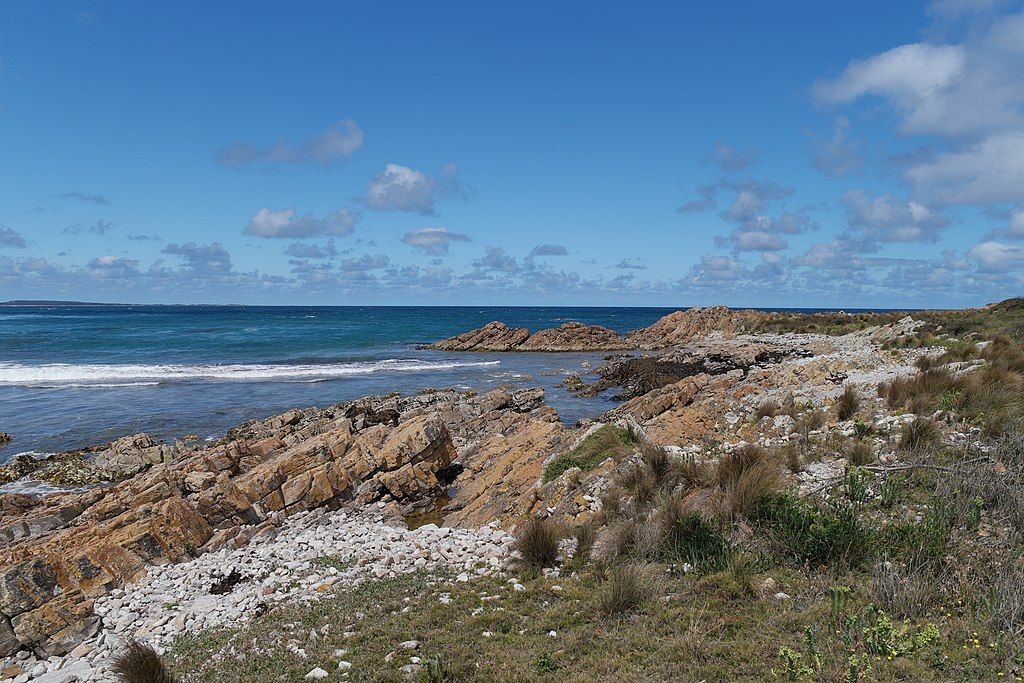
This case study highlights the Arthur-Pieman Conservation Area as a culturally significant landscape under threat, where ongoing tensions between recreational use and heritage protection highlight the urgent need for stronger custodianship and conservation of Aboriginal sites.
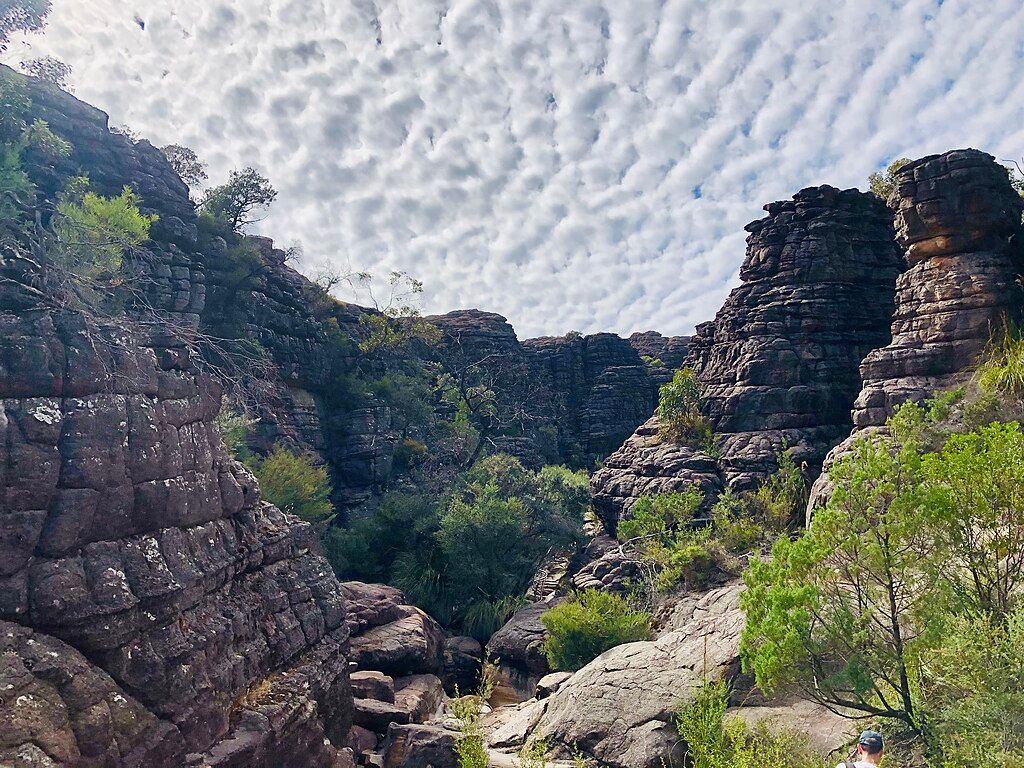
Case Study 4: Gariwerd (Grampians National Park), Victoria
This case study highlights Gariwerd as a significant cultural landscape where Traditional Owners, conservationists, and climbers navigate tensions between cultural heritage protection and recreational use, emphasising the importance of Indigenous-led stewardship and respectful visitor engagement.
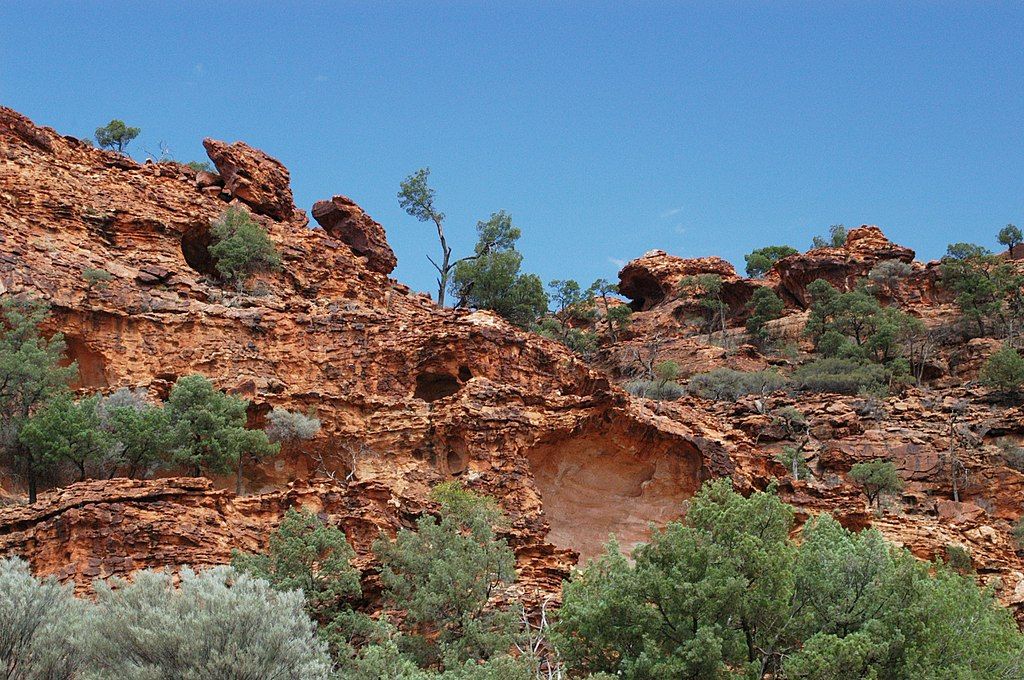
Case Study 5: Mutawintji National Park, New South Wales
This case study highlights Mutawintji National Park as a sacred cultural landscape where Traditional Owner-led management strengthens cultural continuity, conservation efforts, and community engagement on Country.
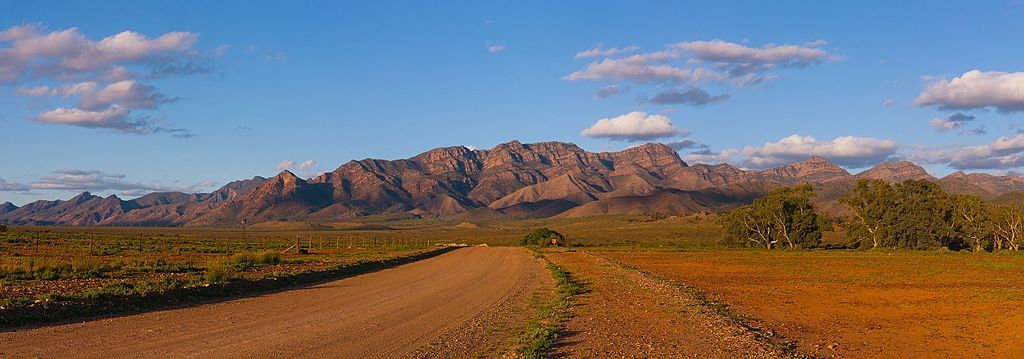
Case Study 6: Ikara-Flinders Ranges National Park, South Australia
This case study highlights Ikara–Flinders Ranges National Park as a place where deep cultural significance, co-management leadership, and large-scale conservation efforts reflect the enduring relationship between the Adnyamathanha people and their Country.
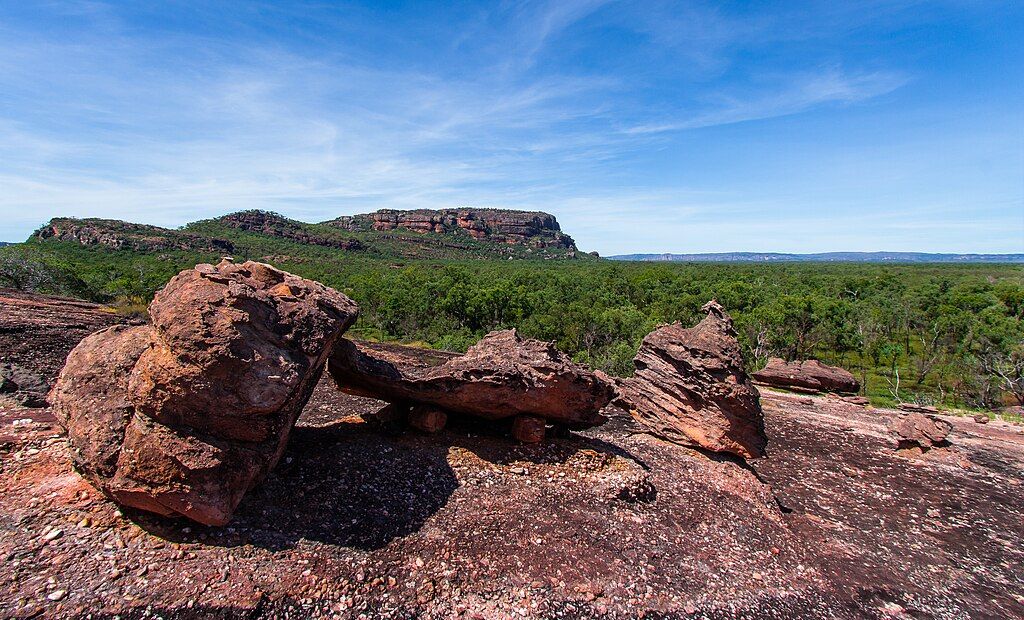
Case Study 7: Warddeken Indigenous Protected Area, Northern Territory
This case study highlights the Warddeken Indigenous Protected Area as a globally significant cultural and ecological landscape where Traditional Owner–led land management revitalises cultural knowledge, protects biodiversity, and supports community wellbeing on Country.
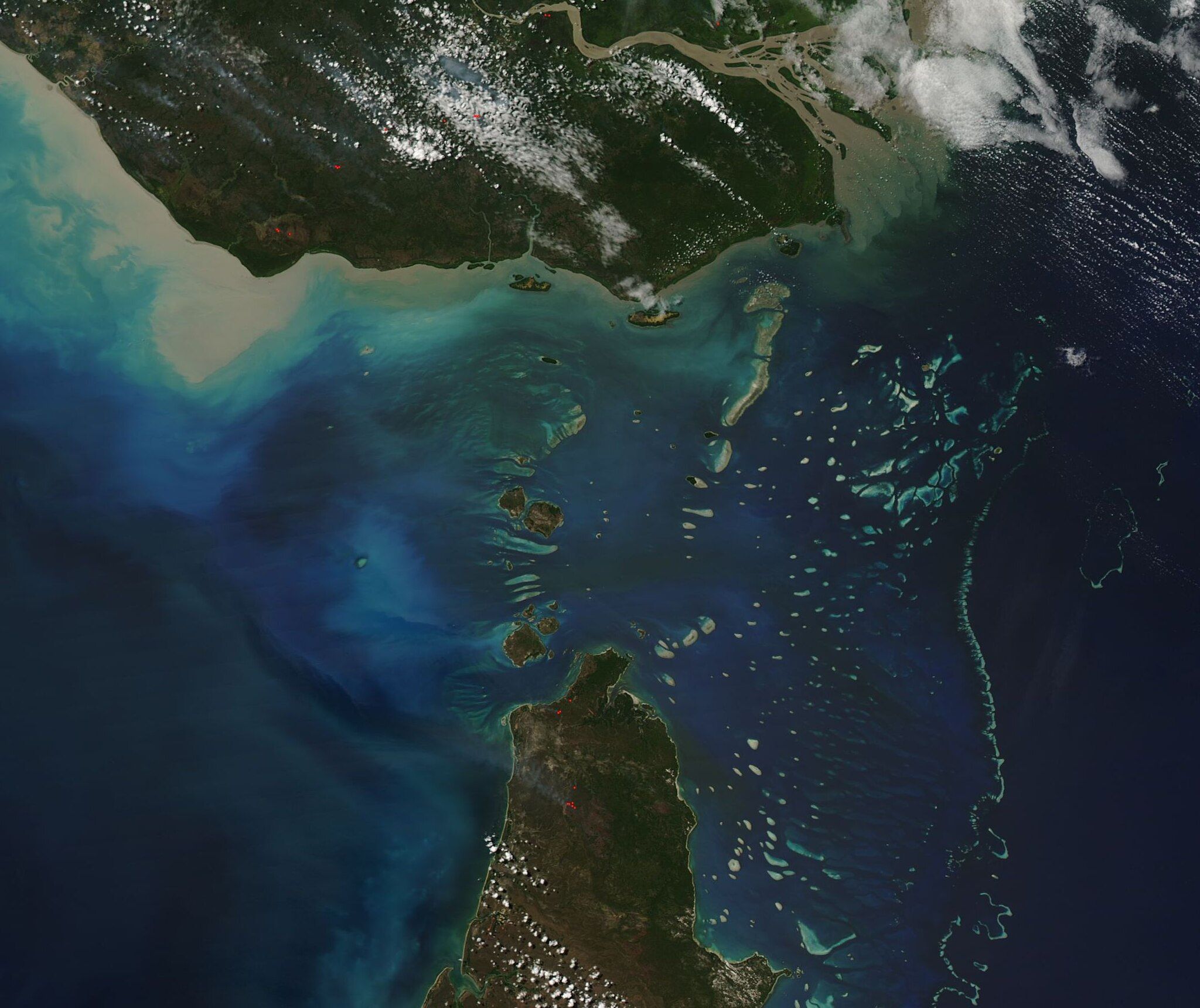
Case Study 9: Ancient Trackways of Mer, Murray Islands, Torres Strait, Qld
This case study highlights the ancient Waiet trackways of the Murray Islands as sacred ceremonial paths linking land, sea, and ancestral stories, now being revitalised through community-led cultural renewal in the face of colonisation and climate change.