Home/Curriculum resources/Caring for Country/Case Study 9: Quarta-Tooma (Ormiston Gorge) – Albert Namatjira
Learning Areas:
Humanities and Social Sciences, Science, English, The Arts
Year levels:
Foundation, Level 1, Level 2
Case Study 9: Quarta-Tooma (Ormiston Gorge) – Albert Namatjira
This case study is a part of the Caring for Country resource.
Lyra star constellation. Photographer: Allexxandar. Source: Getty Images. Used under licence.

Case Study 9: Quarta-Tooma (Ormiston Gorge) – Albert Namatjira
When Western Aranda artist Albert Namatjira (c. 1902–1959) painted his Country, he created something very special – far more than a simple picture of land, water and sky. Working with the colours of Country itself, Namatjira’s paintings share the deep relationships that make up Country in all its vibrance. For him, Country shaped what he knew, how he lived and how he saw himself, his family and the world.
“The name Albert Namatjira is synonymous with Aboriginal art. A proud Western Aranda watercolourist, Namatjira inadvertently shifted the way the general public viewed Aboriginal art from the late 1930s on.” — Shanysa McConville (2024, p. 243) 0
Born at Hermannsburg (Ntaria) in the Northern Territory, Namatjira grew up among the spectacular MacDonnell Ranges (Tjoritja). He first learned watercolour painting from Victorian artist Rex Battarbee at the Hermannsburg mission, trading six open-air lessons for guiding Battarbee through his Country.
“I saw Namatjira painting his colour country, admired the nice paint, and saw my colour country”. — Ginger Riley Munduwalawala (as cited in Ryan, 2001) 0
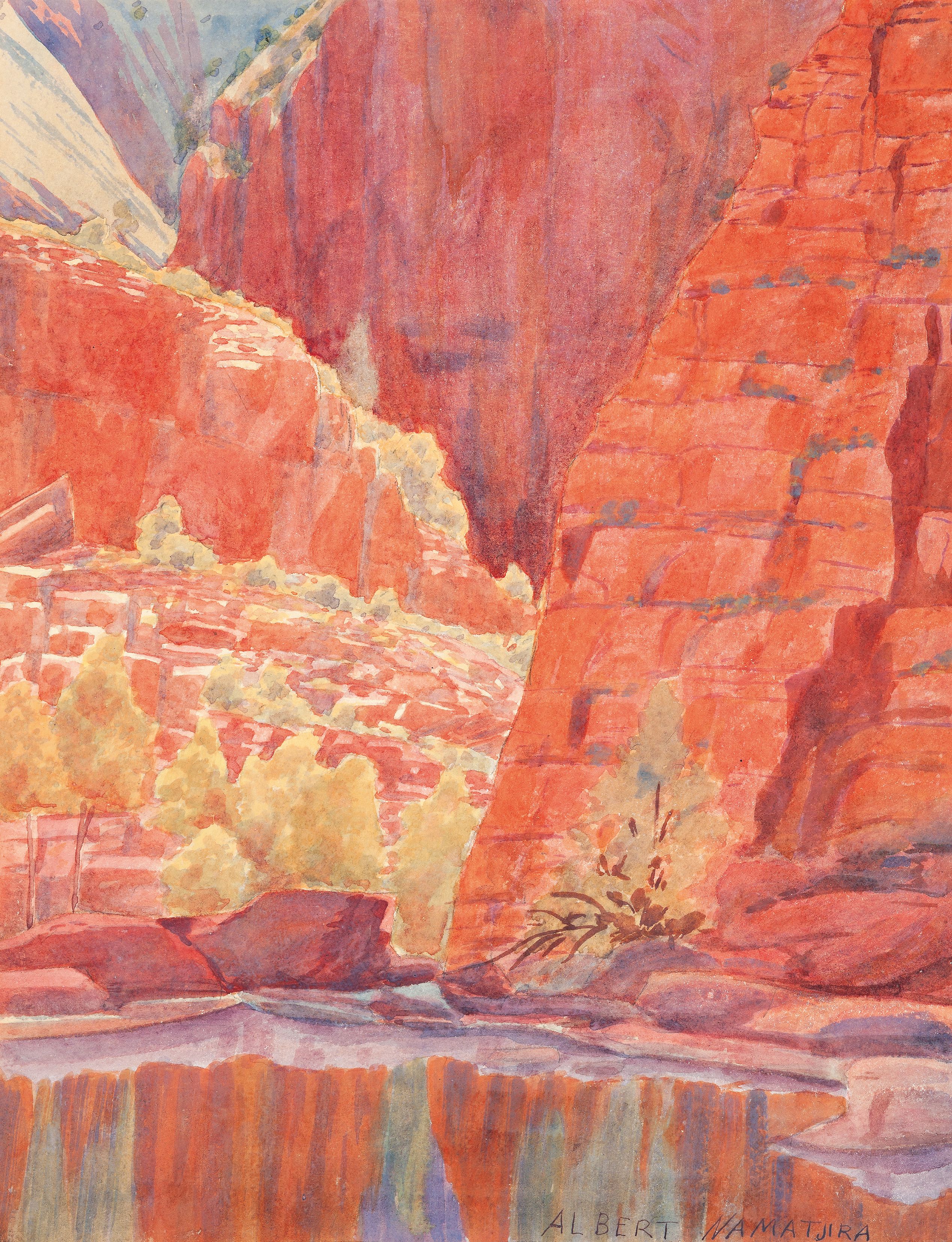
ALBERT NAMATJIRA (Western Aranda, 1902–1959) Quarta-Tooma (Ormiston Gorge), 1939 watercolour and gouache on paper 34.5 × 27 cm (sheet) Private collection
Quarta-Tooma (Ormiston Gorge) and the colours of Country
Although Namatjira spent years travelling and working, he remained deeply connected to his ancestral home. From the mid-1930s onward he painted outdoors, capturing bright colours and intricate details in works such as Quarta-Tooma (Ormiston Gorge). He often highlighted special sites and seasonal changes known only to Western Aranda People.
“I find in his paintings a marvellous sense of distance and space. His eyes can look so far away and seem to know what’s there.” — Lloyd Rees (as cited in Edmund, 2014, p. 352) 0
Unusually, Quarta-Tooma is painted in a portrait format (taller than wide). This choice encourages us to view Country not merely as a horizontal “landscape” but as a living entity that rises, listens and speaks.
“…People talk about country in the same way that they would talk about a person: they speak to country, sing to country, visit country, worry about country, feel sorry for country, and long for country...” — Deborah Rose-Bird (2016) 0
Inspiration, legacy and caring for Country
Namatjira’s vivid watercolours created a bridge between Aboriginal and Western art and inspired many other artists – among them the Hermannsburg Potters and the next generations of Western Aranda painters.
“We would sit down, watching him [Albert] paint the landscape. We was watching him thinking, ‘Oh, that’s a nice painting.’ Then, everyone started to learn to paint.” — Judith Inkamala, Chair and senior member of Hermannsburg Potters Aboriginal Corporation (as cited in McConville, 2024, p. 249) 0
His works continue to remind us that when people nurture and care for Country, Country remains strong and healthy – and, in turn, sustains people just as it has for countless generations.
Classroom link
Invite students to explore the components of Country in Namatjira’s painting – the river winding through land, the towering cliffs reaching into sky, the soft greens showing plant life along the water’s edge. Once students see how all these parts of Country fit together, explain that Namatjira painted them with great care because he knew that when people notice and look after every part of Country, the whole place stays strong and healthy – and then Country can keep looking after people, just as it has for countless generations.
Glossary
Hermannsburg Potters: The Hermannsburg Potters create handmade ceramic pots encompassing the histories and stories of their Country. There are strong connections between their work and that of Albert Namatjira (see, Hermannsburg Potters, n.d; National Portrait Gallery, 2021).
Ntaria/Hermannsburg: Hermannsburg, locally known as Ntaria, is approximately 130kms west of Alice Springs (Mparntwe) in the Central Desert region of Australia on Western Arrernte Country. The Hermannsburg Mission was established in 1877 by Lutheran Missionaries. The Arrernte community took responsibility for the mission in 1982 (see QAGOMA, 2025; QAGOMA, 2018; Hermannsburg Historic Project, n.d).
Watercolour paint/painting: Refers to both the watercolour medium itself, a water-soluble, transparent paint, and works of art created using this medium (see TATE, 2025; Gerhard, 2023).
Look, listen and learn further
Art Gallery of South Australia (AGSA). “Albert (Elea) Namatjira.” 2025. Accessed 16 July 2025. https://www.agsa.sa.gov.au/education/resources-educators/resources-educators-ATSIart/albert-elea-namatjira/.
Australian Broadcasting Corporation (ABC) News. “Namatjira’s Story.” YouTube video, 2010. Accessed 16 July 2025. https://www.youtube.com/watch?v=XxTp58aAn2E.
Big hART. “Namatjira.” Vimeo video. n.d. Accessed 16 July 2025. https://player.vimeo.com/video/206476778?title=0&byline=0&portrait=0.
Hermannsburg Historic Precinct. “Albert Namatjira.” n.d. Accessed 16 July 2025. https://hermannsburg.com.au/stories/albert-namatjira.
Iltja Ntjarra Many Hands Art Centre. “Albert Namatjira (1902–1959).” 2024. Accessed 16 July 2025. https://manyhandsart.com.au/about/albert-namatjira/.
McLean, Bruce James. “Albert Namatjira.” National Gallery of Australia. 2024. Accessed 16 July 2025. https://nga.gov.au/stories-ideas/albert-namatjira/.
Namatjira, Vincent. Albert Namatjira. Broome: Magabala Books, 2021.
National Portrait Gallery. “Portrait Story: Albert Namatjira.” YouTube video. n.d. Accessed 16 July 2025. https://www.youtube.com/watch?v=pmGNeaagw10.
Wellauer, K., A. Blau, T. Tan, and A. Kesper. “Do You Know Who’s Country You’re On?” ABC News. 9 July 2021. Accessed 16 July 2025. https://www.abc.net.au/news/2021-07-09/australia-talks-naidoc-your-country-traditional-owners/100262578.
Wheeler, Carole. Albert Namatjira Teacher Notes. Broome: Magabala Books, 2021. Accessed 16 July 2025. https://cdn.shopify.com/s/files/1/0092/5043/9268/files/Albert_Namatjira_Teacher_Notes.pdf?v=1628562045.
Related case studies within this resources:
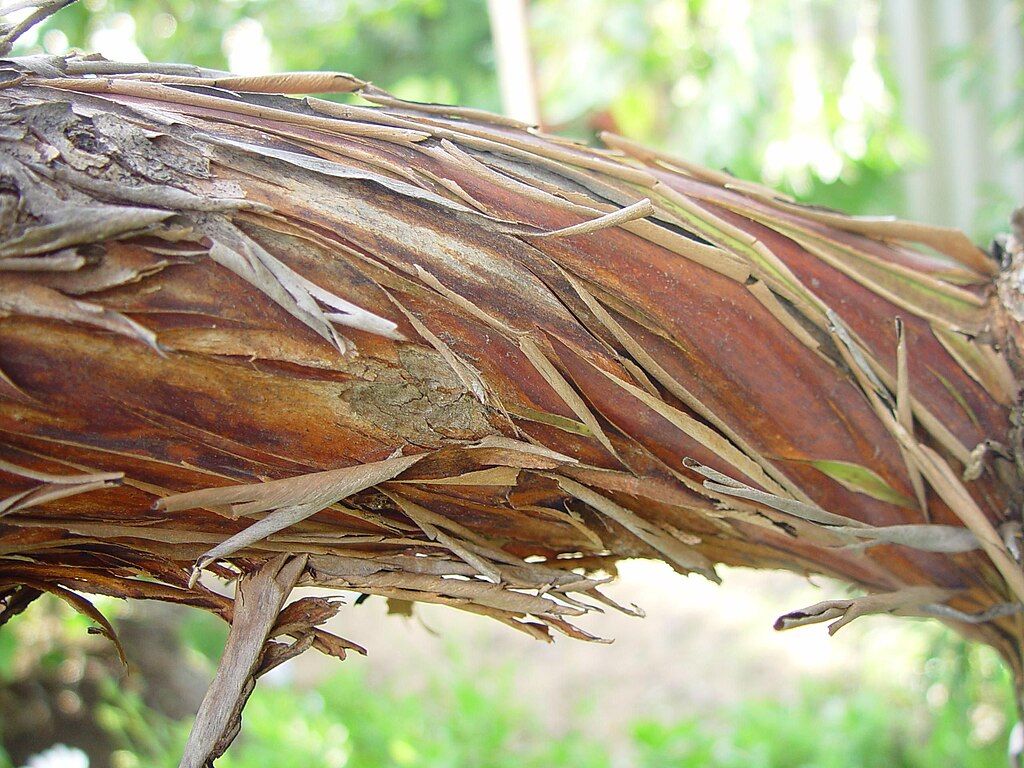
Case Study 1: Sugarbag season on Yolngu Country (North east Arnhem Land, Northern Territory)
Stringybark blossoms and buzzing “sugarbag” bees guide Yolngu People to harvest bush honey sustainably on Arnhem Land.
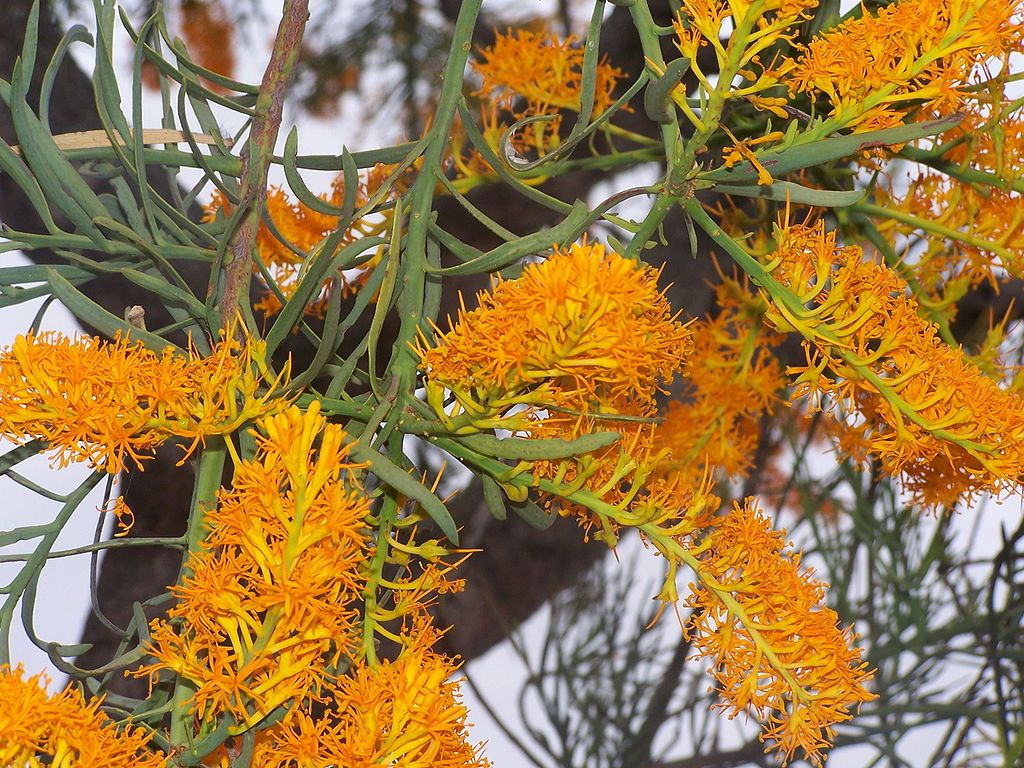
Case Study 2: Birak season on Noongar Country (South west corner of Western Australia)
Hot easterly winds and bright red coastal blossoms signal the mullet run, guiding Noongar People to harvest fish responsibly along south west Western Australia.
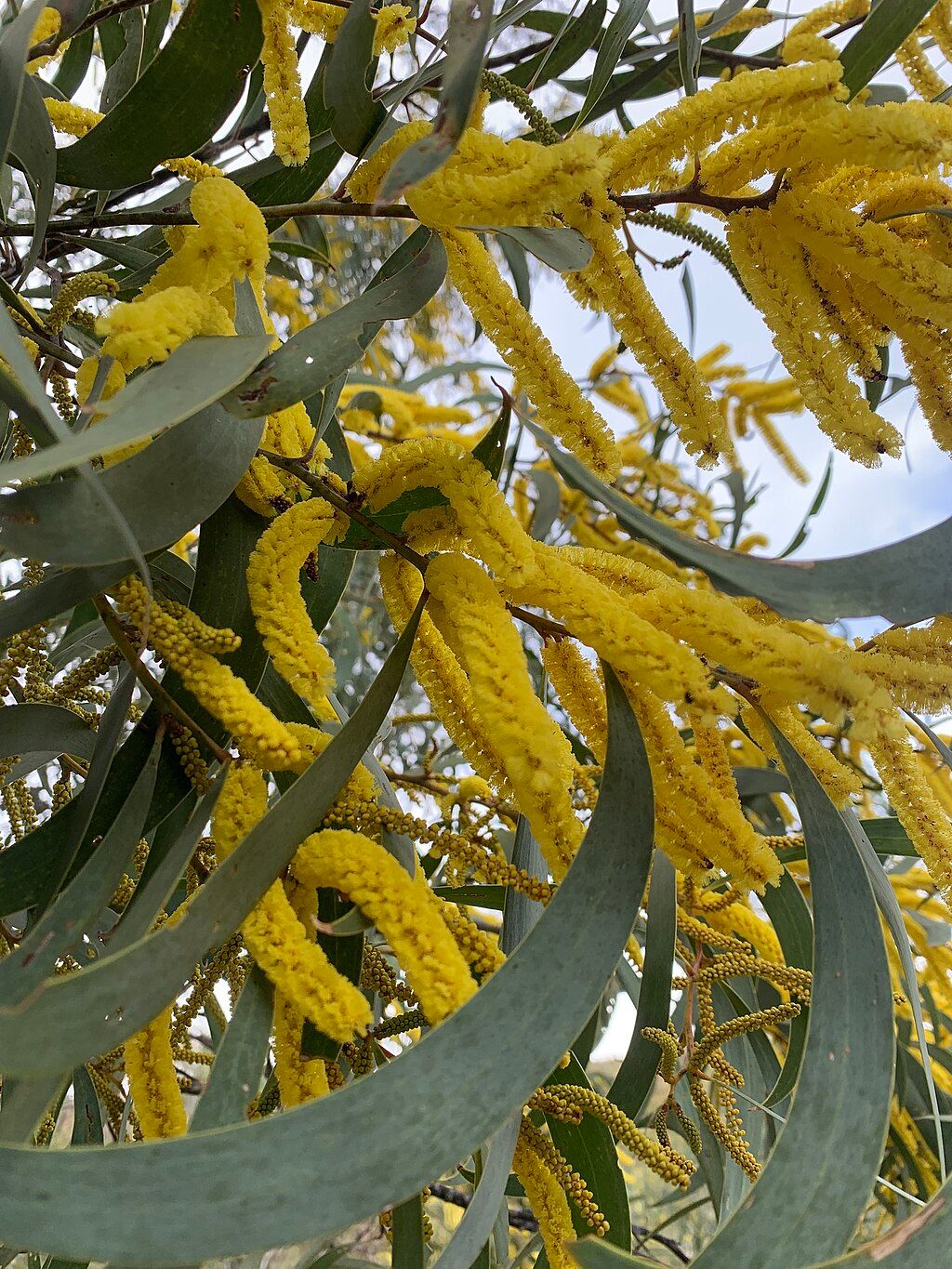
Case Study 3: Wattle blossoms signal cool burns on Banbai Nation (Wattleridge, New South Wales)
When wattles burst into bright yellow bloom, Banbai Traditional Owners know it is ‘time to begin cool, low intensity cultural burns that keep their Wattleridge woodlands healthy and safe.
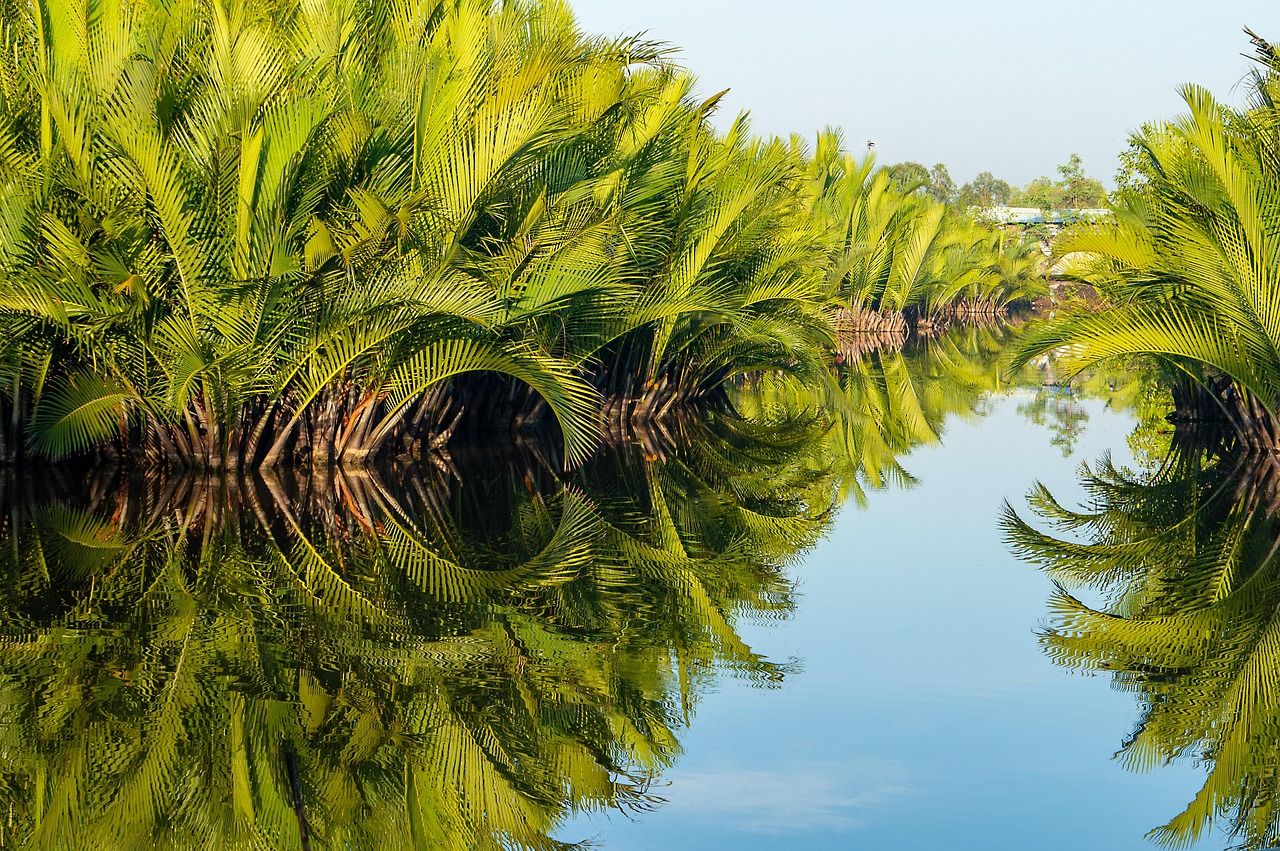
Case Study 4: Drift log harvest in Kuki season on Masig (Torres Strait)
Drift logs of Tuku (Nipa) and Bissi (Sago) – known as bethey (Kala Lagaw Ya) and sap/sarp (Meriam Mir) – wash onto Masig’s shore during Kuki season. Nothing is wasted: the logs respectfully gathered and carved into canoes, drums, and building timbers, refacing totemic relationships and the principle that people care for Country and Country cares for them.
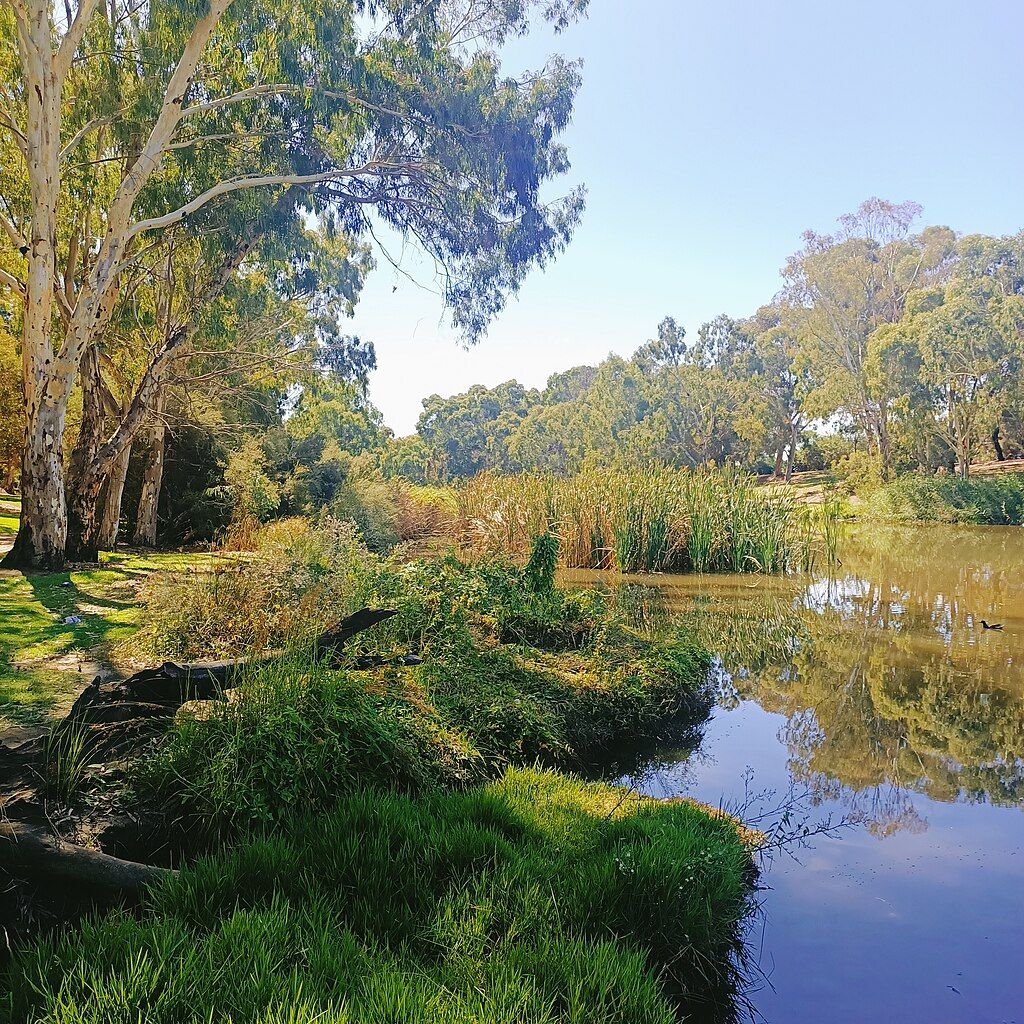
Case Study 5: Flooding and reed care in Parnati on Kaurna Country (Adelaide Plains, South Australia)
When dawn fog and floodwater spread across the reed beds in Parnati (Autumn), Kaurna People harvest only the tallest reeds for canoes and shelters, leaving shorter stems so nesting birdlife remain safe.
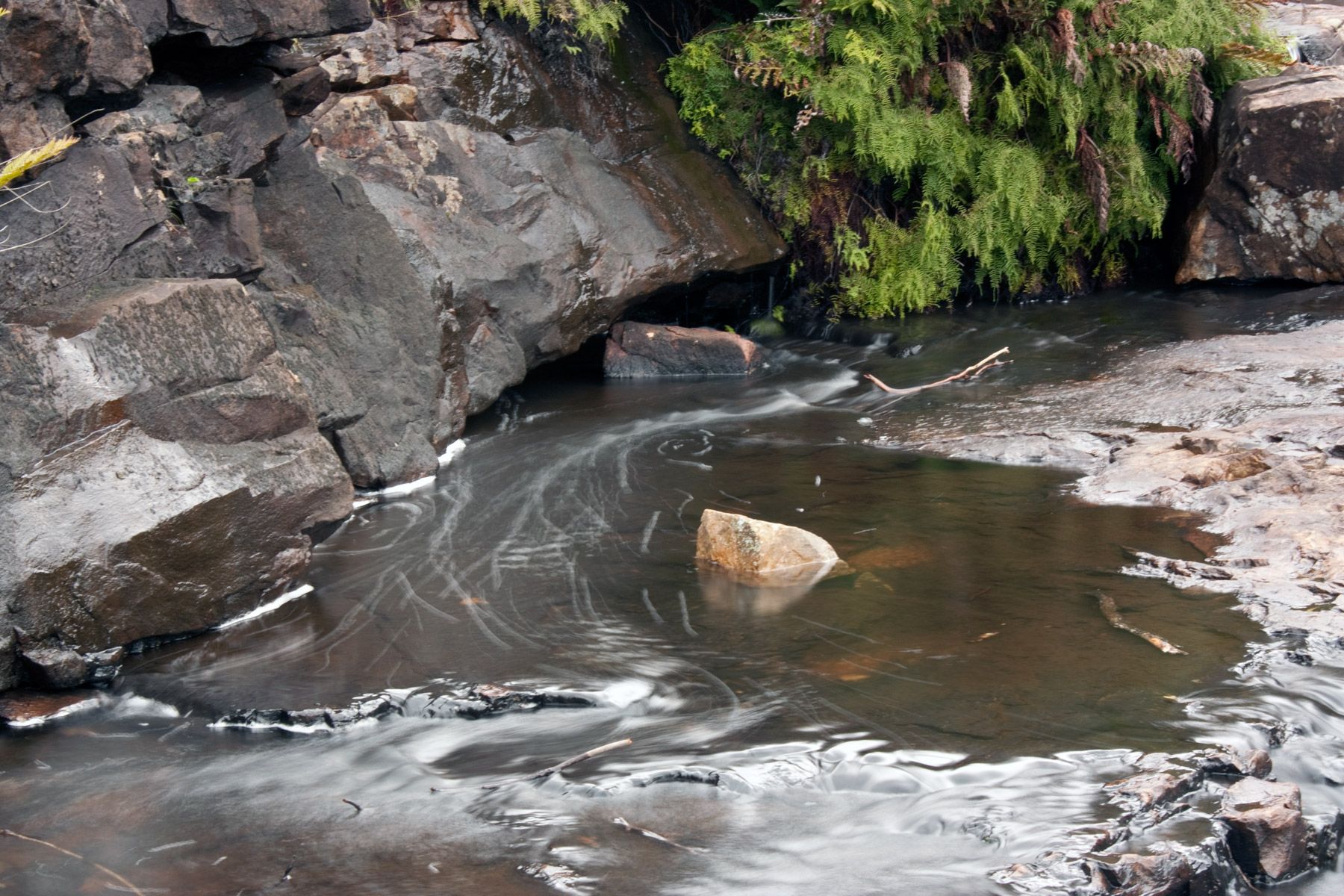
Case Study 6: Stone eel traps in Kooyang on Gariwerd Country (Grampians, Victoria)
When late summer heat shrinks the creeks and stars blaze in the Kooyang night sky, Djab Wurrung and Jardwadjali Peoples rebuild low stone traps to catch a share of fat eels, then open the walls so young fish and fresh water can keep moving upstream.
Case Study 7: Ngangkari Ngura (Healing Country) – Betty Muffler and Maringka Burton
Commissioned for the 65,000 Years: A Short History of Australian Art exhibition, this collaborative canvas by two Anangu Ngangkari healers celebrates their Tjukurpa and shows how ancestral powers are used to heal both people and Country.
Case Study 8: The Limmen Bight River – My Mother Country – Ginger Riley Munduwalawala
From the 65,000 Years: A Short History of Australian Art exhibition, this luminous aerial view of south east Arnhem Land weaves snake ancestor Garimala and sea eagle Ngak Ngak into the landscape, revealing Riley’s living connection to his Mother Country.