Home/Curriculum resources/Caring for Country/Case Study 6: Stone eel traps in Kooyang on Gariwerd Country (Grampians, Victoria)
Learning Areas:
Humanities and Social Sciences, Science, English, The Arts
Year levels:
Foundation, Level 1, Level 2
Case Study 6: Stone eel traps in Kooyang on Gariwerd Country (Grampians, Victoria)
This case study is a part of the Caring for Country resource.
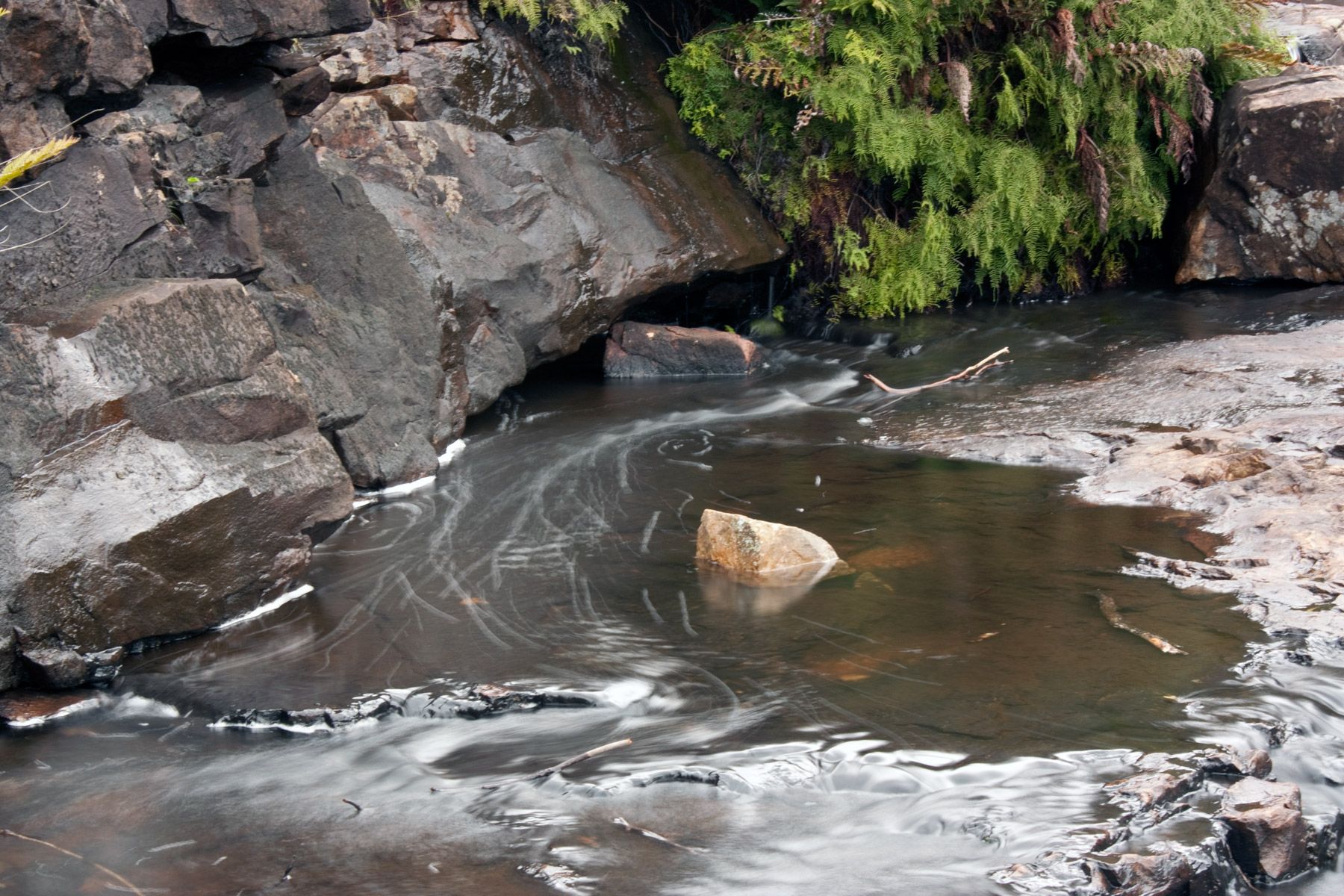
McKenzie Falls (Upper Tier). Location: Grampians, Victoria. Photographer: Rexness. Source: Wikimedia Commons. Used under licence: CC BY-SA 2.0

Case Study 6: Stone eel traps in Kooyang on Gariwerd Country (Grampians, Victoria)
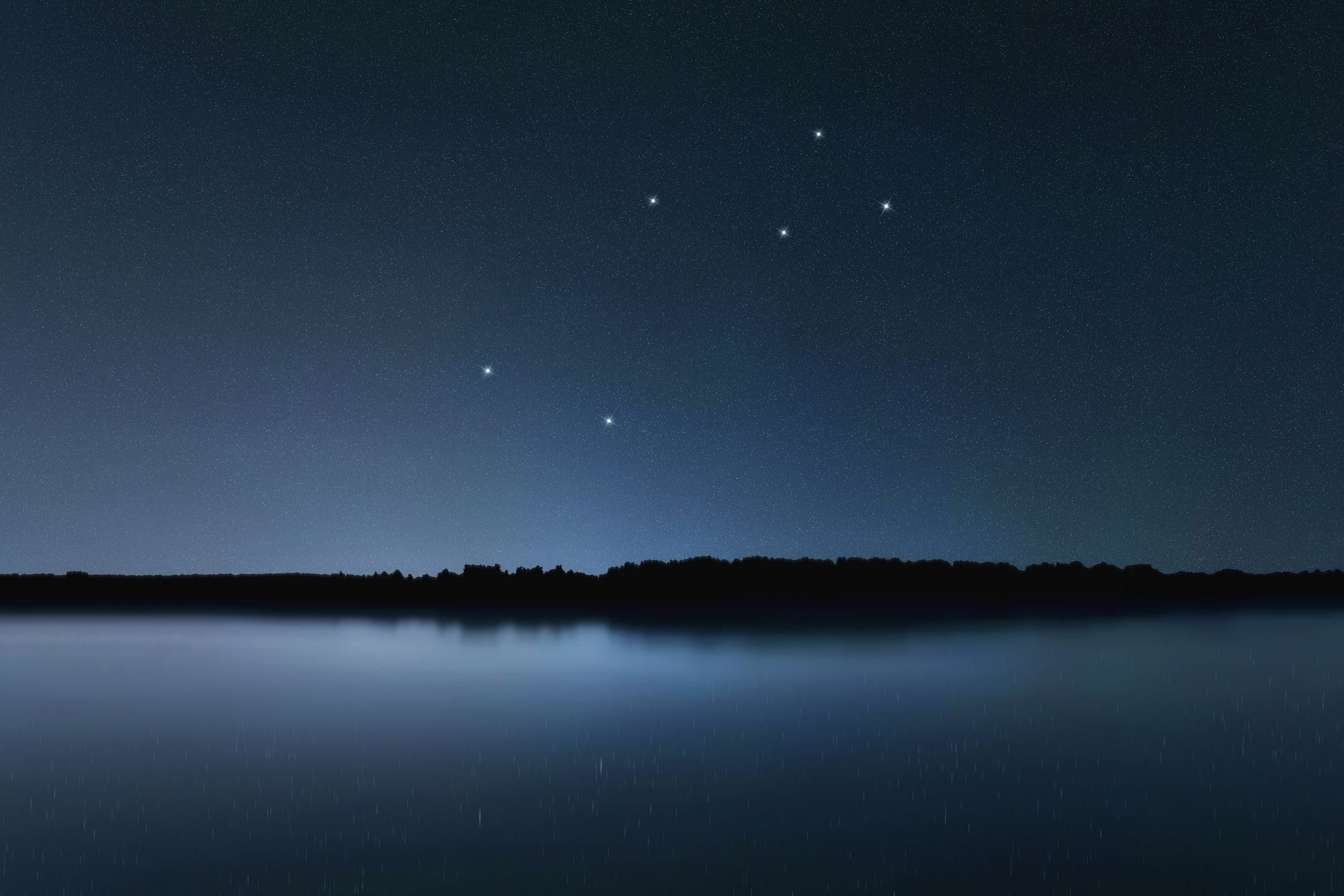
During Kooyang, the hottest, driest stretch of late January to March, surface water across the Grampians dwindles and Salt Creek runs low. Djab Wurrung and Jardwadjali fishers read two clear signs: the bright, crowded stars of summer nights and the slow pools that reveal dark shapes of short finned eels schooling in the shallows. People walk the creek bed, realign centuries old rows of flat stones and bait funnel openings with native galaxias. After taking only the fattest eels for roasting, they pull away key stones so smaller fish and early autumn flows can pass freely. In this way Kooyang becomes both harvest time and creek care time, turning a period of water scarcity into a lesson in restraint and renewal. 0
Community / Place
Gariwerd (Grampians) National Park, Western Victoria, is home to more than a third of the state’s rare or endangered plant species and holds permanent springs that feed Salt Creek and the Glenelg River. The people of this Country, Djab Wurrung in the south and Jardwadjali in the north, developed stone trap technology perfectly matched to these small, seasonal streams. 0
Seasonal or sensory cues
As Kooyang reaches its peak, night skies glitter with navigation stars and the midday heat bakes the clay banks until cracks appear. In the half shadowed pools, eels swirl in slow, silvery coils while their smaller galaxias prey dart beneath them. These visual and tactile cues, bright stars above, warm air and receding water below, tell fishers the moment has come to reset the age old stone traps. 0
Caring Action When the pools are ready, Djab Wurrung and Jardwadjali Peoples mount a creek care routine that balances food needs with waterway health:
Selective take – Only the thick bodied eels are removed; juveniles and by catch fish are released immediately.
Trap reset – After the harvest the outer stones are loosened or pulled aside, restoring flow for the coming autumn rains.
Reuse of materials – The same flat rocks are stacked year after year, avoiding fresh quarrying and keeping the creek banks stable.
Why it matters
Kooyang stone trapping turns a fleeting low water window into both nourishment and stewardship. By reopening the walls and returning small fish, people ensure that eels can continue their life cycle and that the creek supports plants, insects and birds through the coming seasons. This accessible example for students demonstrates how careful noticing leads to actions that help and heal Country.
Related case studies within this resources:
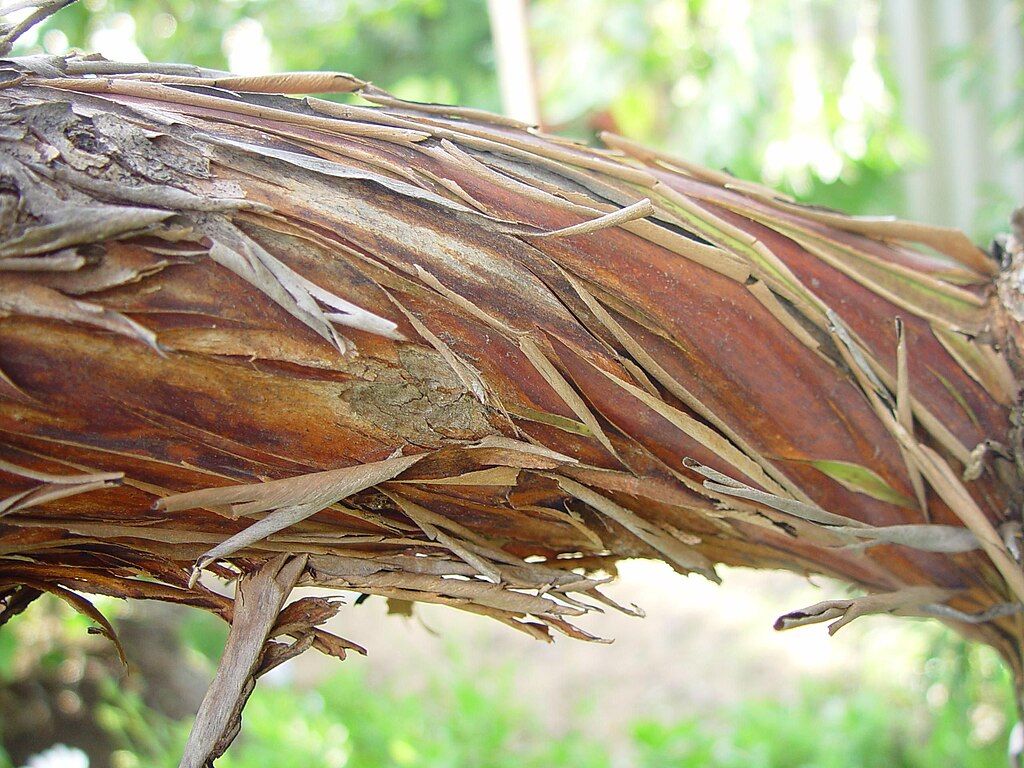
Case Study 1: Sugarbag season on Yolngu Country (North east Arnhem Land, Northern Territory)
Stringybark blossoms and buzzing “sugarbag” bees guide Yolngu People to harvest bush honey sustainably on Arnhem Land.
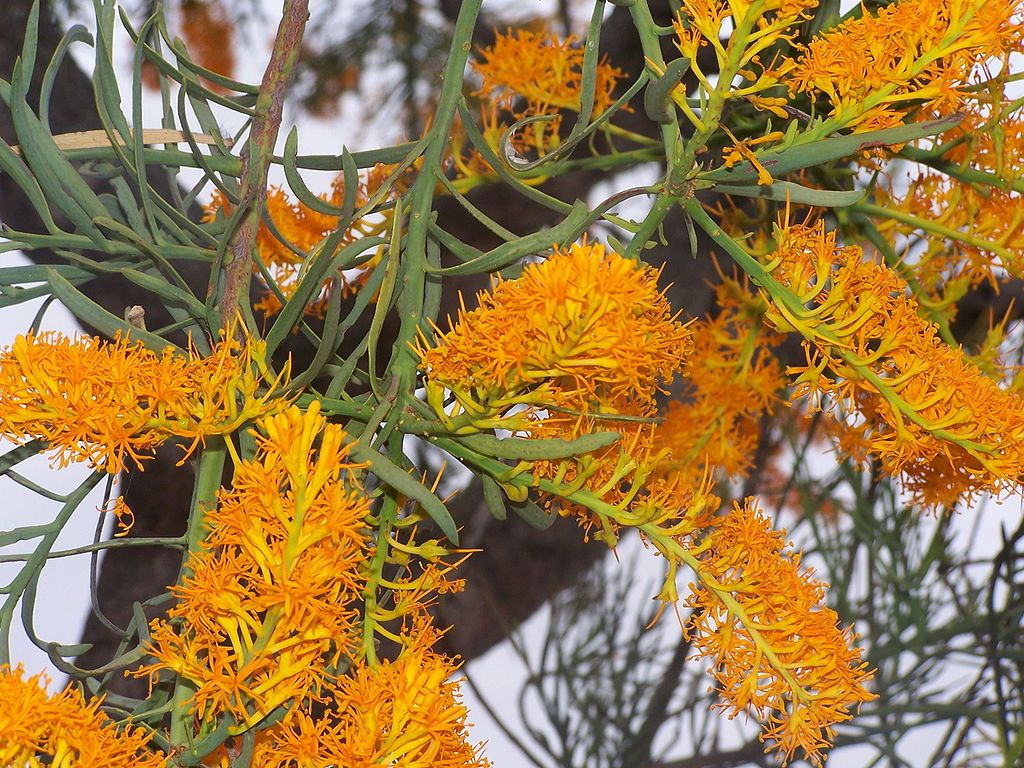
Case Study 2: Birak season on Noongar Country (South west corner of Western Australia)
Hot easterly winds and bright red coastal blossoms signal the mullet run, guiding Noongar People to harvest fish responsibly along south west Western Australia.
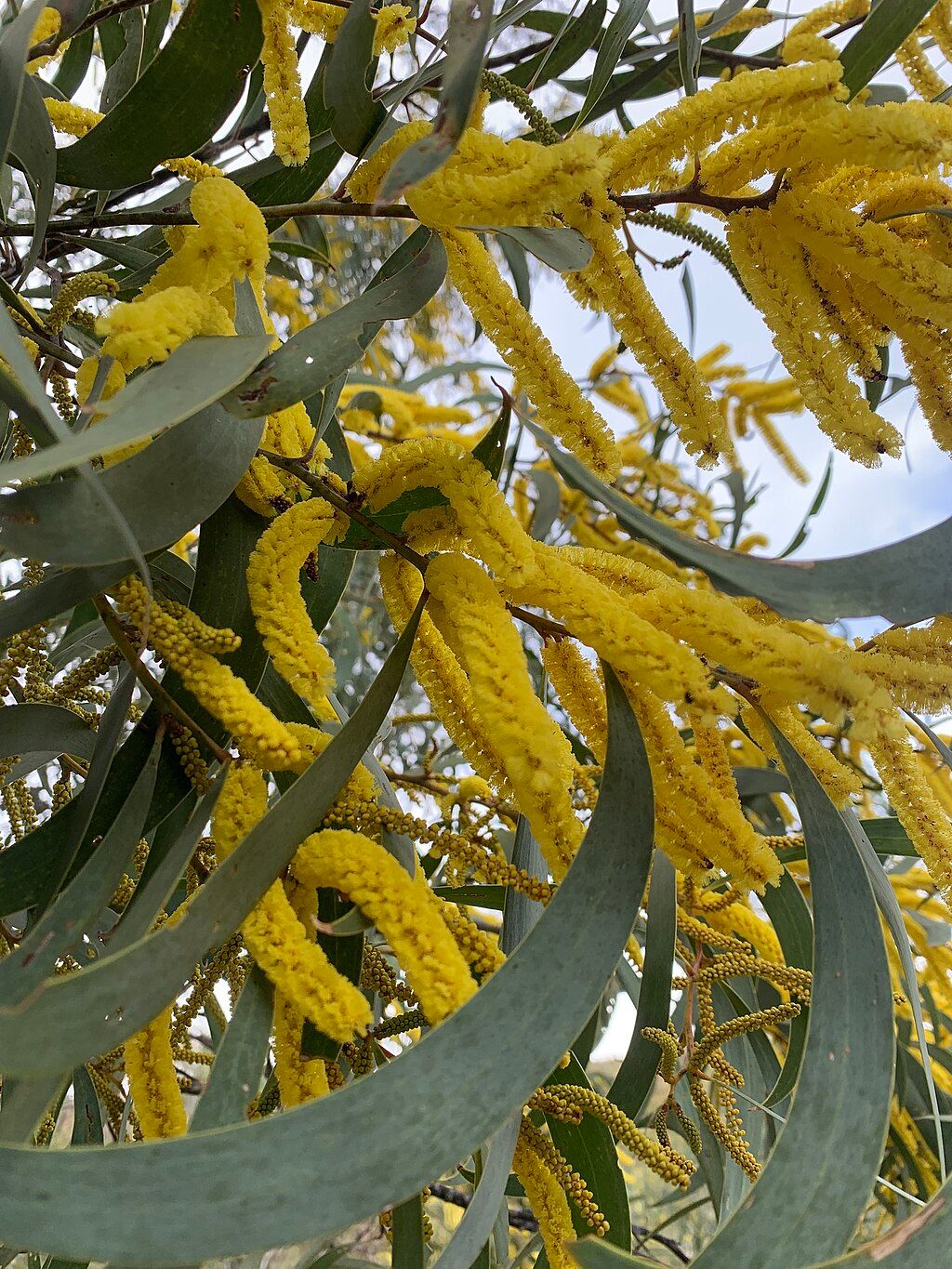
Case Study 3: Wattle blossoms signal cool burns on Banbai Nation (Wattleridge, New South Wales)
When wattles burst into bright yellow bloom, Banbai Traditional Owners know it is ‘time to begin cool, low intensity cultural burns that keep their Wattleridge woodlands healthy and safe.
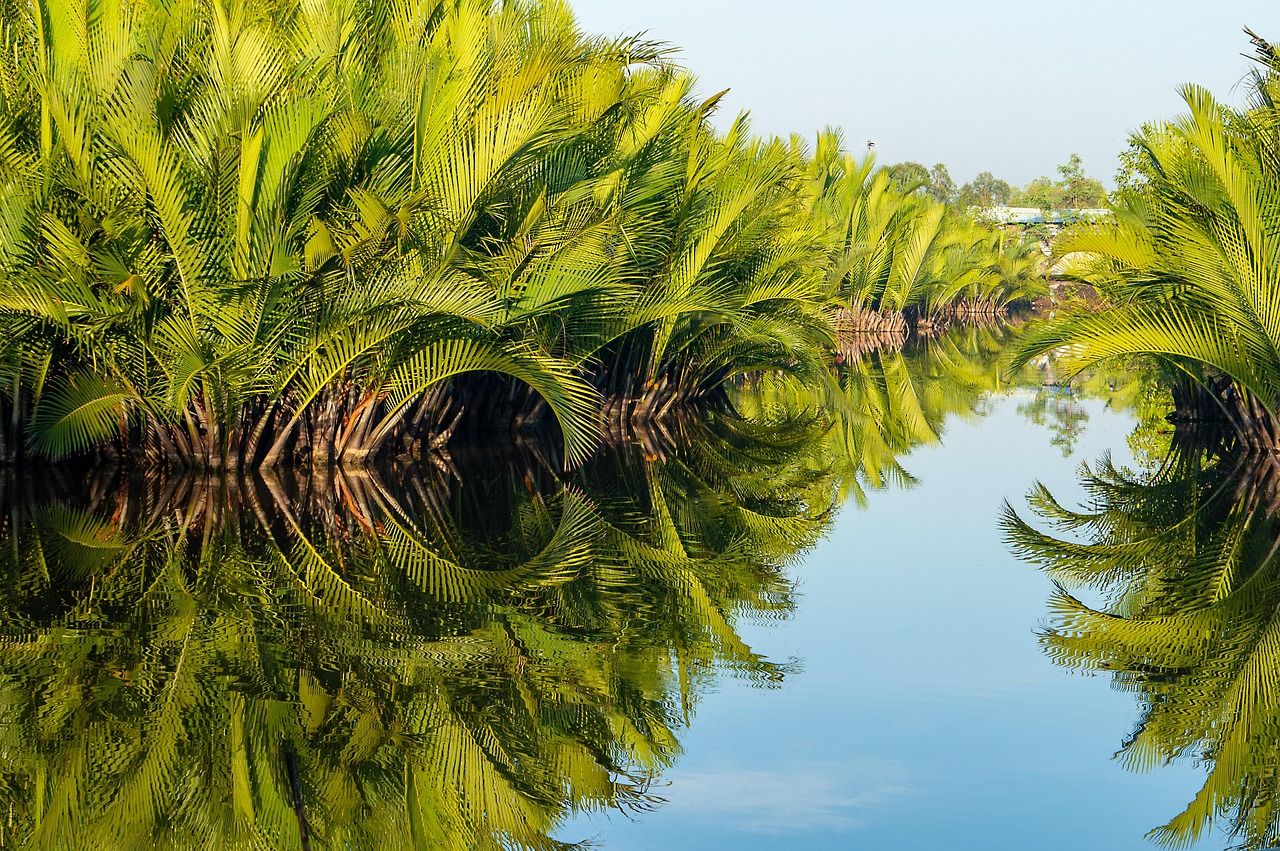
Case Study 4: Drift log harvest in Kuki season on Masig (Torres Strait)
Drift logs of Tuku (Nipa) and Bissi (Sago) – known as bethey (Kala Lagaw Ya) and sap/sarp (Meriam Mir) – wash onto Masig’s shore during Kuki season. Nothing is wasted: the logs respectfully gathered and carved into canoes, drums, and building timbers, refacing totemic relationships and the principle that people care for Country and Country cares for them.
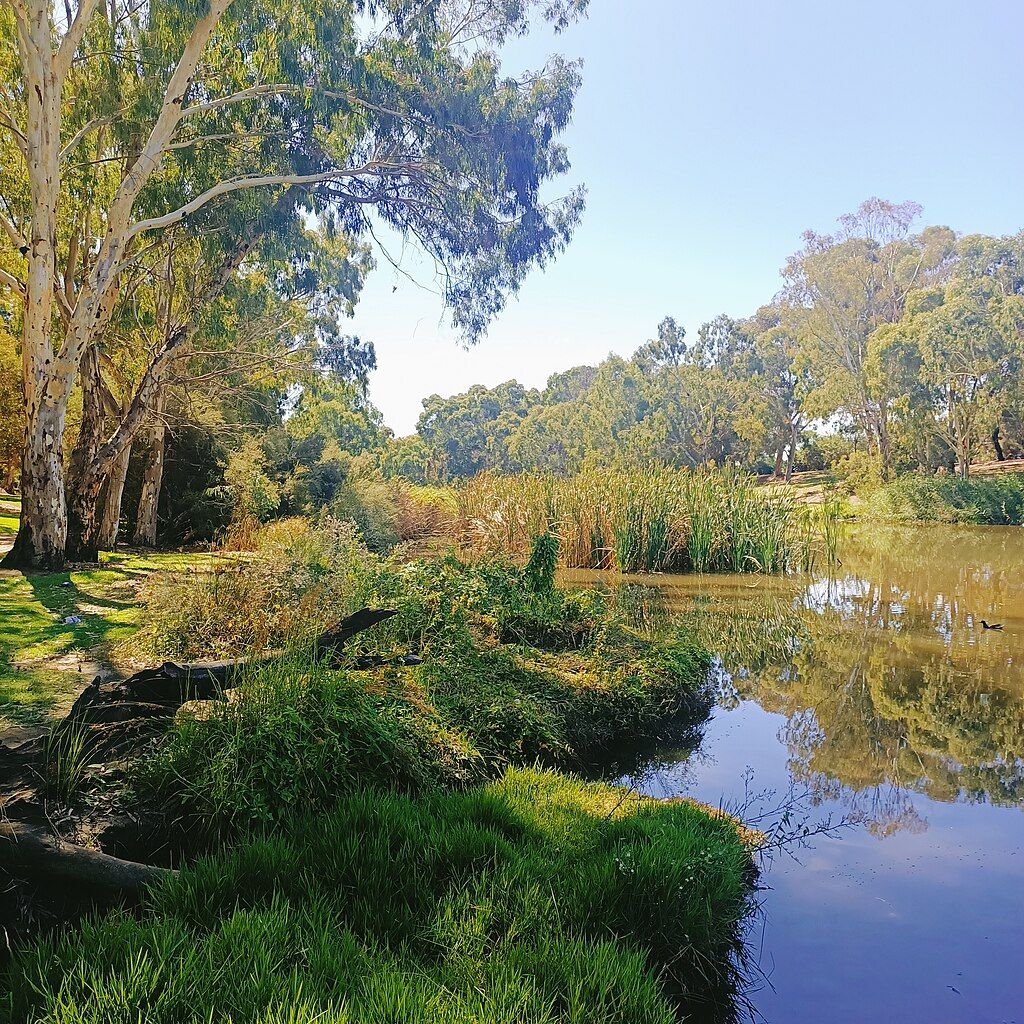
Case Study 5: Flooding and reed care in Parnati on Kaurna Country (Adelaide Plains, South Australia)
When dawn fog and floodwater spread across the reed beds in Parnati (Autumn), Kaurna People harvest only the tallest reeds for canoes and shelters, leaving shorter stems so nesting birdlife remain safe.
Case Study 7: Ngangkari Ngura (Healing Country) – Betty Muffler and Maringka Burton
Commissioned for the 65,000 Years: A Short History of Australian Art exhibition, this collaborative canvas by two Anangu Ngangkari healers celebrates their Tjukurpa and shows how ancestral powers are used to heal both people and Country.
Case Study 8: The Limmen Bight River – My Mother Country – Ginger Riley Munduwalawala
From the 65,000 Years: A Short History of Australian Art exhibition, this luminous aerial view of south east Arnhem Land weaves snake ancestor Garimala and sea eagle Ngak Ngak into the landscape, revealing Riley’s living connection to his Mother Country.
Case Study 9: Quarta-Tooma (Ormiston Gorge) – Albert Namatjira
Painted outdoors and shown in the 65,000 Years: A Short History of Australian Art exhibition, this vibrant watercolour combines Western technique with Western Aranda knowledge, portraying Tjoritja’s cliffs, river and sky as a single, living Country.