Home/Curriculum resources/Caring for Country/Case Study 3: Wattle blossoms signal cool burns on Banbai Nation (Wattleridge, New South Wales)
Learning Areas:
Humanities and Social Sciences, Science, English, The Arts
Year levels:
Foundation, Level 1, Level 2
Case Study 3: Wattle blossoms signal cool burns on Banbai Nation (Wattleridge, New South Wales)
This case study is a part of the Caring for Country resource.
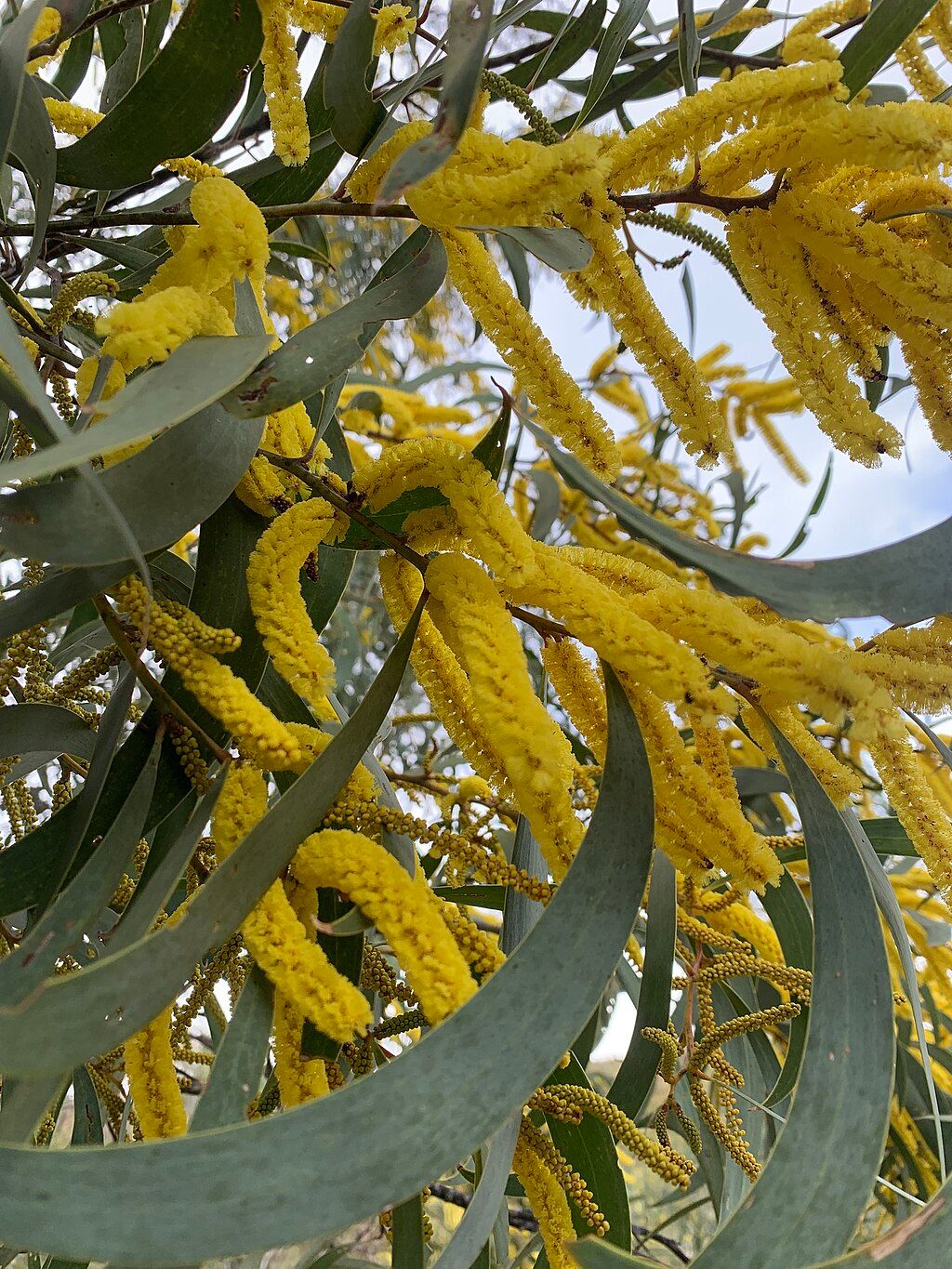
Motherumbah wattle (Acacia cheelii). Photographer: Guy Taseski. Source: Wikimedia Commons. Used under licence: CC BY 4.0

Case Study 3: Wattle blossoms signal cool burns on Banbai Nation (Wattleridge, New South Wales)
The Peoples of the Banbai Nation of the northern tablelands in New South Wales watch for the flowering of wattle to know when to start low intensity fires. This practice is part of their cultural burning traditions and helps maintain a healthy landscape. 0
Community / Place
The Banbai Nation cares for the 650 hectare Wattleridge Indigenous Protected Area near Guyra on the Northern Tablelands of New South Wales. Declared in 2010, Wattleridge is the first Indigenous Protected Area in NSW and is managed by Banbai Enterprise Development Aboriginal Corporation in partnership with the Firesticks Alliance. 0 0
Seasonal or sensory cues
The Banbai Fire and Seasons Calendar shows that late winter to early spring (August–September) is marked by mass wattle flowering; wattles are traditional “indicator plants” that tell people when to use fire, move camp or harvest resources. 0 Rangers also feel crisp early morning air and notice spear grass curing to straw, confirming conditions for gentle flame.
Caring action
Following these cues, Banbai Rangers ignite thin lines of fire in the late afternoon. The flames creep “like water down the hill,” leaving unburnt islands for small animals. 0 Post-burn monitoring reported on ABC Gardening Australia found:
more seedlings of the threatened black flowered grevillea emerge after cool burns than after hot hazard reduction fires
low flames retain ground layer shelter for echidnas (Kukra), reducing predation risk
reduced fuel loads helped shield rock art panels during the 2019 Black Summer bushfires. 0
Why it matters
Wattle blossom links a vivid plant signal to a caring action that heals Country; early, cool fire promotes native plant diversity, safeguards cultural sites, and lowers the danger of late-season wildfires. The Banbai example shows students that reading natural signs leads directly to respectful land care.
Related case studies within this resources:
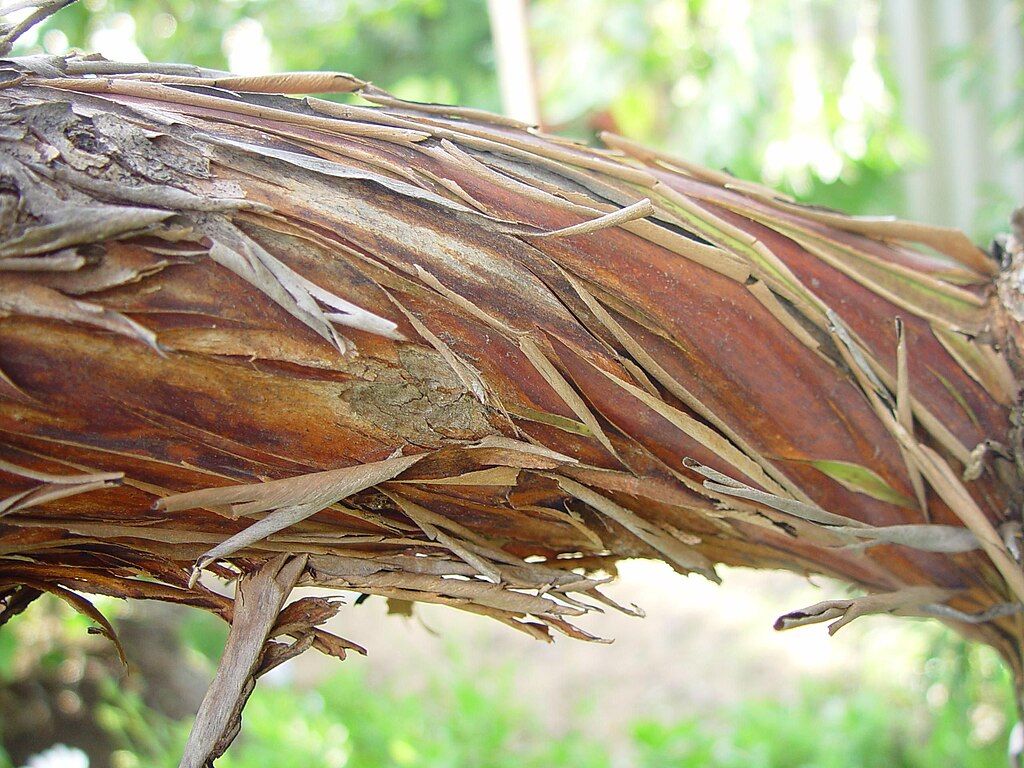
Case Study 1: Sugarbag season on Yolngu Country (North east Arnhem Land, Northern Territory)
Stringybark blossoms and buzzing “sugarbag” bees guide Yolngu People to harvest bush honey sustainably on Arnhem Land.
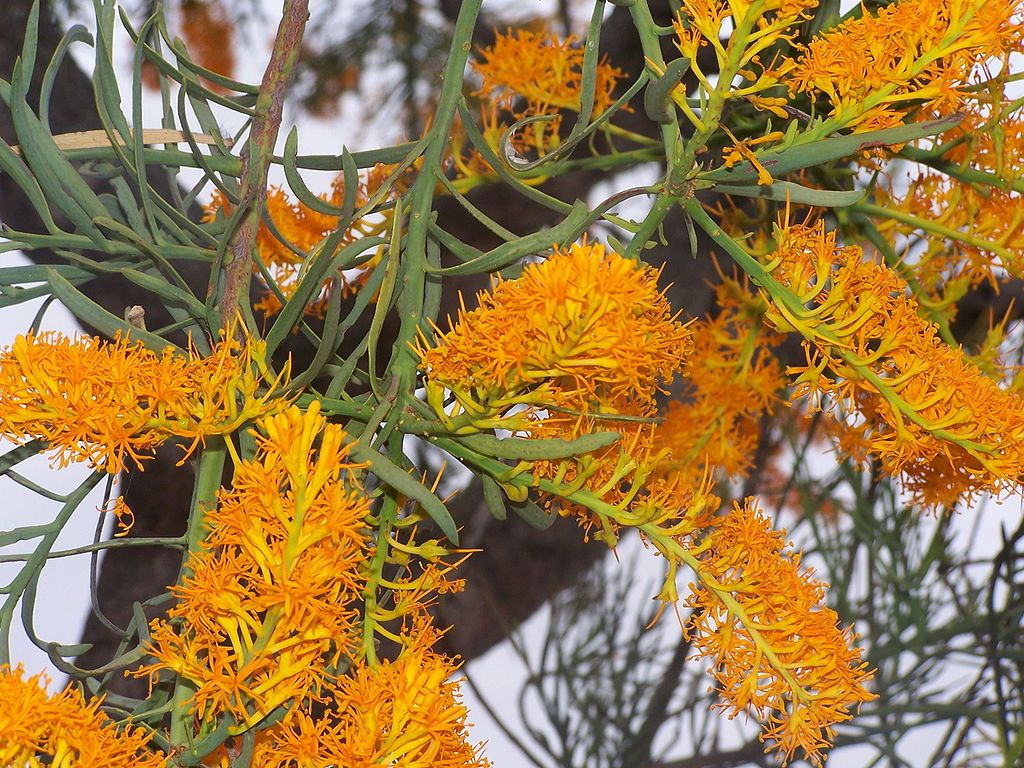
Case Study 2: Birak season on Noongar Country (South west corner of Western Australia)
Hot easterly winds and bright red coastal blossoms signal the mullet run, guiding Noongar People to harvest fish responsibly along south west Western Australia.
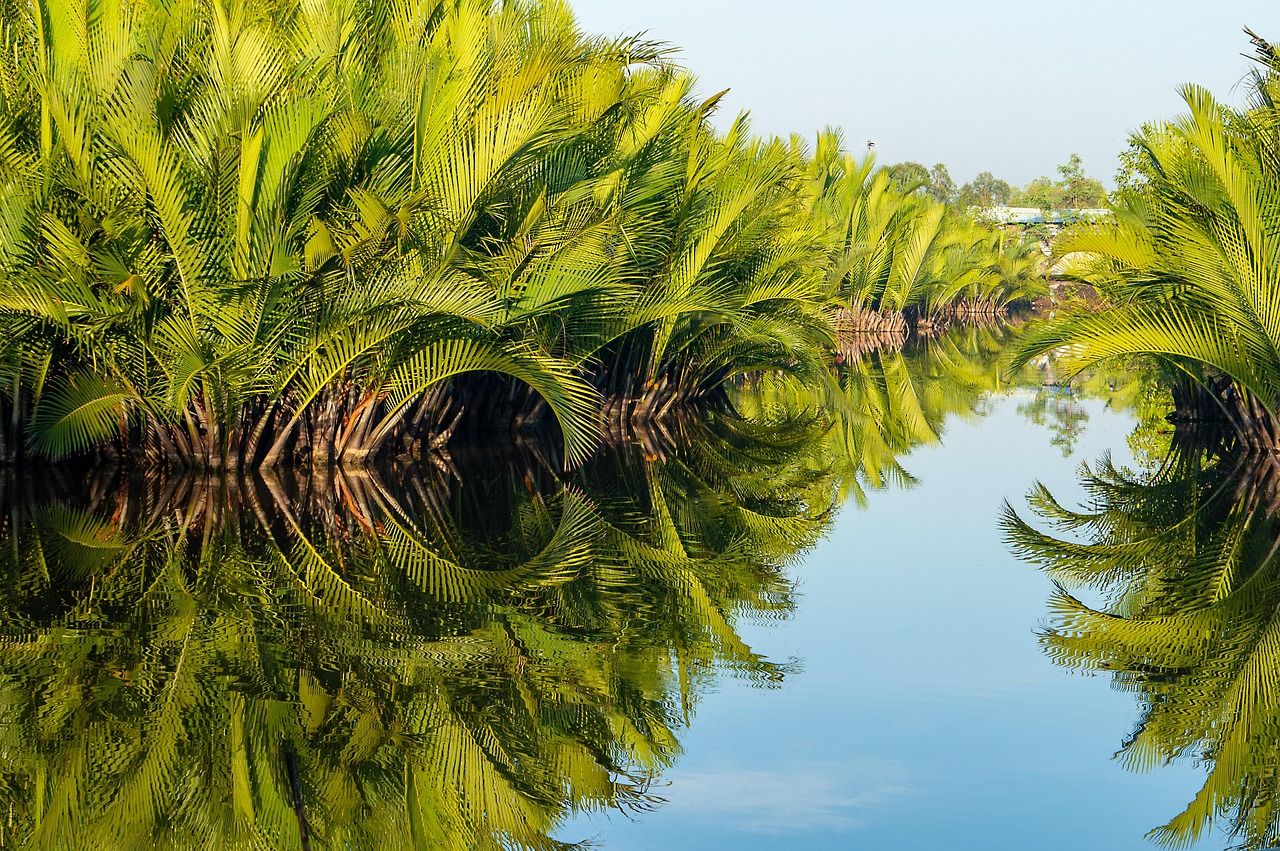
Case Study 4: Drift log harvest in Kuki season on Masig (Torres Strait)
Drift logs of Tuku (Nipa) and Bissi (Sago) – known as bethey (Kala Lagaw Ya) and sap/sarp (Meriam Mir) – wash onto Masig’s shore during Kuki season. Nothing is wasted: the logs respectfully gathered and carved into canoes, drums, and building timbers, refacing totemic relationships and the principle that people care for Country and Country cares for them.
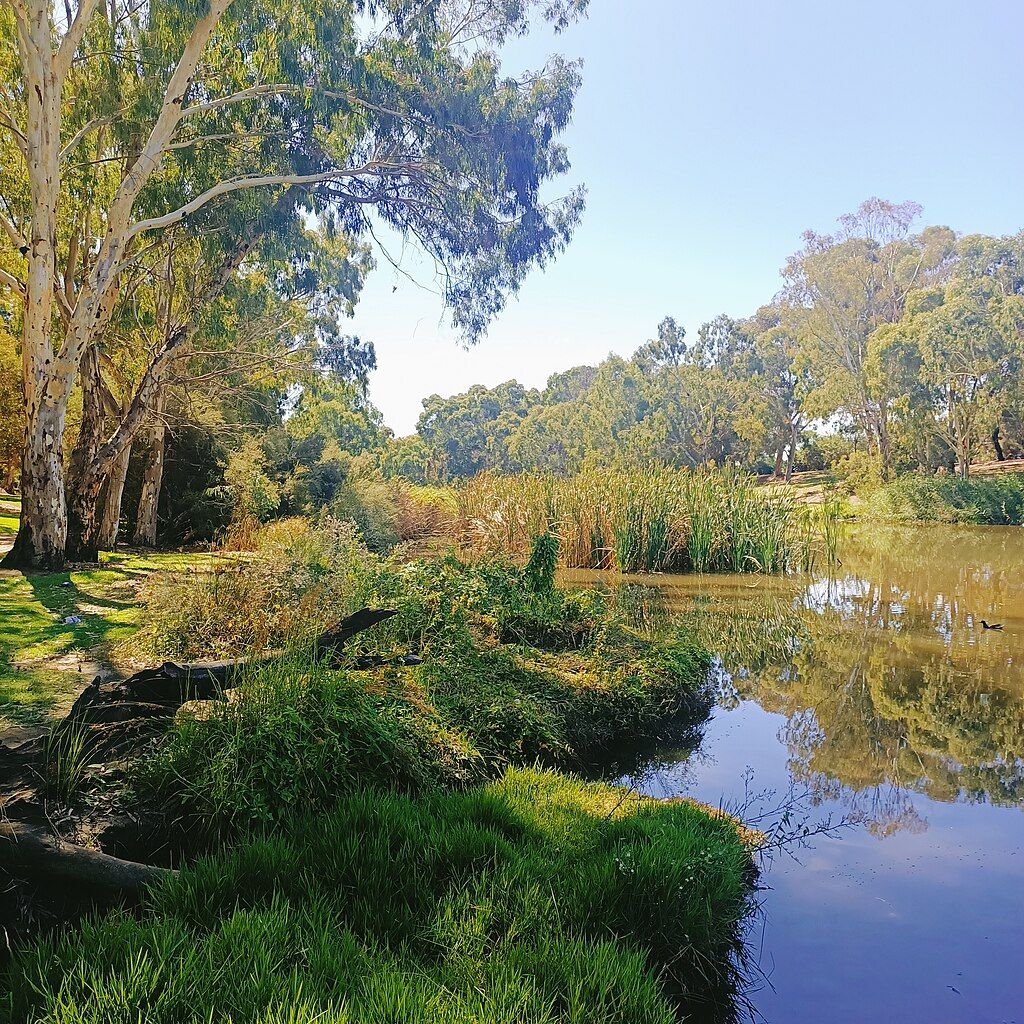
Case Study 5: Flooding and reed care in Parnati on Kaurna Country (Adelaide Plains, South Australia)
When dawn fog and floodwater spread across the reed beds in Parnati (Autumn), Kaurna People harvest only the tallest reeds for canoes and shelters, leaving shorter stems so nesting birdlife remain safe.
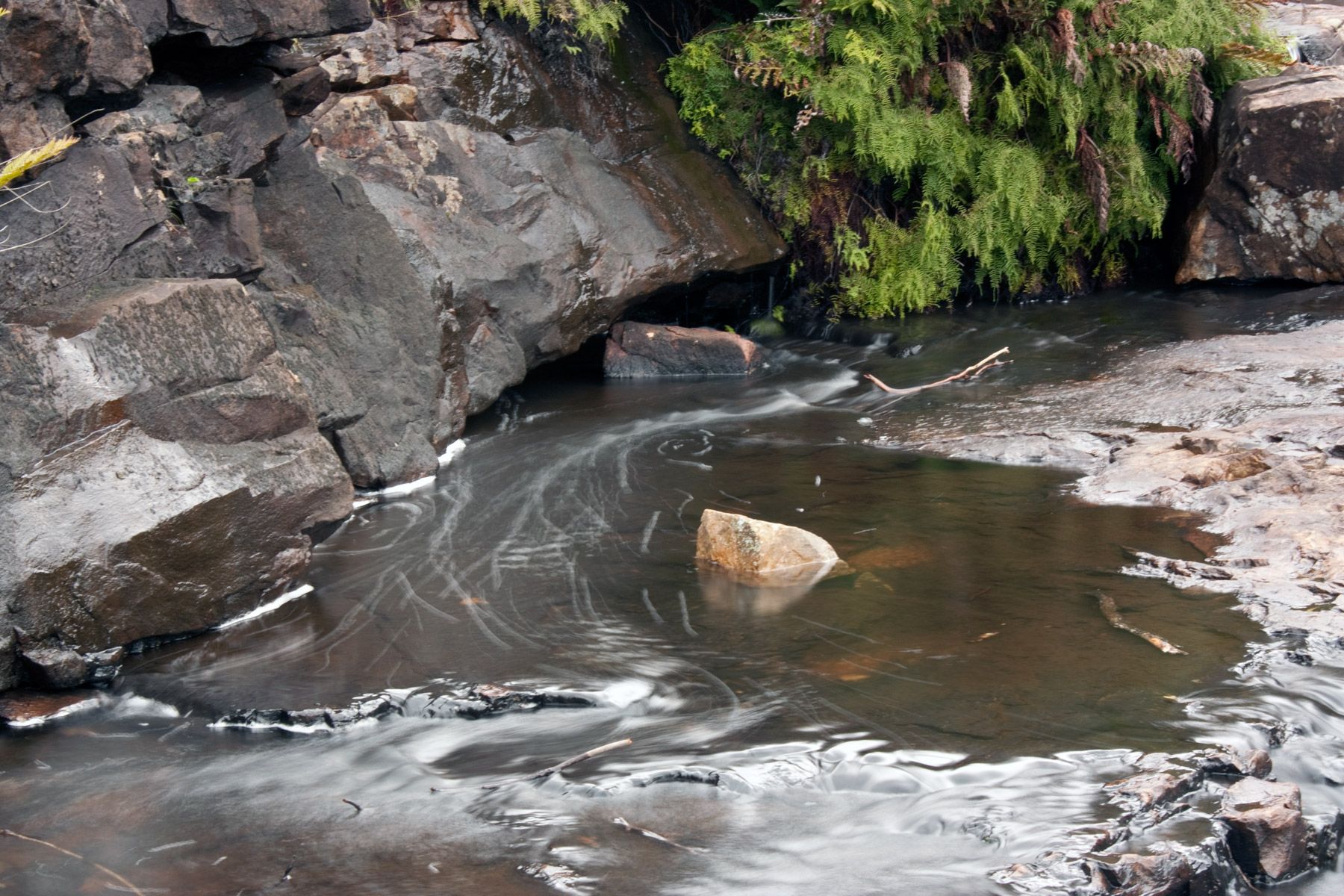
Case Study 6: Stone eel traps in Kooyang on Gariwerd Country (Grampians, Victoria)
When late summer heat shrinks the creeks and stars blaze in the Kooyang night sky, Djab Wurrung and Jardwadjali Peoples rebuild low stone traps to catch a share of fat eels, then open the walls so young fish and fresh water can keep moving upstream.
Case Study 7: Ngangkari Ngura (Healing Country) – Betty Muffler and Maringka Burton
Commissioned for the 65,000 Years: A Short History of Australian Art exhibition, this collaborative canvas by two Anangu Ngangkari healers celebrates their Tjukurpa and shows how ancestral powers are used to heal both people and Country.
Case Study 8: The Limmen Bight River – My Mother Country – Ginger Riley Munduwalawala
From the 65,000 Years: A Short History of Australian Art exhibition, this luminous aerial view of south east Arnhem Land weaves snake ancestor Garimala and sea eagle Ngak Ngak into the landscape, revealing Riley’s living connection to his Mother Country.
Case Study 9: Quarta-Tooma (Ormiston Gorge) – Albert Namatjira
Painted outdoors and shown in the 65,000 Years: A Short History of Australian Art exhibition, this vibrant watercolour combines Western technique with Western Aranda knowledge, portraying Tjoritja’s cliffs, river and sky as a single, living Country.