Home/Curriculum resources/Caring for Country/Case Study 8: The Limmen Bight River – My Mother Country – Ginger Riley Munduwalawala
Learning Areas:
Humanities and Social Sciences, Science, English, The Arts
Year levels:
Foundation, Level 1, Level 2
Case Study 8: The Limmen Bight River – My Mother Country – Ginger Riley Munduwalawala
This case study is a part of the Caring for Country resource.
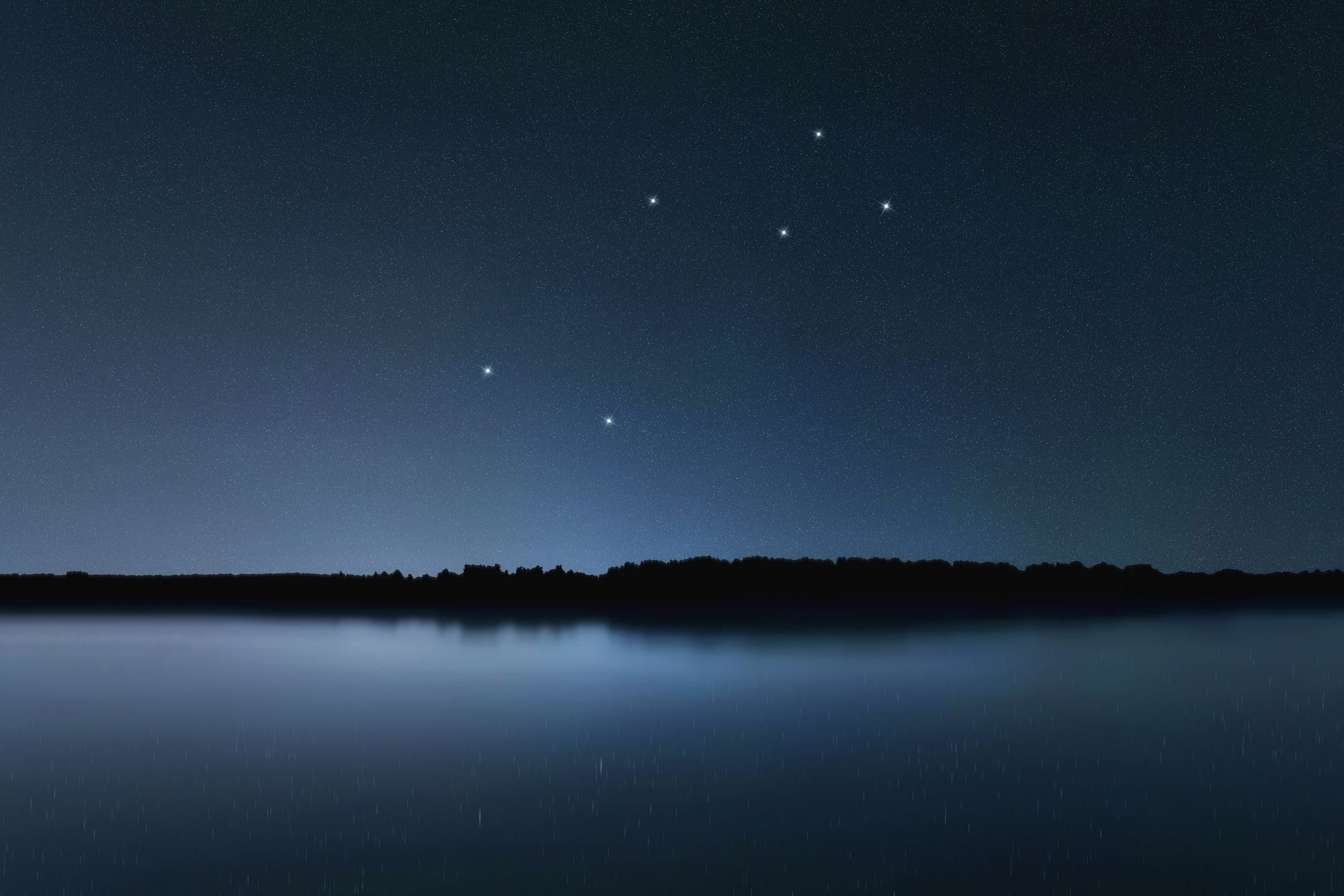
Lyra star constellation. Photographer: Allexxandar. Source: Getty Images. Used under licence.

Case Study 8: The Limmen Bight River – My Mother Country – Ginger Riley Munduwalawala
For Aboriginal and Torres Strait Islander Peoples, connections to land, belonging and time are deeply intertwined with ancestral stories, spiritual beliefs and lived experiences that stretch back 65,000 years and continue today.
Ginger Riley Munduwalawala’s luminous paintings lead us on journeys into stories of his homeland in south east Arnhem Land. These works let us see his unique way of capturing the deep ties between his people, their culture, the land, and the knowledge that echoes through it.
“Growing up, Riley was educated in the immemorial ways of Aboriginal life, through ceremony and oral storytelling.” — Tristan Harwood (2024) 0
Ginger Riley Munduwalawala (c. 1936 – 2002) was born near Ngukurr in the coastal saltwater Country of the Marra People of south eastern Arnhem Land. In the 1950s he travelled across the Northern Territory as a labourer and stockman. This work brought him to Aranda Country around Ntaria/Hermannsburg, where he encountered the renowned Western Aranda watercolourist Albert Namatjira.
Namatjira inspired new generations of Aboriginal People both at Ntaria/Hermannsburg and far beyond to represent their identity in the land and to see themselves as artists. Seeing Country and culture portrayed so vividly and powerfully by Namatjira left a deep impression on a young Riley.
“I saw Namatjira painting his colour country, admired the nice paint, and saw my colour country.” — Ginger Riley Munduwalawala (as cited in Ryan, 2001) 0
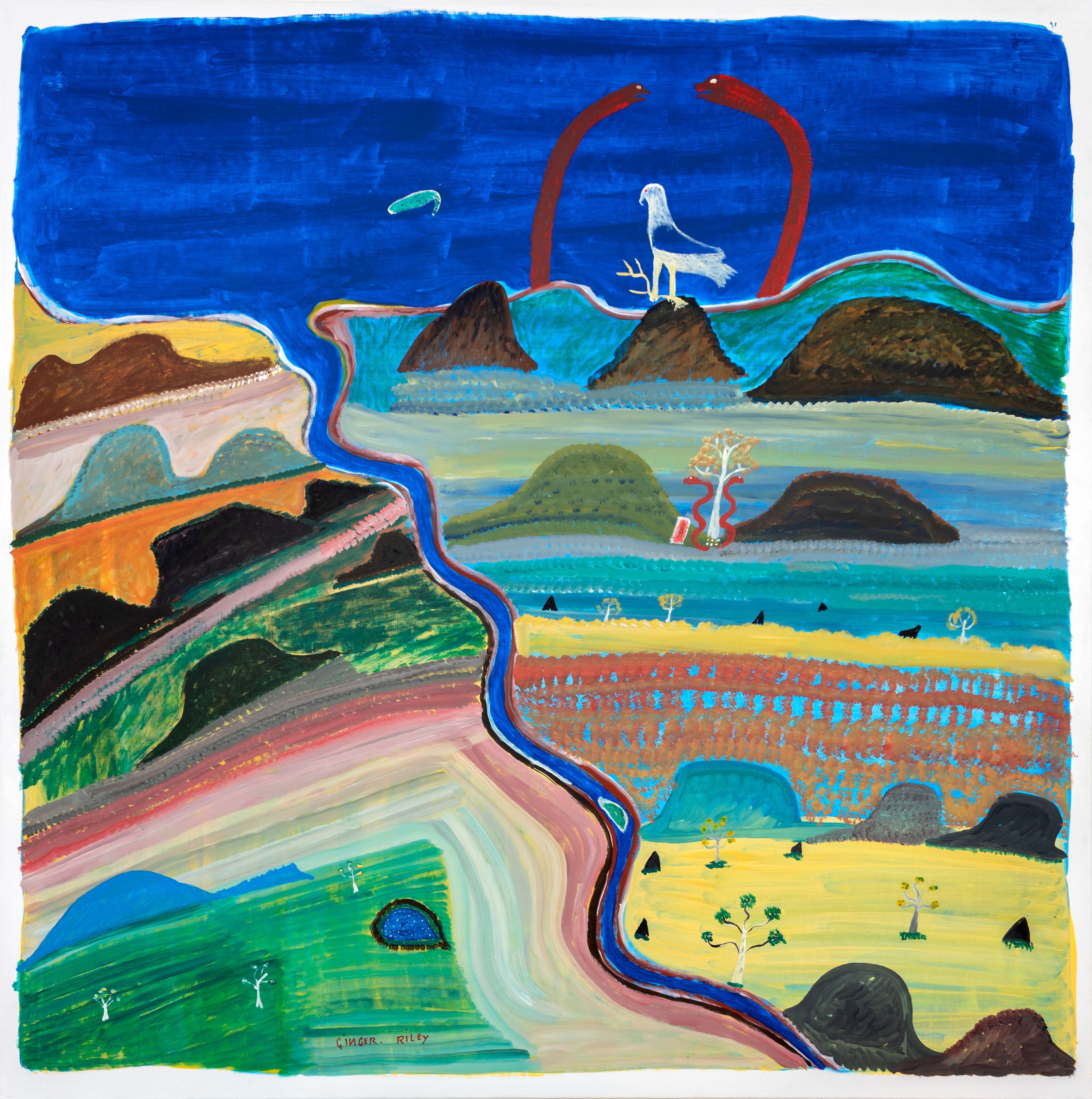
GINGER RILEY MUNDUWALAWALA (Marra, c. 1936–2002) The Limmen Bight River – My Mother Country, 1993 synthetic polymer paint on canvas 190 × 191 cm Private collection
Painting Limmen Bight River – My Mother Country
Although he led an adventurous and independent life, the paintings Riley created from the mid- to late-1980s reveal the deep sense of connection and belonging he felt for his ancestral home, especially the lands and coastal saltwater Country featured in Limmen Bight River – My Mother Country.
It was during his time in Ngukurr (“place of many stories”) that Riley began creating new ways to paint his homeland, bringing Namatjira’s inspiration to life through brilliant colours. He soon became renowned for vibrant portrayals of ancestral beings, special sites and stories of his Mother Country.
“…Always mother country – I see my country when I wake up, think what I’m going to do – sometimes one colour, sometimes three. Same country – coming to one place, Limmen Bight – blue down, green, red, building up colours, keep building up country…” — Ginger Riley Munduwalawala (as cited in 65,000 Years Exhibition text, 2025)
In this painting Riley depicts Garimala, the powerful snake ancestor and creator of his Country, including the Four Archers (Barrkuwirriji) rock formations situated 50 kilometres inland from the mouth of the Limmen Bight River. He also shows Ngak Ngak, a powerful, white breasted sea eagle guardian that protects his ancestral homelands. The winding river, hills and land contours echo Garimala’s snake like form under Ngak Ngak’s watchful eye, while wedge shapes and parallel lines reference body painting traditions created with pigments from the earth.
“Although referred to as if it were a single being, Garimala is understood to be two, and often takes this form in Riley’s work.” — Excerpt from 65,000 Years Exhibition text, The Limmen Bight River – My Mother Country (2025)
“Riley’s extraordinary creativity allowed him to express his vision of physical geography, creation knowledge and ancestral sites.” — Wayne Tunnicliffe - Art Gallery of New South Wales (2014) 0
Riley paints Country from a unique aerial perspective, as if viewing it from the clouds, merging spiritual and geographic views and showing the inseparable nature of Indigenous Knowledge and connections to Country.
Legacy and message of care
With vibrant, glowing colour, Riley invites us to see his deep identity and belonging with Country. In 2000 he was granted Native Title and custodianship over parts of Limmen Bight through his role as djungkayi (caretaker).
“Riley’s vibrant depictions of country challenged and changed Australia’s preconceived notion of Indigenous art, and the landscape painting tradition… Ginger is the boss of colour.” — David Larwill (Castlemaine Art Museum, 2015) 0
Riley’s paintings highlight the resilience of Aboriginal cultures and the importance of maintaining connections to Country across generations. They remind us that when people nurture and care for Country, Country stays strong and healthy – and when Country thrives, it can continue to nurture people, just as it has for millennia.
Classroom link
Use this vivid aerial painting to help children see how the different parts of Country – river, land-snake, rock formations, sky-eagle and saltwater – are all connected, and how Ginger Riley shows ancestral guardians watching over and helping to keep Country healthy after past hurts.
Glossary of terms
Four Archers (Barrkuwirriji): A group of rock formations that are a site of special significance in the creation stories for the Marra People, understood as the centre of the earth and where all things start and finish (see Limmen National Park, n.d; Ryan, 2001; Stephens, 2002).
Garimala: The King Brown snake Garimala is the main ancestral creator of Riley’s Mother Country, who through writhing and circling formed the hills known as the Four Arches on the Limmen Bight River in south east Arnhem Land (see National Gallery Victoria, n.d).
Ngak Ngak: A powerful white breasted sea eagle guardian/protector Riley’s ancestral homelands. He is often shown singly or as a repeated image in Riley’s paintings (see Australian Art Network, 2021; Deutscher and Hackett, n.d).
Ngukurr: Ngukurr (a place of many stories) is located in the Yugul Mangi Ward and is 331 kilometres south east of Katherine on the Roper Highway, south east Arnhem Land (see Ngukurr Arts Aboriginal Corporation, 2025; Roper Gulf Regional Council, 2025).
Look, listen and learn further
Art Gallery of New South Wales (AGNSW). “Ginger Riley Munduwalawala.” Education resource. n.d. Accessed 16 July 2025. https://www.artgallery.nsw.gov.au/learn/learning-resources/burbangana/ginger-riley-munduwalawala/.
National Gallery of Australia. “Ginger Riley Munduwalawala ‘Limmen Bight Country’, 1993.” YouTube video, 2013. Accessed 16 July 2025. https://www.youtube.com/watch?v=2cfCt6nSlIw.
Related case studies within this resources:
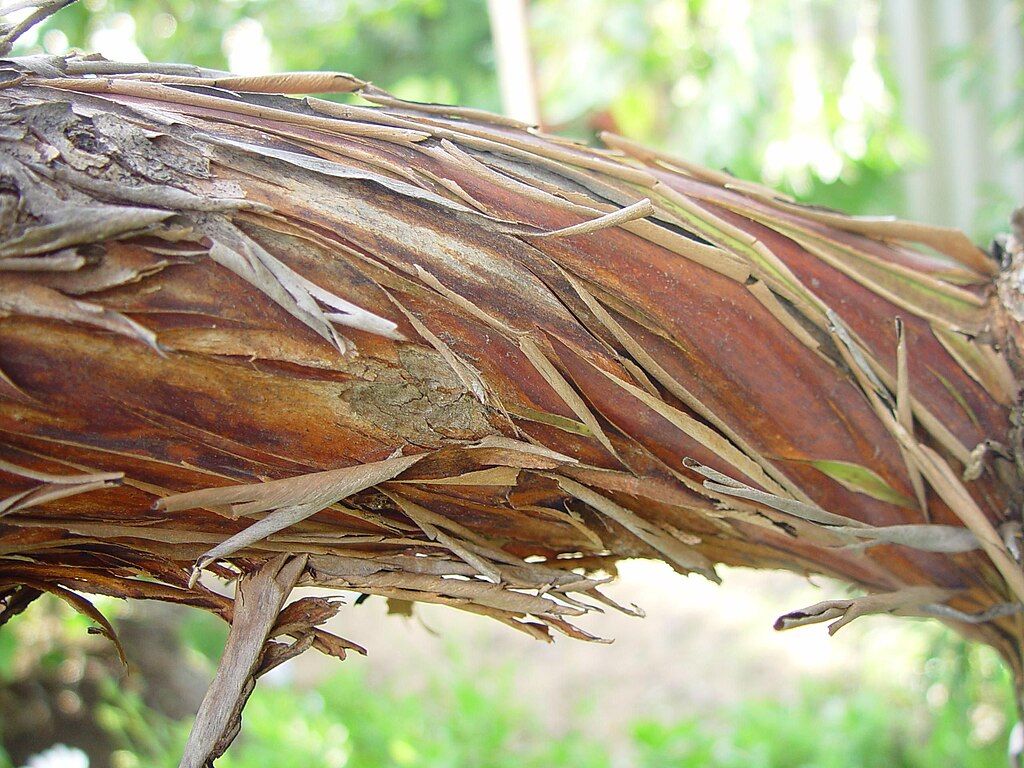
Case Study 1: Sugarbag season on Yolngu Country (North east Arnhem Land, Northern Territory)
Stringybark blossoms and buzzing “sugarbag” bees guide Yolngu People to harvest bush honey sustainably on Arnhem Land.
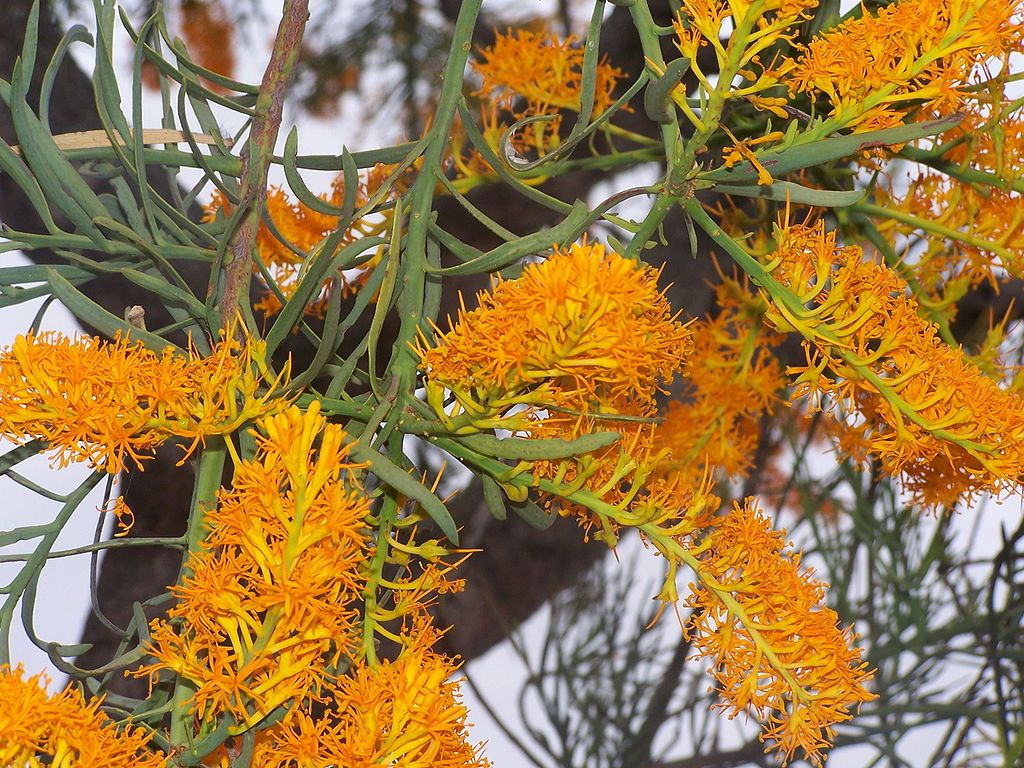
Case Study 2: Birak season on Noongar Country (South west corner of Western Australia)
Hot easterly winds and bright red coastal blossoms signal the mullet run, guiding Noongar People to harvest fish responsibly along south west Western Australia.
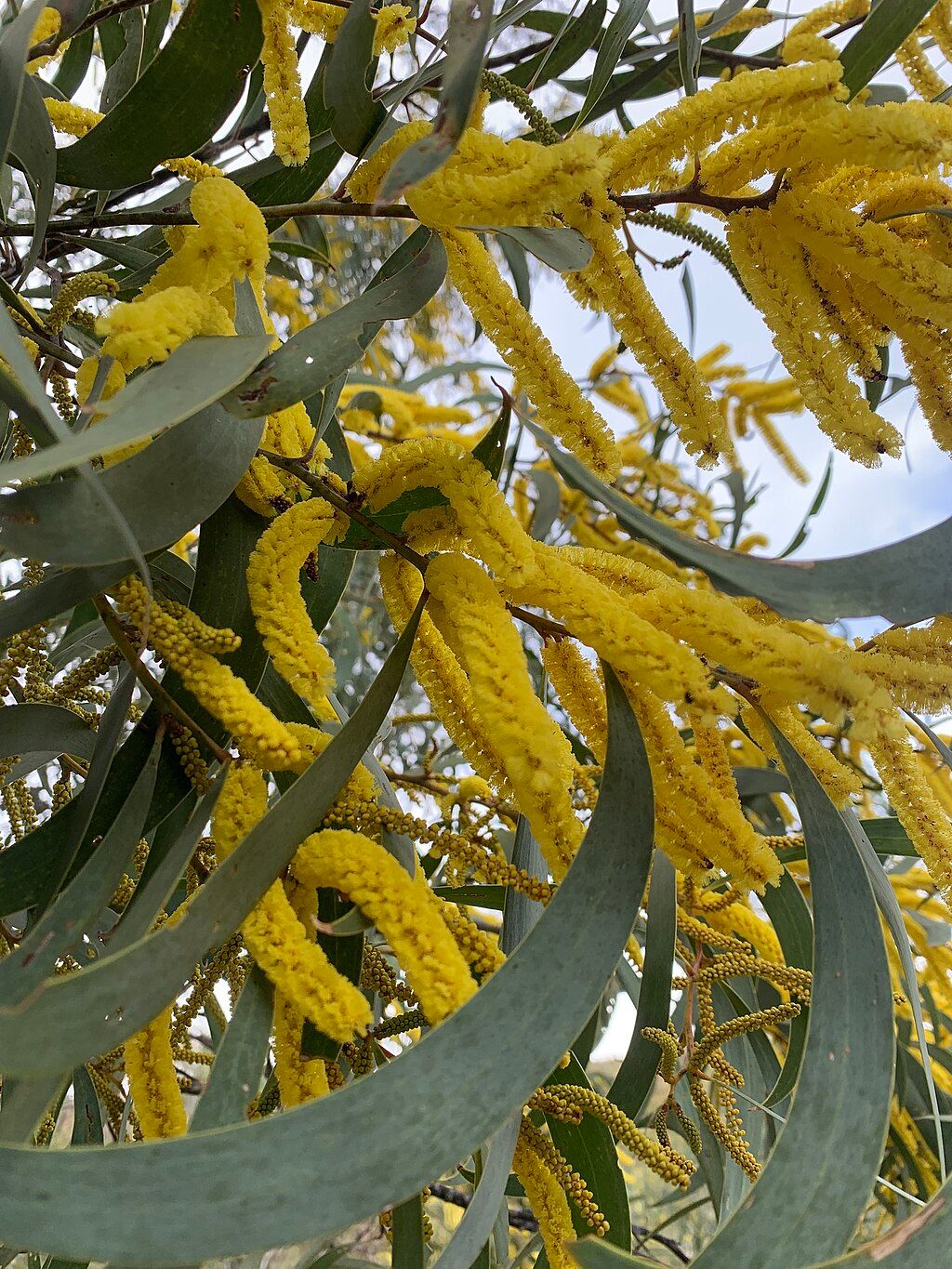
Case Study 3: Wattle blossoms signal cool burns on Banbai Nation (Wattleridge, New South Wales)
When wattles burst into bright yellow bloom, Banbai Traditional Owners know it is ‘time to begin cool, low intensity cultural burns that keep their Wattleridge woodlands healthy and safe.
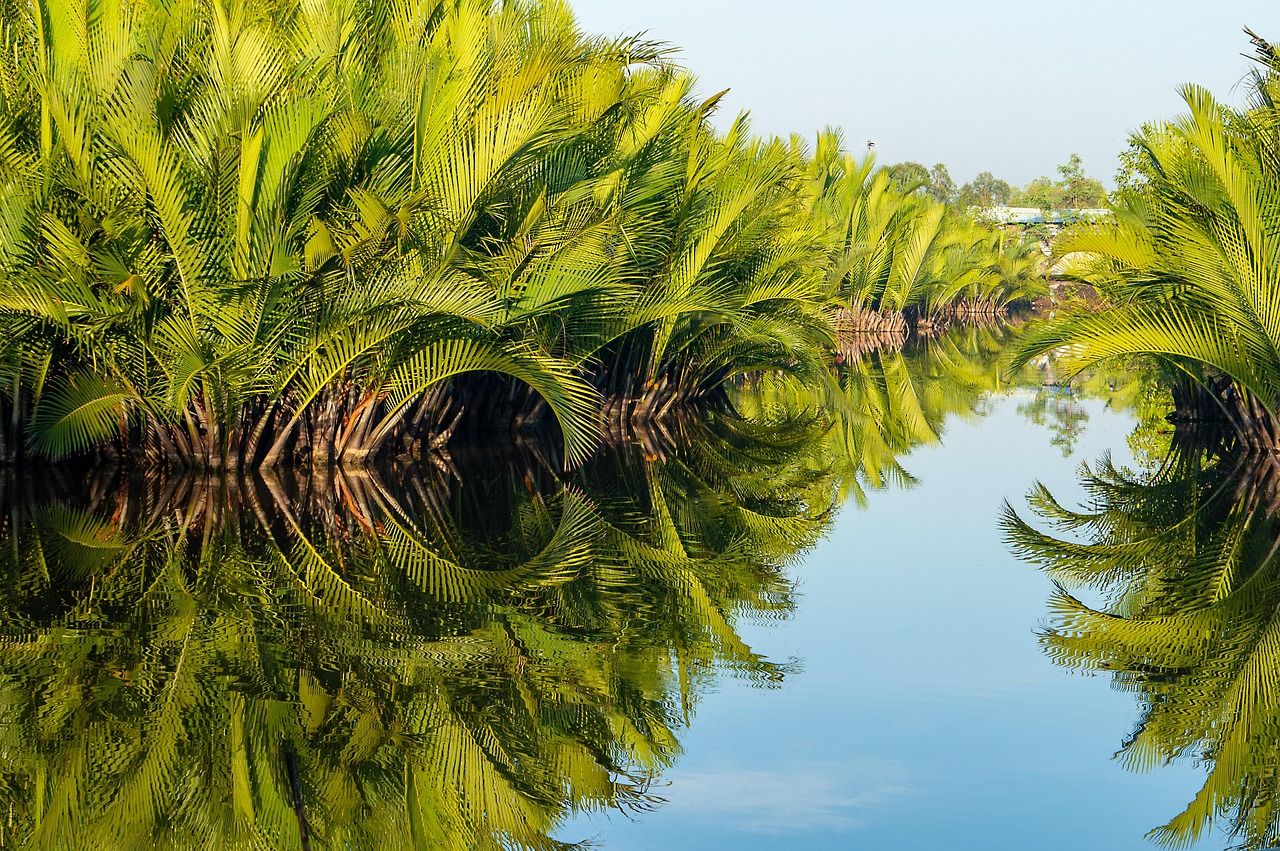
Case Study 4: Drift log harvest in Kuki season on Masig (Torres Strait)
Drift logs of Tuku (Nipa) and Bissi (Sago) – known as bethey (Kala Lagaw Ya) and sap/sarp (Meriam Mir) – wash onto Masig’s shore during Kuki season. Nothing is wasted: the logs respectfully gathered and carved into canoes, drums, and building timbers, refacing totemic relationships and the principle that people care for Country and Country cares for them.
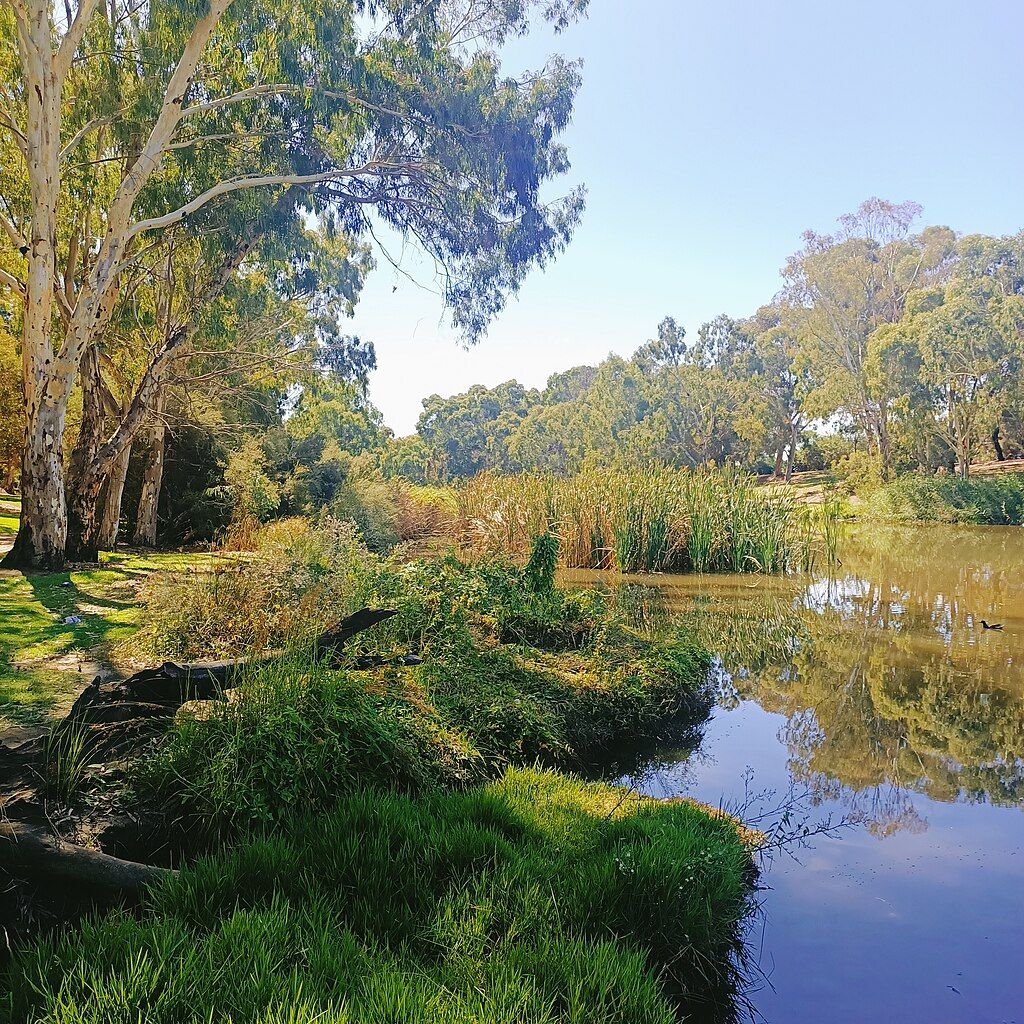
Case Study 5: Flooding and reed care in Parnati on Kaurna Country (Adelaide Plains, South Australia)
When dawn fog and floodwater spread across the reed beds in Parnati (Autumn), Kaurna People harvest only the tallest reeds for canoes and shelters, leaving shorter stems so nesting birdlife remain safe.
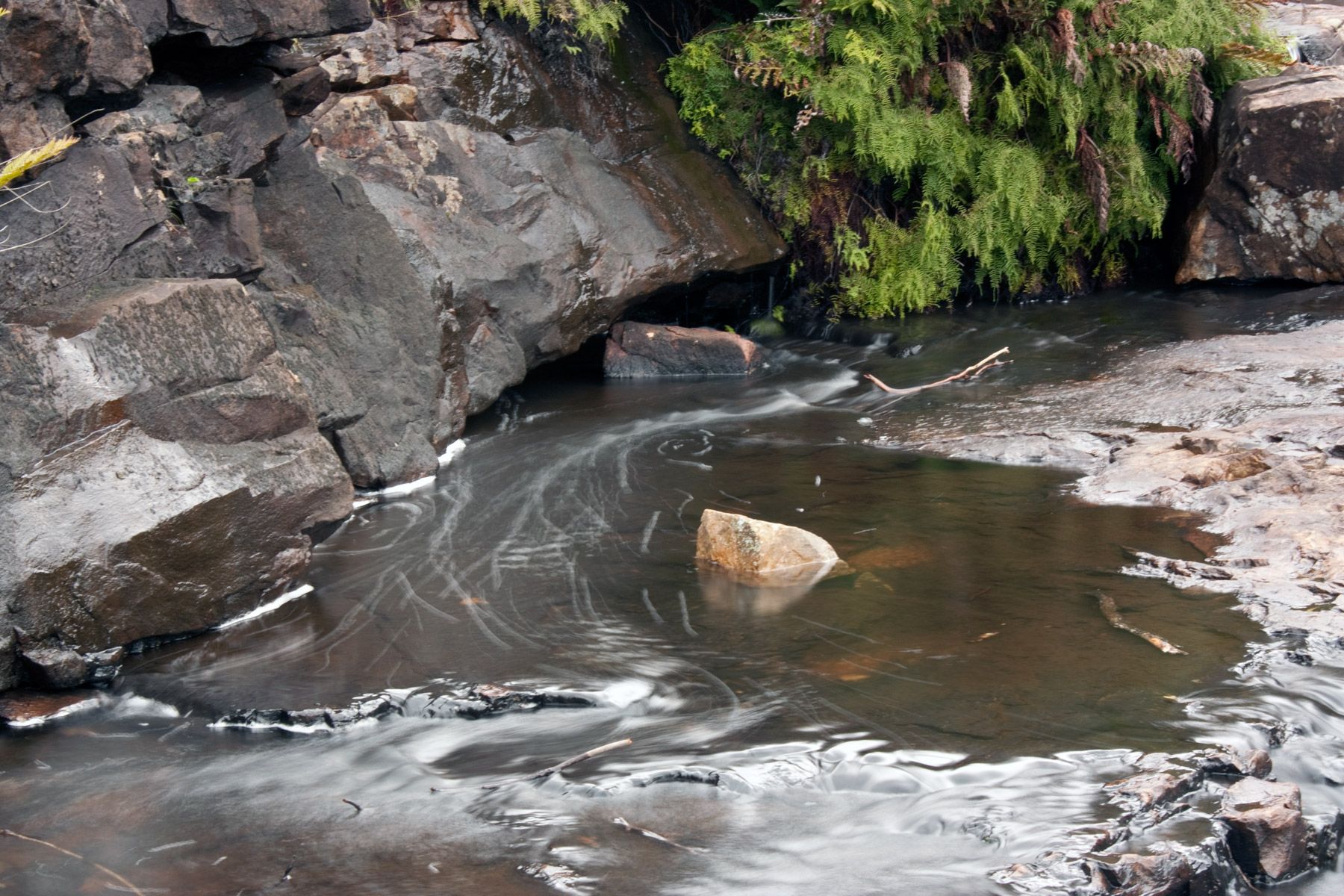
Case Study 6: Stone eel traps in Kooyang on Gariwerd Country (Grampians, Victoria)
When late summer heat shrinks the creeks and stars blaze in the Kooyang night sky, Djab Wurrung and Jardwadjali Peoples rebuild low stone traps to catch a share of fat eels, then open the walls so young fish and fresh water can keep moving upstream.
Case Study 7: Ngangkari Ngura (Healing Country) – Betty Muffler and Maringka Burton
Commissioned for the 65,000 Years: A Short History of Australian Art exhibition, this collaborative canvas by two Anangu Ngangkari healers celebrates their Tjukurpa and shows how ancestral powers are used to heal both people and Country.
Case Study 9: Quarta-Tooma (Ormiston Gorge) – Albert Namatjira
Painted outdoors and shown in the 65,000 Years: A Short History of Australian Art exhibition, this vibrant watercolour combines Western technique with Western Aranda knowledge, portraying Tjoritja’s cliffs, river and sky as a single, living Country.