Home/Curriculum resources/Caring for Country/Case Study 4: Drift log harvest in Kuki season on Masig (Torres Strait)
Learning Areas:
Humanities and Social Sciences, Science, English, The Arts
Year levels:
Foundation, Level 1, Level 2
Case Study 4: Drift log harvest in Kuki season on Masig (Torres Strait)
This case study is a part of the Caring for Country resource.
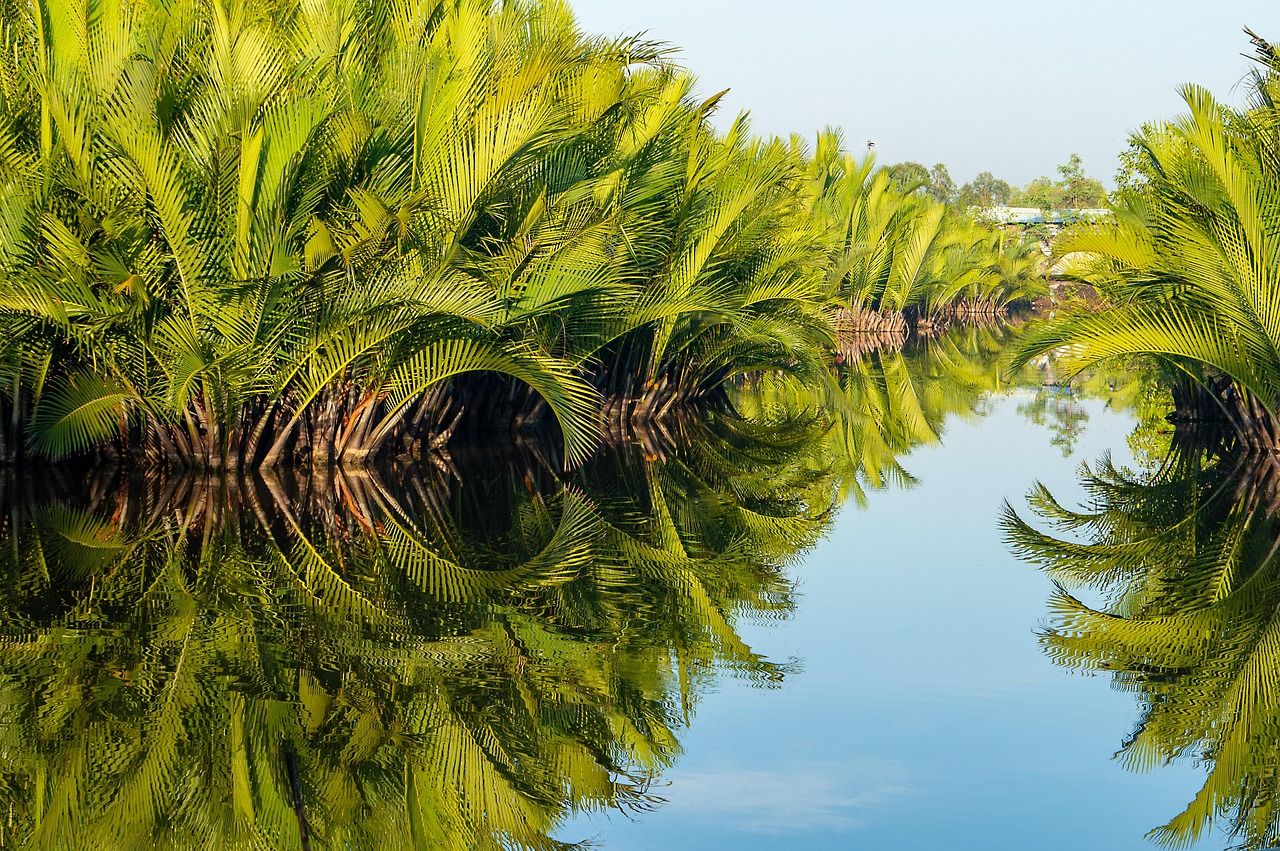
Nipa palm, Tree, Mangrove. Photographer: HỒNG HOÀNG SƠN. Source: Pixabay. Used under licence: free for use.

Case Study 4: Drift log harvest in Kuki season on Masig (Torres Strait)
During Kuki (pronounced Cook – ee), the north west monsoon season, Masig Islanders watch for floating trunks of Tuku (Nipa palm) and Bissi (Sago palm) that wash south from the Fly River in Papua New Guinea. Known as bethey in Kala Lagaw Ya and sap/sarp in Meriam Mir, these drift logs are more than just timber; they hold totemic significance and are seen as part of Country’s living system.
At sea, they carry barnacles and other marine invertebrates and provide resting places for seabirds. When they reach the shore, Islanders turn this seasonal gift into makarr (model canoes), warup (drums), and house timbers, instead of letting them rot 0 0 . This shows that nothing is wasted and reflects a broader Torres Strait cultural knowledge where caring for Country is a shared responsibility across Western, Central and Eastern Torres Strait communities.
Community / Place
Masig (Yorke Island) sits in the central Torres Strait, about 160 km north east of Thursday Island. The Masigalgal belong to the Kulkalgal People and speak the endangered dialect Kawalgaw Ya. Their low lying coral island relies on wind, tide and cloud signs to plan gardening, fishing and trade with neighbouring Papua New Guinea villages. 0 0
Seasonal or sensory cues
Kuki runs roughly from December – April. Its arrival is felt as hot, humid air and north west gusts of wind, and seen when begai (towering storm clouds) gather on the Papua New Guinea horizon. Islanders also note Waumerr (frigate birds) flying low, another sign rough weather is near. 0 These conditions push driftwood from the Fly River delta onto Masig’s southern reef flat.
Caring action
When Tuku and Bissi logs appear on the shoreline, people organise a beach clean-up that is both practical and cultural:
Re-use: Straight pieces become rafters or wall plates; smaller rounds are hollowed into warup drums or miniature makarr canoes for ceremony and tourism.
Respect: Before cutting, Elders speak to the log, acknowledging its journey and totemic significance, asking permission. This shows how Torres Strait knowledge is applied in practice.
Sustainability: Using drift trunks, spares living in Papua New Guinea palms, and avoids chopping scarce island timber, modelling Gud Pasin and Mina Pawa (“good ways and right behaviour”). 0 0
Why it matters
The drift log harvest shows how Kulkalgal People read wind and ocean to turn flotsam into valued resources, reinforcing the Torres Strait principle: we care for Country, and Country cares for us. For students, it illustrates a help/heal action; beach debris is cleaned up, materials are repurposed, and cultural craft skills are kept alive.
Related case studies within this resources:
Case Study 1: Sugarbag season on Yolngu Country (North east Arnhem Land, Northern Territory)
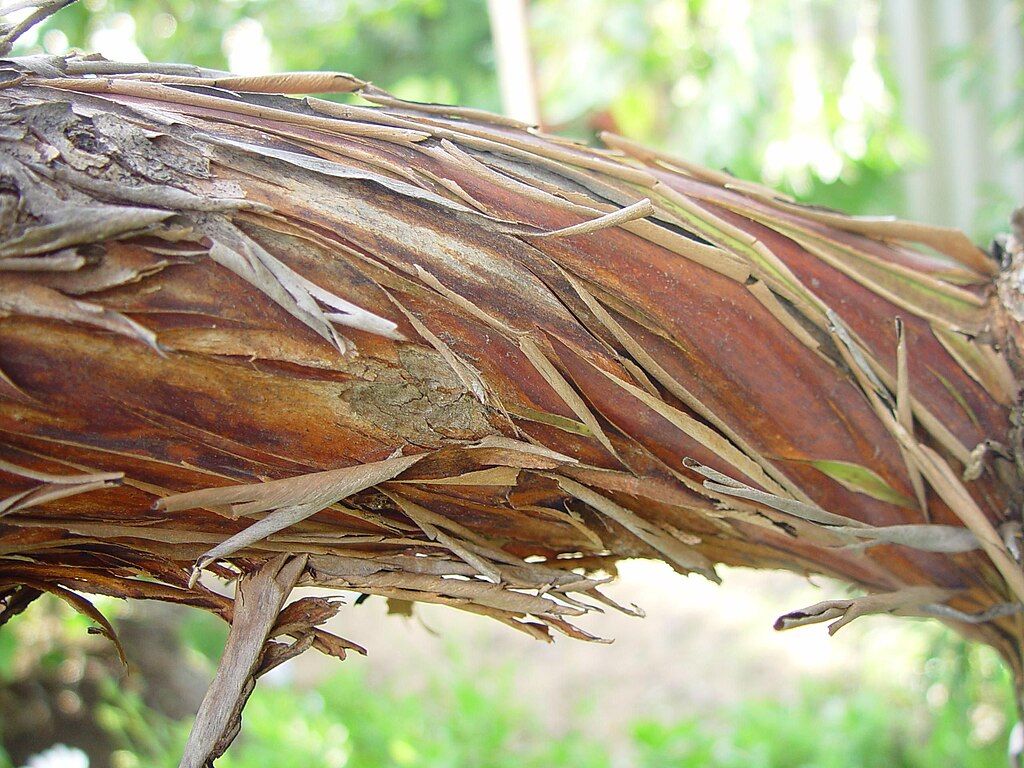
Stringybark blossoms and buzzing “sugarbag” bees guide Yolngu People to harvest bush honey sustainably on Arnhem Land.
Case Study 2: Birak season on Noongar Country (South west corner of Western Australia)
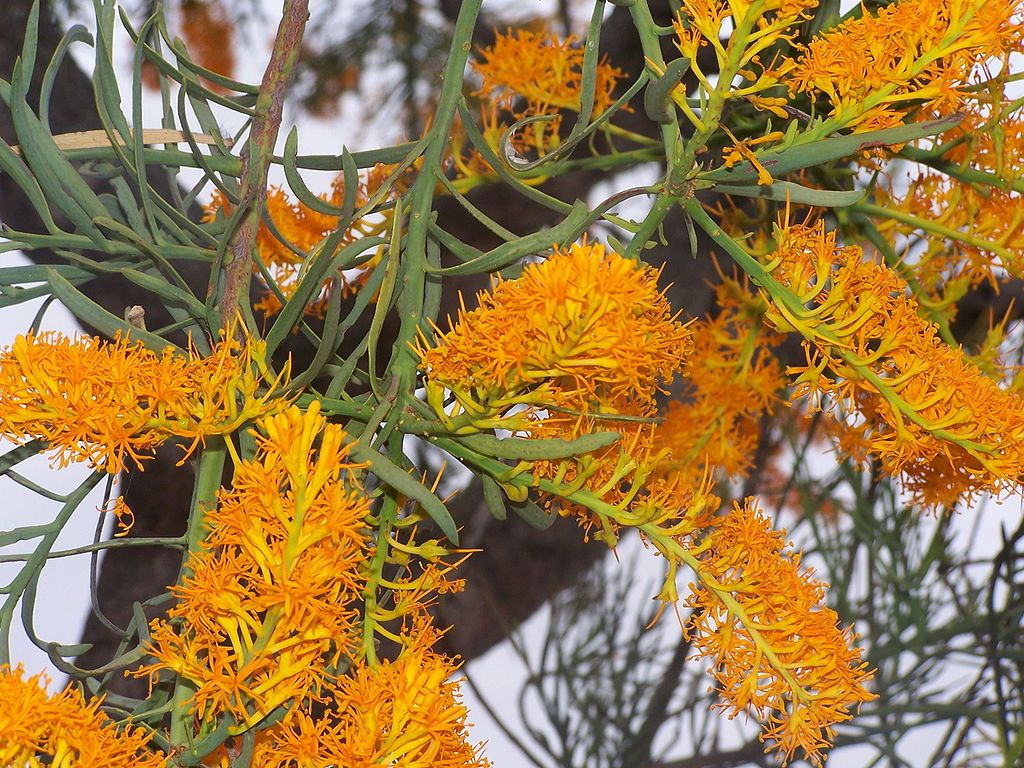
Hot easterly winds and bright red coastal blossoms signal the mullet run, guiding Noongar People to harvest fish responsibly along south west Western Australia.
Case Study 3: Wattle blossoms signal cool burns on Banbai Nation (Wattleridge, New South Wales)
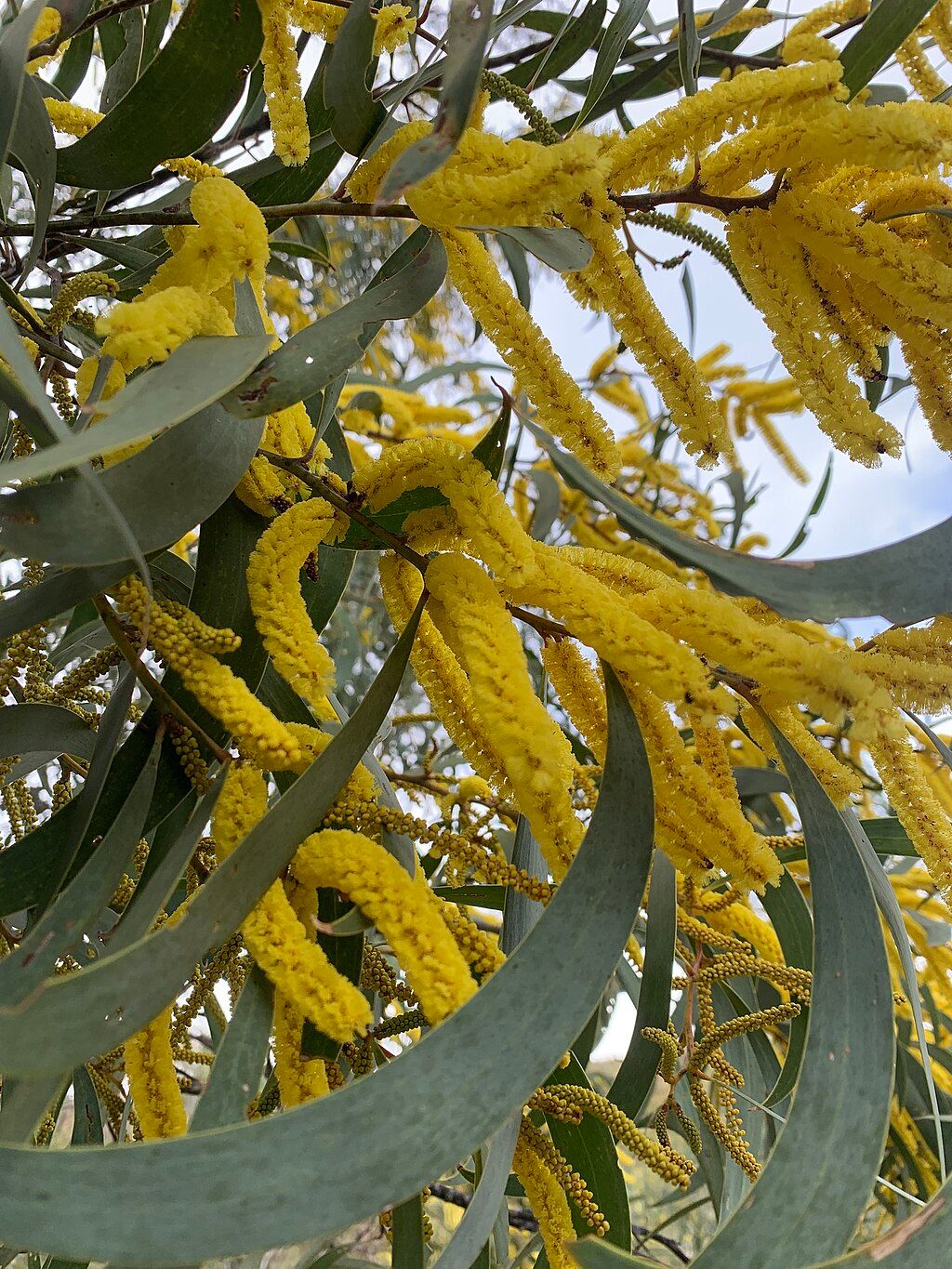
When wattles burst into bright yellow bloom, Banbai Traditional Owners know it is ‘time to begin cool, low intensity cultural burns that keep their Wattleridge woodlands healthy and safe.
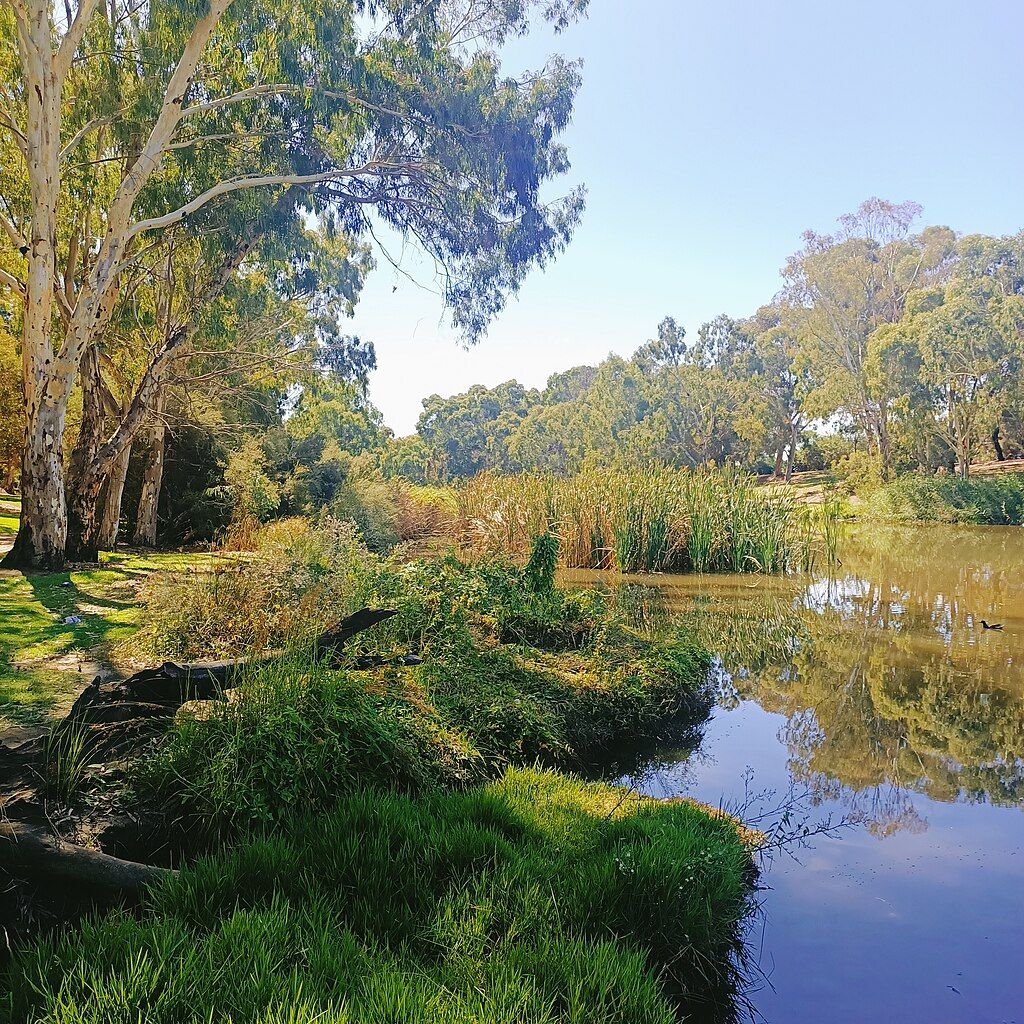
Case Study 5: Flooding and reed care in Parnati on Kaurna Country (Adelaide Plains, South Australia)
When dawn fog and floodwater spread across the reed beds in Parnati (Autumn), Kaurna People harvest only the tallest reeds for canoes and shelters, leaving shorter stems so nesting birdlife remain safe.
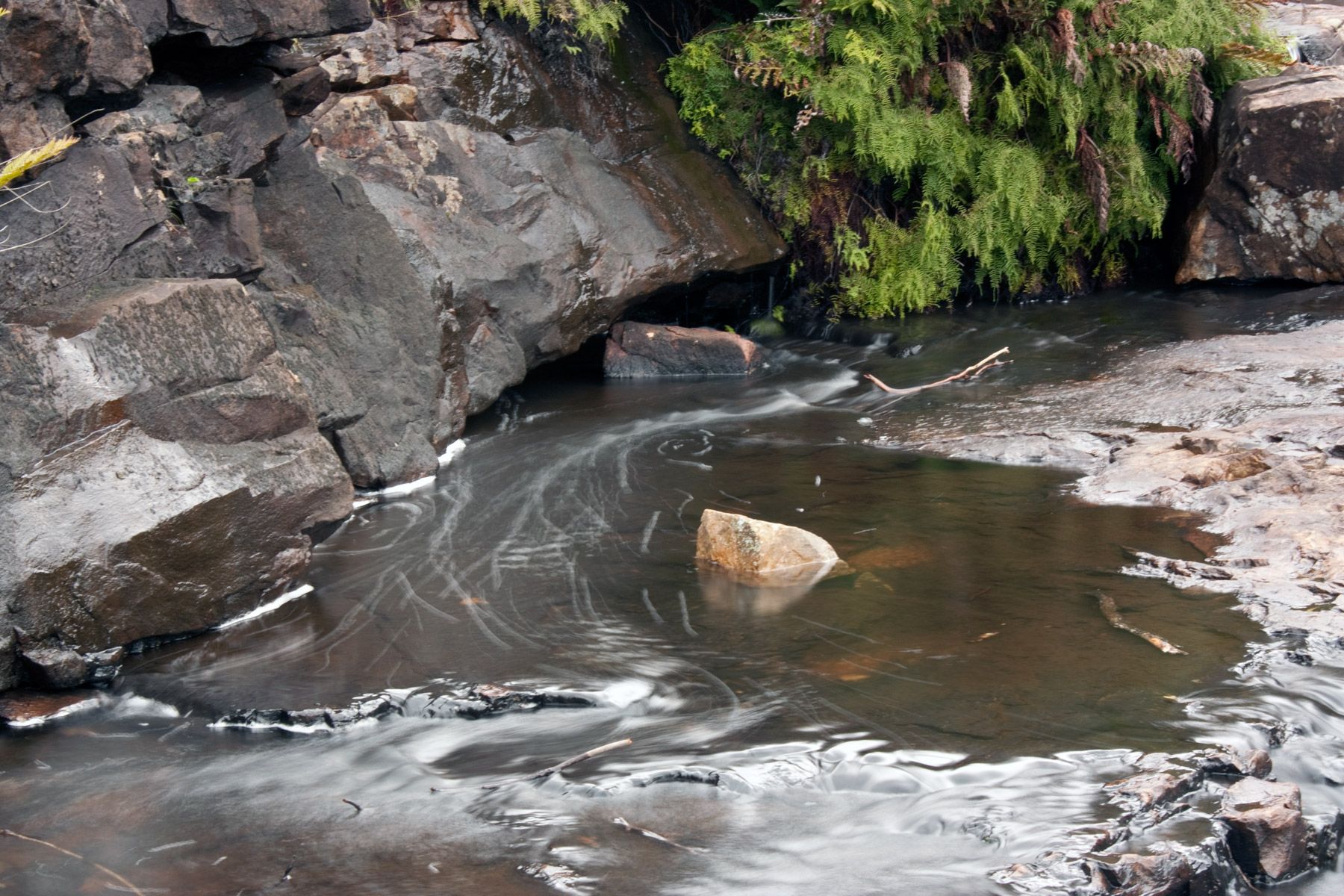
Case Study 6: Stone eel traps in Kooyang on Gariwerd Country (Grampians, Victoria)
When late summer heat shrinks the creeks and stars blaze in the Kooyang night sky, Djab Wurrung and Jardwadjali Peoples rebuild low stone traps to catch a share of fat eels, then open the walls so young fish and fresh water can keep moving upstream.

Case Study 7: Ngangkari Ngura (Healing Country) – Betty Muffler and Maringka Burton
Commissioned for the 65,000 Years: A Short History of Australian Art exhibition, this collaborative canvas by two Anangu Ngangkari healers celebrates their Tjukurpa and shows how ancestral powers are used to heal both people and Country.
Case Study 8: The Limmen Bight River – My Mother Country – Ginger Riley Munduwalawala
From the 65,000 Years: A Short History of Australian Art exhibition, this luminous aerial view of south east Arnhem Land weaves snake ancestor Garimala and sea eagle Ngak Ngak into the landscape, revealing Riley’s living connection to his Mother Country.
Case Study 9: Quarta-Tooma (Ormiston Gorge) – Albert Namatjira
Painted outdoors and shown in the 65,000 Years: A Short History of Australian Art exhibition, this vibrant watercolour combines Western technique with Western Aranda knowledge, portraying Tjoritja’s cliffs, river and sky as a single, living Country.