Home/Curriculum resources/Caring for Country/Case Study 7: Ngangkari Ngura (Healing Country) – Betty Muffler and Maringka Burton
Learning Areas:
Humanities and Social Sciences, Science, English, The Arts
Year levels:
Foundation, Level 1, Level 2
Case Study 7: Ngangkari Ngura (Healing Country) – Betty Muffler and Maringka Burton
This case study is a part of the Caring for Country resource.
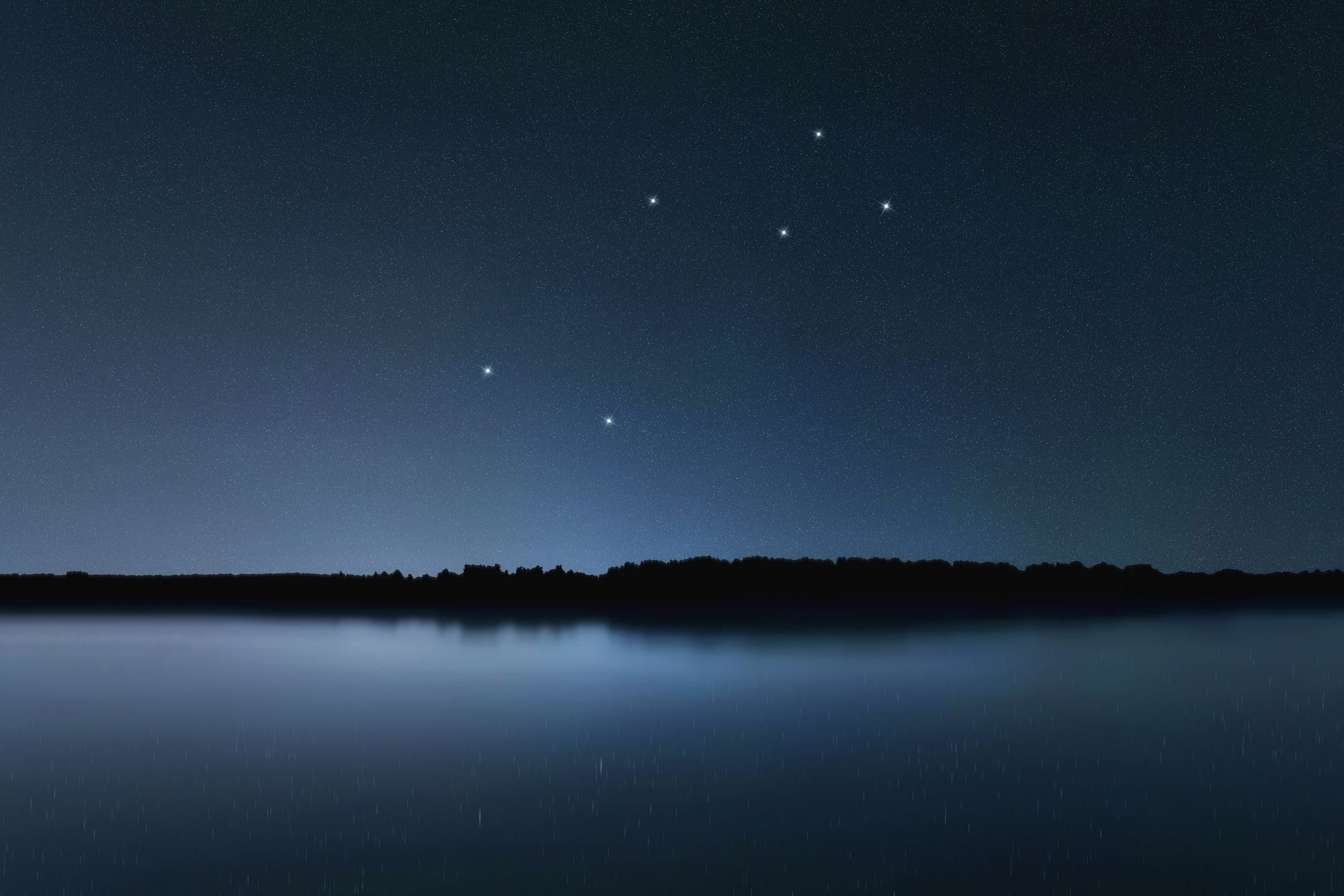
Lyra star constellation. Photographer: Allexxandar. Source: Getty Images. Used under licence.

Case Study 7: Ngangkari Ngura (Healing Country) – Betty Muffler and Maringka Burton
This magnificent painting by Betty Muffler and Maringka Burton – an aunty and niece duo of Ngangkari (traditional Anangu healers) from the Anangu Pitjantjatjara Yankunytjatjara lands who live in Indulkana community – shows their deep connection to Country. Their collaborative work, Ngangkari Ngura(Healing Country), offers a window into their role as custodians of Indigenous Knowledge and the powers they possess to heal people and Country. These powers, their Country and their culture are an essential part of who they are.
Betty Muffler was born in 1945 at Yalungu near Watarru and, when painting her birthplace, includes references to her own emu Tjukurpa (The Dreaming). Maringka Burton was born in 1950 near the Anumara Tjukurpa (Caterpillar Dreaming) site south of Irrunytju in Western Australia.
“Tjukurpa (pronounced ‘chook-orr-pa’) is the foundation of Anangu Culture. In the same way that a house needs to stand on strong foundations, our way of life stands on Tjukurpa.” — Tjukurpa katutja ngarantja (Tjukurpa above all else, Parks Australia, 2025) 0
Together, Muffler and Burton paint the Country where they were born and belong, blending sacred Tjukurpa from their respective birth countries. This painting was commissioned especially for the landmark exhibition 65,000 Years: A Short History of Australian Art to celebrate the strength of Anangu women’s art, law and cultural continuity.
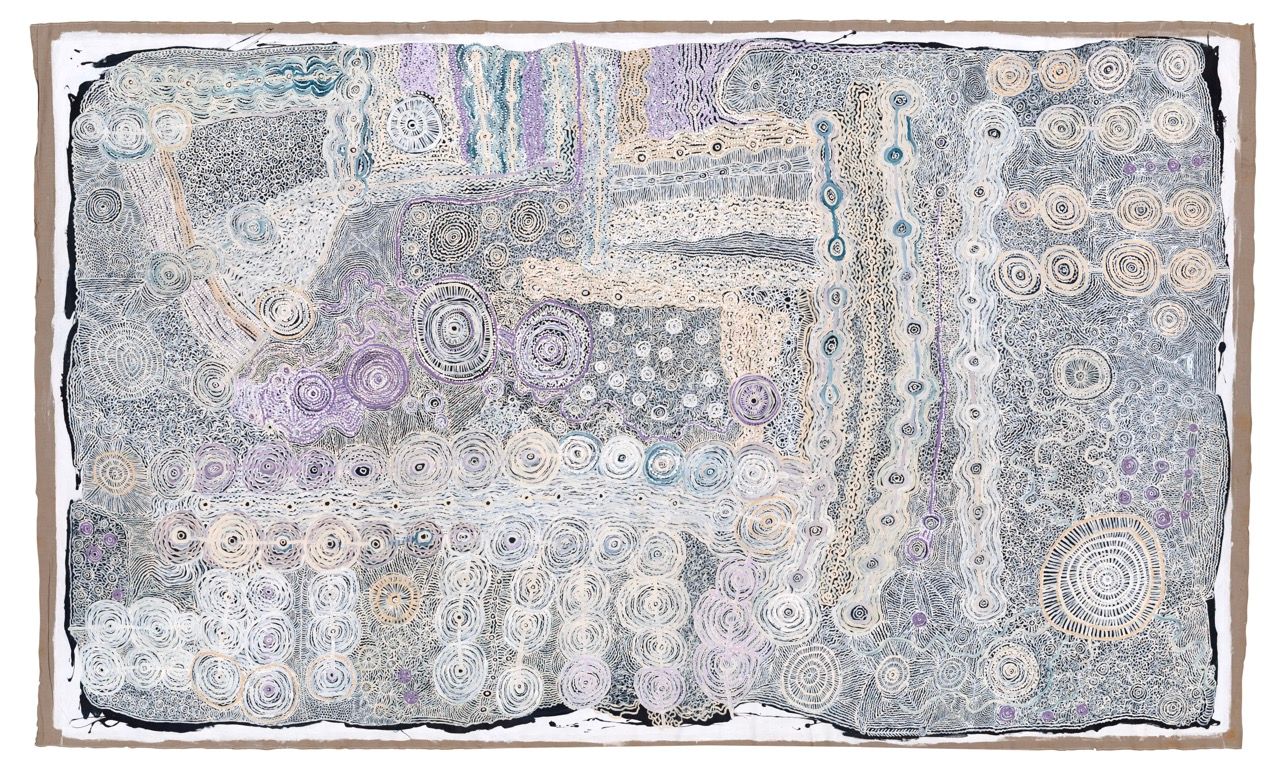
BETTY MUFFLER (Pitjantjatjara, born 1945), MARINGKA BURTON (Pitjantjatjara, born 1950) Ngangkari Ngura (Healing Country), 2022 synthetic polymer paint on linen 300 × 500 cm The University of Melbourne Art Collection Purchased through the Margaret Cooper Bequest fund, 2022 (2022.003.001)
Ngangkari practice – Caring for Country
Their enormous painting makes a powerful statement about Indigenous Knowledge and the importance of keeping Country strong and healthy and culture alive. Through their art, Muffler and Burton allow us to see into the practices of Ngangkari healers.
“We have done so much work together as healers. We both started off painting on our own, each of us painting the Country where we were born and belong. These places are an essential part of each of us.” — Maringka Burton (as cited in Cobby Ekkerman, 2020) 0
Ngangkari skills are passed down through generations, each healer having a different specialisation. Some heal people’s injuries or illnesses, while others use their powers to help, heal and care for the land itself. Muffler and Burton have worked together and alone as Ngangkari for decades, collaborating on epic paintings about this work.
An important story and message in Muffler and Burton’s painting and Ngangkari practice is how important it is to care for each other, the land, and their Country. Their paintings are important for advocating for ongoing care and healing after the British military tested nuclear weapons on the Anangu lands at Maralinga and Emu Field between 1955-1963.
The nuclear testing had terrible impacts – the Anangu People were never asked for permission and their presence on the lands was ignored. With continued efforts to heal and revive the land since, it will still take considerable time to fully repair all the damage. By using their ancestral knowledge to keep people, culture and Country healthy and strong, Ngangkari play a very important role in Anangu communities today, and as they have always done.
“Some of my favourite artists are undercover truth-tellers” — Coby Edgar (2024, p. 75) 0
Invitation to listen, learn and act
Ngangkari Ngura (Healing Country) reminds us to listen to, learn from, and stand alongside Aboriginal Peoples in their journey for greater rights, self determination and healing.
“Aboriginal and Torres Strait Islander artists are philosopher kings and queens who call out injustice, racism and convention and inspire a new way forward through the brilliance of art.” — Judith Ryan (2024, p. 30) 0
The exhibition 65,000 Years: A Short History of Australian Art celebrated the resilience and strength of Aboriginal and Torres Strait Islander Peoples. These artworks tell stories of challenge and injustice and of enduring hope and healing power. We hope learning about Muffler and Burton’s work inspires you to explore further and appreciate the resilient, clever and caring spirit of Aboriginal Peoples – recognising their powerful abilities to heal, revive and care for their communities and ancestral lands.
Classroom link
Use this painting as a real world example of hurt, help, heal Country showing students how nuclear tests (explosions) hurt Country and how Muffler and Burton now help and heal it through their Ngangkari and artistic skills.
Glossary of terms:
Iwantja Arts: An Indigenous owned and governed Aboriginal art centre, located in the rocky, desert Country of Indulkana Community on APY Lands in the remote north west of South Australia (see Iwantja Arts, 2021).
Maralinga: Between 1952 and 1963, Britain conducted nuclear weapons tests in Australia, with the majority being conducted at Maralinga, in South Australia. Australian authorities did not discover the full extent of the contamination at Maralinga until 1984, just before the land was to be returned to its Traditional Owners. Between 1996 and 2000 all but around 120 square kilometres of around 3,200 square kilometres of Maralinga Country had been cleaned to a standard considered safe for unrestricted access. Maralinga was formally returned to the Tjarutja owners in November 2009 (see Australian Museum, 2023; National Museum Australia, 2024).
Ngangkari: The Ngangkari are the traditional healers of the Ngaanyatjarra, Pitjantjatjara and Yankunytjatjara (NPY) Lands, encompassing 350,000 square kilometres of the remote western desert. For thousands of years the ngangkari have nurtured the physical, emotional and social well-being of their people (see NPY Women’s Council, 2013)
Look, listen and learn further:
Art Gallery of New South Wales [AGSA] (2023). The National 4: Australian Art Now — Betty Muffler and Maringka Burton, https://www.the-national.com.au/artists/betty-muffler/ngangkari-ngura-healing-country/
Australian Centre for Contemporary Art (2022). Betty Muffler Artist Interview: Like a wheel that turns — The 2022 Macfarlane Commissions, https://youtu.be/gYi_3b_VSwM.
Edgar, Coby. “Turn to the river.” In 65,000 Years: A Short History of Australian Art, edited by Marcia Langton and J. Ryan, 65 – 77. Melbourne: Thames & Hudson, 2024.
National Gallery of Australia [NGA] (2021). Behind the scenes with Betty Muffler, https://youtu.be/F4AFC5WgV2U
Hanifie, S. (2018). Ngangkari healers: 60,000 years of traditional Aboriginal methods make headway in medical clinics, ABC News (28th March, 2018). https://www.abc.net.au/news/2018-03-28/aboriginal-healers-complementary-medicine-finds-its- place/9586972
Related case studies within this resources:
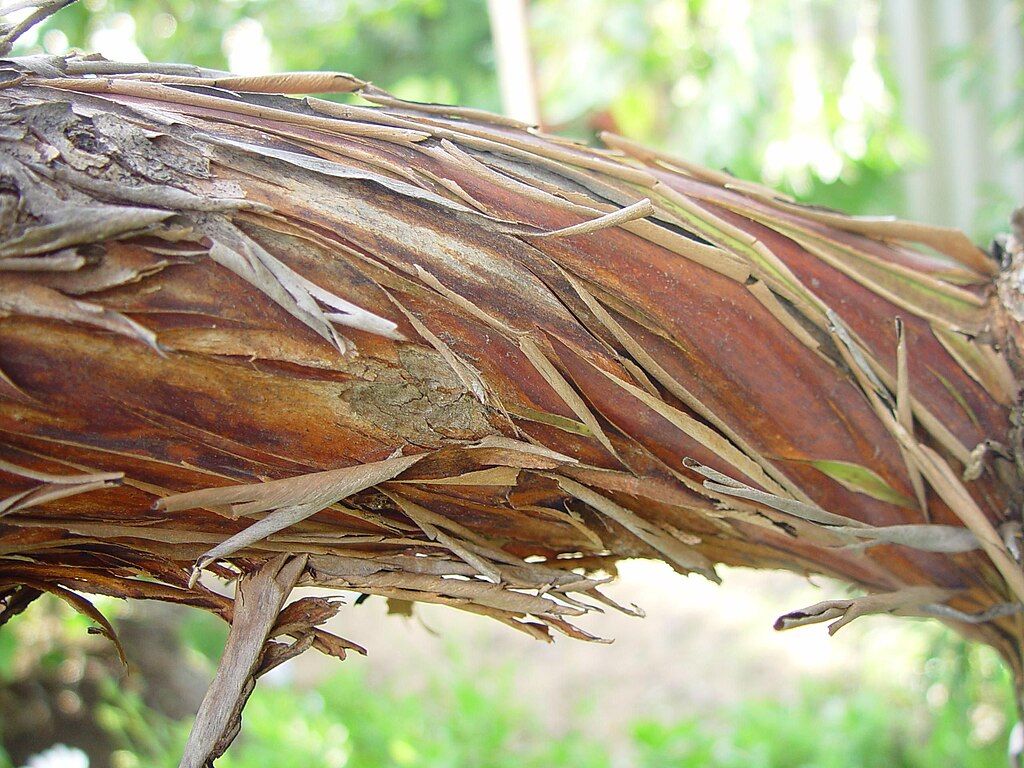
Case Study 1: Sugarbag season on Yolngu Country (North east Arnhem Land, Northern Territory)
Stringybark blossoms and buzzing “sugarbag” bees guide Yolngu People to harvest bush honey sustainably on Arnhem Land.
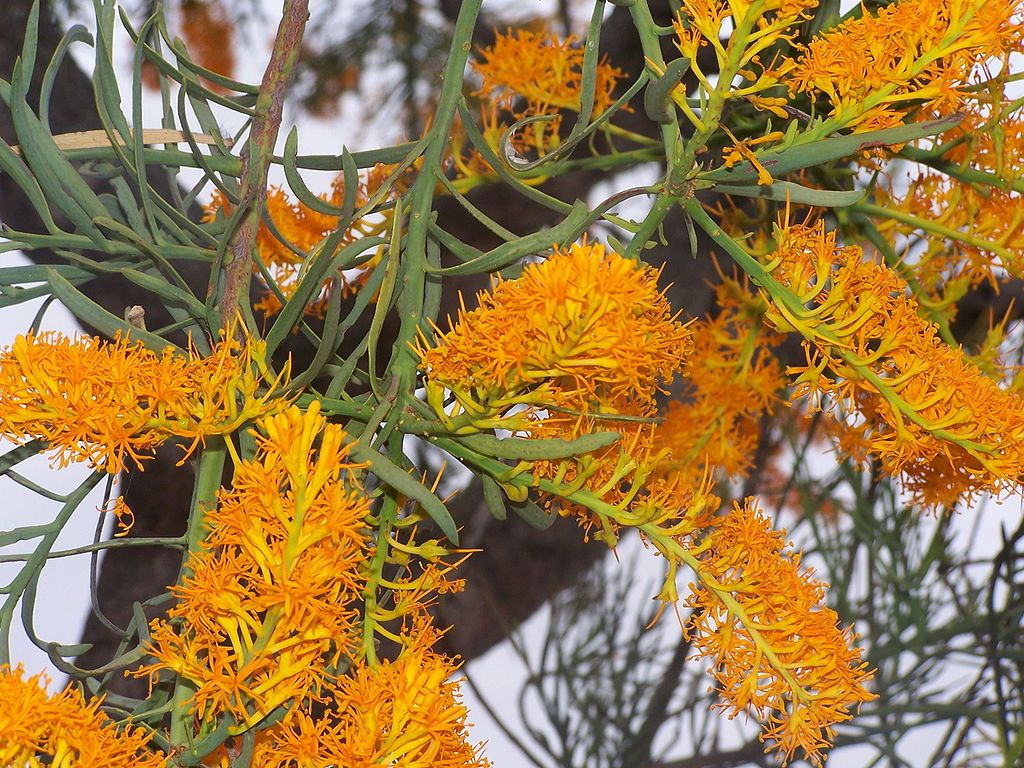
Case Study 2: Birak season on Noongar Country (South west corner of Western Australia)
Hot easterly winds and bright red coastal blossoms signal the mullet run, guiding Noongar People to harvest fish responsibly along south west Western Australia.
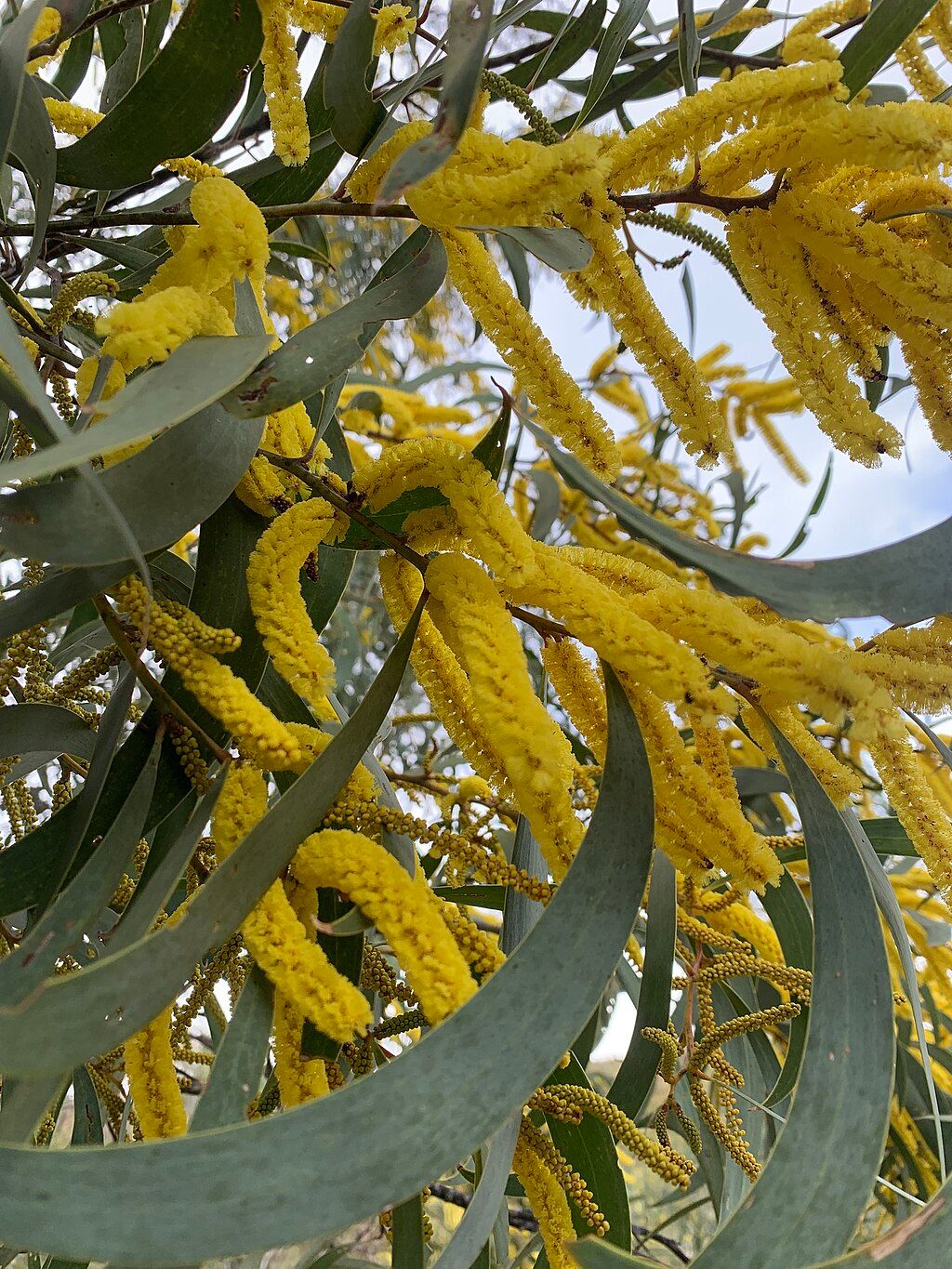
Case Study 3: Wattle blossoms signal cool burns on Banbai Nation (Wattleridge, New South Wales)
When wattles burst into bright yellow bloom, Banbai Traditional Owners know it is ‘time to begin cool, low intensity cultural burns that keep their Wattleridge woodlands healthy and safe.
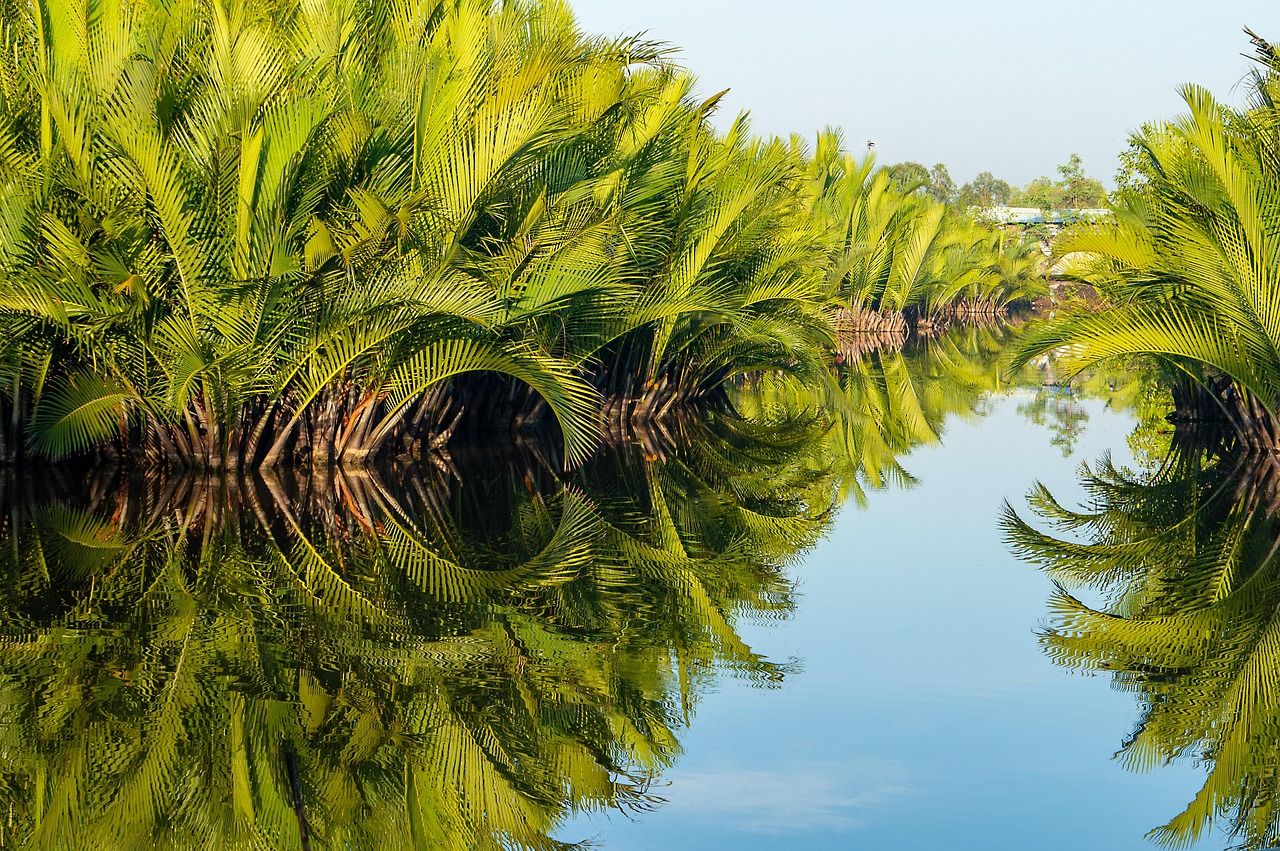
Case Study 4: Drift log harvest in Kuki season on Masig (Torres Strait)
Drift logs of Tuku (Nipa) and Bissi (Sago) – known as bethey (Kala Lagaw Ya) and sap/sarp (Meriam Mir) – wash onto Masig’s shore during Kuki season. Nothing is wasted: the logs respectfully gathered and carved into canoes, drums, and building timbers, refacing totemic relationships and the principle that people care for Country and Country cares for them.
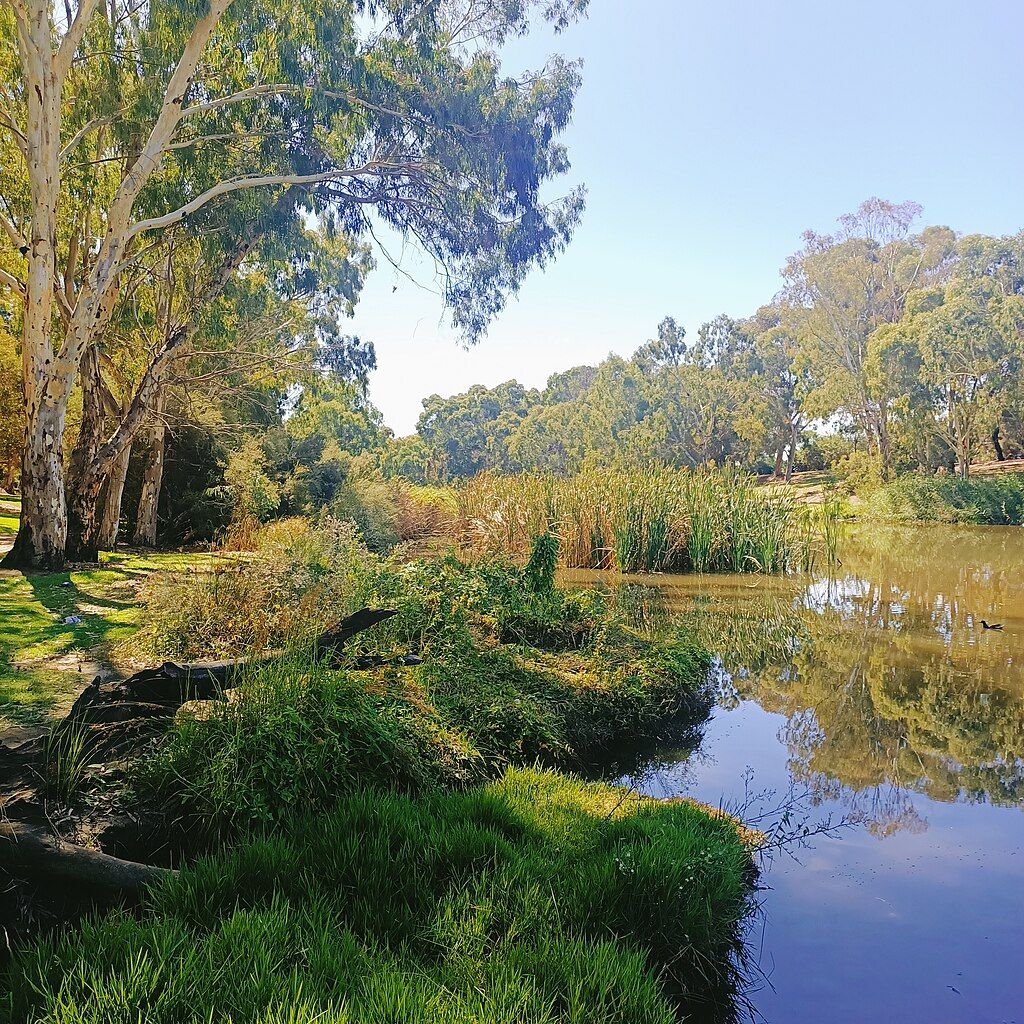
Case Study 5: Flooding and reed care in Parnati on Kaurna Country (Adelaide Plains, South Australia)
When dawn fog and floodwater spread across the reed beds in Parnati (Autumn), Kaurna People harvest only the tallest reeds for canoes and shelters, leaving shorter stems so nesting birdlife remain safe.
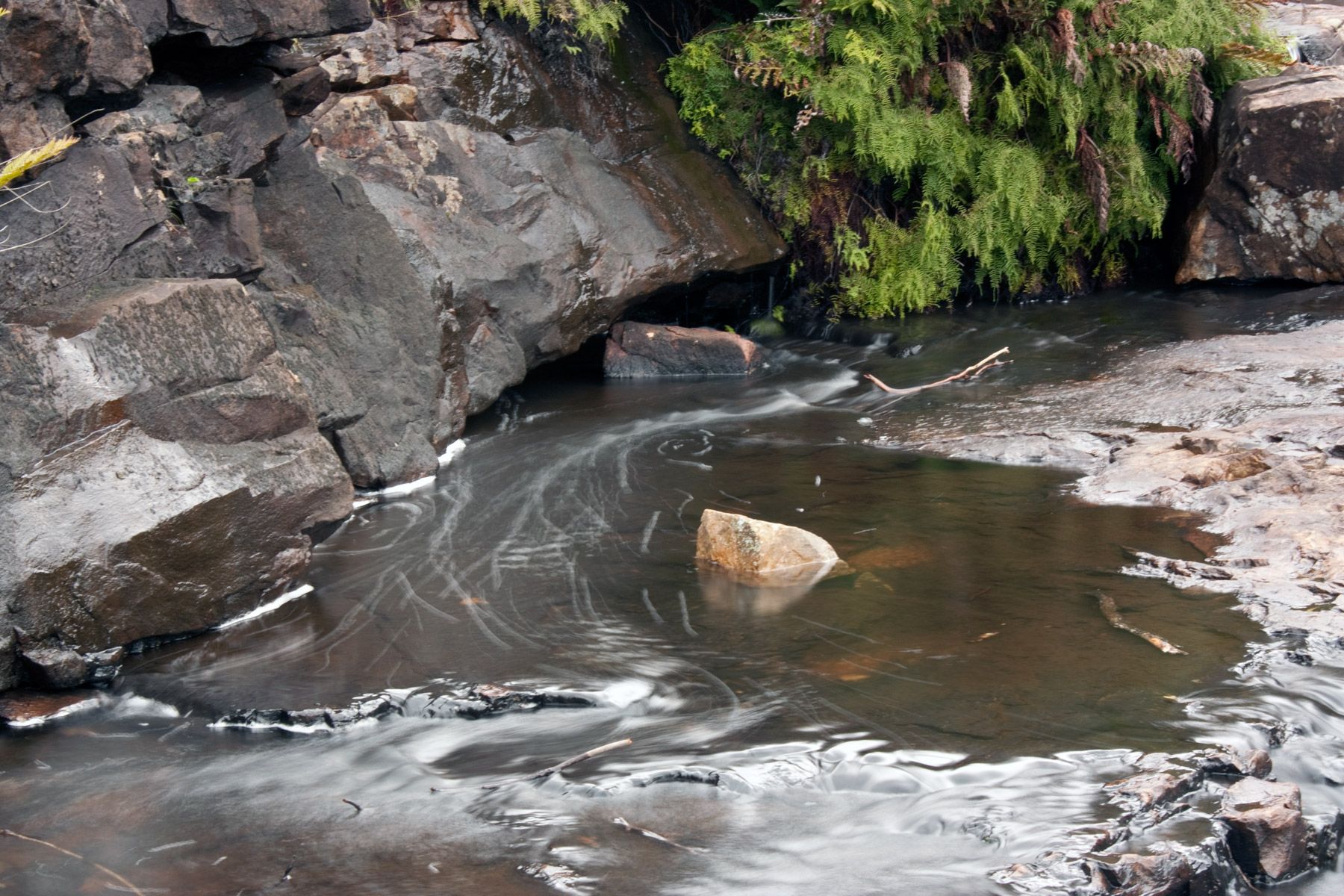
Case Study 6: Stone eel traps in Kooyang on Gariwerd Country (Grampians, Victoria)
When late summer heat shrinks the creeks and stars blaze in the Kooyang night sky, Djab Wurrung and Jardwadjali Peoples rebuild low stone traps to catch a share of fat eels, then open the walls so young fish and fresh water can keep moving upstream.
Case Study 8: The Limmen Bight River – My Mother Country – Ginger Riley Munduwalawala
From the 65,000 Years: A Short History of Australian Art exhibition, this luminous aerial view of south east Arnhem Land weaves snake ancestor Garimala and sea eagle Ngak Ngak into the landscape, revealing Riley’s living connection to his Mother Country.
Case Study 9: Quarta-Tooma (Ormiston Gorge) – Albert Namatjira
Painted outdoors and shown in the 65,000 Years: A Short History of Australian Art exhibition, this vibrant watercolour combines Western technique with Western Aranda knowledge, portraying Tjoritja’s cliffs, river and sky as a single, living Country.