Home/Curriculum resources/Caring for Country/Case Study 1: Sugarbag season on Yolngu Country (North east Arnhem Land, Northern Territory)
Learning Areas:
Humanities and Social Sciences, Science, English, The Arts
Year levels:
Foundation, Level 1, Level 2
Case Study 1: Sugarbag season on Yolngu Country (North east Arnhem Land, Northern Territory)
This case study is a part of the Caring for Country resource.
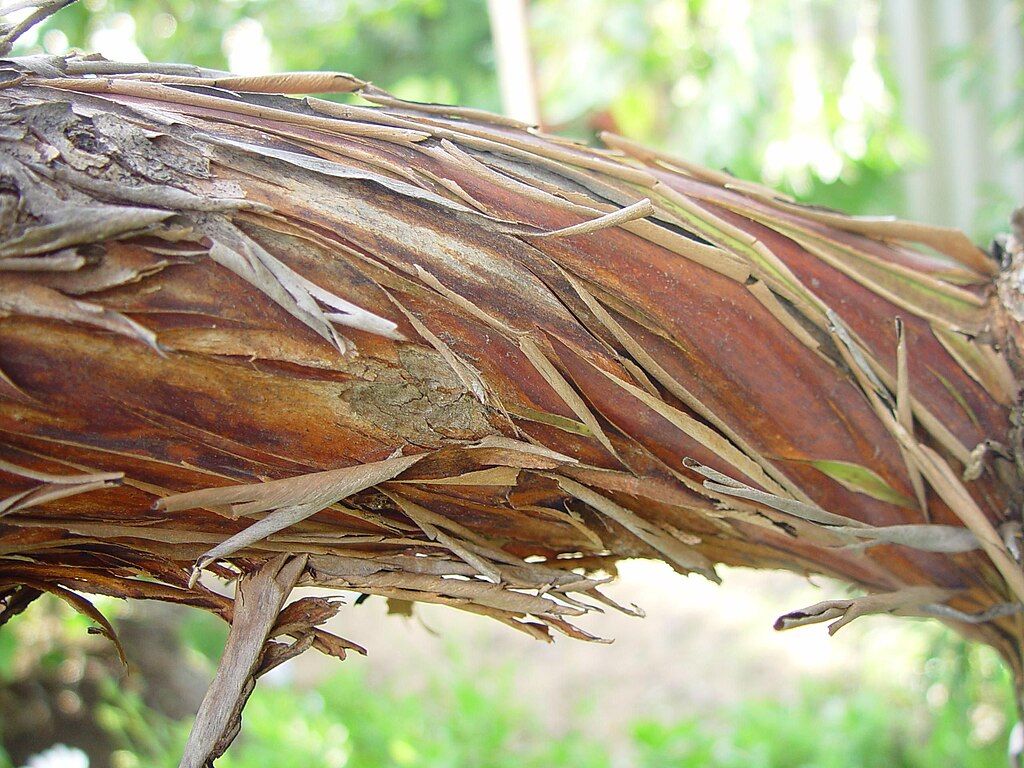
Stringybark branch. Photographer: Leon Brooks. Source: Wikimedia Commons. Used under licence: Public Domain.

Case Study 1: Sugarbag season on Yolngu Country (North east Arnhem Land, Northern Territory)
When the stringybark (Eucalyptus tetradonta) erupts into creamy blossom and the hum of native “sugarbag” bees drifts through the woodland, Yolngu People know bush honey is ready to gather. They harvest only part of each hive and leave the rest intact, ensuring the bees remain healthy for future seasons. 0
Community
The Yolngu People live on the coastal woodlands and wetlands of north east Arnhem Land in the Northern Territory. Stringybark forests, paperbark swamps and tidal creeks provide food sources, including native bee honey.¹
Seasonal or sensory cues
Two key cues signal honey time: seeing the full bloom of stringybark flowers and hearing the rising buzz of tiny Tetragonula bees around the trunks. Experienced gatherers also notice that flying foxes feeding in the canopy become noticeably plump, another sign that nectar is plentiful. 0
Caring action
When the blossoms buzz with sugarbag bees, Yolngu People follow three careful steps:
Selective take – only part of the waxy comb is removed, leaving brood and stores for the hive.
Respectful sealing – the cut is closed with bark and mud so the colony can rebuild quickly.
Future abundance – by returning year after year to the same trees, people ensure honey remains for kin and Country. 0
Why it matters
Careful taking and deliberate leaving demonstrate Yolngu Peoples’ reciprocity; human benefit is balanced with the wellbeing of other living beings. The practice also illustrates an ecological calendar in which multiple living indicators, tree, insect and bat, combine to give far finer timing than the Western four season model. Finally, honey trips strengthen kinship bonds; Elders teach children where to look, how to listen and why restraint is vital to caring for Country. 0
Related case studies within this resources:
Case Study 2: Birak season on Noongar Country (South west corner of Western Australia)
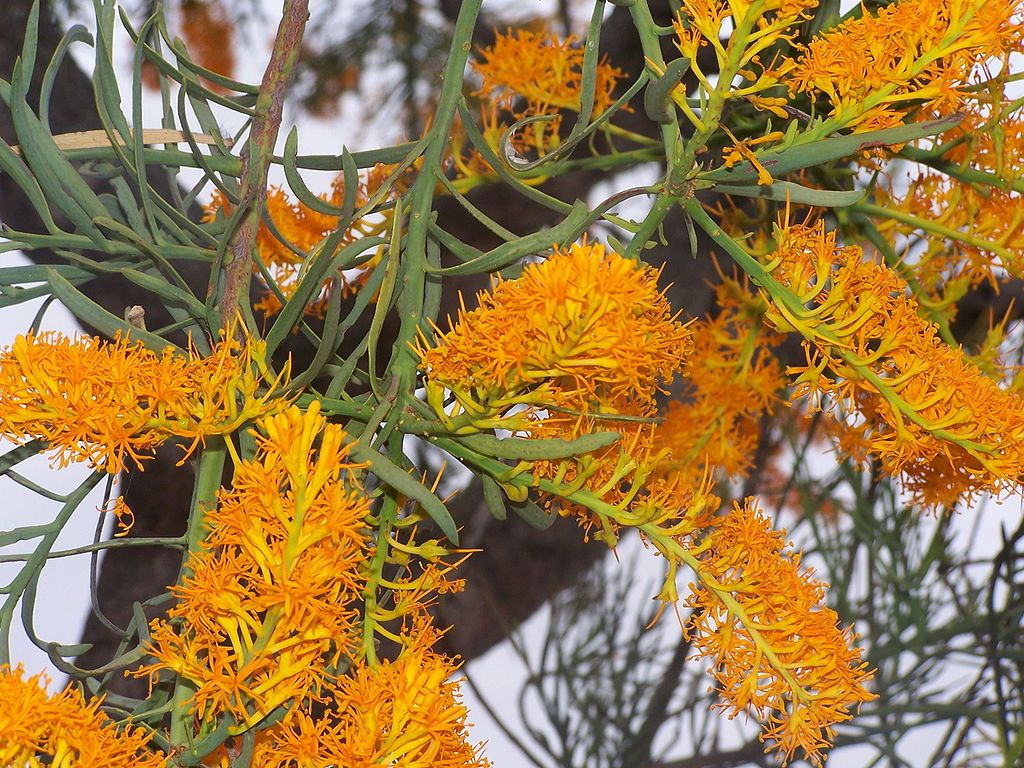
Hot easterly winds and bright red coastal blossoms signal the mullet run, guiding Noongar People to harvest fish responsibly along south west Western Australia.
Case Study 3: Wattle blossoms signal cool burns on Banbai Nation (Wattleridge, New South Wales)
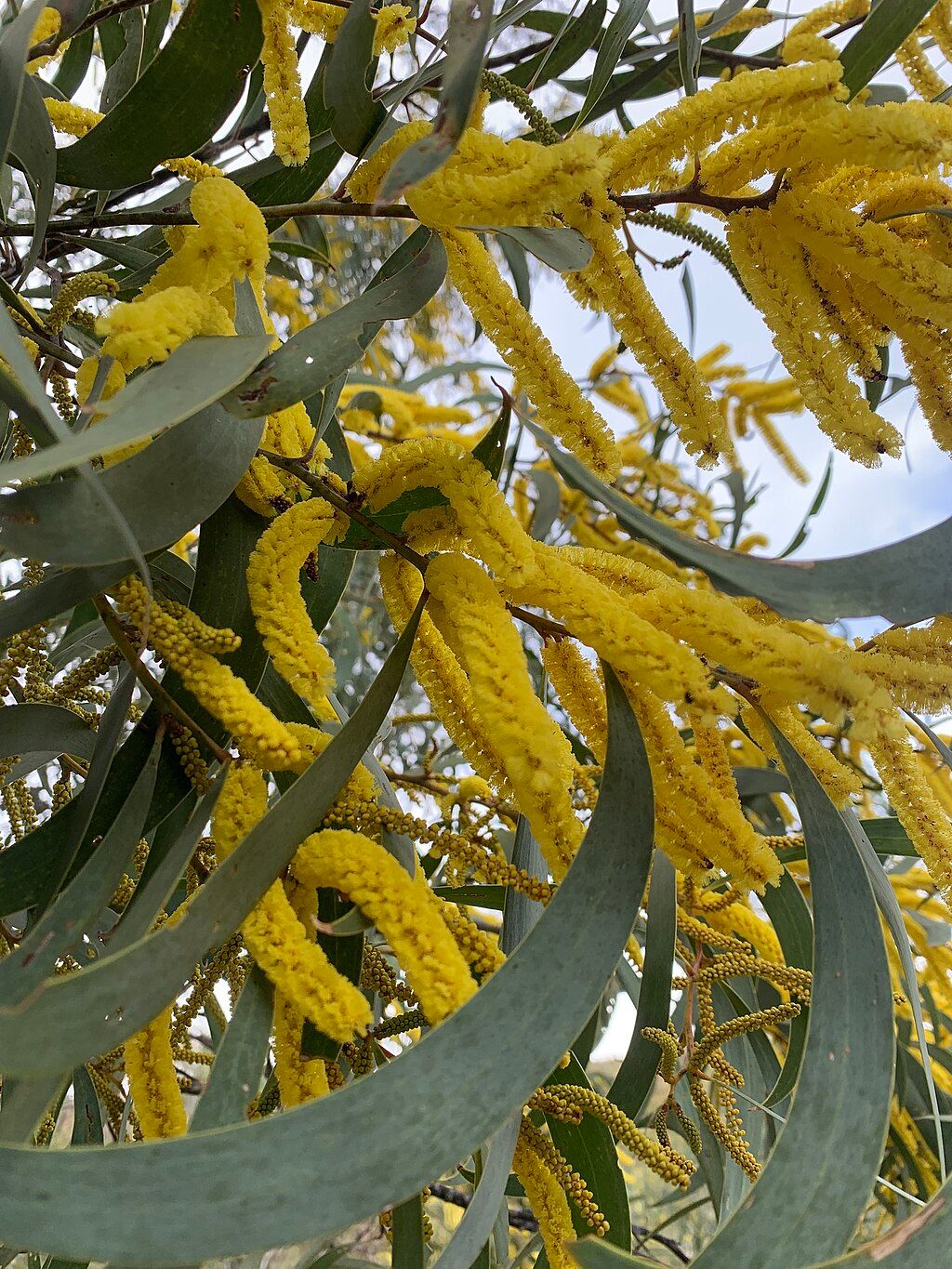
When wattles burst into bright yellow bloom, Banbai Traditional Owners know it is ‘time to begin cool, low intensity cultural burns that keep their Wattleridge woodlands healthy and safe.
Case Study 4: Drift log harvest in Kuki season on Masig (Torres Strait)
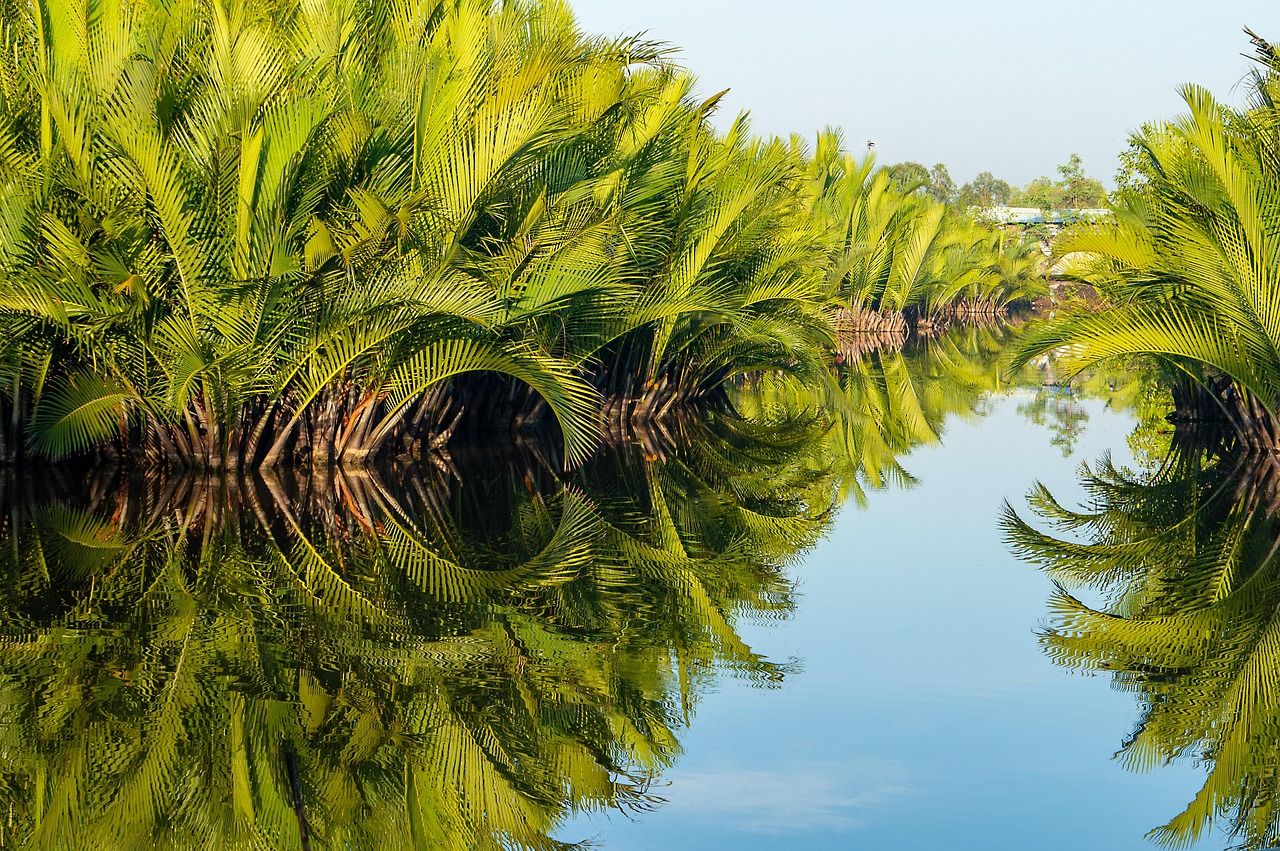
Drift logs of Tuku (Nipa) and Bissi (Sago) – known as bethey (Kala Lagaw Ya) and sap/sarp (Meriam Mir) – wash onto Masig’s shore during Kuki season. Nothing is wasted: the logs respectfully gathered and carved into canoes, drums, and building timbers, refacing totemic relationships and the principle that people care for Country and Country cares for them.
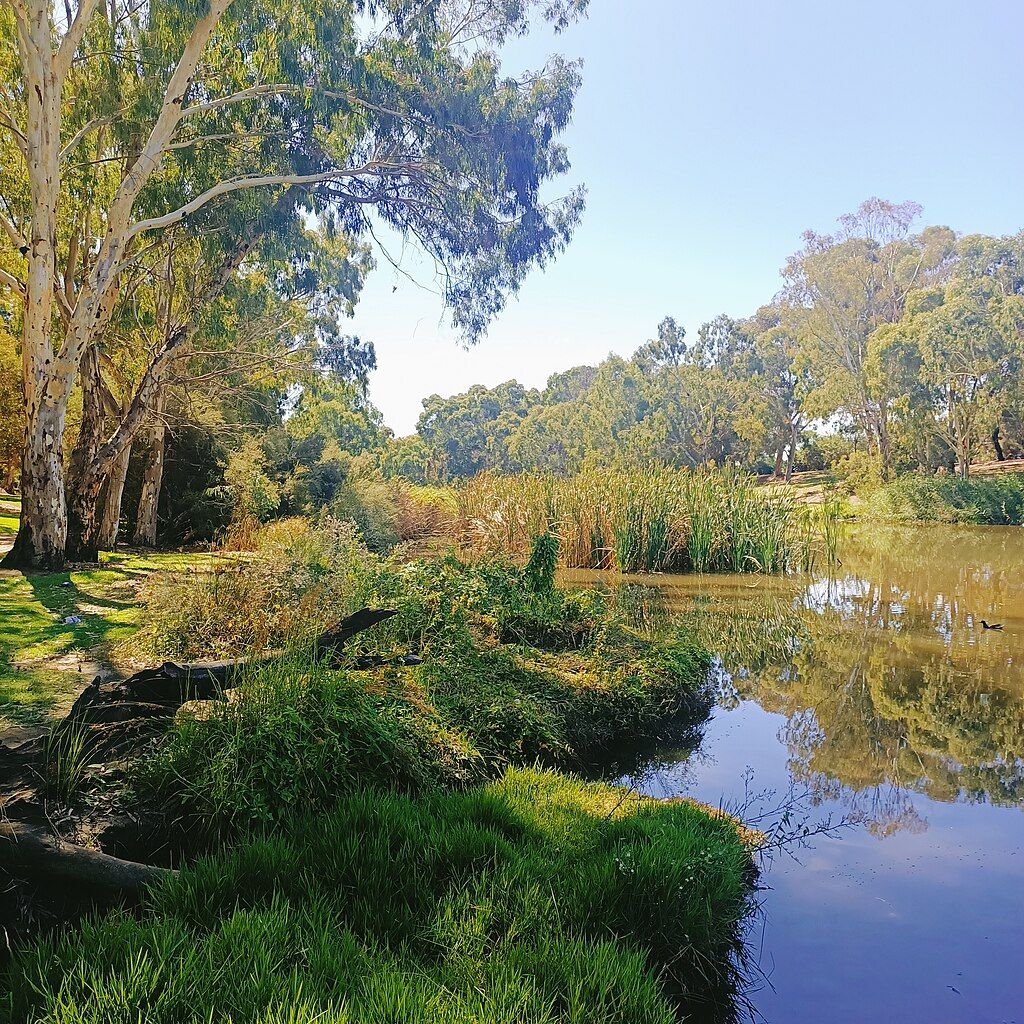
Case Study 5: Flooding and reed care in Parnati on Kaurna Country (Adelaide Plains, South Australia)
When dawn fog and floodwater spread across the reed beds in Parnati (Autumn), Kaurna People harvest only the tallest reeds for canoes and shelters, leaving shorter stems so nesting birdlife remain safe.
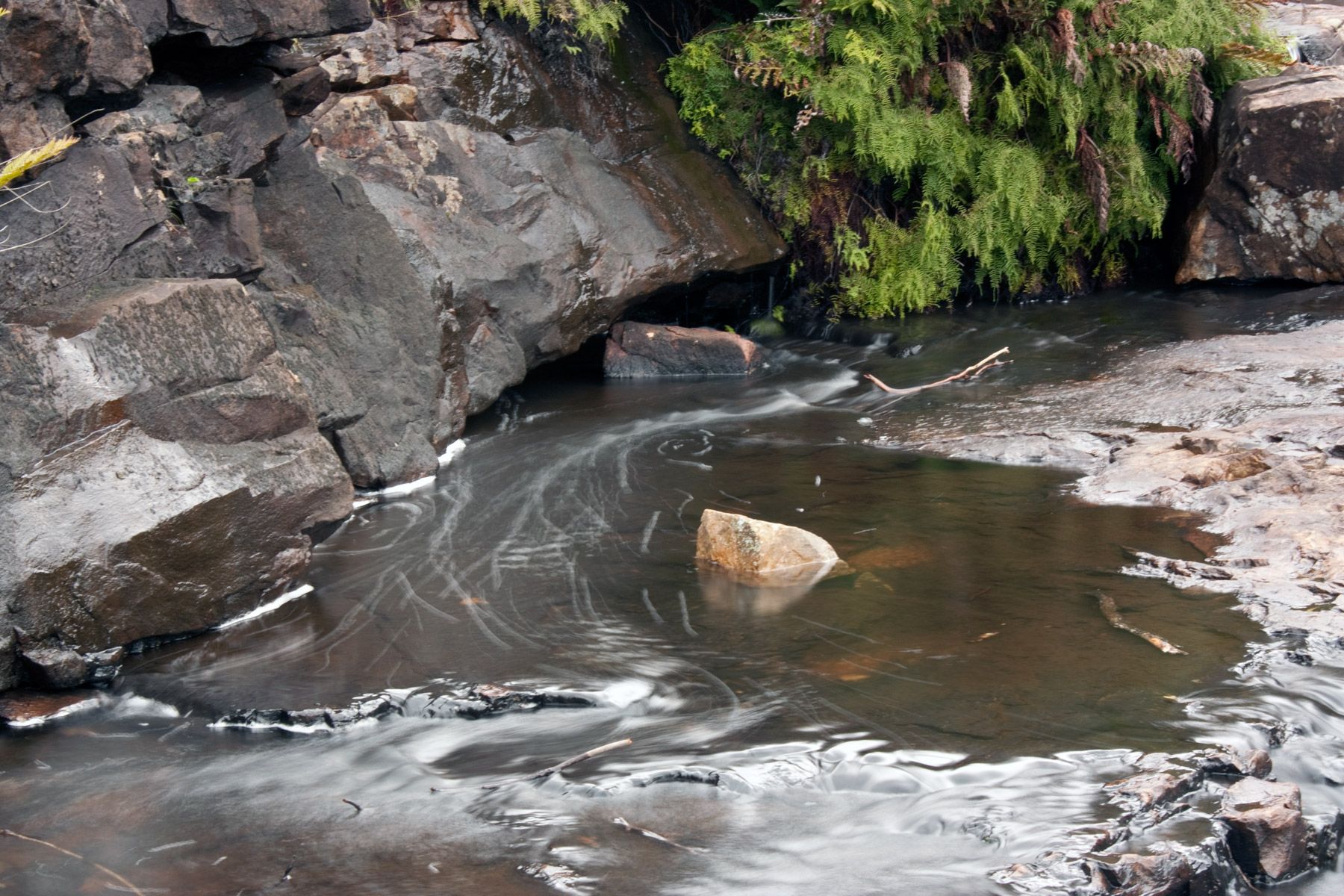
Case Study 6: Stone eel traps in Kooyang on Gariwerd Country (Grampians, Victoria)
When late summer heat shrinks the creeks and stars blaze in the Kooyang night sky, Djab Wurrung and Jardwadjali Peoples rebuild low stone traps to catch a share of fat eels, then open the walls so young fish and fresh water can keep moving upstream.
Case Study 7: Ngangkari Ngura (Healing Country) – Betty Muffler and Maringka Burton
Commissioned for the 65,000 Years: A Short History of Australian Art exhibition, this collaborative canvas by two Anangu Ngangkari healers celebrates their Tjukurpa and shows how ancestral powers are used to heal both people and Country.
Case Study 8: The Limmen Bight River – My Mother Country – Ginger Riley Munduwalawala
From the 65,000 Years: A Short History of Australian Art exhibition, this luminous aerial view of south east Arnhem Land weaves snake ancestor Garimala and sea eagle Ngak Ngak into the landscape, revealing Riley’s living connection to his Mother Country.
Case Study 9: Quarta-Tooma (Ormiston Gorge) – Albert Namatjira
Painted outdoors and shown in the 65,000 Years: A Short History of Australian Art exhibition, this vibrant watercolour combines Western technique with Western Aranda knowledge, portraying Tjoritja’s cliffs, river and sky as a single, living Country.