Home/Curriculum resources/Caring for Country/Case Study 5: Flooding and reed care in Parnati on Kaurna Country (Adelaide Plains, South Australia)
Learning Areas:
Humanities and Social Sciences, Science, English, The Arts
Year levels:
Foundation, Level 1, Level 2
Case Study 5: Flooding and reed care in Parnati on Kaurna Country (Adelaide Plains, South Australia)
This case study is a part of the Caring for Country resource.
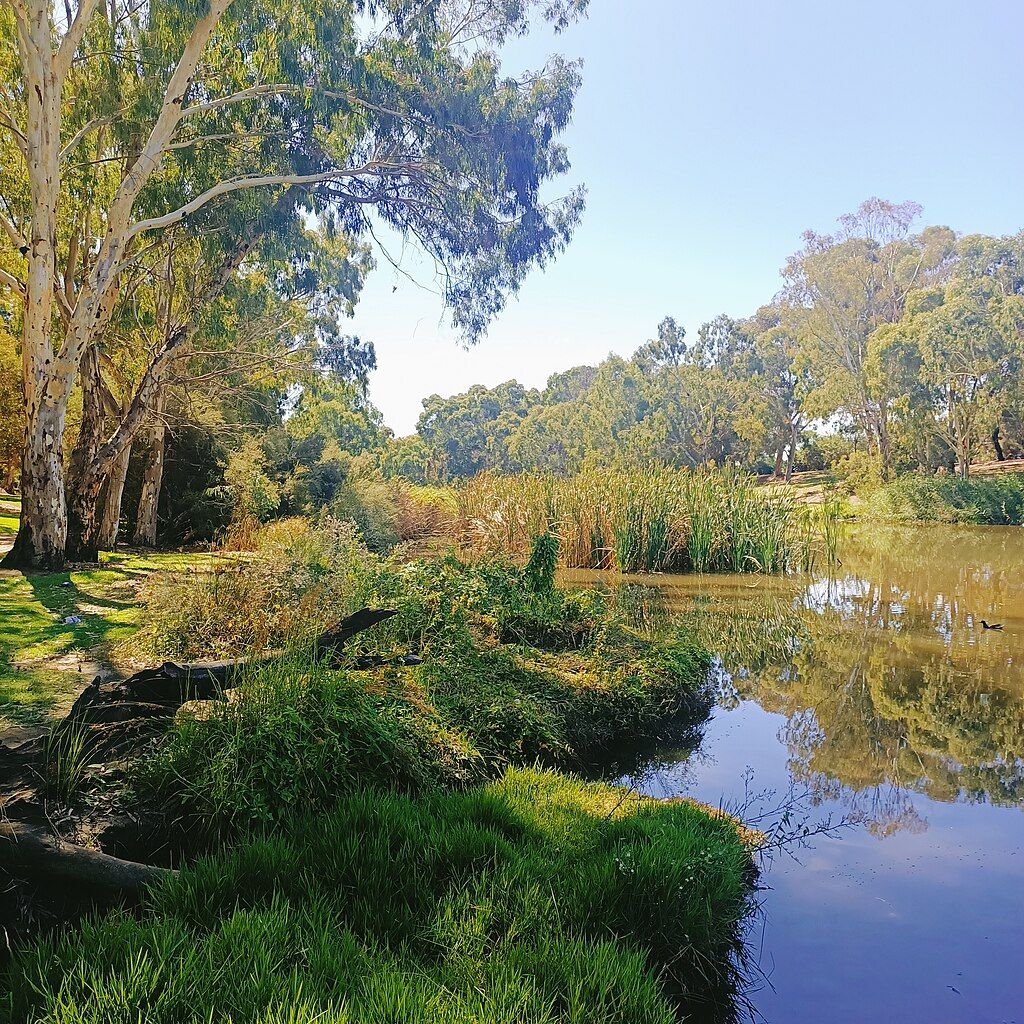
River Torrens. Photographer: Western Shadow. Source: Wikimedia Commons. Used under licence: CC BY-SA 4.0

Case Study 5: Flooding and reed care in Parnati on Kaurna Country (Adelaide Plains, South Australia)
During Parnati, the fog draped flood season of autumn, Kaurna People wade into the newly formed reed swamps behind Adelaide’s dunes to harvest the year’s first building material. Only the tallest spear reed stems are cut and bundled, then sealed with warmed wattle gum to frame bark canoes or repair windbreak walls; the shorter clumps remain to anchor the muddy banks and hide nesting birdlife.
By reading the signs of kudmu (ground fog), rising floodwater and north west pukarra (winds), Kaurna makers turn a brief wetland surge into useful shelters and craft supplies while allowing the reed beds to regenerate for the next cycle. 0
Community / Place
Kaurna Country spans the Adelaide Plains and the lower reaches of Karrawirra Pari (River Torrens). During Parnati, approximately April to June, heavy rain swells the kuntu and yartala (floodways), transforming coastal reed beds into broad, boggy wetlands. 0
Seasonal or sensory cues
Early morning kudmu (fog and dew) blankets the ground, and cool pukarra (north west winds) accompany rising water among the reeds. These signs confirm the change into Parnati, when birdlife is plentiful and movement over the plains is restricted by flooding. 0
Caring action
When tall spear reeds rise above the Parnati flood water, Kaurna People begin a reed harvest that is both practical and respectful:
Selective use: Only the tallest, well cured stems are cut for canoe ribs and wind break walls; shorter shoots and dense clumps stay rooted to hold the bank and hide nesting ducks and other birdlife.
Respect for materials: Before bundling, harvesters soften wattle gum over coals and speak quietly to the wetland, thanking the reeds and asking that they grow strong again next season.
Stewardship: Building with flood gifted reeds, and sealing joints with tree sap, spares living red gums and allows the reed bed to regenerate once the waters recede, keeping the wetland healthy for birds, fish and future harvests. 0
Why it matters
The practice turns a temporary flood into a low impact building season that protects both plants and wildlife. By taking only mature reeds and leaving younger growth and nest sites untouched, it shows how careful observation guides actions that sustain Country.
Related case studies within this resources:
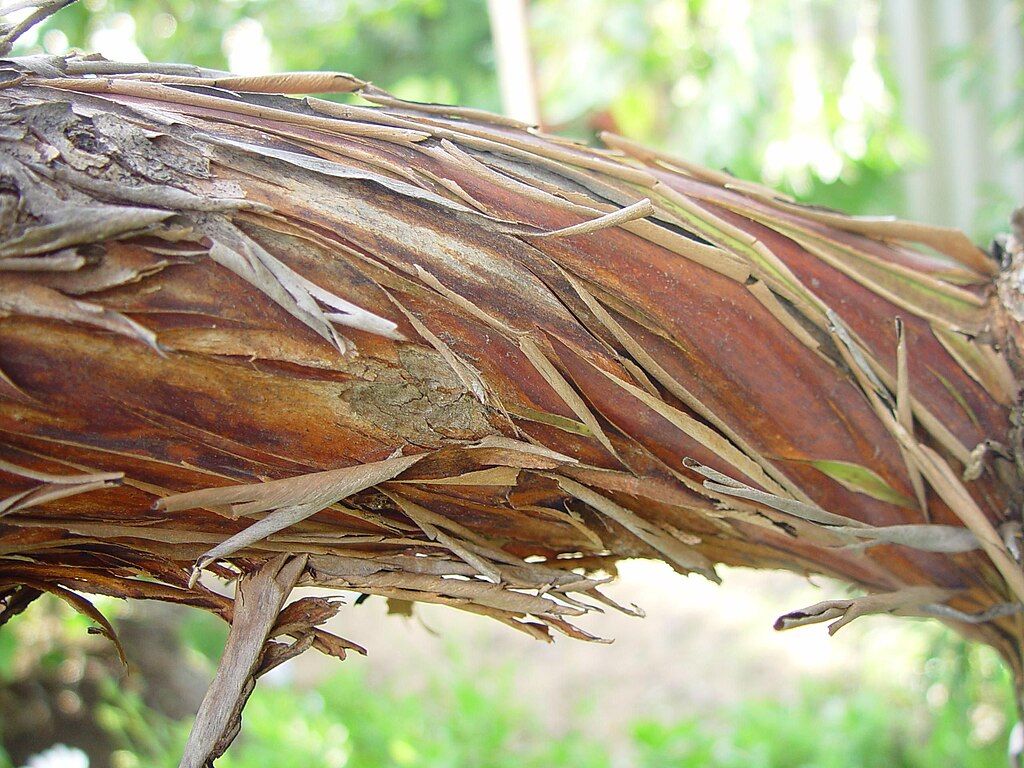
Case Study 1: Sugarbag season on Yolngu Country (North east Arnhem Land, Northern Territory)
Stringybark blossoms and buzzing “sugarbag” bees guide Yolngu People to harvest bush honey sustainably on Arnhem Land.
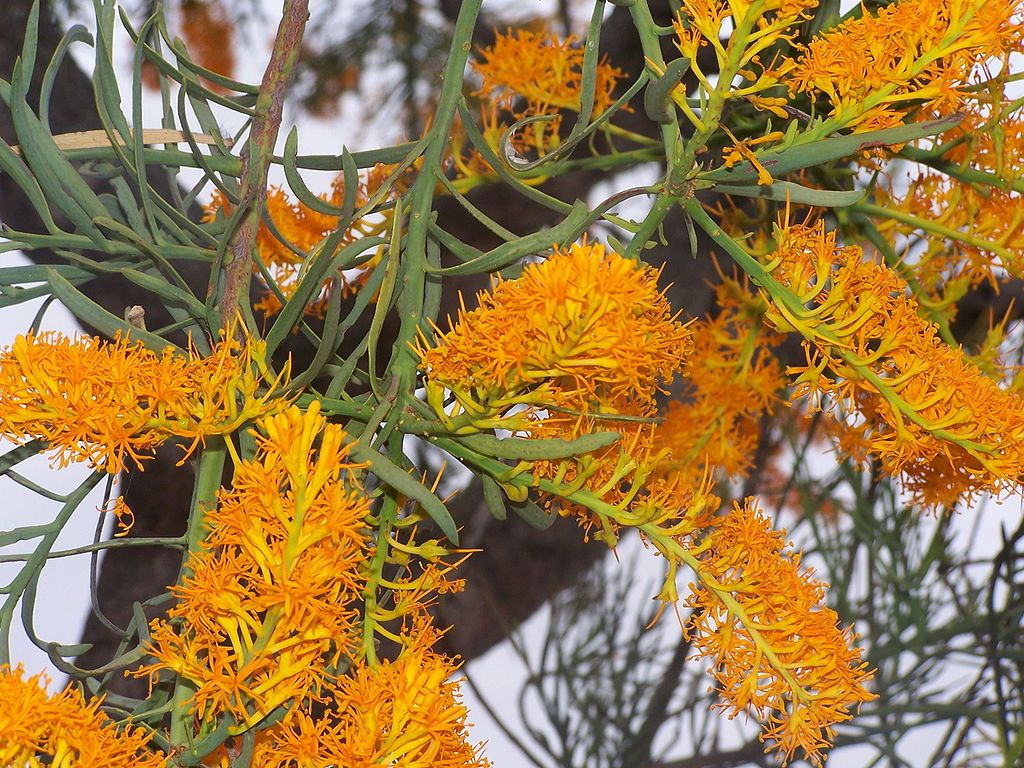
Case Study 2: Birak season on Noongar Country (South west corner of Western Australia)
Hot easterly winds and bright red coastal blossoms signal the mullet run, guiding Noongar People to harvest fish responsibly along south west Western Australia.
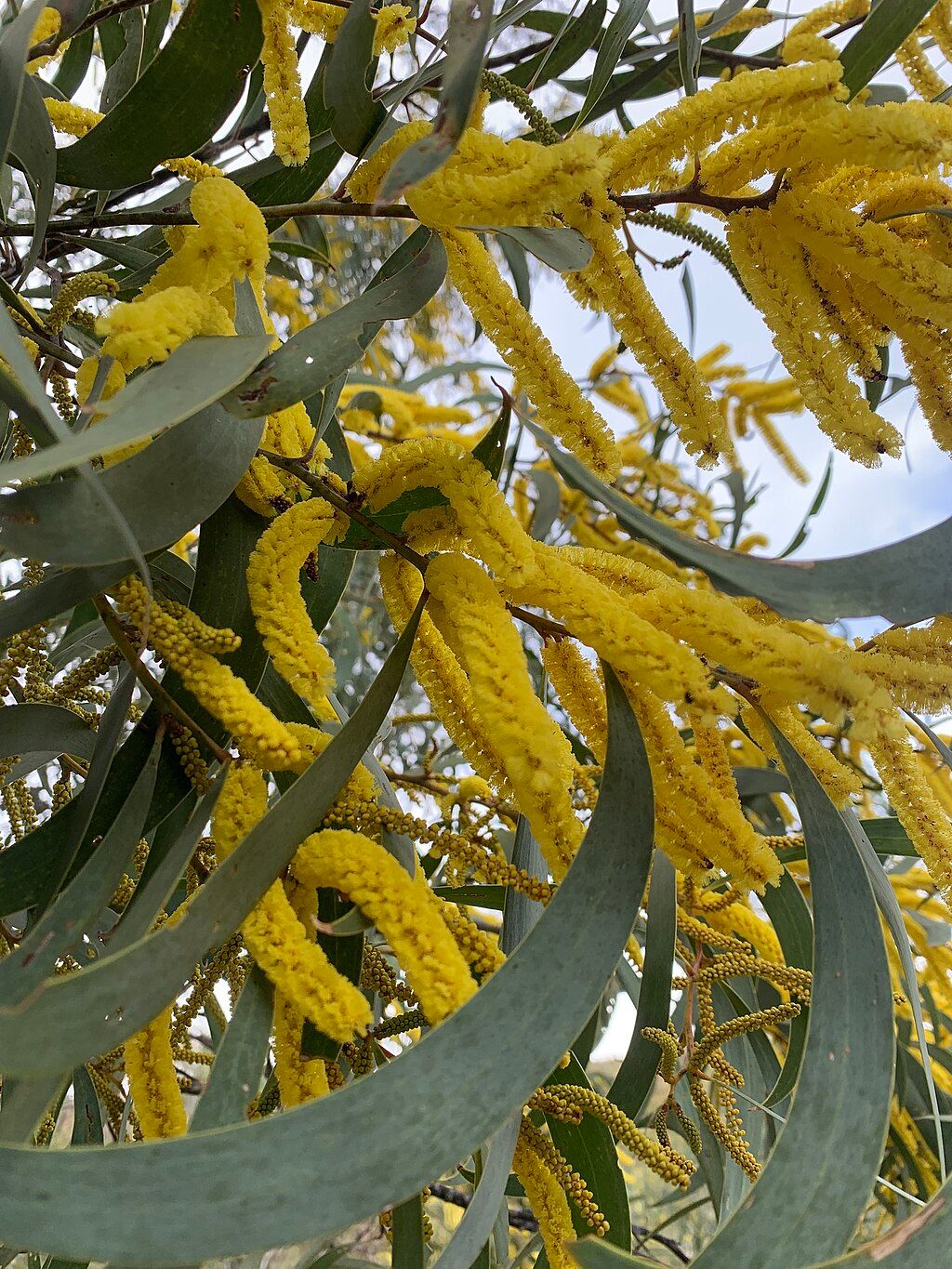
Case Study 3: Wattle blossoms signal cool burns on Banbai Nation (Wattleridge, New South Wales)
When wattles burst into bright yellow bloom, Banbai Traditional Owners know it is ‘time to begin cool, low intensity cultural burns that keep their Wattleridge woodlands healthy and safe.
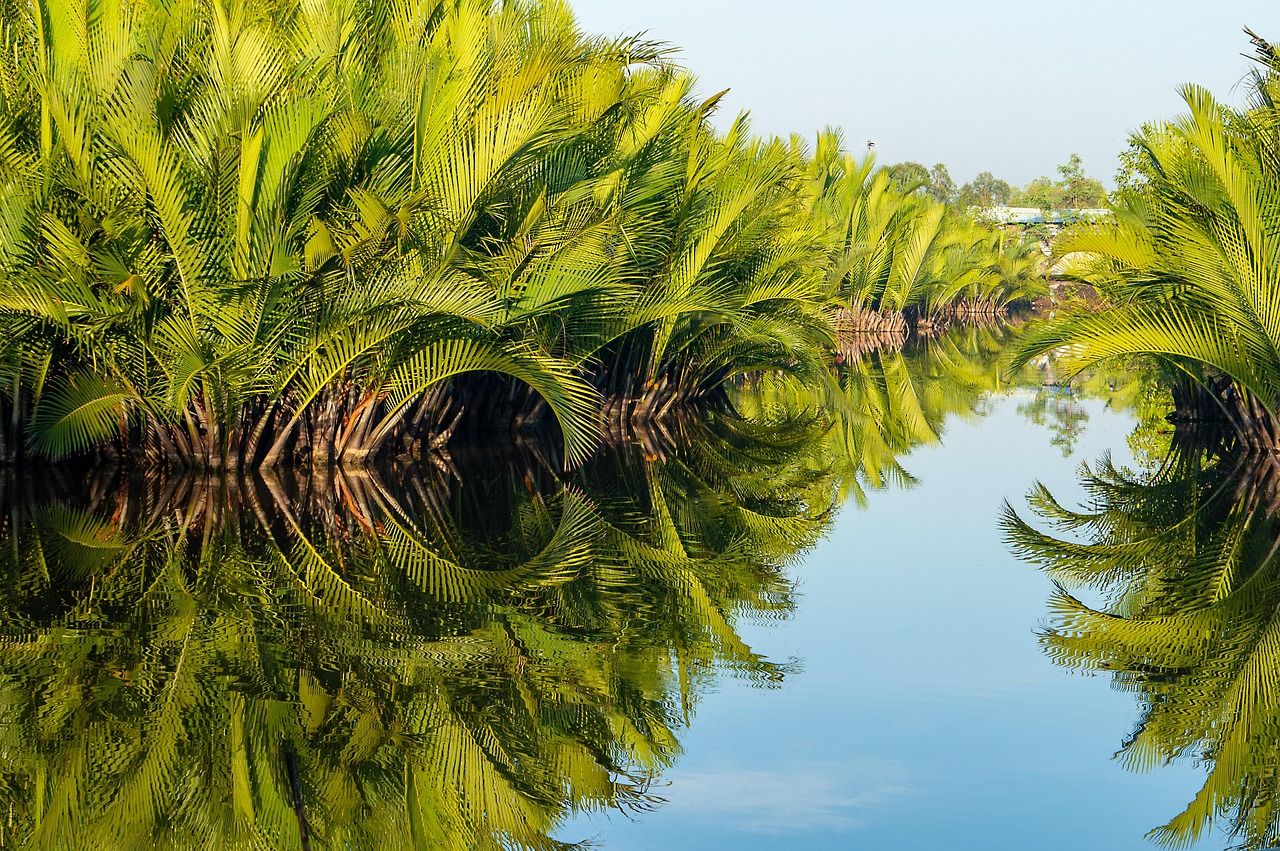
Case Study 4: Drift log harvest in Kuki season on Masig (Torres Strait)
Drift logs of Tuku (Nipa) and Bissi (Sago) – known as bethey (Kala Lagaw Ya) and sap/sarp (Meriam Mir) – wash onto Masig’s shore during Kuki season. Nothing is wasted: the logs respectfully gathered and carved into canoes, drums, and building timbers, refacing totemic relationships and the principle that people care for Country and Country cares for them.
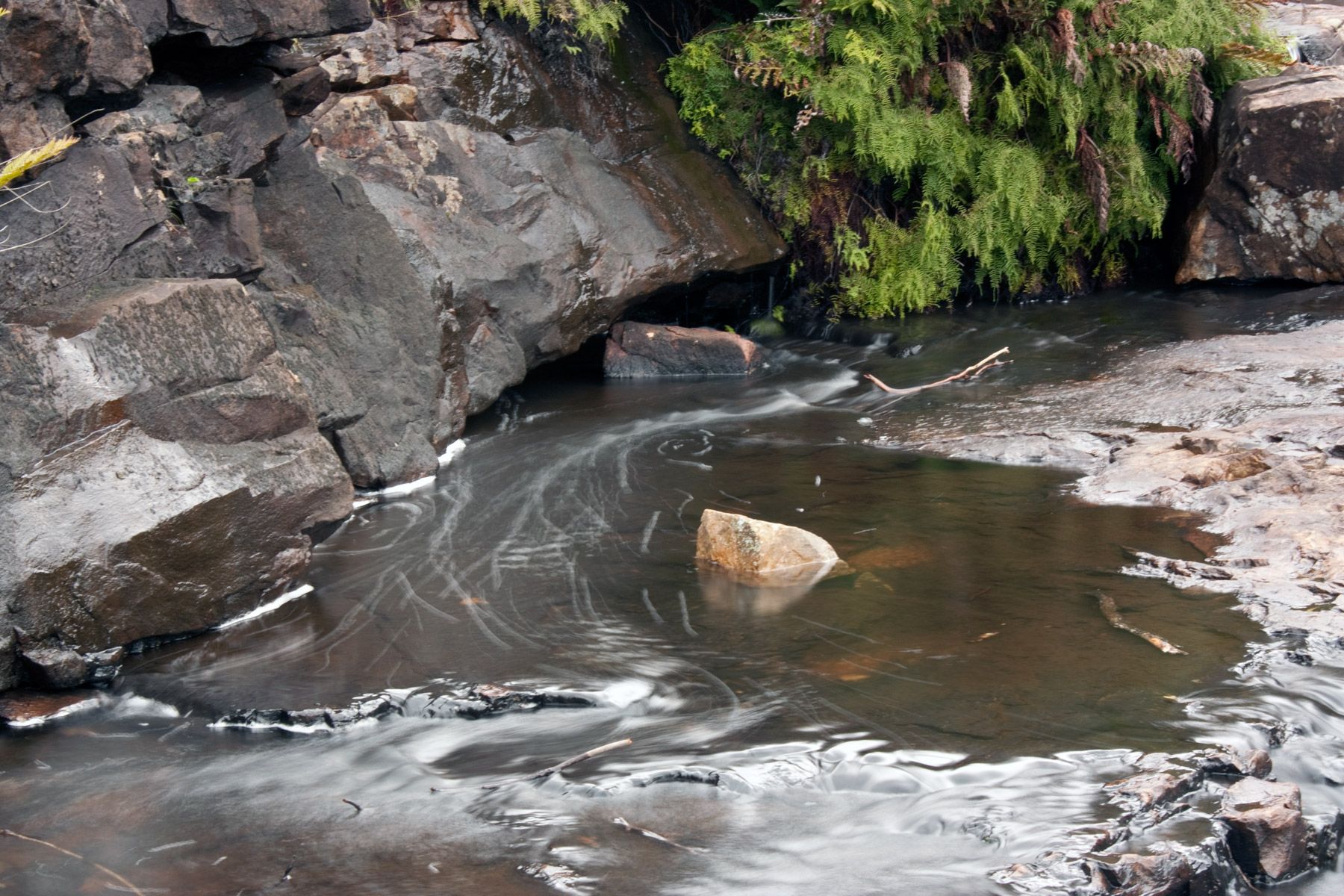
Case Study 6: Stone eel traps in Kooyang on Gariwerd Country (Grampians, Victoria)
When late summer heat shrinks the creeks and stars blaze in the Kooyang night sky, Djab Wurrung and Jardwadjali Peoples rebuild low stone traps to catch a share of fat eels, then open the walls so young fish and fresh water can keep moving upstream.

Case Study 7: Ngangkari Ngura (Healing Country) – Betty Muffler and Maringka Burton
Commissioned for the 65,000 Years: A Short History of Australian Art exhibition, this collaborative canvas by two Anangu Ngangkari healers celebrates their Tjukurpa and shows how ancestral powers are used to heal both people and Country.
Case Study 8: The Limmen Bight River – My Mother Country – Ginger Riley Munduwalawala
From the 65,000 Years: A Short History of Australian Art exhibition, this luminous aerial view of south east Arnhem Land weaves snake ancestor Garimala and sea eagle Ngak Ngak into the landscape, revealing Riley’s living connection to his Mother Country.
Case Study 9: Quarta-Tooma (Ormiston Gorge) – Albert Namatjira
Painted outdoors and shown in the 65,000 Years: A Short History of Australian Art exhibition, this vibrant watercolour combines Western technique with Western Aranda knowledge, portraying Tjoritja’s cliffs, river and sky as a single, living Country.