Home/Curriculum resources/Indigenous Ecological Knowledge and severe weather events/Case Study 3: Aboriginal fire management, Martu People, Western Australia
Learning Areas:
Science, Humanities and Social Sciences, English
Year levels:
Level 5, Level 6
Case Study 3: Aboriginal fire management, Martu People, Western Australia
This case study is a part of the Indigenous Ecological Knowledge and severe weather events resource.
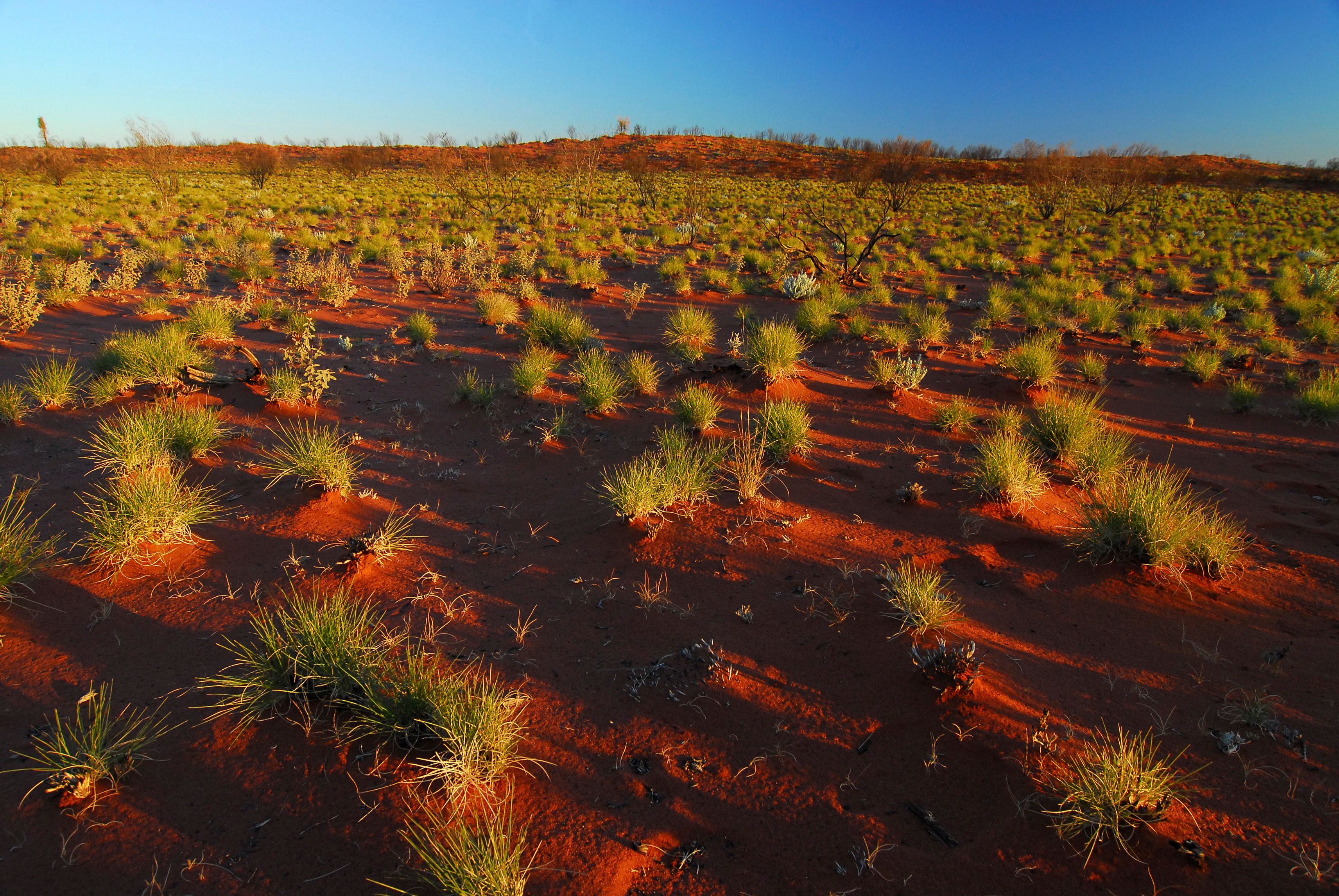
Spinifex (Triodia sp.) Regrowth After a Grass Fire. Gibson Desert, Western Australia. Photographer: Auscape. Source: Getty Images. Used under Licence.

Case Study 3: Aboriginal fire management, Martu People, Western Australia
Martu fire practices
Cultural burning has been practised by Martu People in the Western Desert for many generations. For many, fire is not only a physical tool but also a cultural and ecological practice rooted in long-term observation and custodianship of Country. Traditional fire management, or waru (a Manyjilyjarra word) involves lighting small, patchy burns during the cooler months to manage vegetation, assist in hunting, and regenerate important food and medicine plants 0 . Small, low-intensity fires can encourage a variety of plant species to grow, increasing biodiversity in the arid landscape.
Martu Elder Kirriwirri speaks of a time when the Martu People didn’t have fire. It was always spotted in the distance, but when the Martu People would reach it, they found nothing:
The blue tongue lizard would hide fire from them and they’d be cold… but the chicken hawk stole it away and gave it to the Martu who became warm, full and fat. And so Martu life with fire begins. 0
Since then, many Martu People have held onto their ancient fire knowledge and experience, which includes knowledge of the intensity, extent and placement of fires. Their landscape comprises areas recently burned as well as patches that have remained unburned for several decades. It also includes regions subjected to varying frequencies of burning, from those burned a few times to others burned several times 0 .
Research in the Western Desert has demonstrated that desert biodiversity is much higher, and wildfires are much smaller, in areas where the Martu People burn 0 .
Pyrodiversity
The use of fires to increase biodiversity is called pyrodiversity. Pyrodiversity creates a fine-scale mosaic of burned and unburned areas, which in turn supports a wider range of plant species. Martu-led fire regimes increase plant species richness, particularly of species significant to many Aboriginal Peoples 0 . These include edible seeds, tubers, and bush medicines, many of which depend on fire frequencies or intensities for regeneration.
Martu People recognise five post-fire successional stages, described in the Manyjilyjarra language; nyurnma: recently burnt patches, waru waru: plants re-sprout following rain, nyukura: plants mature and produce flowers/fruit, manguu: spinifex dominates and can carry fire, and woody shrubs produce nectar, and kunarka: spinifex hummocks senesce in the centre 0 . Arid Martu landscapes are dominated by spinifex, a sharp-spined grass that thrives in unburnt areas, outcompeting other plants 0 .
Fire plays a vital role by reducing spinifex to its roots, allowing the growth of species like bush tomatoes, Scaevola parvifolia, and woollybutt grass, which are essential to Martu communities for food, medicine, and cultural purposes.
Wildfire prevention
Bushfires are one of the most frequent natural hazards experienced in Australia. Fires play an important role in shaping the landscape, and its ecological dynamics, but they can also have devastating effects that cause human injuries and fatalities, as well as broad scale environmental damage 0 .
Martu fire practices help buffer the effects of climate-driven variability in wildfire size 0 . Areas actively managed by Martu People using traditional burning experience fewer large, high-intensity fires than adjacent unmanaged lands. By keeping fuel loads low and promoting habitat diversity, these practices reduce the likelihood of destructive fire events that are becoming more common in arid Australia due to rising temperatures and longer fire seasons 0 . Martu burning practices are often carried out during cooler times of the year, which results in slow, cool, and low-intensity fires that reduce the potential for fire burning out of control and into wildfires.
In 2020, a survey was undertaken in the Great Sandy Desert, Western Australia found that Martu fire practices maintain the richness of fire-sensitive plant species and reduce the spread of highly flammable invasive grasses 0 . This suggests that Indigenous knowledge systems have a measurable and positive ecological impact, especially in desert environments often overlooked by conventional fire policy.
Collaborative fire management models
Despite their demonstrated effectiveness, Indigenous fire practices have often been excluded from mainstream fire and land management frameworks. Fletcher et al. (2021) critique this exclusion as part of the colonial legacy that sees wilderness as untouched, rather than as places shaped and cared for by generations of Aboriginal Peoples 0 . Drawing upon global case studies, including the desert in Australia, Fletcher et al. propose that conservation must instead legally recognise and support Indigenous and Community Conservation Areas (ICCAs) 0 . They contend that empowering Indigenous-led stewardship offers a socially just, culturally meaningful, and ecologically sustainable pathway forward.
Coupling Indigenous Knowledge with ecological work within Martu Country in the Western Desert demonstrates the importance of low-intensity patch burning and hunting on increasing floral diversity via mosaics and facilitating the persistence of endemic faunal communities 0 .
Moreover, such burning has been shown to be vital for supporting keystone species 0 . Recognition of Indigenous land management, including through ranger programs and research collaborations, helps the growing acknowledgment that traditional fire practices not only protect ecosystems, but also strengthen cultural continuity and community wellbeing 0 .
Related case studies within this resources:
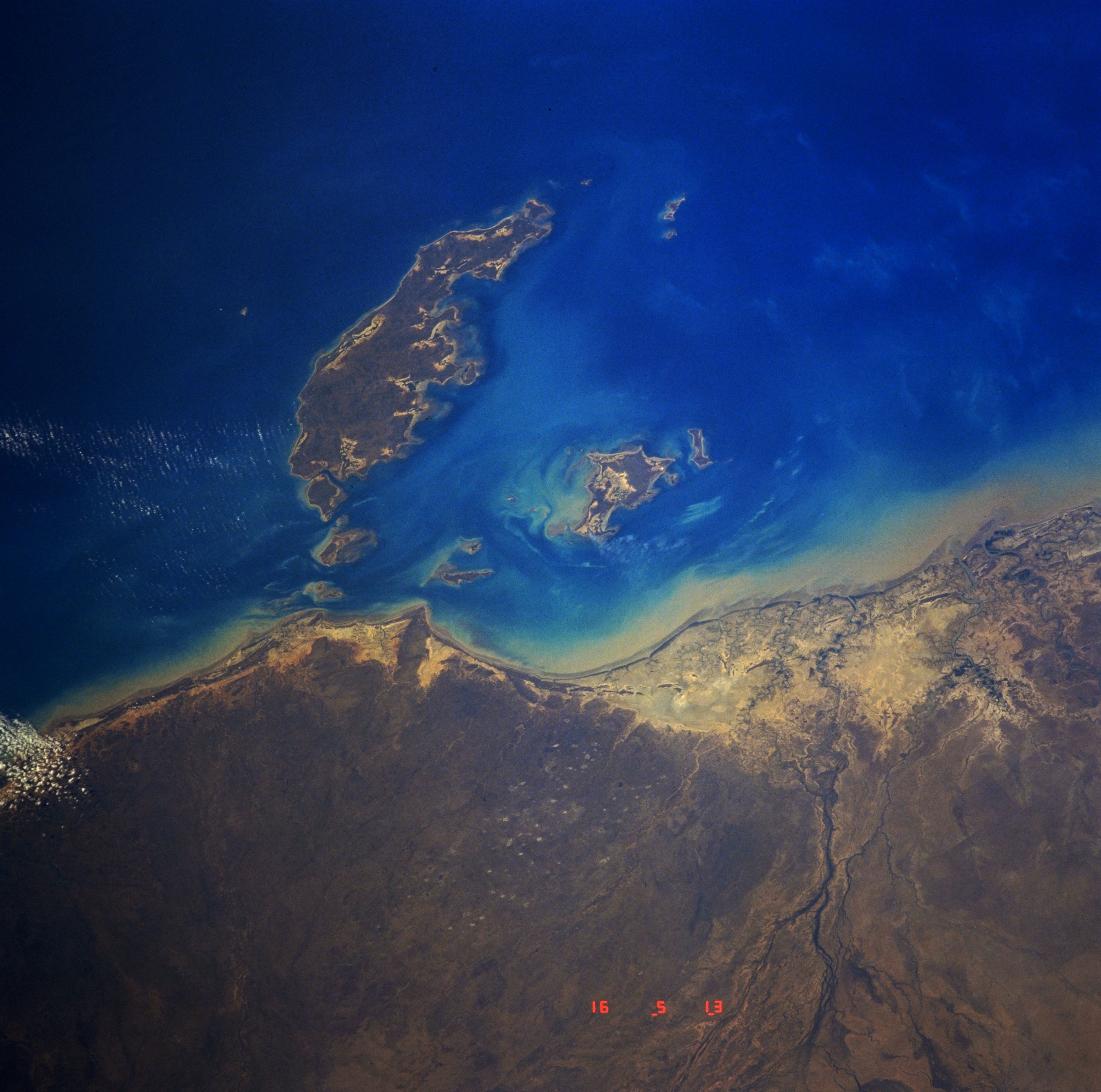
Case Study 1: Nature’s warnings for cyclone preparedness: Lardil People, Mornington Island
The Lardil People of Mornington Island draw on cultural knowledge and observations of nature to predict, prepare for, and respond to tropical cyclones, strengthening community resilience in a hazard-prone environment.
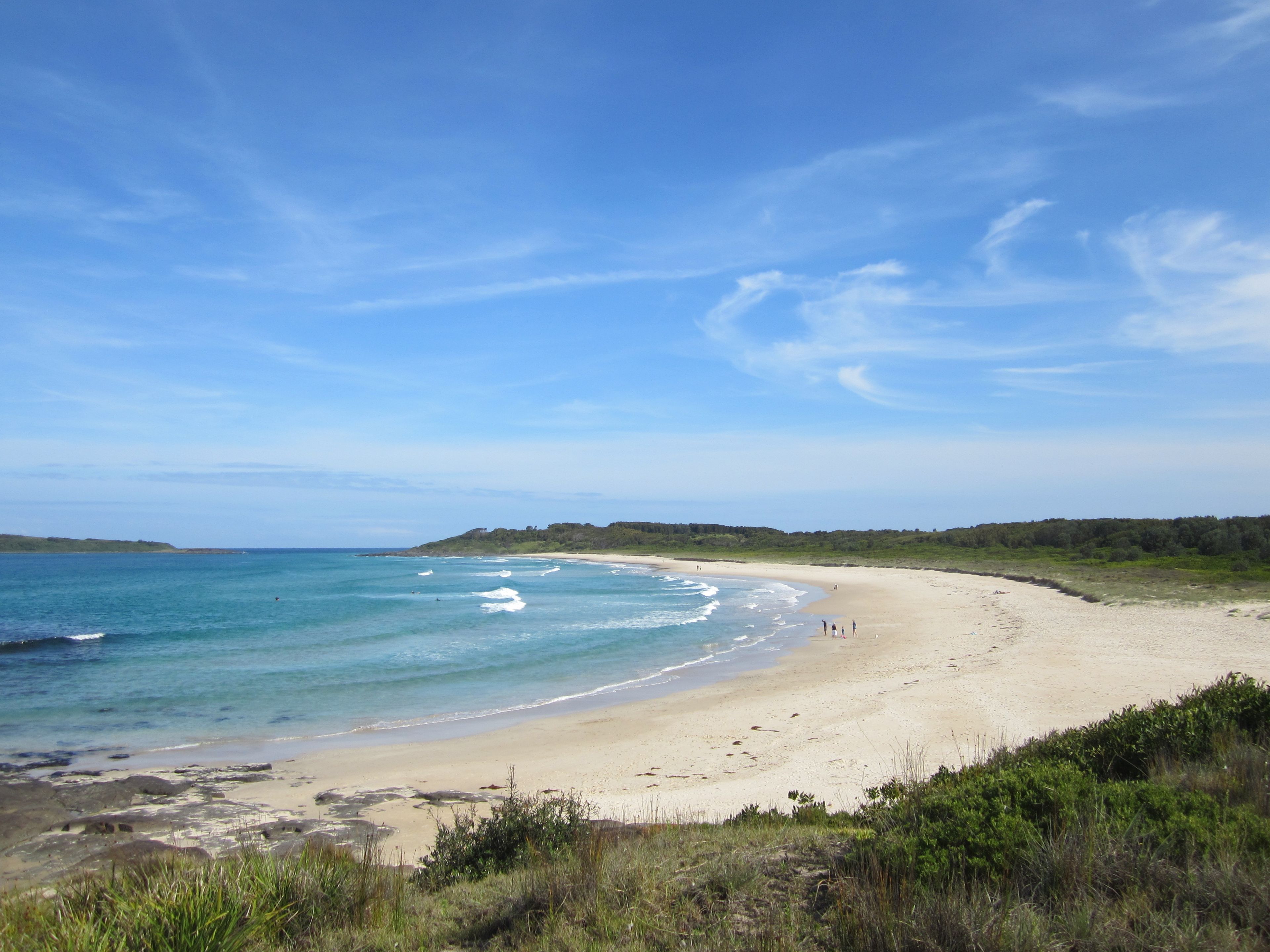
Case Study 2: Aboriginal tsunami knowledge, Yuin and Burragorang Peoples, New South Wales
Aboriginal oral traditions provide valuable insights into past cosmogenic events, helping inform research and strengthen future disaster preparedness.

Case Study 4: Drought resilience, Anangu Pitjantjatjara Yankunytjatjara Lands, South Australia
Anangu knowledge of rock holes and underground water sources support sustainable land management and drought resilience in the Anangu Pitjantjatjara Yankunytjatjara Lands.
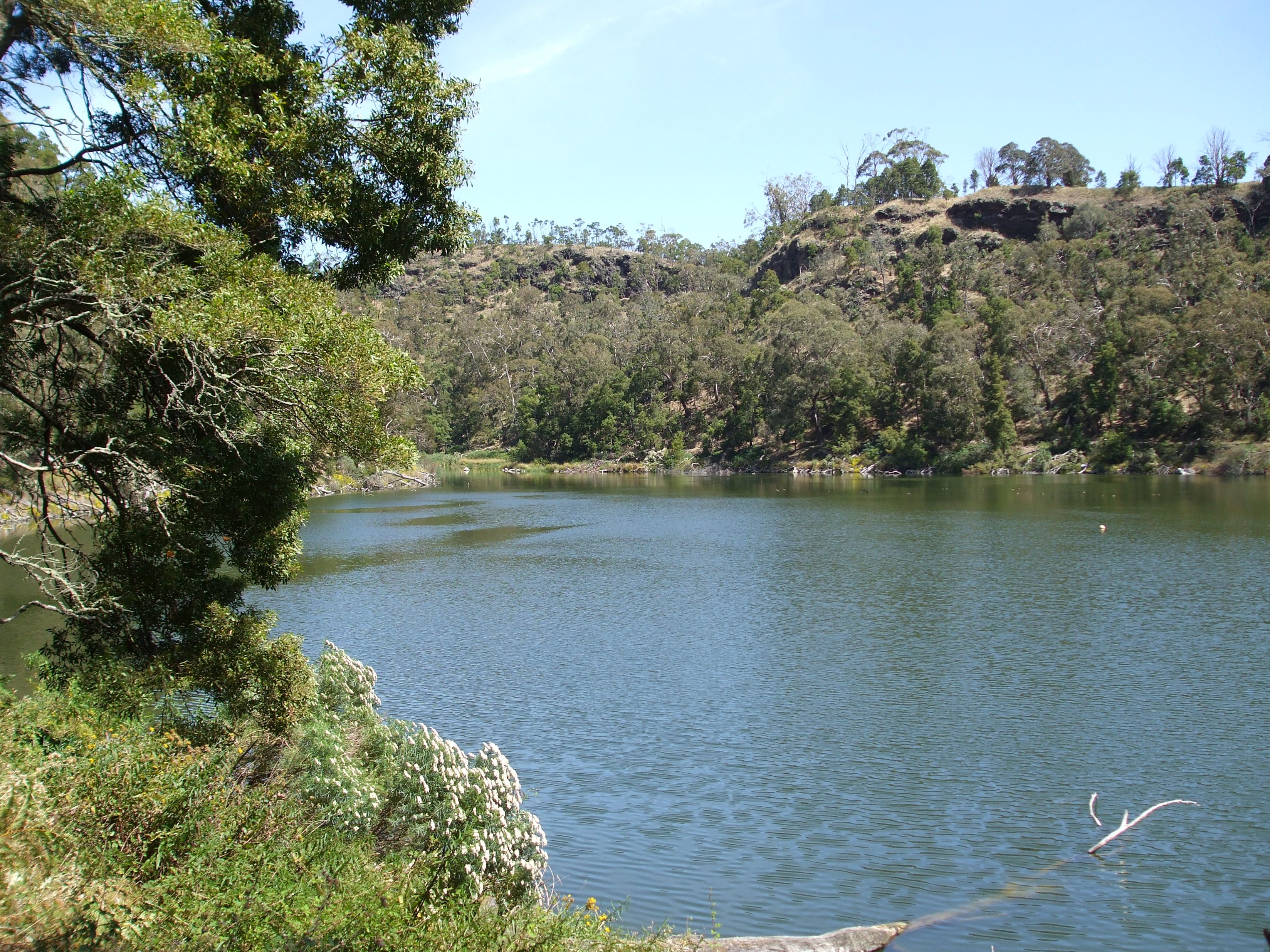
Case Study 5: Budj Bim Aquaculture Systems, Gunditjmara People, Victoria
Gunditjmara Ecological Knowledge at Budj Bim strengthens land and water management, supporting resilience to floods and bushfires.
Case Study 6: Monsoon preparation and seasonal knowledge, Yolngu People, Northern Territory
Yolngu seasonal knowledge enhances community preparedness and resilience to monsoons by aligning human activity with natural seasonal cycles.
Case Study 7: Torres Strait Islander sea caring culture
Torres Strait Islander communities draw on Traditional Ecological Knowledge such as seasonal wind patterns and stellar observations, to monitor environmental changes, anticipate severe weather events and adapt to the impacts of climate change.