Home/Curriculum resources/Indigenous Ecological Knowledge and severe weather events/Case Study 5: Budj Bim Aquaculture Systems, Gunditjmara People, Victoria
Learning Areas:
Science, Humanities and Social Sciences, English
Year levels:
Level 5, Level 6
Case Study 5: Budj Bim Aquaculture Systems, Gunditjmara People, Victoria
This case study is a part of the Indigenous Ecological Knowledge and severe weather events resource.
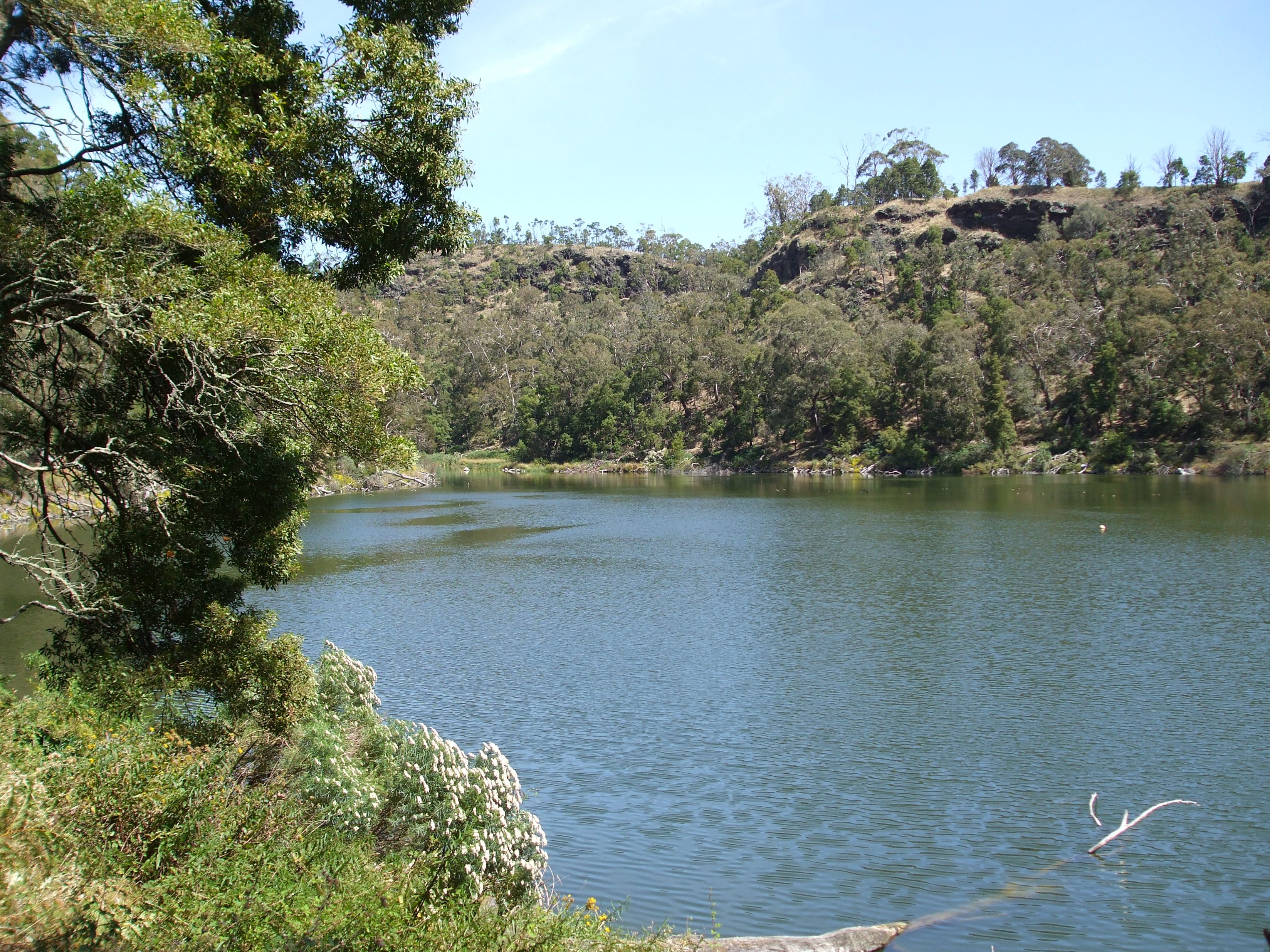
Lake Surprise, Budj Bim. Mt Eccles National Park, Victoria, Australia Photographer: Dhx1. Source: Wikimedia Commons. Public Domain.

Case Study 5: Budj Bim Aquaculture Systems, Gunditjmara People, Victoria
Budj Bim, a volcanic landscape with relatively recent volcanic activity, situated in Gunditjmara country is rich with cultural features, including the remnants of ancient stone houses in village arrangements and one of Australia’s and the world’s earliest and largest aquaculture systems.
The Gunditjmara People's Traditional Ecological Knowledge applied to water and land management at Budj Bim plays a vital role in preparedness and resilience around severe weather events including floods and wildfires, demonstrating the enduring value of Indigenous practices in contemporary environmental management 0 .
Caring for Country
Budj Bim is the home of the Gunditjmara People, who have managed this remarkable environment for thousands of years.
The Gunditjmara People have developed and used environmental management strategies over thousands of years, and the modern context of collaborative management of the area is an outstanding example of Indigenous environmental knowledge, practices and innovations. Gunditjmara People are known to have engineered the Budj Bim landscape to farm and harvest eels in channels for over 6,000 years.
At the community level, the following quote provides a real sense of the connection Gunditjmara People have with Country, and the ongoing respect they have for their ancestors and all that was provided for them.
“In the Dreaming, the ancestral creators gave the Gunditjmara people the resources to live a settled lifestyle. They diverted the waterways and gave us the stones and rocks to help us build the aquaculture systems. They gave us the wetlands where the reeds grew so that we could make the eel baskets, and they gave us the food-enriched landscape for us to survive." 0
Many Gunditjmara People are currently involved in the active management, protection and preservation of Budj Bim in partnership with the Victorian Government’s Budj Bim Connections program 0 . Together with the Budj Bim Master Plan 0 , these programs are an excellent example of a successful contemporary joint management approach to maintaining a culturally priceless area. This will ensure the ongoing connection of the Gunditjmara People with their ancestors and their country and will also assist all Australians in understanding the incredibly rich history of their country.
Water management
Five eel trap systems have been recorded around the edge of Lake Condah, one of which has been carbon dated to 6,600 years old, which predates the Egyptian pyramids by two thousand years 0 . The permanent supply of freshwater ensured a reliable and abundant food supply, including eels, fish and water plants.
Mature eels were harvested with woven baskets placed in the weir. This system not only supported food security but also managed water flow across the landscape. By controlling and redirecting water, these structures mitigated the impacts of flooding and maintained wetland ecosystems during droughts 0 .
Wildfire mitigation
Gunditjmara knowledge has been instrumental in bushfire response efforts at Budj Bim. During the 2019 bushfires, Traditional Owners provided critical insights into the landscape, aiding emergency services in navigating the terrain and identifying safe zones 0 . Additionally, the Budj Bim Rangers implement cultural burning practices, which involve controlled, low-intensity fires to reduce fuel loads and promote ecological health 0 . These practices not only protect the environment but also enhance community resilience to bushfires.
A collaborative approach
Gunditjmara knowledge and management practices for kooyang (eel, in the Gunditjmara language Dhauwurd Wurrung) aquaculture continue to be transmitted through community members. Gunditjmara People’s Indigenous Ecological Knowledge (IEK) is integrated into modern land and water management strategies through collaborations with governmental and environmental organisations.
Traditions, construction techniques and management systems have been retained but also adapted in some cases to incorporate new materials such as wire for traditional tapping functions and scientific knowledge alongside traditional knowledge and approach 0 .
Projects like the Budj Bim Connections initiative 0 aim to restore and enhance the cultural landscape by combining traditional knowledge with scientific research. Gunditjmara Ecological Knowledge at Budj Bim plays a vital role in natural disaster preparedness and resilience, demonstrating the enduring value of Indigenous practices in contemporary environmental management 0 .
Related case studies within this resources:
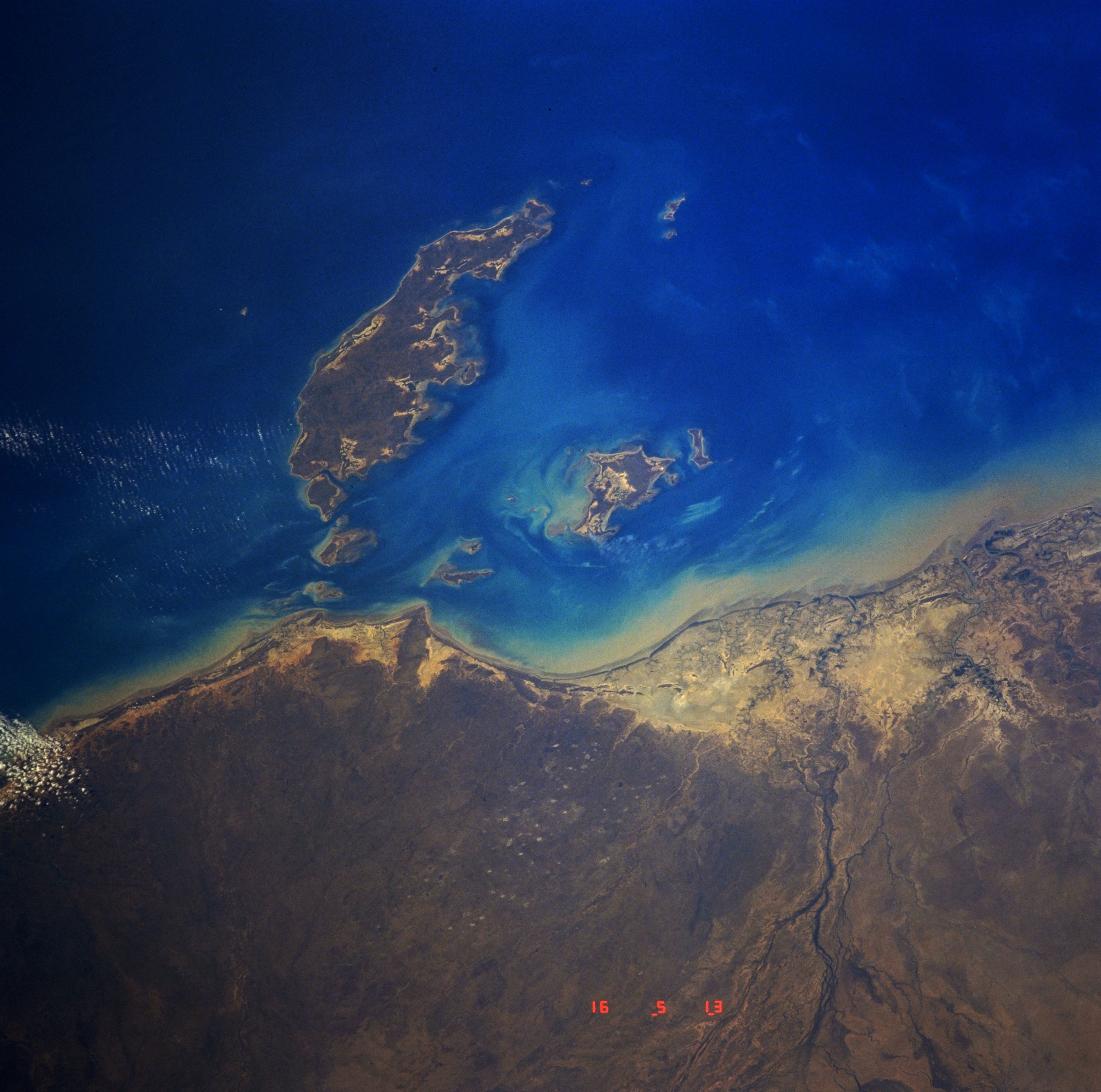
Case Study 1: Nature’s warnings for cyclone preparedness: Lardil People, Mornington Island
The Lardil People of Mornington Island draw on cultural knowledge and observations of nature to predict, prepare for, and respond to tropical cyclones, strengthening community resilience in a hazard-prone environment.
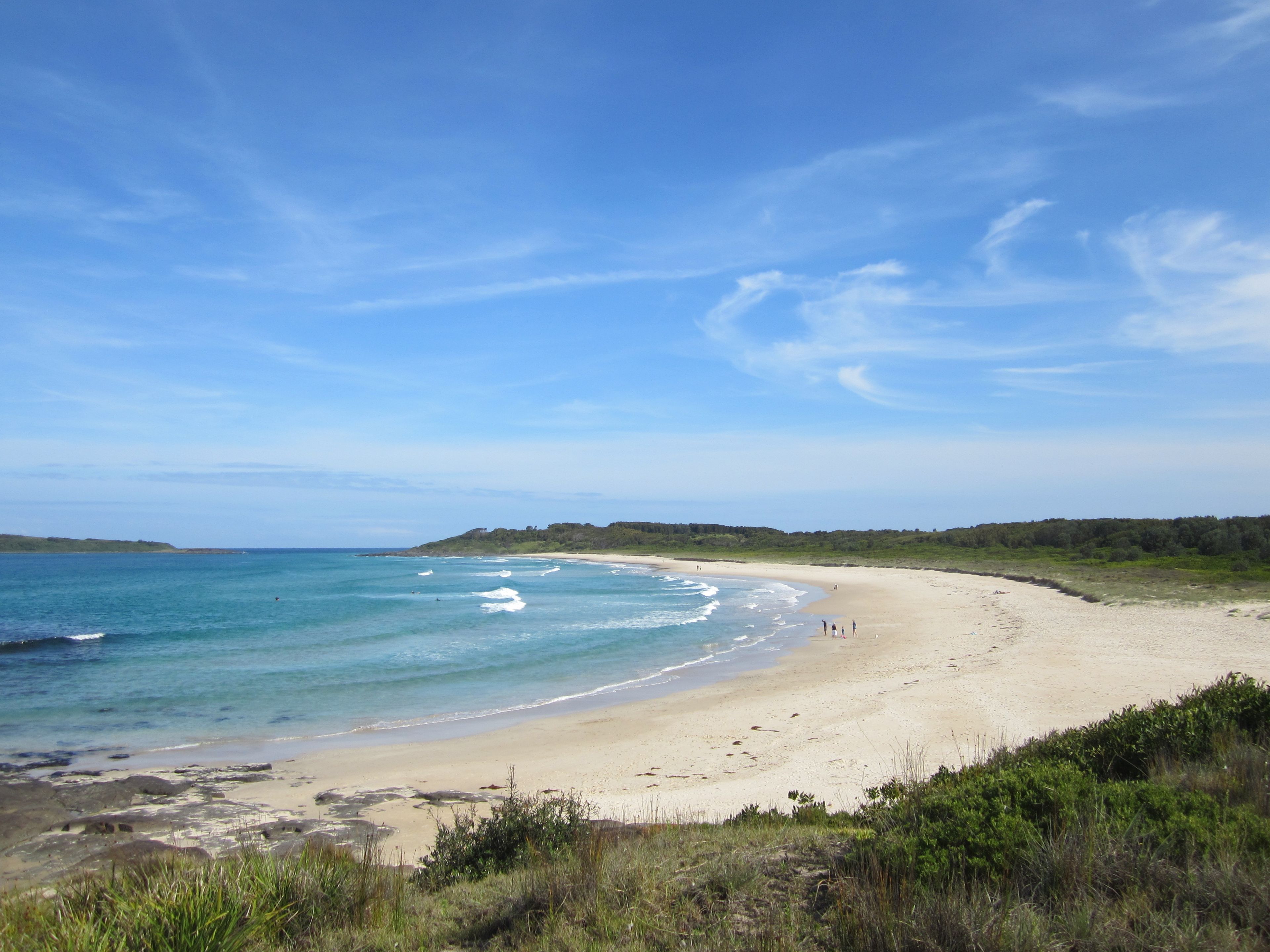
Case Study 2: Aboriginal tsunami knowledge, Yuin and Burragorang Peoples, New South Wales
Aboriginal oral traditions provide valuable insights into past cosmogenic events, helping inform research and strengthen future disaster preparedness.
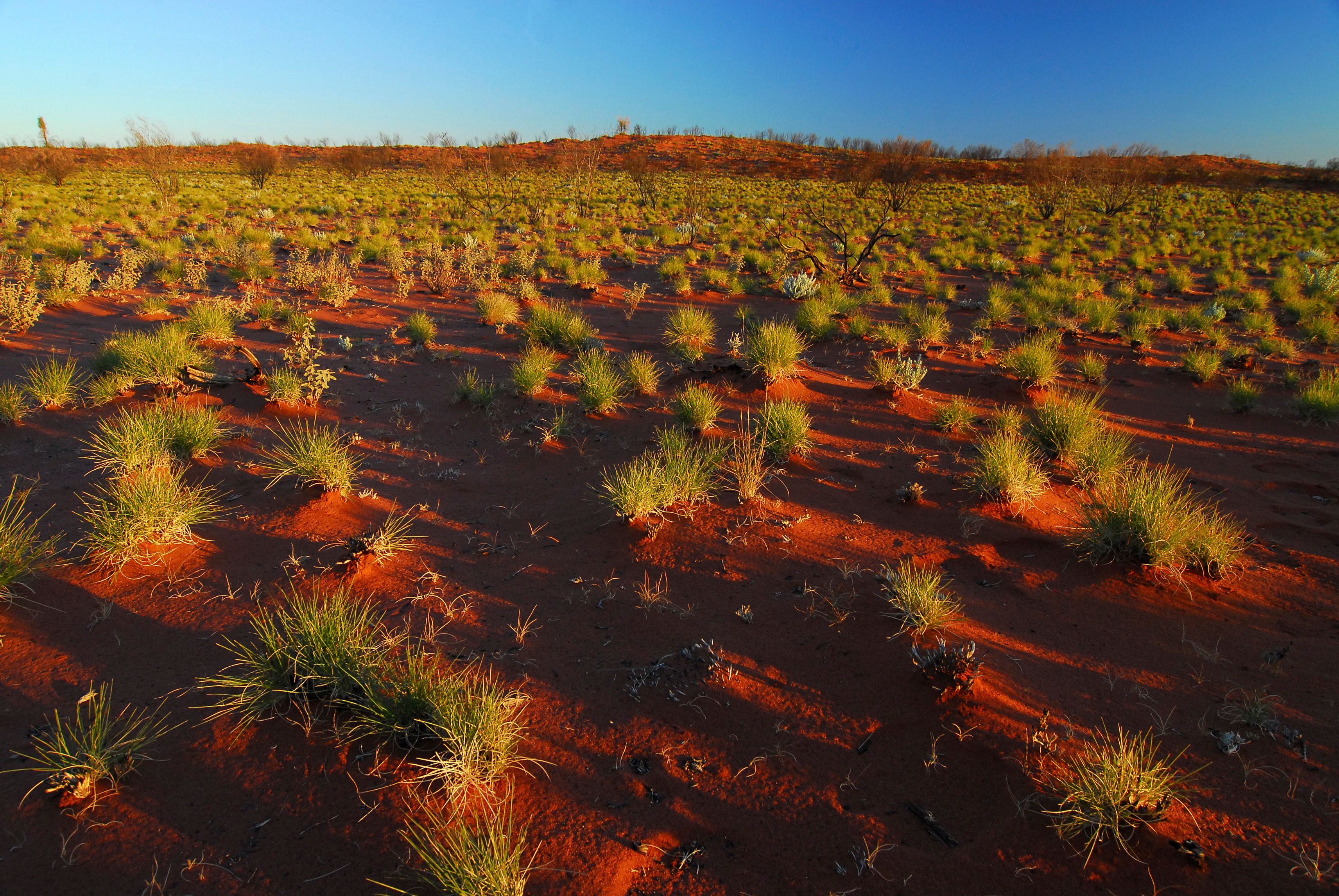
Case Study 3: Aboriginal fire management, Martu People, Western Australia
Martu fire practices, grounded in cultural knowledge and ecological understanding, enhance biodiversity and reduce the risk of wildfires.
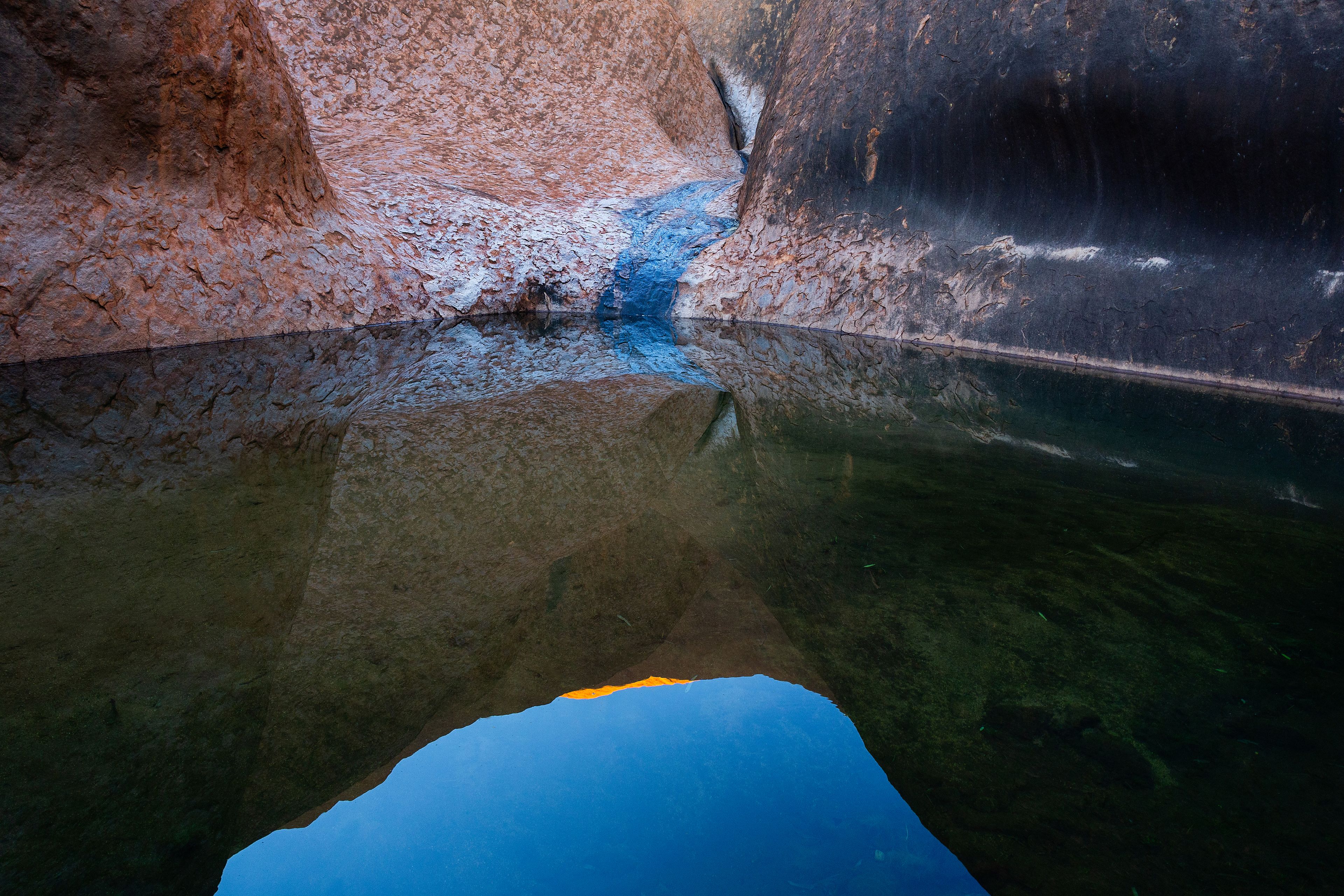
Case Study 4: Drought resilience, Anangu Pitjantjatjara Yankunytjatjara Lands, South Australia
Anangu knowledge of rock holes and underground water sources support sustainable land management and drought resilience in the Anangu Pitjantjatjara Yankunytjatjara Lands.
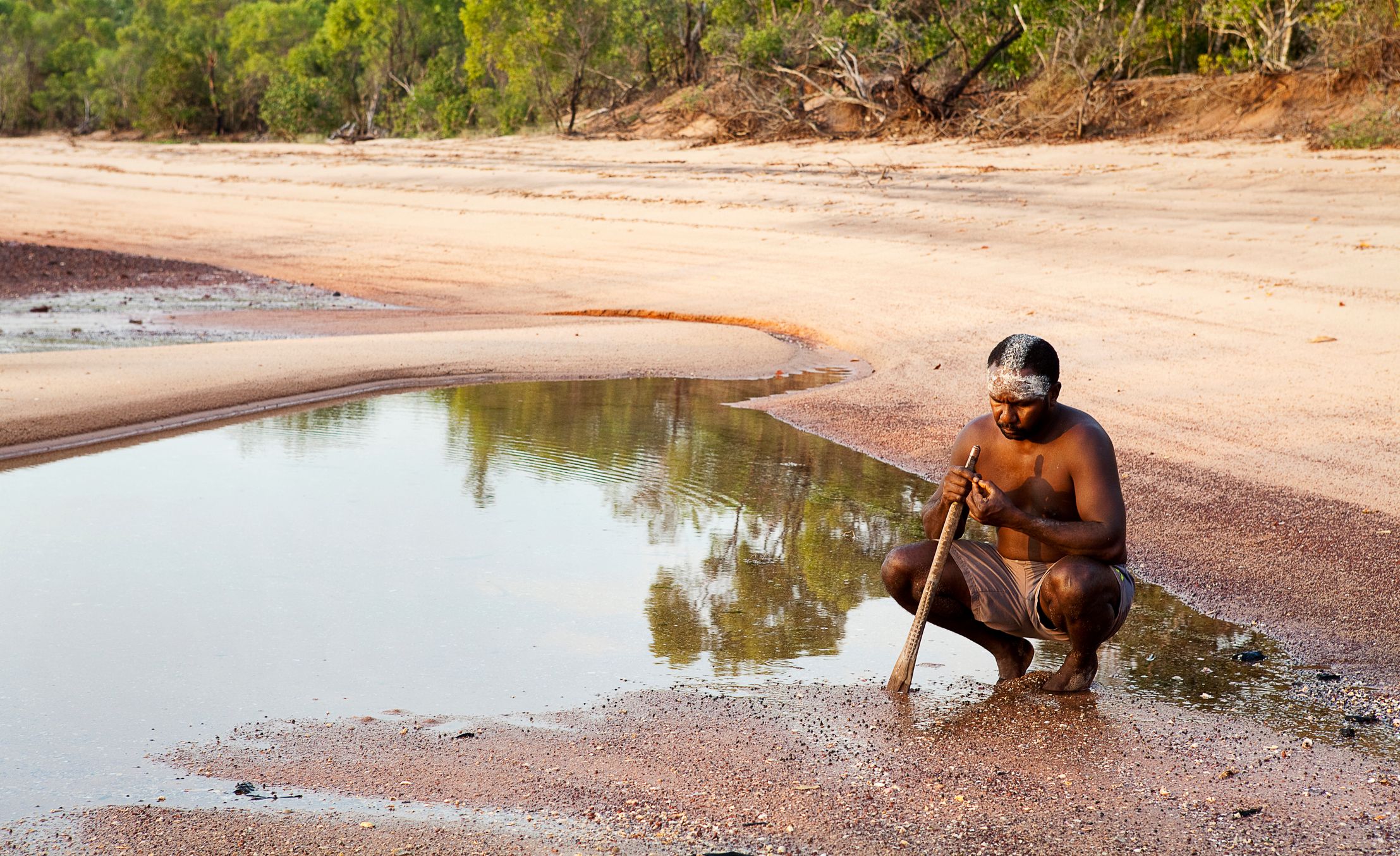
Case Study 6: Monsoon preparation and seasonal knowledge, Yolngu People, Northern Territory
Yolngu seasonal knowledge enhances community preparedness and resilience to monsoons by aligning human activity with natural seasonal cycles.
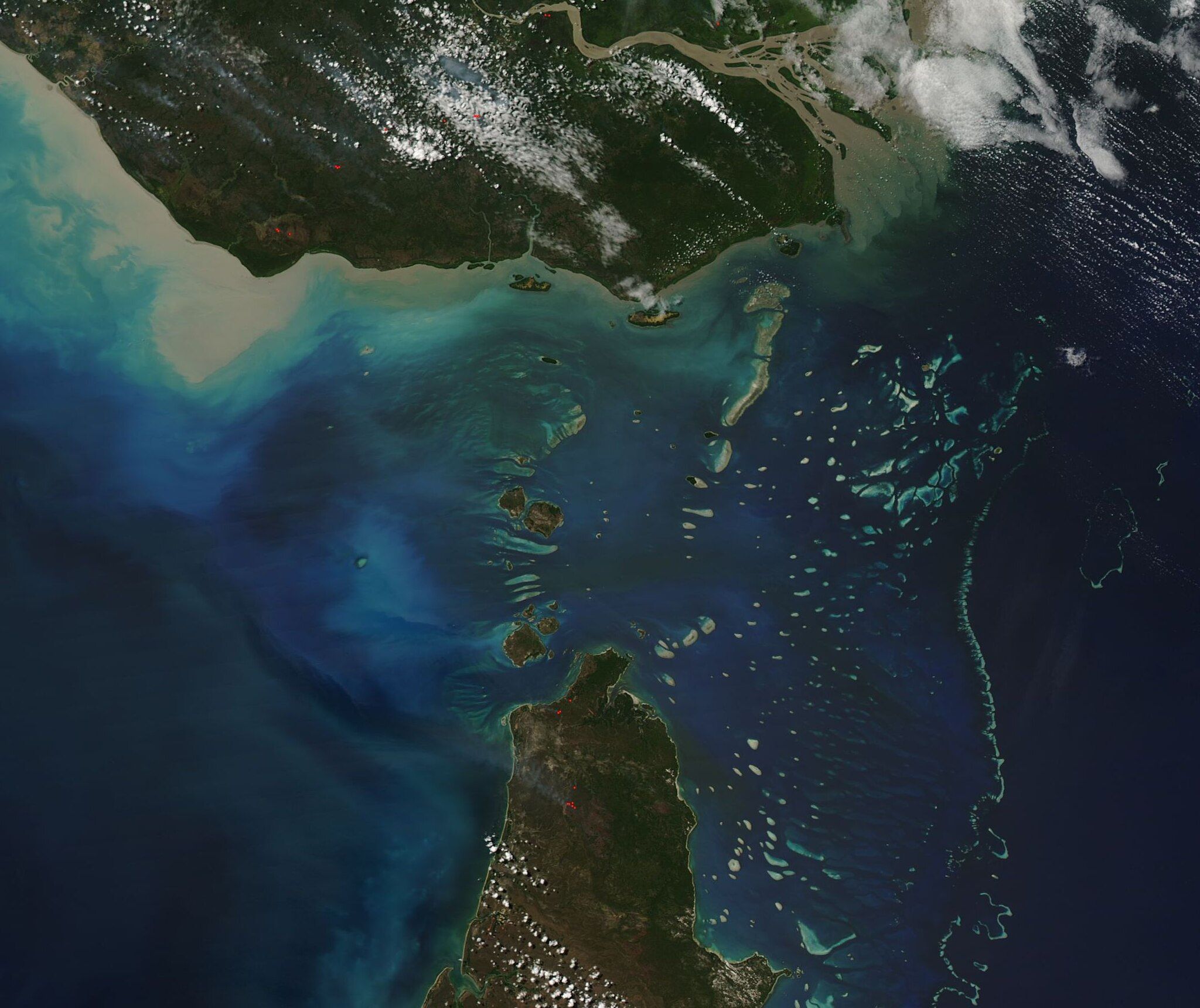
Case Study 7: Torres Strait Islander sea caring culture
Torres Strait Islander communities draw on Traditional Ecological Knowledge such as seasonal wind patterns and stellar observations, to monitor environmental changes, anticipate severe weather events and adapt to the impacts of climate change.