Home/Curriculum resources/Indigenous Ecological Knowledge and severe weather events/Case Study 7: Torres Strait Islander sea caring culture
Learning Areas:
Science, Humanities and Social Sciences, English
Year levels:
Level 5, Level 6
Case Study 7: Torres Strait Islander sea caring culture
This case study is a part of the Indigenous Ecological Knowledge and severe weather events resource.
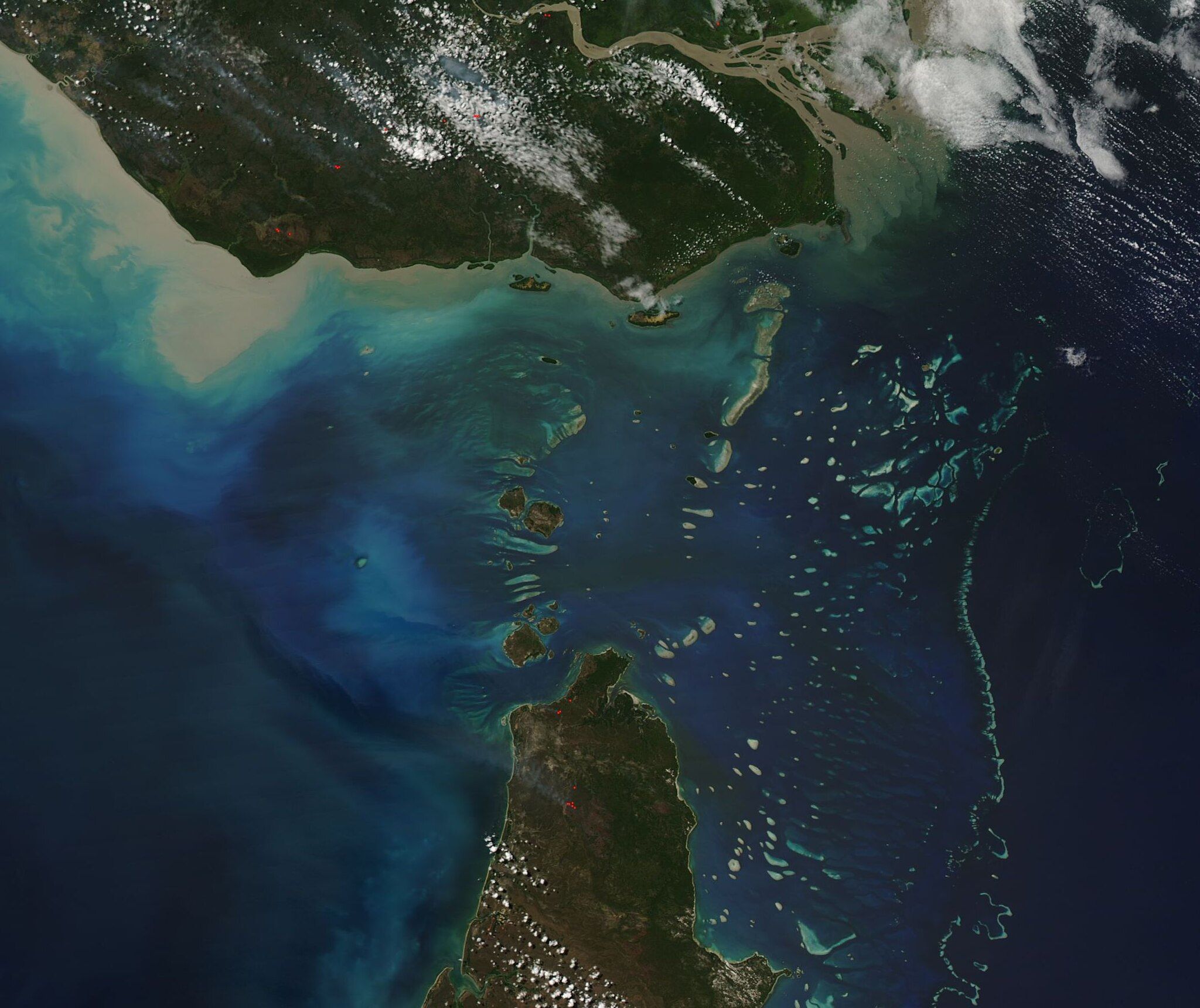
Torres Strait (MODIS 2018-08-23). Author: MODIS Land Rapid Response Team, NASA GSFC. Source: Wikimedia Commons. Used under licence: Public Domain.

Case Study 7: Torres Strait Islander sea caring culture
Connection to the sea
The Torres Strait Islands are located at the top end of Queensland between the tip of Cape York and the southern end of Papua New Guinea.
The Torres Strait region spans approximately 48,000 square kilometres, with over 90% of its area being open ocean. Homeland waters of the Torres Strait are an integral part of the Torres Strait identity, contributing to their spiritual and physical wellbeing 0 . There are two main languages in the Torres Strait: Kala Lagaw Ya (KLY) and Meriam Mir (MM). In Meriam Mer language, the term “Sea Ged” is used, Ged is home.
Torres Strait Islanders (Ailan pipel – MM language) are sea-faring people because they have a strong sea-faring culture 0 . The sea-faring aspect of Ailan pipel’s culture is demonstrated not only in their cultural practices, stories, art and dances but also by descriptive statements and the characterisation by an Ailan elder that their cultural activities make them ‘part of the sea” 0 .
Climate change impact: severe weather events and damage caused
Rising sea levels, increased by the frequency of storm surges threaten both marine ecosystems and livelihoods of coastal communities in the Torres Strait. Over the past two decades, climate change has led to coastal erosion, flooding of sacred sites, and degradation of vital marine habitats due to coral bleaching 0 . Projected sea level rises are expected to increase wave strength and height, posing a serious risk to permanent and necessary infrastructure such as sea walls 0 .
Resources such as fisheries, commercial sponge industry, and populations of dugong and turtle are expected to face ongoing impacts. Traditional Owners have already observed seasonal changes and their effects on the breeding patterns of dugong and turtle 0 .
Application of Traditional Ecological Knowledge
Torres Strait Islander communities have developed and shared Traditional Ecological Knowledge from close interaction and observation of their environment over millennia. This knowledge encompasses understanding of seasonal patterns, marine species behaviour, and environmental indicators, which are crucial to sustainable resource mamagement 0 .
Mer in eastern Torres Strait near the Great Barrier Reef (op nor – MM language 0 ) are a group of three islands: Mer, Dauer and Waier. The Meriam People of Mer (Murray Island) have a unique way of understanding identity and place, closely linked to the seasons, winds, people and land (including sea) 0 . This system is called the wind-circle of Meriam identities. The three points of identity are ged – the land or place, Nosik – the clan or group of people and wag/kerker - the wind or season 0 . Clans are further divided based on wind direction, for example: the sager (southeast wind, MM language) direction includes Piadram and Samsep clans, each with their own subdivisions. People sing and dance according to their wind identity 0 .
Knowledge holders of the Torres Strait understand the seasonal cycle marked by the winds: kooki/kuki (northwest monsoon, signalling the wet season in KLY language, spelled koki in MM language 0 ) and sager (southeast trade winds, signalling the dry season in KLY language). They also recognise the meaning of subtle ecological signs and draw on lore passed down through generations, using this knowledge to help guide future climate change actions 0 . This knowledge is used to anticipate severe weather events and changes, informing decisions on fishing, gardening, and community activities and enabling proactive responses to impending storms.
The Meriam People observe the twinkling of stars (stellar scintillation) to predict weather conditions 0 . Variations in star brightness and colour indicate changes in humidity and wind, allowing communities to prepare for adverse weather. Blue/white stars twinkling rapidly indicate approaching storms and are common near the start of the kuki (monsoon – KLY language) season (January to April) 0 . The rapidly twinkling stars during this time are caused by strong northwest trade winds 0 . Sharing this knowledge within communities provides strength and enables the Torres Strait peoples to adapt to climate change renewal and change 0 .
Outcomes
Traditional Knowledge underpins community-led monitoring of environmental changes, which enable timely adaptation strategies to be implemented and preparation for severe weather events to take place. New knowledge adds to the old enabling the building and adaption of a “two-ways knowing”, including a duality and a reciprocity between Western and Indigenous knowledges 0 . Engaging in traditional practices also reinforces cultural identity and ensures the transmission of knowledge to younger generations, fostering stewardship of Sea Ged and continuity.
Related case studies within this resources:
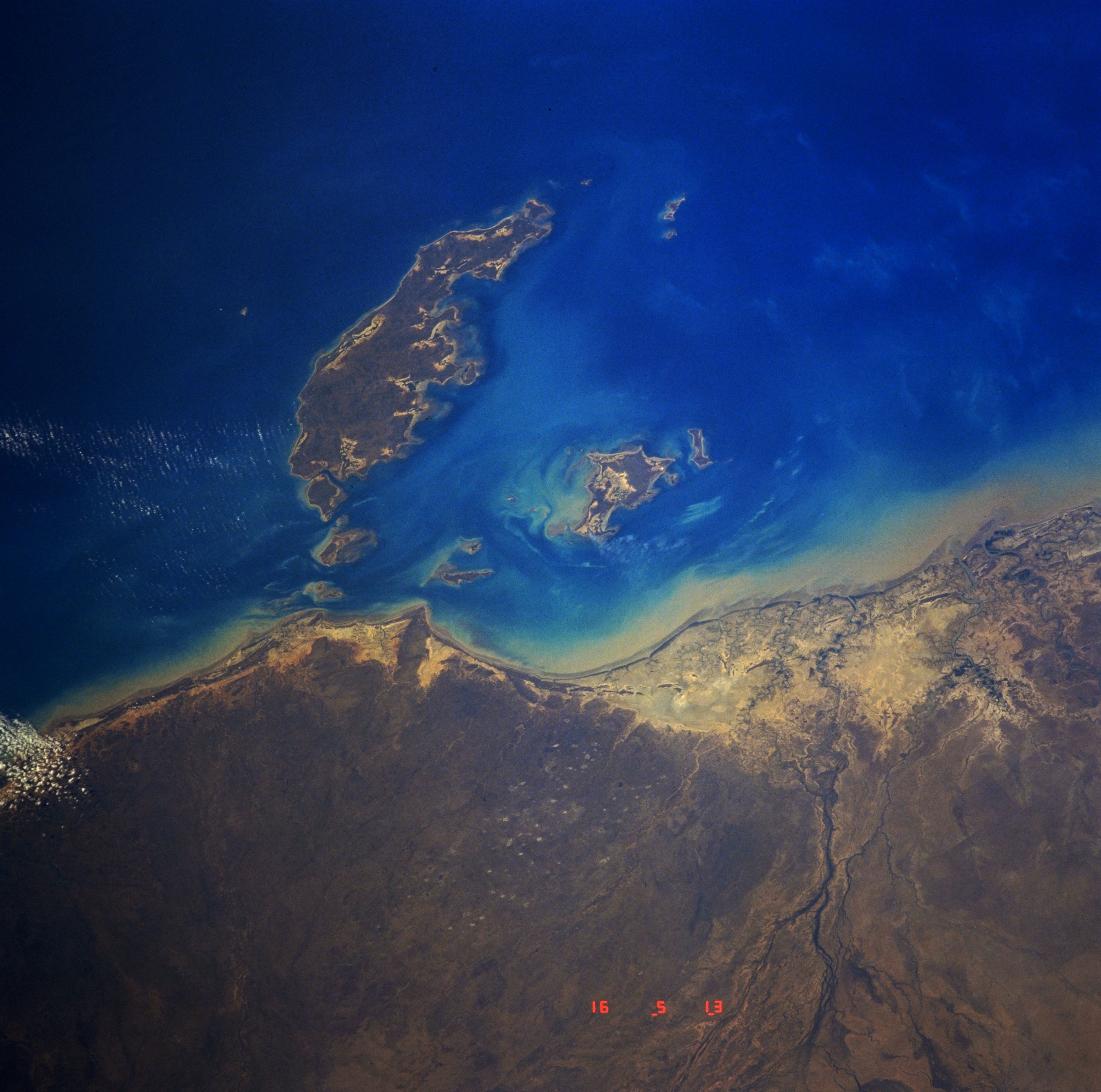
Case Study 1: Nature’s warnings for cyclone preparedness: Lardil People, Mornington Island
The Lardil People of Mornington Island draw on cultural knowledge and observations of nature to predict, prepare for, and respond to tropical cyclones, strengthening community resilience in a hazard-prone environment.
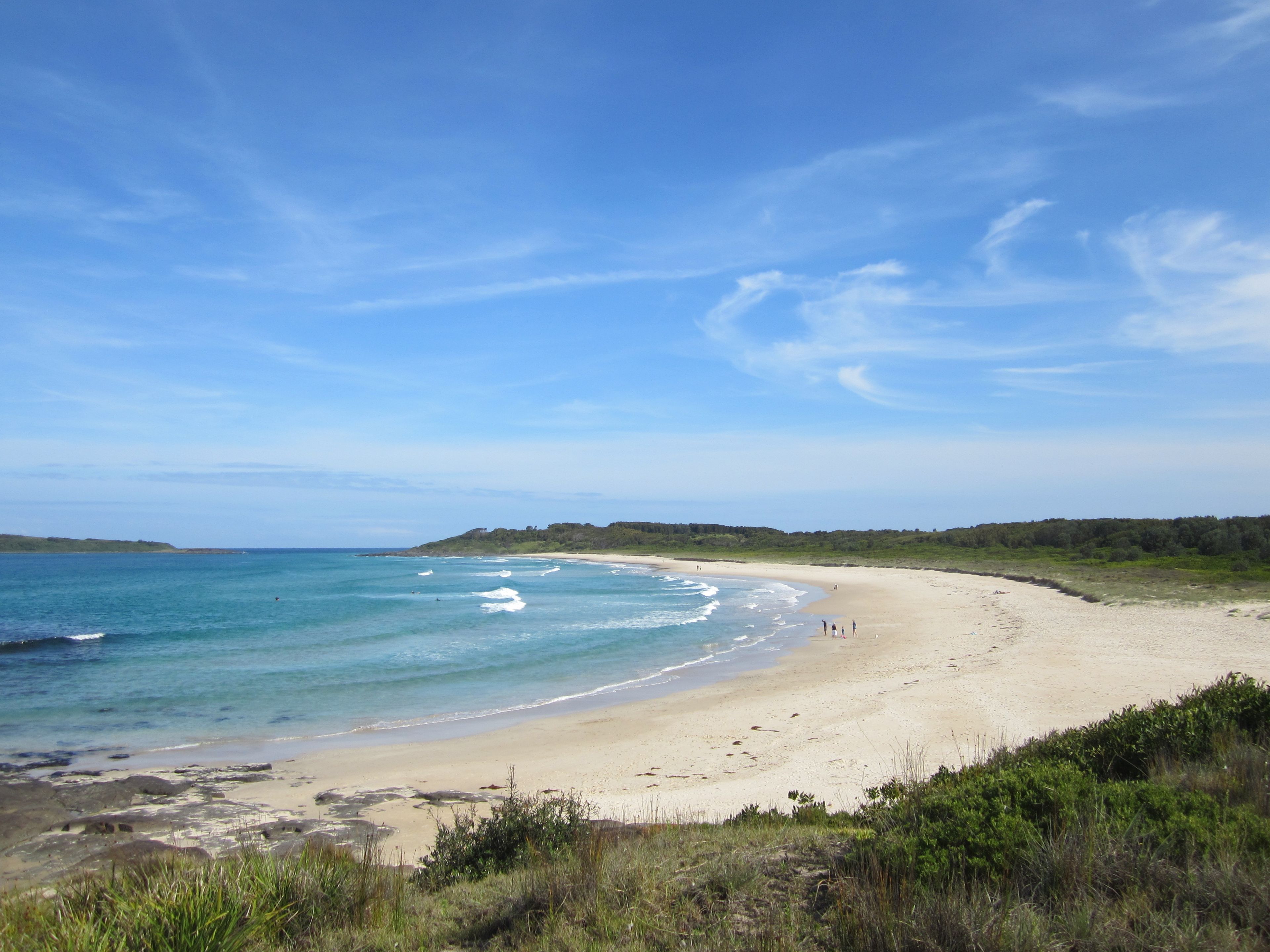
Case Study 2: Aboriginal tsunami knowledge, Yuin and Burragorang Peoples, New South Wales
Aboriginal oral traditions provide valuable insights into past cosmogenic events, helping inform research and strengthen future disaster preparedness.
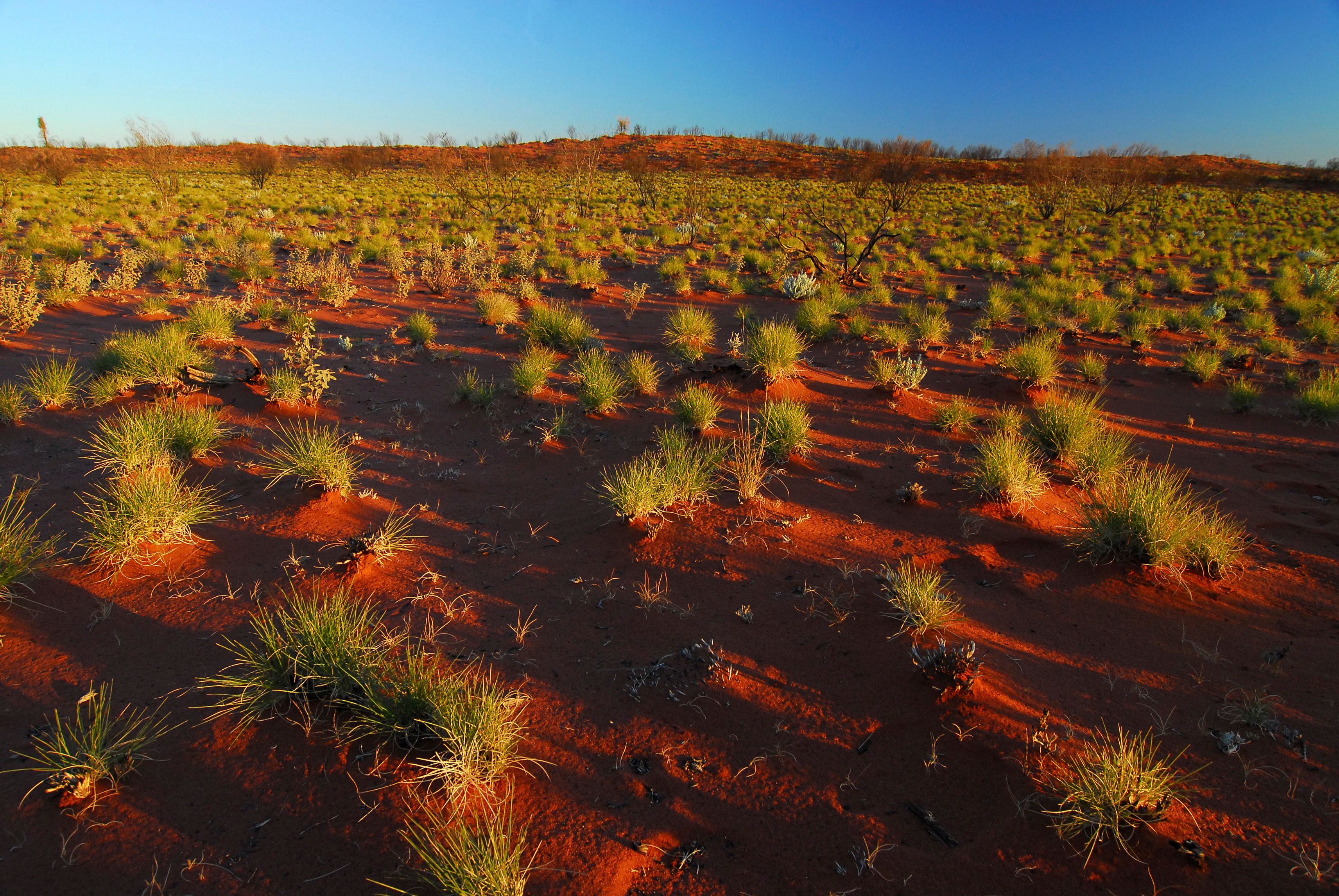
Case Study 3: Aboriginal fire management, Martu People, Western Australia
Martu fire practices, grounded in cultural knowledge and ecological understanding, enhance biodiversity and reduce the risk of wildfires.
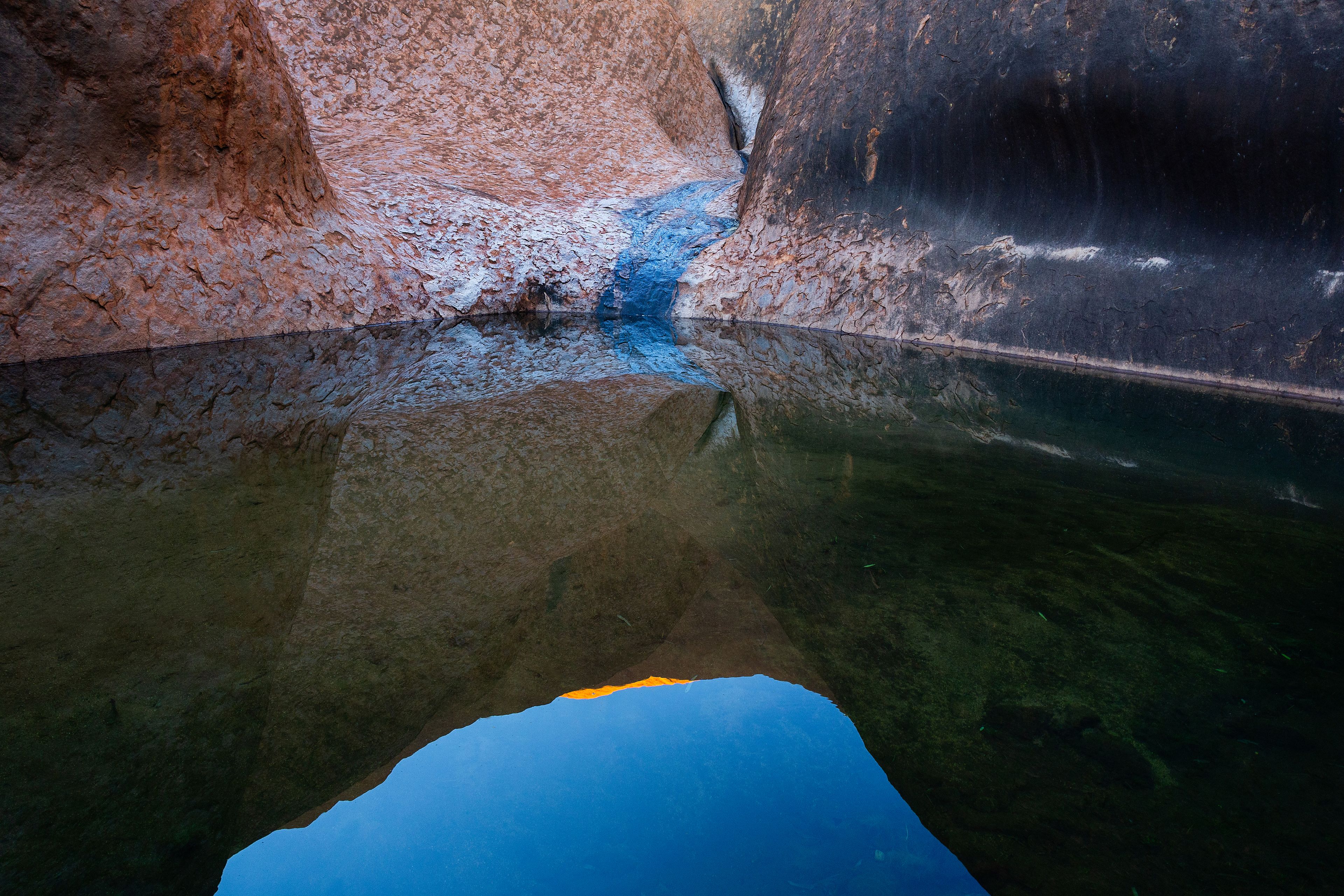
Case Study 4: Drought resilience, Anangu Pitjantjatjara Yankunytjatjara Lands, South Australia
Anangu knowledge of rock holes and underground water sources support sustainable land management and drought resilience in the Anangu Pitjantjatjara Yankunytjatjara Lands.
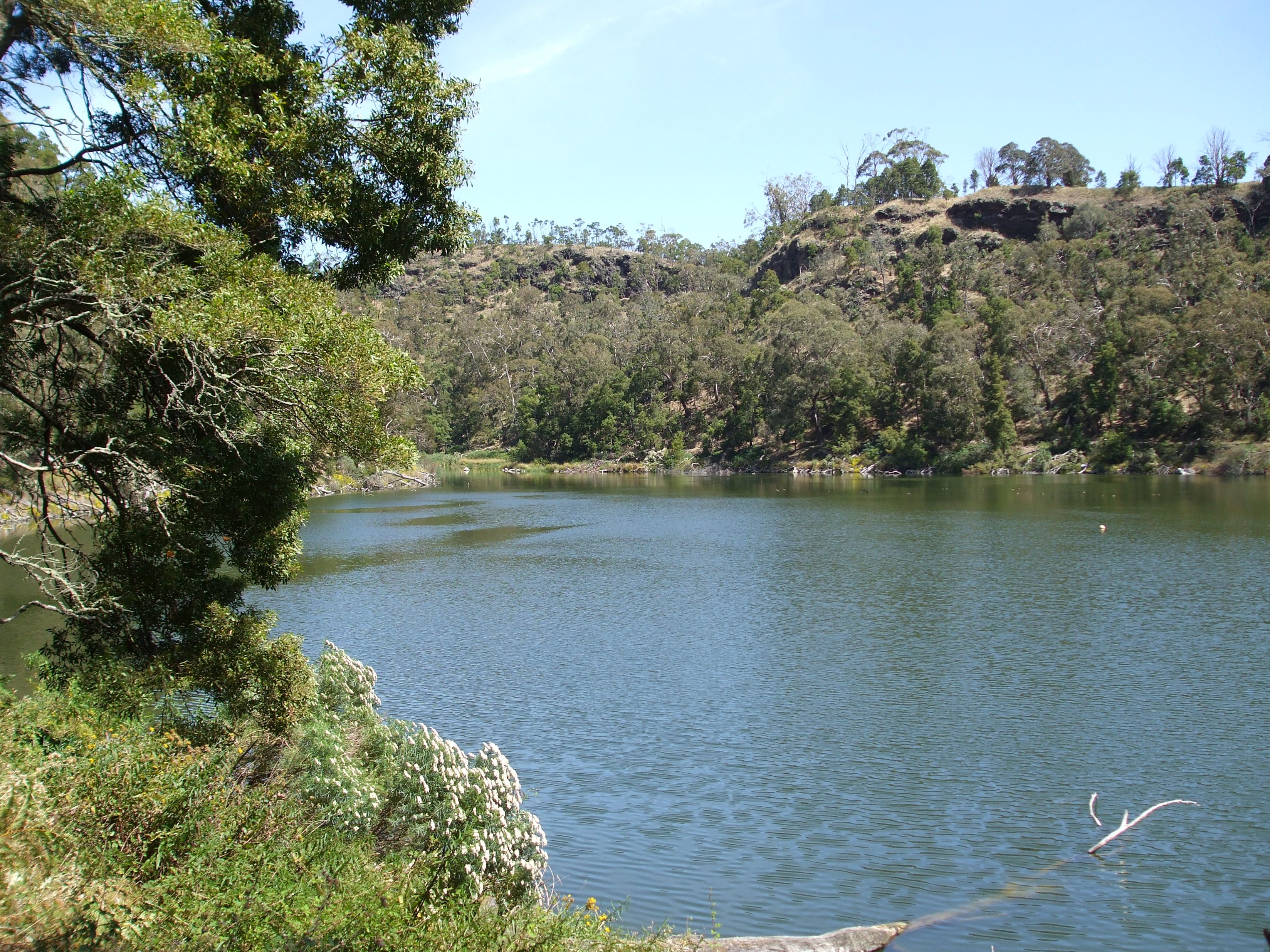
Case Study 5: Budj Bim Aquaculture Systems, Gunditjmara People, Victoria
Gunditjmara Ecological Knowledge at Budj Bim strengthens land and water management, supporting resilience to floods and bushfires.
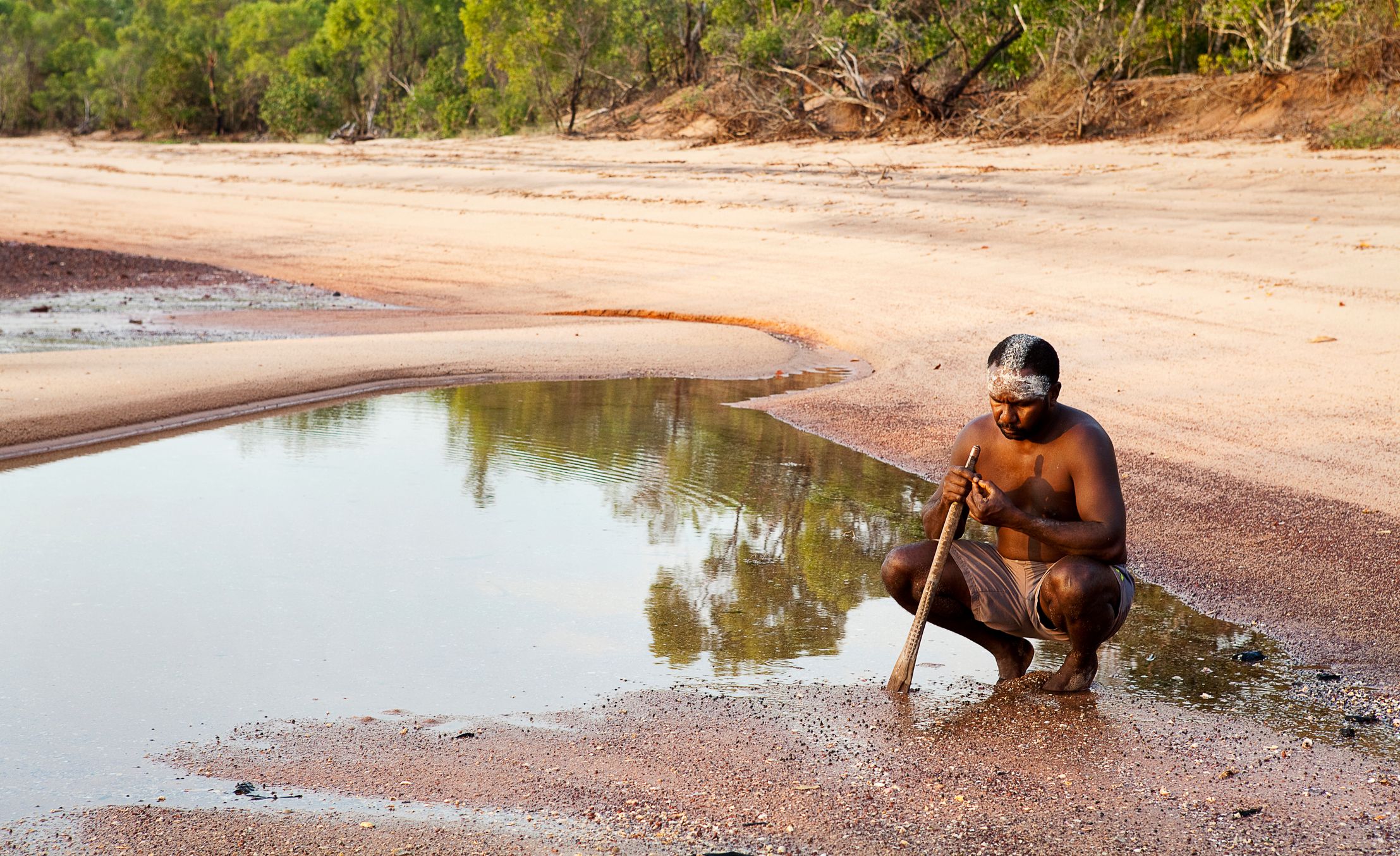
Case Study 6: Monsoon preparation and seasonal knowledge, Yolngu People, Northern Territory
Yolngu seasonal knowledge enhances community preparedness and resilience to monsoons by aligning human activity with natural seasonal cycles.