Home/Curriculum resources/Indigenous Ecological Knowledge and severe weather events/Case Study 2: Aboriginal tsunami knowledge, Yuin and Burragorang Peoples, New South Wales
Learning Areas:
Science, Humanities and Social Sciences, English
Year levels:
Level 5, Level 6
Case Study 2: Aboriginal tsunami knowledge, Yuin and Burragorang Peoples, New South Wales
This case study is a part of the Indigenous Ecological Knowledge and severe weather events resource.
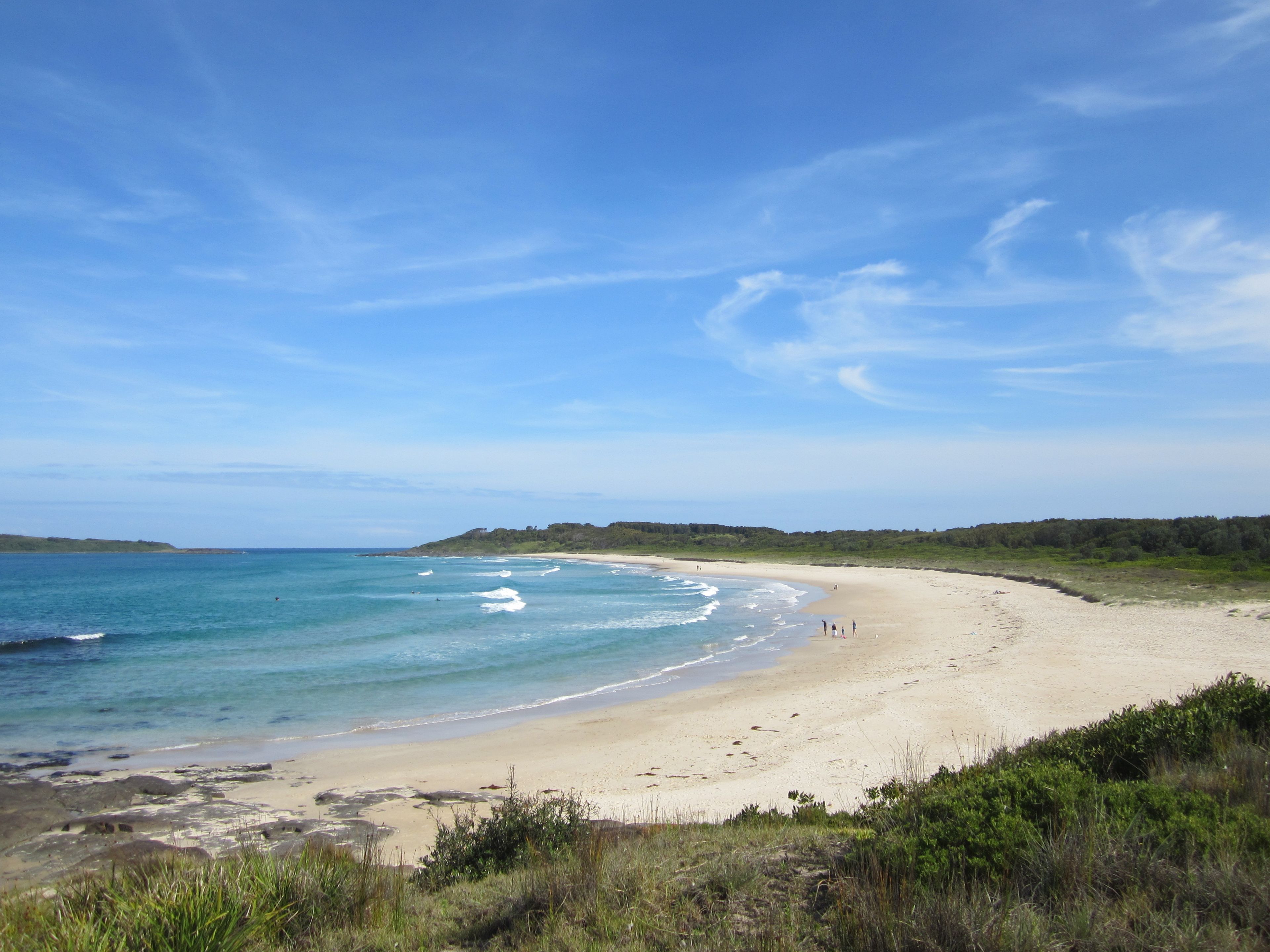
Murramarang Beach. Location: Bawley Point, New South Wales. Photographer: Nick-D. Source: Wikimedia Commons. Used under licence: CC BY-SA 3.0.

Case Study 2: Aboriginal tsunami knowledge, Yuin and Burragorang Peoples, New South Wales
Cosmogenic mega-tsunamis
Mega-tsunamis have affected the coastline of Australia over the past millennium 0 , with wave heights exceeding hundreds of metres near the impact site. Cosmogenic tsunamis are caused by the enormous energy released after an asteroid or comet hits the earth, causing an earthquake and displacing vast volumes of water. Geological evidence of these waves includes bedrock sculpting the coastline and the depositing of sediment layers with marine fossils up to 130 metres above sea level 0 .
Cosmogenic mega-tsunamis are extremely rare, occurring on timescales of thousands to millions of years. Scientists study them to understand Earth’s history, model potential future impacts and prepare for any risks posed by near-Earth objects.
Aboriginal tsunami knowledge
Cosmic impacts and meteorite falls may have been witnessed by Aboriginal Peoples and incorporated into their oral traditions 0 .
Aboriginal stories of tsunamis led to the identification of the Mahuika crater in the ocean, which helped to reveal evidence of a cosmogenic mega-tsunami that occurred in the fifteenth century 0 . Lying in 300m depth of water in the Tasman Sea, about 250km south of New Zealand, the crater is 20 km in diameter and could have been produced by a comet 0.5 – 1.05 km in size 0 . When it struck, it would have generated an earthquake with a magnitude of 8.2 on the Richter scale 0 . If the recent dating of the event (pending confirmation through radiocarbon analysis) is accurate, Aboriginal Peoples and Maori in Aotearoa (New Zealand) would have witnessed the final moments of this comet's descent 0 0 0 .
Aboriginal stories can be used to locate new meteoritic sites, model meteoritic events, or measure the antiquity of dreaming stories. Scientific data from these events, including the age, location, and impact effects, can assist in understanding the nature and evolution of oral traditions over time. The study of how geological events or geographical features and materials are incorporated into oral traditions is referred to as ‘Geomythology’ 0 .
Tsunami stories
Several oral traditions from New South Wales describe cosmic impacts and potentially tsunamis. Burragorang People describe a night where the sky fell:
It was a stifling hot day, and all the Burragorang People lay prostrate around their camp unable to eat. As night approached, no one could sleep because of the heat and the mosquitoes. The Sun set blood red and the Moon rose full in the east through the haze. With just a remnant of red in the western sky, the sky suddenly heaved, billowed, tumbled, and then tottered before crumbling.
The moon rocked, the stars clattered, and the Milky Way split. Many of the stars—loosened from their places—began to fall flashing to the ground. Then a huge ball of burning blue fire shot through the sky at enormous speed. A hissing sound filled the air, and the whole sky lit like day. Then the star hit the Earth. The ground heaved and split open. Stones flew up accompanied by masses of earth followed by a deafening roar that echoed through the hills before filling the world with complete noise. A million pieces of molten fire showered the ground. Everyone was awestruck and frozen in fear.
The sky was falling. Smaller stars continued to fall throughout the night with great clamouring and smoke. The next morning when all was quiet again only the bravest hunters explored beyond the campsite. Great holes were burnt into the ground. Wherever one of the larger molten pieces had hit, it had piled up large mounds of soil. Many of these holes were still burning with flames belching out. Down by the sea, they were amazed. Fresh caves lined the cliffs. 0
Yuin People on the South Coast of New South Wales also tell the story of the eastern sky falling, which many believe is describing a comet landing and also how the subsequent tsunami affected the coast, implying that the ocean fell from the sky:
Then the sky moved ... heaved and billowed and tumbled and tottered. The moon rocked. The stars tumbled and clattered and fell one against the other ... The great star groups were scattered, and many of them, loosened from their holds, came flashing to the earth. They were heralded by a huge mass, red and glowing, that added to the number of falling stars by bursting with a deafening roar and scattering in a million pieces which were molten...
When the water rose into the hills, the people fled to the highest peaks. Water covered the whole land from horizon-to-horizon unlike anything anyone had ever seen before. It took weeks for the water to go down, everyone got very hungry, and many people died. 0
There are several variations of this story 0 0 0 , including the belief that the sky was held up by supports at the edges of the earth, and the eastern prop was either collapsed or rotting 0 . Aboriginal communities living far west of the eastern coastline were asked to send tribute to the east to be given to the spirit people in charge of holding up the sky so that it could be repaired. Possum skins and axes were also sent eastwards in response 0 .
Other stories of tsunamis and comets potentially connected to the Mahuika Comet are found along Australia's eastern coast. On the north coast of New South Wales, Aboriginal Peoples recount tales of "the moon setting in the east" and rivers like the Namoi being flooded by the ocean on a clear day. They also describe a spear falling from the sky into the sea, followed by a massive flood that reshaped the coastline 0 .
Integrating Indigenous Knowledge into natural disaster research and preparedness
Aboriginal oral traditions offer valuable insights that can enhance scientific discovery of cosmogenic events such as mega-tsunamis and meteorite impacts. These stories, preserved through generations, often contain detailed observations of sky phenomena, ground shaking, ocean surges, and environmental change that align with geological evidence of past disasters.
Integrating these accounts with disciplines such as geomythology, geology, and disaster science can help identify previously unknown impact sites. Aboriginal Knowledge systems can extend the timeline of known environmental changes, support local resilience strategies and improve disaster preparedness.
Indigenous Ecological Knowledge systems include close observation of Country and deep understandings of how environmental changes unfold over time. In the case of tsunamis, this might include oral histories of rapidly rising seas, the retreat of animals from the coastline or unusual behaviour in marine life. These signs are read, interpreted, and encoded in stories, place names, ceremonial practices, and seasonal knowledge. Aboriginal and Torres Strait Islander Peoples have long used this knowledge to adapt to environmental changes and prepare communities for future risks. In coastal regions of New South Wales, stories of the sky falling, fire from the sky, and walls of water are warnings and lessons. They offer a long-term view of environmental change, far beyond the scale of written records, and can inform disaster preparedness strategies grounded in Indigenous Knowledge.
By respectfully integrating Indigenous Ecological Knowledge with Western scientific research, our understanding of rare severe weather events can be improved and early warning systems, community resilience and education about environmental risk can be strengthened.
Related case studies within this resources:
Case Study 1: Nature’s warnings for cyclone preparedness: Lardil People, Mornington Island
The Lardil People of Mornington Island draw on cultural knowledge and observations of nature to predict, prepare for, and respond to tropical cyclones, strengthening community resilience in a hazard-prone environment.
Case Study 3: Aboriginal fire management, Martu People, Western Australia
Martu fire practices, grounded in cultural knowledge and ecological understanding, enhance biodiversity and reduce the risk of wildfires.
Case Study 4: Drought resilience, Anangu Pitjantjatjara Yankunytjatjara Lands, South Australia
Anangu knowledge of rock holes and underground water sources support sustainable land management and drought resilience in the Anangu Pitjantjatjara Yankunytjatjara Lands.
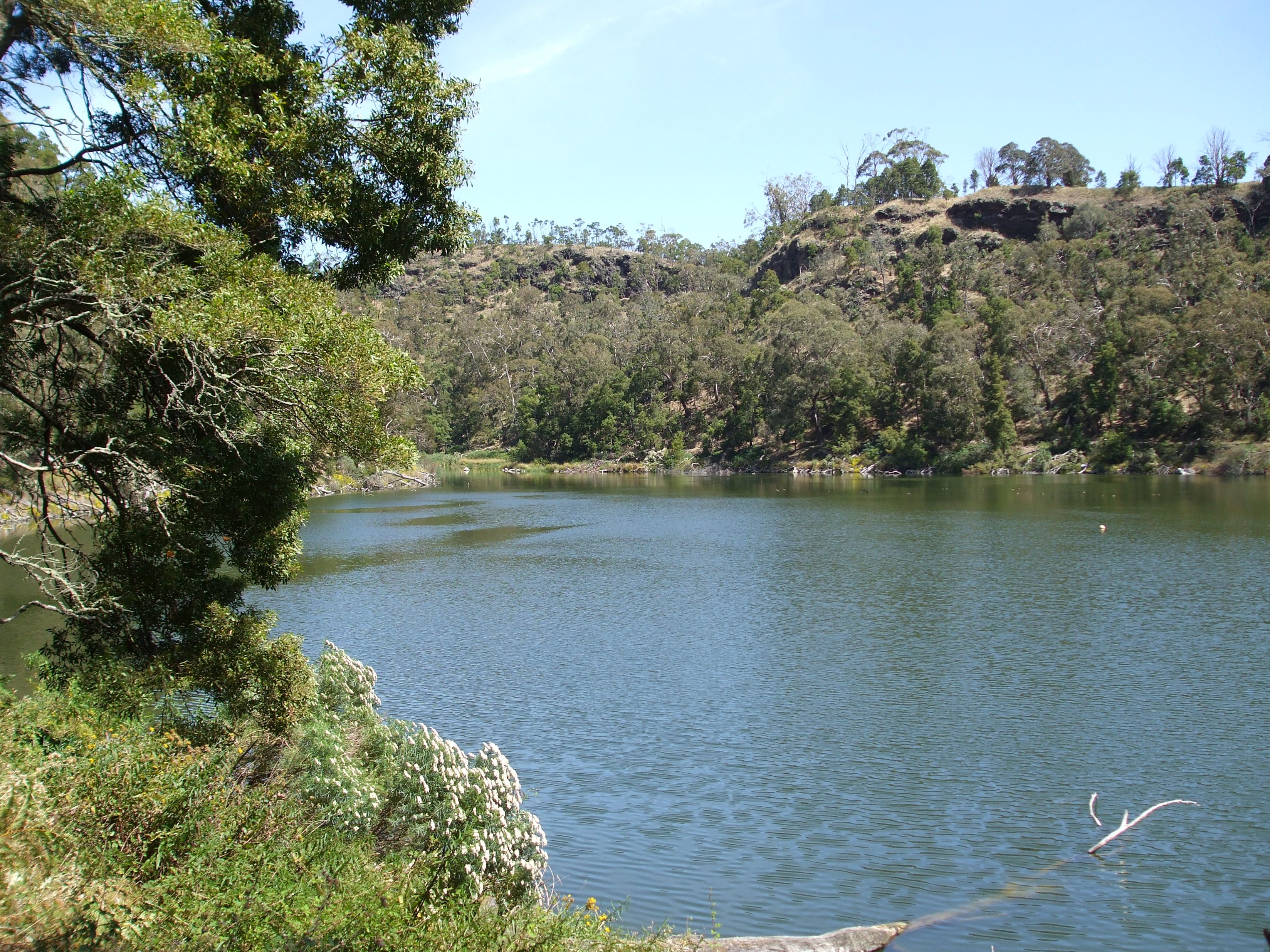
Case Study 5: Budj Bim Aquaculture Systems, Gunditjmara People, Victoria
Gunditjmara Ecological Knowledge at Budj Bim strengthens land and water management, supporting resilience to floods and bushfires.
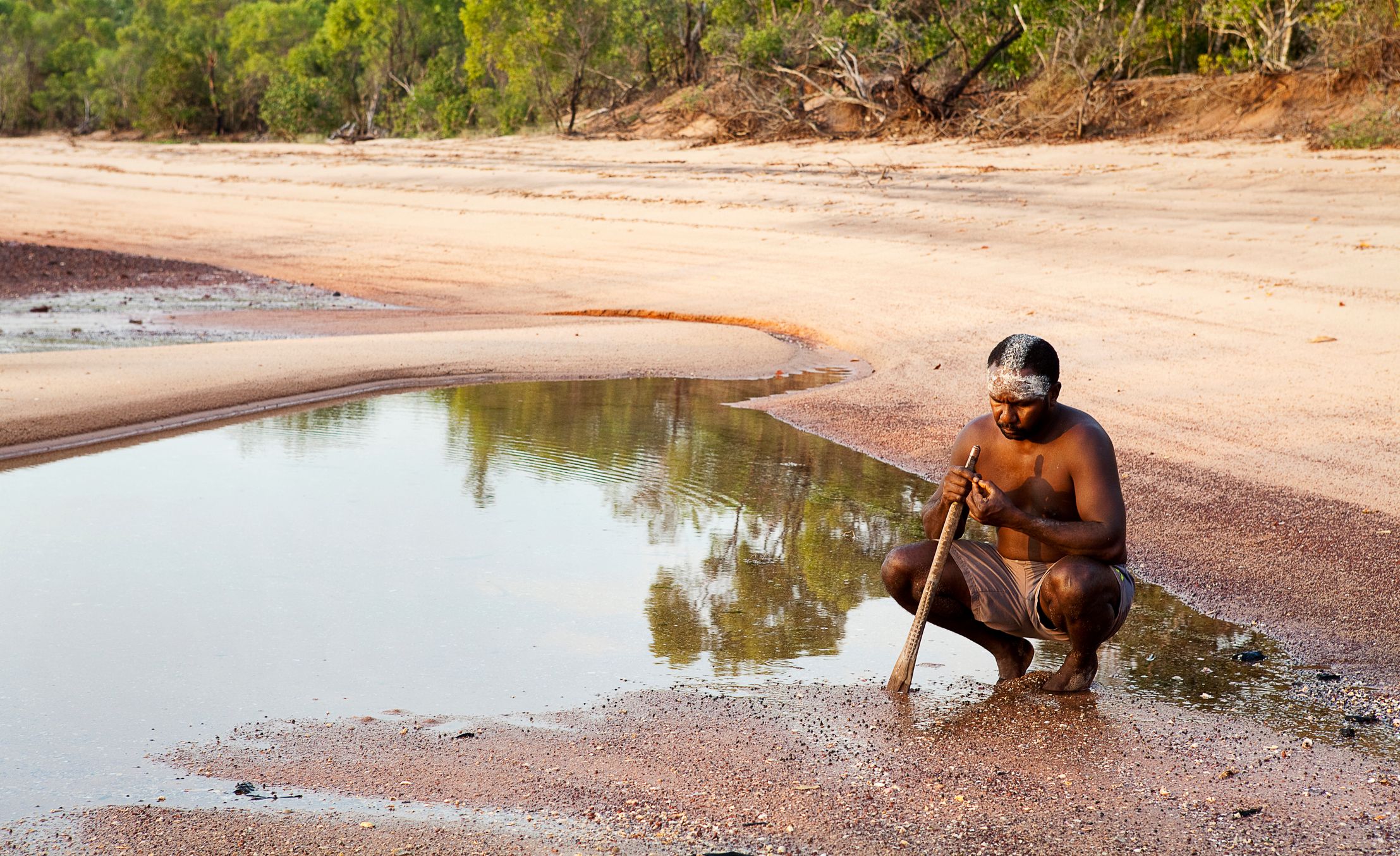
Case Study 6: Monsoon preparation and seasonal knowledge, Yolngu People, Northern Territory
Yolngu seasonal knowledge enhances community preparedness and resilience to monsoons by aligning human activity with natural seasonal cycles.
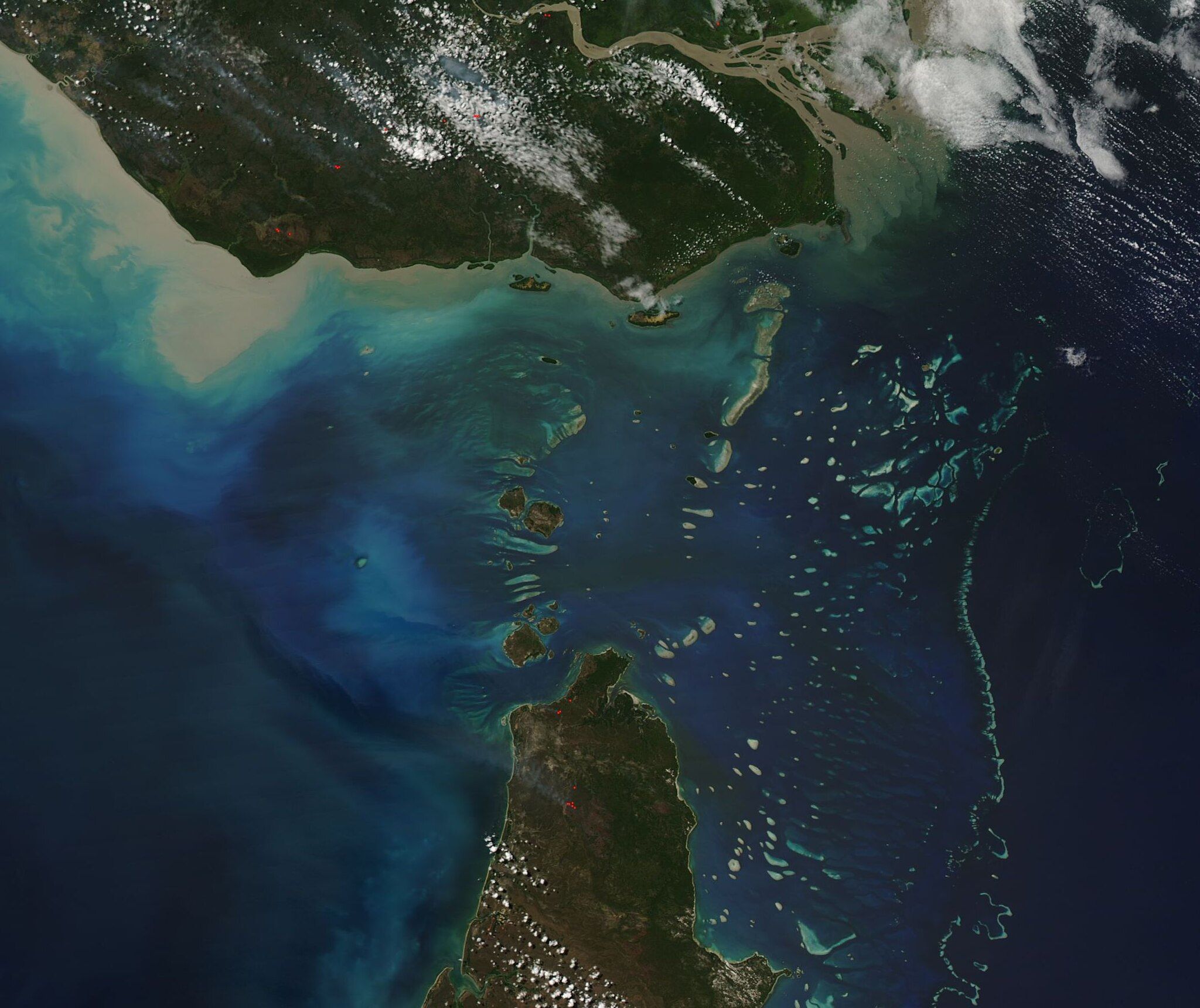
Case Study 7: Torres Strait Islander sea caring culture
Torres Strait Islander communities draw on Traditional Ecological Knowledge such as seasonal wind patterns and stellar observations, to monitor environmental changes, anticipate severe weather events and adapt to the impacts of climate change.