Home/Curriculum resources/Indigenous Ecological Knowledge and severe weather events/Case Study 4: Drought resilience, Anangu Pitjantjatjara Yankunytjatjara Lands, South Australia
Learning Areas:
Science, Humanities and Social Sciences, English
Year levels:
Level 5, Level 6
Case Study 4: Drought resilience, Anangu Pitjantjatjara Yankunytjatjara Lands, South Australia
This case study is a part of the Indigenous Ecological Knowledge and severe weather events resource.
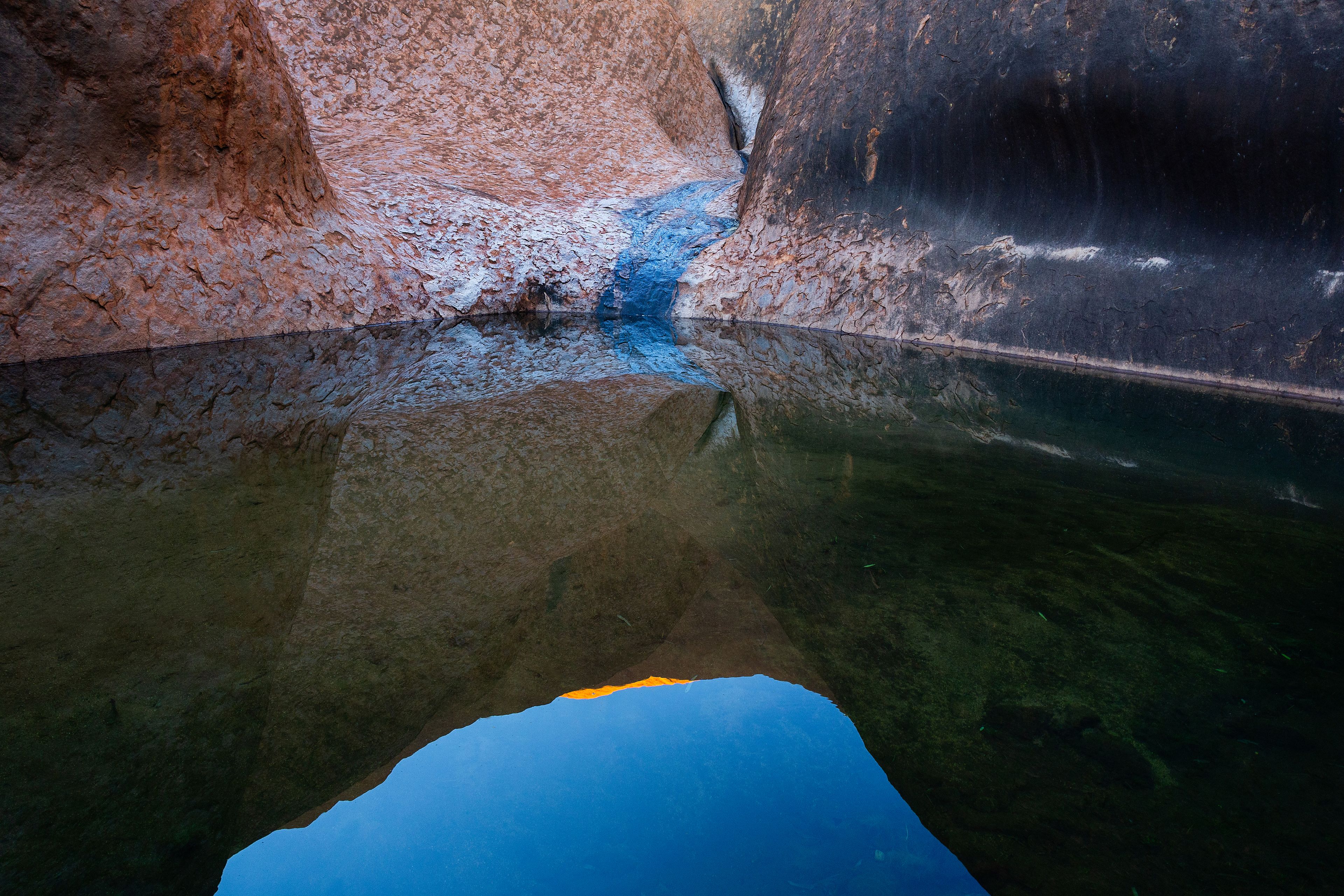
Mutitjulu Wateringhole at Uluru. Uluru- Kata Tjuṯa National Park, Northern Territory. Photographer: Steve Christo. Source: Getty Images. Used under licence.

Case Study 4: Drought resilience, Anangu Pitjantjatjara Yankunytjatjara Lands, South Australia
The Anangu Pitjantjatjara Yankunytjatjara lands are located in the far north west of South Australia. The lands have a very hot, dry climate with short cool to cold winters and a low and unreliable rainfall 0 .
Evidence suggests that traditionally many Anangu People travelled in small groups, regularly moving around the desert for food, water and ceremonies 0 . These ancestral tracks mostly follow the known permanent and impermanent waterhole routes 0 , which were crucial to Anangu survival in desert conditions and during prolonged periods of severe drought. Water knowledge among Anangu People includes identification of water sources such as waterholes, springs, soaks, creeks, clay pans, and saltpans, though specific classifications and uses may differ across individuals and regions 0 .
Rock holes
Rock holes are natural dips in granite rock where rainwater collects and drains in. Throughout the Anangu Pitjantjatjara Yankunytjatjara lands, water is scarce, and rock holes are an important source of water both from an environmental and an Aboriginal cultural perspectives 0 .
Anangu Elder Russel Bryand emphasises the importance of rock holes for survival in desert environments, stating:
“Rock holes are a place where we can survive. For my people, if the water runs out, they go look for another place". 0
Tjukula (rock hole in Pitjantjatjanra language) range from tiny scoops, to pools large enough for many children to swim in. Rock holes are classified by many Anangu either as broadly round tjukula of whatever size, or as kapi wipu/tail shaped (like the tail of kangaroo or perentie lizard) 0 .
As a semi-reliable water source, rock holes played a significant role in the history and movement of people across the region. Anangu People travelled across the landscape in accordance with the seasons and the availability of water 0 . As such, knowledge of rock hole locations was crucial to survival. They were also important gathering places for socialising, trading and performing ceremonies to share traditional lore and Tjukurpa: a Pitjantjatjara word relating to the period when ancestral beings created the world 0 .
Rock holes are often sacred sites, having been created by a Tjukurpa ancestor 0 . Many rock holes in the Anangu Pitjantjatjara Yankunytjatjara lands have particular cultural significance to women, “no men allowed” signs are present at the rock holes around Mimili Community 0 . Often the water in a rock hole is idealised by Anangu as ‘blue’ from reflecting and capturing the blue sky above 0 . In contemporary paintings produced across the Pitjantjatjara Yankunytjatjara Lands, rock holes are almost uniformly painted in bright blue 0 .
Caring for Country
Management of the water sources and the cleaning of water holes is carried out by Anangu rangers in conjunction with the traditional owners for each site. At Mimili, a community in the Anangu Pitjantjatjara Yankunytjatjara Lands, a program has been developed to support local women to care for important rock holes in the area, including Kalpi, Katapitura, Tipa and Katapitura rock holes 0 .
Today, the presence of large introduced species such as camels, donkeys and horses significantly impacts on the quality and quantity of water in rock holes 0 . Damage to soft-banked water holes and water tanks by these introduced species is a frequent occurrence as they are ill-equipped to reach the water when levels drop and often die in the attempt, polluting the area with rotting carcasses.
When water is accessible, they drink large volumes that would otherwise be available to native species, and present health risks for Aboriginal Peoples who visit the rock holes. Caring for these rock holes involves digging out and removing debris accumulated in the base of the rock holes to maximise capacity and ensure the water collected is clean; removing invasive weeds and pest animals from around rock holes; and monitoring species that rely on the sites for land management purposes 0 .
Collaborative water management for drought resilience
The integration of Indigenous Ecological Knowledge with Western scientific research has been pivotal in locating and managing rock holes and hidden water sources. Anangu communities possess traditional knowledge of rockholes, waterholes and underground sources, which, when combined with hydrogeophysical techniques, has enhanced the understanding of where water is found and how it refills over time.
This collaborative approach has informed water management policies, leading to the development of sustainable water extraction methods that align with both cultural practices and environmental considerations. Furthermore, the availability of reliable groundwater has supported local agriculture, including cattle grazing and the cultivation of drought-resistant crops, thereby contributing to food security and economic development in the Anangu Pitjantjatjara Yankunytjatjara Lands 0 .
Related case studies within this resources:
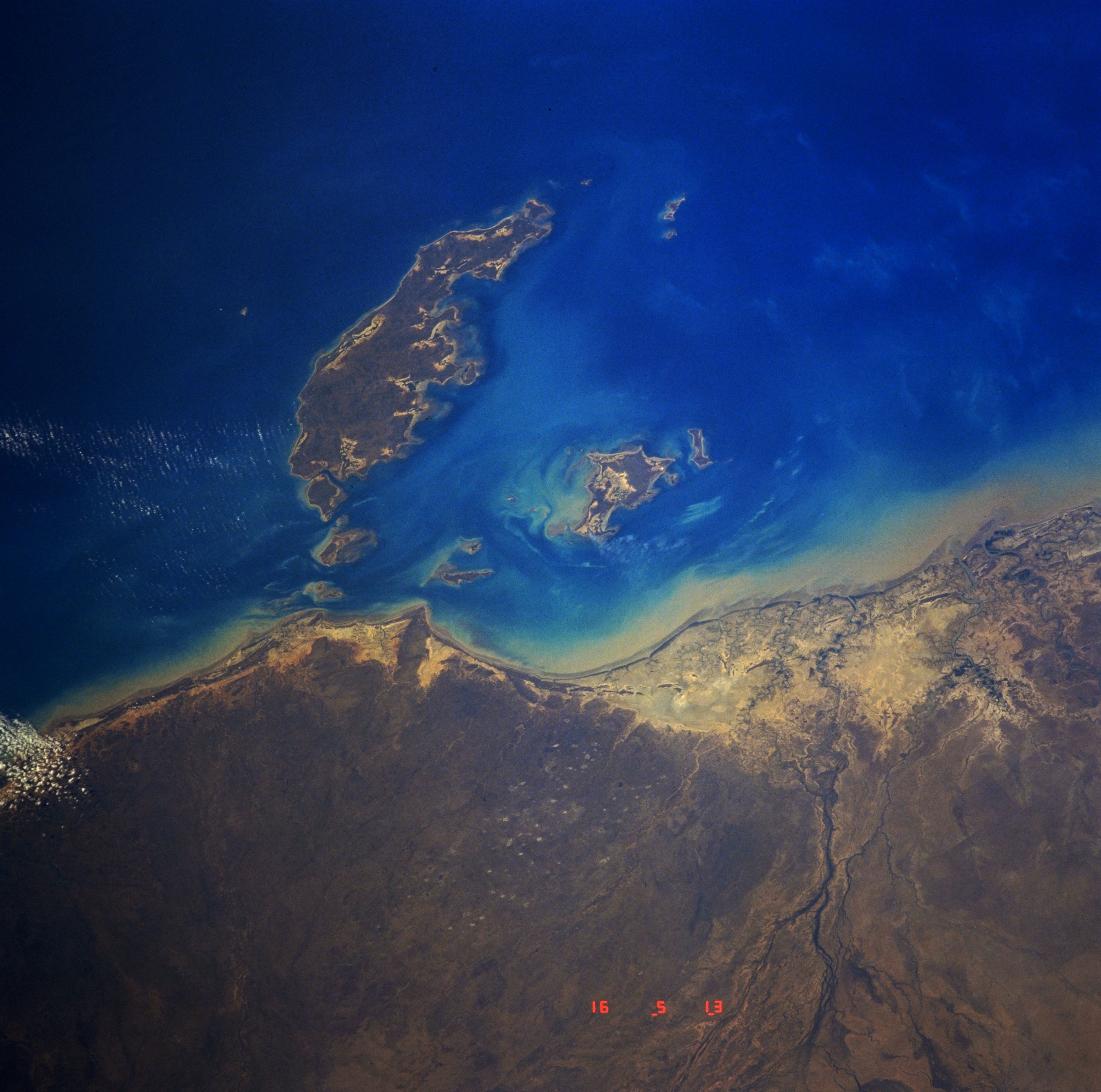
Case Study 1: Nature’s warnings for cyclone preparedness: Lardil People, Mornington Island
The Lardil People of Mornington Island draw on cultural knowledge and observations of nature to predict, prepare for, and respond to tropical cyclones, strengthening community resilience in a hazard-prone environment.
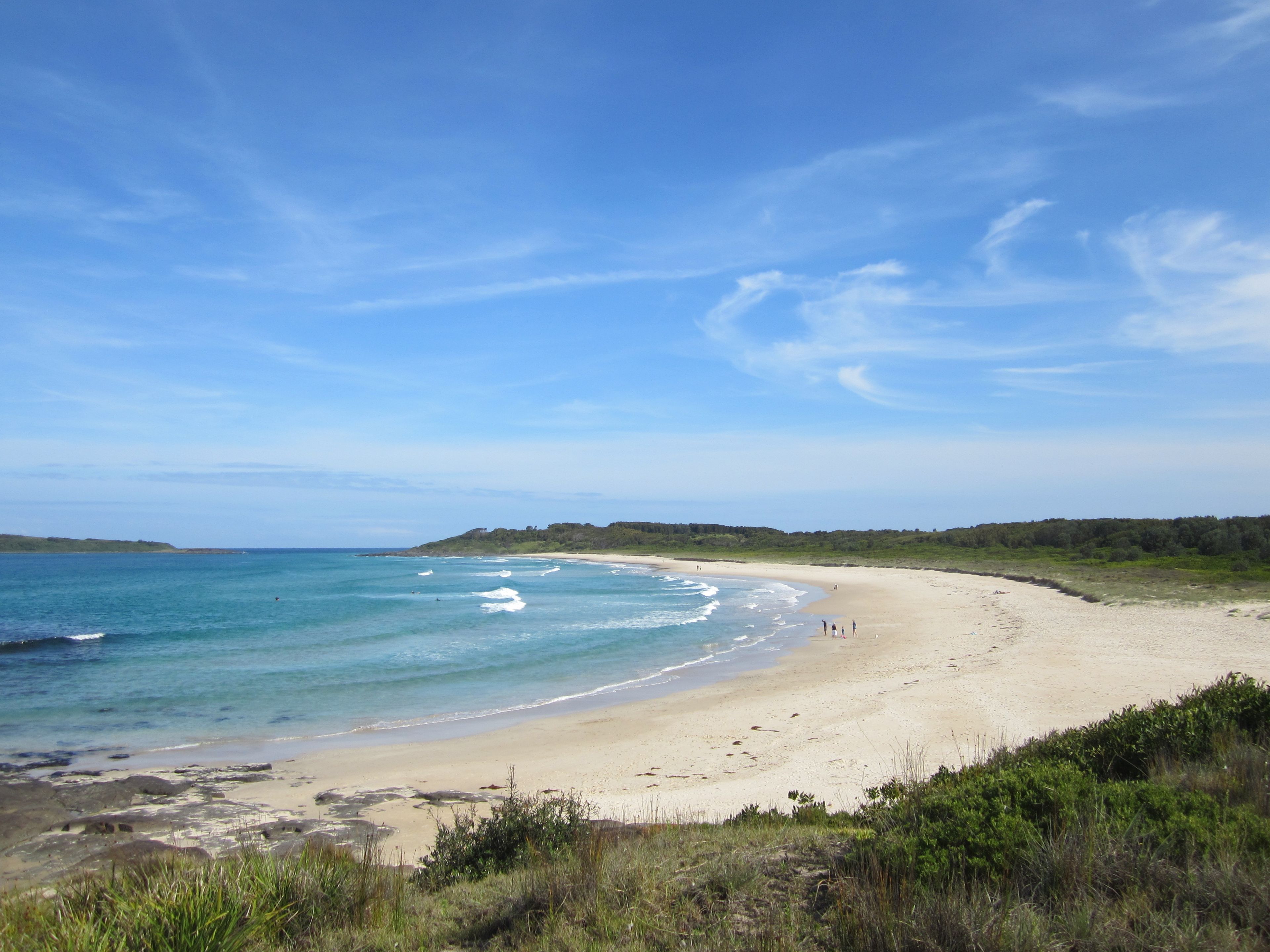
Case Study 2: Aboriginal tsunami knowledge, Yuin and Burragorang Peoples, New South Wales
Aboriginal oral traditions provide valuable insights into past cosmogenic events, helping inform research and strengthen future disaster preparedness.
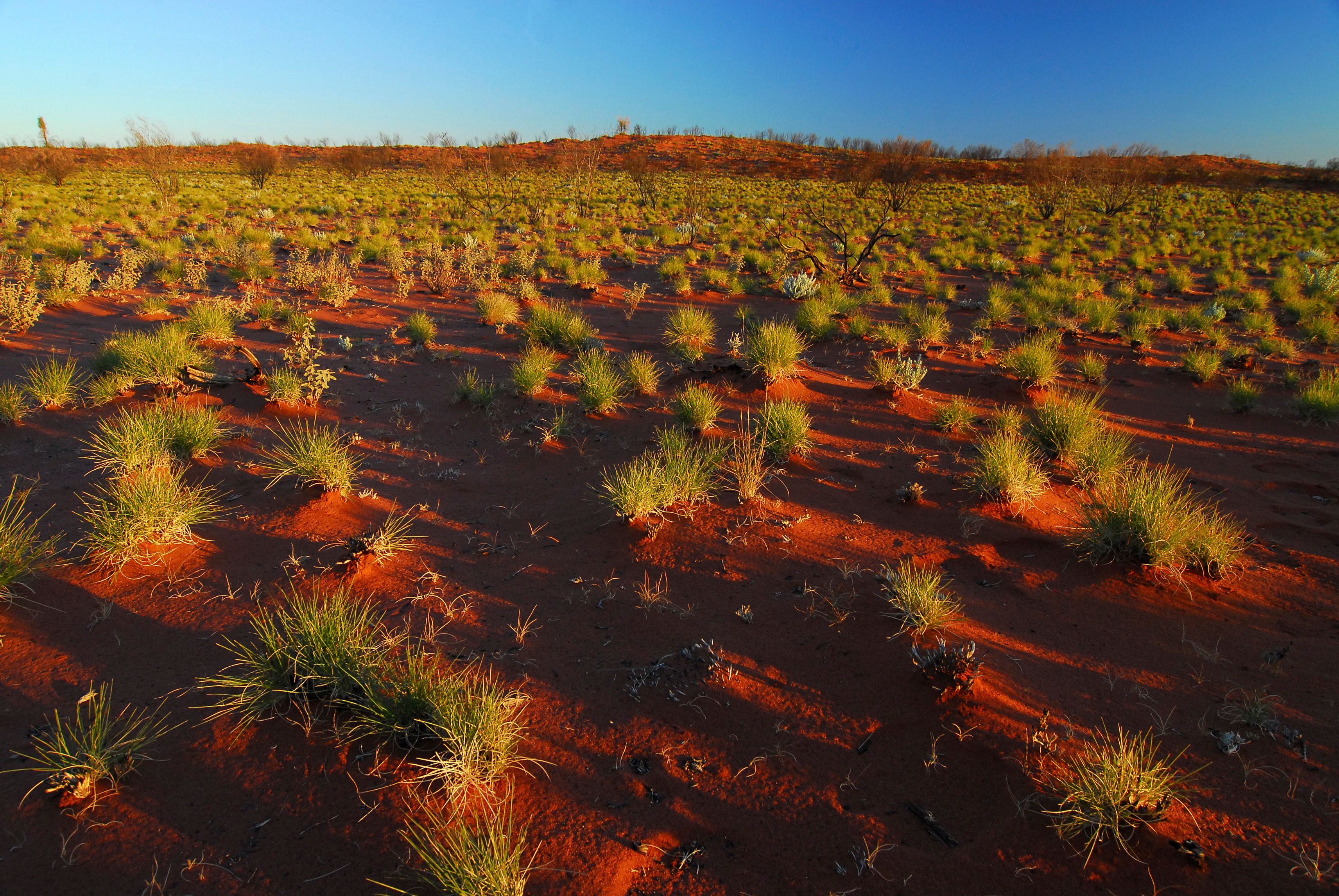
Case Study 3: Aboriginal fire management, Martu People, Western Australia
Martu fire practices, grounded in cultural knowledge and ecological understanding, enhance biodiversity and reduce the risk of wildfires.
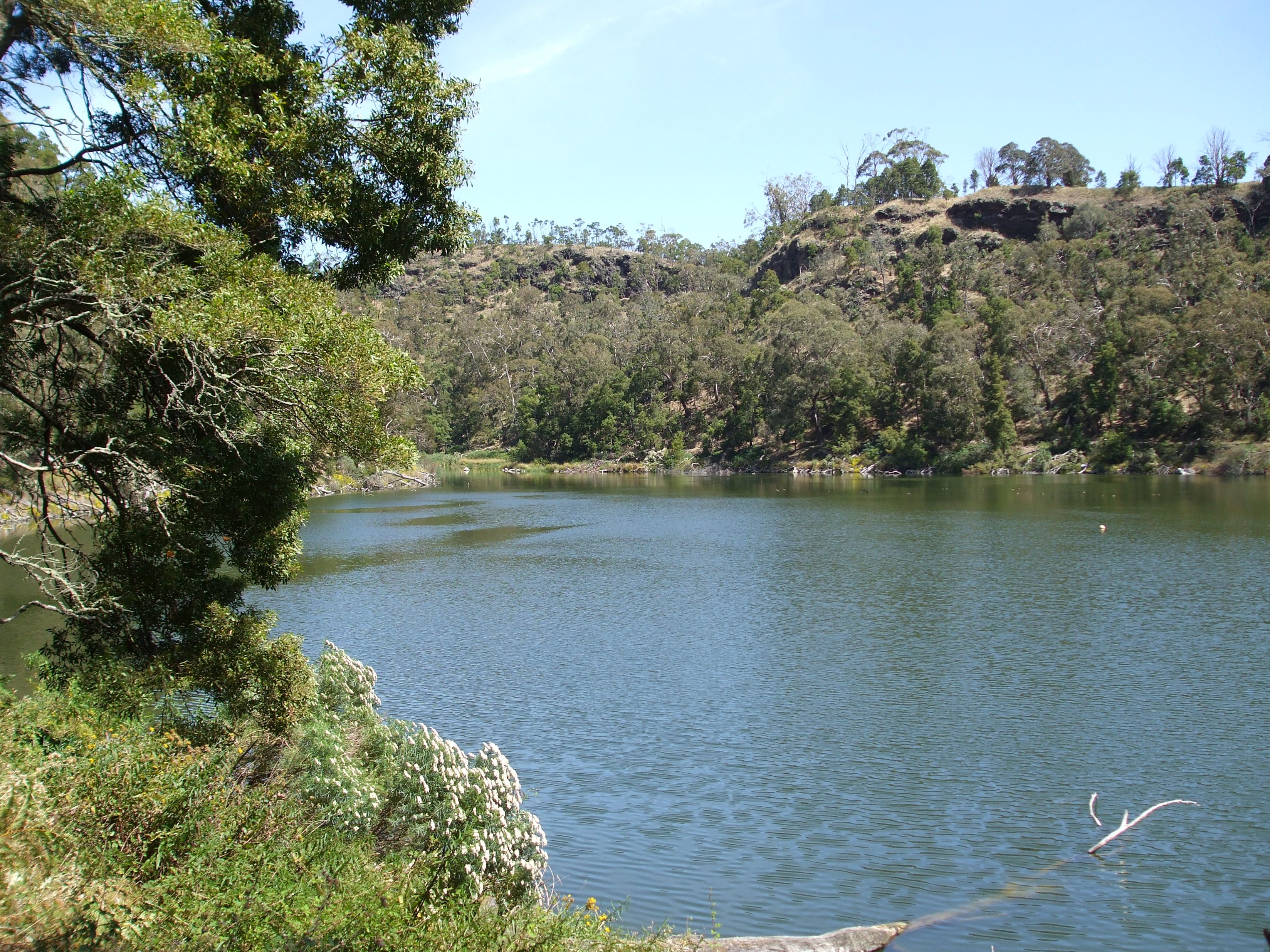
Case Study 5: Budj Bim Aquaculture Systems, Gunditjmara People, Victoria
Gunditjmara Ecological Knowledge at Budj Bim strengthens land and water management, supporting resilience to floods and bushfires.
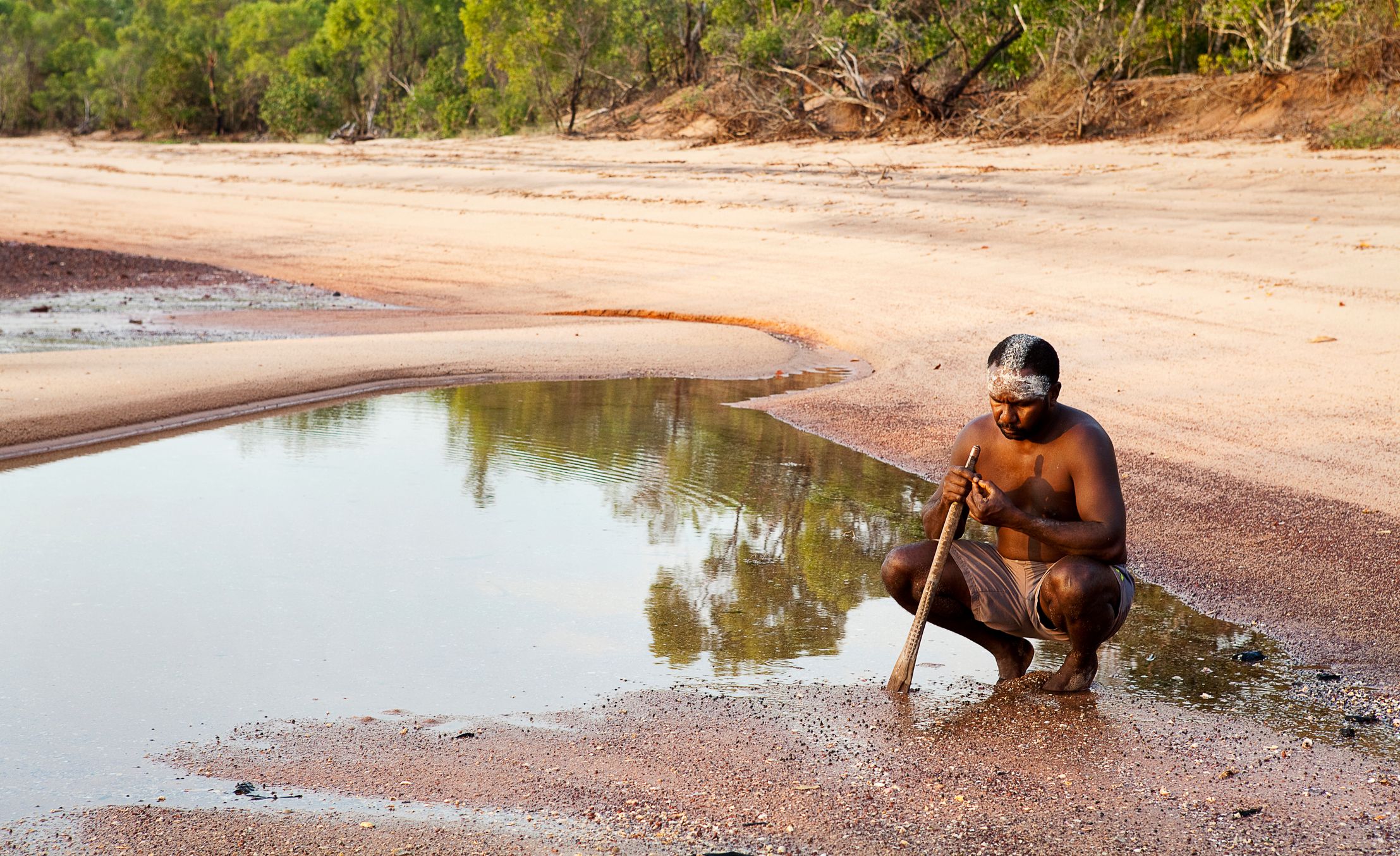
Case Study 6: Monsoon preparation and seasonal knowledge, Yolngu People, Northern Territory
Yolngu seasonal knowledge enhances community preparedness and resilience to monsoons by aligning human activity with natural seasonal cycles.
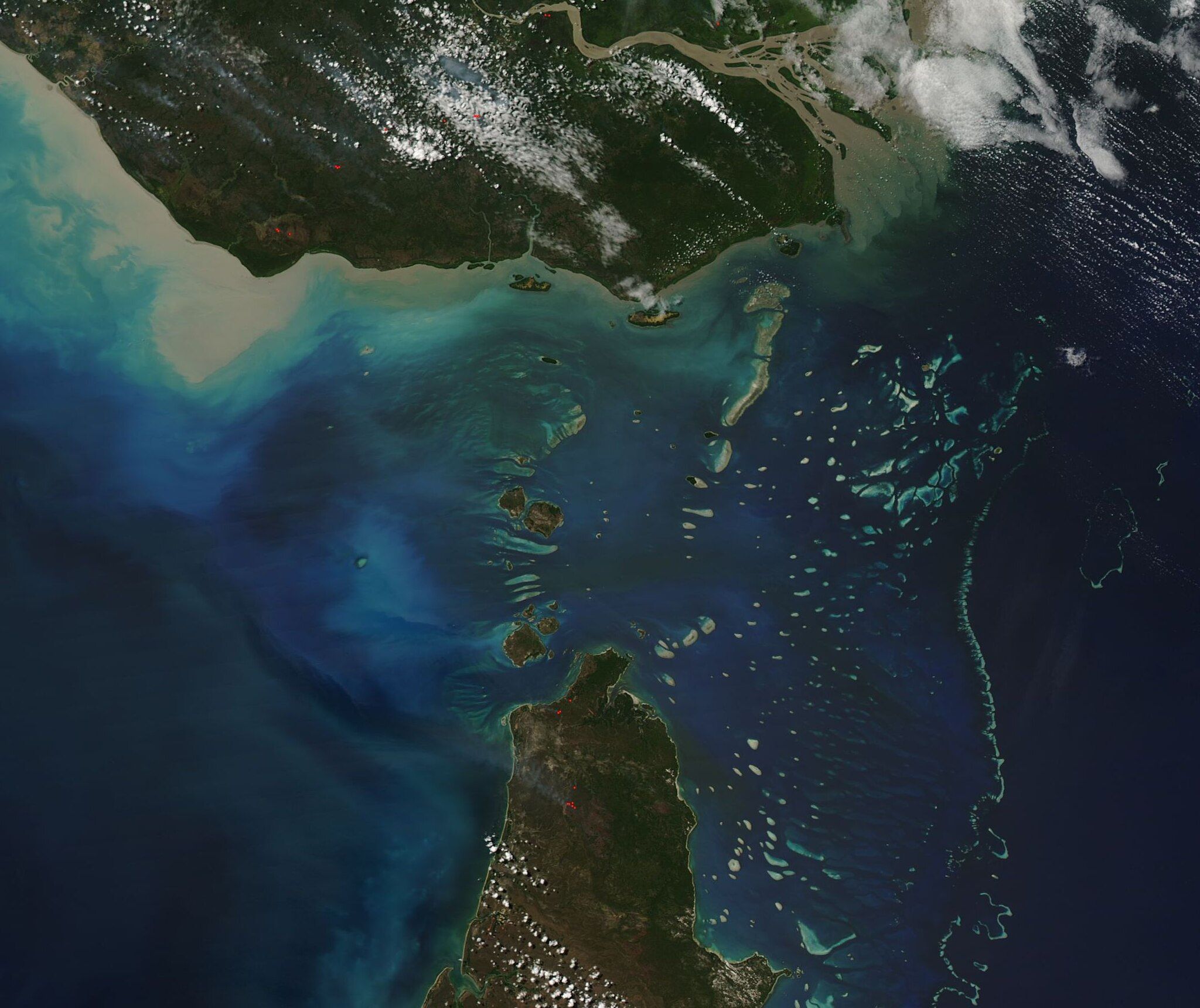
Case Study 7: Torres Strait Islander sea caring culture
Torres Strait Islander communities draw on Traditional Ecological Knowledge such as seasonal wind patterns and stellar observations, to monitor environmental changes, anticipate severe weather events and adapt to the impacts of climate change.