Back to homepage
VIC

Home/Curriculum resources/Indigenous Ecological Knowledge and severe weather events

Indigenous Ecological Knowledge and severe weather events

This module focuses on how Aboriginal and Torres Strait Islander Peoples learn from Country to understand and respond to severe weather events. Through case studies and classroom activities, students explore how Indigenous Ecological Knowledge builds resilience and deepens scientific understanding.

Learning Areas:

Science, Humanities and Social Sciences, English

Year levels:

Level 5, Level 6
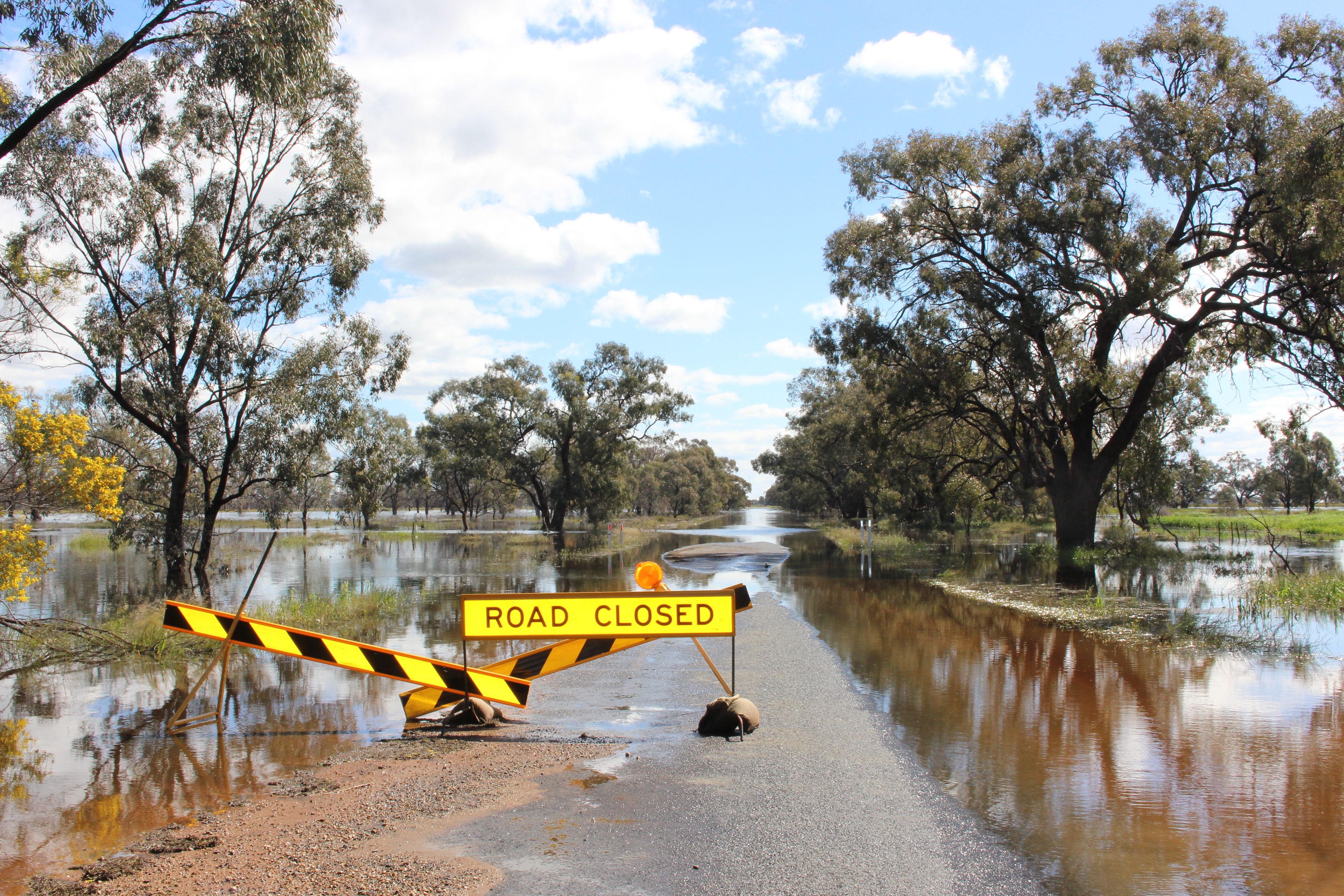
Road Flooded at Condobolin, New South Wales. Photographer: Theo Clark. Source: Getty Images. Used under Licence.
Road Flooded at Condobolin, New South Wales. Photographer: Theo Clark. Source: Getty Images. Used under Licence.
Save this for later

Sign in or sign up to Ngarrngga to save this resource.

Related classroom resources:

Caring for Country

Caring for Country

  • Foundation, Level 1, Level 2
  • Humanities and Social Sciences, Science, English, The Arts
Indigenous astronomy and the solar system

Indigenous astronomy and the solar system

  • Level 5, Level 6
  • Science, English
Indigenous Ecological Knowledge and celestial objects

Indigenous Ecological Knowledge and celestial objects

  • Level 5, Level 6
  • Science, English, Mathematics
Indigenous Scientists

Indigenous Scientists

  • Level 3, Level 4, Level 5, Level 6
  • Science
Groundwater
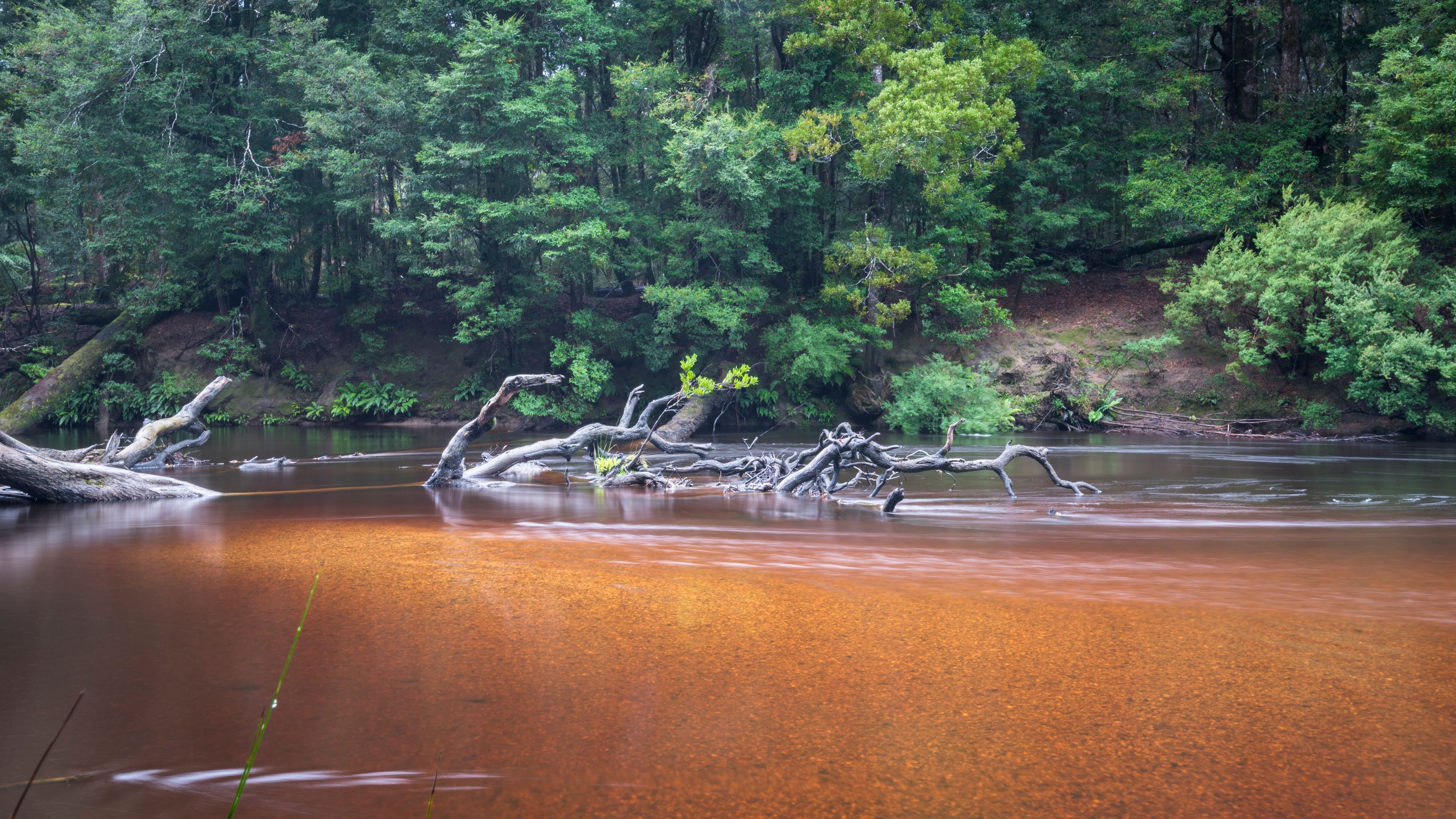
Misery Island Coastline, Misery Island, Palawa country.

Groundwater

  • Level 10
  • Science
Seasonal foods and Aboriginal astronomy

Seasonal foods and Aboriginal astronomy

  • Level 5, Level 6
  • Science
Interdependence in the environment
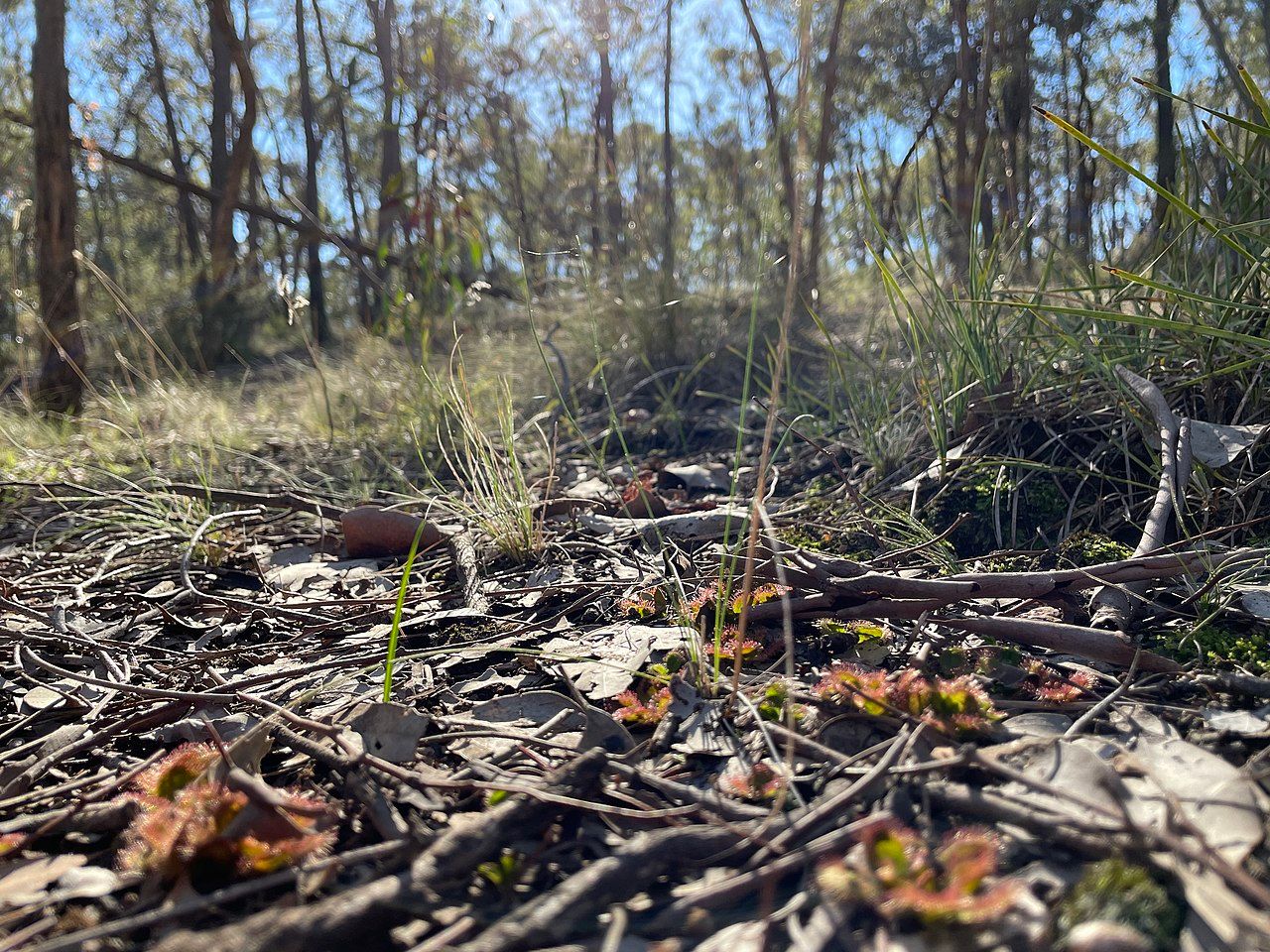
Natural environment Drosera Aberrans, one of Australia's carnivorous plant species, located in Bendigo National Park.

Interdependence in the environment

  • Level 9
  • Science
Understanding plants and animals
Songwarbler perching on a branch

Understanding plants and animals

  • Level 6
  • Science