Home/Curriculum resources/Indigenous Ecological Knowledge and severe weather events/Case Study 6: Monsoon preparation and seasonal knowledge, Yolngu People, Northern Territory
Learning Areas:
Science, Humanities and Social Sciences, English
Year levels:
Level 5, Level 6
Case Study 6: Monsoon preparation and seasonal knowledge, Yolngu People, Northern Territory
This case study is a part of the Indigenous Ecological Knowledge and severe weather events resource.
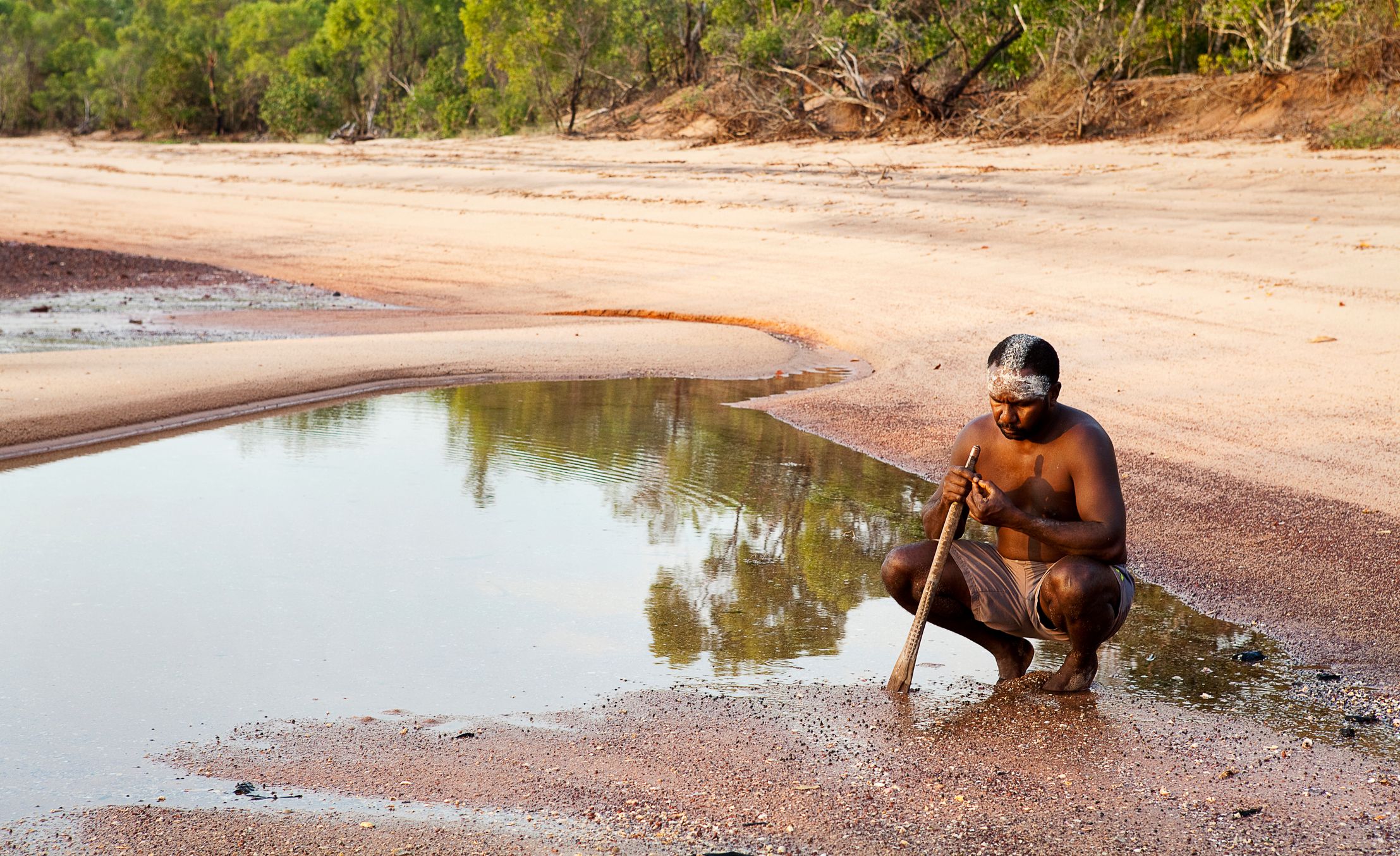
Aboriginal Yolngu man with tribal clay paint used for Welcome to Country, at Nyinyikay Homeland. East Arnhem Land, Northern Territory. Photographers: Lynn Gail & Robert Harding. Source: Getty Images. Used under licence.

Case Study 6: Monsoon preparation and seasonal knowledge, Yolngu People, Northern Territory
Yolngu People of north east Arnhem Land hold a deep and dynamic relationship with Country, shaped by generations of observation, custodianship and cultural practice. In this region, Watjil (monsoon) season 0 brings intense rainfall, strong winds and flooding in some places.
Seasonal knowledge held within Yolngu communities uses environmental cues, rather than fixed calendar dates, to predict weather patterns and enhance preparedness for floods and other impacts of monsoons.
Some Yolngu People observe environmental cues; such as the flowering of bäkunydjirrk (native wisteria), the arrival of specific birds, and shifts in wind direction, to predict the onset of the Wätjil (monsoon) season 0 . These indicators guide decisions about shelter and movement to higher ground. Fishing activity shifts with the tides and hunting methods adjust to changing animal movements 0 .
As one Yolngu Elder shared through the Living Knowledge project:
“Country tells us when it’s time to do things. You just have to listen". 0
Over time, Yolngu knowledge has grown and adapted in response to changing conditions 0 . Preparing for monsoons is not reactive, but relational; Yolngu communities closely observe change in Country and adjust according to the natural rhythms of Country 0 . Seasonal knowledge is maintained and shared in songlines, ceremony, and oral traditions, supporting both ecological understanding and cultural continuity 0 .
Collaborative climate adaptation
Yolngu Elders teach young people to read Country’s signs as part of both cultural education and practical decision making 0 . As climate change increases the frequency of severe weather events in northern Australia, this Indigenous Ecological Knowledge becomes more important as seasonal indicators offer real-time insights based on millennia of pattern recognition. These insights are being shared in ranger programs and research that centres Indigenous leadership in climate resilience 0 .
Related case studies within this resources:
Case Study 1: Nature’s warnings for cyclone preparedness: Lardil People, Mornington Island
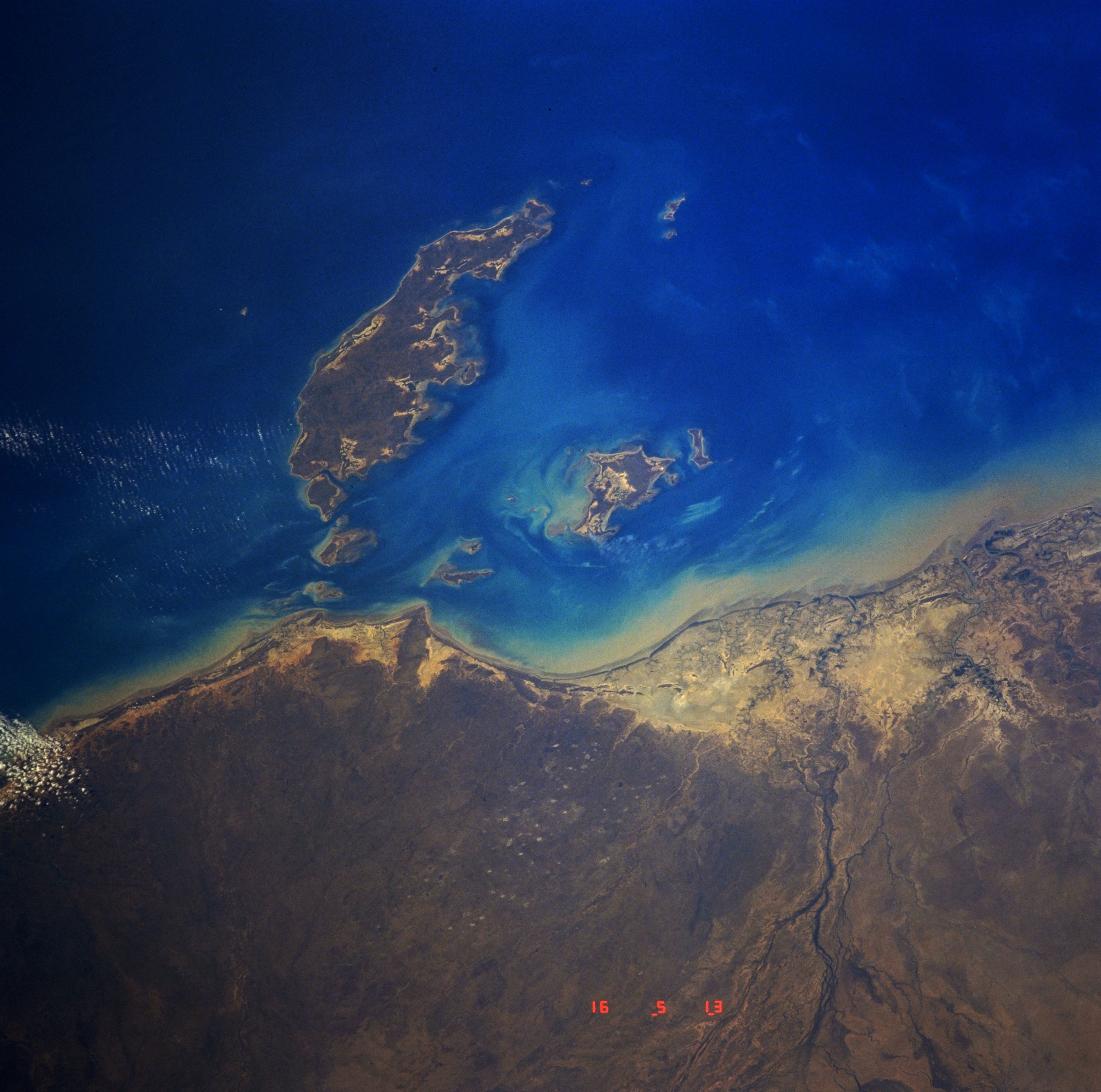
The Lardil People of Mornington Island draw on cultural knowledge and observations of nature to predict, prepare for, and respond to tropical cyclones, strengthening community resilience in a hazard-prone environment.
Case Study 2: Aboriginal tsunami knowledge, Yuin and Burragorang Peoples, New South Wales
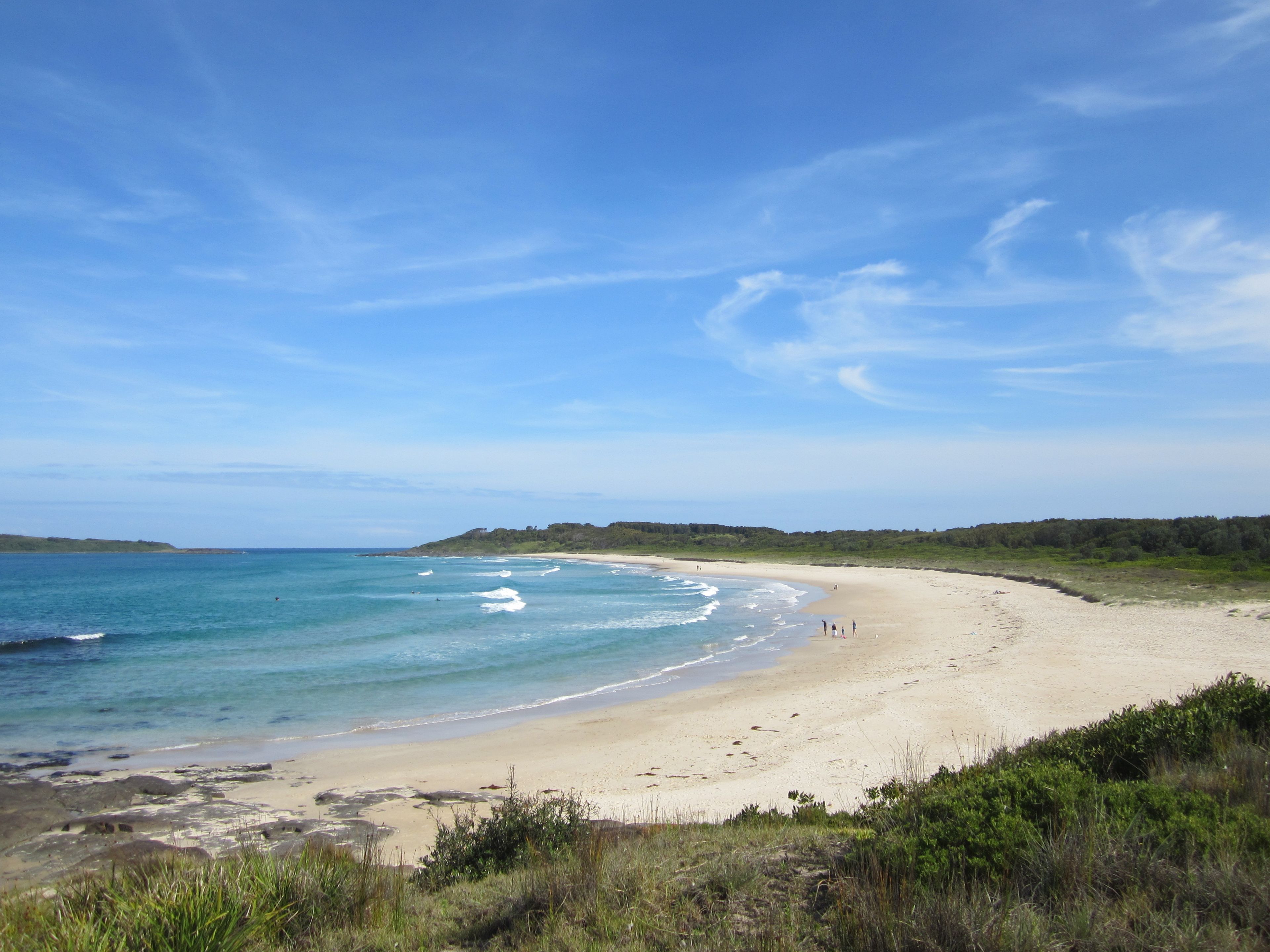
Aboriginal oral traditions provide valuable insights into past cosmogenic events, helping inform research and strengthen future disaster preparedness.
Case Study 3: Aboriginal fire management, Martu People, Western Australia
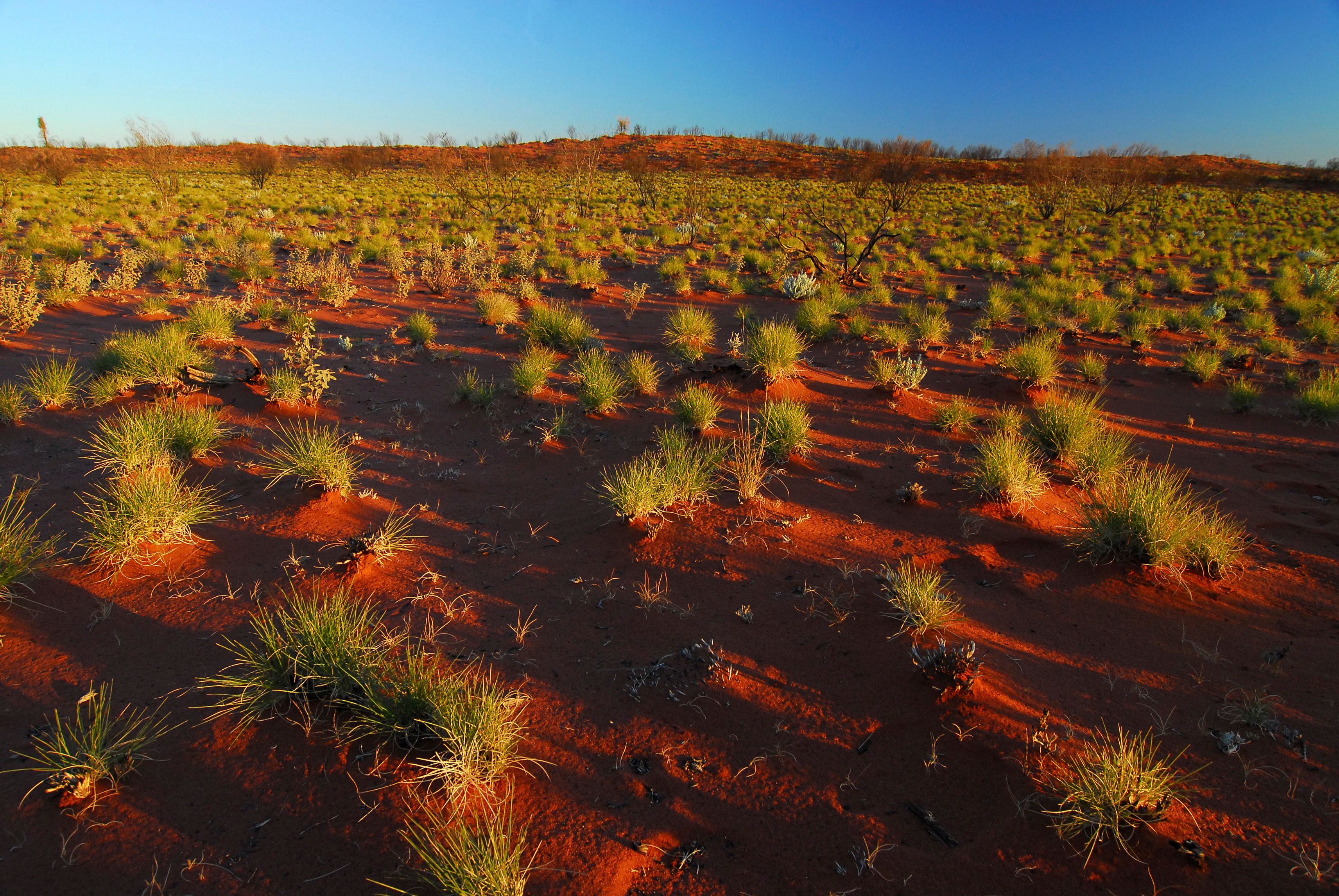
Martu fire practices, grounded in cultural knowledge and ecological understanding, enhance biodiversity and reduce the risk of wildfires.
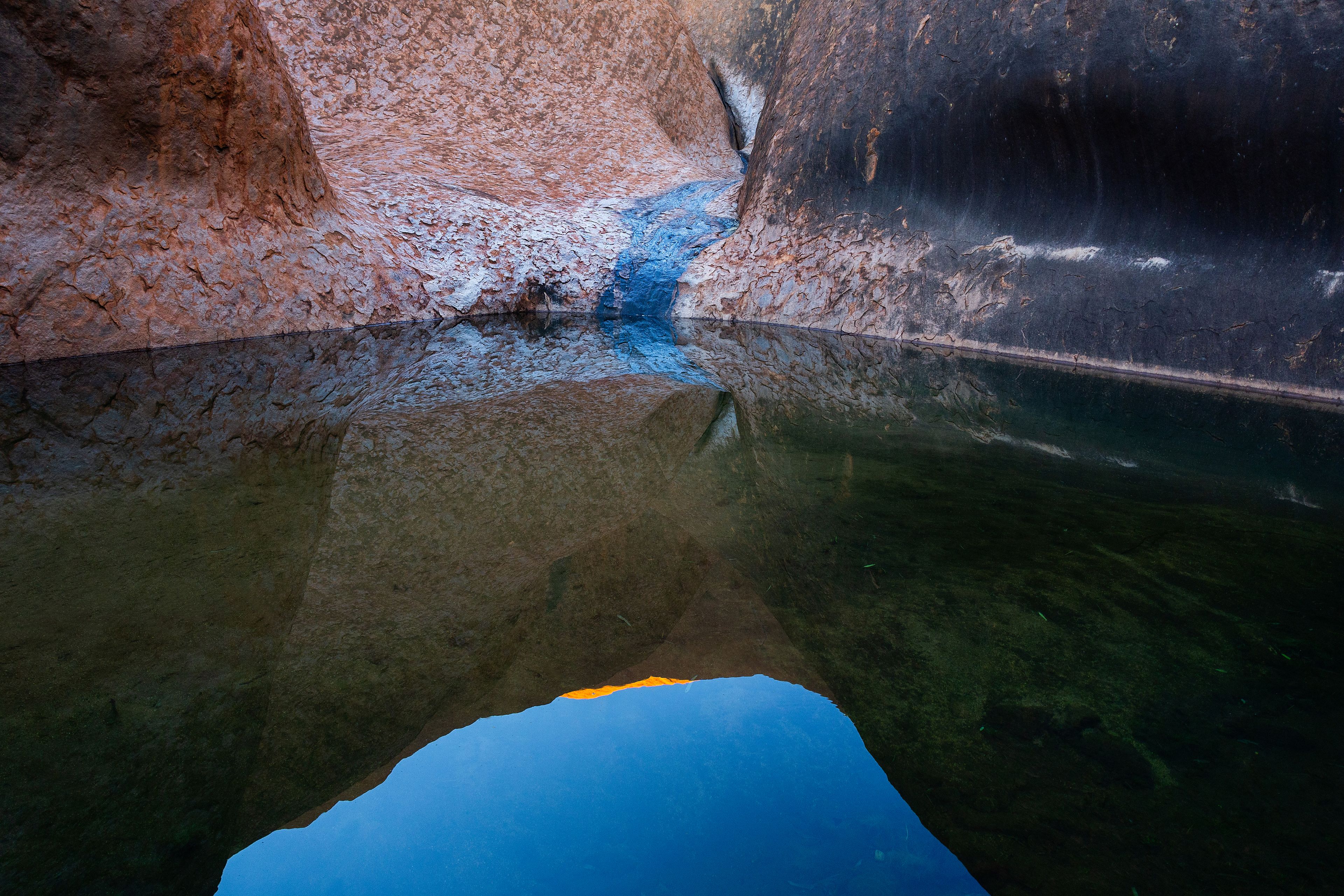
Case Study 4: Drought resilience, Anangu Pitjantjatjara Yankunytjatjara Lands, South Australia
Anangu knowledge of rock holes and underground water sources support sustainable land management and drought resilience in the Anangu Pitjantjatjara Yankunytjatjara Lands.
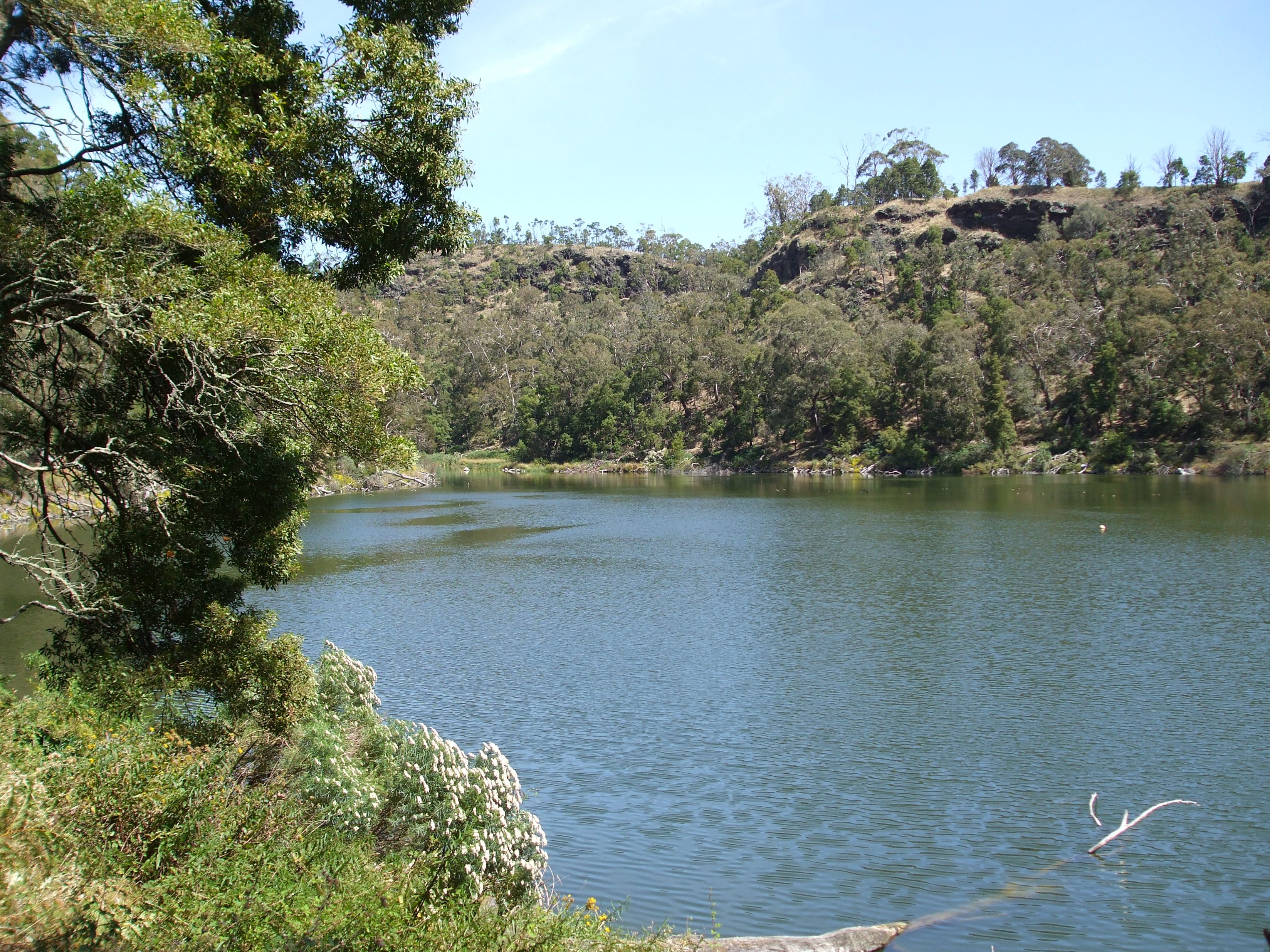
Case Study 5: Budj Bim Aquaculture Systems, Gunditjmara People, Victoria
Gunditjmara Ecological Knowledge at Budj Bim strengthens land and water management, supporting resilience to floods and bushfires.
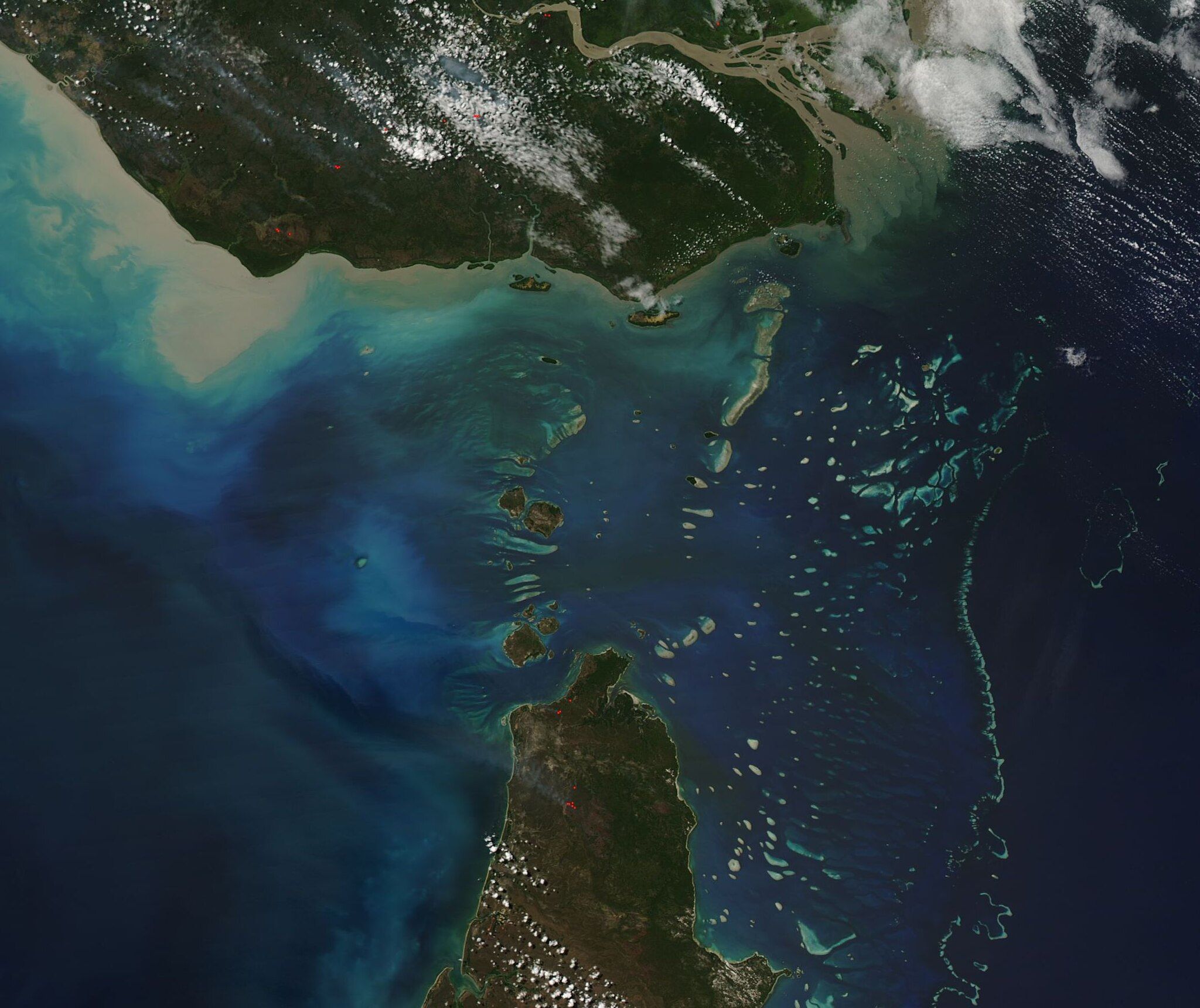
Case Study 7: Torres Strait Islander sea caring culture
Torres Strait Islander communities draw on Traditional Ecological Knowledge such as seasonal wind patterns and stellar observations, to monitor environmental changes, anticipate severe weather events and adapt to the impacts of climate change.