Home/Curriculum resources/Exploring local Country: Places of importance/Activity 5 (Part 1 of 3): Preparing for a visit to places of importance in our local community
Learning Areas:
Humanities and Social Sciences, English, Mathematics
Year levels:
Foundation, Level 1, Level 2
Activity 5 (Part 1 of 3): Preparing for a visit to places of importance in our local community
This activity is a part of the Exploring local Country: Places of importance resource.
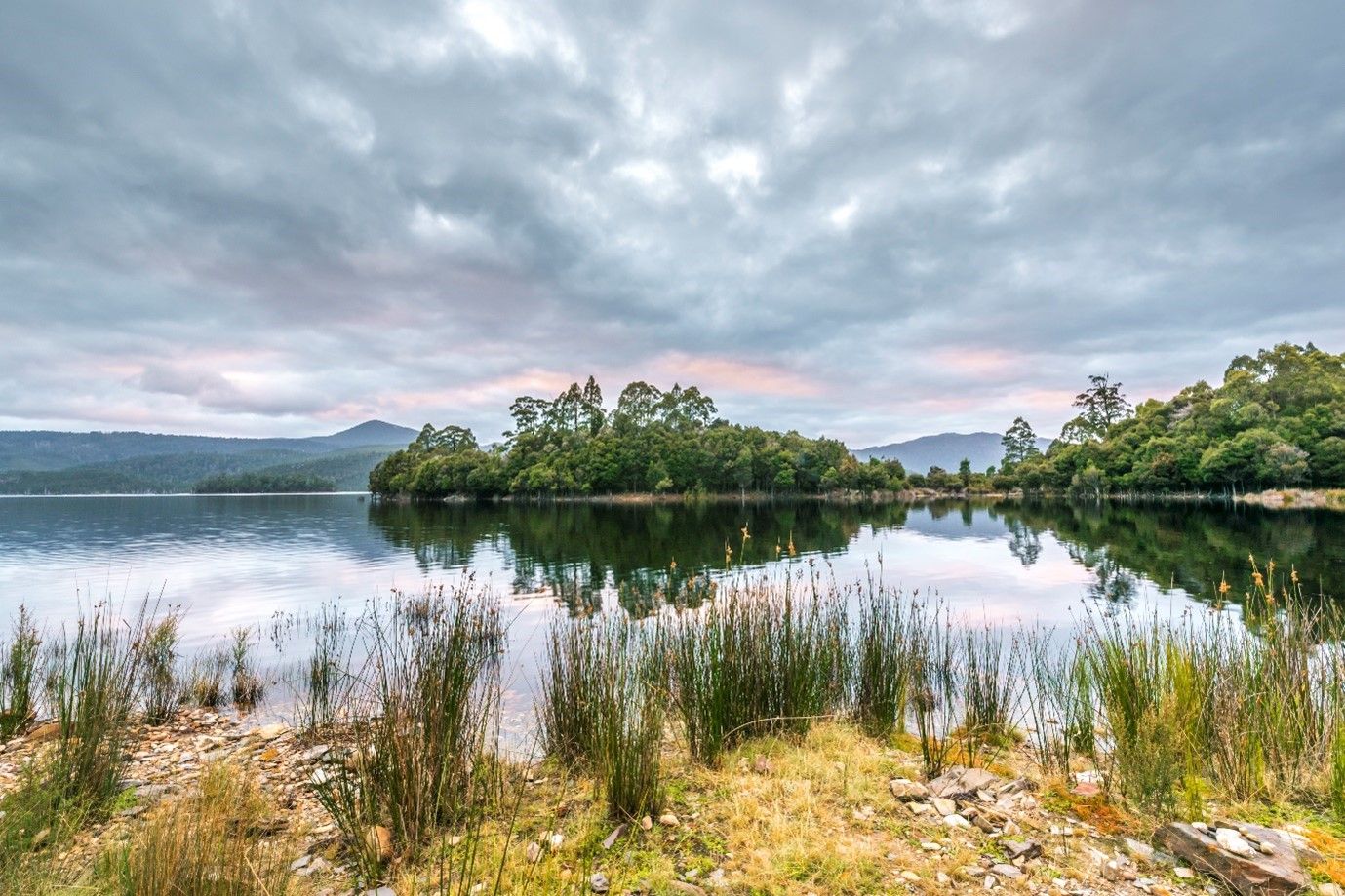
Savage River, The Tarkine, Palawa Country. Tiffany Garvie. Source: Ngarrngga. © Tiffany Garvie 2023. Used under licence.

Activity 5 (Part 1 of 3): Preparing for a visit to places of importance in our local community
Focus: Apply learning from the unit, in a local context by visiting important places respectfully, following agreements/protocols, noticing seen/unseen clues, and using words like “might” and “could.”
Possible overarching question: How can we learn from local places and how should people behave there?
Step by step guide
Step 1: Connecting to students’ prior learning
Step 2: Mini-lesson – What are protocols?
Step 3: Protocols sort – OK / Check / Don’t Do
Step 4: Co-create an agreement for visit to local places of importance
Step 5: Briefing for the visit
Step 6: Interpreting maps of local places of importance (optional)
Step 7: Reflection and sharing
Required Resources:
Teacher Support Material
Protocols Sort Pack (includes OK / Check / Don’t Do headers, sentence stem cards & scenario cards)
Maps provided on the venues' website (printed or digital), paper maps of the local area or access to Google Maps (devices required)
Step 1: Connecting to students’ prior learning
Briefly revisit: types of importance (Activity 2) and seen/unseen clues (Activity 3).
Prompt: “On a visit, which clues are seen? Which are unseen? Who may decide what can be known or shared?”
Step 2: Mini-lesson – What are protocols?
Teacher explains the following:
“A protocol is an agreed way of doing things that keeps people, spirits and Country in good relationship. Protocols help us ask permission, behave respectfully at places, and share knowledge safely.”
Display OK / Check / Don’t Do headers.
Model one scenario:
Card: “Post the exact location of a rock art site online.” → Don’t Do
Reason: “That can endanger the place. We keep locations general unless custodians tell us otherwise.”
Step 3: Protocols sort – OK / Check / Don’t Do
Students in small groups sort scenario cards and explain their reasoning using stems:
“We chose OK / Check / Don’t Do because ___.”
“This may be OK in some places; we would check with ___.”
“To be respectful, we would ___.”
Suggested scenario cards:
“Pick up and keep a feather you find on the ground.”
“Record an Elder’s story without asking.”
“Ask permission and take a photo of the important place if allowed.”
“Step over a barrier to get a closer look.”
“Name the Traditional Owners and say ‘thank you’.”
“Share exact directions to an important place online.”
“Collect leaves/rocks/shells to take back to school.”
Step 4: Co-create an agreement for visit to local places of importance
Working in the same groups from Step 3, students create possible actions and reasons they can take to ensure a respectful visit. Work with students to frame these statements in positive, strength-based language (e.g. do not walk off the paths; stay on the path to care for Country.)
Facilitate a process to co-create a whole class agreement for the visit. The Teacher Support Material provides some possible statements.
Step 5: Briefing for the visit
Brief students on the locations they will be visiting and any other important information.
Step 6: Interpreting maps of local places of importance (optional)
Students spend time interpreting maps of the places they will be visiting by identifying the position of key features. They can use various map sources:
Paper maps of the local area
Google Maps
Maps provided on the venues' websites (printed or digital)
Possibilities:
Identify and mark the positions of the places they will visit
Recognise major landmarks or reference points in the area
Encourage students to estimate distances between locations and consider potential routes to the venues. If using multiple map types, ask them to compare and contrast the information provided by each source.
As an extension, you might facilitate a brief class discussion about what they've discovered from the maps, including any interesting features or potential challenges they've identified.
Step 7: Reflection and sharing
Have students share one thing they are excited about for the visit.
Related activities within this resources:
Activity 1: Creating a place that is important to me
Students use loose parts/materials to build a labelled model of a place that is important to them. They explain why it matters and keep the model (or a photo) to revisit in later activities.
Activity 2: Defining importance – social, cultural, spiritual, ecological
Students learn four ways a place can be important (social, cultural, spiritual, ecological) and practise using tentative language (“might…”, “could…”, “we may not know”). They then apply the types of importance to their model from Activity 1, adding a short “because” statement.
Activity 3: Exploring important places across Australia – seen & unseen clues
Students view a short clip and explore image sets to notice the diversity of important places across Australia. They learn the idea of seen (tangible) and unseen (intangible) clues, then use types of importance icons (social, cultural, spiritual, ecological) to place tokens on images, adding a short justification that names what we can see and what we can’t see yet. The teacher then reveals pre-prepared possible types of importance for each image and the class compares respectfully.
Activity 4: The Rainbow Serpent – learning more about spiritual and cultural importance
Students engage with a Rainbow Serpent story to explore how stories connect places across Country and why those places hold spiritual and cultural importance. Using a Noticing Template, they identify seen and unseen clues, write a character description, create a portrait, and share reflections.
Activity 5 (Part 2 of 3): Visiting places of importance in our local community
Students prepare for, undertake, and share findings from a visit to one or more local places of importance. In part 2, they visit the place(s), notice seen & unseen clues, and record respectful evidence.
Activity 5 (Part 3 of 3): Share findings from visit to local place of importance
Students prepare for, undertake, and share findings from a visit to one or more local places of importance. In part 3, they choose a mode (e.g., diorama, place portrait, poster, information sheet, PowerPoint, audio tour) to teach others what the place is, why it may be important, and how to behave respectfully, with attribution.