Home/Curriculum resources/Exploring local Country: Places of importance/Activity 3: Exploring important places across Australia – seen & unseen clues
Learning Areas:
Humanities and Social Sciences, English, Mathematics
Year levels:
Foundation, Level 1, Level 2
Activity 3: Exploring important places across Australia – seen & unseen clues
This activity is a part of the Exploring local Country: Places of importance resource.
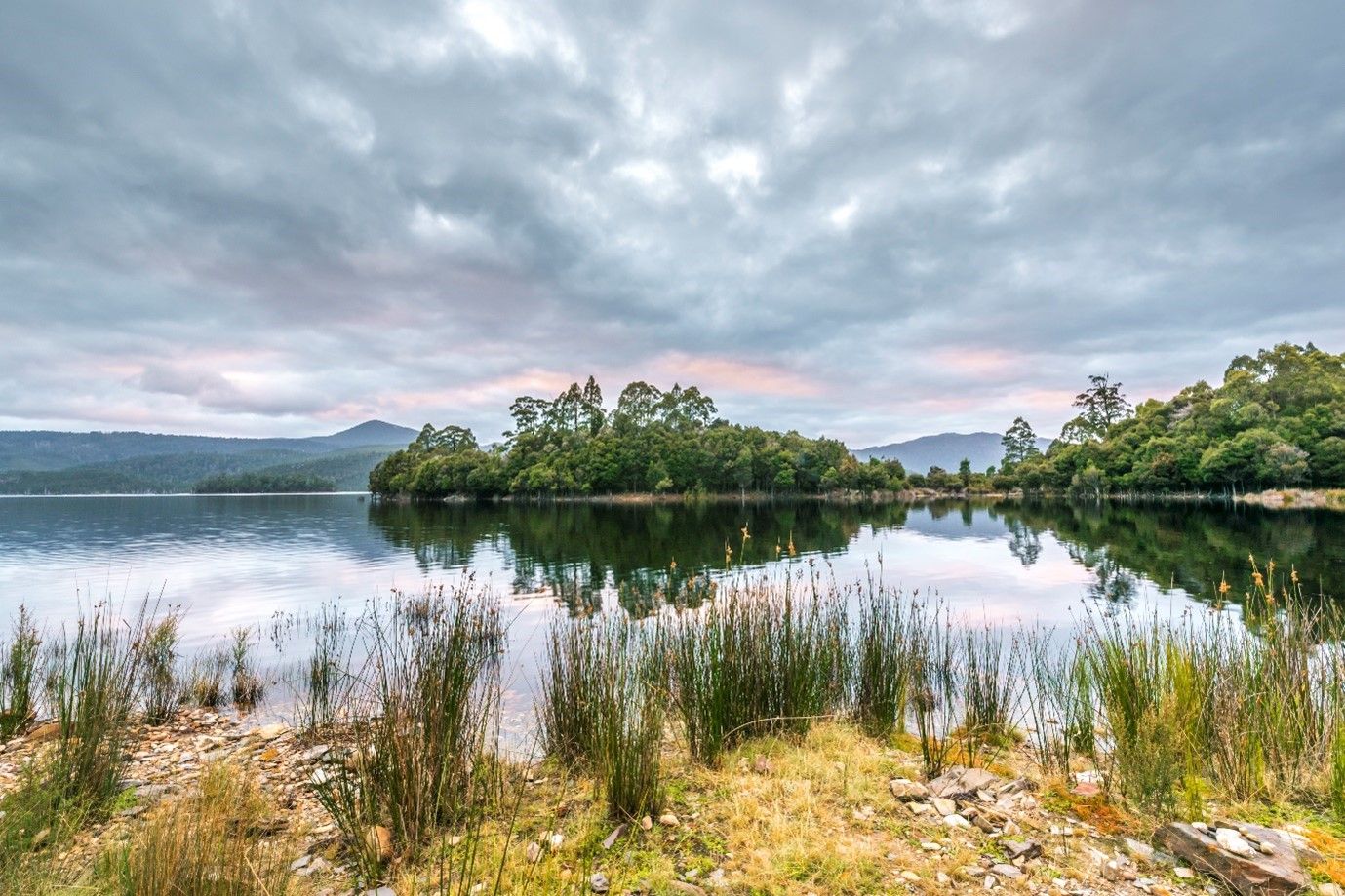
Savage River, The Tarkine, Palawa Country. Tiffany Garvie. Source: Ngarrngga. © Tiffany Garvie 2023. Used under licence.

Activity 3: Exploring important places across Australia – seen & unseen clues
Focus: Using seen and unseen clues to justify why a place may be important without making absolute claims.
Possible overarching question: What clues can we see, and what might we not see, that tell us why a place could be important?
Step by step guide
Step 1: Connecting to students’ prior learning
Step 2: Gallery Walk - looking at images of significant places from across Australia
Step 3: Mini-lesson – seen & unseen (noticing beyond the picture)
Step 4: Select and justify the types of importance that may apply
Step 5: Reflection and sharing – teacher reveal possible types of importance
Required Resources:
Teacher Support Material
Four types of importance posters or anchor chart from Activity 2
Access to the video clip Natural Wonders of Australia - Into the Wild Films
Images of important places (displayed around the room or on tables)
Mini-lesson Resource: seen & unseen
River bend image to support teacher modelling
Question prompt cards to help identify types of importance (from Activity 2)
Types of importance icon cards (from Activity 2)
Sentence stem cards for justification (from Activity 2)
Camera/tablet for photos of charts/sorts
Word bank cards (from Activity 2)
Step 1: Connecting to students’ prior learning
Recap the four types of importance (social, cultural, spiritual, ecological) using the anchor chart or posters.
Tell students you’ll watch Natural Wonders of Australia – by Into the Wild Films and ask them to notice places and possible types of importance.
After the clip, facilitate a discussion about the environments/landscapes, natural features, plants and animals (flora and fauna) they saw, and possible types of importance. The Teacher Support Material provides possible discussion questions.
Step 2: Gallery Walk - looking at images of significant places from across Australia
Display a variety of images of diverse important places around the classroom. Explain that students will observe these closely. You may allow free exploration or set a focus (e.g., “What do you see and notice? What do you think this place is?”).
Divide students into small groups and assign a starting image; rotate through images.
Facilitate a discussion:
“Did any images connect with your important place from Activity 1?”
“What do these images have in common?”
“Could we group these by themes/headings? What themes might fit?”
Step 3: Mini-lesson – seen & unseen (noticing beyond the picture)
Let students know Gaaku is back to help you look beyond what the eye can see. Use the Mini-lesson Resource to support this step.
Teacher model the provided river bend image. You can use the following think aloud stems:
“We can see water, trees, branches, rocks.”
“We can’t see any stories, information about the place or permissions about visiting.”
“So one lens that might apply is ecological, because water can be a home for animals and plants. A second lens could be cultural if people meet or learn here.”
On chart paper, draw a T-chart titled Seen / Unseen. Record seen and unseen examples from the modelled image and other ideas students have. Add a reminder line - We use might, could, we may not know.
Step 4: Select and justify the types of importance that may apply
Students revisit the images, and this time decide why the place is important using one of the four types. The word bank and question prompts from Activity 2 and the sentence stem cards can be used to enable/extend this part of the activity. Set these up at each station along with the guidance card.
At each image pairs/small groups:
Use question prompts to guide looking.
Look closely and list seen clues (visible features).
Name unseen possibilities (stories/responsibilities we don’t know).
Place one icon/token for a type of importance (optionally a second).
Record a short justification using the stem card (scribe for emerging writers or allow a short audio/oral response).
Sentence stems displayed:
“One type of importance might be … because …”
“Another type of importance could be … because …”
You may need to model the steps above.
Possible teacher prompts while checking-in with students:
“What in the image suggests that type of importance?”
“Could another type of importance also fit? What makes you think that?”
“What don’t we know yet and how might we try and find out?”
Encourage respectful tentative language and uncertainty.
The Teacher Support Material provides further guidance for this step.
Step 5: Reflection and sharing – teacher reveal possible types of importance
At each image, reveal the information sheet provided, which includes the image (with attribution), information about the place, and possible types of importance.
Discuss:
“Where did your choice match the reveal?”
“Where was it different, and what unseen meanings might explain that?”
Reinforce:
A single place can have more than one type of importance.
Some meanings are not for us to know or share. This may be because the knowledge is secret and/or sacred.
Related activities within this resources:
Activity 1: Creating a place that is important to me
Students use loose parts/materials to build a labelled model of a place that is important to them. They explain why it matters and keep the model (or a photo) to revisit in later activities.
Activity 2: Defining importance – social, cultural, spiritual, ecological
Students learn four ways a place can be important (social, cultural, spiritual, ecological) and practise using tentative language (“might…”, “could…”, “we may not know”). They then apply the types of importance to their model from Activity 1, adding a short “because” statement.
Activity 4: The Rainbow Serpent – learning more about spiritual and cultural importance
Students engage with a Rainbow Serpent story to explore how stories connect places across Country and why those places hold spiritual and cultural importance. Using a Noticing Template, they identify seen and unseen clues, write a character description, create a portrait, and share reflections.
Activity 5 (Part 1 of 3): Preparing for a visit to places of importance in our local community
Students prepare for, undertake, and share findings from a visit to one or more local places of importance. In part 1, they learn and practise protocols (OK / Check / Don’t Do) and co-create agreements for the visit.
Activity 5 (Part 2 of 3): Visiting places of importance in our local community
Students prepare for, undertake, and share findings from a visit to one or more local places of importance. In part 2, they visit the place(s), notice seen & unseen clues, and record respectful evidence.
Activity 5 (Part 3 of 3): Share findings from visit to local place of importance
Students prepare for, undertake, and share findings from a visit to one or more local places of importance. In part 3, they choose a mode (e.g., diorama, place portrait, poster, information sheet, PowerPoint, audio tour) to teach others what the place is, why it may be important, and how to behave respectfully, with attribution.