Home/Curriculum resources/Caring for Country/Activity 5: How can we care for our school or local community?
Learning Areas:
Humanities and Social Sciences, Science, English, The Arts
Year levels:
Foundation, Level 1, Level 2
Activity 5: How can we care for our school or local community?
This activity is a part of the Caring for Country resource.
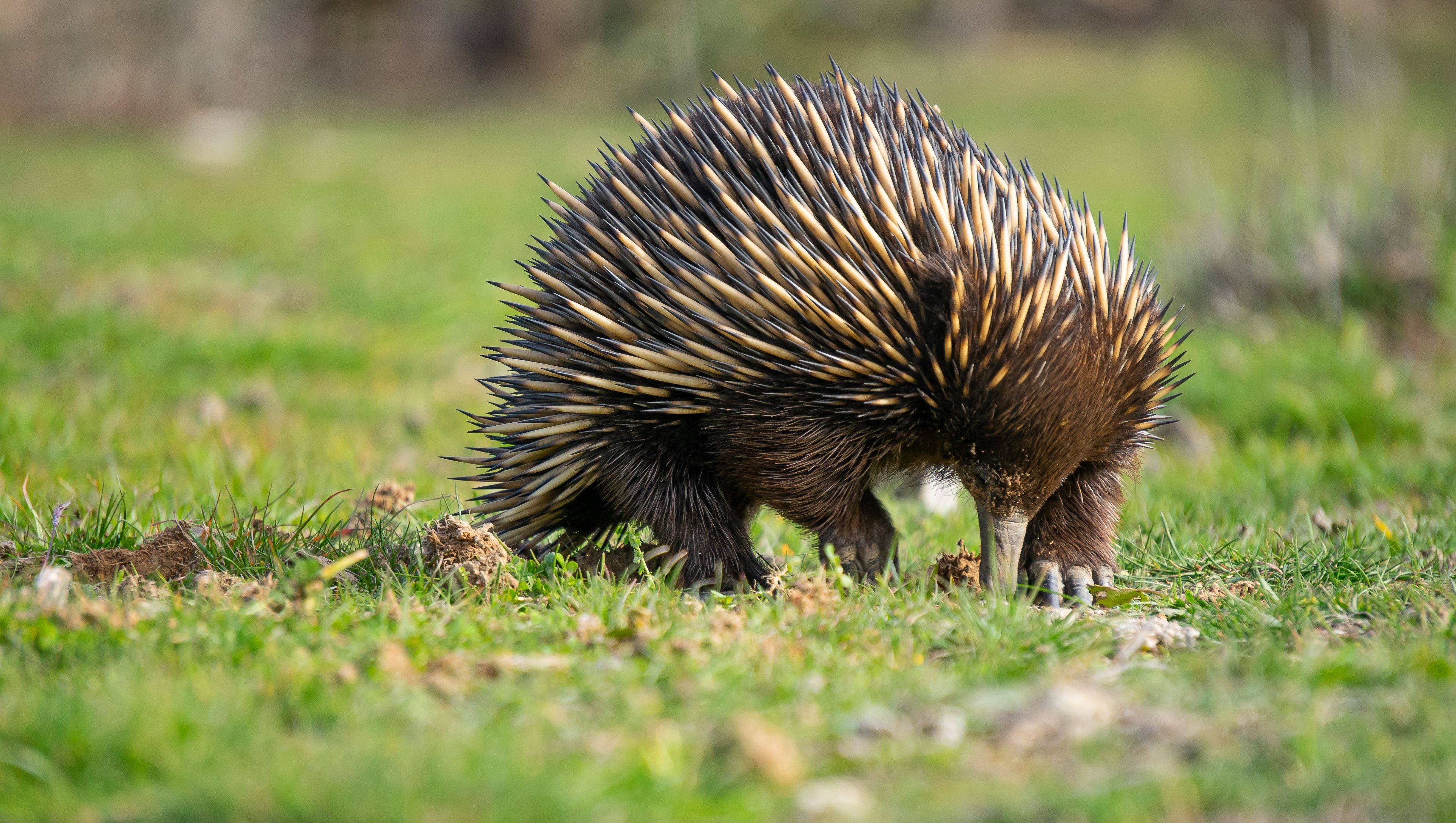
Echidna in the Bush. Photographer: Sara Carter. Source: Getty Images. Used under licence.

Activity 5: How can we care for our school or local community?
NOTE: Choose one culmination option below, or blend some, to suit your class schedule and resources.
Focus: Sharing what we have learnt with others so everyone can look after Country.
Possible overarching question: How can we teach others to care for Country using our new learning?
Step by step guide
Step 1: Connecting to students’ prior learning
Step 2: Choose a caring for Country action
Step 3: Planning and preparing
Step 4: Taking action
Step 5: Reflection and celebration
Required Resources
Teacher Support Material
Our learning journey resource
Resources dependent on culmination of learning option
Step 1: Connecting to students’ prior learning
Using the our learning journey Resource "Marlu the Kangaroo” is back. This time they take the class on a journey of reflecting on their learning during the unit. You can either include examples of learning in the resource or point to these examples displayed around the classroom.
Step 2: Choose a caring for Country action
For the next part of the activity, students will select (or you will assign) one or more caring action options. Decide in advance whether the class will vote, rotate through stations, or have the teacher choose. The five suggested caring action options are
Action project: Help students turn their observations (from Activity 2) into a real-world plan for caring for Country at school (or in a nearby community space). Begin by revisiting the changes they noticed across the unit and asking, “What does Country seem to need from us right now, and at other times of the year?” Brainstorm practical ideas, then vote on one or two manageable class goals, such as:
mulching or planting a small garden
starting a weekly rubbish collection roster
setting up a watering schedule for dry periods
designing and posting signs to protect sensitive areas (“Keep off the garden beds – plants and insects live here”).
If time and resources allow, expand to a larger project, e.g., creating a native garden.
Call to action recording or assembly item: As a culminating showcase, students script a short performance (or film a simple video) that weaves together key moments from the unit, season signs, senses at work, and “help/heal” actions for around the school or local community. Students could share examples of where Country may be “hurting” and calls for action to help or heal this example. Whether presented live at assembly or shared as a recorded clip, the item spreads their learning beyond Year 1 and may inspire the wider school to care for Country.
Seasons Storybook – Helping and Healing Country: Students collectively author and illustrate a picture book that link the signs of the local Aboriginal or Torres Strait Islander seasons to simple caring actions. Working in pairs, students choose one season indicator (buzzing bees, wattle blossom, cool fog) and create a double page spread: the left page shows the sign, the right page completes the sentence “We can help/heal Country by …”. When the pages are assembled in seasonal order and bound, the class has a storybook that can be revisited, sent home, or placed in the school library. The project turns personal observation into a shared resource, reinforces that every season brings new responsibilities, and gives Year 1 students a lasting reminder that paying attention to Country leads to concrete ways of helping and healing.
Walking Museum: The classroom and/or hallways transforms into a “Living Country” gallery: walls display the six case study posters, students’ season wheels, noticing cards, soundscapes, photos from the spotlight walks and possible Help and Heal tips. Small groups become tour guides, standing beside their section, and ready with one or two sentence explanations of the sign they noticed and the caring action it inspired. Other classes, families, or community visitors stroll through at their own pace. The Walking Museum turns students into knowledge sharers, celebrates their learning, and spreads practical ideas for caring for Country across the whole school.
Senses Soundscape – Caring for Country Audio Journey: Students become “sound detectives,” roaming the school grounds (and/or local community areas) with a tablet or recorder to capture the current seasonal clues they have learnt to notice (buzzing bees, wind, birds, rain). Back in class they use these recordings and insert whispered messages that call people to action: “Stick to walking on paths because these insects will not have a home.” The finished track could be paired with student drawings in a simple slideshow and shared with the school community.
Step 3: Planning and preparing
Work with students to draw up a simple plan for the option(s) you have chosen. Together, agree on success criteria, assign clear roles and responsibilities, and set a realistic timeline. Use questions such as:
What do we need?
What caring actions will we include?
What are our steps?
Who will do what?
Step 4: Taking action
Give students the time they need to carry out the plan. Run short mini workshops to teach any key skills (e.g., how to plant seedlings, record audio, or write sentences).
Step 5: Reflection and celebration
Bring the class together to think about both the process and the final product. You might ask:
“Which part of this task made you feel proud?”
“What is something new that you have learnt about Country?”
“What is something new you have learnt to do?”
“How does our project help or heal Country?”
“What might Country need us to continue to do?”
If possible, invite another class or family members so students can share their work with an authentic audience.
Related activities within this resources:
Activity 1: Reconnecting with prior learning - What is Country, and why do we care for it?
Students revisit the idea that Country is a living system, land, water, sky, plants, animals and stories, by rotating through discovery stations. They notice, name and feel each part of Country, laying the groundwork for viewing caring for Country as an ongoing, relational responsibility.
Activity 2: How does Country change?
Building on their sensory noticing from Activity 1, students learn to distinguish natural change (created by Country itself) from human change (caused by people). After revisiting the anchor chart and tuning their senses with The River, they explore changes in either the school grounds or on a short neighbourhood walk, then sort their findings into a simple two column chart.
Activity 3: Changes that hurt, help and heal Country
Using observations from the Spotlight Zones in Activity 2, students apply a caring lens (help and heal) to decide how each natural or human change affects Country. They sort, debate and brainstorm small actions to move hurting changes toward helping or healing.
Activity 4 (Part one of two): Indigenous ways of noticing and caring
Students discover how Aboriginal and Torres Strait Islander Peoples use their senses to notice changes in Country and then act to care for it. They view a short “Did You Know?” resource, discuss which senses are at work, and finish with a quick reflection that links these examples to the local seasonal calendar, setting up part two of the activity.
Activity 4 (Part two of two): Noticing the current season
Students build on the slideshow from part one, by exploring a picture book about an Aboriginal seasonal calendar, comparing it with the four fixed Western seasons, then heading outside to spot real life indicators of their own local season. Teachers adapt the walk to the seasonal calendar for their region.
Visual Art Activity: Seasons of Country collage
Students revisit the parts of Country and seasonal cues they have been exploring. After a deep dive into three works from the 65,000 Years: A Short History of Australian Art exhibition, students observe, sketch, photograph or create rubbings of natural materials in the school environment and create a mixed media collage that shows the current Indigenous season of their school’s Country. The finished collages may form a long “Season Ribbon” display outside the art room to support the whole class Caring for Country projects in Activity 5.