Home/Curriculum resources/Caring for Country/Activity 4 (Part one of two): Indigenous ways of noticing and caring
Learning Areas:
Humanities and Social Sciences, Science, English, The Arts
Year levels:
Foundation, Level 1, Level 2
Activity 4 (Part one of two): Indigenous ways of noticing and caring
This activity is a part of the Caring for Country resource.
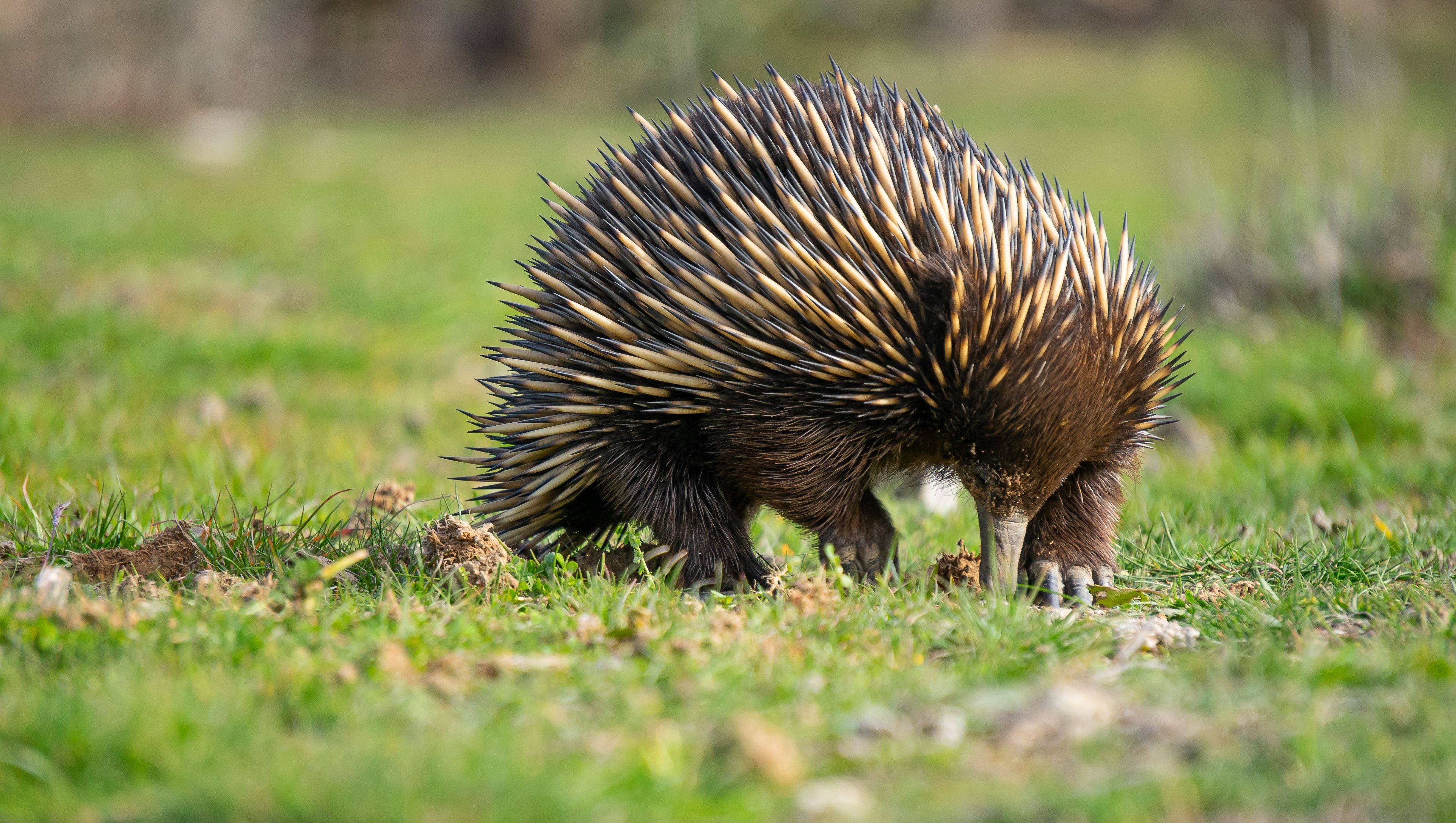
Echidna in the Bush. Photographer: Sara Carter. Source: Getty Images. Used under licence.

Activity 4 (Part one of two): Indigenous ways of noticing and caring
Focus: Understanding that careful noticing (looking, listening, smelling, feeling) guides respectful actions that keep Country healthy.
Possible overarching question: How do Aboriginal and Torres Strait Islander Peoples listen to, and notice Country, then decide what caring actions to take?
Step by step guide
Step 1: Connecting to students’ prior learning
Step 2: Mini lesson – “Did You Know?” slideshow on Indigenous noticing & caring
Step 3: Reflection and sharing
Required Resources
Teacher Support Material
Natural/Human T-chart from Activity 3
Mini lesson resource - “Did You Know?”
Local Aboriginal or Torres Strait Islander seasonal calendar
Step 1: Connecting to students’ prior learning
Gather students around the Natural | Human chart. Invite a student to choose a natural change and another to choose a human change. Ask:
“Which sense helped you notice this change first? (Eyes, ears, nose or touch?)”
Next pose the question to the class, “Which natural change needed most of your senses to notice?”. Take the time to come to a consensus (or close to) as a class.
End this part of the activity by stating to students:
“The more senses we switch on, the more changes we discover. Aboriginal and Torres Strait Islander Peoples have always used every sense to listen to Country. Let’s see how.”
Step 2: Mini lesson – “Did You Know?” resource on Indigenous noticing & caring
The following examples of Aboriginal and Torres Strait Islander Peoples noticing and caring for Country are included in the resource
Case Study | Community / Location |
|---|---|
When stringybark trees burst into white flowers and tiny bees buzz loudly, Yolngu People take just a little honey and close the hive, so the bees stay happy. | Yolngu People North east Arnhem Land, Northern Territory |
When hot winds blow and red and orange coastal flowers appear, Noongar People know mullet are gathering in big groups; they catch a few large fish and let the small ones swim on. | Noongar People South west Western Australia |
When bright yellow wattles pop open, Banbai Rangers light cool, gentle fires that help new plants grow and keep animals safe. | Banbai People Wattleridge IPA, New South Wales |
When stormy seas wash palm trees onto Masig’s beach, islanders collect the drift logs and make drums, canoes and homes instead of cutting live trees. | Masig (Yorke Island) Central Torres Strait |
When morning fog and floodwater fills the river, Kaurna People cut only the tall reeds for canoes and leave the short ones so ducks can hide their nests. | Kaurna People Adelaide Plains, South Australia |
When creeks run low and the bright summer stars sparkle, Djab Wurrung & Jardwadjali People take a few fat eels from stone traps, then open the walls so young fish and freshwater flow on. | Djab Wurrung & Jardwadjali Peoples Grampians, VIC |
Move through the resource with students, unpacking the senses used and caring actions showcased. Reinforce the pattern: “Notice first, then choose the action.”
If you display the AIATSIS Map of Indigenous Australia in the classroom, print each case study and pin it beside the corresponding Nation on the map. This helps students link each example to its geographic location.
Step 3: Reflection and sharing
Invite students to move into pairs around the room so they shift from the floor space. Ask them to think quietly about one “Did you know…?” example they found most interesting and why it stood out. After a short pause, partners share their ideas with each other, then a few pairs share back to the whole class.
To close the activity, let students know that several of the “Did you know…?” examples connected with seasonal calendars. Display your local Aboriginal or Torres Strait Islander seasonal calendar and point out the current season. Explain that in the next lesson students will look for real life signs that show which season they are in right now.
Related activities within this resources:
Activity 1: Reconnecting with prior learning - What is Country, and why do we care for it?
Students revisit the idea that Country is a living system, land, water, sky, plants, animals and stories, by rotating through discovery stations. They notice, name and feel each part of Country, laying the groundwork for viewing caring for Country as an ongoing, relational responsibility.
Activity 2: How does Country change?
Building on their sensory noticing from Activity 1, students learn to distinguish natural change (created by Country itself) from human change (caused by people). After revisiting the anchor chart and tuning their senses with The River, they explore changes in either the school grounds or on a short neighbourhood walk, then sort their findings into a simple two column chart.
Activity 3: Changes that hurt, help and heal Country
Using observations from the Spotlight Zones in Activity 2, students apply a caring lens (help and heal) to decide how each natural or human change affects Country. They sort, debate and brainstorm small actions to move hurting changes toward helping or healing.
Activity 4 (Part two of two): Noticing the current season
Students build on the slideshow from part one, by exploring a picture book about an Aboriginal seasonal calendar, comparing it with the four fixed Western seasons, then heading outside to spot real life indicators of their own local season. Teachers adapt the walk to the seasonal calendar for their region.
Activity 5: How can we care for our school or local community?
Students consolidate their learning about the unit, by designing and beginning a project or creative product that helps and/or heals Country. Choices include a hands-on caring for Country action project, a collaborative seasons storybook, a walking museum, or a senses soundscape including calls to action.
Visual Art Activity: Seasons of Country collage
Students revisit the parts of Country and seasonal cues they have been exploring. After a deep dive into three works from the 65,000 Years: A Short History of Australian Art exhibition, students observe, sketch, photograph or create rubbings of natural materials in the school environment and create a mixed media collage that shows the current Indigenous season of their school’s Country. The finished collages may form a long “Season Ribbon” display outside the art room to support the whole class Caring for Country projects in Activity 5.