Home/Curriculum resources/Caring for Country/Activity 1: Reconnecting with prior learning - What is Country, and why do we care for it?
Learning Areas:
Humanities and Social Sciences, Science, English, The Arts
Year levels:
Foundation, Level 1, Level 2
Activity 1: Reconnecting with prior learning - What is Country, and why do we care for it?
This activity is a part of the Caring for Country resource.
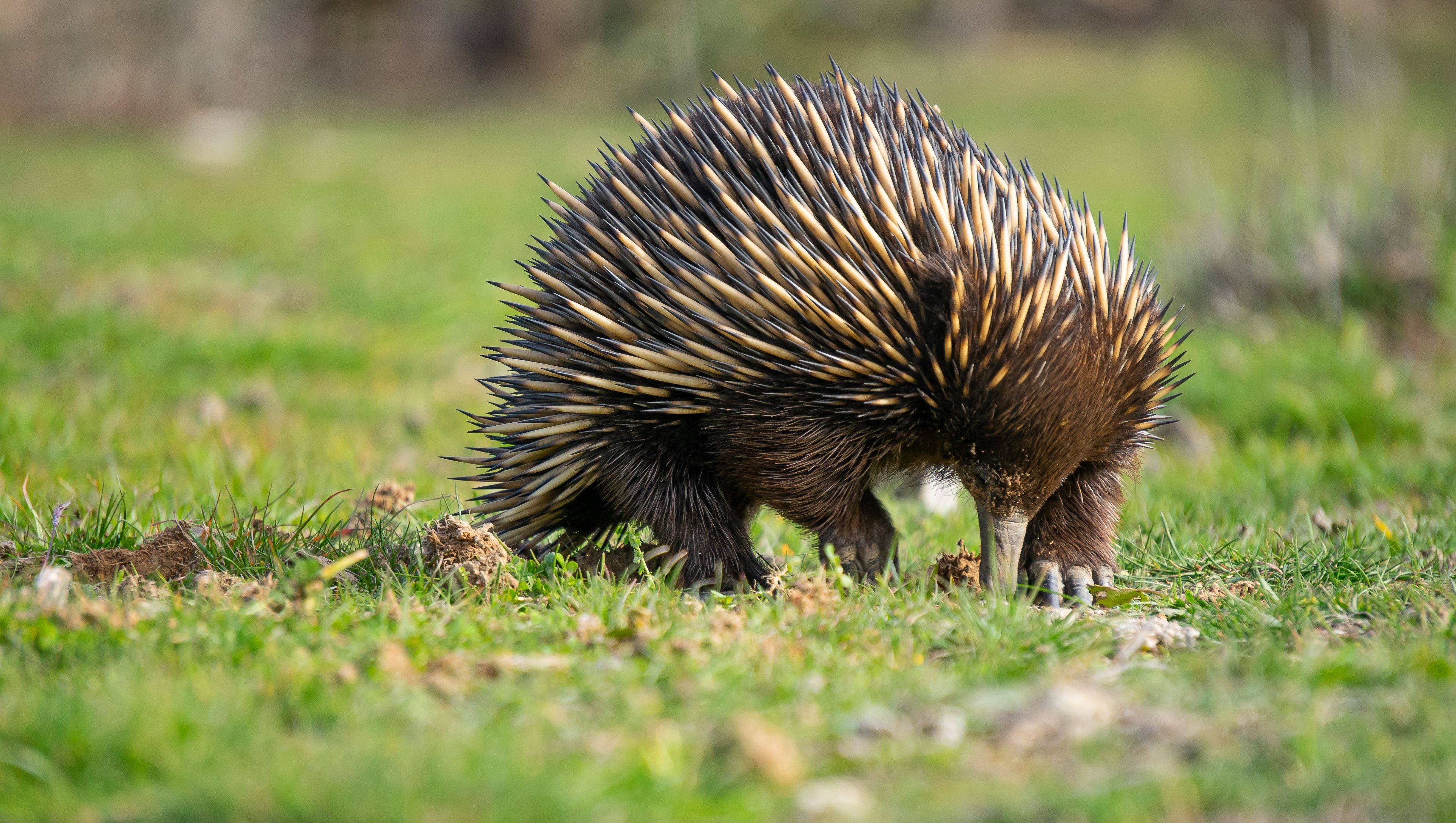
Echidna in the Bush. Photographer: Sara Carter. Source: Getty Images. Used under licence.

Activity 1: Reconnecting with prior learning - What is Country, and why do we care for it?
Focus: Building personal connections with the living environment around us.
Possible overarching question: What makes our Country feel alive, and why should we care for it?
Step by step guide
Step 1: Connecting to students’ prior learning
Step 2: Exploring through discovery stations
Step 3: Collating observations and creating an “Our Country is Alive” display
Step 4: Reflection and sharing
Required Resources
Teacher Support Material
Mat, piece of fabric or picnic rug
What is Country poster
Cloth bag with 5 - 6 local objects: smooth stone, creek pebble, eucalyptus leaf or gumnut, shell, feather, cotton ball “cloud”, etc. (prepare prior to activity)
Land, Water, Sky Country heading cards
Land, Water, Sky Country posters
Discovery station materials (prepare prior to activity, see Step 2 for details)
Noticing card templates
Mini Ngarrngga picture frames
Three case study pieces from the 65,000 Years A Short History of Australian Art Exhibition (including did you notice cards)
Sticky notes or speech bubbles
Step 1: Connecting to students’ prior learning
Gather students in a circle outdoors if possible. Spread the mat in the centre and explain that it represents Country. Undertake an Acknowledgement of Country and invite everyone to rest a hand on the mat and say, “Thank you, Country.”
To reconnect with last year’s learning, hold up the What is Country? poster used in Foundation. Tell students, “Some of you might remember this from last year. Let’s see what comes back to us.” Invite them to share what they see and think: a child might point out the rainbow or the emu, another the flowing water.
As they speak, weave in the language of Land Country, Water Country and Sky Country, encouraging them to locate each item within one of those parts. Remind students of one of the key takeaways from last year:
Country is everything working together: land, water, sky, plants, animals and people. It is all family.
Next, introduce the cloth mystery bag. Explain, “Country has sent us some treasures, like the ones in this picture. Let’s discover where each belongs.” Draw out the first object and pass it around the circle for slow, gentle touch, smell and close looking. Ask, “What do you notice?” Pause to let descriptive language emerge (rough, shiny, smells fresh, light as air). Then ask, “Where might this treasure belong, Land, Water or Sky Country? Why?” Encourage students to justify their response. Accept layered answers, for example, a feather travels through Sky, then rests on Land. Place the object on the corresponding heading card and repeat with the remaining treasures until the bag is empty.
To close, stand back and appreciate the growing collection with the class. Prompt them to reflect:
Do we have something from each part of Country?
Which treasure seems to connect two places at once?
Emphasise that these objects, like the images on the poster, are all related, they are all family.
Finally, signal the next stage of learning: “Now that we’ve greeted Country, remembered our learning from Foundation, and explored its treasures, we’ll move around the room to meet even more of Country’s family and think about ways to care for them.”
Step 2: Exploring through discovery stations
Discovery stations overview:
Land Country: trays of soil/sand/rocks, leaf litter, magnify glasses, texture-rubbing cards photos of landscapes, soundscapes of landscapes
Water Country: shells/pebbles, creek and other waterbodies photos, droppers & water beads, running water or ocean soundscape
Sky Country: cloud photos, star wheel, torch “sun,” rain/thunder soundscape
Living Things: toy insects and animals, pressed leaves/flowers, plants, bird call soundscape
Stories of Country: picture books focusing on aspects of Country some suggestions
Eight text series from Ros Moriarty and illustrations by Balarinji title include: Ten scared Fish, Bush Tracks, Kangaroo Hop, Splosh for the Billabong, The Rainbow, Who saw Turtle?, Summer Rain, and What’s that there?
Backyard Beasties by Helen Milroy
Rain on the Rock by Jodie Toering and Valerie Brumby
Djinang Bonar – Seeing Seasons by Ebony Froome
Nature all around by Kimberly Engwicht
Look and See: Meet your favourite Australian animals by Shane Morgan
Shapes of Australia by Bronwyn Bancroft
Where is Galah? By Sally Morgan
Art depictions of Country: Use the three case study pieces from the 65,000 Years A Short History of Australian Art Exhibition. Provide tiny cardboard frames so students can slide this over the artwork and talk about the parts of Country it shows.
Ngangkari Ngura (Healing Country): Can you notice the different paths and shapes?
Limmen Bight River – My Mother Country: Can you find examples of Land, Water and Sky Country? Can you spot the eagle and snake?
Quarta-Tooma (Ormiston Gorge): Can you find examples of Land, Water and Sky Country?
Begin by explaining that the class will now travel, in small groups, to six Discovery Stations positioned around the room. Each station invites children to explore Land Country, Water Country, Sky Country, Living Things, or Stories of Country with their eyes, ears and hands.
Explain that they will record aspects of Country that are alive on a Noticing Card. Demonstrate how to use a Noticing Card: draw a quick picture or symbol, add describing words or a sentence, circle Land, Water, or Sky Country. Emphasise that one card will be completed at each station, six in total.
Before sending groups off, model the sort of slow, respectful observing you expect hold a shell to your ear and listen, feel the ridges of a bark sample, or pause quietly to hear the bird call audio.
Step 3: Creating the “Our Country Is Alive” class display
Invite students to gather as a whole class and lay out the three large heading cards, Land Country, Water Country and Sky Country, beneath the What is Country? poster.
Invite each group, in turn, to place their Noticing Cards under the heading they think fits best, narrating their reasoning aloud: “We put the frog under Water because it lives in the creek, but it can also hop on Land.” When cards prompt debate, allow the children to negotiate a solution, reinforcing the idea that Country’s parts are interwoven rather than separate.
Once every card has found a home, tape a sheet of butcher’s paper to the wall and transfer the sorted cards, grouping them as they appeared on the floor.
Step 4: Reflection and sharing
Hand out sticky notes or speech bubbles and guide the class to finish the sentence “We can care for Country by …” A child might write “planting seeds,” another “picking up plastic,” a third draw hearts around a tree. Title the anchor chart “Our Country is alive”.
Related activities within this resources:
Activity 2: How does Country change?
Building on their sensory noticing from Activity 1, students learn to distinguish natural change (created by Country itself) from human change (caused by people). After revisiting the anchor chart and tuning their senses with The River, they explore changes in either the school grounds or on a short neighbourhood walk, then sort their findings into a simple two column chart.
Activity 3: Changes that hurt, help and heal Country
Using observations from the Spotlight Zones in Activity 2, students apply a caring lens (help and heal) to decide how each natural or human change affects Country. They sort, debate and brainstorm small actions to move hurting changes toward helping or healing.
Activity 4 (Part one of two): Indigenous ways of noticing and caring
Students discover how Aboriginal and Torres Strait Islander Peoples use their senses to notice changes in Country and then act to care for it. They view a short “Did You Know?” resource, discuss which senses are at work, and finish with a quick reflection that links these examples to the local seasonal calendar, setting up part two of the activity.
Activity 4 (Part two of two): Noticing the current season
Students build on the slideshow from part one, by exploring a picture book about an Aboriginal seasonal calendar, comparing it with the four fixed Western seasons, then heading outside to spot real life indicators of their own local season. Teachers adapt the walk to the seasonal calendar for their region.
Activity 5: How can we care for our school or local community?
Students consolidate their learning about the unit, by designing and beginning a project or creative product that helps and/or heals Country. Choices include a hands-on caring for Country action project, a collaborative seasons storybook, a walking museum, or a senses soundscape including calls to action.
Visual Art Activity: Seasons of Country collage
Students revisit the parts of Country and seasonal cues they have been exploring. After a deep dive into three works from the 65,000 Years: A Short History of Australian Art exhibition, students observe, sketch, photograph or create rubbings of natural materials in the school environment and create a mixed media collage that shows the current Indigenous season of their school’s Country. The finished collages may form a long “Season Ribbon” display outside the art room to support the whole class Caring for Country projects in Activity 5.