Home/Curriculum resources/Caring for Country/Activity 2: How does Country change?
Learning Areas:
Humanities and Social Sciences, Science, English, The Arts
Year levels:
Foundation, Level 1, Level 2
Activity 2: How does Country change?
This activity is a part of the Caring for Country resource.
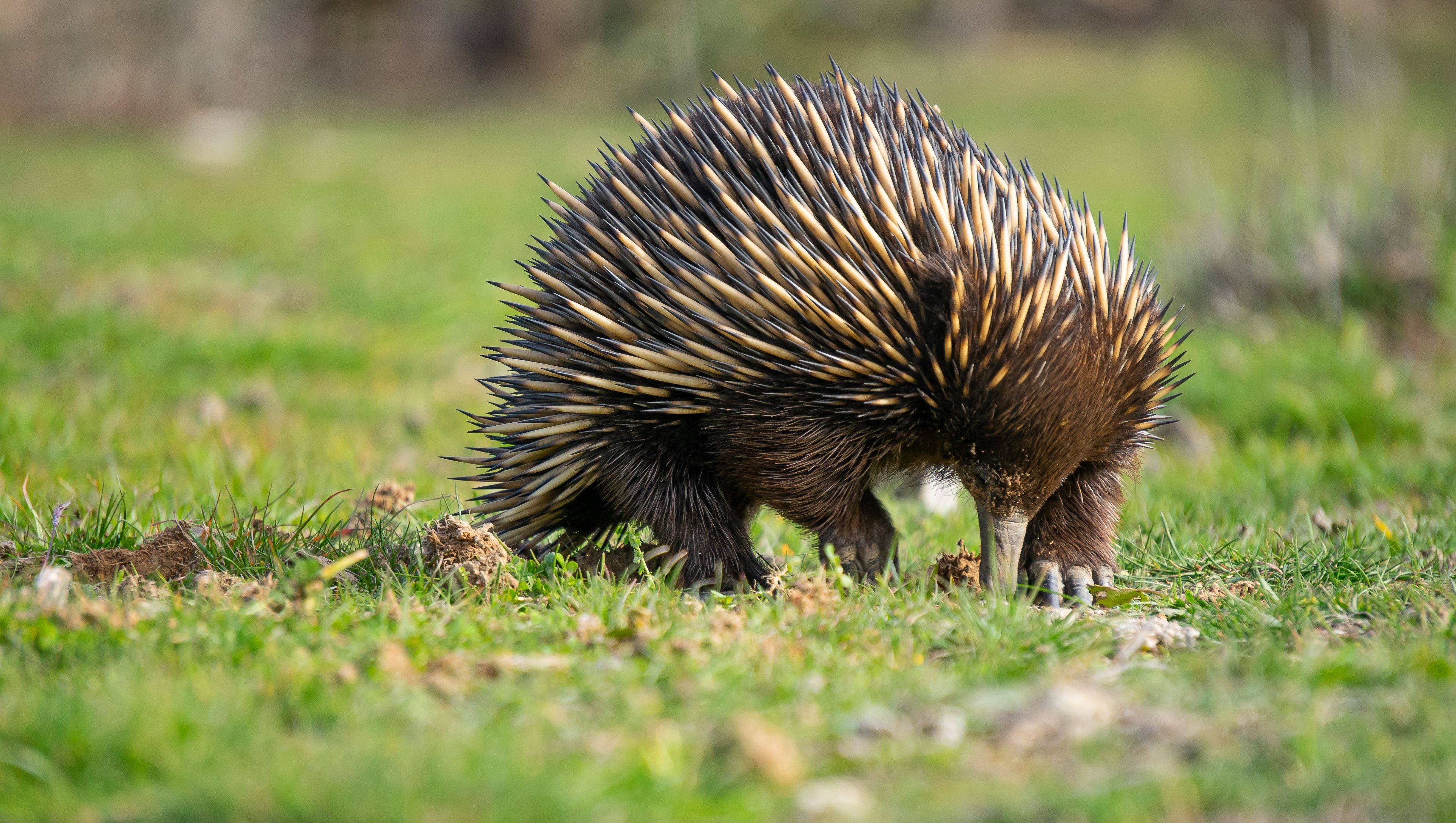
Echidna in the Bush. Photographer: Sara Carter. Source: Getty Images. Used under licence.

Activity 2: How does Country change?
Focus: Using our senses to identify natural and human changes in the local environment.
Possible overarching question: Which changes around us happen by themselves and which do people make?
Step by step guide
Step 1: Connecting to students’ prior learning
Step 2: Shared reading and discussion
Step 3: Setting the scene for Spotlight Zones
Step 4: Spotlight Zones – exploring local environments
Step 5: Reflection and sharing
Required Resources
Teacher Support Material
“Our Country Is Alive” anchor chart and Noticing Cards from Activity 1
What is Country poster
Mini Lesson Resource - Senses
The River by Sally Morgan; illustrated by Johnny Warrkatja Malibirr
Photos of environmental changes (natural and human caused) in familiar spots (school grounds/local community)
Spotlight Zone materials: Magnify glasses, clipboards, pencils, paper for sketches, and devices for photos and voice recordings.
Step 1: Connecting to students’ prior learning
Invite the class to gather around last lesson’s anchor chart. Invite a few students to point out a favourite card. Move the conversation on to any of the examples that may have caused debate or that sat across more than one component of Country.
Let students know that we are going to learn more about Country today, by using our senses to notice changes in Country.
Step 2: Shared reading and discussion
Begin by introducing Marlu who is here to help us with identifying our senses. You may get students standing for this, to break up the floor time. Use the Mini Lesson Senses Resource to support this step.
Let students know that as Marlu mentioned we will now be reading The River by Sally Morgan; illustrated by Johnny Warrkatja Malibirr. In this story the main character uses their senses to learn about life of the river. As you read the text, pause at different pages to ask students what sense the character is using and what did they discover.
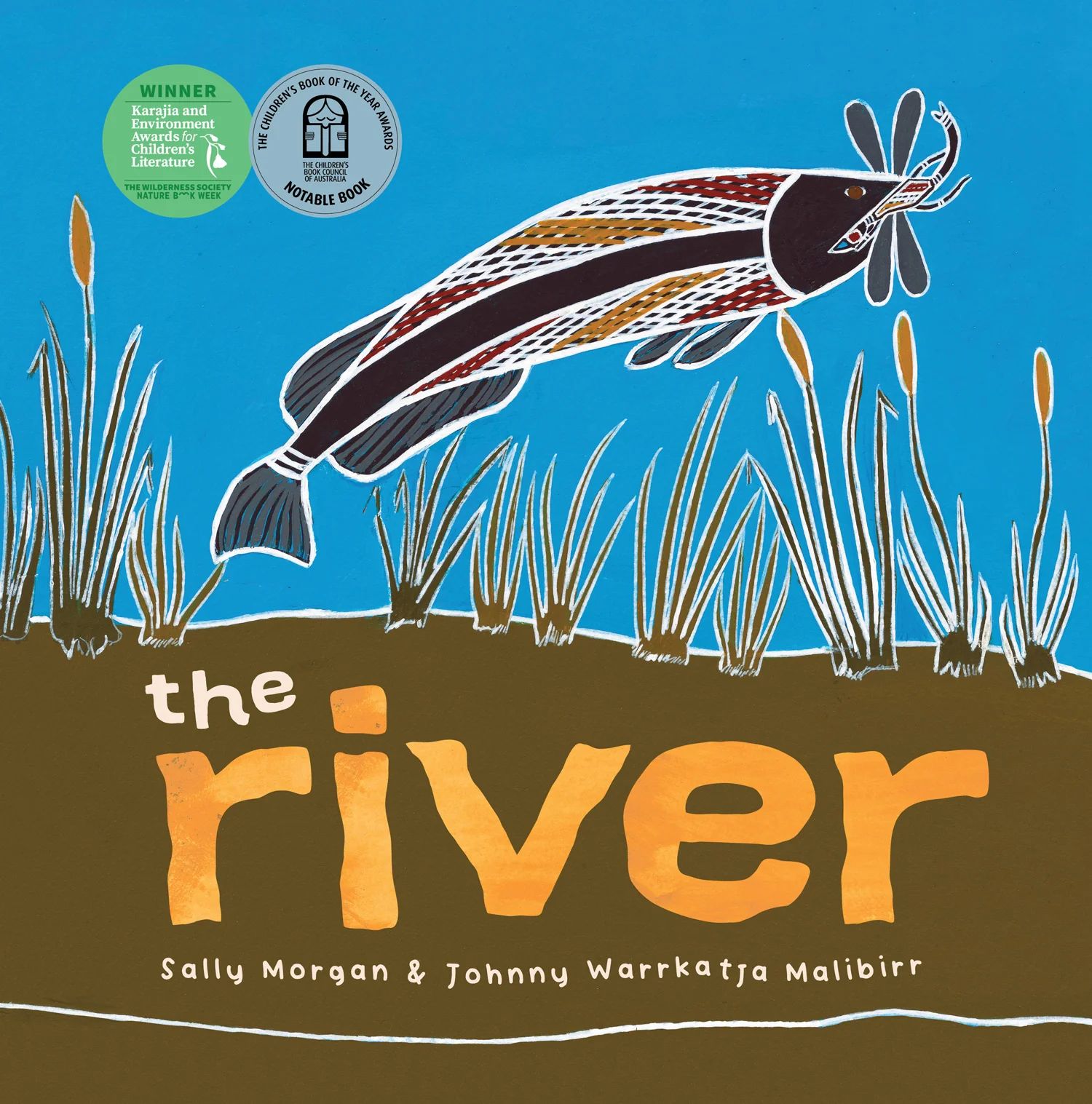
The River. Sally Morgan; Illustrator Johnny Warrkatja Malibirr. Magabala Books. © Sally Morgan and Johnny Warrkatja Malibirr. Used with permission.
At the end reiterate how the main character mentions that they love learning about the river close to their home and that this is what they are going to do today, learn more about the environment close to where they learn and play.
Step 3: Setting the scene for Spotlight Zones
With the story still fresh in their minds, state to students like the river in the book, their school and local environments are always changing. Using everyday language, introduce “Natural change as a change that happens on its own” and “Human change as a change people cause”. Show images of familiar spots in your school grounds or local community and work with students to identify natural and human changes. The teacher support material provides examples.
Let students know that they are going to visit “Spotlight Zones” around their school yard or local neighbourhood. Remind them they will need to use all their senses (except taste) to notice and find these changes - just like explorers.
Have students form groups of three and give each a role:
Spotter – using a magnify glass to notice details about changes
Note-taker – recording observations of change on paper
Photographer – using a digital device to capture evidence of changes
Emphasise that at every zone they must collect at least one natural change and one human change, recording a quick sketch/notes and photo.
Step 4: Spotlight Zones – exploring local environments
Lead your class to the first location and have everyone pause. Invite students to close their eyes for thirty silent seconds, noticing one sound, smell or feeling Country is sharing. When eyes open, remind them to keep that quiet listening turned on. Signal groups to move to their first zone. As groups spread out, float between them, asking, “Is that change natural or human? How do you know?” Work your way through the different zones.
Neighbourhood alternative: If your class is walking to a nearby park, creek or other local environment, pause for the same grounding moment at the location, then follow the same routine at teacher selected stop points.
Step 5: Reflection and sharing
Back indoors, have each group verbally share one example of change that they observed and if it is human or natural.
Related activities within this resources:
Activity 1: Reconnecting with prior learning - What is Country, and why do we care for it?
Students revisit the idea that Country is a living system, land, water, sky, plants, animals and stories, by rotating through discovery stations. They notice, name and feel each part of Country, laying the groundwork for viewing caring for Country as an ongoing, relational responsibility.
Activity 3: Changes that hurt, help and heal Country
Using observations from the Spotlight Zones in Activity 2, students apply a caring lens (help and heal) to decide how each natural or human change affects Country. They sort, debate and brainstorm small actions to move hurting changes toward helping or healing.
Activity 4 (Part one of two): Indigenous ways of noticing and caring
Students discover how Aboriginal and Torres Strait Islander Peoples use their senses to notice changes in Country and then act to care for it. They view a short “Did You Know?” resource, discuss which senses are at work, and finish with a quick reflection that links these examples to the local seasonal calendar, setting up part two of the activity.
Activity 4 (Part two of two): Noticing the current season
Students build on the slideshow from part one, by exploring a picture book about an Aboriginal seasonal calendar, comparing it with the four fixed Western seasons, then heading outside to spot real life indicators of their own local season. Teachers adapt the walk to the seasonal calendar for their region.
Activity 5: How can we care for our school or local community?
Students consolidate their learning about the unit, by designing and beginning a project or creative product that helps and/or heals Country. Choices include a hands-on caring for Country action project, a collaborative seasons storybook, a walking museum, or a senses soundscape including calls to action.
Visual Art Activity: Seasons of Country collage
Students revisit the parts of Country and seasonal cues they have been exploring. After a deep dive into three works from the 65,000 Years: A Short History of Australian Art exhibition, students observe, sketch, photograph or create rubbings of natural materials in the school environment and create a mixed media collage that shows the current Indigenous season of their school’s Country. The finished collages may form a long “Season Ribbon” display outside the art room to support the whole class Caring for Country projects in Activity 5.