Home/Curriculum resources/Indigenous Ecological Knowledge and celestial objects/Case Study 5: Yolngu / North-East Arnhem Land Star Knowledge
Learning Areas:
Science, English, Mathematics
Year levels:
Level 5, Level 6
Case Study 5: Yolngu / North-East Arnhem Land Star Knowledge
This case study is a part of the Indigenous Ecological Knowledge and celestial objects resource.
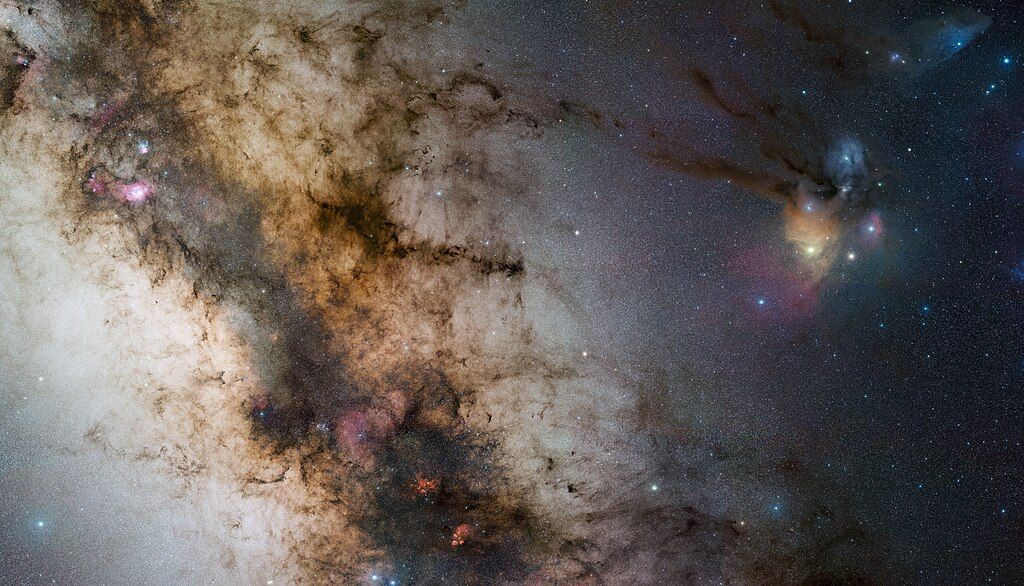
Guisard - Milky Way showing the region spanning the sky from the constellation of Sagittarius (the Archer) to Scorpius (the Scorpion). Photographer: Stéphane Guisard. Source: Wikimedia Commons. Used under licence: CC BY 4.0

Case Study 5: Yolngu / North-East Arnhem Land Star Knowledge (gathering räkay lotus lily nuts and sea cucumber)
Yirrkala people of East Arnhem Land in the Northern Territory share a complex foreknowledge of environmental changes, they note the correlation between the rising and setting of stars at dusk and dawn and how it relates to the seasonal supply of food.
Djurrpun
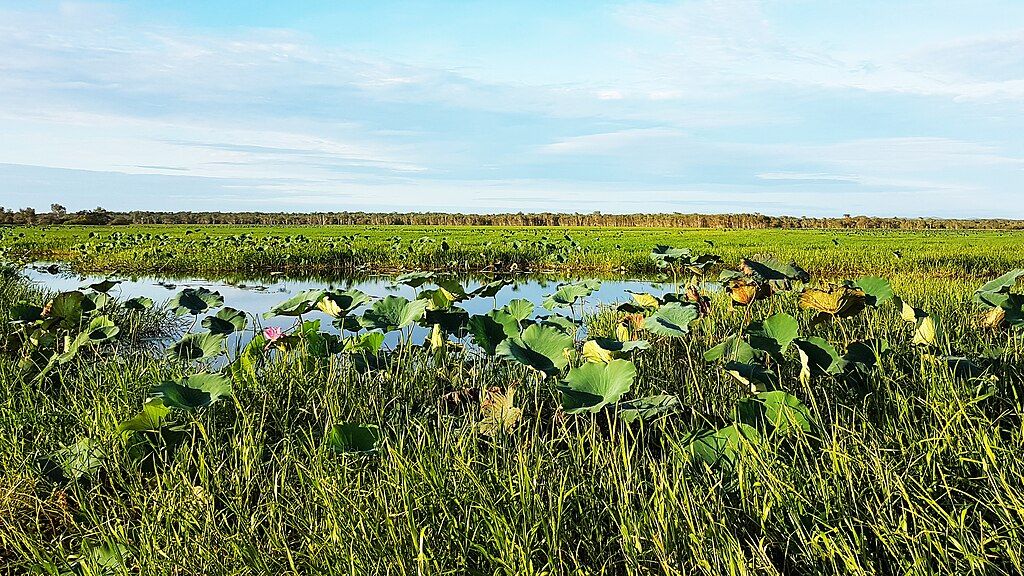
Figure 1: Lotus lilies at Yellow Water (Kakadu) Billabong. Photographer: Darren Clayton. Source: Wikimedia Commons. Used under licence: CC BY-SA 4.0.
The appearance of Djurrpun (Arcturus), shortly before sunrise in late November, tells the Yolngu people that it is time to start gathering räkay, which are the nuts of the lotus lily (Eleocharis dulcis). Räkay is full of carbohydrates which help produce energy and are part of a healthy diet. The root of the räkay can be eaten raw or roasted. It’s also a favourite food for the magpie goose. This plant’s grass-like sedge can be used to make baskets and fish traps.
Scorpius
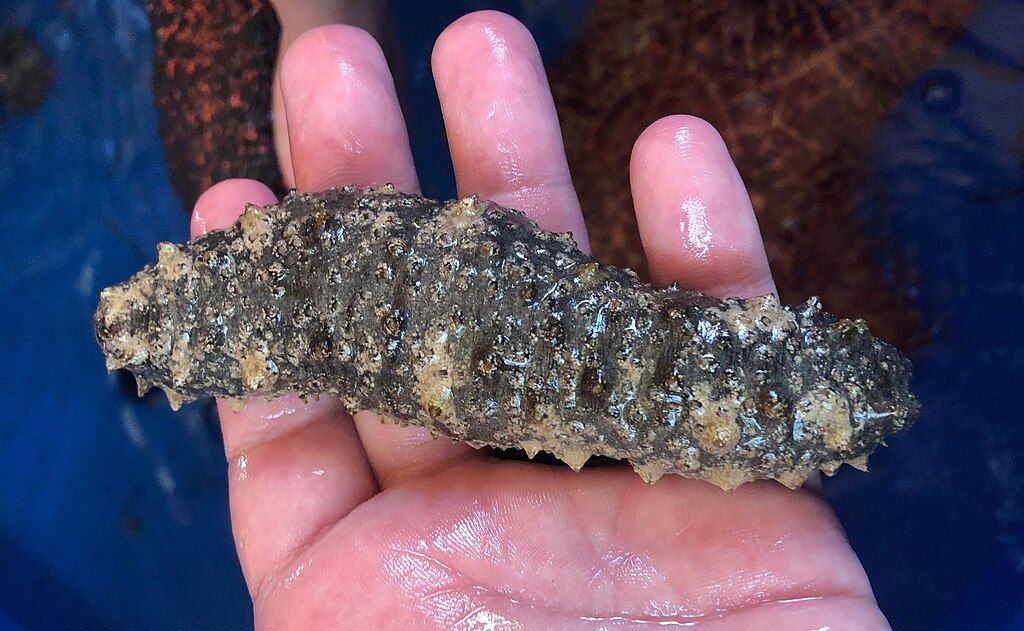
Figure 2: Florida Sea Cucumber Holothuria floridana crop rotate. Photographer: Sean P. Myers. Source: Wikimedia Commons. Used under licence: CC0.
For the Yirrkala people, the rising of Scorpius in the morning sky in mid-December indicates the beginning of the Bêche-de-mer (Trepang / sea cucumber) trading season. The people prepare them for the coming Malay and Makassan traders, who once came in canoes from Indonesia to collect Bêche -de-mer.
On nearby Groote Eylandt, the rising of Scorpius in the evening sky in late-April indicates the wet season is ending and that the dry southeasterly winds (marimariga) will begin to blow.
Yirrkala people of East Arnhem Land in the Northern Territory, noted in particular, the correlation between the movements and patterns of stars and changes in the weather or other events related to the seasonal supply of food.
Related case studies within this resources:

Case Study 1: The Celestial Emu
This case study on the Celestial Emu, drawn primarily from the Kamilaroi, Euahlayi, and Wiradjuri Peoples of NSW, highlights its role as a shared story with regional variations. The seasonal calendar reflects the changing orientation of the Celestial Emu throughout the year and its connection to the breeding cycle of the terrestrial emu.
Case Study 2: The Seven Sisters (The Pleiades)
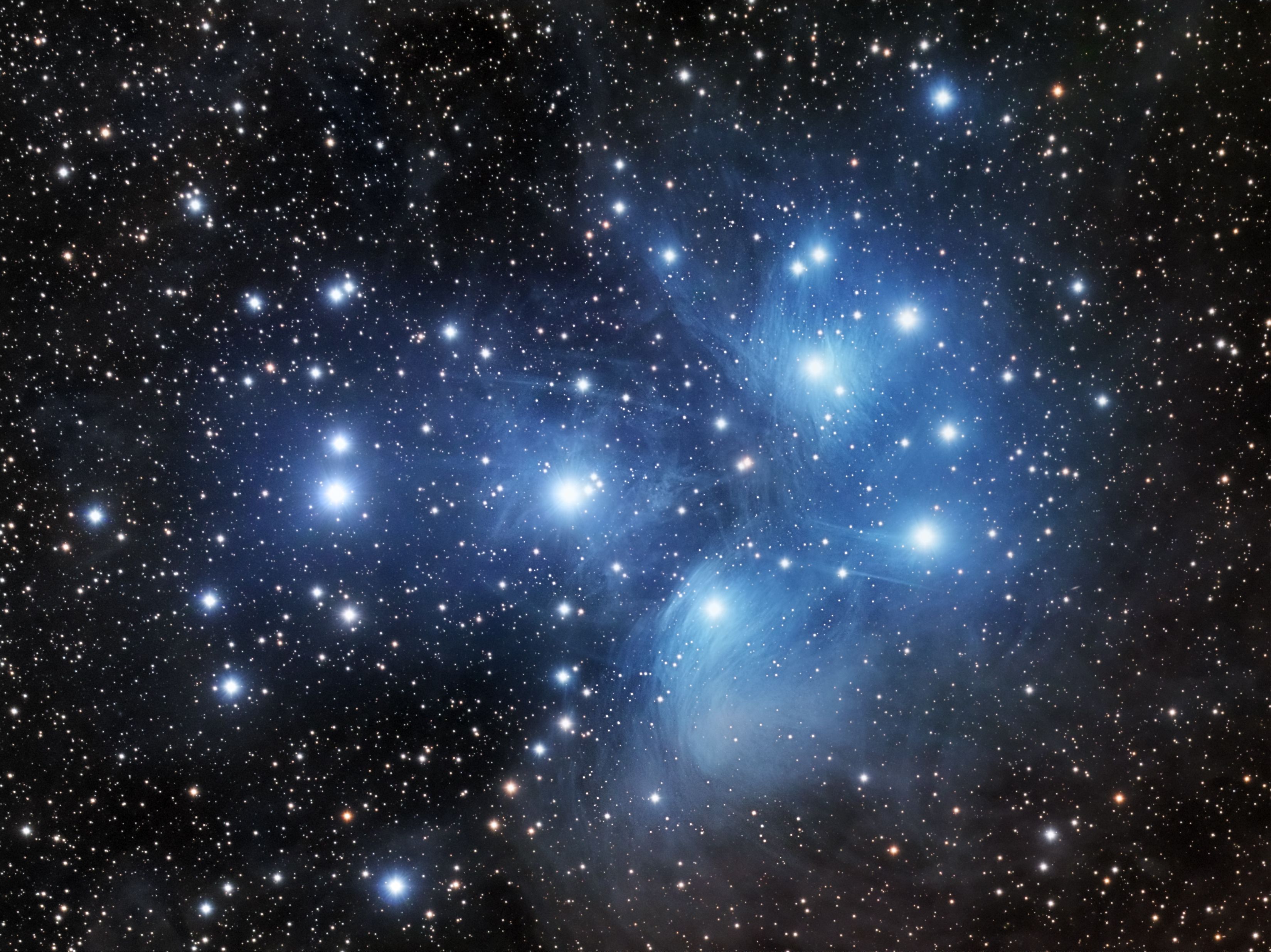
The Seven Sisters (Pleiades) star cluster is used by different Aboriginal groups across Australia to track seasonal changes, including whale migration along the East Coast, the dingo breeding cycle in the Central Desert, the onset of winter frosts in Pitjantjatjara Country, and the best time to find emu eggs among the Yamaji people.
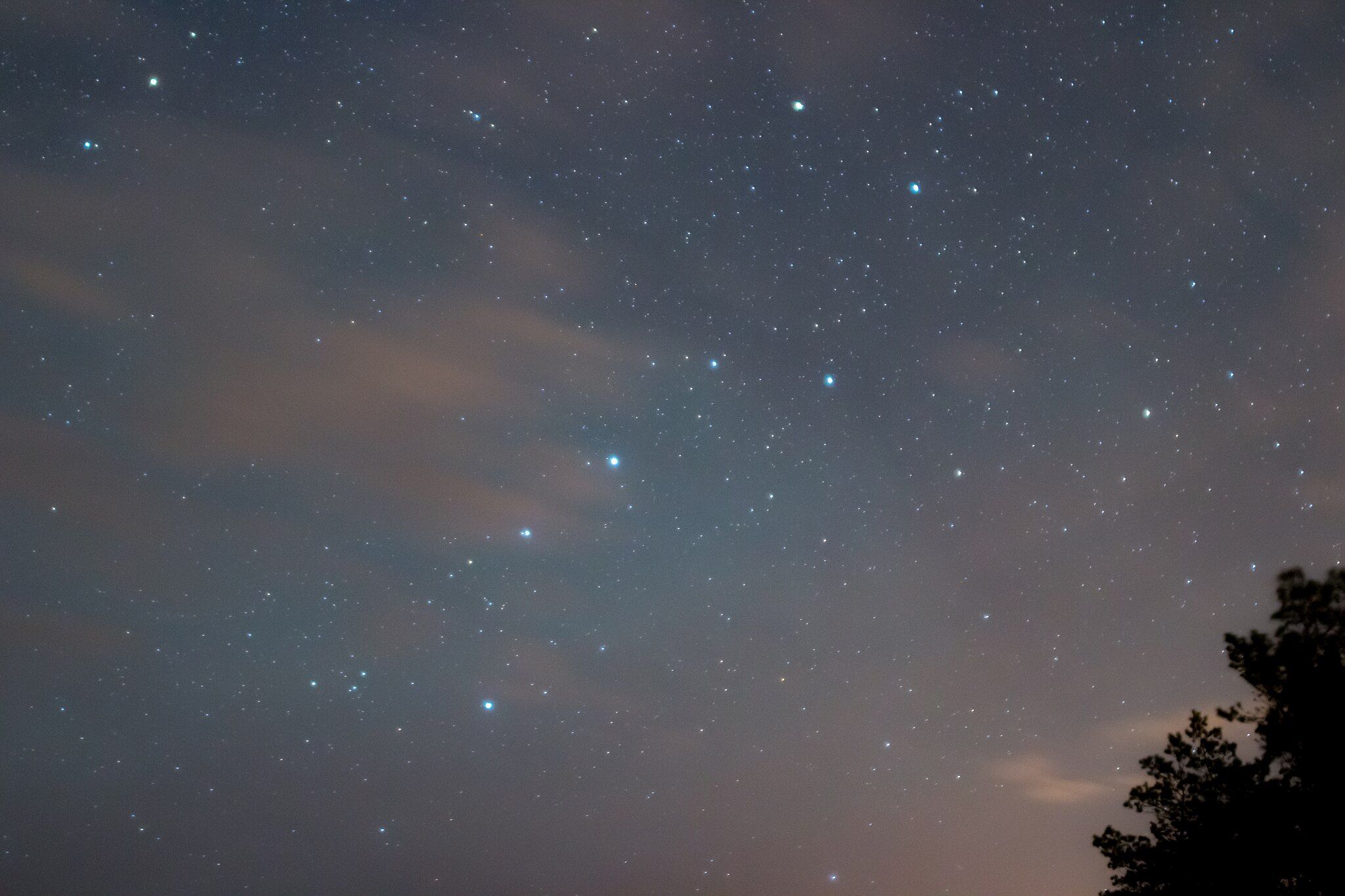
Case Study 3: Torres Strait Islander Star Knowledge: Baidam the Shark
Torres Strait Islander star knowledge, such as Baidam the Shark, demonstrates how Torres Strait Islander Peoples observe celestial objects to interpret seasonal changes, weather patterns, and the behaviours of living things, guiding practices like harvesting, planting, and animal breeding.
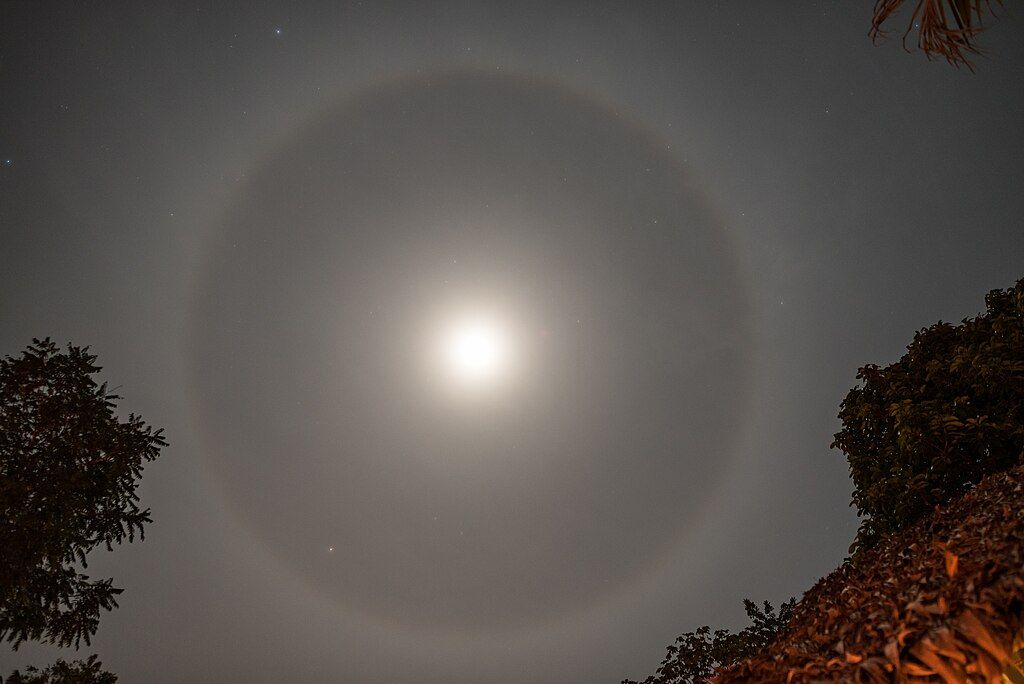
Case Study 4: Kulama Festival, Tiwi Island
The Kulama Festival is a three-day coming-of-age ceremony on the Tiwi Islands, signalled by halos around the Moon, which mark the end of the monsoon season and the start of yam harvesting.

Case Study 6: The Boorong People
The Boorong tribe was a part of the Wergaia speakers of northwest Victoria alongside the Wotjobaluk, and Dja Dja Wurrung peoples within the Kulin Nation who share this language.