Home/Curriculum resources/Indigenous Ecological Knowledge and celestial objects/Case Study 4: Kulama Festival, Tiwi Island
Learning Areas:
Science, English, Mathematics
Year levels:
Level 5, Level 6
Case Study 4: Kulama Festival, Tiwi Island
This case study is a part of the Indigenous Ecological Knowledge and celestial objects resource.
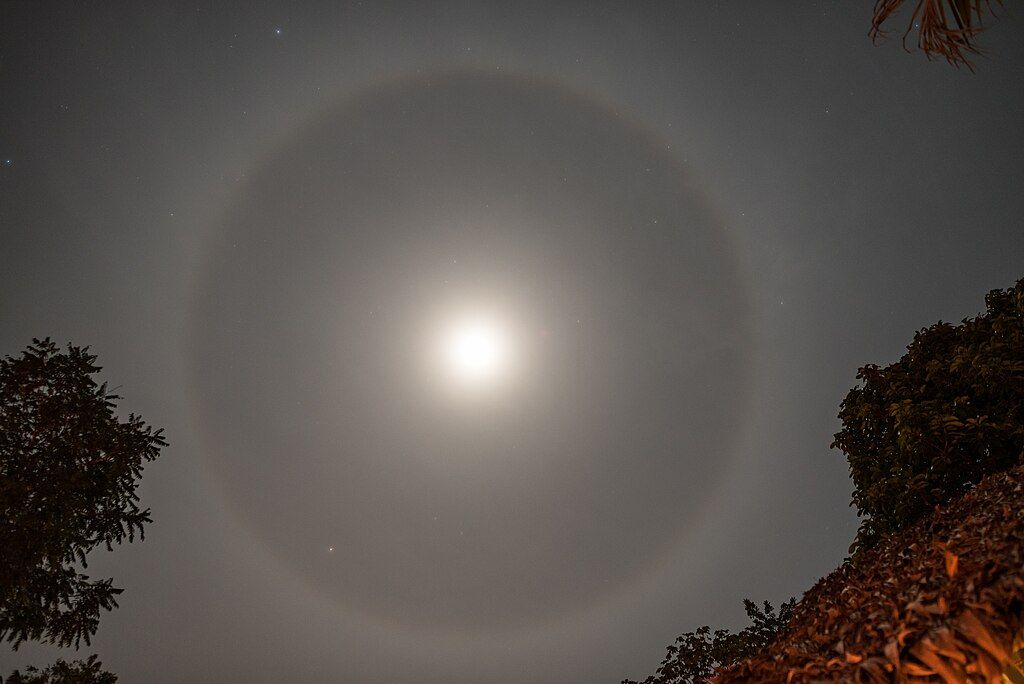
22° Moon Halo. Photographer: Juris Seņņikovs. Source: Wikimedia Commons. Used under licence: CC BY-SA 4.0.

Case Study 4: Kulama Festival, Tiwi Island (Harvesting yams)
The Tiwi Island
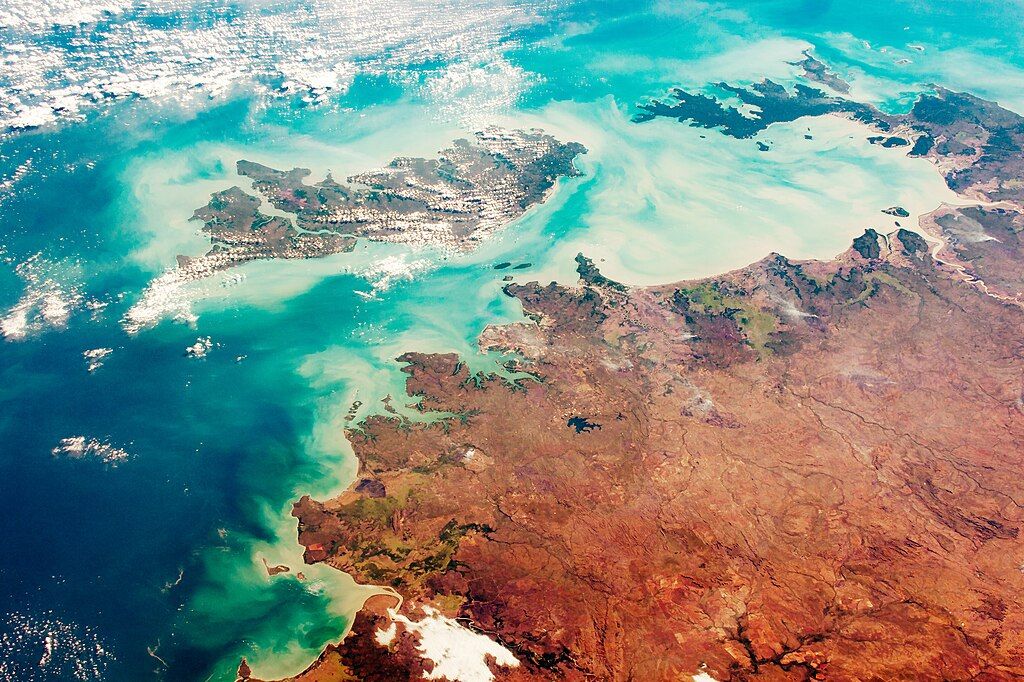
Figure 1: The Tiwi Islands north of Darwin (Northern Territory). Photographer: ISS Crew Earth Observations Facility. Source: Wikimedia Commons. Used under licence: Public Domain.
The Tiwi Islands are two islands north of Darwin above the Northern Territory, in Tiwi language: Ratuati Irara meaning "two islands”. The two islands are: Melville Island, and Bathurst Island as well as nine other islands which are uninhabited. The Tiwi Islands were created as the seas rose at the end of the last ice age, about 11,700 years ago.
Kulama (or Kurlama)
Figure 2: The Moon and Seasonal Changes (Kulama Festival)
Kulama is a coming-of-age ceremony celebrated in the Tiwi Islands. It occurs over three days and nights. Its beginning is signalled by the frequent appearance of halos around the Moon, which appear in April towards the end of the monsoon season. This celestial event also signals the beginning of the harvesting of yams. Circular ceremonial grounds, or milimika as it is known in Tiwi, represent the Moon, becoming a central element for dances, knowledge transmission, memory, and culture. The milimika mimics the shape of the halo in the sky and welcomes participation of the Moon-man. Notably, this yam is poisonous when dug from the ground, but through a complex detoxification process can be made edible across a lengthy three-day process.
Related case studies within this resources:
Case Study 1: The Celestial Emu
This case study on the Celestial Emu, drawn primarily from the Kamilaroi, Euahlayi, and Wiradjuri Peoples of NSW, highlights its role as a shared story with regional variations. The seasonal calendar reflects the changing orientation of the Celestial Emu throughout the year and its connection to the breeding cycle of the terrestrial emu.
Case Study 2: The Seven Sisters (The Pleiades)
The Seven Sisters (Pleiades) star cluster is used by different Aboriginal groups across Australia to track seasonal changes, including whale migration along the East Coast, the dingo breeding cycle in the Central Desert, the onset of winter frosts in Pitjantjatjara Country, and the best time to find emu eggs among the Yamaji people.
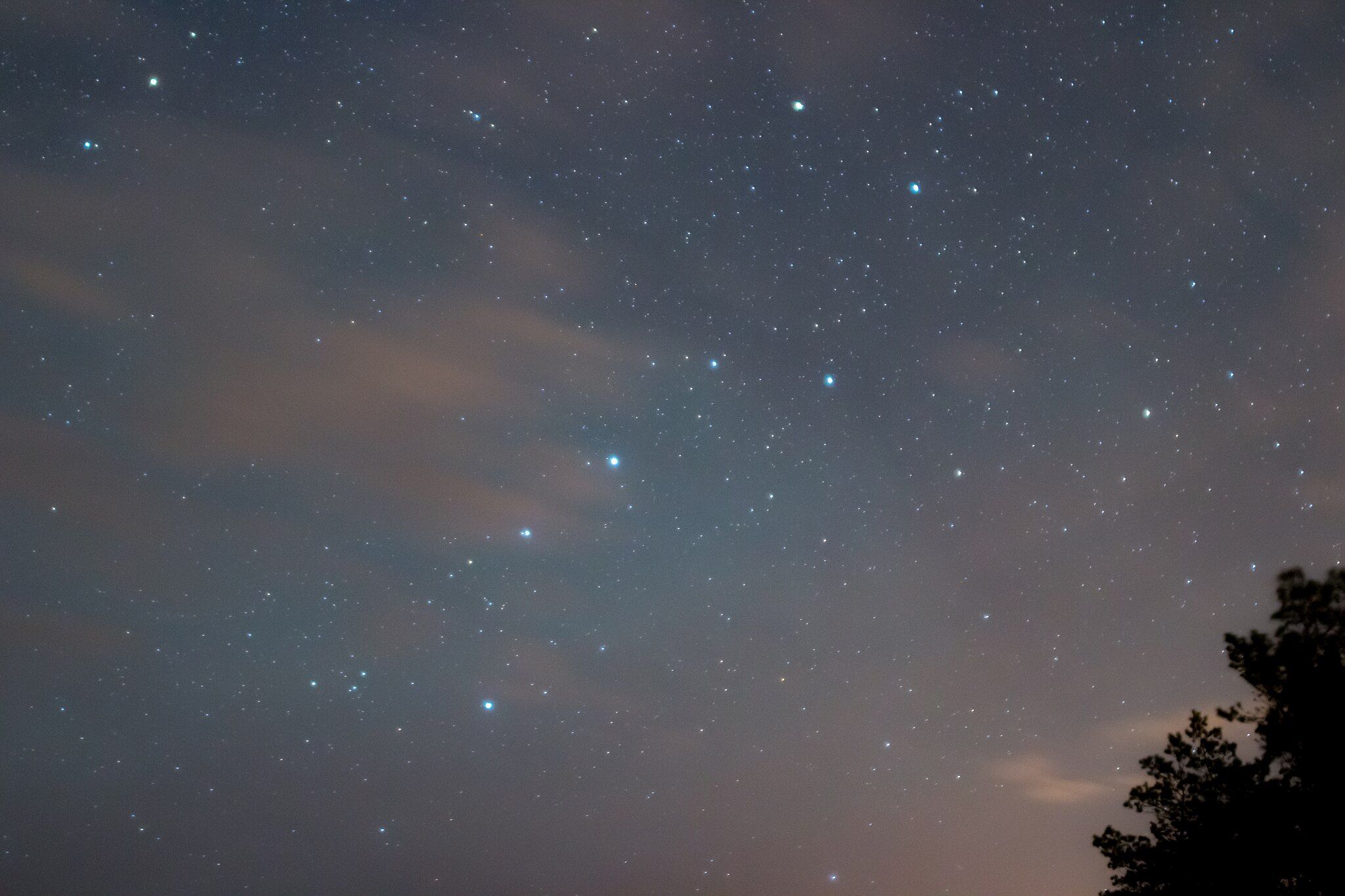
Case Study 3: Torres Strait Islander Star Knowledge: Baidam the Shark
Torres Strait Islander star knowledge, such as Baidam the Shark, demonstrates how Torres Strait Islander Peoples observe celestial objects to interpret seasonal changes, weather patterns, and the behaviours of living things, guiding practices like harvesting, planting, and animal breeding.
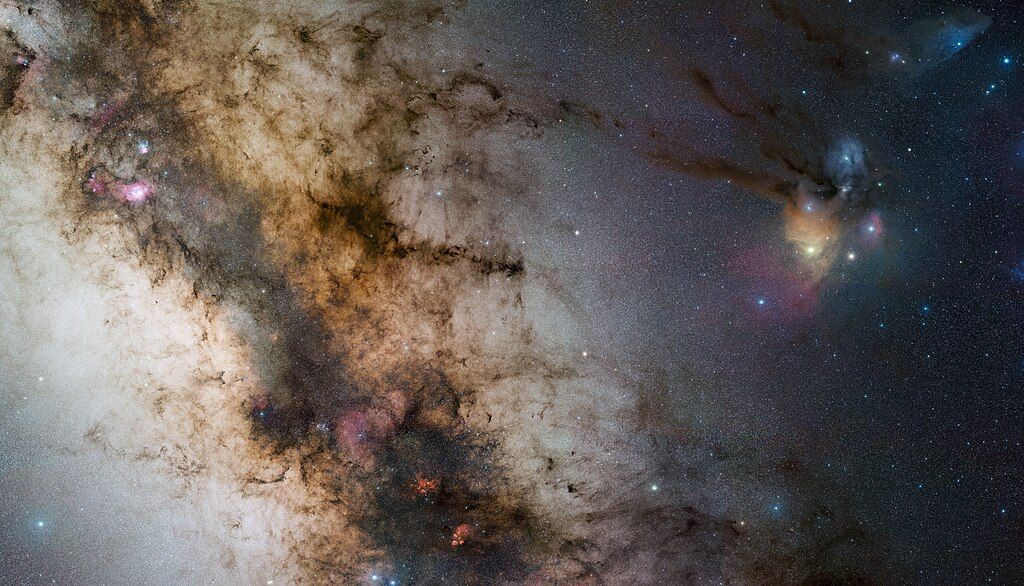
Case Study 5: Yolngu / North-East Arnhem Land Star Knowledge
Yirrkala people of East Arnhem Land in the Northern Territory share a complex foreknowledge of environmental changes, they note the correlation between the rising and setting of stars at dusk and dawn and how it relates to the seasonal supply of food.
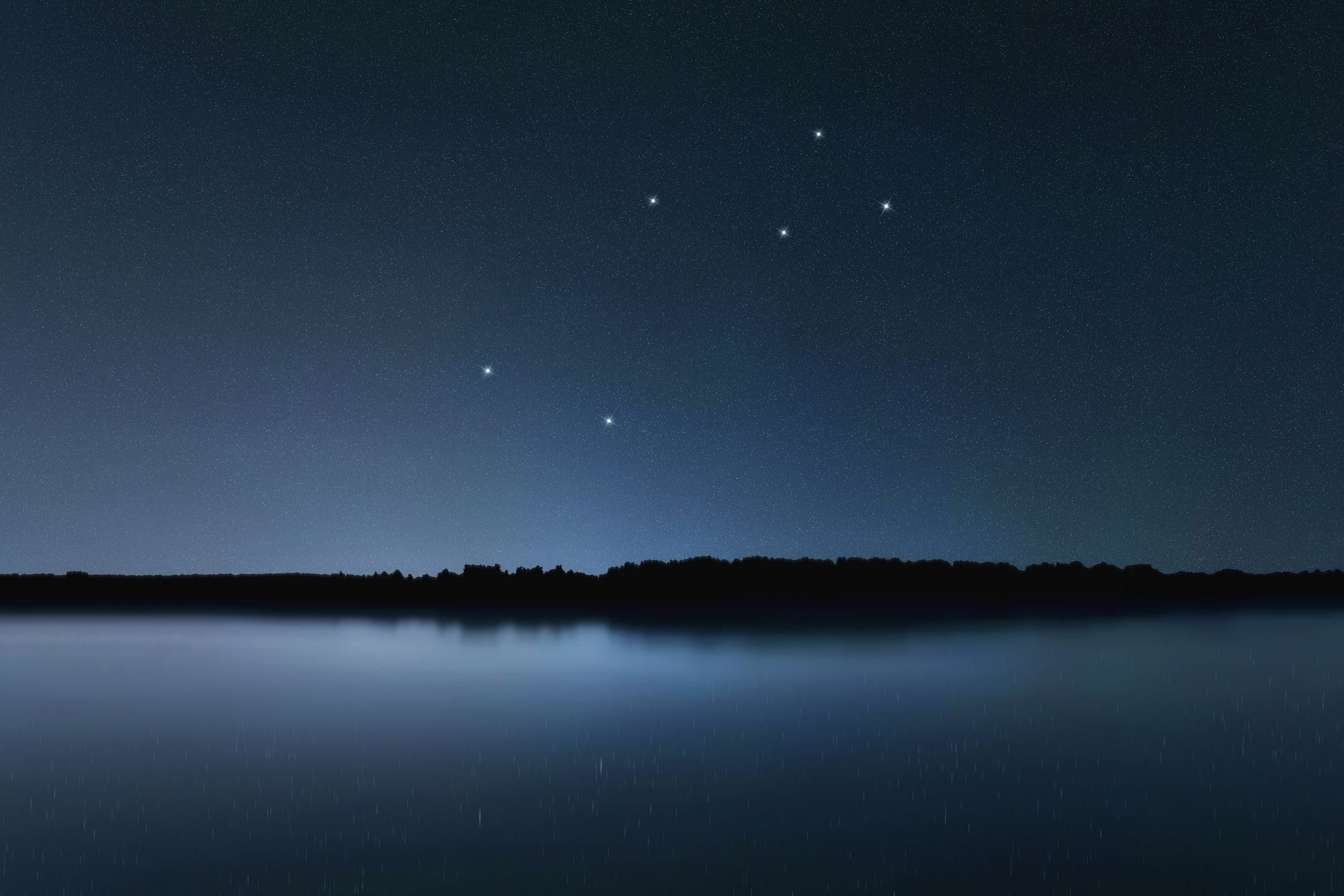
Case Study 6: The Boorong People
The Boorong tribe was a part of the Wergaia speakers of northwest Victoria alongside the Wotjobaluk, and Dja Dja Wurrung peoples within the Kulin Nation who share this language.