Home/Curriculum resources/Indigenous Ecological Knowledge and celestial objects/Case Study 2: The Seven Sisters (The Pleiades)
Learning Areas:
Science, English, Mathematics
Year levels:
Level 5, Level 6
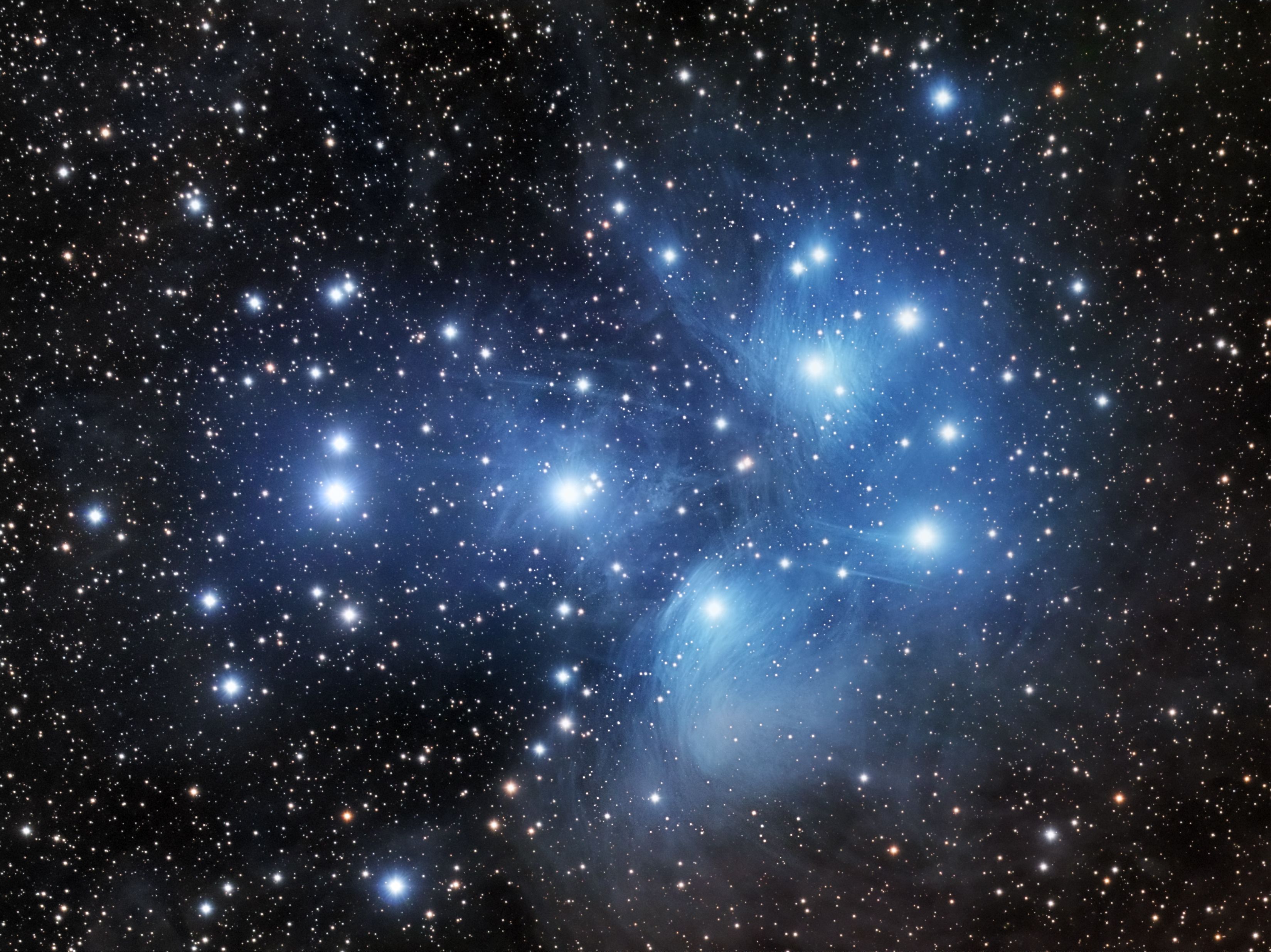
Case Study 2: The Seven Sisters (The Pleiades)
This case study is a part of the Indigenous Ecological Knowledge and celestial objects resource.
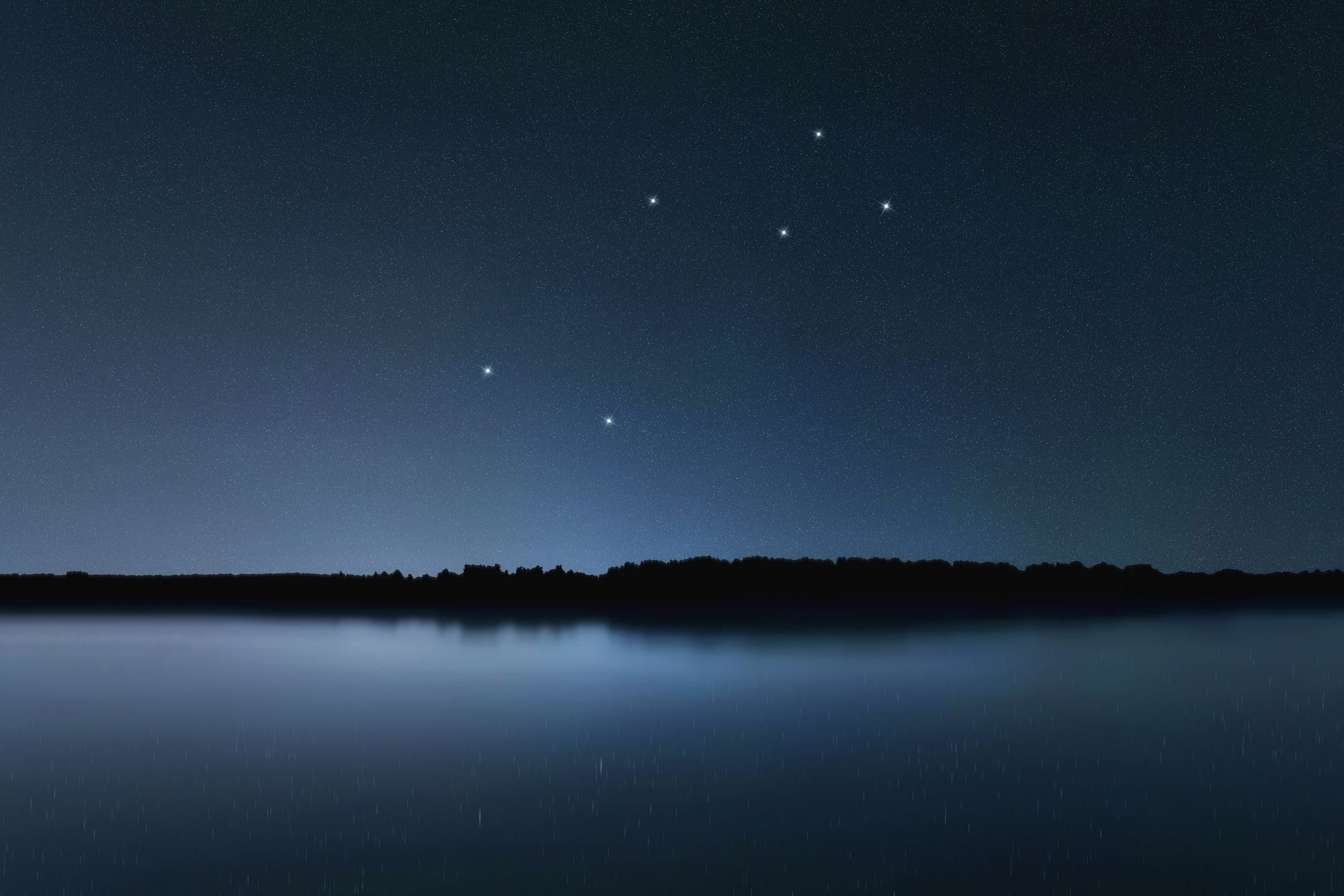
The Seven Sisters (Pleiades). Photographer: Manfred Konrad. Source: Getty Images. Used under licence.

Case Study 2: The Seven Sisters (The Pleiades) (Stars; Whale migration, Dingo breeding)
Overview:
East Coast (whale migration)
Central desert Dingo breeding cycle
Pitjantjatjara Country use the Seven sisters star cluster to predict when the winter frosts will begin, and to understand the behaviour of animals
Yamaji people look for Nyarluwarri (the Seven Sisters, or Pleiades star cluster) for Emu Eggs.
Studies show the connection between the annual appearance of constellations in the night sky and the cycles of their associated terrestrial counterparts 0 . In particular, the star cluster known as the Pleiades (aka Seven Sisters) is linked to many important traditions across Australia. Along the east coast, they are linked to whale migrations. Their first predawn appearance (heliacalrise) in early June signifies the start of winter and the beginning of the migration of whales from their summer feeding grounds in Antarctica to their winter breeding grounds in Northern New South Wales and Southern Queensland. The acronychal setting (last appearance in the West before setting at dawn) of the Pleiades in October-November coincides with the southerly migration back to Antarctica, with young calves in tow.
In the Central Desert, the Kuwema people note the heliacal rise of the Pleiades signifies the ‘official’ start of winter and the peak in the Dingo breeding cycle. Dingoes are important, both as a source of warmth against the cold winter nights, and as a source of food when other foods were scarce during droughts 0 . For this reason, many versions of the Pleiades story from south-east Australia feature dingos protecting the sisters through the narrative. Seeing the Pleiades in the dawn sky told them it was time to look for dingo pups. The Pleiades are also linked to many other plants and animals through interrelated traditions and Songlines, such as bush tomatoes (Kutjera), honey ants (Tjala) and Thorny Devils (Mingari) 0 .
Related case studies within this resources:

Case Study 1: The Celestial Emu
This case study on the Celestial Emu, drawn primarily from the Kamilaroi, Euahlayi, and Wiradjuri Peoples of NSW, highlights its role as a shared story with regional variations. The seasonal calendar reflects the changing orientation of the Celestial Emu throughout the year and its connection to the breeding cycle of the terrestrial emu.
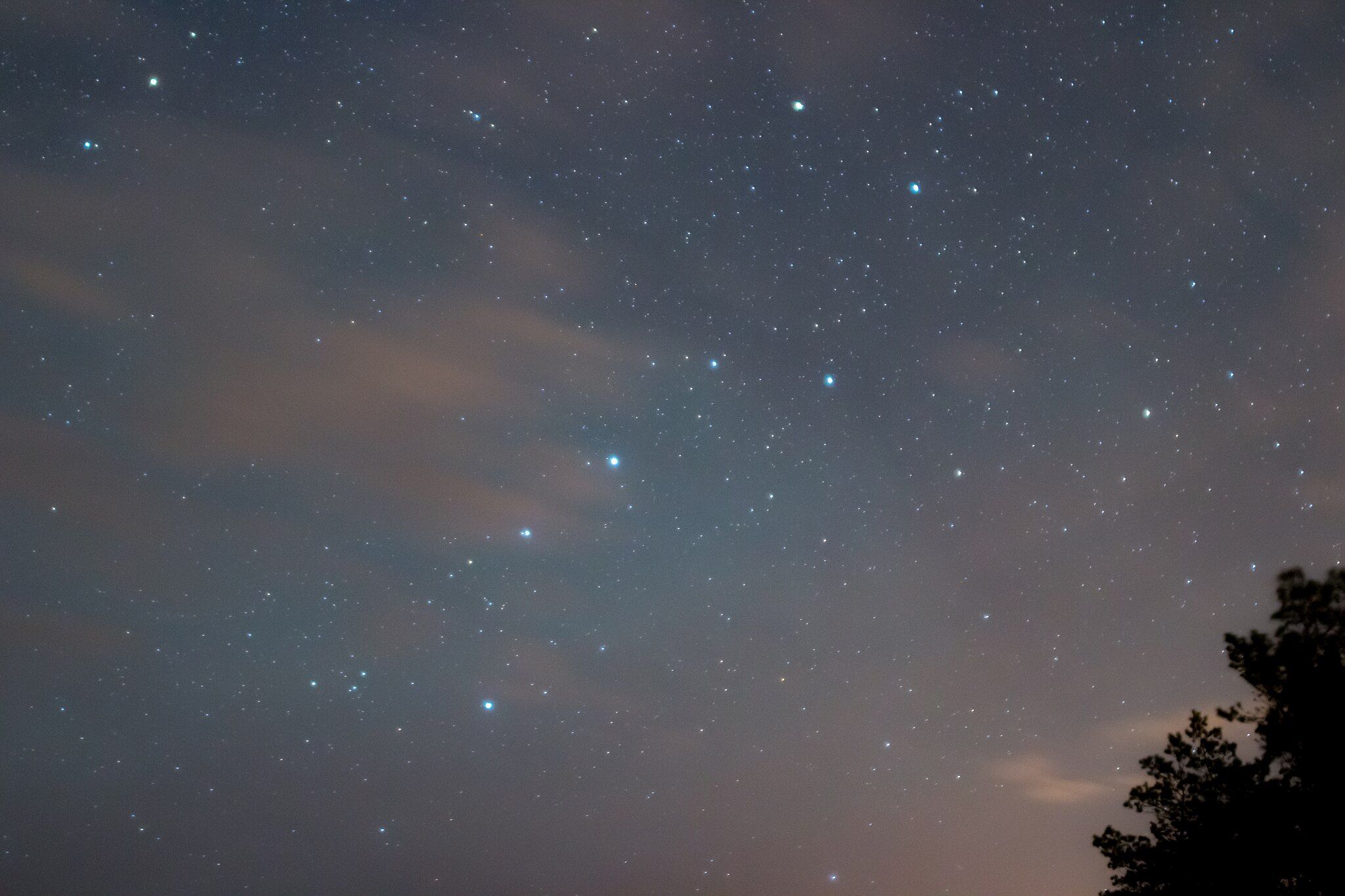
Case Study 3: Torres Strait Islander Star Knowledge: Baidam the Shark
Torres Strait Islander star knowledge, such as Baidam the Shark, demonstrates how Torres Strait Islander Peoples observe celestial objects to interpret seasonal changes, weather patterns, and the behaviours of living things, guiding practices like harvesting, planting, and animal breeding.
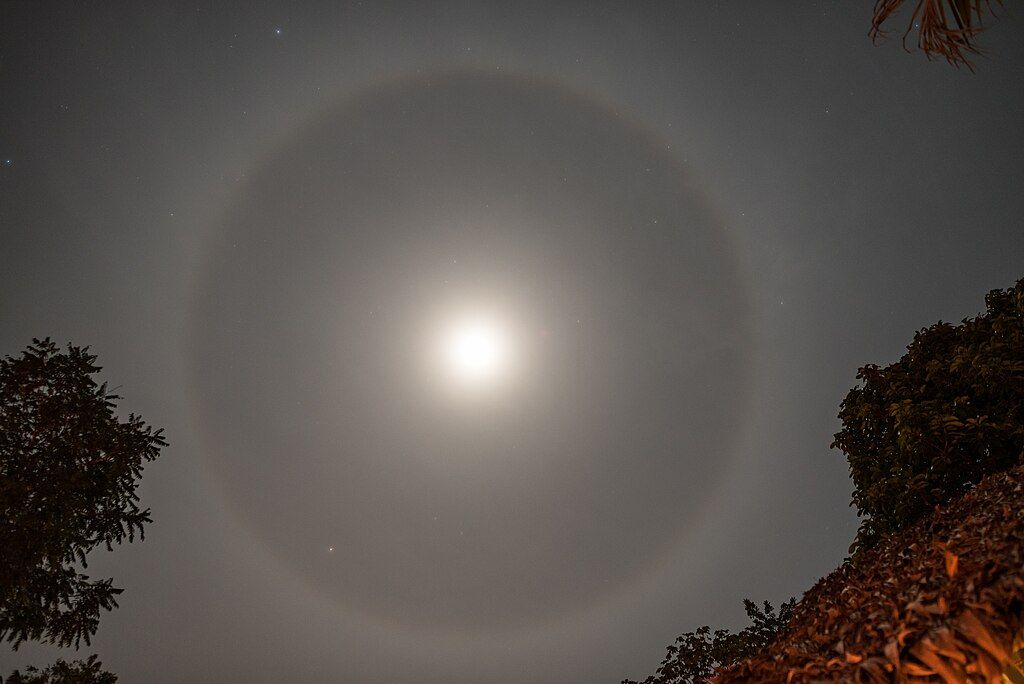
Case Study 4: Kulama Festival, Tiwi Island
The Kulama Festival is a three-day coming-of-age ceremony on the Tiwi Islands, signalled by halos around the Moon, which mark the end of the monsoon season and the start of yam harvesting.
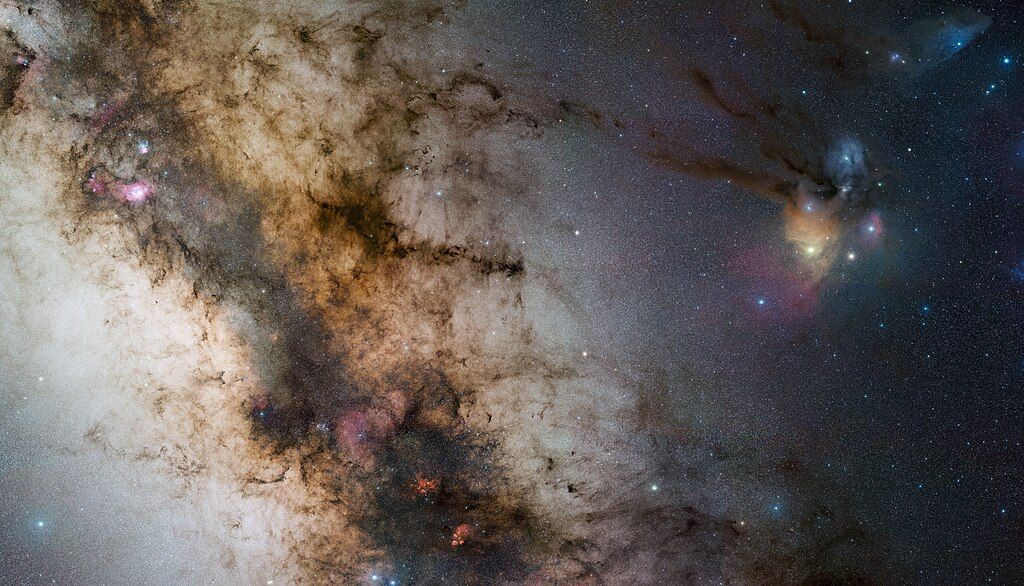
Case Study 5: Yolngu / North-East Arnhem Land Star Knowledge
Yirrkala people of East Arnhem Land in the Northern Territory share a complex foreknowledge of environmental changes, they note the correlation between the rising and setting of stars at dusk and dawn and how it relates to the seasonal supply of food.
Case Study 6: The Boorong People
The Boorong tribe was a part of the Wergaia speakers of northwest Victoria alongside the Wotjobaluk, and Dja Dja Wurrung peoples within the Kulin Nation who share this language.