Home/Curriculum resources/Indigenous Ecological Knowledge and celestial objects/Case Study 6: The Boorong People
Learning Areas:
Science, English, Mathematics
Year levels:
Level 5, Level 6
Case Study 6: The Boorong People
This case study is a part of the Indigenous Ecological Knowledge and celestial objects resource.
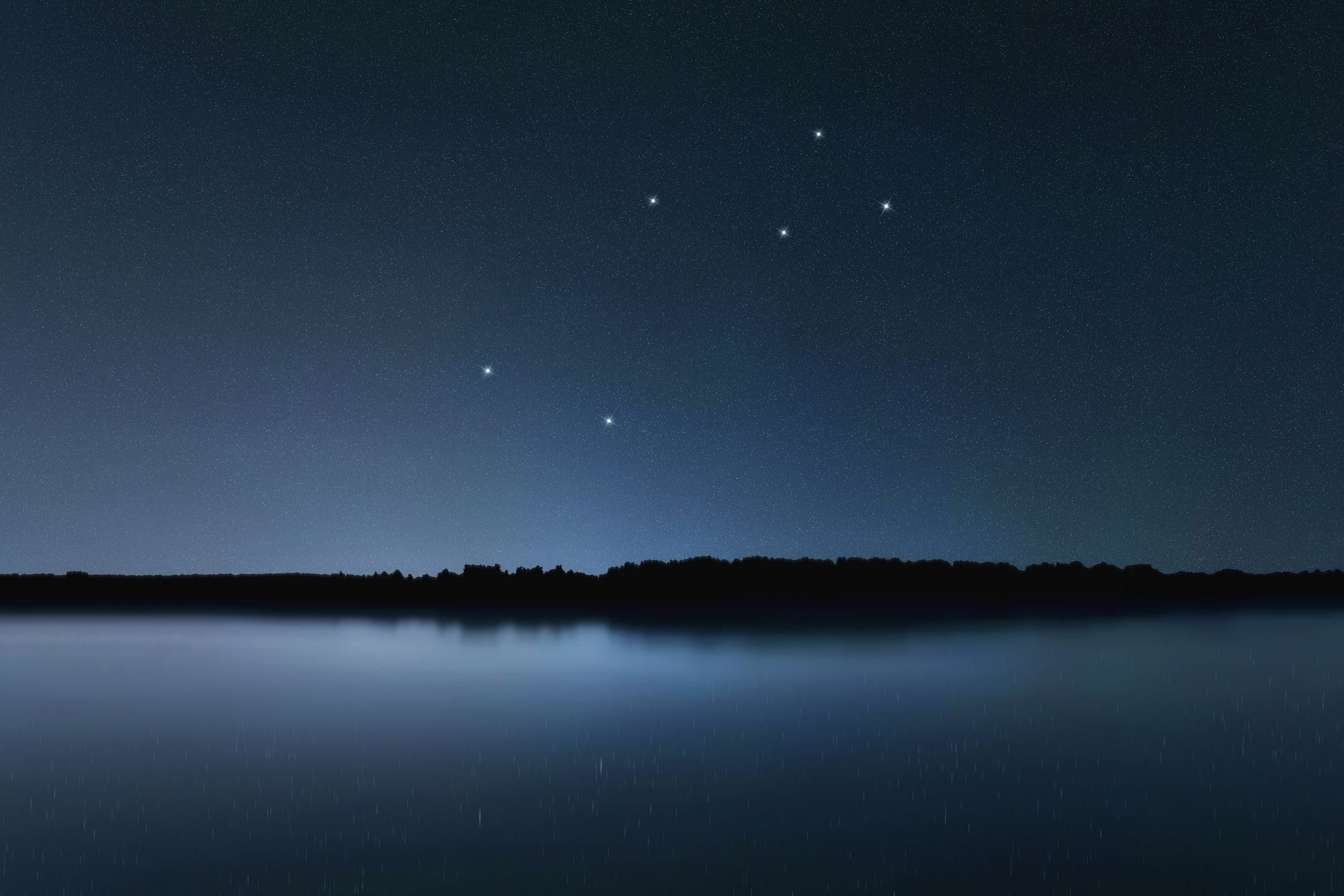
Lyra star constellation. Photographer: Allexxandar. Source: Getty Images. Used under licence.

Case Study 6: The Boorong People (Mallee-fowl; Larvae bittur)
The Boorong tribe was a part of the Wergaia speakers of northwest Victoria alongside the Wotjobaluk, and Dja Dja Wurrung peoples within the Kulin Nation who share this language. The Boorong tribe no longer exists, but their descendants continue through the aforementioned groups and the continuation of their cultural connection can be seen through the continuing use of this language. Based near Lake Tyrrell, Tyrrell means ‘night sky’ in Wergaia, and fittingly, the name Boorong means ‘darkness’, showing their close connection between Country, and star gazing. Much of the knowledge we know about the Boorong tribe comes to us from William Stanbridge, a pastoralist who spent a few years alongside them, and later presented his findings, and writings, to various Institutions.
In 1858, William Stanbridge stated that:
“the Boorong tribe… pride themselves upon knowing more of astronomy than any other”.
The Boorong are also among the most adept Astronomers.
Neilloan (Vega)
The Mallee-fowl constellation (Lyra) appears in March, the Boorong people of Victoria know that the Mallee-fowl are about to build their nests, and when Lyra disappears in October, the eggs are laid and are ready to be collected.
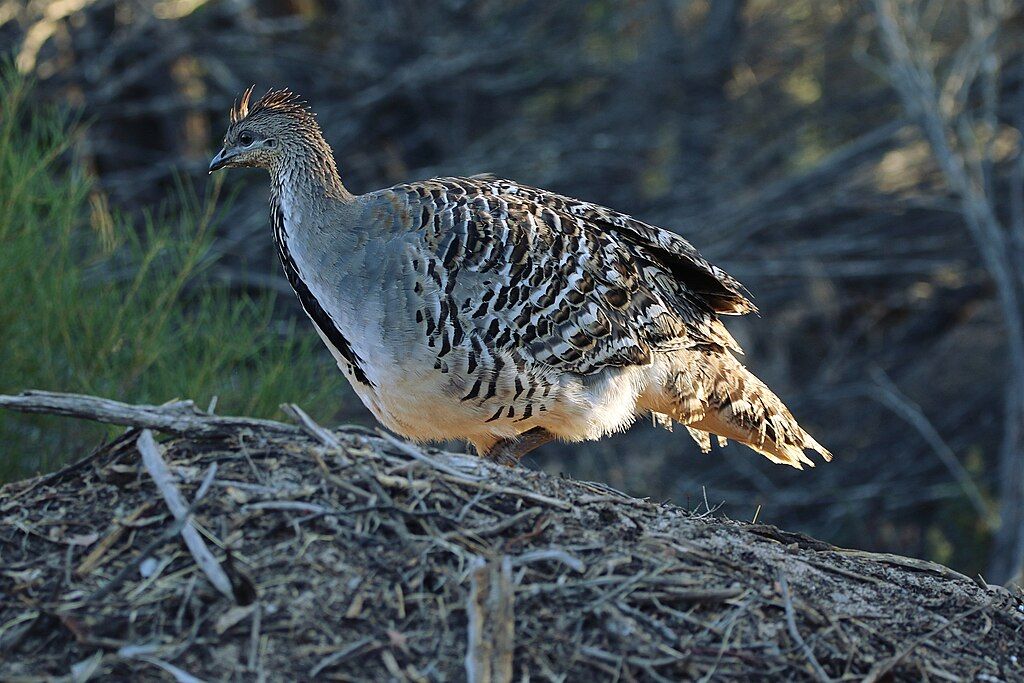
Figure 1: Mallee Fowl (Leipoa ocellata). Photographer: Donald Hobern. Source: Wikimedia Commons. Used under Licence: CC BY 2.0
In the Wergaia language, Neilloan (the star Vega) is linked to the Mallee fowl (Leipoa ocellata), a chicken-sized, ground-dwelling bird. It builds its nest-mounds when Vega rises at dusk in mid-August. When Vega is high in the sky at dusk in mid-September, the birds are laying their clutches of eggs. When Vega sets at dusk in late October, the chicks begin hatching.
Marpeankurrk (Arcturus)
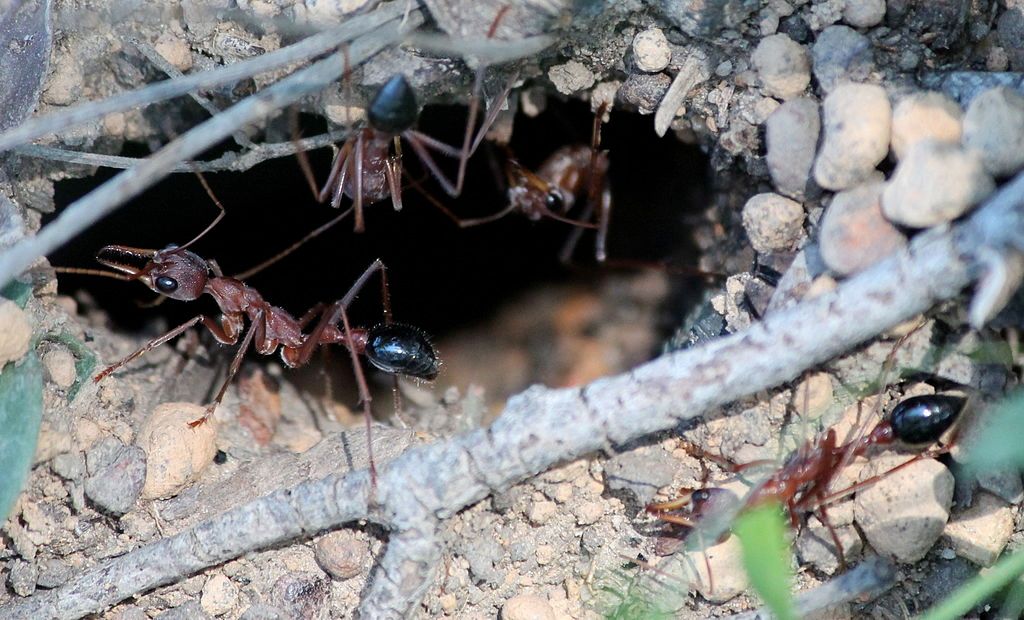
Figure 2: An ant nest. Myrmecia nest entry area 1665. Photographer: JarrahTree. Source: Wikimedia Commons. Used under licence: CC BY 2.5 AU.
In Wergaia traditions of northwestern Victoria, Marpeankurrk was a woman who lived in the mallee scrub. One day, she was in the bush desperately looking for food. It had not rained for a long, long time. Rivers and billabongs had disappeared – the bull-rushes had shrivelled up and died and her people were starving. She lifted up logs but could find no lizards or snakes. She looked around and saw that there were also no grass seeds or fruit to eat.
After walking for many hours, she saw a bittur (wood ant) nest. So desperate was she that she went to it and opened up the nest with her digging stick. In the nest, she saw thousands of larvae. She put one in her mouth and ate it. The larvae were delicious! She collected all that she could and hurried back to her people. The larvae of the bittur saved the people. It soon became their favourite food. When Marpeankurrk died, she went up into the sky and became the star, Arcturus. When Marpeankurrk rises in the northern sky after sunset, the Wergaia people begin collecting the larvae of the bittur. The larvae were an essential food source during the winter months of August and September. Later, when Arcturus sets just after the sun, the larvae are gone and Cotchi (summer) begins. This story shows how one person's choices and experiments can become encoded into cultural knowledge and the way that the stars are used as key signals for this.
Related case studies within this resources:
Case Study 1: The Celestial Emu
This case study on the Celestial Emu, drawn primarily from the Kamilaroi, Euahlayi, and Wiradjuri Peoples of NSW, highlights its role as a shared story with regional variations. The seasonal calendar reflects the changing orientation of the Celestial Emu throughout the year and its connection to the breeding cycle of the terrestrial emu.
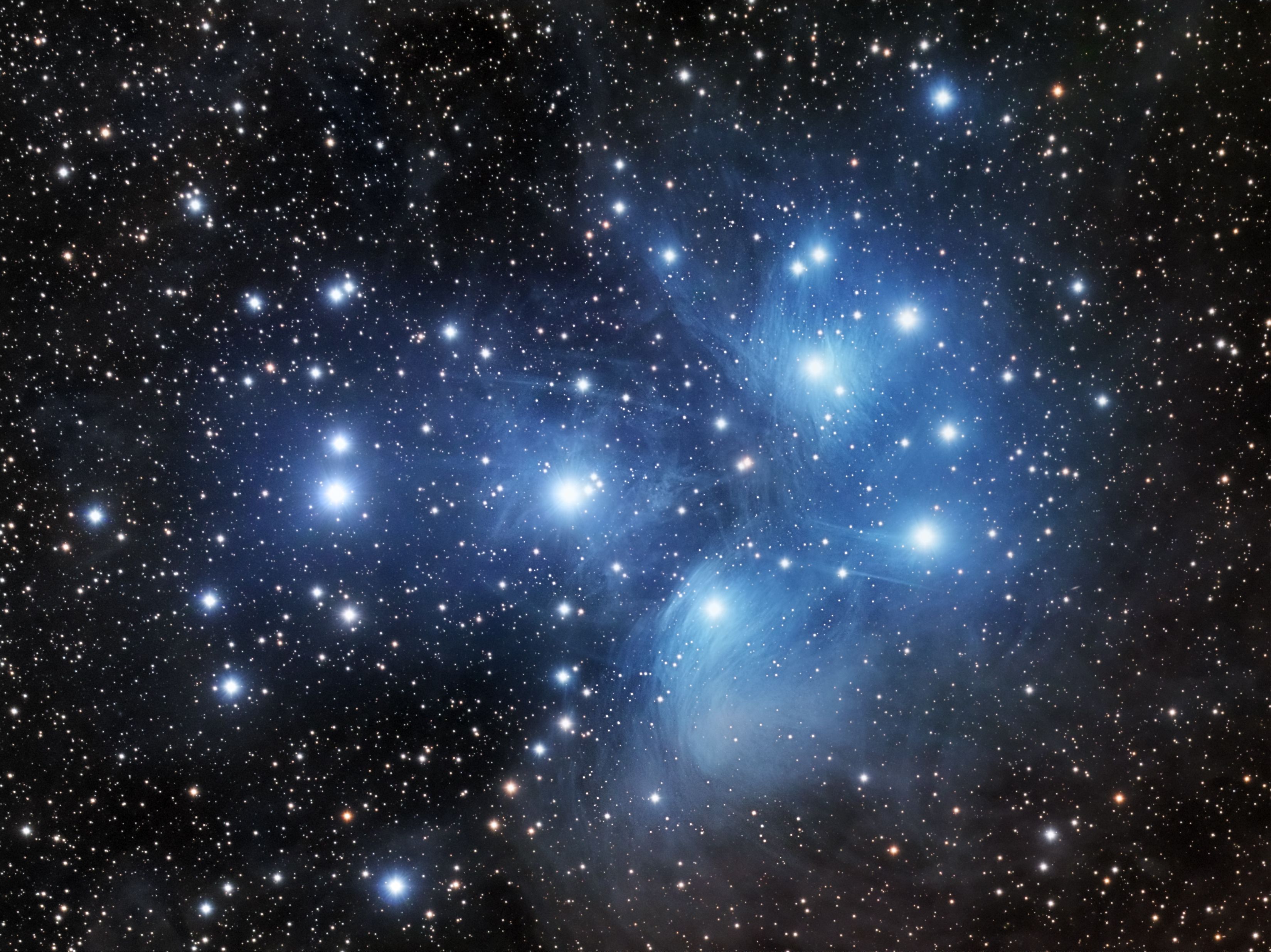
Case Study 2: The Seven Sisters (The Pleiades)
The Seven Sisters (Pleiades) star cluster is used by different Aboriginal groups across Australia to track seasonal changes, including whale migration along the East Coast, the dingo breeding cycle in the Central Desert, the onset of winter frosts in Pitjantjatjara Country, and the best time to find emu eggs among the Yamaji people.
Case Study 3: Torres Strait Islander Star Knowledge: Baidam the Shark
Torres Strait Islander star knowledge, such as Baidam the Shark, demonstrates how Torres Strait Islander Peoples observe celestial objects to interpret seasonal changes, weather patterns, and the behaviours of living things, guiding practices like harvesting, planting, and animal breeding.
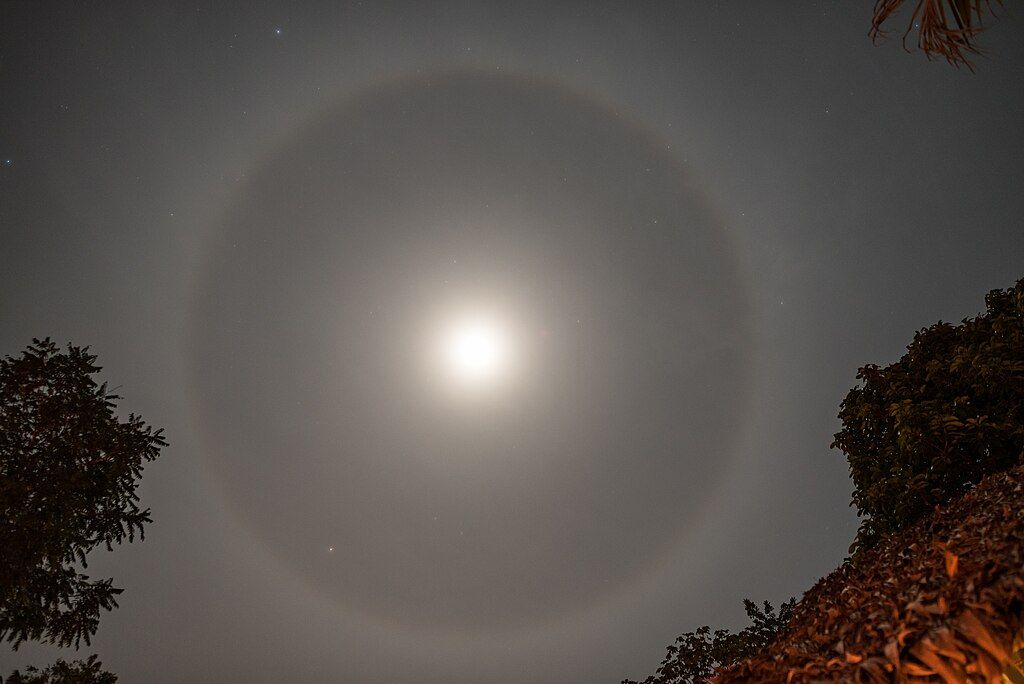
Case Study 4: Kulama Festival, Tiwi Island
The Kulama Festival is a three-day coming-of-age ceremony on the Tiwi Islands, signalled by halos around the Moon, which mark the end of the monsoon season and the start of yam harvesting.
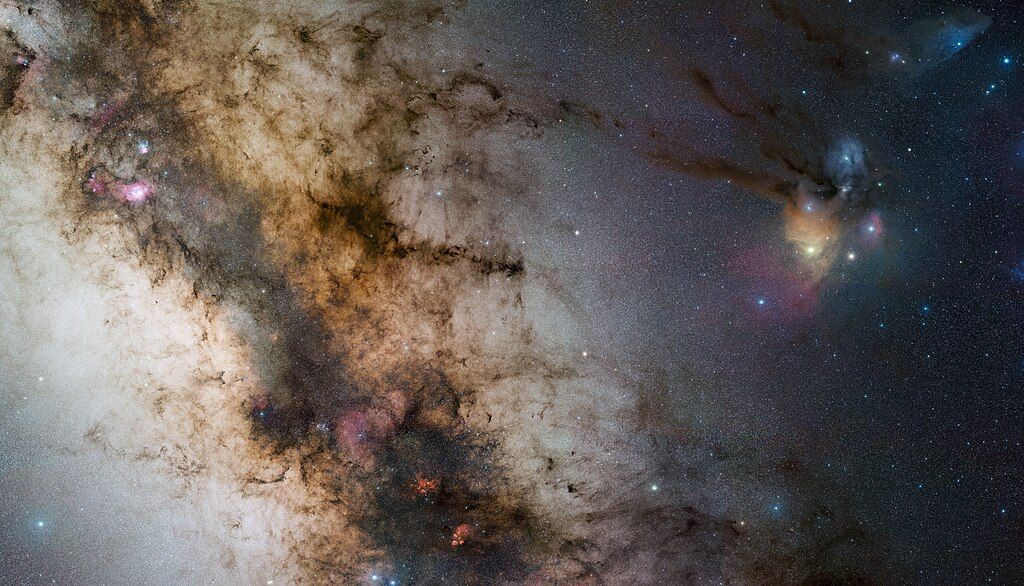
Case Study 5: Yolngu / North-East Arnhem Land Star Knowledge
Yirrkala people of East Arnhem Land in the Northern Territory share a complex foreknowledge of environmental changes, they note the correlation between the rising and setting of stars at dusk and dawn and how it relates to the seasonal supply of food.