Home/Curriculum resources/Indigenous Ecological Knowledge and celestial objects/Case Study 3: Torres Strait Islander Star Knowledge: Baidam the Shark
Learning Areas:
Science, English, Mathematics
Year levels:
Level 5, Level 6

Case Study 3: Torres Strait Islander Star Knowledge: Baidam the Shark
This case study is a part of the Indigenous Ecological Knowledge and celestial objects resource.
Ursa Major Łazy. Photographer: Łukasz Mularczyk. Source: Wikimedia Commons. Used under licence: CC BY-SA 4.0

Case Study 3: Torres Strait Islander star knowledge: Baidam the Shark (Stars; Harvesting of yams; Turtle and Shark Mating; Time to plant bananas, sugar cane & sweet potato)
Two key constellations for Torres Strait Islanders are Baidam (or Beizam) the shark and Tagai and the creation myth associated with it. Used in combination, Baidam and Tagai can be used for north / south orientation within navigation. Baidam is commonly known as the ‘shark constellation’ which appears around the middle of the year. Built upon generations of oral histories around the interaction of the sky and the land, the appearance of these celestial objects carries multiple layers of meaning.
The Baidam constellation is made up by seven major stars of Ursa Major together with Arcturus (Alpha Bootis) and Gamma Corona Borealis, which when taken together can be viewed as a shark.
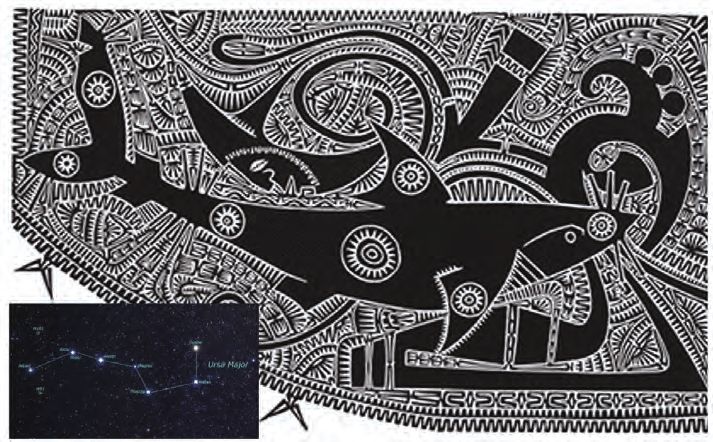
Figure 1: Baidam, the Shark. Photographer: Brian Robinson/Summer Ash. From: Leaman, T. (2020). Harmonising the Land and Sky in Aboriginal Dreamings. Used with permission.
On the western islands of the Torres Strait, the first appearance of Baidam (the Shark constellation) on the horizon indicates that yams are ready for harvesting and the start of the turtle mating season. In addition, the appearance of the star Kek’s (Acturus) signals to the people of Mabuiag Island a range of time-sensitive ceremonies. This knowledge is encoded into songs and dances that keep this knowledge alive and continuing. The appearance of this star coincides with a plentiful supply of resources, and when it touches the horizon, this tells the Islanders it is the start of the shark’s mating season, which is also the time to plant bananas, sugar cane and sweet potato.
“Seven stars represent Baidam the shark. He tells the tide, the current and all these sort of things. This is how our people know to navigate, because it’s passed down, generation to generation. When he’s up on his tail, it’s rough. When he’s down, it’s calm. He holds all of that knowledge — that significant, valuable information. 0 ”
Milton Savage, Kaurareg
Connection between the sky and the land
The Meriam people use the Moon (which they call Meb) to indicate the ideal time for fishing, noting that the quarter moons bring ideal fishing conditions, whilst the full moon is ideal for hunting large game on land. The quarter moons are ideal because the difference between low and high tides are the lowest, producing a comparatively clear sea, with less silt and debris, meaning both fisherperson and fish can see more clearly. This understanding is communicated through the expression ‘hungry tide’ (werir meg).
A crucial food source for Torres Strait Islanders are yams, yams are small starchy tubers like a small, sweet potato that grow in the ground. Following the rainy season, the appearance of ‘kek’, meaning ‘yam star’ (the star Achernar) in late-April signals the end of the monsoon and that it’s time to harvest yams. The arrival of this star co-occurs with a ceremony to celebrate its arrival and the forthcoming bounty of yams.
Related case studies within this resources:

Case Study 1: The Celestial Emu
This case study on the Celestial Emu, drawn primarily from the Kamilaroi, Euahlayi, and Wiradjuri Peoples of NSW, highlights its role as a shared story with regional variations. The seasonal calendar reflects the changing orientation of the Celestial Emu throughout the year and its connection to the breeding cycle of the terrestrial emu.

Case Study 2: The Seven Sisters (The Pleiades)
The Seven Sisters (Pleiades) star cluster is used by different Aboriginal groups across Australia to track seasonal changes, including whale migration along the East Coast, the dingo breeding cycle in the Central Desert, the onset of winter frosts in Pitjantjatjara Country, and the best time to find emu eggs among the Yamaji people.
Case Study 4: Kulama Festival, Tiwi Island
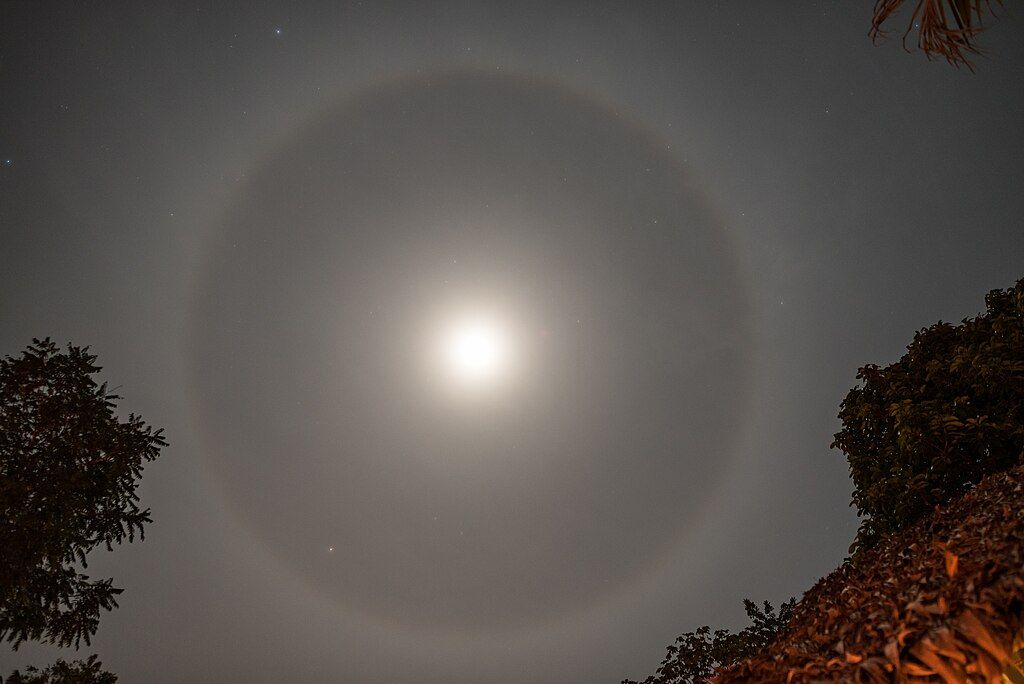
The Kulama Festival is a three-day coming-of-age ceremony on the Tiwi Islands, signalled by halos around the Moon, which mark the end of the monsoon season and the start of yam harvesting.

Case Study 5: Yolngu / North-East Arnhem Land Star Knowledge
Yirrkala people of East Arnhem Land in the Northern Territory share a complex foreknowledge of environmental changes, they note the correlation between the rising and setting of stars at dusk and dawn and how it relates to the seasonal supply of food.

Case Study 6: The Boorong People
The Boorong tribe was a part of the Wergaia speakers of northwest Victoria alongside the Wotjobaluk, and Dja Dja Wurrung peoples within the Kulin Nation who share this language.