Home/Curriculum resources/Protecting sites of significance/Activity 5: Future possibilities for Carnarvon George
Learning Area:
Humanities and Social Sciences
Year levels:
Level 7, Level 8
Activity 5: Future possibilities for Carnarvon George
This activity is a part of the Protecting sites of significance resource.
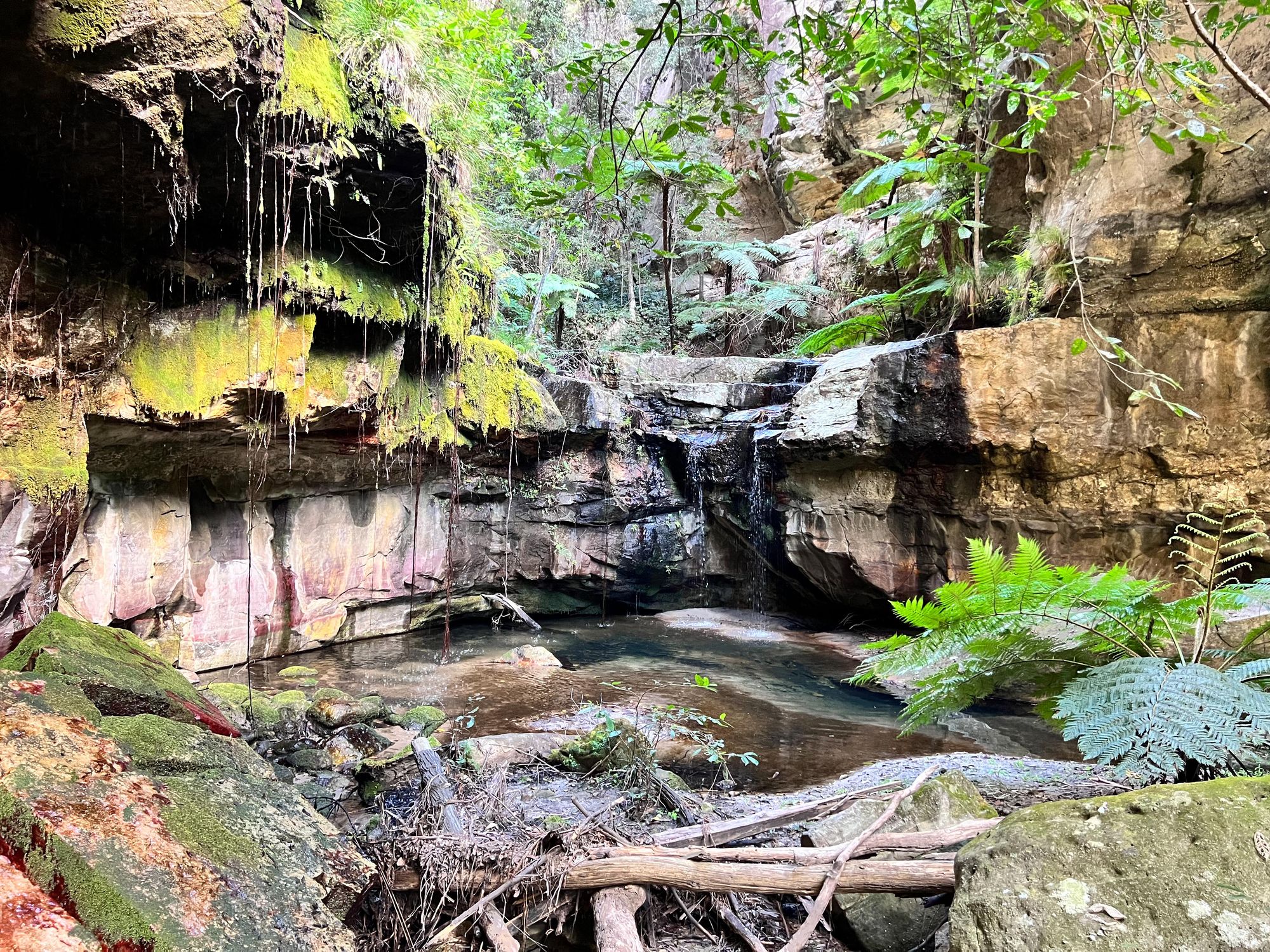
Moss Garden in Carnarvon National Park, Queensland. Location: Southern Brigalow Belt bioregion in the Maranoa Region in Central Queensland. Photographer: Rafael Ben-Ari. Source: Getty Images. Used under licence.

Activity 5: Future possibilities for Carnarvon George
Focus: Students will revisit the Carnarvon Gorge case study and apply their knowledge of cultural site protection to propose strategies that enhance cultural preservation and Traditional Owner collaboration.
Possible overarching question: How can we better protect cultural sites like Carnarvon Gorge while ensuring strong collaboration with Traditional Owners?
Step by step guide
Step 1: Connecting to students’ prior learning
Step 2: Recap of Carnarvon Gorge case study
Step 3: Introduce “Proposing Strategies” Task
Step 4: Planning and drafting
Step 5: Sharing and reflection
Required Resources:
Teacher Support Material
Step 1: Connecting to students’ prior learning
Begin the activity by revisiting the case studies students explored in Activity 4. Display the collaborative data chart that was created as a class during the previous activity. This visual summary will help students recall key insights, identify patterns, and compare approaches to site management.
Interactive comparison activity
To deepen students’ thinking, ask them to order the case studies based on selected criteria. Each student, pair or small group can represent a case study and stand in a line according to where they believe their site fits. Students negotiate their positions and explain their reasoning using evidence from their research and the class data chart.
Encourage respectful discussion and emphasise that the goal is to spark critical thinking – there are no absolute right or wrong answers, only different perspectives.
Suggested criteria for ordering:
Most to least collaborative management
Most to least cultural or environmental damage
Most to least stakeholder involvement
Extent of cultural site protection
Use of sustainable practices (e.g. Indigenous fire management)
Level of public access or tourism impact
Risk of site loss or destruction
Facilitate a discussion afterwards:
What patterns or surprises emerged?
What made some approaches more effective than others?
What insights can we carry forward to apply to Carnarvon Gorge?
This activity encourages students to consolidate their learning and sets the stage for thoughtful proposal work in the next step.
Step 2: Recap of Carnarvon Gorge case study
Revisit the Carnarvon Gorge case study from Lesson 3 using the visual displays created. Ask students to reflect on what is included and if any modifications need to be made.
Follow on with posing the below question and have students discuss in partners then share with the class
If you were responsible for managing Carnarvon National Park, what would you do differently to better protect the site and involve Traditional Owners?
Step 3: Introduce "Proposing Strategies" Task
Introduce the main task:
Students will propose strategies to improve cultural preservation and Traditional Owner collaboration at Carnarvon Gorge.
Their proposals should be based on knowledge from the case studies and lessons on legal, cultural, and Indigenous-led protections.
Task Instructions
Identify key issues facing Carnarvon Gorge (e.g., tourism pressures, limited Traditional Owner involvement, environmental threats).
Develop 2–3 strategies to improve site protection and collaboration with Traditional Owners.
Strategies could focus on:
Increasing Traditional Owner involvement in decision-making
Promoting cultural education for visitors
Strengthening legal protections
Enhancing environmental conservation using Indigenous Knowledge.
Presentation Options
Students can choose how to present their proposals, or the teacher can assign a format. Possible formats include:
Persuasive essay or letter to a decision-maker
PowerPoint or Google Slides presentation
Audio or video recording (e.g., a short podcast or persuasive speech)
Visual poster or infographic
Encourage students to:
Justify their strategies using examples from the previous lessons and case studies
Consider how their proposals support Aboriginal and Torres Strait Islander perspectives.
Step 3: Planning and drafting
Students work individually or in pairs to plan and draft their proposals. Encourage them to:
Use their notes from previous lessons and case studies
Refer to the Marking Country website for details on Carnarvon Gorge
Consider how their strategies align with Indigenous knowledge systems and promote collaborative site management
Support students by:
Providing graphic organisers or planning templates
Checking in with groups or individuals to offer feedback and guidance and run workshops for skill development.
Step 4: Sharing and reflection
Once students have completed their proposals, allow time for them to share their ideas with the class. Depending on the format:
Students can present their PowerPoint, speeches, or recordings
Posters or infographics can be displayed around the classroom for a gallery walk
Written proposals can be read aloud or peer-reviewed
After sharing, hold a class reflection:
What common themes or ideas appeared across the proposals?
Which strategies seemed most effective or innovative?
How did we ensure Traditional Owner voices and perspectives were central to our proposals?
Final Reflection (Exit Ticket):
What is one thing you learned about protecting cultural sites that you will carry with you beyond this unit?
How can we, as individuals or communities, better support Traditional Owners in caring for Country?
Related activities within this resources:
Activity 1: What are sites of significance
This activity helps students explore what makes a site significant to Aboriginal and Torres Strait Islander Peoples and why these places should be protected. Through discussion, investigation, and reflection, students learn about different types of significant sites and how to engage with them respectfully. Using real-world examples and scenarios, they consider cultural protocols and the impact of actions on Country.
Activity 2: Ways sites of significance are protected
Building on their understanding of what makes a site significant, this activity guides students to explore how Aboriginal and Torres Strait Islander Peoples have long protected Country through cultural knowledge, storytelling, and land management. Through a Knowledge Building Walk, students examine both Indigenous-led and legal protections, such as ranger programs, co-management, and Native Title, and reflect on their strengths and limitations. They compare these approaches and consider the ongoing role of Aboriginal and Torres Strait Islander Peoples in caring for Country.
Activity 3: Carnarvon Gorge Case Study
Building on their understanding of sites of significance and how they are cared for, students now explore Carnarvon Gorge as a focused case study. Through note-taking, annotation, and engagement with resources, students investigate how the site is being managed and where improvements might be made. They reflect on the cultural and environmental importance of the site and consider respectful ways it can be protected and sustained into the future.
Activity 4: Exploring engagement - Case Studies in cultural preservation
Building on their investigation of Carnarvon Gorge and the importance of collaborative site management, students now explore a range of case studies across Australia that highlight different approaches to cultural preservation. Through research, discussions, analysis, and comparison tasks, students examine how individuals or groups and Traditional Owners work together to care for sites of significance. They reflect on the role of Indigenous Knowledge, co-management, and conservation strategies, considering both successes and challenges. This activity deepens students’ understanding of the complexities and responsibilities involved in protecting Country.