Home/Stories and news/‘We-Two’: What Sámi Pedagogies Can Teach Us
‘We-Two’: What Sámi Pedagogies Can Teach Us
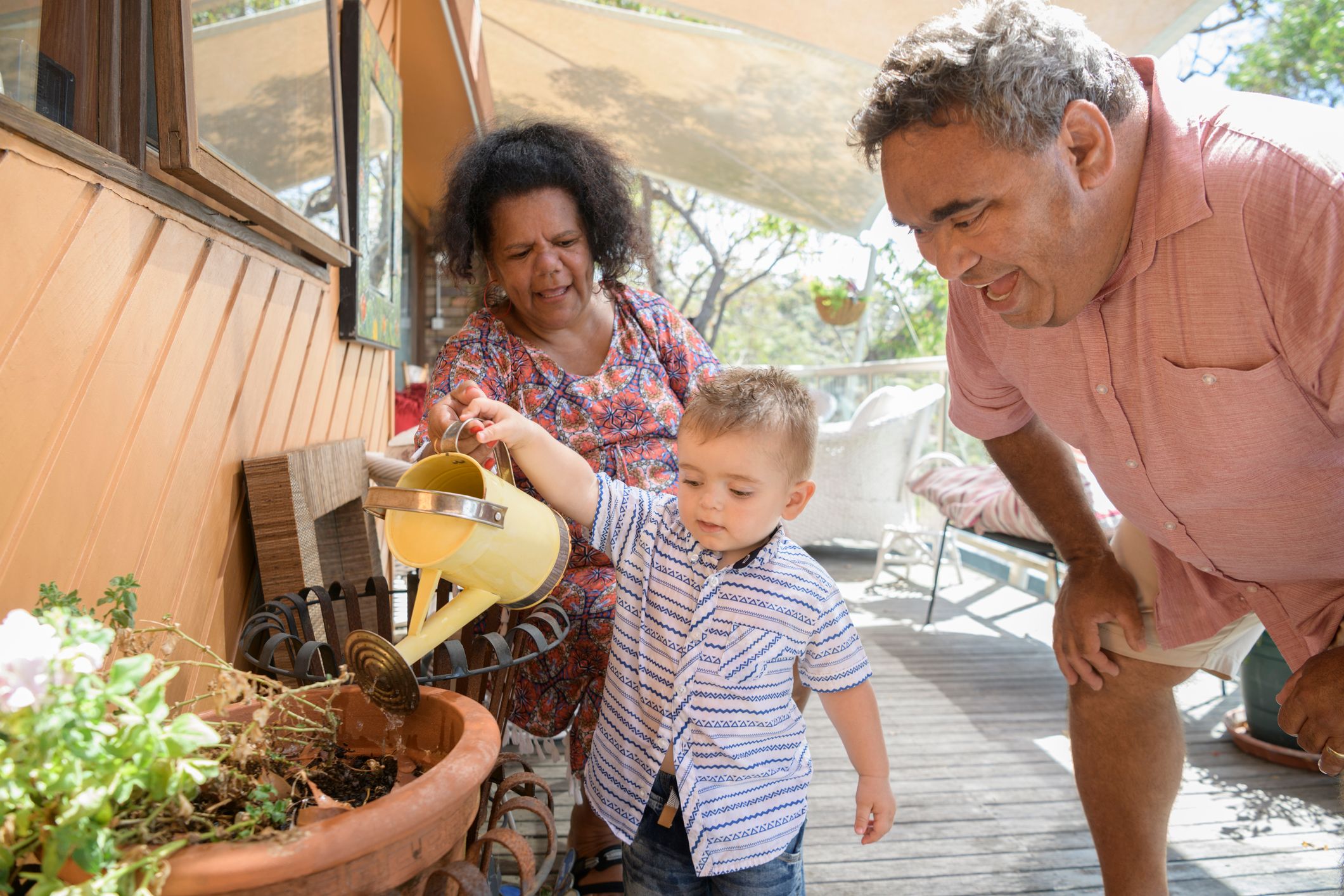
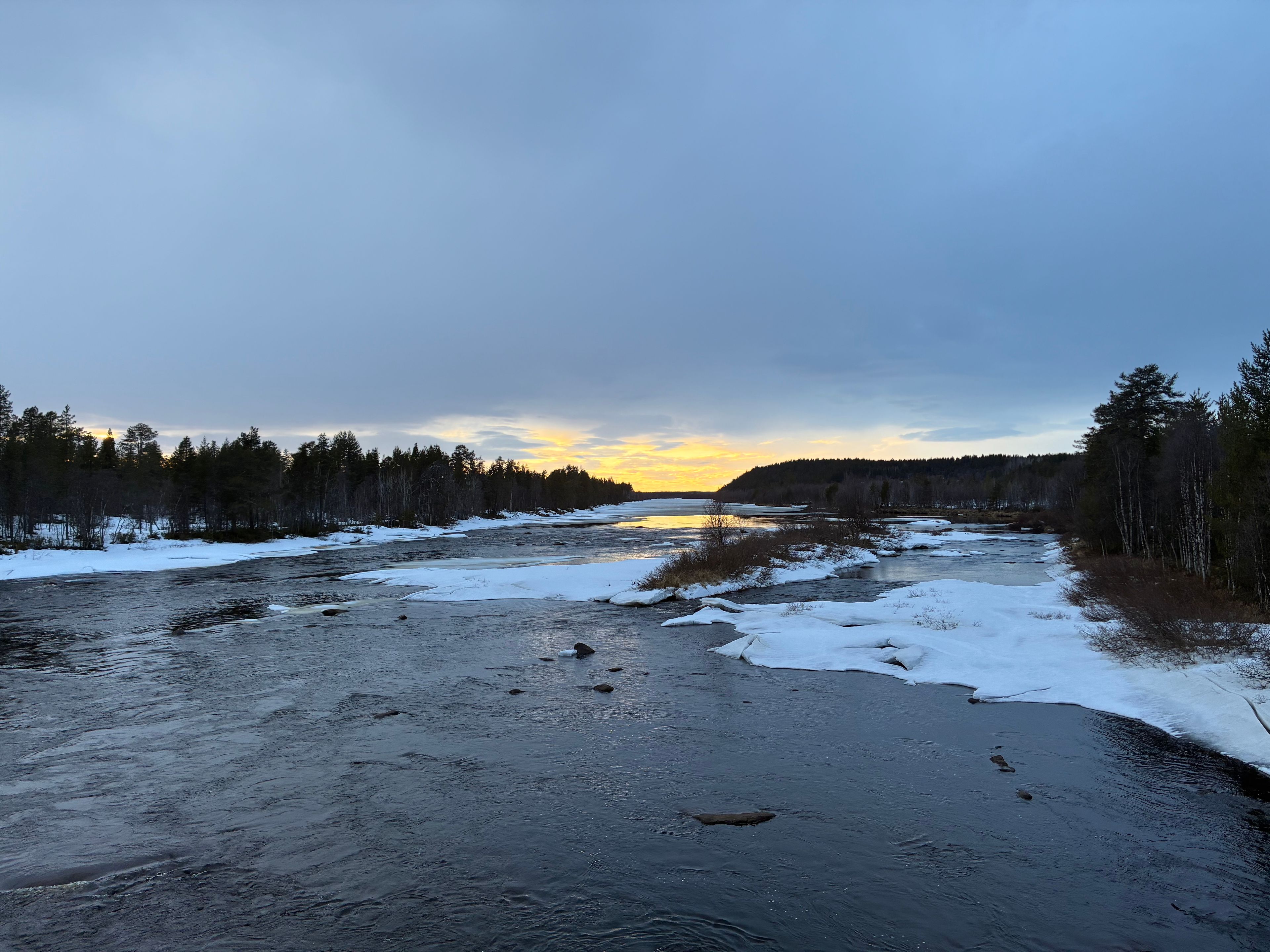
Image courtesy of Dr Matthew Keynes
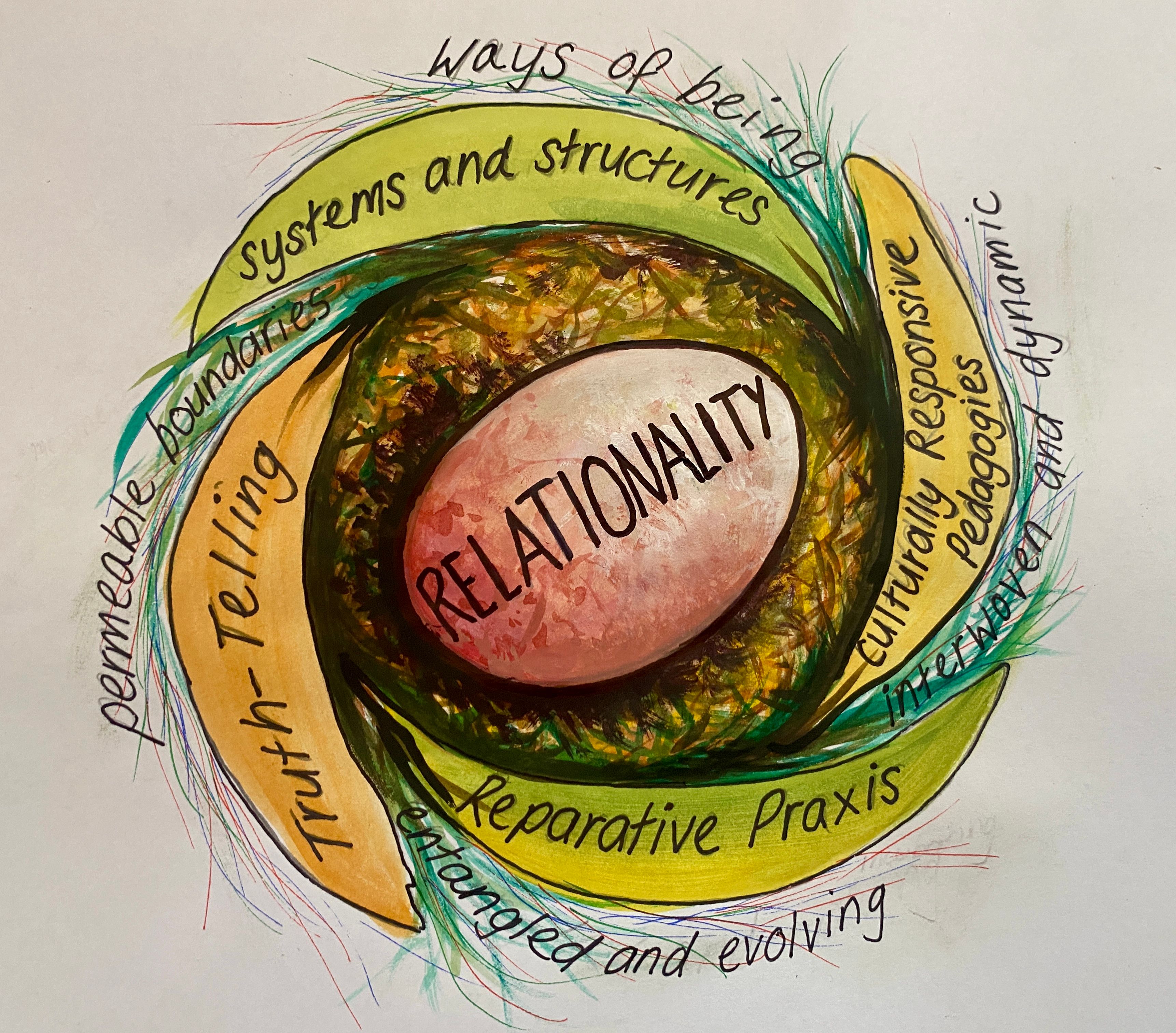
Ngarrngga’s latest position paper (Navigating Uncertainty and Fear) invites us to imagine a world where educators seamlessly integrate Indigenous and Western epistemologies, creating rich, interconnected learning experiences for students. But what might this look like in practice? What can Indigenous educational philosophies teach us about how we learn, teach and live well together?
These questions accompanied me on a recent journey to Sápmi, the homelands of the Sámi people that stretch across northern Norway, Sweden, Finland and Russia. There, through conversations with Sámi educators, artists and reindeer herders, I encountered a concept that has stayed with me ever since: moai.
Moai: We-Two
Moai (North Sámi) is an important concept in Sámi cultures and pedagogihkka (Sámi pedagogy in North Sámi language). It means ‘we-two’, or ‘the two of us’ but its meaning runs deeper than just a description of two people. It conveys an interconnected sense of belonging, solidarity, and shared responsibility (see Balto 2005).
For example, if a student makes a mistake in class, it is not viewed as belonging solely to the student. Instead, it is understood as something shared with the teacher – we-two. This perspective reflects broader Sámi understandings of community, where each person has a place and value, and where relationships are based on reciprocity, care, and collective responsibility.
Learning in Sápmi
I encountered the concept of moai firsthand while preparing a sauna at Pyhätunturi–a mountain and nature reserve on the Finnish side of Sápmi. As we stacked wood together, Professor Pigga Keskitalo, reflected on Sámi perspectives on living with the land and the responsibilities that accompany the use of natural resources.
Drawing on examples from the surrounding Arctic forest, she explained how decisions about taking materials from nature are guided by respect, reciprocity, and consideration for future generations. She described how, in some Sámi traditions and practices, people may acknowledge or address the trees before taking them, expressing gratitude and respect for the gift they provide.
Learning in Sámi societies involves understanding how to live respectfully within an interconnected network of human and more-than-human relationships. Activities such as fishing, preparing firewood, or reindeer herding are often undertaken together, emphasising cooperation and shared accountability. Moai reflects this solidarity and shared endeavour, while maintaining the dignity of all persons involved.
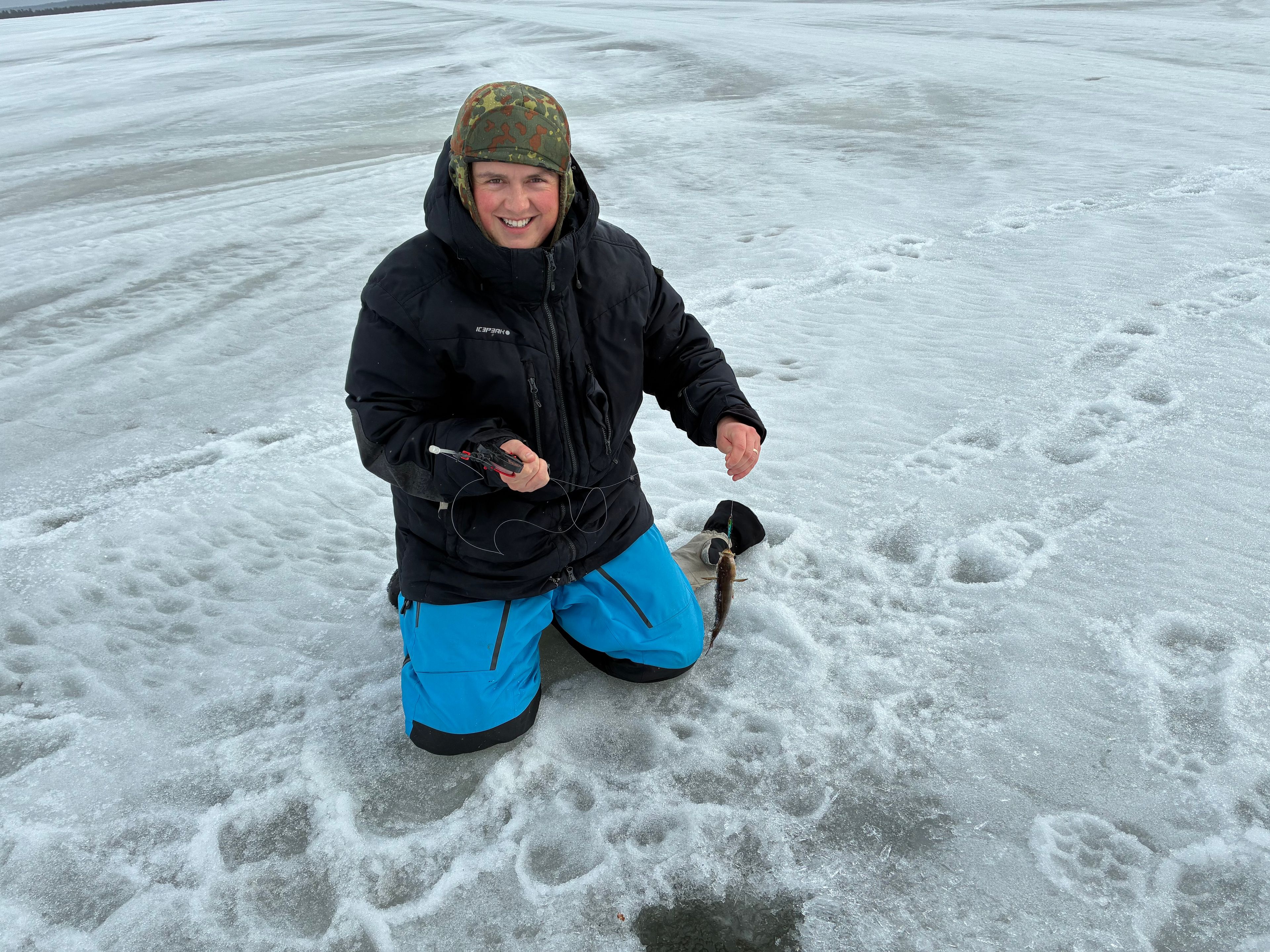
Over the next week, I stayed with Pigga and her family in their village of Peltovuoma where they have a continuing connection going back at least 14 generations. There, my education in Sámi philosophies and livelihoods continued.
On the frozen lake abutting their farm, I learned about ice fishing techniques, changing ice conditions, reindeer lassoing, and local birdlife from experienced reindeer herders. In the family workshop, I learned duodji (Sámi handicrafts), shaping birch burls from the nearby forest into kuksa (cup) and puukko (knife).
At the local school in Hetta, I participated in yoik and dance workshops led by renowned Sámi artist Wimme Saari organised by the CAP-SHARE project. Sámi yoik is a traditional musical expression, like singing, closely tied to reindeer herding and Sámi cultures. We danced the magpie yoik, the brown bear, and the Arctic fox and later, were treated to a concert of Wimme’s music. Every afternoon at the farm, the whole family of many generations gathered to eat, drink kahvi (coffee), make handicrafts, and share updates on the first reindeer calves, eagerly expected any day.
Throughout these experiences, knowledge was shared by doing, observing, listening, practicing and making mistakes. When I snapped a fishing rod after snagging the lure in river grass, no one was concerned. Though my dancing felt wayward, it was simply part of the collective endeavour of embodying the animal yoik. When I struggled with handicraft work, my teachers would smile and reassure me: “This is handicraft.”
The emphasis was not on immediate perfection but on learning through experience.
Learning as relationship
The Sámi principle of moai reflects something many educators already know: learning is fundamentally relational.
At a time when learning is increasingly framed as individual achievement measured through tests, grades and performance indicators, Indigenous educational philosophies remind us that learning is an unfolding, relational process.
Taking this seriously means recognising that knowledge is never separate from the relationships through which it is created, shared and sustained.
The principle of moai invites educators to ask:
What might change if learning were understood as something shared rather than something individuals do alone?
How can mistakes become opportunities for collective responsibility rather than individual failure?
How can teaching strengthen relationships between students, communities and Country?
These questions resonate strongly with the aspirations of many Aboriginal and Torres Strait Islander educational approaches, which similarly emphasise connection, reciprocity, community and responsibility.
Learning to move carefully through a changing world
Spring arrives quickly in the Arctic. When I arrived in Peltovuoma, the land seemed frozen solid, but a week later the snow was retreating across the landscape accompanied by the sound of running water. Now, the ice will be gone, the land green, and soon, mosquitoes and march flies will fill the air under the midnight sun. As we were leaving the village, Pigga turned the car around after realising something had been left behind. On our way back, a beautiful white reindeer calf, a little unsteady on its feet, lurched out from its mothers’ shadow.
This felt, somehow, like a fitting farewell: learning to move carefully through a changing world, but never alone. I was reminded again of moai–we two–a philosophy of shared responsibility that has much to teach us about education, relationships and learning how to live well together. It is a lesson I will carry with me into both my life and my research.
Contributor Bio
Dr Matthew Keynes
Matthew is a non-Indigenous historian and Senior Research Fellow in the Faculty of Education at The University of Melbourne. Matthew is currently leading an international research project exploring how educators in Australia and the Nordic states are engaging with truth-telling. His books include Education and Historical Justice: Redress, Reparations and Reconciliation in the Classroom (Bloomsbury 2025) and Historical Justice and History Education (Palgrave 2021).