Home/Stories and news/From Fragmentation to Inclusion: Transforming First Nations Education at Grimwade House
From Fragmentation to Inclusion: Transforming First Nations Education at Grimwade House
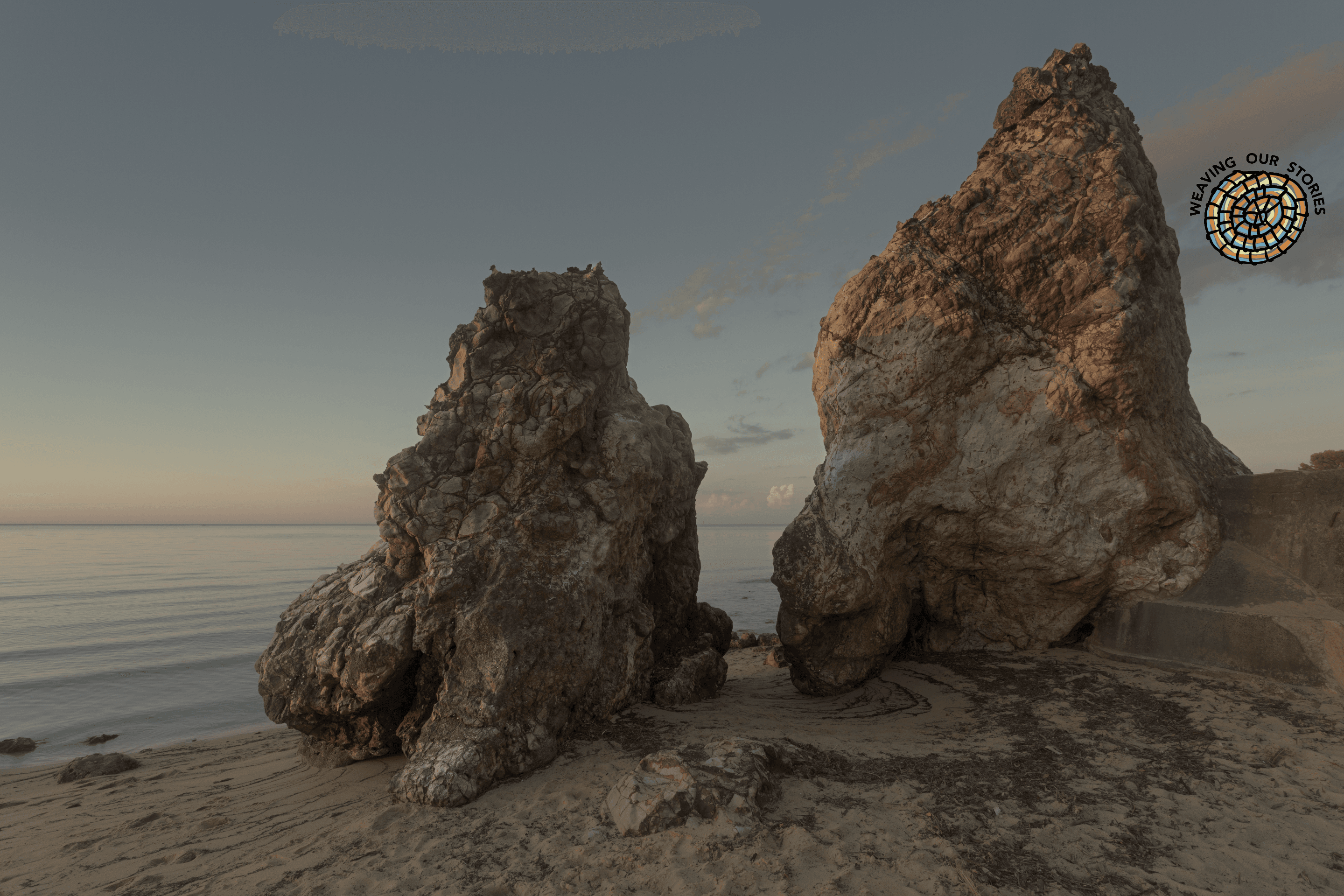
Daveys Bay Beach - Frankston South. Photographer: Nina Pearman. Source: Getty Images. Used under Licence.
The Need for Change
Melbourne Grammar Grimwade House seeks to make education of First Nation’s culture and history the norm rather than the exception; in essence to become part of the rhythm of our school. However, this has not always been the case; change was necessary.
As with schools who seek to improve and position themselves at the frontier of educational reform, it has been the result of reflexive and responsive attitudes of Grimwade House leadership, both at an executive and lead teacher level, which saw initiatives instigated to improve representation and inclusion of First Nations history and culture into pedagogy and practice.
A Collective Commitment to Improvement
The school found that individual teachers were providing learning opportunities through the lens of First Australians. However, subsequent evaluation of curriculum documentation showed that, by and large, teaching of First Nation perspectives was fragmented, ad hoc and lacked consistency. Efforts to advocate were generally rooted in one off showcase events. Attempts to integrate First Nation perspectives into curriculum were heavily dependent on teacher’s personal experiences, competency, and interest.
And yet, despite deficiencies in curriculum content, teacher knowledge and confidence, there existed an enormous ground swell amongst the Grimwade community for a unified and informed approach to including First Nations perspectives.
The Three-Tiered Approach (2019 Onwards)
So it was that in 2019, Grimwade House made a conscientious decision to implement a three-tiered approach to First Nations education. Teachers, students, and the broader community were to become the vehicle for the school’s advocacy. Grimwade House wanted to make teaching and learning of culture and the history of First Australians visible, continuous, and sustainable.
Philosophically the executive aspired to implement authentic and meaningful initiatives that were accessible to teachers and students and most importantly were guided by custodial knowledge holders. Objectives to empower teachers and students, and more significantly connect with community, saw Grimwade House move to an approach where the understanding of and responsibility for First Nations history and culture was to become embedded into the fabric of Grimwade House. Yes, mistakes would be made. Bias and ignorance would be prevalent, albeit; unintended.
Building Relationships with Community
Grimwade House acknowledged the school was going to need a champion. That person who could offer guidance, alternative perspectives, and a lived experience of First Peoples. Direct and instructive dialogue ensued and as a result, the leadership team set about building respectful relationships with local ‘mob’ through relational reciprocity, based on mutual respect and trust.
As Grimwade House is located on Boon Wurrung Country it was critical for the integrity of our school’s intentions to ask for the support and input of local elders. Enter Aunty Fay Stewart-Muir! Now, the Cultural advisor to Melbourne Grammar School and a great friend to Grimwade House, Aunty Fay provided the school with valuable support and resources. She was, and continues to be, incredibly generous with her time and knowledge.
Aunty Fay is a source of cultural safety and awareness for staff and students across our three campuses. We seek her advice and permission for a variety of school matters. This can be anything ranging from building construction to storytelling.
Most importantly, Aunty loves working with our children; the bubups! As an award-winning author and expert linguist Aunty Fay has spent endless hours sharing, encouraging, nurturing, and championing our students. By return, they adore her.
Enhancing Visibility and Representation
Though humble, Aunty Fay is also candid. Her feedback reminded us that you cannot be what you cannot see. Visibility was lacking at Grimwade House. Conscious of this, we set about improving representation. Firstly, by ensuring all three Australian flags were flown on the flag poles at the front of the property and in the Assembly Hall.
Further, AIATSIS Indigenous maps, the Grimwade Acknowledgement of Country and collections of First Australian reference books became the main stay of every teaching space. An Acknowledgement of Country was hung in the school reception and door plagues written in language will soon adorn the entry to every classroom.
Spiritual and Cultural Guidance
Grimwade House is also blessed to have the stewardship of Rev Helen Dwyer a proud First Nations Anglican minister. In addition to her spiritual guidance, Helen is a reassuring and encouraging presence who grounds us and offers compassion, historical and recent knowledge pieces, advice and connection, both to staff, students and families. Helen patiently and graciously walks the Grimwade community toward a reconciled spirituality between Christians and First Peoples.
Integrating First Nations Perspectives into Curriculum
When Grimwade House deliberately stepped away from ‘events based’ celebrations, preference was given to integrating cultural perspectives into curriculum documents. As a result, consideration was necessary for how best to inform, engage and educate teachers so they felt equipped with the tools and resources needed to effect change in their classroom. This was a convoluted and complex process due to the lack of clarity around authenticity and truth telling in resources.
Building Teacher Capacity
Yet, teachers worked diligently to begin to embed culture into core curriculum and through cross curriculum priorities. They developed concepts for advocacy and shared their pedagogy. Together, staff took steps along a complex journey fraught with conflict and conjecture. Through teacher commitment to First Nations education, students have been enabled to actively learn of Country, about Country and on Country.
Although knowledge and confidence amongst staff have grown, empowering teachers through professional development and partnerships with Ngarrngga, Reconciliation Victoria and Independent Schools Victoria remain at the forefront of the schools’ intentions.
Student Voice and Leadership
At Melbourne Grammar School our students go on to be national and global leaders and thinkers. For this reason, service is a strategic intention and essential part of their education for Grimwade students. At Grimwade House, a Year 6 RAP service team (established in 2019) has worked purposefully to advocate amongst the student body and participate in community events. A bespoke Grimwade Acknowledgement of Country was written by the inaugural RAP students. Led by the students, Acknowledgements are honoured whenever Grimwade House hosts significant events on and off Country.
The RAP team has been encouraged to facilitate learning of language within the Grimwade student cohort. These students also represent the school at The Long Walk every year and host Reconciliation Assemblies. They attend whole school Yarning Breakfasts, host a Louisa Briggs Day event in November, and meet annually for a ‘round table’ with Aunty Fay.
There is a sense of ownership amongst these students to grow their understanding of history and culture. They are curious to learn and promote the use of Boon Wurrung language.
Reflection and Ongoing Commitment
Prioritising First Nations advocacy certainly has begun to effect change and influence perspectives of the Grimwade House community. Confidence has increased and cultural awareness has generated many conversations across year levels and amongst the broader community.
Immersing teachers and students in cultural learning has challenged our ways of thinking. It has been provocative, difficult, overwhelming, fulfilling and rewarding.
Yet, the history and culture of First People are part of who we are as Australians. There is still much work to be done. But, at Grimwade House we feel it is incumbent on us to embrace the ‘rich histories and culture’ of First Australians and continue to develop the ‘cultural frames of reference’ (Ngarrngga – position paper) that will help move our students, teachers, and broader community towards a truly reconciled national identity.
Contributor Bio
Shelley Faulds, Educator
Shelley Faulds is a Year 5 classroom teacher at Melbourne Grammar Grimwade House, Year 6 RAP Service Team leader, Lead Teacher First Nations Advocacy, Member of Cross Campus Reconciliation Committee, and Member ISV Network of Schools for Reconciliation. My current focus is to research and develop a culturally reflexive and responsive framework fit for schools with a view to support teachers with pedagogy and protocols. It is my honour to be an ‘Ally’ and work in this space. It is full of ordinary people doing extraordinary things!
Are you an educator or school with a story to share about how you are incorporating Aboriginal and Torres Strait Islanders cultures, histories, perspectives and knowledges into Australian education? We'd love to from you! Please get in touch with us via email.