Home/Stories and news/Navigating Uncertainty and Fear
Navigating Uncertainty and Fear
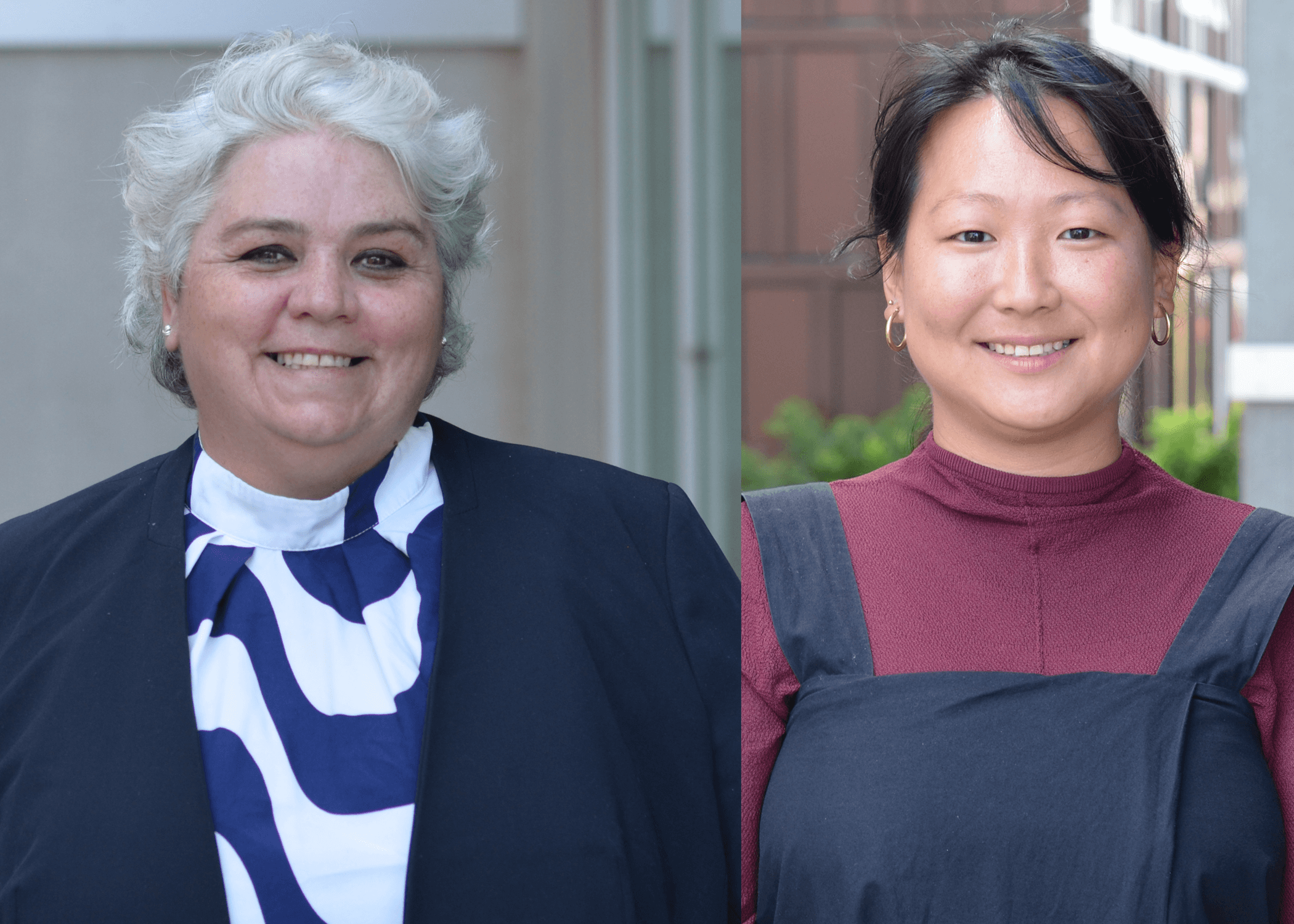
Professor Melitta Hogarth and Sara Tajima
New position paper
Well-intentioned policies to include Indigenous Knowledge systems in the curriculum are most effective when educators have access to high-quality training, ongoing support and trusted resources.
By investing in practical professional learning and clear guidance, we can strengthen educators’ confidence and empower them to bring Aboriginal and Torres Strait Islander perspectives and Knowledges into the classroom, enriching students’ learning. Ngarrngga’s latest position paper, Navigating Uncertainty and Fear, explores this complex issue and offers practical insights to support educators on that journey .
This is the fifth paper in the Weaving our Stories project.
Read the paper here.
Citation
Hogarth, M. & Tajima, S. (2026). Navigating Uncertainty and Fear: Position Paper. Ngarrngga. https://doi.org/10.26188/32313162
Our calls to action
We challenge educators, educational leaders, and educational institutions, from early childhood centres to universities, to critically examine their curricula, teaching practices, and institutional cultures to identify and address any biases, stereotypes, or marginalisation of Indigenous perspectives and knowledges, as well as identify opportunities to strengthen this work.
We urge the Australian government and education authorities to provide adequate funding and resources to support initiatives, which aim to amplify Indigenous Knowledges and perspectives in education.
We call upon governments and educational policymakers to prioritise the meaningful integration of Aboriginal and Torres Strait Islander histories, cultures, and knowledges into the national curriculum across all subject areas and grade levels.
We encourage all Australians, regardless of their background, to engage with and learn about the histories, cultures, and knowledges of Aboriginal and Torres Strait Islander Peoples. This can be achieved through attending cultural events, reading works by Indigenous authors, and seeking out opportunities for respectful dialogue and knowledge-sharing.
About Weaving our Stories
The Weaving our Stories project highlights the significance of incorporating Indigenous Knowledges into Australian education and includes a series of position papers as well as additional materials to support educators and educational leadership to effectively advocate for the integration of Indigenous Knowledges in their teaching and learning.
Learn more about the project here.