Home/Curriculum resources/Indigenous Ecological Knowledge and severe weather events/Activity 3: Country as teacher and severe weather events
Learning Areas:
Science, Humanities and Social Sciences, English
Year levels:
Level 5, Level 6
Activity 3: Country as teacher and severe weather events
This activity is a part of the Indigenous Ecological Knowledge and severe weather events resource.
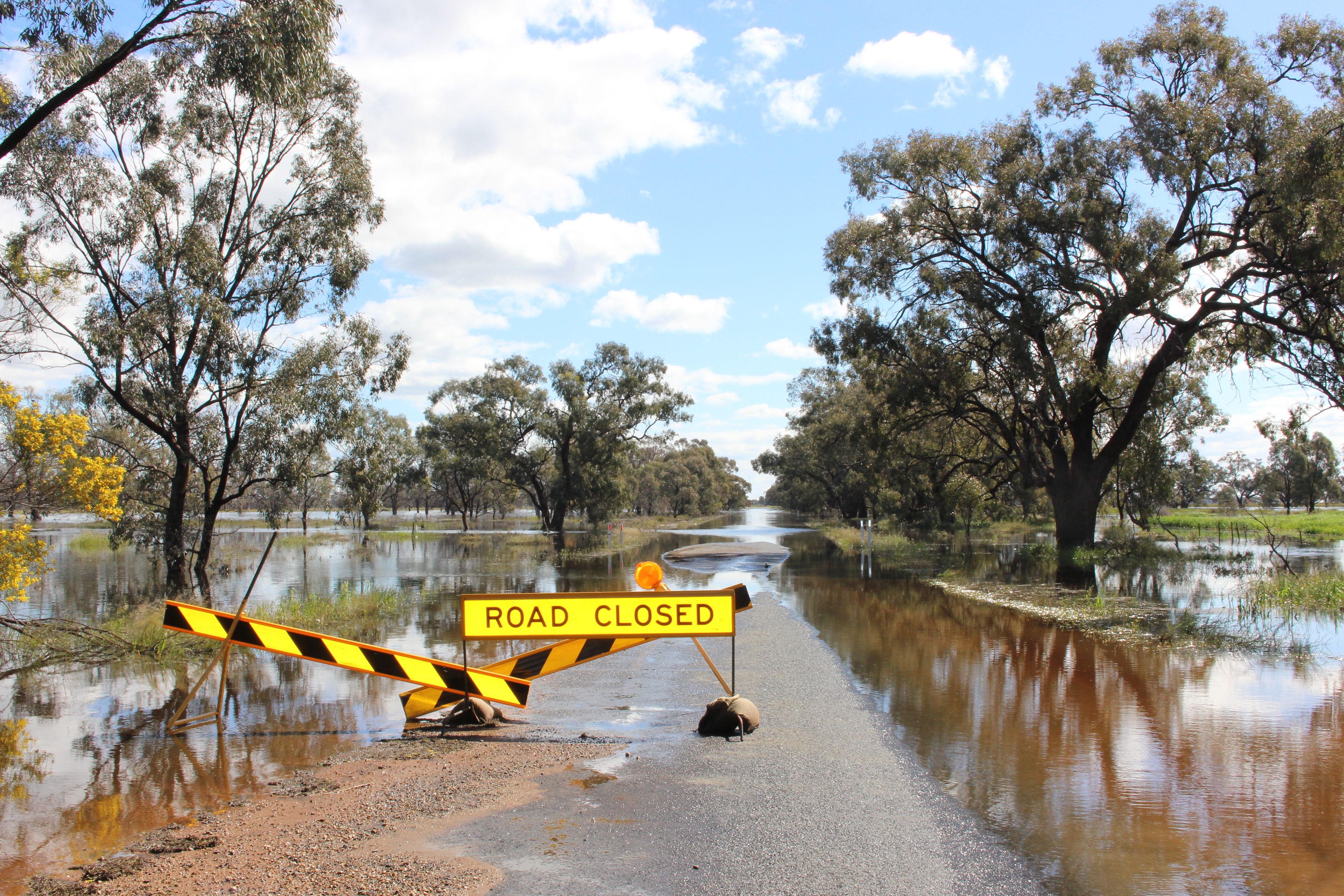
Road Flooded at Condobolin, New South Wales. Photographer: Theo Clark. Source: Getty Images. Used under Licence.

Activity 3: Country as teacher and severe weather events
Focus: Students explore how Aboriginal and Torres Strait Islander Peoples use Indigenous Ecological Knowledge to learn from Country – identifying patterns, and applying this understanding to prepare for, and respond to severe weather events.
Possible overarching question: What can Country teach us about severe weather events?
Step by step guide
Step 1: Case Study Exploration
Step 2: Creating to Communicate
Step 3: Sharing with Peers
Required Resources
Severe Weather Events Case Study Fact Sheets - Versions A and B available
Severe Weather Events Case Study Note-taking Template (optional)
Research Planner (optional)
Step 1: Case study exploration
Divide students into groups and assign each group a different case study. Alternatively, groups may choose which severe weather event they are most interested in exploring out of the following options:
Lardil People and Cyclones
Yuin and and Gundungurra Peoples and Tsunamis
Martu People and Bushfires
Anangu People and Drought
Gunditjmara People and Floods
Yolnu People and Monsoons
Torres Strait Islander Sea Caring Culture (not a specific ‘event’ but related to the many effects of climate change including erosion, flood and coral bleaching).
Select the version of the case study fact sheet that best matches students’ reading level, each case study is available in two levels of difficulty: A and B.
The Severe Weather Events Case Study Note-taking Templates are available for student to use to guide them through comprehending the texts and preparing to share their learning with the group. A research planner is also available if students are researching beyond the information available in the Case Study Fact Sheets.
Alternatively, students can take their own notes using these guiding questions:
What strategies or knowledge is shared about this severe weather event in this case study?
Who is sharing the knowledge?
In this case study, what did Aboriginal or Torres Strait Islander Peoples learn by observing Country?
What patterns in the land, water, sky, or animals help Aboriginal or Torres Strait Islander Peoples to predict and prepare for this severe weather event?
How does sharing knowledge through stories, song, or practice keep communities safe?
How might scientists and communities work together to use both Indigenous Ecological Knowledge and Western science?
Step 2: Creating to communicate
Students work in their groups to decide how they want to share what they have learned from their case study. They can choose from a variety of different formats. Allowing for choice supports different strengths and learning styles.
Possible formats include:
Creating a digital presentation (Canva, Prezi, Google Slides, Powerpoint)
Creating a short animation (Scratch, Powtoon, Animaker, or other platforms)
Designing an informative poster
Filming a short video or news-style report
Writing an article or an infographic
Recording a short podcase or audio explanation
Support students by helping them select an option that matches their resources and skills, setting clear parameters if needed (time limits or slide numbers). Since each group is focusing on just one case study, their presentations can be kept simple – the purpose is to support comprehension and prepare students to share their learning with peers in Step 3.
Step 3: Sharing with peers
Each group presents their case study to the class, highlighting the key areas they learned about how Aboriginal and Torres Strait Islander Peoples use Indigenous Ecological Knowledge and Country as teacher to understand and respond to severe weather events. As students listen to other groups, they are encouraged to make connections between the different case studies and notice common themes or unique approaches.
Related activities within this resources:
Activity 1: Connecting with prior learning about Country/Place
The purpose of this activity is to provide students with an opportunity to connect with prior learning about Country/Place. Through shared texts, images, and a Yarning Circle, students reflect on their own knowledge and experiences, while also listening to others. This activity connects with prior, highlights growth in understanding, and sparks curiosity for the next stage of the unit on Country as teacher.
Activity 2: Traditional Ecological Knowledge is scientific knowledge
This is a short provocation and discussion about what is considered scientific knowledge. It aims to broaden students’ perspectives and encourage them to think beyond a Western lens - considering how science builds on different ways of knowing, including the role of Indigenous Ecological Knowledge in contemporary scientific understandings. This discussion leads into the next activity: Country as Teacher.
Activity 4: Reflection and discussion
In this activity, students reflect on how Indigenous Ecological Knowledge enriches our scientific understanding and supports community resilience in the context of severe weather events.